London — The Complete City Guide 2026
This guide won’t tell you to visit Big Ben. You can see it from the pavement. Instead, this is the London that Londoners actually live — the pub with the best Sunday roast, the market that’s worth waking up for, the free museum that rivals the paid ones. After the Elizabeth Line finally matured, the Ultra Low Emission Zone expanded, and post-pandemic pub culture roared back, 2026 is the year London finally feels like itself again. Let’s get you oriented.
£80–150/day budget
Best: Apr–Jun, Sep–Oct
Why London? An Editor’s Note
Let me tell you about two Londons.
The first is “Tourist London” — Leicester Square on a Saturday night, a £7 pint in a soulless chain pub, the M&M’s World that nobody asked for, queuing two hours for the London Eye only to discover you can’t actually see that much. This London is exhausting, overpriced, and will leave you wondering why everyone makes such a fuss about this grey, expensive city.
The second is “Real London” — a Borough Market cheese toastie eaten standing in the rain, a perfect pint of cask ale in a wood-panelled pub where the fireplace actually works, stumbling onto a free exhibition at the Barbican that changes how you think about art, taking the Overground to a neighbourhood you’ve never heard of and finding your new favourite restaurant. This London will make you consider moving here, despite the rent.
The gap between these two Londons has never been wider. The Elizabeth Line (finally fully operational) has made reaching the real neighbourhoods easier than ever. But Instagram has also concentrated tourists into ever-smaller hotspots while the rest of the city carries on unbothered.
The purpose of this guide: to ensure you experience the second London, not the first. Every recommendation here passes one test: “Would a Londoner actually do this?” If the answer is “only ironically,” it’s not in this guide.
One surgical tip before we begin: The British Museum is free, open until 8:30pm on Fridays, and nearly empty after 5pm. While tourists queue for paid attractions, you can have the Rosetta Stone almost to yourself. This is the gap between Tourist London and Real London in a single evening.
Extending the trip across the Channel? See our Paris city guide (2h15 from St Pancras by Eurostar) and Amsterdam city guide (under four hours direct by Eurostar) for the same treatment.
Table of Contents
- → Top Attractions
- → London’s Best Neighbourhoods
- → Where to Stay — By Budget
- → Where to Eat in London
- → Pubs & British Ale
- → Markets
- → Museums — All Free
- → Coffee Culture
- → Theatre & West End
- → Football in London
- → Hidden London
- → Royal Parks & Green Spaces
- → Day Trips from London
- → Arriving at LHR, LGW, STN, LTN & LCY
- → Getting Around London
- → Best Time to Visit
- → Safety & Practical Info
- → Shopping in London
- → London After Dark
- → London with Kids
- → Romantic London
- → Sustainable London
- → Frequently Asked Questions
Top Attractions in London
London has more world-class attractions than almost any city on Earth — and remarkably, most of the best ones are free. Here’s what actually deserves your time.
1. The British Museum — The Greatest Free Museum on Earth
Let’s be clear: this is the best free museum in the world. The Rosetta Stone, the Parthenon Marbles (yes, those marbles), Egyptian mummies, the Lewis Chessmen, Assyrian lion hunt reliefs — the collection is staggering. You could spend a week here and not see everything.
Entry: FREE. Special exhibitions £15-22. Open daily 10am-5pm, Fridays until 8:30pm.
The Insider Move: Come at 5pm on a Friday. The museum empties out, the Great Court glows golden in the evening light, and you can actually see the exhibits. Start with Room 4 (Rosetta Stone), then Room 18 (Parthenon), then Room 62-63 (Egyptian mummies). Three rooms, ninety minutes, world-class.
Skip: The ground floor café (overpriced, mediocre). Walk five minutes to Store Street for proper coffee and food.
2. Tower of London — Worth the Price
One of the few paid attractions that justifies its cost. The Crown Jewels are genuinely dazzling, the White Tower is nearly 1,000 years old, and the Yeoman Warder tours (included with entry) are theatrical, informative, and very funny. Budget 3-4 hours.
2026 Prices: £34.80 online / £39.80 on the day (hrp.org.uk). Under 5s free. Family tickets available. Advance online booking strongly recommended — peak dates sell out.
The Move: Book online for a morning slot (9:30am) and go directly to the Crown Jewels before the tour buses arrive at 10:30am. Then do a Yeoman Warder tour (every 30 min), then explore at your own pace.
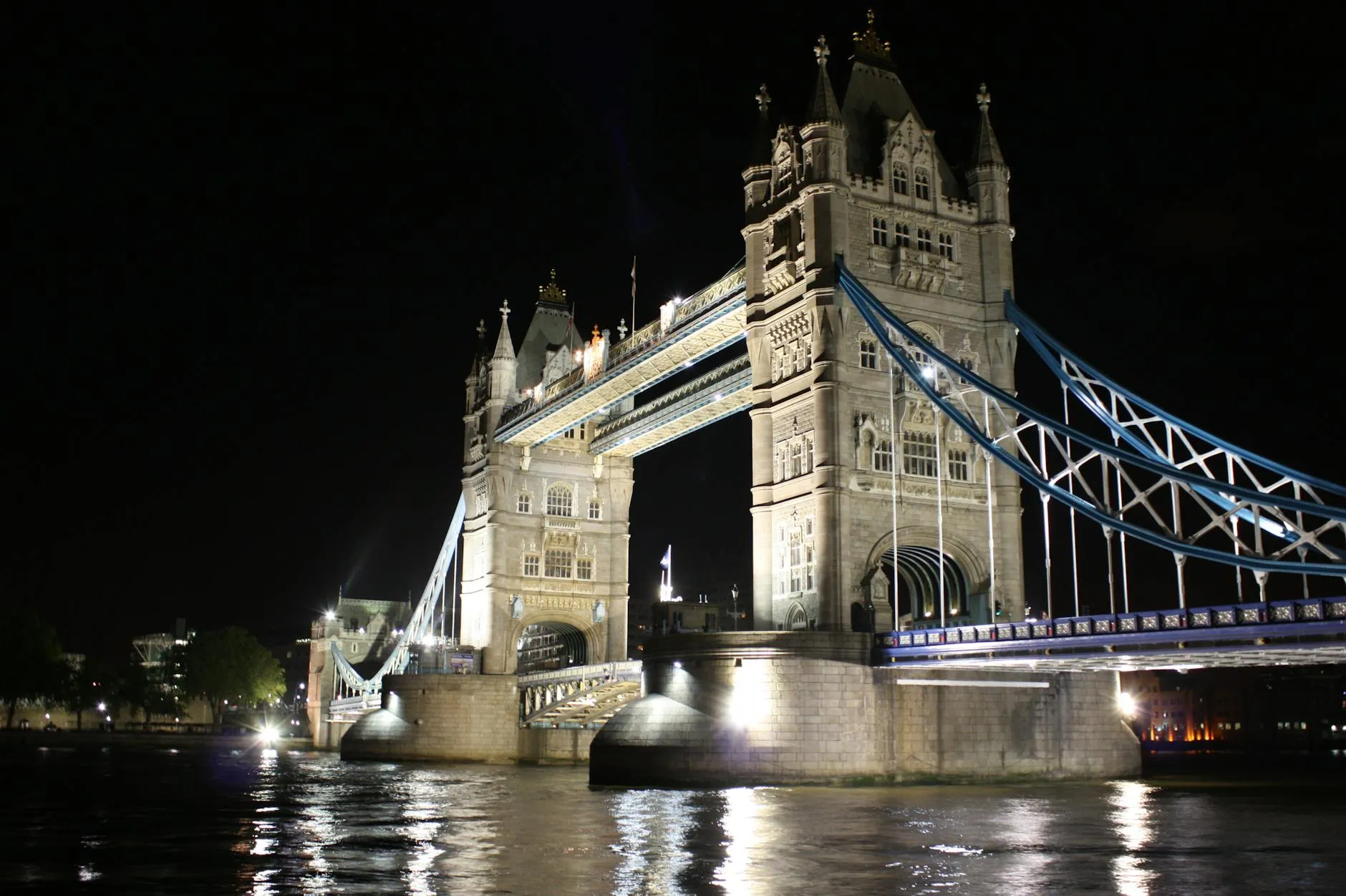
Combine With: Walk across Tower Bridge (free) and along the South Bank toward Borough Market for lunch.
3. Westminster & Big Ben — The Classic Walk
You don’t need to “visit” Big Ben — you just walk past it. The Elizabeth Tower (Big Ben is actually the bell) was restored in 2022 and looks spectacular. The real joy is the walk.
The Route: Start at Westminster Tube. Walk along the Embankment past Big Ben, through Parliament Square, past Westminster Abbey (£31 advance entry, stunning interior, skip if on a budget), along Whitehall past Downing Street, through Horse Guards Parade, and into St James’s Park. Finish at Buckingham Palace (State Rooms open summer only, 9 Jul – 27 Sep 2026, £33 advance). 2km, 45 minutes, completely free to walk.
Big Ben Tours: UK residents can book free tours through their MP. Non-UK visitors can sometimes join tours through the official ballot (check parliament.uk). The 334-step climb is worth it.
4. Tate Modern — Art in a Power Station
The Turbine Hall alone is worth the trip — a vast industrial cathedral that hosts large-scale installations. The permanent collection (Picasso, Warhol, Rothko, Hockney) is world-class and completely free. The views from the restaurant and the Blavatnik Building viewing level are excellent.
Entry: FREE. Special exhibitions £15-22. Open daily 10am-6pm, Fridays/Saturdays until 10pm.
Don’t Miss: The 10th floor viewing level of the Blavatnik Building (free) for 360° views of London.
Combine With: Walk across the Millennium Bridge to St Paul’s Cathedral. The approach from the South Bank is one of London’s great views.
5. St Paul’s Cathedral — Wren’s Masterpiece
Christopher Wren’s 17th-century dome dominates the City skyline. The interior is breathtaking, the Whispering Gallery is a genuine acoustic marvel, and the climb to the Golden Gallery (528 steps) offers the best panoramic view in central London.
2026 Prices: £27 (stpauls.co.uk). Dome galleries and crypt are included in the standard ticket.
Free Option: Attend Evensong (5pm weekdays, 3:15pm Sunday). Entry is free for services, and the choir is extraordinary.
6. The South Bank — London’s Living Room
Not a single attraction but an entire riverside experience. From Westminster Bridge to Tower Bridge, the South Bank is a 5km stretch of culture, food, and views. Walk it.
The Route: London Eye (skip the ride, enjoy the view from the ground) → Southbank Centre (free exhibitions, brutalist architecture) → National Theatre (backstage tours £12) → Tate Modern → Shakespeare’s Globe (tours £18, groundling tickets £5) → Borough Market → HMS Belfast (£26) → Tower Bridge.
Best Time: Late afternoon into evening. The lights along the river after dark are magical.
7. The Victoria & Albert Museum — Design Heaven
The world’s greatest museum of decorative arts and design. Fashion, furniture, ceramics, photography, theatre costumes, the Raphael Cartoons — the V&A covers 5,000 years of human creativity. The building itself is stunning, and the John Madejski Garden is a hidden courtyard oasis.
Entry: FREE. Special exhibitions £15-22. Open daily 10am-5:45pm, Fridays until 10pm.
Don’t Miss: The Cast Courts (Room 46) — full-scale plaster casts of Trajan’s Column and Michelangelo’s David. Surreal and spectacular.
8. Natural History Museum — Cathedral of Science
Even if you’ve no interest in natural history, the Romanesque building is jaw-dropping. The blue whale skeleton in Hintze Hall replaced the beloved Dippy the Diplodocus and is genuinely awe-inspiring. The dinosaur gallery is excellent for all ages.
Entry: FREE. Open daily 10am-5:50pm.
Tip: Enter via the Exhibition Road entrance (the queue is shorter). Go straight to the dinosaurs, then the minerals gallery (Room 40 — extraordinary crystals).
9. Borough Market — The Foodie Pilgrimage
London’s oldest food market (since 1756) and still its best. This isn’t a tourist market — professional chefs shop here. Over 100 stalls selling cheese, charcuterie, bread, produce, street food, and wine. Come hungry.
Hours: Wed-Sat 10am-5pm (full market). Limited stalls Mon-Tue.
Must-Try: Kappacasein raclette (melted cheese on potatoes), Bread Ahead doughnuts, Neal’s Yard Dairy cheese, Brindisa chorizo sandwich.
The Gap: Saturday is mobbed. Friday afternoon is nearly as good with half the crowds.
10. Kew Gardens — The Living Collection
250 acres of botanical gardens, Victorian glasshouses, and 50,000 living plants. UNESCO World Heritage Site. The Palm House and Temperate House are architectural marvels; the treetop walkway offers unusual perspectives. Budget a full day.
2026 Prices: Seasonal. Peak season (Feb 1 – Oct 31) is £20 weekday / £22 weekend online, £27 at gate. Off-peak (Nov 1 – Jan 31) is £12 weekday / £14 weekend online, £19 at gate. Under 4s free. Always cheaper online than at the gate.
Getting There: Tube to Kew Gardens (District Line) or riverboat from Westminster (seasonal, £15-20 one way).
11. Hampton Court Palace — Tudor Grandeur
Henry VIII’s favourite palace, complete with Tudor kitchens, the famous maze, and 60 acres of gardens. Feels like a different era (because it is). The audio tour is excellent.
2026 Prices: £28 online. Maze included.
Getting There: Train from Waterloo to Hampton Court (35 min, £10-15 return). The palace is a 2-minute walk from the station.
12. Sky Garden — Free Views
The “Walkie Talkie” building’s rooftop garden offers 360° views of London completely free — but you must book in advance. The garden itself is pleasant; the views are the point. There’s a bar and restaurant (overpriced but atmospheric).
Entry: FREE. Book at skygarden.london up to 3 weeks ahead. Slots go fast.
Alternative: If Sky Garden is full, the Tate Modern viewing level is also free and no booking required.
London’s Best Neighbourhoods
London is a city of villages. Each neighbourhood has its own personality, and where you stay will fundamentally shape your experience. Here’s the honest breakdown:
Soho — The Chaotic Heart
London’s most vibrant square mile: LGBTQ+ bars, Chinatown, jazz clubs, Michelin-starred restaurants, vinyl shops, and dive bars all within stumbling distance. Soho is messy, expensive, and absolutely essential.
Best For: Nightlife, dining, theatre, people who like chaos.
Eat: Bar Italia (espresso, open 22 hours), Koya (udon), Bao (Taiwanese buns), Ducksoup (natural wine and small plates).
Drink: The French House (Soho institution), Swift (cocktails, downstairs den), Trisha’s (members’ club for civilians on certain nights).
Stay: Expensive but central. Ham Yard Hotel (from £350), The Soho Hotel (from £400), or budget at Generator London (from £30 dorms).
Shoreditch & Hackney — The Creative East
The former industrial wasteland is now London’s creative capital. Street art on every corner, coffee shops that take themselves very seriously, vintage markets, and a nightlife scene that starts at midnight. Gentrified but still edgy.
Best For: Street art, nightlife, coffee, vintage shopping, creative types.
Eat: Dishoom (Bombay café, always a queue), Smoking Goat (Thai-ish), St John Bread & Wine (British, nose-to-tail).
Drink: Happiness Forgets (basement cocktails), The Ten Bells (historic pub, Jack the Ripper connections), XOYO (club).
Stay: Ace Hotel Shoreditch (from £200), Mama Shelter (from £120), or hostels along Brick Lane.
South Bank & Bankside — The Culture Strip
The riverside stretch from Westminster to Tower Bridge packs in more culture per kilometre than anywhere else in London. Tate Modern, Shakespeare’s Globe, Borough Market, the Southbank Centre — it’s all walkable.
Best For: Museums, food markets, riverside walks, families.
Eat: Borough Market (see above), Padella (pasta, always a queue), The Anchor Bankside (historic pub).
Stay: citizenM (from £140), Sea Containers London (from £250), or cross the river to The City for cheaper options.
Camden — The Market Town
Yes, it’s touristy. But Camden Market is still a genuine experience — four markets merged into a labyrinth of stalls selling everything from vintage clothes to vinyl to street food. The live music scene remains strong (Roundhouse, Jazz Café, Electric Ballroom).
Best For: Markets, live music, people-watching, vintage shopping.
Eat: Street food in Camden Market (Yum Bun, Chin Chin Labs ice cream), Poppies (fish & chips).
Warning: Saturday afternoons are pandemonium. Go on a weekday morning or Sunday.
Notting Hill — The Pastel Fantasy
The colourful houses, the Portobello Road market, the boutiques — Notting Hill looks exactly like the movie. It’s undeniably pretty, genuinely charming, and absolutely rammed on weekends. The residential streets are where the magic is.
Best For: Markets, antiques, Instagram, couples.
Eat: The Ledbury (2 Michelin stars, £185 tasting), Granger & Co (brunch), Portobello Road stalls.
Don’t Miss: Carnival (late August bank holiday weekend) — Europe’s largest street festival. Book accommodation months ahead.
Brixton — South London Soul
Brixton has always been London’s most soulful neighbourhood — Caribbean heritage, live music, and a market that’s been serving the community for over a century. Now also home to Pop Brixton (container village with bars and food) and a thriving restaurant scene.
Best For: Live music, Caribbean food, market life, real London.
Eat: Brixton Village & Market Row (covered arcades packed with restaurants), Franco Manca (original branch), Fish, Wings & Tings.
Drink: Prince of Wales (enormous beer garden), Brixton Brewery taproom.
Peckham — The New Cool
Peckham was rough 15 years ago. Now it’s London’s most exciting neighbourhood for food and nightlife, still affordable, still diverse, still not quite gentrified. Frank’s Café (rooftop bar in a car park) put it on the map; the restaurants keep it there.
Best For: Rooftop bars, affordable eating, art galleries, young creatives.
Eat: Kudu (South African), Peckham Bazaar (Balkan), Mr Bao (Taiwanese), Levan (natural wine bistro).
Drink: Frank’s Café (seasonal rooftop), Peckham Levels (multi-level bar/food hall), Bar Story.
Greenwich — The Maritime Village
Cross the river (the foot tunnel under the Thames is free and surreal) to reach Greenwich — home to the Cutty Sark, the Royal Observatory, the Prime Meridian, and a weekend market. It feels like a small town, not a London neighbourhood.
Best For: History, maritime heritage, families, escaping central London.
See: Cutty Sark (£18), Royal Observatory (£18, stand on the Meridian Line), National Maritime Museum (free), Greenwich Market (Wed-Sun).
Islington — The Leafy Liberal
Upper Street’s mile of restaurants, bars, and boutiques is North London’s high street. Angel tube station puts you in the centre of it. Quieter than Soho, prettier than Shoreditch, and more convenient than Hampstead.
Best For: Restaurants, antique shops (Camden Passage), theatre (Almeida, Old Vic nearby), professionals.
Eat: Ottolenghi (original branch), Trullo (Italian), Le Mercury (French bistro, very good value).
Hampstead — The Village on the Hill
Hampstead feels like a village that happens to be on the Northern Line. Cobblestone lanes, literary history (Keats lived here), and 800 acres of wild Heath. Perfect for a Sunday escape from central London.
Do: Walk on Hampstead Heath, swim at the ponds (separate for men, women, mixed), visit Kenwood House (free, stunning art collection), pub lunch at The Holly Bush.
Where to Stay in London — By Budget
London accommodation is expensive. Accept this now. But location matters more than luxury — a mediocre hotel in Shoreditch beats a fancy one in Earl’s Court.
Budget: £40-100 per night
Hostels, budget hotels, and outer zones. You’ll need to use the Tube, but you’ll save significantly.
Generator London (Russell Square): The best hostel in central London. Dorms from £25, privates from £80. Central location, social vibe, bar on-site.
Wombat’s City Hostel (Whitechapel): Clean, modern, excellent location near Brick Lane. Dorms from £30.
Point A Hotels (multiple): Tiny rooms but clean and central. From £60. Locations in Shoreditch, King’s Cross, Westminster.
Z Hotels (multiple): Slightly nicer than Point A, still compact. From £80. Piccadilly, Soho, and Covent Garden locations.
Mid-Range: £150-250 per night
citizenM (Tower of London, Southwark, Shoreditch): Tech-forward design hotel with wall-to-wall windows and mood lighting. Compact but clever. From £140.
The Hoxton (Shoreditch, Holborn, Southwark): Industrial-chic rooms, excellent restaurants, no minibar ripoffs. From £180.
Mama Shelter (Shoreditch): Philippe Starck design, rooftop bar, lively vibe. From £120.
hub by Premier Inn (multiple): Surprisingly good budget design hotel. Compact but well-designed. From £90.
Luxury: £350+ per night
The Ned (The City): Former bank converted to hotel/members’ club with rooftop pool. Art Deco splendour. From £350.
Claridge’s (Mayfair): The classic luxury choice. Art Deco, impeccable service, Gordon Ramsay restaurant. From £600.
The Savoy (Strand): London’s most famous hotel since 1889. River views, afternoon tea, the works. From £500.
Shoreditch House (Shoreditch): Members’ club with hotel rooms. Rooftop pool, creative crowd. From £400 (non-members can book rooms).
Where to Eat in London
London’s dining scene has transformed in the past two decades. The old joke about British food is dead — buried under a mountain of Michelin stars, immigrant cuisines, and market stalls serving better food than most sit-down restaurants.
The Full English Breakfast
The proper fry-up: bacon, eggs, sausages, baked beans, grilled tomato, mushrooms, toast, and black pudding if you’re brave. Done right, it’s a religious experience. Done wrong, it’s a greasy regret.
Where: Regency Café (Westminster, old-school, cash only), E. Pellicci (Bethnal Green, Italian family, Grade II listed), Terry’s Café (Borough, no frills), The Wolseley (Piccadilly, upmarket version).
The Sunday Roast
The quintessential British tradition: roasted meat (beef, lamb, pork, or chicken), roast potatoes, Yorkshire pudding, vegetables, and gravy. Always on Sunday. Often in pubs.
Where: The Harwood Arms (Fulham, Michelin star, from £32), Blacklock (Soho, excellent value), The Quality Chop House (Clerkenwell), any proper pub with a “Sunday Roast” sign.
The Rule: Book ahead. Every Londoner wants a roast on Sunday, and the good places fill up by Thursday.
Fish & Chips
Battered fish (cod or haddock), thick-cut chips, mushy peas, tartar sauce. Simple when done well, dismal when done badly. The fish should be fresh, the batter crisp, the chips fluffy inside.
Where: Poppies (Spitalfields and Camden, retro vibe), The Golden Hind (Marylebone, since 1914), Kerbisher & Malt (various, sustainable fish), Rock & Sole Plaice (Covent Garden, oldest chippy in the West End).
Curry — London’s True National Dish
British curry is its own cuisine — born on Brick Lane, refined in Birmingham, and now ubiquitous. Chicken tikka masala was invented in Britain. The curry houses on Brick Lane are mostly tourist traps; the real action is elsewhere.
Where: Dishoom (multiple, Bombay café style, always a queue), Tayyabs (Whitechapel, Punjabi grill, BYO), Lahore Kebab House (Whitechapel, legendary lamb chops), Gymkhana (Mayfair, 1 Michelin star, upmarket colonial).
Pie & Mash
The East End’s original fast food: minced beef pie, mashed potato, and liquor (parsley sauce, not alcohol). The old eel, pie, and mash shops are dying out — visit while you can.
Where: M. Manze (Tower Bridge Road, since 1902, Grade II listed), F. Cooke (Broadway Market), Goddards at Greenwich.
Borough Market & Street Food
See the Borough Market section under Attractions. But also: street food has exploded across London. Markets like KERB (King’s Cross, Seven Dials), Mercato Metropolitano (Elephant & Castle), and Pop Brixton offer global cuisines at reasonable prices.
Michelin Stars — The Highlights
London has more Michelin stars than any city except Tokyo. Here are the standouts:
Three Stars (verified 2026 Michelin Guide): Core by Clare Smyth (Notting Hill, £195 tasting), Restaurant Gordon Ramsay (Chelsea, £175), Alain Ducasse at The Dorchester (Mayfair, £185). London’s full three-star roster for 2026 includes additional starred restaurants not listed here — verify current listings at guide.michelin.com before booking. (The Araki in Mayfair lost all three stars in the 2020 guide following the departure of chef Mitsuhiro Araki and has not regained them as of 2026; earlier editions of this guide listed it in error.)
Two Stars Worth the Splurge: The Ledbury (Notting Hill, £185), Ikoyi (St James’s, West African-inspired, £185), Kitchen Table (Fitzrovia, counter dining, £228).
One Star, More Accessible: Brat (Shoreditch, wood-fired, £80-100), Lyle’s (Shoreditch, British seasonal, £75 lunch), The Clove Club (Shoreditch, £145), Sabor (Mayfair, Spanish, £60-100).
The Gap: Where Londoners Actually Eat
Honest truth: most Londoners can’t afford Michelin stars. The real dining scene is in casual restaurants, market stalls, and “cheap eats” that would be destination dining anywhere else:
Padella (Borough): Fresh pasta, £8-12 per dish. Always a queue. Worth it.
Bao (Soho, Fitzrovia): Taiwanese buns, £5-8 each. Cult following.
Hoppers (Soho, Marylebone): Sri Lankan hoppers, £7-15. No reservations, queue system.
Dishoom (multiple): Bombay café, £12-20 mains. Book ahead or queue.
Franco Manca (multiple): Sourdough pizza, £6-10. Best value pizza in London.
Pubs & British Ale — A Primer
The pub is the heart of British social life. Not bars — pubs. The distinction matters. A pub is a public house, a community living room, a place where you can sit alone with a book and no one will bother you, or meet strangers who become friends by closing time.
Understanding British Beer
Cask Ale (Real Ale): Unpasteurised, unfiltered, served at cellar temperature (11-13°C) via hand pump. This is the good stuff — complex, flavourful, alive. Look for the hand pumps on the bar.
Keg Beer: Pressurised, colder, fizzier. Includes most lagers and many craft beers. Not bad, just different.
The Pint: 568ml (20 imperial fluid ounces). Always a full pint unless you order a half. Tipping at the bar isn’t expected; offering the bartender a drink (“and one for yourself”) is the old-school move.
London’s Best Historic Pubs
Ye Olde Cheshire Cheese (Fleet Street): Rebuilt after the 1666 fire, frequented by Dickens, Johnson, and Twain. Low ceilings, sawdust floors, genuinely ancient. The cellars date to a 13th-century monastery.
The Lamb and Flag (Covent Garden): 17th-century pub where Dryden was nearly beaten to death. Tiny, crowded, historically violent, excellent.
The George Inn (Borough): London’s last surviving galleried coaching inn, owned by the National Trust. Shakespeare might have drunk here. The courtyard is magical.
The Churchill Arms (Kensington): Famous for its extraordinary floral displays (20,000+ flowers in summer) and excellent Thai food in the back room.
The Prospect of Whitby (Wapping): London’s oldest riverside pub (1520). Dickens drank here. Smugglers drank here. You should drink here.
Pubs for the Beer
The Harp (Covent Garden): CAMRA National Pub of the Year multiple times. Ten hand pumps, all excellent.
The Southampton Arms (Kentish Town): Cask ale and cider only. No lager, no cocktails, no music. Just brilliant beer.
The Euston Tap (Euston): In a historic station lodge. 20+ keg lines, 8 casks, hundreds of bottles.
The Wenlock Arms (Hoxton): Proper East End boozer with serious cask selection. Live jazz some nights.
Craft Beer
London’s craft beer scene is now world-class:
Breweries with Taprooms: Beavertown (Tottenham Hale), Pressure Drop (Hackney), Kernel (Bermondsey), Gipsy Hill (Gipsy Hill — obviously).
The Bermondsey Beer Mile: Saturday afternoon pilgrimage along the railway arches of Bermondsey, hitting taprooms (Kernel, Partizan, Fourpure, Anspach & Hobday, and more). Start around 11am, pace yourself.
Pub Etiquette
- Order at the bar: No table service in traditional pubs. Go to the bar, wait your turn, order, pay, carry your drinks.
- Rounds: If drinking in a group, buy rounds. When someone buys you a drink, you owe the next round. Leaving before your round is social death.
- Don’t: Ask for a cocktail in a traditional pub. Don’t snap fingers at bartenders. Don’t tip (though “and one for yourself” is welcome).
- Closing time: Most pubs close at 11pm weekdays, midnight weekends. Some have late licenses. “Last orders” is called 15-20 minutes before close.
Markets in London
London’s markets are where the city’s soul reveals itself — food markets, flower markets, antique markets, flea markets. Skip the shops; hit the markets.
Borough Market (Southwark)
See Attractions above. London’s greatest food market. Wed-Sat for full market; Friday is the sweet spot.
Portobello Road Market (Notting Hill)
Antiques at the southern end, food in the middle, vintage and bric-a-brac at the north. Saturday is the main day; Friday has antiques with fewer crowds.
Don’t Miss: Alice’s Antiques (furniture), the secondhand record stalls, The Grocer on Portobello (cheese counter).
Columbia Road Flower Market (Shoreditch)
Sundays only, 8am-3pm. East End voices selling plants and flowers from Victorian shopfronts. The most photogenic market in London. Come early (8am) to browse, or late (2pm) for bargains as sellers clear stock.
Broadway Market (Hackney)
Saturday food and farmers market that captures the Hackney vibe perfectly. Excellent street food, local produce, and a crowd of creatives. Walk north to London Fields park after.
Brick Lane Market (Shoreditch)
Sunday chaos: vintage clothes, bric-a-brac, and some of the best bagels in London (Beigel Bake, 24 hours, cash only). The quality is variable; the atmosphere is unmissable.
Camden Market
Four markets merged into one sprawling tourist attraction. Still worth visiting for the food stalls (Yum Bun, Chin Chin Labs, Voodoo Ray’s pizza) and the canal-side setting. Avoid Saturdays if you value personal space.
Maltby Street Market (Bermondsey)
Borough Market’s cooler, smaller sibling. Saturday and Sunday under the railway arches. Combine with the Bermondsey Beer Mile.
Old Spitalfields Market (Spitalfields)
Covered market with traders every day, antiques on Thursdays, record fair first and third Friday of the month. Less touristy than Covent Garden, more interesting than most.
London’s Free Museums
London’s national museums are free — one of the world’s great cultural gifts. No other city offers this. Use it.
The Big Five (All Free)
British Museum (Bloomsbury): World history in one building. See Attractions above.
Natural History Museum (South Kensington): Dinosaurs, minerals, the building itself. See Attractions above.
Victoria & Albert Museum (South Kensington): Design and decorative arts. See Attractions above.
Tate Modern (Bankside): Modern and contemporary art. See Attractions above.
Tate Britain (Pimlico): British art from 1500 to today. The Turner collection alone justifies a visit. Less crowded than Tate Modern.
Also Free & Excellent
National Gallery (Trafalgar Square): Van Gogh’s Sunflowers, da Vinci, Monet, Velázquez. One of the world’s great collections. Skip the shop, spend the time looking.
Science Museum (South Kensington): Best for families. Interactive exhibits, space exploration, the computing gallery. Can do V&A and Natural History in the same trip (they’re neighbours).
Imperial War Museum (Lambeth): Two World Wars, the Holocaust, modern conflict. Heavy but essential. Free, though special exhibitions charge.
London Museum (West Smithfield, opening late 2026): Formerly the Museum of London at the Barbican, which closed in December 2022 for a £337m relocation to West Smithfield’s Victorian General Market. The new permanent galleries are scheduled to open by end of 2026; the adjacent 1960s Poultry Market building (collection stores, temporary exhibitions) follows in 2028. Free entry when it opens. Nearest station: Farringdon (Elizabeth Line, Thameslink, Circle / Hammersmith & City / Metropolitan).
Sir John Soane’s Museum (Holborn): An architect’s personal collection crammed into a townhouse. Hieroglyphics, architectural models, Hogarth paintings. Utterly unique. Free.
Wallace Collection (Marylebone): Old masters, armour, French furniture in a grand townhouse. Feels like a private collection because it was. Free.
The Gap: Friday Late Events
Many museums host “Friday Late” events — evening openings with DJs, bars, talks, and performances. Significantly better than the daytime crush:
- British Museum: Open until 8:30pm Fridays (free)
- V&A: Open until 10pm Fridays (free, sometimes ticketed events)
- Science Museum: “Lates” last Wednesday of the month, adults only, 18:30-22:00
- Natural History Museum: Last Friday of the month, adults only (ticketed)
Coffee Culture in London
London’s coffee scene has exploded since 2010. The city now rivals Melbourne, and the concentration of serious roasters and cafés in East London is world-class.
The Pioneers
Monmouth Coffee (Borough, Covent Garden): The original. Opened in 1978, still setting the standard. The Borough Market location has a queue; it’s worth it.
Flat White (Soho): The café that brought Melbourne coffee culture to London in 2005. Still excellent.
The East London Scene
Allpress Espresso (Shoreditch): New Zealand roaster with an airy Redchurch Street café.
Ozone Coffee (Shoreditch): Big, beautiful space with in-house roasting. The full breakfast menu is serious.
Origin Coffee (Shoreditch, British Library): Cornish roaster with a cult following. The Shoreditch café is always busy.
Climpson & Sons (Broadway Market): Hackney institution since 2005. Roastery tours available.
Across London
Rosslyn (The City): Specialty coffee in the financial district. Quality espresso for stressed bankers.
Workshop Coffee (multiple): Consistently excellent across several locations. The Clerkenwell branch is the original.
Kiss the Hippo (Richmond, Fitzrovia): Carbon-negative roaster with excellent beans and beautiful spaces.
Prufrock Coffee (Clerkenwell): Training centre and café run by world-champion baristas.
Theatre & The West End
London has more theatres than any city except New York, and arguably better ones. The West End is the commercial heart, but the fringe and subsidised theatres are where risks get taken.
Getting Tickets
TKTS Booth (Leicester Square): Same-day discounted tickets for West End shows. The queue moves fast. No booking fees. Cash or card.
Day Seats & Lotteries: Many shows release cheap tickets on the day (queue at box office) or via app lotteries (TodayTix). Hamilton, Les Mis, and most major shows have these schemes.
Book Direct: Always book via the theatre website or official channels. Third-party sites add massive fees.
What to See
Long-Running: Les Misérables (Sondheim Theatre), The Phantom of the Opera (His Majesty’s Theatre — the London production has never closed and marks its 40th anniversary in 2026, currently booking into October), Wicked (Apollo Victoria), Hamilton (Victoria Palace), The Mousetrap (St Martin’s — running since 1952).
2026 Highlights: Check listings closer to your visit. New productions and limited runs change constantly.
Beyond the West End
National Theatre (South Bank): Three stages, subsidised tickets (from £15), world-class productions. The Olivier Theatre is one of London’s great spaces.
Old Vic (Waterloo): Historic theatre with ambitious programming. Kevin Spacey era is over; quality remains high.
Donmar Warehouse (Covent Garden): 250-seat studio producing transfer-worthy work. Book early.
The Young Vic (Waterloo): Experimental, diverse programming. Cheap tickets, great bar.
Shakespeare’s Globe (Bankside): Open-air Elizabethan theatre. Standing “groundling” tickets £5. Magical in summer.
Football in London
London has more professional football clubs than any city on Earth. Getting tickets is hard; the atmosphere is worth the effort.
Premier League Clubs (2025-26 Season)
Arsenal (Emirates Stadium, N5): 60,000 capacity. Tickets: nearly impossible for league games. Try Cup matches, away ballot, or official hospitality (£150+). Stadium tour £28.
Chelsea (Stamford Bridge, SW6): 40,000 capacity. Membership (£29) required to buy tickets. Less impossible than Arsenal. The new stadium plans remain uncertain.
Tottenham (Tottenham Hotspur Stadium, N17): 62,000 capacity, opened 2019. The best stadium in England. Stadium tour £30, includes walking on the glass Sky Walk.
West Ham (London Stadium, E20): 62,500 capacity. Tickets more available than the Big 3. Atmosphere variable.
Crystal Palace (Selhurst Park, SE25): 25,000 capacity. Excellent atmosphere, tickets more accessible. South London institution.
Fulham (Craven Cottage, SW6): 25,000 capacity. Riverside location, charming ground, Johnny Haynes stand is iconic.
Brentford (Gtech Community Stadium, TW8): 17,000 capacity. New stadium, excellent atmosphere, most accessible tickets in the league.
Getting Tickets
Most Premier League tickets require club membership or season tickets. Your best options:
- Become a member (£25-50/year) for ticket access
- Try cup competitions (FA Cup, League Cup)
- Official hospitality (expensive but guaranteed)
- Championship or lower league matches — easier tickets, often better atmosphere
The Pub Experience
If you can’t get tickets, watch in a pub. North London pubs for Arsenal vs Spurs, Fulham Broadway pubs for Chelsea, proper East End pubs for West Ham. The atmosphere is half the experience.
Hidden London — Local Secrets
Beyond the guidebook highlights, London rewards exploration. Here’s what the tourists miss.
Dennis Severs’ House (Spitalfields)
A “still-life drama” — a Georgian townhouse preserved as if the (fictional) Huguenot family who lived here just stepped out. Candlelit tours on Mondays let you walk through 10 rooms in silence, accompanied only by the sounds of the house. Genuinely magical. £15-20, book ahead.
Postman’s Park (The City)
A tiny park near St Paul’s containing the Memorial to Heroic Self-Sacrifice — Victorian tiles commemorating ordinary people who died saving others. “Sarah Smith, Pantomime Artiste, who died of terrible injuries received when attempting in her inflammable dress to extinguish flames which had enveloped her companion.” Quietly devastating.
Leadenhall Market (The City)
Victorian covered market surrounded by office towers. Used as Diagon Alley in Harry Potter. Most visitors miss it despite being five minutes from the Bank of England. The pubs and restaurants inside are excellent for City lunch.
The Hunterian Museum (Holborn)
Reopened in 2023 after renovation. The surgical collection of John Hunter — 3,500 anatomical and pathological specimens. Not for the squeamish. Free.
Little Venice
Where the Grand Union and Regent’s Canals meet, creating a triangle of houseboats and waterside cafés. Walk the towpath to Camden (45 minutes) or take a canal boat. Feels nothing like the rest of London.
Highgate Cemetery
Karl Marx is buried here, but the atmosphere is the attraction — Victorian Gothic monuments disappearing into ivy and undergrowth. West Cemetery by guided tour only (£16). East Cemetery open daily (£5).
God’s Own Junkyard (Walthamstow)
A warehouse filled with rescued neon signs from old London shops, Soho sex clubs, and film sets. Surreal, photogenic, and free on weekends. Combine with Walthamstow Wetlands and the village.
Wilton’s Music Hall (Tower Hamlets)
The world’s oldest surviving grand music hall, half-restored and atmospheric as hell. Catch a show if you can; otherwise, join a tour (£10).
The Ceremony of the Keys
The ritual locking of the Tower of London, performed every night at 9:53pm for over 700 years. Free but requires booking months ahead via the Tower website. Unforgettable.
Royal Parks & Green Spaces
London is one of the greenest capital cities on Earth — 47% green space. The Royal Parks are the crown jewels, but the local commons and heaths are where Londoners actually spend their Sundays.
The Royal Parks
Hyde Park & Kensington Gardens (W2): 350 acres of central London greenery. The Serpentine (swimming in summer), Speakers’ Corner (Sunday morning rants), the Diana Memorial Fountain, the Peter Pan statue. Rent a deck chair (£2.50/hr) and watch London go by.
Regent’s Park (NW1): London Zoo, the Open Air Theatre (summer Shakespeare), Queen Mary’s Gardens (the best roses in London), Primrose Hill (views). The park cafe does a decent breakfast.
St James’s Park (SW1): The most central park, between Buckingham Palace and Whitehall. The pelicans are fed daily at 2:30pm. The view of the palace from the bridge is postcard-perfect.
Greenwich Park (SE10): Hilltop views of the city, Royal Observatory, deer, and the best vista in London. Combine with the Maritime Museum and market.
Richmond Park (TW10): 2,500 acres of wilderness with 600 free-roaming deer. The largest Royal Park, and the only one that feels truly wild. Rent bikes at the gate.
Wild London
Hampstead Heath (NW3): 800 acres of ancient woodland and meadows. Three swimming ponds (men’s, women’s, mixed), Kenwood House concerts, and views from Parliament Hill. The best Sunday walk in London.
Walthamstow Wetlands (E17): Europe’s largest urban wetland reserve, opened to the public in 2017. Reservoirs, reed beds, and 200+ bird species. Free. Combine with God’s Own Junkyard.
Epping Forest (E4): 6,000 acres of ancient forest on the tube map (Central Line to Epping). Deer, ancient oaks, and proper wilderness within Zone 6.
Day Trips from London
London is the hub of Britain’s rail network. Within 90 minutes, you can reach historic cities, countryside, and coastline.
Oxford — The Original University City
Dreaming spires, Harry Potter cloisters, and 38 colleges to explore. Start at the Bodleian Library (tours from £10), climb the Radcliffe Camera (bookings essential), visit Christ Church (£18, Harry Potter dining hall), and punt on the Cherwell.
Getting There: Train from Paddington (1 hour, £20-40 return) or Oxford Tube bus (90 min, £12 return).
Bath — Georgian Grandeur
England’s most beautiful city: Roman Baths, Georgian architecture, and Thermae Bath Spa (rooftop hot springs with city views, from £45). The Royal Crescent is free to walk; the Assembly Rooms and Fashion Museum are worth the entry.
Getting There: Train from Paddington (90 min, £30-60 return).
Brighton — London-on-Sea
The closest beach to London, with a Victorian pier, a bohemian vibe, and The Lanes (antiques and boutiques). Fish and chips on the pebbles is obligatory. The Royal Pavilion (£18) is gloriously ridiculous.
Getting There: Train from Victoria or London Bridge (1 hour, £15-30 return).
Cambridge — The Other University
Smaller and quieter than Oxford, arguably more beautiful. King’s College Chapel is the highlight (£14, free for services). Punting on the Backs is the quintessential Cambridge experience (from £25/person or £35/hour to self-hire).
Getting There: Train from King’s Cross (50 min, £20-35 return).
Stonehenge & Salisbury
The prehistoric monument is legitimately awe-inspiring at sunrise or sunset. Salisbury Cathedral (suggested donation £10) has the best-preserved Magna Carta and the tallest spire in Britain.
Getting There: Train to Salisbury (90 min, £30-50 return), then Stonehenge Tour bus (£18 return). Or organised tours from London (from £60 including entry).
The Cotswolds
Honey-coloured stone villages, rolling hills, and proper English countryside. Burford, Bourton-on-the-Water, Stow-on-the-Wold, and Bibury are the classics. Best explored by car, but tours from London run daily.
Getting There: Train to Moreton-in-Marsh (90 min, £25-40 return), then bus or taxi. Or tours from London (from £55).
Windsor Castle
The world’s largest inhabited castle, residence of the late Queen and now King Charles III. The State Apartments, St George’s Chapel (where Harry and Meghan married), and the Changing of the Guard are all included. Book ahead online.
Getting There: Train from Paddington (30-50 min, £15-25 return) or riverboat from Westminster (seasonal, 3 hours upstream).
2026 Price: £32 advance / £36 on the day (rct.uk). The changing of the guard and State Apartments are included; closures on certain dates for state functions, check before you book.
Arriving at LHR, LGW, STN, LTN & LCY
London has six airports. Which one you fly into will significantly affect your first hours in the city.
Heathrow (LHR) — The Main Hub
London’s largest airport, 24km west. Handles most long-haul international flights. Five terminals connected by free transfer trains.
- Elizabeth Line: £15.50 Oyster/contactless (raised 1 Mar 2026), 30-40 min to Paddington/Liverpool Street. The new standard — frequent, comfortable, integrated.
- Heathrow Express: £26 single standard class, or £10 advance if booked 45+ days ahead (heathrowexpress.com). 15 min to Paddington. Fast but expensive unless you qualify for the advance fare.
- Piccadilly Line: £6.70 Oyster off-peak, 50-60 min to central London. Cheap but slow, often crowded.
- Taxi: £60-100 depending on traffic and destination. 45-90 minutes.
- Uber: £45-80. Similar timing to taxis.
The Verdict: Elizabeth Line has transformed Heathrow. Fast, cheap, no changes to central/east London.
Gatwick (LGW) — The Second City
45km south. Mix of long-haul and budget carriers. Two terminals connected by free shuttle.
- Gatwick Express: £19.90 online single, 30 min to Victoria. Frequent and comfortable.
- Southern/Thameslink: £12-15, 30-45 min to Victoria/London Bridge/St Pancras. Cheaper, nearly as fast.
- Taxi: £80-120. 60-90 minutes depending on traffic.
The Verdict: Skip the Express; take Thameslink if going to King’s Cross/St Pancras, Southern otherwise.
Stansted (STN) — The Ryanair Hub
60km northeast. Budget carriers (Ryanair, easyJet). One terminal.
- Stansted Express: £19.40 online, 47 min to Liverpool Street. The only train option.
- National Express Coach: £12-18, 60-90 min to Victoria/Liverpool Street. Cheaper, slower.
- Uber: £60-90. 60-90 minutes.
The Verdict: Far from central London. Only use if the flight is significantly cheaper.
Luton (LTN) — The Budget Option
55km north. Budget carriers. Confusingly, “Luton Airport Parkway” station is 10 minutes from the terminal by shuttle bus.
- Train + Shuttle: £18-25 to St Pancras/Farringdon (25-40 min train, plus shuttle). Thameslink or East Midlands Railway.
- National Express: £15-20, 60-90 min to Victoria.
- Luton DART: New people-mover connecting station to terminal, opened 2023. £5 on top of train fare.
The Verdict: Awkward connections. The DART helped, but still not convenient.
London City (LCY) — Business Class
10km east, in the Docklands. Small airport for European business routes. BA, Swiss, KLM.
- DLR: £4-6 Oyster, 25 min to Bank. Direct, easy.
- Elizabeth Line: Connect at Custom House for western destinations.
- Taxi: £25-40 to central London. 20-40 minutes.
The Verdict: The most convenient airport if your flight serves it. DLR is simple and cheap.
Southend (SEN) — Don’t
65km east. Branded as “London Southend” despite not being in London. Only fly here if the price difference is extreme.
Getting Around London
London’s transport is comprehensive but expensive. Understanding the system saves money and sanity.
The Tube
The Underground is the backbone of London transport: 11 lines, 272 stations, trains every 2-5 minutes. It’s crowded, hot in summer, and runs from roughly 5am to midnight (24 hours on some lines Fri/Sat).
2026 Fares (from 1 March 2026): Zone 1 paper single is £7.00. Oyster/contactless pay-as-you-go is £2.80 peak / £2.70 off-peak. Zone 1-only daily cap is £8.90. Check tfl.gov.uk for Zone 1-2 and longer-distance caps as they are updated independently of single fares.
Always tap in AND out. Not doing so charges the maximum fare.
Oyster vs Contactless
Contactless (debit/credit card or phone): Same fares as Oyster. Daily and weekly caps applied automatically. Easiest option for visitors with contactless cards.
Oyster Card: £7 deposit (refundable), load with pay-as-you-go credit. Useful if your bank charges international fees.
Visitor Oyster: Pre-loaded card sold at airports and tourist sites. No real advantage over regular Oyster or contactless.
Elizabeth Line
The new east-west line (fully operational since 2023) connects Heathrow and Reading in the west to Shenfield and Abbey Wood in the east, via Paddington, Bond Street, Tottenham Court Road, Farringdon, and Liverpool Street. Fast, air-conditioned, spacious. Use it.
Buses
Flat fare: £1.75 (free for under-16s). Hopper fare: unlimited buses within one hour for a single fare. Contactless or Oyster only — no cash on buses.
Night buses (prefix “N”) run when the Tube closes. The upper deck front seat at night is one of London’s underrated experiences.
Overground, DLR & Trams
The Overground is the orange network circling central London and reaching into the suburbs. Same ticketing as the Tube. The DLR (Docklands Light Railway) is automated and runs above ground — sit at the front for the view. Trams serve South London (Croydon area).
Santander Cycles (Boris Bikes)
London’s bike share: £1.65 to unlock, first 30 minutes included, then £1.65 per additional 30 minutes. Docking stations everywhere in central London. The app shows availability and parking.
Walking
Central London is smaller than you think. Oxford Circus to Covent Garden is 10 minutes. The South Bank walk (Westminster to Tower Bridge) is 5km but flat and scenic. Walk more, Tube less.
Uber & Taxis
Black Cabs: Iconic, licensed, expensive. Hail on the street or find a rank. Can use bus lanes. Drivers know every street (they pass “The Knowledge” test).
Uber: Widely available. Cheaper than black cabs, especially at night. Surge pricing during peak hours.
Best Time to Visit London
The Sweet Spots
Late April–June: London at its best. Longer days, gardens blooming, pub gardens opening. Chelsea Flower Show (May), Wimbledon preparations, Trooping the Colour (June). Book early.
September–October: Summer crowds gone, weather still mild, cultural season begins. London Film Festival (October), theatre season in full swing.
When to Avoid
Late December–January: Cold, dark, wet. Short days (sunset 4pm). Some things close between Christmas and New Year. That said, the Christmas lights and NYE fireworks are spectacular if you brave the weather.
August Bank Holiday Weekend: Notting Hill Carnival is incredible but chaotic. If you’re not specifically attending, avoid Notting Hill.
2026 Events Worth Planning Around
Trooping the Colour (June 13, 2026): The King’s official birthday parade. Pageantry at its finest. Free to watch from the Mall.
Wimbledon (June 29–July 12, 2026): The tennis tournament. Queue for tickets (£25-55 for outside courts) or book ahead via ballot (entered the previous year).
Notting Hill Carnival (August 30–31, 2026): Europe’s largest street festival. Two million people, Caribbean culture, sound systems. Sunday is family day; Monday is the main event.
London Marathon (April 26, 2026): Watch for free anywhere along the route. The finish line at The Mall is the best spot.
Bonfire Night (November 5): Fireworks across the city. Best displays at Alexandra Palace, Battersea Park, Victoria Park.
New Year’s Eve Fireworks: Ticketed event (£20, sells out fast) along the South Bank. Book by October.
Also 2026: FA Cup Final (May), Royal Ascot (June), Pride in London (July), BBC Proms (July–September), London Fashion Week (February & September), Lord Mayor’s Show (November).
Safety & Practical Information
Safety
London is generally safe for visitors. Violent crime is rare in tourist areas. The main concerns:
Pickpockets: Active on the Tube (especially the Central Line), at tourist sites, and in crowded markets. Keep phones in front pockets, bags closed and in sight.
Phone Snatching: Increasingly common — thieves on bikes grab phones from pedestrians. Don’t walk and text near kerbs. Keep your phone in your pocket, not your hand.
After Dark: Most areas are safe. Some spots to be more aware: around major stations late at night (King’s Cross, Victoria), isolated areas of parks after dark, and certain housing estates (you’d have no reason to visit).
Money
Currency is the British Pound (£). Contactless payment is ubiquitous — many places are card-only. ATMs are everywhere (use bank ATMs to avoid fees). Tipping: 10-15% in restaurants if service charge isn’t included; not expected in pubs or cafés.
Electricity
UK uses Type G plugs (three rectangular pins). Voltage is 230V/50Hz. Bring an adapter; your hotel may lend one.
Phones & Data
UK mobile networks: EE, Vodafone, Three, O2. Prepaid SIM cards available at airports and phone shops. EU roaming ended with Brexit — check your provider’s UK charges.
Emergency Numbers
- Emergency: 999 (police, fire, ambulance)
- Non-emergency police: 101
- NHS non-emergency: 111
Language
English, obviously. But London is extraordinarily multilingual — over 300 languages spoken. Londoners don’t sound like BBC presenters; be prepared for diverse accents.
Weather
Notoriously changeable. Average temperatures: winter 5-8°C, summer 18-25°C. Rain possible any day (average 106 days/year). Always carry a layer and an umbrella.
Frequently Asked Questions
How many days do I need in London?
Four days minimum for a first visit. That covers the major museums, a neighbourhood or two, a day trip, and time to get lost. A week is better. Two weeks and you’ll start to understand why people move here.
Is the London Pass worth it?
Rarely. The Pass costs £114/2 days and includes Tower of London (£34.80 online), Westminster Abbey (£31), and 80+ other attractions. But London’s best museums are FREE. Do the math for your specific itinerary — most visitors don’t see enough paid attractions to justify it.
What’s the best area to stay?
For first-timers: South Bank (walkable to everything), Soho (central, lively), or Shoreditch (creative, good food). Avoid: anywhere on the Piccadilly Line past Zone 2 that just says “near London” — you’ll spend half your trip on the Tube.
Do I need to tip?
In restaurants: 10-15% if service charge isn’t already added (check the bill). In pubs: not expected. Taxis: round up or 10%. Hotels: £1-2 per bag for porters if you use them.
Is London expensive?
Yes. But the free museums, free parks, and competitively priced street food make it possible on a budget. Figure £60-80/day backpacker (hostel, street food, free museums), £150-250/day mid-range (hotel, sit-down meals, some paid attractions), £400+/day luxury.
What’s the deal with standing on escalators?
Stand on the right, walk on the left. This is not optional. Blocking the left side will earn you the silent fury of every Londoner behind you.
How do I see the Changing of the Guard?
Buckingham Palace, 10:45am, most days in summer, every other day in winter (check the official schedule). Arrive by 10am for a decent view. Alternatively, see it at Horse Guards Parade (11am Mon-Sat, 10am Sunday) with smaller crowds.
What about Brexit — do I need a visa?
US, EU, Australian, Canadian, Japanese and most other non-visa nationals can visit the UK for up to 6 months without a full visa, BUT since 25 February 2026 you must hold a valid UK Electronic Travel Authorisation (ETA) before boarding your flight or train. The ETA costs £20 (raised from £16 on 8 April 2026), is valid for two years or until your passport expires (whichever is sooner), allows unlimited entries, and is applied for via the free UK ETA app or gov.uk/eta. Decisions are usually returned within minutes but apply at least three working days ahead — travellers without an ETA (other than British and Irish citizens) are refused boarding by airlines. Check gov.uk/eta for your specific nationality before you book.
Does London charge a tourist tax?
Not yet. Unlike Barcelona, Rome, Paris or Amsterdam, London has no overnight visitor levy as of April 2026 — your hotel bill contains room rate plus 20% VAT (already included in displayed prices) and nothing else. A national consultation on English accommodation taxes ran until 18 February 2026 and Mayor Sadiq Khan may be granted powers to introduce a London levy from late 2026 onwards. Proposed models under discussion are a flat £2–4 per night or a percentage charge (around 5% of the accommodation cost). Nothing is in force today; check gov.uk closer to your travel date if you’re booking for 2026 onward.
Shopping in London
London offers everything from world-famous department stores to hidden vintage gems. Here’s where to spend your money wisely.
Department Stores
Harrods (Knightsbridge): The legendary emporium — 330 departments across 7 floors. The food halls alone are worth the trip: caviar counters, chocolate rooms, and the best cheese selection in London. Tourist-heavy but undeniably spectacular.
Selfridges (Oxford Street): More contemporary than Harrods, with better fashion buying. The food hall and rooftop events are excellent. Worth visiting just for the window displays.
Liberty (Regent Street): Arts and Crafts Tudor building (1924, but looks older) selling Liberty prints, curated fashion, and homewares. The fabric department is a destination for makers worldwide.
Fortnum & Mason (Piccadilly): Grocers and Tea Merchants to His Majesty The King (two Royal Warrants granted by Charles III in May 2024, the first new ones in 28 years). Trading since 1707. Tea, biscuits, hampers, and the kind of preserved goods that make excellent gifts. The tea salon is worth the queue.
High Street & Fashion
Oxford Street: 300 shops in one mile. Primark (cheap), Zara, H&M, the usual suspects. Heaving on weekends. Better: Regent Street (slightly upmarket) or Carnaby Street (more interesting independent shops).
Bond Street: Old Bond and New Bond for luxury — Cartier, Chanel, Louis Vuitton, and every Swiss watch brand. Window shopping is free.
Marylebone High Street: The best high street in London. Independent boutiques, Daunt Books (travel bookshop in an Edwardian building), and the kind of shops you actually want to browse.
Vintage & Secondhand
Brick Lane (Sunday): The Sunday market has variable quality but genuine bargains if you dig.
Beyond Retro (Dalston, Soho): Curated vintage at reasonable prices. The Dalston warehouse is enormous.
Rokit (Camden, Covent Garden, Brick Lane): Vintage chain with well-organised stock. Premium end of secondhand.
Portobello Road (Saturday): Antiques and vintage at the northern end. Come early for first pick.
Books
Daunt Books (Marylebone): Travel bookshop in a stunning Edwardian oak gallery. Books organised by country. Possibly the most beautiful bookshop in London.
Hatchards (Piccadilly): London’s oldest bookshop (1797). Royal warrant holder. Proper wooden shelves and staff who know books.
Foyles (Charing Cross Road): Five floors of books. The café on the top floor has good views. Less character than the independents but massive selection.
Word on the Water (King’s Cross): A bookshop on a barge. Jazz and poetry events. Utterly charming.
Records
Rough Trade East (Brick Lane): The legendary indie label’s shop. In-store performances, excellent curation, café attached.
Phonica (Soho): Dance music specialists. Deep house, techno, disco, and knowledgeable staff.
Reckless Records (Soho): Secondhand vinyl across genres. Three floors of digging.
London After Dark
London’s nightlife is vast and varied — from Mayfair cocktail bars to Hackney warehouse raves. Here’s where to go when the sun sets.
Cocktail Bars
Swift (Soho): Ground floor for casual drinks, downstairs whisky den for serious cocktails. Consistently excellent.
Nightjar (Shoreditch): Speakeasy vibes, live jazz, theatrical cocktails. Book ahead.
Happiness Forgets (Shoreditch): Basement bar, no standing, superb drinks. No reservations — arrive early.
Connaught Bar (Mayfair): Multiple “World’s Best Bar” awards. Martini trolley. Jacket suggested. Not cheap but world-class.
The American Bar at The Savoy: Art Deco classic, live piano, martinis with a century of history. Dress code enforced.
Live Music
Ronnie Scott’s (Soho): London’s most famous jazz club since 1959. Big names and late shows. Book dinner for guaranteed seating; bar standing available same-night.
The Jazz Café (Camden): Soul, funk, R&B, and jazz. Standing venue, great sound. Check the lineup.
O2 Academy Brixton (Brixton): 5,000 capacity converted cinema. The best mid-size venue in London for atmosphere.
Roundhouse (Camden): Former railway turning shed, now a 3,300 capacity performance space. Excellent sightlines.
Koko (Camden): Reopened in 2022 after fire damage. Historic theatre turned club. Worth checking the calendar.
Clubs
Fabric (Farringdon): Legendary clubbing institution. Three rooms, body-shaking sound system, techno and drum & bass. Queue or book ahead. Runs until 7am.
Printworks (Canada Water): Held its final event on 1 May 2023 and has been closed for redevelopment. Southwark Council approved plans in September 2024; the Press Halls are scheduled to reopen in 2026 as a permanent cultural venue (concerts, immersive shows, exhibitions) run by Broadwick Live, alongside a separate workspace wing called The Grand Press. Check the Broadwick Live site for a confirmed reopening date before making the trip.
XOYO (Shoreditch): Mid-size club with resident DJs and quality lineups. More accessible than Fabric.
Heaven (Charing Cross): Legendary LGBTQ+ club under the arches. Multiple rooms, long-running nights (G-A-Y, Popcorn).
Rooftop Bars
Radio Rooftop (Strand): ME Hotel’s rooftop with views toward the South Bank. Cocktails and Mediterranean food.
Netil360 (Hackney): Low-key rooftop on the roof of Netil House. Views over East London, DJ sets in summer.
Madison (St Paul’s): Views of the cathedral dome. Touristy but the views are legitimate.
The Gap: Late Night London
Most pubs close at 11pm. Clubs run until 3-6am. For drinking after midnight without dancing:
- Bar Italia (Soho): Open until 3am (5am Fri-Sat), espresso and people-watching.
- The Blue Posts (Soho): Upstairs cocktail bar open late.
- Beigel Bake (Brick Lane): 24 hours, salt beef bagels to soak up the alcohol.
London with Kids
London is surprisingly kid-friendly. Free museums, abundant parks, and enough Harry Potter locations to keep any young Potterhead satisfied.
Museums for Kids
Natural History Museum: Dinosaurs. Blue whale. Earthquake simulator. Kids love it. Free. Arrive at opening to beat school groups.
Science Museum: Interactive galleries, IMAX, Wonderlab (£11, hands-on experiments). Free entry, some paid experiences.
HMS Belfast (Southwark): Climb through a WWII warship. Gun turrets, engine rooms, cramped bunks. £26 adults, £13 kids.
London Transport Museum (Covent Garden): Old buses and trains you can climb on. Underground simulator. £21 adults, under-18s free.
Outdoor London
Diana Memorial Playground (Kensington Gardens): Peter Pan-themed playground with a pirate ship. Free. Gets busy on weekends.
London Zoo (Regent’s Park): Historic zoo, 750 species. £33 adults, £21 kids online. Book ahead in school holidays.
Thames Clipper: River bus from Westminster to Greenwich. Kids sit at the front, see Tower Bridge from below. Single tickets from £4.50 with Oyster.
Hyde Park: Pedalos on the Serpentine (£14/30 min), playgrounds, open space to run. The Peter Pan statue is a landmark.
Harry Potter London
Warner Bros. Studio Tour: The actual sets, props, and costumes. 20 miles north of London in Leavesden. Book months ahead. £55 adults, £45 kids. Budget 4 hours.
Platform 9¾ (King’s Cross): Photo op with a luggage trolley disappearing into the wall. Free but long queue. Adjacent shop sells merchandise.
Leadenhall Market: Diagon Alley exterior. Free to walk through.
Millennium Bridge: Destroyed by Death Eaters (on film). Free to walk across.
West End for Kids
The Lion King: Long-running, visually spectacular, suitable for ages 6+. From £25.
Matilda: If still running — check listings. Based on Roald Dahl, hilarious for adults too.
Wicked: Appeal for ages 8+. Flying, witches, accessible story.
Romantic London
London doesn’t scream romance like Paris, but it rewards those who know where to look.
The Experiences
Hampstead Heath at Sunset: Walk to Parliament Hill, watch the sun set over the city skyline. Bring wine (technically not allowed, universally done).
Thames at Night: Walk the South Bank from Westminster to Tower Bridge after dark. The city lights reflected on the water are genuinely romantic.
Evensong at St Paul’s: Free entry for services. The choir, the dome, the candlelight. Daily at 5pm.
Afternoon Tea: The Wolseley (most accessible), Claridge’s (most elegant), Sketch (most Instagrammable). £50-90 per person. Book ahead.
Restaurants for Two
Andrew Edmunds (Soho): Candlelit, cramped, wine-focused. The most romantic restaurant in London for under £100.
Clos Maggiore (Covent Garden): Conservatory filled with blossom and fairy lights. Consistently voted “most romantic in London.” Book well ahead.
The Ritz Restaurant: If money is no object. Crystal, gilt, live music, and a dress code. Tasting menu from £150.
Hotels for Romance
The Ned (City): Rooftop pool, 1920s glamour, multiple restaurants without leaving the building.
Hazlitt’s (Soho): Georgian townhouse, four-poster beds, literary history. From £280.
The Zetter Townhouse (Clerkenwell): Boutique eccentricity — mismatched antiques, cocktail bar, cat-themed rooms. From £250.
Sustainable & Responsible London
Travelling responsibly in London is increasingly easy — the infrastructure exists if you choose to use it.
Getting Around Green
London’s Ultra Low Emission Zone (ULEZ) now covers nearly all of Greater London. High-polluting vehicles pay £12.50/day. As a visitor, this means:
- The Tube, buses, and Elizabeth Line are electric or hybrid
- Santander Cycles are zero-emission and accessible
- Walking remains the greenest option for central London
Sustainable Eating
Silo (Hackney): Zero-waste restaurant. Everything composted, repurposed, or returnable. Genuinely innovative and delicious.
Native (Borough Market): Foraged and wild ingredients, low-intervention wines. British seasonal eating done right.
Lyle’s (Shoreditch): Michelin-starred sustainability. British produce, nose-to-tail ethos, minimal waste.
Refill & Reduce
Tap water is safe everywhere. Most cafés will refill water bottles for free. The Refill app shows participating locations.
London charges 10p minimum for single-use carrier bags. Bring a tote.
Green Spaces to Support
The Royal Parks, London Wildlife Trust sites (Camley Street Natural Park near King’s Cross is excellent), and the Wetland Centre in Barnes all benefit from visitor support and awareness.