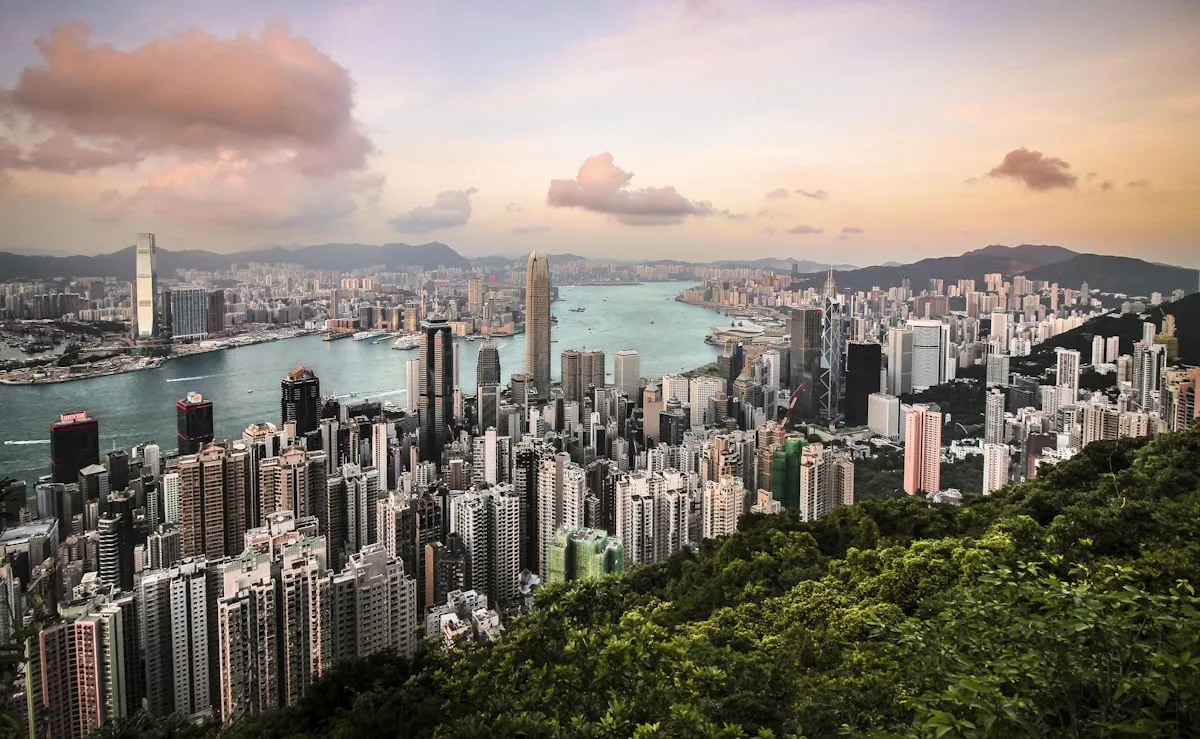
Hong Kong — The Complete City Guide 2026
Last verified: April 2026. Every price, opening hour, and booking link in this guide has been checked against official sources. All prices are in Hong Kong dollars (HKD); €1 ≈ HKD 8.5 / $1 ≈ HKD 7.8 / £1 ≈ HKD 10 at time of writing. Hong Kong offers visa-free entry for most Western nationalities (90–180 days). Verify at the listed URLs before travelling.
Why Hong Kong? An Editor’s Note
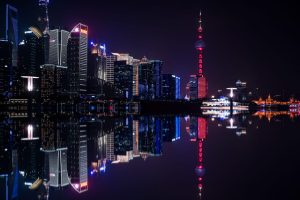
I first visited Hong Kong in 2014, arriving on a night flight that descended through clouds to reveal the most extraordinary urban panorama I have ever seen: a wall of light, thousands of windows stacked impossibly high, reflected in a dark harbour. The taxi crossed from Lantau on the airport highway, and within twenty minutes I was in Mong Kok at midnight, walking through a canyon of neon signs where every shop was still open, every restaurant still full, and a man was selling egg waffles from a cart that smelled like heaven. I ate my first proper Hong Kong-style wonton noodles at 1am in a shop with fluorescent lights and Formica tables, and the broth was so pure, so intensely prawn-scented, that I understood immediately why people devote their entire lives to making a single dish.
Twelve years and dozens of visits later, Hong Kong has evolved but its core DNA remains: this is a city that lives to eat, that builds upward when it runs out of ground, that somehow maintains pristine hiking trails twenty minutes from the most expensive real estate in Asia, and that has more Michelin-starred restaurants per capita than any city on earth. The addition of M+, the Hong Kong Palace Museum, and the West Kowloon Cultural District has transformed it into a genuine arts destination. The MTR system remains the best urban railway on the planet. And the food — from a HKD 22 bowl of congee to a HKD 4,800 Cantonese tasting menu — is consistently, dizzyingly excellent.
Hong Kong is not cheap (it’s one of the most expensive cities in the world for hotels and real estate), but it is astonishingly good value for food and transport. You can eat three Michelin-recommended meals in a day for under HKD 300. You can cross the harbour for HKD 3.20. You can hike a world-class coastal trail for free. This guide covers everything you need to know: the temples, the food, the skyline, the trails, the islands, and the neighbourhoods that make Hong Kong unlike anywhere else. For other Asian cities, see our Bangkok guide, Singapore guide, or Tokyo guide.
Table of Contents
- Top Attractions in Hong Kong
- Dim Sum — A Complete Guide
- Hong Kong Street Food & Cha Chaan Teng Culture
- Michelin-Starred Dining (2026)
- Rooftop Bars & Nightlife
- Neighbourhood Guide
- Markets & Shopping
- Hiking & Nature
- Temples & Spiritual Sites
- Museums & Culture
- Getting Around
- Outlying Islands
- Day Trips from Hong Kong
- Hong Kong with Kids
- When to Visit & Weather
- Budget Breakdown
- Safety & Practical Tips
- 2026 Travel Notes & Changes
- Hidden Gems & Local Secrets
- Frequently Asked Questions
Top Attractions in Hong Kong
1. Victoria Peak & the Peak Tram — The Iconic Skyline View
Victoria Peak (The Peak) is Hong Kong’s most famous viewpoint, and the reason is simple: the view from 552 metres over the harbour, with Kowloon stretched across the opposite shore and the South China Sea beyond, is one of the great urban panoramas on earth. The journey is half the experience — the Peak Tram, a funicular railway running since 1888, climbs at a gravity-defying 27-degree angle through the jungle canopy of Mid-Levels, passing within metres of apartment windows. The tram was extensively renovated (completed August 2022) with new carriages that doubled capacity to 210 passengers and panoramic windows.
Price: Peak Tram return ticket HKD 108 adult (same every day — weekday/weekend distinction abolished Dec 30, 2024). Child/senior HKD 54. One-way HKD 76 adult / HKD 38 child/senior. Sky Terrace 428 observation deck is an add-on (combo ticket ~HKD 148). Hours: Mon–Fri 07:00–23:00, Sat–Sun 08:00–23:00. Getting there: Tram lower terminus on Garden Road (walk from Central MTR exit J2, 15 min uphill, or free shuttle bus from Star Ferry). Tip: Go for sunset, or after 20:00 for the Symphony of Lights without the afternoon crowds.
2. Star Ferry — The World’s Best HKD 3.20 Ride
The Star Ferry has been crossing Victoria Harbour since 1888, and the seven-minute ride from Tsim Sha Tsui to Central (or Wan Chai) remains the single best value experience in Hong Kong. The green-and-white vessels are heritage craft, with wooden benches, open sides that let the harbour breeze in, and a view of the skyline that no rooftop bar can match. The lower deck is cheaper and puts you closer to the water; the upper deck has better views. Go at sunset or at 20:00 for the Symphony of Lights laser show across the harbour.
Price: HKD 4.00 lower deck / HKD 5.00 upper deck (weekday adult, Octopus). Weekends & holidays: HKD 5.60 / HKD 6.50. Hours: TST–Central: 06:30–23:30 (every 6–12 min). Getting there: TST Star Ferry Pier (walk from TST MTR exit E or L6).
3. Tian Tan Buddha & Ngong Ping (Lantau Island)
The Tian Tan Buddha (Big Buddha) is a 34-metre bronze seated Buddha atop a hill on Lantau Island, reached by climbing 268 steps with sweeping views over the mountains and the South China Sea. The adjacent Po Lin Monastery serves excellent vegetarian lunch (HKD 100–150 set meal in the monastery canteen). The Ngong Ping 360 cable car ride from Tung Chung is 25 minutes of aerial views over Lantau Peak, the airport, the bay, and green hills — one of the great cable car journeys in the world.
Price: Big Buddha and Po Lin Monastery: FREE. Ngong Ping 360 cable car: HKD 295 standard cabin round trip / HKD 365 Crystal Cabin (glass-bottom). One-way: HKD 205 standard / HKD 240 Crystal. Hours: Big Buddha 10:00–17:30. Cable car: Mon–Fri 10:00–18:00, weekends 09:00–18:30. Getting there: MTR Tung Chung Line to Tung Chung station, then Ngong Ping 360 cable car (or bus 23 from Tung Chung, HKD 17.20, 50 min).
4. Temple Street Night Market — Neon, Fortune Tellers & Wok Hei
Temple Street in Yau Ma Tei is Hong Kong’s most famous night market: a cacophony of haggling, sizzling woks, fortune tellers, Chinese opera singers, and stalls selling everything from jade to phone cases. The food section in the middle of the market (around Woo Sung Street) serves some of the best street food in Kowloon: salt and pepper squid, claypot rice, typhoon shelter crab. The fortune tellers near the Tin Hau Temple are a cultural experience even if you’re skeptical — palm reading from HKD 100.
Price: Free entry. Street food from HKD 30–150. Hours: Nightly from about 18:00–23:00 (best after 19:00). Getting there: MTR Yau Ma Tei exit C (you’re immediately on Temple Street). Tip: The market has been revitalised in 2025 with new lighting, expanded food stalls, and cultural performances. It’s better than it’s been in years.
5. Wong Tai Sin Temple — Fortune Sticks & Incense Smoke
Wong Tai Sin (Sik Sik Yuen Wong Tai Sin Temple) is Hong Kong’s most visited Taoist temple, famous for its fortune-telling tradition of kau cim: shaking a bamboo cylinder until a numbered stick falls out, then having the fortune interpreted by one of the professional soothsayers in the arcade outside. The temple complex is a visual feast of red and gold, with ornate Taoist, Buddhist, and Confucian halls, a serene Good Wish Garden (free), and clouds of incense smoke rising into the air between apartment towers. An estimated 100,000 people visit during Chinese New Year.
Price: FREE (donations welcome). Good Wish Garden: HKD 20. Fortune stick interpretation: HKD 40–80. Hours: Daily 07:00–17:30. Getting there: MTR Wong Tai Sin (exit B2 leads directly to the temple). Possibly the easiest-to-reach major temple in any city.
6. M+ Museum — Asia’s Largest Modern Art Museum
M+ (opened November 2021) is the centrepiece of the West Kowloon Cultural District and one of the most important museum openings of the decade. Designed by Herzog & de Meuron (the Tate Modern architects), the building itself is a statement: a vast horizontal block topped by a LED screen visible across the harbour. The collection spans 20th and 21st-century visual culture: art, design, architecture, and moving image. Highlights include the Sigg Collection (2,000+ works of Chinese contemporary art), Japanese design, Hong Kong visual culture, and the Yayoi Kusama Infinity Room. Note: free permanent collection admission ended in July 2025; M+ now uses single-price admission.
Price: HKD 190 adult / HKD 100 concessions (covers all galleries including special exhibitions). Free areas: Mediatheque, Grand Stair, Roof Garden. Hours: Tue–Thu & Sat 10:00–18:00, Fri 10:00–22:00, Sun & holidays 10:00–18:00. Closed Mon. Getting there: MTR Kowloon Station (exit D1) or MTR Austin (exit B1), 10-min walk along waterfront. Also accessible via West Kowloon Cultural District ferry pier.
7. Hong Kong Palace Museum
Opened in July 2022 in the West Kowloon Cultural District, the Hong Kong Palace Museum houses over 900 treasures on loan from Beijing’s Palace Museum (Forbidden City), many displayed outside the mainland for the first time. Nine galleries cover Chinese art and culture across 5,000 years: imperial ceramics, jade, calligraphy, textiles, furniture, and Buddhist sculpture. The building by Rocco Design Architects is stunning — a red-gold exterior echoing the Forbidden City’s colours, with a soaring atrium and harbour views from the upper galleries.
Price: HKD 70 standard (Galleries 1–7) / HKD 190 with special exhibition / HKD 230 full access. Free on Wednesdays. Hours: Mon, Wed–Sun 10:00–18:00, Fri 10:00–20:00. Closed Tue. Getting there: Adjacent to M+ (same walk from Kowloon or Austin MTR).
8. Tsim Sha Tsui Waterfront & Avenue of Stars
The TST waterfront promenade offers the most iconic view of Hong Kong Island’s skyline — especially at night when the buildings light up for the Symphony of Lights show (20:00 nightly, free). The Avenue of Stars, a tribute to Hong Kong’s film industry, stretches along the waterfront with handprints, statues (including the famous Bruce Lee bronze), and harbour-facing benches. The promenade connects the Star Ferry Pier, the Clock Tower (a relic of the old Kowloon–Canton Railway), the Hong Kong Cultural Centre, and the Hong Kong Space Museum.
Price: FREE. Hours: Always open (Symphony of Lights daily at 20:00, 10 min). Getting there: MTR Tsim Sha Tsui exit E or L6.
9. Man Mo Temple — Incense Coils & Century-Old Calm
Man Mo Temple on Hollywood Road in Sheung Wan is one of Hong Kong’s oldest (built 1847) and most atmospheric temples. Dedicated to the gods of literature (Man) and war (Mo), the interior is thick with smoke from giant incense coils suspended from the ceiling — each burns for up to two weeks. The temple sits at the bottom of the Hollywood Road antiques strip and at the top of the famous Ladder Street steps, making it a natural stop on a walking tour of old Hong Kong.
Price: FREE. Hours: Daily 08:00–18:00. Getting there: Walk from Sheung Wan MTR (exit A2, uphill on Hollywood Road) or Central–Mid-Levels Escalator.
10. Dragon’s Back Trail — The Best Urban Hike in Asia
Dragon’s Back is consistently ranked among the best urban hikes in the world: a ridge-top trail with views over Shek O beach, Stanley, the South China Sea islands, and the cloud-wrapped peaks of Hong Kong Island’s southern spine. The full trail is 8.5 km (2–3 hours), mostly downhill from the starting point, ending at either Shek O Beach (a beautiful crescent of sand, perfect for a swim) or Big Wave Bay (one of Hong Kong’s only surf spots).
Price: FREE. Getting there: Bus 9 from Shau Kei Wan MTR to To Tei Wan (trailhead). Return: bus from Shek O to Shau Kei Wan. Tip: Go early morning (before 09:00) on weekdays to have the ridge to yourself. Bring water and sunscreen — there is no shade on the ridge. The trail is well-marked and suitable for moderate fitness levels.
11. Sky100 Observation Deck — 360-Degree Views
Sky100, on the 100th floor of the International Commerce Centre (ICC) in West Kowloon, is Hong Kong’s highest indoor observation deck at 393 metres. The 360-degree views span Victoria Harbour, Hong Kong Island, the New Territories, and on clear days, the Pearl River Delta. It’s less atmospheric than The Peak but higher and air-conditioned — a good wet-weather alternative or sunset spot.
Price: HKD 168 walk-in / HKD 118 child (online discounts up to 38% off). Hours: Daily 11:30–20:30 (last entry 20:00). Getting there: MTR Kowloon Station (exit C1, directly connected via Elements Mall).
12. Chi Lin Nunnery & Nan Lian Garden — Tang Dynasty Serenity
Chi Lin Nunnery is a Buddhist complex rebuilt in 1998 in the style of a Tang Dynasty (618–907) monastery, using traditional Chinese interlocking timber construction with no nails. The golden halls, lotus ponds, and bonsai courtyards are staggeringly beautiful and improbably peaceful given they sit next to a highway in Diamond Hill. The adjacent Nan Lian Garden is a meticulously designed classical Chinese garden with pavilions, bridges, rockeries, and a golden pavilion housing a restaurant (vegetarian, excellent, from HKD 100).
Price: FREE (both nunnery and garden). Hours: Nunnery 09:00–16:30. Nan Lian Garden 07:00–21:00. Getting there: MTR Diamond Hill exit C2 (2-min walk).
At a Glance — Quick Reference
| Attraction | Price (HKD) | ≈ EUR | Time needed |
|---|---|---|---|
| Peak Tram + Sky Terrace | HKD 88–108 return | €10–13 | 1.5–2 hours |
| Star Ferry | HKD 4.00–6.50 | €0.50–0.75 | 7 min crossing |
| Ngong Ping 360 + Big Buddha | HKD 295 (cable car return) | €34.70 | Half day |
| Temple Street Night Market | Free entry | — | 1–2 hours |
| Wong Tai Sin Temple | Free | — | 1 hour |
| M+ Museum | HKD 190 (all galleries) | €22.35 | 2–3 hours |
| Hong Kong Palace Museum | HKD 70 / free Wednesdays | €8.25 | 2–3 hours |
| Man Mo Temple | Free | — | 30 min |
| Dragon’s Back hike | Free | — | 2–3 hours |
| Sky100 | HKD 168 | €19.75 | 1 hour |
| Chi Lin Nunnery + Nan Lian Garden | Free | — | 1–1.5 hours |
| Hong Kong Disneyland | HKD 669–939 | €79–110 | Full day |
Dim Sum — A Complete Guide to Hong Kong’s Greatest Tradition
Dim sum (點心, literally “touch the heart”) is not just a meal in Hong Kong — it is a cultural ritual. Families gather on weekend mornings (called yum cha, “drinking tea”), bamboo steamers are stacked on trolleys that wind between tables, and the room fills with the clatter of chopsticks, the hiss of steam, and the murmur of Cantonese conversation. The dishes are small — three to four pieces per portion — designed to be shared: steamed, fried, baked, wrapped in rice noodle, and served in a rhythm that lets you taste a dozen different preparations in one sitting.
Essential Dim Sum Dishes
- Har gow (蝦餃) — Steamed shrimp dumplings in a translucent wrapper. The benchmark dish: a good har gow should have exactly 7–13 pleats, a wrapper thin enough to see the pink shrimp inside, and a sweet prawn crunch when you bite.
- Siu mai (燒賣) — Open-topped pork and shrimp dumplings with a dot of crab roe or fish roe on top. The other benchmark: every dim sum restaurant is judged by its har gow and siu mai.
- Char siu bao (叉燒包) — Fluffy steamed buns filled with sweet barbecued pork. The baked version (with a golden, slightly sweet glaze) is equally good. Tim Ho Wan’s baked version is legendary.
- Cheung fun (腸粉) — Silky rice noodle rolls filled with shrimp, beef, or char siu, doused in sweetened soy sauce. The texture is the point — like eating a warm, savoury silk ribbon.
- Lo mai gai (糣米雞) — Sticky rice with chicken, mushroom, and Chinese sausage wrapped in a lotus leaf and steamed. Earthy, fragrant, and filling — one serves two.
- Egg tart (dan tat, 蛋撓) — A flaky pastry shell with a wobbly, caramelised egg custard centre. The Portuguese-style version (inspired by Macau) has a brûléed top.
- Turnip cake (lo bak go, 粘博糕) — Pan-fried cakes of shredded turnip, dried shrimp, and Chinese sausage. Crispy outside, creamy inside. Order the pan-fried version, not steamed.
- Phoenix claws (fung zao, 鳳爪) — Braised chicken feet in black bean sauce. An acquired taste, but the ultimate dim sum connoisseur dish. The gelatinous texture is the point.
Where to Eat Dim Sum in Hong Kong (2026)
- Tim Ho Wan (multiple locations) — The world’s cheapest Michelin-starred restaurant (though it lost its star, the quality remains). The baked char siu bao (HKD 28/3 pieces) is legendary. Original branch: Sham Shui Po, HKD 50–100 per person. Expect queues at peak times.
- Lin Heung Tea House (Wellington Street, Central) — Old-school yum cha at its most authentic: trolleys pushed by elderly women, Cantonese shouting, no English menu, and a chaotic race to grab the best steamers as they emerge from the kitchen. An experience as much as a meal. HKD 80–150 per person.
- Maxim’s Palace (City Hall, Central) — The classic Hong Kong dim sum hall: cavernous, chandelier-lit, with trolley service and harbour-adjacent views. Sunday brunch here is a Hong Kong institution. HKD 120–200 per person.
- Luk Yu Tea House (Stanley Street, Central) — 1933-era tea house with ceiling fans, wooden booths, and stained glass. The dim sum is excellent and the atmosphere is pure old Hong Kong. Not cheap: HKD 200–350 per person. No reservations for dim sum — arrive before 10:00.
- One Dim Sum (Prince Edward) — A no-frills local favourite with superb quality at rock-bottom prices. HKD 40–80 per person. Michelin Bib Gourmand. Queue on weekends.
- Yum Cha (Tsim Sha Tsui / Central) — Instagram-famous dim sum with character-shaped buns (cartoon pigs, golden fish). Fun, photogenic, and actually tasty. HKD 120–200 per person.
Hong Kong Street Food & Cha Chaan Teng Culture
Hong Kong is one of the world’s great street food cities, but the format is different from Southeast Asia: instead of pavement carts, the action happens in dai pai dong (open-air cooked food stalls), cha chaan teng (Hong Kong-style diners), and tiny noodle shops where the chef has been making one dish for 40 years. The prices are extraordinary for a city this expensive: a full, excellent meal for HKD 40–80 is normal.
Essential Street Food & Snacks
- Egg waffle (gai dan jai, 雞蛋仔) — A Hong Kong original: batter cooked in a honeycomb mould, creating a sheet of golden, crispy-edged, custardy bubbles. Eaten hot from the press. HKD 20–30. Best: Lee Keung Kee (North Point) or Mammy Pancake (multiple locations).
- Fish balls (魚蛋) — Bouncy spheres of fish paste on skewers, doused in curry sauce or sweet soy. HKD 10–20 per skewer. Found at every street corner in Mong Kok.
- Wonton noodles (雲吞麵) — The quintessential Hong Kong dish: springy thin noodles in a deep shrimp-pork broth with plump wontons wrapped in paper-thin skins. HKD 35–60. Best: Mak’s Noodle (Central), Tsim Chai Kee (Central), or Lau Sum Kee (Sham Shui Po).
- Roast goose (燒鵝) — Lacquered, mahogany-skinned, impossibly juicy. Hong Kong’s answer to Peking duck. HKD 60–120 per portion on rice. Best: Yat Lok (Central, Michelin-starred), Kam’s Roast Goose (Wan Chai).
- Pineapple bun (bo lo bao, 菠蔘包) — A sweet-crusted bun (no pineapple) split open and stuffed with a cold slab of butter. Eaten warm from the oven. HKD 8–15. Every cha chaan teng serves them.
- Toast with condensed milk — Thick white bread toasted until golden, drizzled with sweetened condensed milk. Simple, nostalgic, and devastatingly good. HKD 15–25.
- Hong Kong-style milk tea (港式奶茶) — Ceylon black tea filtered through a cloth “sock”, blended with evaporated milk. Smoother and stronger than any milk tea you’ve had. The city’s unofficial national drink. HKD 18–28.
- Claypot rice (煲仔飯) — Rice cooked in a clay pot over charcoal, with Chinese sausage, mushrooms, and a crackly rice crust on the bottom (the fan jiu, the best part). A winter dish, best on cool evenings. HKD 50–100.
Cha Chaan Teng — Hong Kong’s Diner Culture
The cha chaan teng (茶餐廳) is Hong Kong’s answer to the American diner: a no-frills local restaurant with Formica tables, menu cards crammed with hundreds of items, and a uniquely Hong Kong fusion of Cantonese and Western food born from the colonial era. You can order milk tea and a pineapple bun alongside instant noodles with Spam and a fried egg, a baked pork chop rice, or a “Chinese-Western” set lunch with soup, main, tea, and dessert for HKD 55–80. Every neighbourhood has its favourite. Some famous ones:
- Australia Dairy Company (Jordan) — The most famous cha chaan teng in Hong Kong. The steamed milk pudding and scrambled eggs on toast are legendary. Brusque service is part of the charm. Queue on weekends. HKD 40–70.
- Lan Fong Yuen (Central) — Claims to have invented Hong Kong-style milk tea (the “sock” method). The original stall in the Central back alleys serves milk tea and instant noodle sets at communal tables. HKD 35–65.
- Capital Café (Wan Chai) — Thick toast, crispy buns, and the quintessential HK breakfast set. HKD 40–60.
- Kam Wah Café (Prince Edward) — The pineapple bun here (bo lo yau — with butter) is frequently voted the best in Hong Kong. Arrive before 10:00 or accept a queue. HKD 10 per bun.
Michelin-Starred Dining (2026)
Hong Kong has more Michelin-starred restaurants per capita than any city on earth. The 2026 Michelin Guide Hong Kong & Macau (released March 2026) lists 77 starred restaurants: 7 three-star, 13 two-star, and 57 one-star, from HKD 60 roast goose to HKD 5,000+ tasting menus. Notable stars:
- Amber (Landmark Mandarin Oriental, Central) — 3 Michelin stars. Chef Richard Ekkebus’s innovative European-Asian cuisine. Tasting menu from HKD 2,800. One of Asia’s most celebrated fine dining rooms.
- Caprice (Four Seasons Hotel, Central) — 3 Michelin stars. French fine dining with harbour views. Lunch set from HKD 800.
- T’ang Court (Langham Hotel, TST) — 3 Michelin stars. Classical Cantonese cuisine. Dim sum lunch from HKD 500.
- 8½ Otto e Mezzo Bombana (Central) — 3 Michelin stars. The only Italian restaurant outside Italy to hold three stars. Tasting menu from HKD 3,200.
- Ta Vie (Central) — 3 Michelin stars. French-Japanese fusion by Chef Sato Hideaki. Tasting menu from HKD 2,600.
- Forum Restaurant (Causeway Bay) — 3 Michelin stars. Chef Adam Wong’s traditional Cantonese masterwork, famous for dried abalone and premium Cantonese banqueting. Tasting menu from HKD 2,400.
- Sushi Shikon (Landmark Mandarin Oriental, Central) — 3 Michelin stars. Edomae-style Japanese, the Hong Kong branch of Tokyo’s legendary Sushi Yoshitake. Counter seating only (8 seats). Omakase from HKD 3,800. Book 1–2 months ahead.
- Lung King Heen (Four Seasons Hotel, Central) — 2 Michelin stars. The world’s first Chinese restaurant to receive three stars (2009); demoted to two stars in 2023 and still holds that rating in the 2026 guide. Cantonese cuisine of extraordinary precision. Dim sum lunch (HKD 600–1,000 per person) is the most accessible way in.
- The Chairman (Central) — 1 Michelin star + #1 on Asia’s 50 Best Restaurants 2026. Modern Cantonese with local ingredients. À la carte from HKD 600–1,000 per person. The most celebrated restaurant in Hong Kong.
- Yat Lok (Central) — 1 Michelin star. A tiny, no-frills roast goose shop. Full meal for HKD 60–80. Proof that Michelin stars don’t require white tablecloths.
Rooftop Bars & Nightlife
Hong Kong’s vertical geography makes it one of the world’s best cities for rooftop drinking. The skyline views from a 30th-floor terrace, with the harbour below and the Peak above, are genuinely intoxicating even before the cocktails arrive. For rooftop bar comparison, see our Bangkok guide (Sky Bar, Vertigo) or Dubai guide.
- Ozone (Ritz-Carlton, ICC, Kowloon) — The highest bar in Hong Kong (118th floor, 490m). Cocktails from HKD 200. Jaw-dropping views. Smart casual dress code.
- Sevva (Prince’s Building, Central) — Rooftop terrace overlooking the HSBC Building, Bank of China, and harbour. Famous for its view, cakes, and people-watching. Cocktails from HKD 150.
- Aqua (One Peking, TST) — Italian-Japanese restaurant and bar with floor-to-ceiling harbour views. Cocktails from HKD 160.
- Sugar (EAST Hotel, Tai Koo) — An outdoor rooftop bar east of the tourist zone, with a laid-back vibe, HKD 120 cocktails, and views over the harbour and Quarry Bay.
- Ce La Vi (California Tower, Lan Kwai Fong) — A rooftop pool club and bar in the heart of Central’s nightlife district. Cocktails from HKD 140.
- Lan Kwai Fong — Not a single bar but Central’s famous nightlife district: a steep L-shaped lane crammed with bars, clubs, and restaurants. Raucous on weekends. Every budget and vibe is represented, from dive bars to champagne lounges.
Neighbourhood Guide
Central & Sheung Wan (Hong Kong Island)
The financial and cultural heart of Hong Kong Island. Central has the skyscrapers, luxury malls (Landmark, IFC), and Lan Kwai Fong nightlife. Sheung Wan, just west, is the old-money district: dried seafood shops on Des Voeux Road, antiques on Hollywood Road, Man Mo Temple, PMQ (a former police quarters converted into a design and art hub), and the western end of the Central–Mid-Levels Escalator (the world’s longest outdoor escalator system, 800m, free). The SoHo area (South of Hollywood Road) has some of the best independent restaurants and wine bars on the island.
Tsim Sha Tsui (Kowloon)
The tourist heart of Kowloon: museums (Hong Kong Museum of Art — free, Space Museum, Science Museum), the Star Ferry Pier, Avenue of Stars, Nathan Road shopping, and Chungking Mansions (budget accommodation and the best Indian food in Hong Kong). The waterfront promenade is the best free attraction in the city. The area around Knutsford Terrace and Ashley Road has good bars and restaurants without Central’s prices.
Mong Kok (Kowloon)
The densest, loudest, most intensely urban neighbourhood in Hong Kong — and possibly the world. Guinness once recorded it as the most densely populated place on earth. The streets are a sensory overload of neon, hawkers, electronics shops, and humanity. Key spots: Ladies’ Market (Tung Choi Street — bargain clothing, accessories, souvenirs), Goldfish Market (Tung Choi Street), Flower Market Road, Bird Garden, and Sneaker Street (Fa Yuen Street). The food stalls around Nelson Street and Dundas Street are superb.
Sham Shui Po (Kowloon)
Hong Kong’s most exciting emerging neighbourhood. Once the city’s poorest area (and still with pockets of working-class grit), Sham Shui Po now combines fabric markets, electronics shops, and traditional dai pai dongs with independent coffee shops, vintage stores, galleries, and the original Tim Ho Wan branch. It’s the closest thing Hong Kong has to a hipster district — without the pretension. The Jockey Club Creative Arts Centre (JCCAC) in a converted factory is worth visiting for galleries and studio tours (free). The Apliu Street Flea Market sells vintage electronics, tools, and oddities.
Wan Chai & Causeway Bay (Hong Kong Island)
Wan Chai has transformed from its old red-light reputation into a food and culture destination: the Hong Kong Convention Centre, Blue House heritage cluster, and excellent restaurants and bars on Star Street and Ship Street. Causeway Bay is Hong Kong’s main shopping district: Times Square, SOGO, and street-level shops along Russell Street (once the world’s most expensive retail strip). The Happy Valley Racecourse (Wednesday nights, October–June, HKD 10 entry) is one of Hong Kong’s most thrilling spectacles: horse racing with skyscrapers as a backdrop.
Kennedy Town & Sai Ying Pun (Hong Kong Island West)
Two formerly working-class waterfront neighbourhoods now reborn with excellent cafes, craft beer bars, indie restaurants, and a relaxed atmosphere that feels worlds away from Central (which is 10 minutes east by MTR). Kennedy Town has the Instagram Pier (Instagram Pier, or Kennedy Town Promenade) and some of the best sunsets on Hong Kong Island. Sai Ying Pun’s Third Street area has become a food destination in its own right.
Stanley & The South Side (Hong Kong Island)
The southern coast of Hong Kong Island is a different world: beaches, fishing villages, and a colonial feel. Stanley has a waterfront market (bargain clothing, souvenirs), the colonial-era Murray House (relocated here from Central), and the Stanley Military Cemetery. Repulse Bay has Hong Kong’s most popular beach and the extraordinary Kwun Yam Shrine (a waterfront temple complex, free). Aberdeen has the famous harbour of houseboats and the Jumbo Floating Restaurant (closed and sunk in 2022 — but the Aberdeen harbour sampan rides, HKD 70, are still a great experience).
Markets & Shopping
| Market | What to buy | Hours | Getting there |
|---|---|---|---|
| Temple Street Night Market | Everything: electronics, jade, clothes, street food | 18:00–23:00 nightly | MTR Yau Ma Tei exit C |
| Ladies’ Market | Bargain clothing, accessories, souvenirs | 12:00–23:30 daily | MTR Mong Kok exit E2 |
| Cat Street (Upper Lascar Row) | Antiques, curios, vintage | 10:00–18:00 daily | Walk from Sheung Wan MTR |
| Stanley Market | Souvenirs, clothing, gifts | 10:00–18:00 daily | Bus 6, 6X, or 260 from Central |
| Jade Market | Jade, jewellery | 10:00–17:00 daily | MTR Yau Ma Tei exit C |
| Flower Market Road | Flowers, plants, orchids | 07:00–19:00 daily | MTR Prince Edward exit B1 |
| Apliu Street Flea Market | Vintage electronics, tools, oddities | 12:00–23:30 daily | MTR Sham Shui Po exit A2 |
| PMQ | Hong Kong design, art, fashion | 07:00–23:00 daily | Walk from Central MTR or Mid-Levels Escalator |
Hiking & Nature
Hong Kong is 75% green — a fact that astonishes first-time visitors who expect only skyscrapers. The country parks offer world-class trails within minutes of the city centre. The four long-distance trails (MacLehose Trail 100 km, Wilson Trail 78 km, Hong Kong Trail 50 km, Lantau Trail 70 km) are supplemented by dozens of shorter hikes.
- Dragon’s Back (Shek O, Hong Kong Island) — 8.5 km, 2–3 hours. The most popular hike: ridgeline views, then Shek O Beach. Moderate difficulty. See Top Attractions above.
- Lion Rock (Kowloon/New Territories) — 4 km round trip, 1.5–2 hours. Steep climb to the Lion’s head with 360-degree views of Kowloon, the harbour, and the New Territories. Iconic. Start from Wong Tai Sin or Tai Wai MTR.
- MacLehose Trail Stage 2 (Sai Kung) — 13.5 km, 5–6 hours. Crosses the stunning High Island Reservoir (hexagonal rock columns, UNESCO Global Geopark), one of Hong Kong’s most photogenic spots. Moderate–hard.
- Lantau Peak (Fung Wong Shan) — Hong Kong’s second-highest peak (934 m). The sunrise hike from Ngong Ping is a classic: 2–3 hours, demanding, but the dawn views over the South China Sea are extraordinary.
- Sunset Peak (Tai Tung Shan) — 869 m, on Lantau Island. The name says it all — go for sunset. Wild camping permitted at the summit. 2–3 hours from Pak Kung Au.
- Tai Long Wan (Big Wave Bay), Sai Kung — A challenging coastal hike to Hong Kong’s most beautiful beach: four crescents of golden sand in a wild, undeveloped bay. 4–5 hours from Sai Wan Pavilion. Bring food and water — no shops on the trail.
- The Peak Circle Walk — 3.5 km, 1 hour. A flat, paved loop around The Peak with harbour views. The most accessible panoramic walk in Hong Kong — no fitness required. Free.
Temples & Spiritual Sites
- Man Mo Temple (Sheung Wan) — 1847, incense coils, Hollywood Road. Free. See Top Attractions.
- Wong Tai Sin Temple (Diamond Hill) — Fortune sticks, Taoist/Buddhist/Confucian. Free. See Top Attractions.
- Chi Lin Nunnery (Diamond Hill) — Tang Dynasty timber architecture, nail-free. Free. See Top Attractions.
- Po Lin Monastery (Lantau) — Adjacent to the Big Buddha. Working Buddhist monastery with vegetarian canteen. Free.
- Tin Hau Temple, Yau Ma Tei — A row of interconnected temples near Temple Street, dedicated to the goddess of the sea. Small but atmospheric. Free.
- Ten Thousand Buddhas Monastery (Sha Tin) — 431 steps lined with 13,000+ golden Buddha statues (the name is an undercount). Bizarre, spectacular, and free. 30-min walk uphill from Sha Tin MTR.
Museums & Culture
- M+ Museum (West Kowloon) — Asia’s largest modern art museum. HKD 190 (all galleries). See Top Attractions.
- Hong Kong Palace Museum (West Kowloon) — 900+ Forbidden City treasures. HKD 50 / free Wed. See Top Attractions.
- Hong Kong Museum of Art (TST waterfront) — Reopened after renovation in 2019. FREE permanent collection. Chinese antiquities, calligraphy, contemporary art. Excellent harbour-view café. Tue–Sun 10:00–18:00 (Fri until 21:00).
- Hong Kong Museum of History (TST East) — Currently closed for renovation (reopening TBC, expected 2026/27). The permanent Hong Kong Story exhibition was one of the best city history museums in Asia.
- Hong Kong Heritage Museum (Sha Tin) — Free. The Bruce Lee: Kung Fu · Art · Life exhibition is a permanent highlight. Cantonese opera gallery. Tue–Sun 10:00–18:00.
- Xiqu Centre (West Kowloon) — A striking building dedicated to Chinese opera (xiqu). Free guided tours, performances from HKD 100. Tea house experience available.
- Tai Kwun Centre for Heritage & Arts (Central) — The former Central Police Station, Magistracy, and Victoria Prison, beautifully restored as an arts and heritage centre. Free entry and exhibitions. Excellent restaurants. MTR Central exit D1. For another great free museum city, see our London guide.
Getting Around
Hong Kong has one of the best public transport systems in the world. The MTR (Mass Transit Railway) is fast, clean, air-conditioned, affordable, and covers virtually everywhere a tourist would want to go. Supplemented by trams, ferries, buses, and minibuses, you never need a car.
Octopus Card — Essential
The Octopus card is a stored-value contactless smart card accepted on virtually all public transport (MTR, buses, trams, ferries, minibuses) plus convenience stores (7-Eleven, Circle K), supermarkets, fast food, and vending machines. Buy one at any MTR station customer service centre.
- Standard card: HKD 150 (HKD 100 stored value + HKD 50 refundable deposit).
- Tourist Octopus: HKD 39 (non-refundable, no deposit, souvenir card). Add value at any MTR station or 7-Eleven. Available at airport MTR machines.
- Mobile Octopus: Available on iPhone (Apple Pay) and Android (Samsung Pay, Huawei Pay). Convenient for smartphone users.
Transport Options
| Transport | Fare range | Octopus? | Best for |
|---|---|---|---|
| MTR (subway) | HKD 3.50–51.00 | Yes | Everything — fast, clean, air-con |
| Airport Express | HKD 120 Octopus / HKD 130 single (to HK station) | Yes | Airport → city in 24 min |
| Ding Ding (tram) | HKD 3.30 | Yes | Hong Kong Island east–west, scenic |
| Star Ferry | HKD 4.00–6.50 | Yes | Harbour crossing, iconic |
| Bus (KMB/Citybus) | HKD 4.00–55.00 | Yes | Everywhere, including beaches/trails |
| Green minibus | HKD 3.50–25.00 | Yes | Suburbs, Peak (minibus 1) |
| Taxi (urban red) | HKD 30 flag fall + HKD 2.00/200m | No (cash/card) | Late night, luggage, rain |
| Uber / Bolt | Varies | N/A | Convenience (legal grey area) |
Getting from the Airport
- Airport Express: HKD 120 Octopus / HKD 130 single to Hong Kong station (24 min), HKD 105 to Kowloon station (21 min), HKD 73 to Tsing Yi (13 min). Fast, comfortable, and with free shuttle buses from the arrival stations to major hotels. Airport Express Travel Pass: HKD 250 (1 AEL journey + 3-day unlimited MTR).
- Airport Bus (A-series): A11 to Central (HKD 40, 60–75 min), A21 to TST (HKD 33, 60 min). Cheaper and scenic.
- Taxi: HKD 300–400 to Central/TST (30–45 min). Red taxis only. Toll bridges extra.
Outlying Islands
Hong Kong has 263 islands, and several are reachable by cheap ferries from Central Pier. The outlying islands offer car-free villages, beaches, hiking, and seafood restaurants — a different world from the urban core. For other island-hopping destinations, see our Mallorca guide or Tenerife guide.
Lamma Island
The most popular island day trip: car-free, with two villages (Yung Shue Wan and Sok Kwu Wan) connected by a 1.5-hour coastal walk through hills and past beaches. Sok Kwu Wan has a waterfront row of seafood restaurants where you choose your fish from tanks. The walk is easy and scenic, with the power station smokestacks providing a surreal industrial-pastoral backdrop.
Ferry: Central Pier 4 to Yung Shue Wan (HKD 22.10 weekday / HKD 30.80 weekend, 25–30 min). Return from Sok Kwu Wan to Central (same pier). Frequent service.
Cheung Chau
A dumbbell-shaped island famous for the annual Bun Festival (April/May — huge towers of buns, parades, Taoist rituals), its fishing village atmosphere, windsurfing beach (Olympic gold medalist Lee Lai-shan trained here), and some of the best cheap seafood in Hong Kong. The village waterfront is a car-free maze of temples, dried fish shops, and alley restaurants.
Ferry: Central Pier 5 to Cheung Chau (HKD 14.80–16.70 ordinary weekday / HKD 29.20–32.90 fast, 35–60 min). Frequent service.
Peng Chau
The quietest of the main outlying islands: a tiny, car-free village where time seems to have stopped. Small temples, a hilltop lookout (Finger Hill, 95m, 15-min climb), and the sleepy charm of old Hong Kong. Great for a half-day escape.
Ferry: Central Pier 6 to Peng Chau (HKD 19.80 weekday / HKD 28.40 weekend, 30–40 min). Connect to Lantau (Mui Wo/Discovery Bay) for a longer island-hopping day.
Day Trips from Hong Kong
Macau (1 hour by ferry)
The former Portuguese colony across the Pearl River Delta is a fascinating day trip: UNESCO-listed colonial architecture (Ruins of St. Paul’s, Senado Square), world-class casinos (bigger than Las Vegas by revenue), Portuguese-Macanese food (egg tarts, African chicken, minchi), and a unique East-meets-West atmosphere. The Cotai Strip has mega-casinos (Venetian, Parisian, Studio City) with free shuttle buses. If you’re also exploring Europe, compare with our Naples guide for another coastal food capital, or our Marseille guide for Mediterranean harbour culture.
Getting there: TurboJET ferry from Sheung Wan (HK-Macau Ferry Terminal) or Tsim Sha Tsui (China Ferry Terminal): HKD 175–215, 55–60 min. Or Hong Kong–Zhuhai–Macau Bridge bus from HZMB Hong Kong Port (near Hong Kong Airport): HKD 65, 40 min. Visa: Most nationalities get visa-free entry to Macau (30–90 days).
Shenzhen (30 min by MTR)
China’s tech capital, directly across the border, has transformed from a fishing village to a 17-million-person megacity in 40 years. Reasons to visit: incredible food (dim sum at half HK prices), shopping (Huaqiangbei electronics market, Luohu Commercial City), modern architecture (Ping An Finance Centre, 599m), and theme parks (OCT Loft creative park, Window of the World). The food scene alone justifies the trip.
Getting there: MTR East Rail Line to Lo Wu or Lok Ma Chau border crossing (HKD 40–50 from Central, 45 min). Cross the border on foot. Visa: Citizens of 55 countries now qualify for 240-hour (10-day) visa-free transit to China (expanded December 2024, requires onward ticket to a third country). Otherwise, a Shenzhen SEZ visa on arrival at Lo Wu border: CNY 168 (~HKD 180) for most nationalities, CNY 956 (~HKD 1,030) for US citizens. Covers a single-entry 5-day stay in the Shenzhen Special Economic Zone only.
Sai Kung & Geopark
Sai Kung is Hong Kong’s “back garden”: a waterfront town surrounded by country parks, beaches, and the UNESCO Global Geopark with its spectacular hexagonal volcanic rock columns (over 100 million years old). Take a kaido (small boat) from Sai Kung pier to beaches (HKD 30–50 return), hike to Tai Long Wan, or join a geopark boat tour. The Sai Kung waterfront seafood restaurants are among the best in Hong Kong.
Getting there: MTR to Diamond Hill or Choi Hung, then bus 92 or minibus 1A to Sai Kung Town (30 min).
Hong Kong with Kids
- Hong Kong Disneyland — Compact, well-run, and less crowded than Tokyo or Shanghai. World of Frozen (opened November 2023) is the flagship draw. HKD 669–939 adults / HKD 499–705 children (tiered pricing, cheapest Tue–Thu). MTR Disneyland Resort Line from Sunny Bay. For more family destinations, see our Munich guide (Englischer Garten, Deutsches Museum) or Paris guide (Disneyland Paris).
- Ocean Park — Theme park + aquarium + cable car on the south coast of Hong Kong Island. More marine/nature focused than Disneyland. HKD 498 adults / HKD 249 children. MTR South Island Line to Ocean Park station.
- Ngong Ping 360 + Big Buddha — The cable car alone is worth it for kids. Combine with Tai O fishing village.
- Star Ferry + Ding Ding tram — Both are cheap thrills for children: boats and double-decker trams.
- Hong Kong Space Museum (TST) — Interactive exhibits, planetarium (Space Theatre from HKD 32). Free entry to exhibition halls on Wednesdays.
- Shek O Beach & Big Wave Bay — Sandy beaches with calm water, playgrounds, and cheap seaside restaurants.
When to Visit & Weather
| Season | Months | Temp | Humidity | Notes |
|---|---|---|---|---|
| Autumn (best) | Oct–Dec | 18–28°C | Low–medium | Clear skies, comfortable, best hiking weather |
| Winter | Jan–Feb | 12–20°C | Low | Cool, clear, Chinese New Year festivities |
| Spring | Mar–Apr | 17–26°C | Rising | Foggy, humid, occasional rain. Art Basel season |
| Summer | May–Sep | 26–33°C | Very high | Hot, typhoon season (Jun–Sep), heavy rain |
Best time to visit: October–December for the best weather: clear blue skies, low humidity, warm days, and cool evenings. For warm-weather European alternatives in the same season, see our Tenerife guide or Palma de Mallorca guide. January–February is also good (cool and clear, with Chinese New Year festivities adding colour). Avoid July–August if possible: the heat and humidity are oppressive (35°C+ with 90%+ humidity), and typhoons can disrupt travel plans.
Chinese New Year 2026: February 17–19 (Year of the Horse). Spectacular: night parade, fireworks over the harbour (second day), flower markets, and packed temples. Many restaurants and shops close for 2–3 days. Book hotels months ahead and expect premium pricing.
Dragon Boat Festival 2026: June 19 (public holiday June 19–21). Dragon boat races across Hong Kong (Aberdeen, Stanley, Sai Kung, Sha Tin). Exciting, photogenic, and free to watch.
Mid-Autumn Festival 2026: September 25. Lanterns, mooncakes, and the fire dragon dance in Tai Hang (three nights of a 67-metre incense-studded dragon winding through the streets). One of Hong Kong’s most magical events.
Art Basel Hong Kong 2026: Expected March. The biggest art fair in Asia, held at the Convention Centre. Gallery openings and events across the city.
Budget Breakdown
| Budget level | Daily (HKD) | Daily (€) | Includes |
|---|---|---|---|
| Backpacker | HKD 500–800 | €60–95 | Hostel/Chungking Mansions, street food, MTR/tram/ferry, free attractions |
| Mid-range | HKD 1,500–2,500 | €175–295 | 3-star hotel, dim sum lunch + restaurant dinner, 2–3 attractions, Octopus transport |
| Luxury | HKD 4,000–8,000+ | €470–940+ | 5-star hotel (harbour view), Michelin dining, Peak Tram + private transfers |
Money-saving tips:
- Eat where locals eat. A cha chaan teng lunch costs HKD 50–70. A hotel restaurant lunch costs HKD 300+. The cha chaan teng is often better.
- Free museums: Museum of Art, Heritage Museum, Tai Kwun. Hong Kong Palace Museum free on Wednesdays. M+ now HKD 190 (free admission ended July 2025), but Roof Garden and Mediatheque remain free.
- Use the Ding Ding. HKD 3.30 for any distance on Hong Kong Island. Cheaper and more scenic than the MTR for east–west travel.
- Star Ferry over MTR for harbour crossings: HKD 4.00 vs HKD 12+.
- Happy Hour cocktails. Most rooftop bars have happy hour (usually 17:00–20:00) with 50% off. Ozone, Sevva, and Aqua all do happy hour.
- Airport Express group discount: Groups of 2–4 get significant discounts on Airport Express tickets.
- Combine with Southeast Asia. Hong Kong is a natural hub for trips to Bangkok, Singapore, Tokyo, or Bali — multi-city trips offer tremendous value on flights.
Safety & Practical Tips
- Safety: Hong Kong is one of the safest major cities in the world. Violent crime against tourists is virtually nonexistent. Pickpocketing is rare but possible in crowded markets. Common sense is all you need.
- Language: Cantonese is the main language. English is widely spoken in tourist areas, hotels, and the MTR. Mandarin is increasingly common. Menus in tourist areas usually have English.
- Tipping: Not expected or required. Restaurants add 10% service charge. Rounding up taxi fares is courteous but not obligatory.
- Water: Tap water is safe to drink in Hong Kong (treated and tested to WHO standards). Most locals boil it out of habit, but it’s safe straight from the tap.
- Electricity: UK-style three-pin plugs (Type G). 220V/50Hz. Bring a UK adapter.
- SIM cards: Prepaid SIM cards available at the airport and 7-Eleven (HKD 50–100 for 5–10 days). Free Wi-Fi at all MTR stations (Wi-Fi.HK).
- Typhoons: Typhoon season is June–September. Hong Kong has a numbered signal system (T1 to T10). At T8 or above, businesses close and transport suspends. Check the Hong Kong Observatory website. The city is extremely well-prepared — follow local instructions and stay indoors.
- Visa: Most Western nationalities get visa-free entry: UK 180 days, US/EU/Australia/Canada 90 days. Check the Immigration Department website for your nationality.
2026 Travel Notes & Changes
- West Kowloon Cultural District fully operational. M+ (2021), Hong Kong Palace Museum (2022), Xiqu Centre (2019), Freespace, and the Art Park waterfront are now a complete cultural destination. Free outdoor screenings and performances most weekends.
- Kai Tak Sports Park opened (March 2025). Hong Kong’s largest sports venue: 50,000-seat main stadium with retractable roof and 10,000-seat indoor arena on the former airport site. Now hosting major events (Hong Kong Sevens, concerts). MTR Kai Tak station (Tuen Ma Line) provides direct access. Kai Tak monorail approved (3.5 km, 6 stations) targeting 2031.
- Peak Tram renovation completed (August 2022). New sixth-generation carriages (210 capacity, up from 120), panoramic windows, shorter wait times with the new timed-entry system. Fare unchanged at HKD 88 return.
- MTR Tuen Ma Line fully operational (since June 2022). Connects the New Territories (Tuen Mun) to East Kowloon via Kai Tak, with 27 stations. Transformed access to Sham Shui Po, Kai Tak, and Sha Tin.
- East Rail Line cross-harbour extension (since May 2022). The historic East Rail Line now extends from Hung Hom across the harbour to the new Exhibition Centre station in Wan Chai and on to Admiralty. Seamless Kowloon–HK Island connection.
- Hong Kong–Zhuhai–Macau Bridge shuttle buses now run 24/7. Cheaper (HKD 65) and faster (40 min) than the ferry for Macau day trips.
- Temple Street Night Market revitalised (2025). New lighting, expanded food stalls, cultural performances, and cleaner facilities. Better than it’s been in a decade.
- Disneyland World of Frozen (opened November 2023). The first Frozen-themed land in any Disney park. Crowds remain high — visit on weekdays.
- All COVID-era restrictions lifted. No testing, no vaccination requirements, no quarantine. Normal pre-pandemic entry rules apply.
- Arrival/departure cards eliminated (October 2024). Immigration uses airline Advance Passenger Information (API) instead. No forms to fill out.
- Hong Kong Sevens 2026: April 17–19 (50th anniversary). Now at Kai Tak Sports Park’s 50,000-seat stadium.
- Art Basel Hong Kong 2026: March 27–29 at HKCEC, Wan Chai.
Hidden Gems & Local Secrets
- Tai Hang Fire Dragon Dance (Mid-Autumn Festival, September) — A 67-metre dragon made of incense sticks, carried by 300+ people through the narrow streets of Tai Hang for three nights. One of the most extraordinary festivals in Asia. Free. Causeway Bay MTR.
- Yim Tin Tsai (Salt Field Village, Sai Kung) — A tiny island with a restored salt pan and Hakka chapel. UNESCO Asia-Pacific Heritage Award winner. Kaido from Sai Kung pier (HKD 30 return). Peaceful, uncrowded, and a window into Hong Kong’s pre-urban past.
- Central–Mid-Levels Escalator at night — The world’s longest escalator system (800m) runs downhill in the morning and uphill from 10:30. Ride it uphill after dinner, stepping off at SoHo for bars and at Mosque Street for art galleries. It’s a free, slow-motion tour through the layers of Central.
- Ham Tin Wan Beach (Sai Kung) — A pristine crescent of sand accessible only by boat or hiking trail. No roads, no development. One of the most beautiful beaches in South China. Pack everything in and out.
- Mong Kok at 03:00 — The fruit stalls open, the flower market gets its deliveries, and the morning noodle shops fire up their woks. The city’s nocturnal supply chain is a fascinating spectacle.
- Kowloon Walled City Park (Kowloon City) — A classical Chinese garden on the site of the former Kowloon Walled City (demolished 1994), once the most densely populated place on earth. The park includes a small museum and remnants of the original yamen (magistrate’s office). Free. MTR Kai Tak or bus from Mong Kok. For more urban parks and gardens, see our Oslo guide (Vigeland Sculpture Park).
- Quarry Bay Monster Building (Yick Fat Building) — The towering, densely packed residential block made famous by the film Transformers: Age of Extinction. Instagram-famous. Please be respectful of residents — it’s people’s home. MTR Quarry Bay exit A.
Frequently Asked Questions
Answers based on verified 2026 information.
How many days do I need in Hong Kong?
Three days minimum: Day 1 for the Peak, Star Ferry, and Tsim Sha Tsui waterfront. Day 2 for dim sum, Mong Kok markets, and Temple Street at night. Day 3 for Lantau (Big Buddha, Tai O) or Dragon’s Back hike. Five days lets you add museums, islands, and a Macau day trip.
Is Hong Kong expensive?
Hotels are expensive (HKD 800+ for budget, HKD 2,000+ for mid-range). But food and transport are great value: dim sum for HKD 50, MTR rides from HKD 3.50, and the Star Ferry for HKD 4.00. It’s possible to eat extraordinarily well for HKD 200–300 per day.
Do I need a visa?
Most Western nationalities get visa-free entry: UK 180 days, US/EU/Australia/Canada 90 days. Check the Hong Kong Immigration Department website for your nationality. No pre-arrival registration required.
How do I get from the airport?
Airport Express: HKD 120 Octopus to Hong Kong Station (24 min). Airport bus A11/A21: HKD 33–40 (60 min). Taxi: HKD 300–400 (30–45 min). The Airport Express is fastest; the bus is cheapest and scenic.
Is Cantonese or Mandarin spoken?
Cantonese is the primary language. English is widely spoken in tourist areas, hotels, and transport. Mandarin is increasingly understood. You will have no language problems as a tourist.
Is Hong Kong safe?
Extremely safe. One of the lowest violent crime rates of any major city globally. Normal urban precautions are sufficient. The MTR is safe at any hour.
What’s the best dim sum in Hong Kong?
For atmosphere: Lin Heung Tea House (trolley service) or Maxim’s Palace (City Hall). For value: Tim Ho Wan or One Dim Sum. For luxury: T’ang Court (3 Michelin stars) or Lung King Heen (2 stars).
Can I take a day trip to Macau?
Yes. TurboJET ferry from Sheung Wan (55 min, HKD 175–215) or HZMB bridge bus (40 min, HKD 65). Most nationalities get visa-free entry. A full day is enough for the Historic Centre and casinos.
Cheapest Flights to Hong Kong
We track flight deals to Hong Kong from 15 cities worldwide. Here are the best recent fares:
- Stockholm to Hong Kong from €330
- Brussels to Hong Kong from €375
- Madrid to Hong Kong from €395
- Vienna to Hong Kong from €413
- Milan to Hong Kong from €429
- Copenhagen to Hong Kong from €432
- Rome to Hong Kong from €438
- Edinburgh to Hong Kong from £464
- Berlin to Hong Kong from €468
- Bucharest to Hong Kong from €480
- Paris to Hong Kong from €491
- Düsseldorf to Hong Kong from €506
- Gothenburg to Hong Kong from €510
- Málaga to Hong Kong from €524
- Bilbao to Hong Kong from €531
Prices are based on recent deals and may no longer be available. Browse all flight deals