Phuket, Thailand — City Guide 2026
The Complete City Guide 2026
Phuket — The Complete Island Guide 2026
Phuket is Thailand’s largest island and the country’s most popular beach destination — a place that manages to be simultaneously overtouristed and utterly rewarding, depending entirely on where you go. The west coast is a string of beaches ranging from the neon chaos of Patong to the hidden perfection of Freedom Beach. The east side has mangroves, fishing villages, and the quietly magnificent Sino-Portuguese architecture of Phuket Old Town. In 2026, the island has its first Michelin star (PRU at Trisara), 18 Bib Gourmand restaurants, a ฿100 Smart Bus that runs from the airport to Rawai, and Big Buddha has finally reopened after two years of closure. The ฿300 tourist entry fee has arrived, the cannabis shops have closed, and the eternal tuk-tuk mafia still refuses to use meters. Phuket is messy, beautiful, and completely addictive.
Why Phuket? An Editor’s Note
Phuket gets dismissed as a package-holiday cliché, and parts of Patong earn that reputation honestly. But the island is 543 square kilometres — bigger than Singapore — and most visitors never leave the west-coast beach strip. Drive fifteen minutes inland and you’re eating ฿50 Mee Hokkien at a charcoal-fired wok in Old Town. Take the Smart Bus south to Rawai and you’re choosing your own lobster from a beachside seafood market. Hire a longtail to Freedom Beach and you’re on sand so white it squeaks, with perhaps twenty other people. The Andaman Sea on a clear day is an implausible shade of turquoise. The limestone karsts of Phang Nga Bay are among the most dramatic landscapes on Earth. And the food — the Phuket-specific, Hokkien-influenced, chilli-forward food — is a revelation that Michelin has only just begun to recognise. In 2026, PRU holds the island’s first star, 18 Bib Gourmand restaurants dot Old Town and beyond, and a morning-only fried dough stall in Wichit has just earned its own Bib. This is not Ibiza with temples. This is a real place.
Photography Guide — Essential Phuket Shots
Seven shots that justify the camera weight on an island built for the sunset.
- Promthep Cape Sunset: Phuket’s most famous viewpoint. Arrive 30 minutes early. The lighthouse frames the shot; the Andaman Sea provides the colour. Shoot wide for context, telephoto for the sun dropping into the horizon. Tripod helps for blue-hour exposures after the main event.
- Old Town Soi Romanee (Morning light): The painted Sino-Portuguese facades pop in warm morning light. The street is narrow — wide angle captures multiple buildings. Weekend mornings are quieter for clean compositions without tour groups.
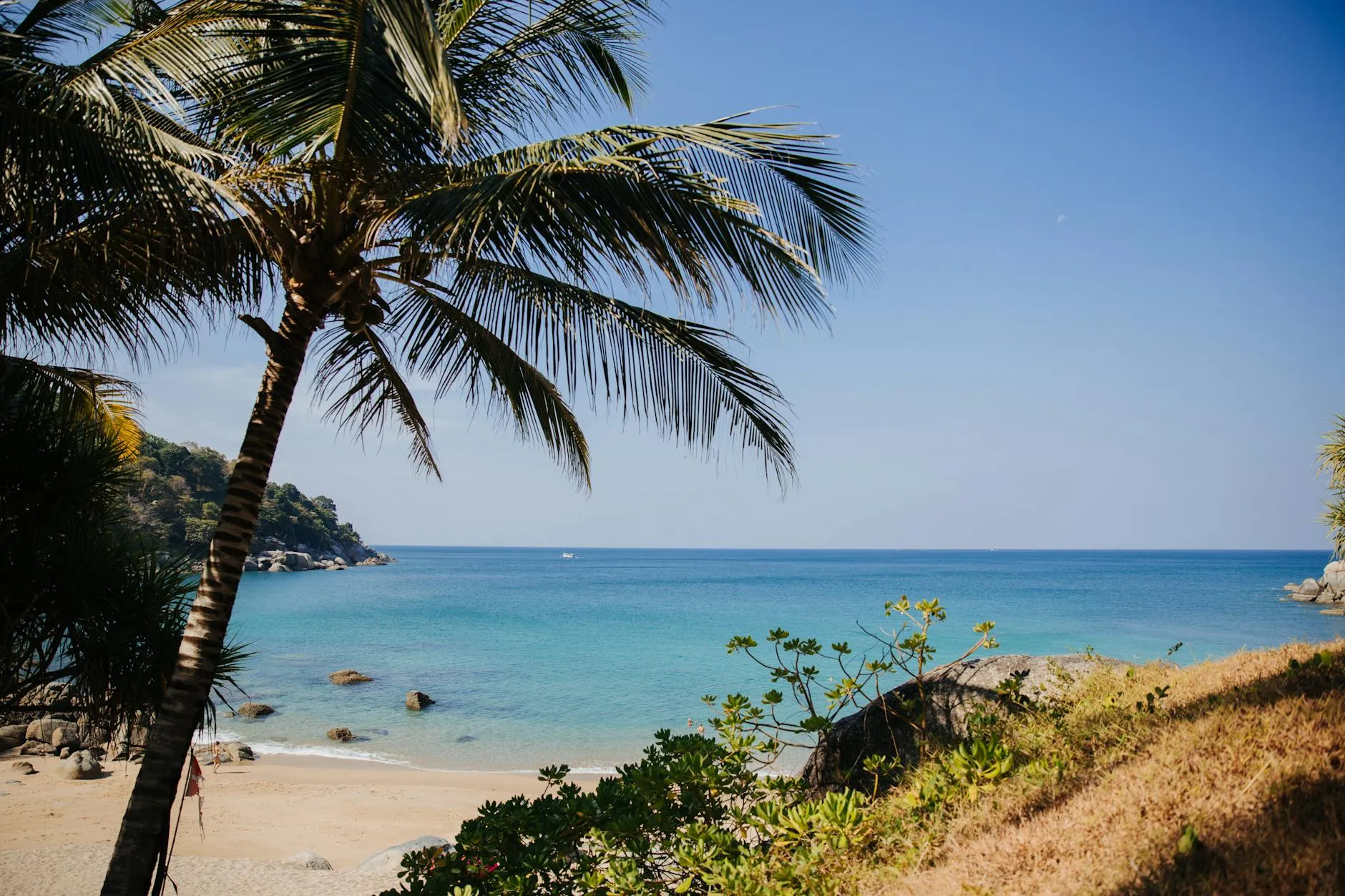
- Freedom Beach from the Longtail (Approach): The crescent of white sand emerging from jungle as you boat in. Shoot from the bow of the longtail. The turquoise water gradient is the money shot.
- Phang Nga Bay Karsts (Kayak level): The limestone towers from water level, inside a sea kayak. Scale is incomprehensible in photos — include the kayak bow or a person for reference. Overcast light works well, reducing harsh shadows on the karsts.
- Big Buddha (Early morning): The 45m white marble from the approach road, with the Andaman Sea visible behind. Morning light on the marble before the heat haze builds. Respect the dress code (knees and shoulders covered).
- Rawai Seafood Market (Golden hour): The vendors, the ice displays, the colourful longtail boats. Late afternoon light warms the scene. Ask before photographing vendors directly — most welcome it once you smile.
- Bangla Road (Night, wide angle): The neon chaos. A long exposure from the entrance captures the strip’s energy. Not everyone’s aesthetic, but it’s iconic Phuket and impossible to ignore as a record of the trip.
Table of Contents
- Top Attractions in Phuket
- Phuket’s Beaches — The Complete Guide
- Phuket Food — Hokkien Heritage & Street Eats
- Michelin Guide & Fine Dining
- Night Markets & Shopping
- Beach Clubs
- Areas & Neighbourhoods
- Nightlife — Bangla Road & Beyond
- Ethical Elephant Experiences
- Day Trips & Island Hopping
- Getting Around Phuket
- Budget Guide & Daily Costs
- Best Time to Visit & Weather
- Safety, Scams & Practical Tips
- What’s New in 2026
- FAQs
Top Attractions in Phuket
Phuket’s attractions split neatly into three categories: natural wonders (beaches, viewpoints, offshore islands), cultural sites (temples, Old Town architecture), and commercial entertainment (shows, water parks, elephant experiences). The best of Phuket is free — the beaches, the viewpoints, the temple grounds, and the Old Town streets.
| Attraction | Price (THB) | Notes |
|---|---|---|
| Big Buddha | Free | Reopened Mar 3, 2026 after 2-year closure. 45m marble statue, Nakkerd Hill. 9 AM–6 PM. Dress code enforced (free sarongs available) |
| Wat Chalong | Free | Phuket’s most important temple. Grand Pagoda with relic fragment. 10 min from Big Buddha. 7 AM–5 PM |
| Old Phuket Town | Free | Sino-Portuguese shophouses, street art, cafés. Thalang Road, Soi Romanee, Dibuk Road. Sunday Walking Street market |
| Phang Nga Bay | ฿1,400–฿1,900 | Day tour. James Bond Island (Khao Phing Kan), sea kayaking through hongs, limestone karsts |
| Phi Phi Islands | ฿1,400–฿2,400 | Day trip by speedboat. Snorkelling, Maya Bay (reopened with daily visitor cap). Book 1 day ahead |
| Phuket FantaSea | ฿1,800 / ฿2,200 w/ dinner | Cultural theme park + “Fantasy of a Kingdom” show. Kamala. Under 100 cm free. Dinner buffet option |
| Simon Cabaret | ฿800–฿1,000 | Legendary cabaret show, Patong. 2 shows nightly (6 PM & 8:30 PM). 45 min. Photo ops with performers after |
| Phuket Aquarium | ฿180 | Cape Panwa. Marine research centre. Modest but educational. Good for kids. 8:30 AM–4:30 PM |
| Splash Jungle Water Park | ฿1,590 | Mai Khao. Lazy river, wave pool, slides. Half-day is enough. Under 122 cm ฿890 |
| Promthep Cape | Free | Best sunset viewpoint on the island. Southern tip. Arrive 30 min before sunset for a spot. Lighthouse museum free |
| Karon Viewpoint | Free | Three-beach panorama (Kata Noi, Kata, Karon). Best morning light. Small car park, food stalls |
| Thai Hua Museum | ฿200 | Peranakan heritage museum in gorgeous Sino-Portuguese building. Krabi Road, Old Town. Tells the tin mining story |
Big Buddha — Finally Reopened
The 45-metre white marble Phra Phutthamingmongkhol Akenakkhiri sits atop Nakkerd Hill between Chalong and Kata, visible from half the island. It was closed from August 2024 to March 3, 2026 for structural repairs and landscaping — a closure that frustrated visitors for nearly two years. The statue is now fully accessible again. Entry is free, though donation boxes are prominent. A strict dress code applies: no sleeveless tops, no shorts above the knee. Free sarongs are provided at the entrance. The viewpoint from the base offers sweeping 360-degree views over the Andaman Sea, Chalong Bay, and the island’s interior. Visit early morning or late afternoon — midday is brutally hot with no shade on the approach.
Old Phuket Town — The Real Phuket
If you only visit the west-coast beaches, you’ll leave thinking Phuket is nothing but tourist infrastructure. Old Town corrects that immediately. The Sino-Portuguese shophouses along Thalang Road, Dibuk Road, Phang Nga Road, and the Instagram-famous Soi Romanee are the legacy of the tin-mining boom that drew Hokkien Chinese immigrants in the 19th century. Today, these colourful facades house independent cafés, galleries, Bib Gourmand restaurants, and local businesses that have been here for generations. The Sunday Walking Street (4–10 PM on Thalang Road) is Phuket’s best market — local food, crafts, and live music without the aggressive commerce of Patong. The Thai Hua Museum (฿200) is the best introduction to Phuket’s Peranakan heritage.
Beyond Thalang — The Real Old Town
Yaowarat Road: Phuket Town’s Chinese quarter, parallel to Thalang but a different universe. Shophouses still operating as actual shops — Chinese herbalists, Buddhist altar craftsmen, fabric merchants, century-old printing presses. Zero tourists most days. Walk it east-to-west in mid-morning before the heat builds.
Street art: Phuket Town has more wall murals per square kilometre than anywhere in southern Thailand outside Songkhla. Look on the side walls of Soi Romanee, behind Thai Hua Museum, and in the alleys off Phang-nga Road. The portraits of Sino-Portuguese ancestors are the standout style.
Phuket Cultural Centre and Phuket Philatelic Museum: Two free museums in restored colonial buildings, both within five minutes of Thai Hua. The cultural centre has the best summary of Peranakan heritage on the island.
Phuket’s Beaches — The Complete Guide
Phuket has over 30 beaches along its west coast, ranging from packed party strips to near-deserted coves. The Andaman side faces the sunset and gets the best sand; the east coast is muddier and less swimmable but has the views and the seafood. All beaches in Thailand are public by law — no resort can charge you to access the sand, though sunbed renters will try to make you feel otherwise.
Patong Beach
The most famous and most divisive beach on the island. Three kilometres of sand backed by a wall of hotels, restaurants, and the neon glow of Bangla Road. The water is clean enough for swimming, jet skis buzz constantly, and vendors work the sand from dawn to dusk. Patong is not for everyone, but it’s convenient: everything is walkable, the nightlife is steps away, and the beach is genuinely pretty if you look past the infrastructure. Best for: first-timers who want everything in one place, nightlife seekers, people-watching.
Kata Beach
The sweet spot between development and beauty. Kata has good restaurants, a relaxed vibe, and waves that attract surfers during the May–October monsoon season. The northern end is quieter; the southern end has the surf breaks. Kata Noi (Little Kata), a five-minute walk south over the headland, is smaller, calmer, and consistently ranked among Phuket’s prettiest beaches. Best for: families, surfers (monsoon season), couples.
Karon Beach
One of Phuket’s longest beaches — over three kilometres of wide, golden sand that never feels crowded even in peak season. The sand here is famous for “singing” — it squeaks under your feet due to its high quartz content. Less commercial than Patong, with a handful of restaurants along the beachfront road. The undertow can be strong during monsoon season — respect the red flags. Best for: long walks, space, families who want calm without isolation.
Freedom Beach
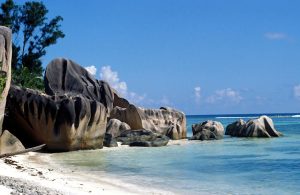
The most beautiful beach on the island, full stop. A crescent of powder-white sand backed by jungle, accessible only by boat or a steep 20-minute jungle trail. By longtail boat: ฿1,200–฿1,500 round trip from the southern end of Patong Beach (near Amari Hotel), 10-minute ride. On foot: ฿200 entry fee at the trailhead. The trail is steep and slippery — wear proper shoes, not flip-flops. Once there, the snorkelling is excellent and the crowd is a fraction of any west-coast beach. No sunbed mafia. Bring your own water and snacks. Best for: anyone willing to make the effort for genuinely stunning scenery.
Nai Harn Beach
The local favourite. Nai Harn sits at the southern tip of the island, protected by a headland that blocks the worst monsoon waves. The Nai Harn monastery owns the land behind the beach, which prevented hotel development — so the beachfront is trees and grass, not concrete. The lake behind the beach is good for kayaking. Sunset from Windmill Viewpoint above Nai Harn is spectacular. Best for: locals, expats, anyone who wants a beautiful beach without the resort-strip feel.
Surin Beach
The upscale beach. Surin was heavily cleared of beach clubs in 2016 (the government removed all structures from the sand), but it remains the stretch associated with luxury resorts and high-end dining. The beach itself is narrow but photogenic, with boulders at both ends. The beach clubs that survived have relocated to the road behind the sand. Best for: luxury travellers, sundowners at nearby venues.
Bang Tao Beach
Six kilometres of sand stretching from the Laguna resort complex in the south to quiet, almost-empty stretches in the north. The Laguna area has five integrated resorts, a golf course, and the relocated Catch Beach Club. The northern end of Bang Tao is one of the most peaceful beaches on the island. Best for: resort guests, families, long beach walks.
Mai Khao Beach
Phuket’s longest beach at 11 kilometres, running along the northwest coast near the airport. Part of Sirinat National Park. Almost deserted outside the resort clusters. Sea turtles nest here between November and February. During low season, you can walk for thirty minutes without seeing another person. The planes landing directly overhead are oddly photogenic. Best for: solitude, nature lovers, plane-spotters.
Rawai Beach
Not a swimming beach — the water is shallow and full of longtail boats — but the seafood market at the southern end is one of Phuket’s essential experiences. Choose your fish, prawns, lobster, or crab from the vendors along the seawall, then carry it to the restaurants behind the market where they’ll cook it for a fee (฿100–฿200 cooking charge per dish). Prices: fish from ฿300/kg, prawns from ฿400/kg, lobster from ฿1,200/kg. This is where Phuket locals eat seafood. Best for: seafood, longtail boat hire to nearby islands, sunset.
Kamala Beach
Quieter than Patong (its neighbour to the south) but more developed than Surin (its neighbour to the north). Kamala has a village feel, with a mosque, a small fishing community, and a stretch of sand that gets excellent afternoon light. Café del Mar is at the northern end. Best for: families, mid-range travellers, a base between Patong nightlife and quieter beaches.
Hidden Coves & Quiet Beaches
The famous beaches (Patong, Kata, Karon) carry the crowds. These three carry the secrets.
- Ya Nui Beach: Tiny twin coves separated by a rocky outcrop, on the south coast just past Promthep Cape. Calm, snorkellable, and a fraction of the crowds of Nai Harn. The local kayak rental (฿200/hour) lets you paddle to the offshore islet. Sunset position is unmatched.
- Paradise Beach: A 20-minute walk over the headland from Patong. Used to be free; now ฿200 entry to a privately managed beach club setup. Worth it for the contrast: empty white sand 20 minutes from the loudest beach in Thailand. Longtail boats from Patong & Tri Trang ฿200–300 round trip.
- Banana Beach: A short scramble down a jungle path on the northwest coast near Layan. Tiny, often empty mid-week, no facilities — bring water and snacks. The jungle entry is the moat that keeps it quiet.
Phuket Food — Hokkien Heritage & Street Eats
Phuket has its own cuisine, distinct from the rest of Thailand, shaped by centuries of Hokkien Chinese immigration and Malay-Peranakan influence. The dishes you’ll find in Phuket Old Town — Mee Hokkien, Oh Tao, Moo Hong — are not on menus in Bangkok. The island’s food scene has exploded since Michelin arrived in 2024, but the best eating remains at the old-school spots that have been serving the same recipes for three generations.
Phuket’s Signature Dishes
| Dish | Price | What It Is |
|---|---|---|
| Mee Hokkien (หมี่ฮกเกี้ยน) | ฿50–฿80 | Yellow noodles wok-fried over charcoal with squid, prawns, and egg. Served with a soft-boiled egg on top. Phuket’s most iconic dish |
| Oh Tao (โอต้าว) | ฿50–฿80 | Oyster omelette with taro and crispy batter. Unique to Phuket — softer and chewier than Bangkok versions. Tapioca-wheat flour blend |
| Moo Hong (หมูฮ้อง) | ฿60–฿100 | Braised pork belly slow-cooked with garlic, peppercorns, soy sauce, coriander root. Sweet-salty-tender. Hokkien heritage |
| Kanom Jeen | ฿40–฿60 | Rice noodles with curry sauce (fish curry, crab curry, or Nam Ya). Breakfast/lunch staple across Southern Thailand |
| Pad Thai | ฿60–฿100 | Wok-fried rice noodles. Phuket versions often spicier and use fresh shrimp from local waters |
| Green Curry | ฿80–฿150 | Southern Thai green curries are notably spicier than Central Thai versions. Beware: “Thai spicy” means it |
| Gaeng Lueng (Yellow Curry) | ฿60–฿100 | Southern Thai turmeric-based curry with fish. Less coconut milk, more heat. Common at morning markets |
| Roti | ฿30–฿60 | Malay-influenced flatbread, fried to order with egg, banana, Nutella, or condensed milk. Best from street carts |
| Fresh Seafood (Rawai) | ฿300–฿1,200+/kg | Choose-your-own seafood at the market. Fish from ฿300/kg, prawns ฿400/kg, lobster from ฿1,200/kg + ฿100–฿200 cooking fee |
| Lok Bakchang | ฿40–฿60 | Sticky rice dumpling with pork and egg yolk, wrapped in banana leaf. Hokkien Chinese dim sum on the go |
Mee Hokkien — Phuket’s Soul Food
If you eat one thing in Phuket, eat Mee Hokkien. These yellow wheat-and-egg noodles, wok-fried over roaring charcoal with squid, prawns, strips of pork, and egg, finished with a soft-boiled egg perched on top, are the dish that defines Phuket’s Hokkien Chinese heritage. The noodles should have “wok hei” — the smoky breath of the charcoal — and the texture should be springy, not soft. The best bowls cost ฿50–60 and come from places that have been making them for decades.
Where to eat Mee Hokkien:
- Lock Tien — Yaowarat Road, Old Town. Michelin Bib Gourmand. Open-air food court style. ฿50–60. The benchmark
- Mee Ton Poe — Old Town. Charcoal-fried, proper wok hei. Morning to early afternoon only
- Go Benz — Bib Gourmand. Also famous for dry boiled rice with soup
Oh Tao — The Oyster Omelette
Oh Tao is Phuket’s version of the oyster omelette found across Southeast Asia, but distinctly different: the batter is made from a blend of wheat and tapioca flours that gives it a softer, chewier texture than the crispy Bangkok version. Steamed taro root is mixed in, along with tiny local oysters and egg. It’s fried until the edges crisp and the centre stays pillowy. Find it at Old Town food stalls and at the night markets for ฿50–80.
Rawai Seafood Market — The Full Experience
The Rawai seafood market on the southern tip of the island is Phuket’s best seafood experience and it’s not a restaurant — it’s a system. Walk along the seawall where vendors display the day’s catch on ice. Point at what you want, negotiate the price by weight, then carry your haul to one of the cooking restaurants behind the market stalls. They’ll prepare it however you like — grilled, steamed, stir-fried, deep-fried — for a cooking fee of ฿100–200 per dish. A full seafood dinner for two (fish, prawns, and a vegetable dish) typically runs ฿800–1,200 total. Arrive by 5 PM for the best selection.
Southern Thai Specialties (Beyond Pad Thai)
The food in Phuket isn’t just Thai — it’s Southern Thai, which is a different beast entirely. Spicier, more coconut-forward, less sugar, more fermented funk.
- Gaeng Tai Pla: The legendary fish-stomach curry of southern Thailand. Bitter, intensely fishy, eye-watering chilli levels. The flavour profile that separates Southern Thai loyalists from everyone else. Try it at One Chun or any old-school Phuket Town restaurant — ฿80–150.
- Khao Yam: Southern rice salad. Brown rice tossed with toasted coconut, dried shrimp, fresh herbs, lime, and a budu (fermented fish sauce) dressing. Cool, complex, and perfect lunch food in the heat. ฿70–120.
- Pad Sataw: Stink beans (yes, really) stir-fried with shrimp paste, pork, and chillies. The beans have a polarising sulphur funk that gets in everywhere. Locals love it; tourists usually don’t make it past the first bite. Order it once and decide for yourself.
- Kanom Jeen Nam Ya: Fermented rice noodles in a fish-coconut curry, topped with raw vegetables and pickled greens. Breakfast food in the south. Lock Tien does a serious version.
- Moo Hong: Phuket’s signature pork-belly stew, slow-braised with garlic, pepper, and palm sugar. Hokkien-Chinese in origin, completely Phuketian today. ฿80–150.
Michelin Guide Phuket 2026
Michelin arrived in Phuket with the Thailand 2024 edition and has expanded its coverage significantly. The 2026 guide features 1 Michelin star, 18 Bib Gourmand restaurants, and 39 Michelin Selected establishments on the island. This is remarkable for a destination that was seen purely as a beach resort a decade ago.
PRU — Phuket’s First Michelin Star
PRU at Trisara resort holds one Michelin star and is Phuket’s only starred restaurant. Chef Jimmy Ophorst runs a farm-to-table programme growing ingredients on the resort’s own PRU Jampa farm. The tasting menu (฿5,500–฿7,500) showcases hyper-local ingredients — Phuket lobster, Andaman sea urchin, herbs grown metres from the kitchen. Dinner only, Tuesday–Saturday. Reservations essential, often 2–3 weeks ahead in high season.
Bib Gourmand Highlights
Phuket’s 18 Bib Gourmand restaurants are where the real action is — great food at modest prices, mostly in Old Town. These are not tourist restaurants. Most have been feeding locals for decades.
| Restaurant | Known For | Price Range |
|---|---|---|
| Lock Tien | Mee Hokkien, Oh Tao | ฿50–฿80 |
| One Chun | Phuketian cuisine since 1923. Sino-Portuguese building, 4th-generation recipes | ฿100–฿250 |
| Go Benz | Dry boiled rice with soup, Hokkien noodles | ฿50–฿100 |
| Tu Kab Khao | Southern Thai sharing plates in colonial shophouse | ฿150–฿350 |
| Raya | Crab curry, Moo Hong in beautiful old mansion | ฿100–฿300 |
| Pathongko Mae Pranee | Morning fried dough (pa tong ko). Wichit. NEW 2026 Bib | ฿20–฿40 |
| Khao Tom Thanon Di Buk | Rice soup, late-night Old Town | ฿50–฿100 |
| Royd | Modern Southern Thai by Young Chef Award winner Suwijak | ฿200–฿400 |
The full Bib Gourmand list includes 18 restaurants. The common thread: generous portions, local recipes, and prices that make Bangkok’s dining scene look expensive. A Bib Gourmand meal in Phuket Old Town rarely exceeds ฿200 per person.
“Pathongko Mae Pranee is a morning-only street stall in Wichit that serves fried dough sticks and soy milk. It earned a Bib Gourmand in 2026. That tells you everything about how seriously Michelin is taking Phuket’s street food.”
Night Markets & Shopping
Naka Weekend Market (Phuket’s Biggest)
Every Saturday and Sunday, 4 PM–10 PM, near the intersection of Chaofa East and Wirat Hong Yok roads in Phuket Town. This is Phuket’s largest market — hundreds of stalls selling street food (฿40–100 per dish), clothing, souvenirs, and local crafts. The food section is the draw: grilled seafood skewers, coconut pancakes, mango sticky rice (฿60–80), and Thai iced tea (฿30–50). Arrive early — it gets packed after 7 PM.
Chillva Market
Thursday and Friday evenings in Phuket Town, near Samkong. Smaller and more local than Naka, with a hipster-market vibe — shipping containers repurposed as stalls, live music, craft beer, and creative Thai street food. Popular with young locals. Less overwhelming than Naka.
Sunday Walking Street
Thalang Road in Old Town, every Sunday 4–10 PM. The most atmospheric market in Phuket, set against the backdrop of Sino-Portuguese shophouses. Local food, handmade crafts, live music. This is the market that makes you fall in love with Old Town.
Malin Plaza (Patong Night Market)
Nightly on Phrabaramee Road, Patong. The most tourist-oriented night market — souvenirs, clothing, fake brands, and tourist-priced food. Convenient if you’re based in Patong but not the authentic experience. Haggle everything.
Beach Clubs
Phuket’s beach club scene was disrupted in 2016 when the government cleared structures from several beaches, but it has rebuilt stronger. The clubs now sit on the road behind the beach or on private resort land rather than directly on the sand.
Catch Beach Club
The most popular beach club in Phuket, relocated to Bang Tao Beach after the 2016 clearance. Sunbeds from ฿1,000–2,000 with minimum spend, cocktails ฿350–500, food ฿300–800. International DJs on weekends. Great people-watching. Book ahead for weekends.
Café del Mar
The Ibiza export at the northern end of Kamala Beach, next to InterContinental. Open daily from 11 AM, with the club room opening Wednesday–Sunday from 10 PM. Known for sunset sessions with international DJs. Daybed from ฿2,000–3,000. Cocktails ฿400–600. Sunday brunch is popular.
Baba Beach Club
Natai Beach (technically just north of Phuket, across Sarasin Bridge). Boutique luxury feel, lower-key than Catch. Pool access + daybed from ฿1,500–2,500. Good food menu. Sunset views over Phang Nga Bay.
BarraCuda
Opened 2024 on Patong Beach near Impiana Hotel. Pool, music, and easy access to Bangla Road nightlife. More party-oriented than the west-coast clubs. Daybed from ฿1,500.
HQ Beach Lounge
Kamala Beach. Relaxed daytime vibe, good food, reasonable prices by beach club standards. Sunbed from ฿500 with food/drink credit. Less pretentious than the big names.
Areas & Neighbourhoods
Patong
The tourist centre of the island. Three kilometres of beach backed by a dense grid of hotels, restaurants, bars, and shops. Bangla Road — Phuket’s famous walking street — comes alive after dark. Patong has everything: convenience, chaos, nightlife, and a genuinely beautiful beach. It’s also the most expensive area for accommodation and food, and the most likely place to encounter tourist-targeting scams. Stay here if: you want walkable nightlife and don’t mind crowds.
Kata / Karon
The family-friendly alternative to Patong, 15 minutes south. Two beautiful beaches, a good range of restaurants (from street food to fine dining), surf shops, and a relaxed vibe. Kata is slightly more compact and walkable; Karon is longer and more spread out. Kata Noi is the quieter gem just south. Stay here if: you want good beaches without Patong’s intensity.
Old Phuket Town
The cultural heart of the island, 30–40 minutes from the west-coast beaches. Sino-Portuguese architecture, Bib Gourmand restaurants, Sunday Walking Street, cafés, galleries, and a genuine Thai-Chinese community atmosphere. No beach (the nearest is Saphan Hin), but the food alone justifies staying here. Stay here if: you care about food and culture more than beach access.
Rawai / Nai Harn
The southern tip. Rawai has the seafood market, Nai Harn has the locals’ beach. Together they form the most “residential” feel on the island — many long-term expats live here. Less tourist infrastructure but more authentic. Promthep Cape sunset viewpoint is five minutes away. Stay here if: you want a local feel, great seafood, and Nai Harn’s beautiful beach.
Surin / Bang Tao / Laguna
The luxury corridor. Surin has upscale dining and a beautiful (if narrow) beach. Bang Tao has the Laguna resort complex — five integrated resorts sharing a golf course and lagoon — plus Catch Beach Club. This area is resort-oriented: you’ll need a car, taxi, or Grab to go anywhere. Stay here if: you want resort luxury and don’t mind paying for it.
Kamala
Between Patong and Surin, with a village feel that both lack. A mosque, a fishing community, a modest beach, and Café del Mar at the north end. Phuket FantaSea is here. More relaxed than Patong, more affordable than Surin. Stay here if: you want a middle ground between party and peace.
Mai Khao
Phuket’s far northwest. The airport is here, along with Phuket’s longest beach and Sirinat National Park. Mostly high-end resorts (JW Marriott, SALA, Renaissance) spaced far apart. Very quiet. Turtle nesting season Nov–Feb. Stay here if: you want peace, don’t mind isolation, and prefer resort self-sufficiency.
Chalong
The interior hub, home to Wat Chalong and the road to Big Buddha. Not a tourist area per se, but where many locals live and where you’ll find the cheapest car rentals, local restaurants, and hardware stores. The Chalong Circle roundabout connects the main north-south and east-west roads. Stay here if: you have a car and want a central base for day trips.
Nightlife — Bangla Road & Beyond
Bangla Road, Patong
Phuket’s famous walking street closes to traffic at dusk and becomes a neon corridor of bars, clubs, live music venues, and go-go bars. It’s loud, chaotic, and deeply polarising — some visitors love the energy, others last fifteen minutes. The street is safe to walk, but drink prices vary wildly (beer ฿100–200 at ground-level bars, ฿300–600 at upscale venues). Key venues: Illuzion (mega-club, international DJs), Tiger Bar (iconic neon frontage, people-watching), Zimplex (rooftop bar, best sunset cocktails on the strip).
Important 2025–2026 changes: Cannabis was re-criminalised in Thailand in June 2025. The cannabis shops that lined Bangla Road and every beach road are now closed. Do not buy or carry cannabis — penalties are severe.
Beyond Bangla Road
- Boat Avenue, Bang Tao — Upscale dining, wine bars, cocktail spots. Xana Beach Club nearby. More sophisticated than Patong
- Old Town rooftop bars — Several Sino-Portuguese buildings now host cocktail bars on upper floors. Quieter, more atmospheric
- Kata nightlife — Ska Bar (reggae, live music, cheap beers). Much more relaxed than Patong
- Simon Cabaret — Phuket’s legendary cabaret show (฿800–1,000). Two nightly shows at 6 PM and 8:30 PM. 45 minutes. Spectacular costumes and choreography. Photo ops with performers after the show
Ethical Elephant Experiences
Phuket has more elephant tourism options than almost anywhere in Thailand, and the quality varies enormously. The rule is simple: never ride an elephant, never watch elephants perform tricks, and never bathe with elephants (the “bathing” experiences that look gentle on Instagram actually require the elephants to be controlled with hooks to stand still). The ethical sanctuaries below focus on observation, not interaction.
Phuket Elephant Sanctuary (PES)
The gold standard. Founded 2016 on 30 acres bordering Khao Phra Thaeo National Park. Home to elephants rescued from tourism and logging. The Canopy Walkway Program (90 minutes, from ฿2,200) lets you observe elephants from Thailand’s longest canopy walkway (500 metres) as they roam, forage, and socialise below — a genuinely moving experience. The Half-Day Morning Program (3.5 hours, from ฿3,500) includes trail walks, observation time, and a 15-dish vegetarian Thai meal at the Tree Top Lounge. Important: Feeding interactions were discontinued from April 1, 2026 as the sanctuary moves toward a fully hands-off model. Has Phuket’s first elephant hospital on site.
Phuket Elephant Nature Reserve (PENR)
Strict no-riding, no-bathing, no-touching policy. Currently home to five rescued elephants. Half-day from ฿1,899. Focus on education and observing natural behaviour at a distance. Good option if PES is fully booked.
Elephant Jungle Sanctuary (EJS)
Multiple programs from half-day to full-day. Feed and observe (no riding). More interaction-heavy than PES or PENR — still ethical, but closer contact. Half-day from ฿2,000.
Day Trips & Island Hopping
Phang Nga Bay — James Bond Island
The most dramatic landscape accessible from Phuket. Limestone karst towers rising vertically from emerald water, sea caves (“hongs”) you paddle through by kayak, and the famous Khao Phing Kan (James Bond Island from The Man with the Golden Gun). Full-day tours by longtail or speedboat run ฿1,400–1,900 and include kayaking, a floating village visit, lunch, and hotel pickup. The kayaking is the highlight — paddling into a collapsed limestone cave to find a hidden lagoon is one of those travel experiences that justifies the flight alone. Book through reputable operators (John Gray’s Sea Canoe is the pioneer and still the best, from ฿3,950 for their “Hong by Starlight” evening trip).
Phi Phi Islands
Thailand’s most famous islands, about 90 minutes by speedboat from Phuket’s Rassada Pier. Maya Bay (where The Beach was filmed) has reopened with a daily visitor cap and no-swimming policy to protect the recovering coral. Day trips (฿1,400–2,400 by speedboat, ฿1,200–1,800 by cruise boat) include snorkelling stops, Monkey Beach, and lunch on Phi Phi Don. The snorkelling at Pileh Lagoon is genuinely world-class. Note: Phi Phi is in Krabi province, not Phuket — the speedboat ride crosses open water and can be rough in monsoon season.
Similan Islands (Nov–May only)
A national park of nine granite islands with some of the best diving and snorkelling in Southeast Asia. The Similans are 90 km northwest of Phuket and only open November–May. Day trips from ฿2,500–3,500 by speedboat (2–2.5 hours each way). The underwater visibility can reach 30+ metres. If you dive, this is a must. If you snorkel, it’s still extraordinary. National park fee ฿500 (usually included in tour price). Book 2–3 days ahead in peak season.
Khao Sok National Park
Three hours north of Phuket by road. Ancient rainforest (older than the Amazon), Cheow Lan Lake with floating bungalows and limestone karsts, and some of Thailand’s best wildlife. Day trips are possible (฿2,000–3,500) but overnight stays at the floating rafthouses on the lake are the real experience. Elephant sightings possible. Entry ฿300.
Racha Islands (Koh Racha Yai & Noi)
Two small islands 20 km south of Phuket. Crystal-clear water, excellent snorkelling and diving, white sand. Less crowded than Phi Phi. Speedboat day trips from ฿1,200–2,000 from Chalong Pier. Koh Racha Yai has a few resorts if you want to overnight.
Koh Yao Noi
A quiet, Muslim-majority island in Phang Nga Bay, visible from Phuket’s east coast. Longtail boat from Bang Rong Pier (฿150–200, 30 minutes). Rice paddies, cycling, mangroves, and a pace of life that’s the opposite of Patong. Several boutique resorts. Best for: people who want to escape Phuket without flying somewhere else.
Getting Around Phuket
Transport is Phuket’s biggest frustration. There is no rail, no metro, and no comprehensive bus network. The tuk-tuk cartel has resisted ride-hailing apps for years, and the result is that getting around the island is either expensive (tuk-tuk), slow (Smart Bus), or requires confidence (scooter rental). In 2026, Grab, Bolt, and inDrive have gained ground, but some areas still resist them.
| Transport | Price | Notes |
|---|---|---|
| Phuket Smart Bus | ฿100 (Route 1) / ฿50 (Route 2) | Route 1: Airport→Rawai via all west-coast beaches. Route 2: Bus Terminal 1→Patong. Every hour 6 AM–9 PM. AC, Wi-Fi. Cash, QR, or Smart Card |
| Grab / Bolt / inDrive | ฿200–฿600 | App-based. Fixed pricing. Most reliable option for beach-to-beach. May face resistance in some areas (tuk-tuk territory) |
| Tuk-tuk | ฿200–฿800 | Not metered. Agree price BEFORE getting in. Short trip within one beach ฿200–400. Between beaches ฿500–800+. Wildly overpriced but ubiquitous |
| Airport taxi (metered) | ฿600–฿1,200 | Official meter taxis from airport. Patong ~฿800, Kata/Karon ~฿1,000, Rawai ~฿1,200. Counter inside arrivals. Reliable |
| Minibus (airport) | ฿180–฿250 | Shared minibus from airport. Slower (multiple stops) but cheap. Book at airport counter or online |
| Scooter rental | ฿200–฿350/day | 125cc automatic. International Driving Permit required (police checkpoints common, ฿500 fine). Helmet mandatory. Insurance rarely included |
| Car rental | ฿800–฿1,500/day | Best from Chalong area, not airport. Manual cheaper. Roads are good but hilly. Parking easy except Patong |
| Longtail boat | ฿300–฿1,500 | Beach-to-beach or island trips. Negotiate at any beach. Freedom Beach round trip ฿1,200–1,500. Charter for snorkelling ฿2,000–3,000/half day |
The Smart Bus — Phuket’s Best-Kept Secret
The Phuket Smart Bus is the island’s only real public transport and it’s surprisingly good. Route 1 runs from the airport to Rawai, stopping at 15 stations along the west coast: Bang Tao, Surin, Kamala, Patong, Karon, Kata, and Rawai. The flat fare is ฿100 regardless of distance — making it absurdly cheap compared to the ฿800+ tuk-tuk alternative. Buses are air-conditioned with Wi-Fi and run hourly from 6 AM to 9 PM. You can pay cash, scan a QR code, or buy a refillable Smart Card on the bus. The downside: hourly frequency means you need to plan around the schedule, and it doesn’t cover the east coast or interior.
Ready to Book Your Phuket Trip?
Find the best flight deals to Phuket International (HKT)
Budget Guide & Daily Costs
| Category | Budget | Mid-Range | Luxury |
|---|---|---|---|
| Accommodation | ฿400–800 (hostel/guesthouse) | ฿1,500–4,000 (hotel with pool) | ฿8,000–50,000+ (resort) |
| Food | ฿300–500 (street food/market) | ฿800–1,500 (restaurants) | ฿3,000–10,000+ (fine dining) |
| Transport | ฿100–250 (Smart Bus/walking) | ฿300–600 (Grab) | ฿800–2,000 (taxi/car rental) |
| Activities | ฿0–500 (beaches/temples/viewpoints) | ฿1,000–2,500 (tours/shows) | ฿3,000–7,500+ (diving/private boats) |
| Daily Total | ฿800–1,500 (£18–34) | ฿3,500–7,000 (£80–160) | ฿15,000–50,000+ (£340+) |
The truth about Phuket prices: Phuket is Thailand’s most expensive destination, but “expensive” is relative. A budget traveller eating street food, using the Smart Bus, staying in a Kata guesthouse, and visiting free beaches and temples can manage ฿800–1,500/day (£18–34). That’s cheaper than a day in most European cities. The price jump comes with tourist-strip restaurants (3–5x local prices), tuk-tuks, and organised tours. The key is to eat where locals eat and avoid Patong’s tourist-menu restaurants.
Tipping: Not expected or traditional in Thailand. A ฿20–50 round-up at restaurants is appreciated but optional. Never tip tuk-tuk drivers (they’re already overcharging). Tip diving instructors ฿200–300 per day if service was good. Massage therapists: ฿50–100 tip is common.
Best Time to Visit & Weather
Month-by-Month Weather
| Month | High/Low | Rain Days | Key Notes |
|---|---|---|---|
| January ⭐ | 31/24°C | 4 | HIGH SEASON. Dry, calm seas. Peak prices. |
| February ⭐ | 32/24°C | 3 | Driest month. Perfect beach weather. Chinese New Year crowds. |
| March ⭐ | 33/25°C | 5 | Still dry. Warm. Prices easing. |
| April 🔥 | 33/25°C | 10 | Hottest. Songkran (Apr 13–15). Shoulder pricing. |
| May 🌧️ | 32/25°C | 18 | Monsoon begins. Afternoon downpours. Prices drop 20–40%. |
| June 🌧️ | 31/25°C | 16 | Wet. Rough seas on west coast. Red flags. |
| July 🌧️ | 31/25°C | 16 | Monsoon. Kata gets surfable waves. Cheapest. |
| August 🌧️ | 31/25°C | 17 | Wettest. Dangerous undertows. Similan Islands closed. |
| September 🌧️ | 31/24°C | 19 | Peak rain. Lowest prices. Green and lush. |
| October | 31/24°C | 18 | Monsoon easing. Occasional sun. |
| November ⭐ | 31/24°C | 12 | DRY SEASON returns. Similan Islands reopen. |
| December ⭐ | 31/24°C | 7 | HIGH SEASON. Christmas/NYE peak. Book 2–3 months ahead. |
Monsoon rain is typically 1–2 hour afternoon downpours, not all-day grey. Mornings are often sunny. The island stays warm year-round (28°C avg). Source: Thai Meteorological Department.
High Season (November–March)
Clear skies, calm seas, 27–32°C. The Andaman Sea is a flat turquoise mirror. This is peak season: prices are highest, beaches are busiest, and Similan Islands and dive sites are open. December–January is the busiest period (Christmas/New Year + Chinese tourists). Book accommodation 2–3 months ahead for Dec–Jan.
Shoulder Season (April–May, October)
Hot (33–35°C in April — Phuket’s hottest month), with increasing humidity. Brief afternoon showers start in May. Prices drop 20–40%. Songkran (Thai New Year, April 13–15) is a spectacular water fight island-wide. October marks the end of monsoon with occasional sunny spells.
Low Season / Monsoon (June–September)
Daily rain (usually 1–2 hour afternoon downpours, not all-day), rough seas on the west coast (red flags on many beaches), and the cheapest prices of the year (40–60% off high-season rates). The island is green and lush, crowds vanish, and many tour operators run discounted trips. The west coast can have dangerous undertows — several drownings happen each monsoon season. Swim only where lifeguards are present. Kata Beach gets surfable waves. Similan Islands are closed.
Safety, Scams & Practical Tips
Safety
Phuket is generally safe for tourists. Violent crime against visitors is rare. The main risks are:
- Scooter accidents — The #1 cause of tourist hospital visits. Phuket’s hilly roads, combined with inexperienced riders and alcohol, are a dangerous mix
- Drowning — Respect the red flags during monsoon season. The undertow on the west coast can be lethal
- Drink spiking — Rare but reported on Bangla Road. Watch your drinks. Use sealed bottles
- Petty theft — Keep valuables in hotel safes. Don’t leave bags unattended on beaches
Common Scams
- Jet ski scam: You rent a jet ski, return it, and the operator claims you damaged it and demands ฿20,000–50,000. Photograph the jet ski from all angles BEFORE renting or, better, don’t rent jet skis in Patong
- Tuk-tuk overcharging: Always agree the price before getting in. If a tuk-tuk driver quotes ฿500 for a 2 km ride within Patong, walk away and use Grab
- “Gem store” / tailor scam: A friendly local suggests you visit their friend’s “special” gem store or tailor. You’ll pay 10x the real price. Politely decline
- Tour desk commissions: Your hotel’s tour desk adds 30–50% markup. Book directly with operators online for better prices
Practical Information
- Visa: 30-day visa-free per entry for eligible nationalities from 15 September 2026 (cut back from 60 days). E-visa available for longer stays. Digital Arrival Card mandatory since May 2025
- Entry fee: ฿300 tourist entry fee for air arrivals, collected via airline ticket, since February 2026
- Currency: Thai Baht (฿). $1 ≈ ฿34. €1 ≈ ฿37. Cards accepted at hotels, malls, and larger restaurants. Cash needed for markets, tuk-tuks, and small restaurants. ATMs charge ฿220 per withdrawal (use Wise or Revolut cards to avoid forex fees)
- SIM card: Buy at the airport arrivals hall. AIS, TrueMove, or DTAC. Tourist SIM with data from ฿299 for 15 days
- Electricity: 220V. Thai outlets accept most plug types (US two-pin and European round pin without adapter in many cases)
- Water: Do not drink tap water. Bottled water ฿10–20. Ice in restaurants and bars is factory-produced and safe
- Cannabis: Re-criminalised in June 2025. The cannabis shops are closed. Do not buy, carry, or consume. Penalties are severe. This is a major change from 2023–2025 when it was effectively legal
- Massage: Thai massage from ฿300/hour at beach-side shops, from ฿200/hour in Old Town. Tip ฿50–100
What’s New in Phuket 2026
- Big Buddha reopened (March 3, 2026) — After nearly two years of closure for repairs, the 45m marble statue is again accessible
- ฿300 tourist entry fee (February 2026) — Collected via airline tickets for air arrivals. Includes ฿70 accident/medical insurance. One-time per entry
- Cannabis re-criminalised (June 2025) — All cannabis shops closed. Possession, sale, and use are again illegal with serious penalties
- PRU retains Michelin star — Phuket’s first and only star. 18 Bib Gourmand restaurants in 2026 edition
- Pathongko Mae Pranee — Morning fried dough stall in Wichit earns new Bib Gourmand 2026
- Royd Young Chef Award — Chef Suwijak Kunghae recognised for modern Southern Thai cuisine
- Elephant Sanctuary feeding discontinued (April 1, 2026) — PES moves to fully hands-off observation model
- Maya Bay daily visitor cap — Swimming banned to protect recovering coral. Limited visitors per day. Worth visiting for scenery alone
- Digital Arrival Card — Mandatory for all visitors since May 2025. Complete online before arrival
- Alcohol afternoon ban lifted (December 2025) — The 2–5 PM alcohol sales restriction has been removed
- Smart Bus Route 2 — Bus Terminal 1 to Patong for ฿50 now operational
Pricing, festival dates, and transport costs reflect data verified in April 2026 via the official sources linked throughout this guide. Travel costs are subject to annual adjustments — attractions and transport authorities typically refresh prices each spring. We recommend confirming real-time prices and booking windows via the authority links in each section before your trip. Where this guide references Michelin stars, the data reflects the most recent edition of the relevant Michelin Guide at time of publication.
More Guides
Explore all our city and island guides at aifly.one Travel Guides — covering destinations across Southeast Asia, Europe, the Americas, and Africa.
Data Provenance & Verification
- Attraction Pricing: Verified via official sites (Big Buddha, Phuket FantaSea, Simon Cabaret), April 2026
- Michelin: Per Michelin Guide Thailand 2026
- Restaurant Pricing: Direct menu checks and Michelin Guide, March–April 2026
- Smart Bus: Fares per Phuket Smart Bus official site, April 2026
- Elephant Sanctuary: PES programme and pricing verified via phuketelephantsanctuary.org, April 2026
- Exchange Rate: $1 ≈ ฿34 per XE.com, April 2026
- Weather: Based on Thai Meteorological Department data for Phuket
- Visa: 30-day visa-free from 15 September 2026 per Thai Ministry of Foreign Affairs, September 2026
- Cannabis: Re-criminalized June 2025 per Royal Thai Government Gazette
- Last Updated: April 2026
Frequently Asked Questions
Is Phuket worth visiting in 2026?
Absolutely. Big Buddha has reopened, Michelin recognition has elevated the food scene, the Smart Bus makes budget travel practical, and the beaches are as beautiful as ever. The ฿300 entry fee is negligible. Avoid peak Patong if crowds aren’t your thing — the rest of the island is remarkably uncrowded.
How many days do I need in Phuket?
Five to seven days is ideal. Day 1–2: west-coast beaches and settling in. Day 3: Phang Nga Bay or Phi Phi day trip. Day 4: Old Town food crawl and night market. Day 5: elephant sanctuary or Similan Islands. Day 6–7: scooter exploration, hidden beaches, Rawai seafood. If you only have 3 days, skip the island day trips and focus on beaches + Old Town + one activity.
Is Phuket safe?
Yes, for tourists. The main risks are scooter accidents and monsoon-season drowning, not crime. Exercise normal precautions: secure valuables, agree tuk-tuk prices beforehand, don’t rent jet skis in Patong. Bangla Road is safe to walk — just watch your drinks. The beach areas, Old Town, and resort zones are all safe day and night.
Patong or Kata — where should I stay?
Patong if you want walkable nightlife, shopping, and maximum convenience. Kata if you want a better beach, a more relaxed vibe, and a family-friendly atmosphere. Budget travellers often find better value in Kata. Old Town if food and culture matter more than beach access.
Can I get around Phuket without a scooter?
Yes, but with some planning. The Smart Bus covers the airport-to-Rawai corridor for ฿100. Grab and Bolt work in most tourist areas. If you’re staying in one beach area and doing organised day trips (which include pickup), you don’t strictly need personal transport. A scooter gives freedom but carries real safety risks.
What should I eat first?
Go directly to Lock Tien in Old Town and order Mee Hokkien (฿50–60). It’s a Michelin Bib Gourmand restaurant that feels like a food court. Follow it with Oh Tao (oyster omelette) from the same area. Then walk to One Chun for Southern Thai dishes in a 100-year-old Sino-Portuguese building. Total cost: under ฿300 for one of the best meals of your life.
Is the Blue Lagoon near Phuket?
The Blue Lagoon is actually in Khao Phra Thaeo National Park in the north of Phuket island — a natural freshwater pool in the jungle. The Blue Lagoon spa (separate from the natural lagoon) is not on Phuket but on the Reykjanes Peninsula in Iceland. If you mean the famous Blue Lagoon hot springs, that’s Iceland, not Phuket. For hot springs near Phuket, visit the natural hot springs at Bang Pae or at Khlong Thom in Krabi (1.5 hours away).
When is the best time to visit Phuket?
November–March for guaranteed sunshine, calm seas, and full beach access. April for Songkran (Thai New Year water festival). June–September for the cheapest prices and fewest crowds, but expect daily rain and rough seas. The sweet spots are November and March — good weather, lower prices than Dec–Feb peak.
What is the best day in Phuket for under ฿1,500?
Smart Bus to Old Town (฿100). Mee Hokkien breakfast at Lock Tien (฿60, Bib Gourmand). Walk Thalang Road, Soi Romanee, Shrine of the Serene Light (all free). Thai Hua Museum (฿200). Grab back to Kata (฿300). Afternoon at Kata Beach (free). Sunset walk to Karon Viewpoint (free). Evening: street food dinner at any night market — pad thai, mango sticky rice, Thai iced tea (฿200). Smart Bus back (฿100). Total: ฿960 (~£22). A Michelin-recognized meal, Peranakan heritage, two beaches, a three-bay panorama, and night market street food — for less than the price of one beach club sunbed.
Diving & Snorkelling
Phuket is a gateway to some of the world’s best dive sites. The Similan Islands, accessible from November to May, rank among the planet’s top ten.
Dive Sites
Similan Islands: National park, liveaboards recommended. Massive granite boulders, manta rays, whale sharks (with luck). Visibility 30m+. November-May only. Day trips from ฿3,500; liveaboards from ฿20,000 for 2 nights.
Phi Phi Islands: Closer, year-round access. Leopard sharks, hawksbill turtles, vibrant reefs. Day trips from ฿3,500 with 2 dives.
Racha Islands: Excellent for beginners. Calm, clear water, resident reef sharks. Day trips from ฿2,500.
King Cruiser Wreck: Ferry sunk in 1997, now an artificial reef. Advanced divers. Strong currents.
Dive Operators
Dive The World: Long-established, multiple PADI courses, Similan liveaboards.
Scubacat: Based in Patong, smaller groups, good for beginners.
Snorkelling
You don’t need to dive to see marine life. Best snorkelling:
- Racha Yai: Calm, clear, turtles guaranteed. Day trips from ฿1,500.
- Phi Phi: Maya Bay reopened with strict limits. Snorkelling tours from ฿1,800.
- Ya Nui Beach: Snorkel from shore. Free.
- Banana Beach: North of Phuket, accessible by longtail. Quiet and colourful.
Romantic Phuket
Sunset Spots
Promthep Cape: Iconic viewpoint at Phuket’s southern tip. Crowded but deservedly famous. Arrive 30 minutes before sunset.
Windmill Viewpoint: Near Promthep, less crowded. Wind turbines and ocean views.
Kata Viewpoint (Karon Viewpoint): Three bays visible. The classic postcard shot.
Romantic Dining
PRU: Phuket’s only Michelin star. Farm-to-table Thai fine dining. Trisara resort. ฿5,500-7,500 tasting menu.
Suay by Haan: Michelin-recommended. Modern Thai in a colonial house. Stunning presentation. ฿1,500-2,500 for two.
La Gritta: Italian at Amari Patong. Cliff-edge tables over the Andaman. Sunset is spectacular.
Romantic Stays
Amanpuri: The original Aman, still among the best. Surin headland, pavilions in coconut groves. From ฿35,000/night.
Trisara: All-pool-villa resort. Home to PRU restaurant. Private beach. From ฿25,000.
The Slate: Design hotel with industrial-chic aesthetic. Nai Yang area. More affordable luxury. From ฿6,000.
Phuket with Kids
Top Attractions
Splash Jungle: Water park with lazy rivers, wave pool, and slides. Less intense than Siam Park. ฿1,590 adults, ฿1,090 kids.
Phuket Aquarium: Small but well-run marine centre. Touch pools, sharks, rays. ฿180 adults, ฿100 kids.
Trickeye Museum: 3D optical illusion art. Kids love the photo opportunities. ฿400.
Elephant Jungle Sanctuary: Ethical elephant experience — feeding and bathing, no riding. Half-day from ฿2,200.
Family-Friendly Beaches
Nai Harn: Calm, shallow, lifeguards present. Good restaurants nearby.
Bang Tao: Long, flat, shallow gradient. Safe for paddling toddlers.
Racha Islands: Day trips with calm water for snorkelling. Most operators cater to families.
Rainy Day Options
Central Festival/Jungceylon: Air-conditioned malls with cinemas, bowling, and food courts.
Thai cooking class: Many accept children. Making pad thai together is educational and delicious.
🌍 See the bigger picture: our Thailand travel guide covers regions, when to go, and getting around.