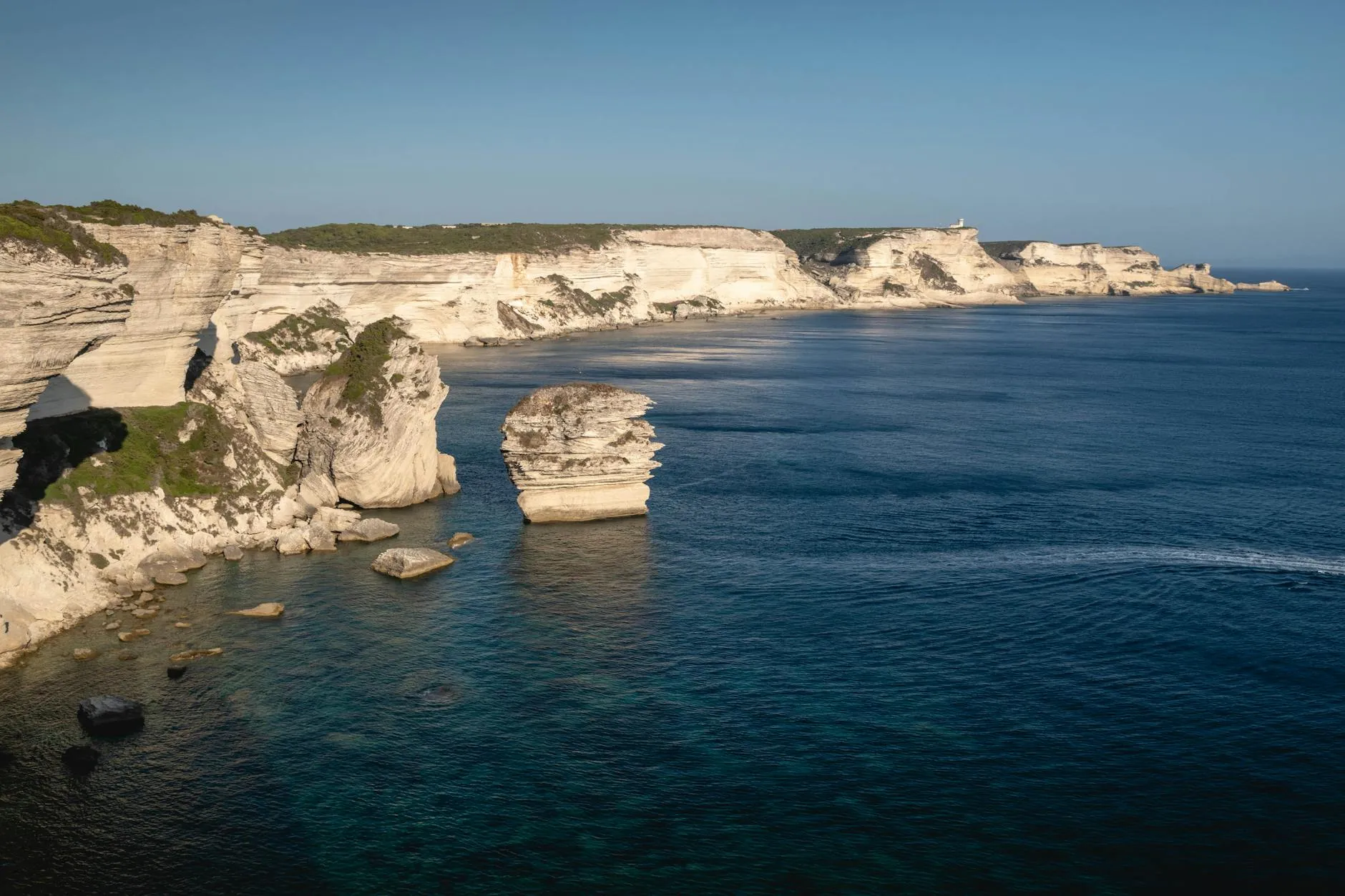
Corsica — The Complete Island Guide 2026
A French département with a Tuscan-derived language and a parliamentary vote on autonomy in April 2026. Three Corsicas on one granite geography: the postcard coast of Bonifacio and Scandola, the mountain interior of the GR20 and Castagniccia, and the civic argument that opens in Parliament in April. An honest guide to all three, for 2026.
BIA ✈️ Bastia
CLY ✈️ Calvi
FSC ✈️ Figari
€80–240/day budget
Mediterranean: 7–28 °C
Schengen / EUR €
EES live 10 Apr 2026
Why Corsica? An Editor’s Note
The plane descends over the Gulf of Ajaccio and the first thing you see is not the town. It is the Îles Sanguinaires — four red-granite stacks in a line off the Pointe de la Parata, named for the way they look at sunset rather than for any blood that has been spilled there. Behind them, the mountains. Corsica is 8,700 square kilometres of the Mediterranean, and roughly a third of that surface sits above 600 metres. Monte Cinto reaches 2,706 metres. This geographical fact — la montagne dans la mer, the mountain in the sea — decides almost everything else.
Corsica is best read as three islands at once on the same granite geography.
The first is Coastal Corsica, the one the brochures sell. Bonifacio’s clifftop citadel; the Calanques de Piana lit orange at sunset; Palombaggia’s pines bending over translucent water; Scandola, the UNESCO marine reserve with its porphyry stacks and ospreys; Saint-Florent and its yachts; Calvi and its six-kilometre beach. This is where the tourism concentrates, where the euro price tags cluster, and where most first-time visitors spend the bulk of their time. It is extraordinary, and it is also the part of the island that has become progressively harder to see — because the cruise ships land in Ajaccio at 08:30 and unload 4,000 people into Bonifacio by noon, and because Porto-Vecchio’s July-August beach-club scene has been priced at Saint-Tropez rates since around 2015. You can still have coastal Corsica at its best. You have to know when to be there.
The second is Mountain Corsica, the one the Corsicans actually live in. The GR20, the long-distance trail that traverses the island’s spine over sixteen stages — widely considered the toughest waymarked trek in Europe. The granite needles of the Aiguilles de Bavella. The Restonica gorges outside Corte. The chestnut forests of Castagniccia, where every village has a stone-vaulted oven and every oven is still fired a few days a year. The Niolu plateau, where the Corsican language is first-language and where the shepherds still make brocciu in the traditional way. This is the island the coastal visitors never meet. It is also where the food comes from, where the music comes from, and where you understand why the Corsican flag has a Moor’s head on it and the caption senza catena — without chains.
The third is Political Corsica, and this is the one that matters this year. Corsica has tried to write its own status three times. In 1755, Pasquale Paoli and his elected Diet ratified a constitution at Corte that was the first document written under Enlightenment principles, in Italian, extending some voting rights to women fourteen years before the French annexation revoked the experiment. James Boswell visited Paoli in Corte in 1765, published Account of Corsica in 1768, and turned the Corsican General into a celebrity in the British press; Rousseau drafted a constitution for him that was never adopted; Americans founded a town called Paoli in Pennsylvania. In 1943, Corsica became the first French département to liberate itself — five weeks of insurrection from 9 September, coordinated by the Front National resistance under Paulin Colonna d’Istria, executed without Anglo-American ground forces. And in 2026, the French Parliament begins voting on a constitutional revision that would recognise Corsica as an autonomous territory with a co-official language. The history is a loop: the same argument, in the same place, every eighty years or so.
These three Corsicas are not neighbourhoods on a map. They overlap, and every region of the island contains all three. But if you cannot hold them in your head at the same time, you will spend your week on a beach thinking you have been to Corsica.
The traps. Bonifacio’s vieille ville in August and the Porto-Vecchio beach clubs in peak summer are the two places the island cannot protect from its own popularity. Bonifacio is genuinely extraordinary — a limestone bastion built on a cliff that sheared off into the sea, a citadel that was briefly a Dominican outpost, a harbour that has received every Mediterranean fleet from the Genoese to the French Navy. The problem is not the place. The problem is that between 10:00 and 17:00 in July and August, the Rue Doria becomes a pedestrian river, the Escalier du Roi d’Aragon queues ninety minutes, and the boat to the Lavezzi islands sells out at dawn. Porto-Vecchio is worse: the town itself is handsome, but its three-kilometre south-coast strip (Via Notte, Le Sud, the Corsican Riviera imitation-of-Saint-Tropez crowd) has euro-price tags that bear no relation to what you are actually eating or drinking.
This guide sends you to Bonifacio — at 07:30 before the cruise-ship tenders unload, and in October when the town reverts to its 2,700 residents — and it sends you to Porto-Vecchio only in the shoulder season, and for the inland Sartène route rather than the beach-club strip. For everything else there is the north: Cap Corse (Erbalunga, Macinaggio, Nonza, Saint-Florent), the interior (Corte, Niolu, Castagniccia), and the Balagne villages (Pigna, Sant’Antonino, Speloncato) above Calvi. This is where Corsica works.
The Asco schoolhouse. Between May and September 1943, in this northern village, a Vichy-era schoolhouse was used as a detention building for fifty-seven Jews who had fled the mainland. They were fed, they were allowed visitors, they received small stipends, they were not deported. Corsica was the only French département during the entire war to produce no Jewish deportations. The Vichy prefect of the island, Paul Balley, refused to execute the deportation orders; he obtained Turkish passports and arranged for Jews to be regarded officially as “absent.” Corsican mayors told visiting Vichy inspectors that there were no Jews in their communes. More than three-quarters of the island’s Jewish population survived the war — an outcome with few parallels in occupied Europe. The Asco schoolhouse is not a memorial site today; there is a plaque, and a small orientation panel at the nearby tourist office. But when you drive through Asco on the GR20 approach, it is worth knowing what happened in that building.
The second name to know is Fred Scamaroni. A young Gaullist lawyer, Ajaccio-born, who built the Resistance network Action R2 Corse in 1941 under the Italian occupation, returned from Algiers in January 1943 to try to unify the divided Corsican Resistance, was denounced to the OVRA (Italian military intelligence), was captured, was tortured, and took his own life in his cell in the Ajaccio citadel on 19 March 1943 rather than betray his comrades. He was twenty-eight. His memorial is modest — a plaque on the citadel wall, a small square named for him in the lower town. Scamaroni did not live to see the liberation he had organised. The Corsican Resistance completed it anyway, in five weeks, from 9 September 1943.
Who this guide is for. You have a flight, seven to fourteen days, and enough curiosity to actually look at what you are standing in front of. You are not here for an all-inclusive resort above Porto-Vecchio. You can hold three Corsicas in your head at once. You want the prehistoric statue-menhirs and the Norman citadels and the WWII memorials and the mountain villages and the charcuterie, and you have no interest in being lied to about any of them. This guide moves you through the five regions, names the tourist traps, and tells you which access fees are earned and which are a tax on laziness. Bring walking shoes and a rain jacket for the interior; you will use both.
Corsica, like its language, is not a version of French. It is older, drier, denser, and has been arguing with its administrative status for 270 years.
Table of Contents
- Getting There — Airports & Ferries
- Top 12 Attractions
- The Five Regions of Corsica
- Where to Stay — by Budget
- Where to Eat — Corsican Food, Markets & Michelin
- Drinking — Patrimonio, Pietra, and the Myrte Ritual
- Getting Around the Island
- When to Visit
- Month-by-Month Weather
- Daily Budget Breakdown
- Sample Itineraries
- Best Day Under €40 — Ajaccio on Foot
- Storm Day & Hot Afternoon Plans
- Day Trips & Half-Day Diversions
- Safety & Practical Information
- Visa & Entry Requirements
- Hidden Corsica
- Romantic Corsica
- Corsica with Kids
- What’s New in 2026
- Frequently Asked Questions
- Explore More AiFly Guides
Getting There — Airports & Ferries
Corsica has four commercial airports, three major ferry ports, and no railway connection to the mainland. Which airport you fly into will determine roughly the shape of your first three days. Fly wrong and you will spend two of them on a mountain road.
Ajaccio (AJA) — Napoléon Bonaparte Airport. The busiest. Best for the west coast (Calanques de Piana, Porto, Bonifacio via the south route), the Taravo valley (Filitosa), and the Sartenais. The city is seven kilometres east; bus line 8 runs to the railway station and the town centre every thirty minutes for €4.50, and a taxi into the vieille ville is €25–30.
Bastia (BIA) — Poretta Airport. Seventeen kilometres south of the city, which matters more than it sounds: the airport shuttle coordinates with arriving flights (€10) but if you miss it the municipal bus is infrequent and the taxi ride is €45. Best for Cap Corse, the east coast (Aléria, Solenzara), Corte and the interior, and the ferries from Italy.
Calvi (CLY) — Sainte-Catherine Airport. The smallest of the four, eight kilometres east of the town, and — this matters — there is no public bus. Taxi is €25–30; many hotels will collect if warned. Best for the Balagne region and the Désert des Agriates (via Saint-Florent). A tiny terminal; bring a book if your flight is delayed because nothing else will entertain you.
Figari (FSC) — Sud-Corse Airport. The southern runway, 25 kilometres from Bonifacio and Porto-Vecchio. Seasonal shuttle (Airport → Porto-Vecchio → Bonifacio) runs May to October, roughly €9–12. Best for the extrême sud: Bonifacio, Lavezzi, the Porto-Vecchio beaches, the Bavella needles, and the Alta Rocca villages.
Ferries from the continent. Four useful routes. Livorno → Bastia is the shortest at 4h30 and the cheapest in summer — if you are driving a Fiat from Florence, this is the ferry. Nice → Bastia or Ajaccio is the fastest French option at 6–7 hours. Toulon → Ajaccio/Bastia is 8–10 hours. Marseille → Bastia/Ajaccio is 11–12 hours, run principally by Corsica Linea, which in 2026 operates the LNG-powered A Galeotta year-round — the most reliable overnight service in any weather. Summer 2026 fares from €42 per foot-passenger; a car doubles it. Book in January for July; prices commonly triple in the final week before sailing.
Pro Tip: Open-jaw flights save an island tour
Corsica rewards an open-jaw itinerary. Fly into Bastia, out of Ajaccio (or the reverse) and you do not have to retrace your steps. The BIA→AJA drive via Corte and the inland N193 takes four hours with stops — the same drive both ways eats a day. Low-cost carriers (EasyJet, Volotea, Air Corsica) price Ajaccio-in / Bastia-out almost identically to the round-trip from either single airport.
Top 12 Attractions
1. Bonifacio and the Escalier du Roi d’Aragon
Bonifacio sits on a limestone bastion 70 metres above the Mediterranean, on the island’s southern tip, nine kilometres from Sardinia across the Strait. The town is two pieces: a marine (the lower port, yacht moorings, restaurants) and the haute ville above it, walled, Genoese, and older than most of France. The citadel was a Dominican outpost in the 13th century and has been besieged or blockaded more or less continuously since. The Escalier du Roi d’Aragon — 187 steps carved vertically into the cliff face — is said to have been cut in a single night in 1420 during a siege by King Alfonso V of Aragon, though archaeology suggests it predates that story and was simply rebranded by it. Either way, the steps descend from the bastion to a small well-spring at sea level, and walking them is one of the more vertiginous experiences available to a visitor in Europe.
Pro Tip: Be on the steps at 09:00
The Escalier opens at 09:00 in summer and the queue forms by 10:30. Be at the ticket booth at 08:45 and you will have the staircase almost to yourself for the descent; by the climb back up, the first cruise-ship group will be on it. A safety helmet is mandatory (provided free) — the cliff sheds small limestone fragments in wind. In winter the steps open only Mon–Fri 10:00–12:00 and close entirely in bad weather.
Price: €5 adult / €2 children 6–11 / free under 6. Combined “Monuments Pass” with the Bastion de l’Étendard €6.50. Hours: Daily Apr–Oct 09:00–19:00; Mon–Fri 10:00–12:00 Nov–Mar (weather-dependent). Access: The ticket office is at the end of Rue des Deux Empereurs, in the upper town.
Editor’s tip: After descending and climbing back, walk the ramparts clockwise around the citadel to Place du Marché for the best cliff-edge view back across to the old town — a photograph that shows why Bonifacio looks like it was placed there by a child who understood what was about to happen to the limestone.
2. Lavezzi Islands
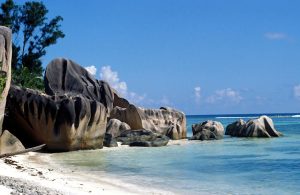
An archipelago of weathered granite boulders and turquoise-water coves three kilometres off Bonifacio, inside the Réserve Naturelle des Bouches de Bonifacio — a 79,000-hectare joint Franco-Italian marine reserve, established in 1982, with among the clearest waters in the French Mediterranean. Boats leave from Bonifacio’s port; the crossing is 25 minutes each way. On the largest island you can land, walk four small beaches (Cala di Giunco is the usable one), visit the tiny cemetery containing 720 sailors drowned when the frigate Sémillante went down on Lavezzi reef in February 1855, and snorkel over an underwater lunar landscape of eroded granite.
Price: From €33 return by SPMB (Société des Promenades en Mer de Bonifacio) or Ruggeri. Full-day excursions with onboard lunch ~€120. Departures: Every 30 minutes 09:30–15:30 in July–August; hourly in May, June, September, October. Closed: Mid-October to late April, and in any mistral above force 5.
Pro Tip: Take the 09:30 boat, not the 14:00
The first boat lands at 10:00 with perhaps forty people on the island; the 14:00 boat disgorges three hundred onto the same coves. Bring cash for the kiosk (cards work unreliably), a wide-brim hat (no shade beyond a single pine cluster), and a snorkel. Leave the cemetery for the walk back — the light is better, and you will have earned the quiet.
3. Scandola Nature Reserve (by boat from Porto)
Scandola is a peninsula of red porphyry on the west coast, rising from 0 to 560 metres out of the sea in the space of two kilometres, and a UNESCO World Heritage site. Ospreys nest on the stacks; groupers and monk seals live in the underwater caves; the coastal geology — sea arches, collapsed volcanic chimneys, layered columnar basalt — is unlike anything else on the French coast. Land access is prohibited. The only way to see Scandola is from the water, and the only ethical way is on a small-boat tour (no more than 30 passengers, speed-limited, guided by a naturalist).
The best operators depart from Porto, not from Ajaccio: Croisières Grand Bleu and Via Mare each run morning sailings that include Scandola, the Calanques de Piana, and a stop at Girolata — the only village on the west coast unreachable by road. Ajaccio-based operators run fast catamarans that cover the distance in half the time and spend twenty minutes inside the reserve; avoid them if you can.
Price: €55–75 for the 3.5–5h Porto circuit (morning or afternoon). Season: April to October. Wind cancellation is common; check the night before.
Editor’s tip: Sit on the port side of the boat going out, starboard coming back — the light catches the red rock correctly both ways. Book the morning departure: the sea is calmer and the light is warmer before 14:00.
4. Calanques de Piana
A UNESCO-listed coastal sculpture of red porphyry pinnacles, caves, and arches between Porto and Piana village on the D81 — ten kilometres of road that winds through what looks like a Cathedral made of rust. The geology is the same as Scandola, but these you can drive through, walk through, and photograph from roadside pullouts. Park at the Tête de Chien viewpoint (the rock does look like a dog), walk the short Château Fort trail (1 km, 30 min, spectacular view back to Porto), or the longer Chemin du Château de Velacu loop (6 km, 2h30). Sunset here is a genuine event; the pinnacles glow for about 25 minutes, and then everything goes grey very fast.
Price: Free. Parking tight in summer — arrive by 09:00 or after 18:00. Access: D81 between Porto and Piana; the most dramatic stretch is the two kilometres immediately east of Piana village.
5. Filitosa Prehistoric Site
Eight thousand years of Corsican human history in a compact archaeological site twelve kilometres inland from the Gulf of Valinco. Filitosa’s statue-menhirs — carved granite standing stones depicting warriors with swords, helmets, and daggers — are one of the most complete in-situ collections of Mediterranean megalithic statue-menhir sculpture, and they are not in a museum; they are in the field where they were found, under the same olive trees they were carved beside. The site was discovered in 1946 by farmer Charles-Antoine Cesari, who rang the mairie about “strange stones in his field.” Proper excavation began in 1954. The 13 menhirs on display represent a Bronze Age culture that was overwritten by the Torréens around 1500 BC — which may be exactly what the carved weapons on the menhirs were trying, unsuccessfully, to frighten off.
Price: €9 adult / €5 under 12. Hours: Daily 09:00 to sunset, April to November only — closed entirely December through March. Access: D57 south from Propriano, signed from the N196. No public bus.
Editor’s tip: Allow two hours. The audioguide is worth the extra €3 and is the only thing on the site that tells you which menhir is which — the panels are minimal on purpose. The small on-site museum at the end of the visit houses the ceramics, tools, and the menhir fragments that have been moved indoors for weather protection.
6. Maison Bonaparte, Ajaccio
The house where Napoleon was born in August 1769 — fifteen months after the French annexation of Corsica, to a mother (Letizia Ramolino) who had been in the mountains with the Paolist resistance the year before. The building is a 17th-century Genoese-era townhouse on three floors, reconstructed after the British burned it in 1793, and managed since 1967 as a musée national under the same authority as Malmaison. It is not, as many visitors expect, an ornate Napoleonic museum: it is a modest family home with a few pieces of period furniture, the original alcove where Letizia gave birth, and a series of Bonaparte-family genealogical displays. The honest pleasure is architectural: Corsican interior space, 18th-century floor tiles, a walled garden, and a view over the rooftops of A Cità Vecchia.
Price: €10 adult / €8 reduced / free for EU residents under 26 / free first Sunday of every month. Hours: Closed Mondays. Oct–Mar 10:30–12:30 + 13:15–16:30; Apr–Jun 10:00–12:30 + 13:15–17:30; Jul–Sep 10:00–17:30 continuous. Access: Rue Saint-Charles, Ajaccio old town, a five-minute walk from Place Foch.
Pro Tip: Plan Ajaccio around the first Sunday
On the first Sunday of every month, Maison Bonaparte and Musée Fesch are both free of charge. If your itinerary is flexible, putting the Ajaccio day on a first Sunday saves €18 and buys you a genuine sensation of having cheated the system. If you are EU under 26, both are free all year.
7. Musée Fesch, Ajaccio
Cardinal Joseph Fesch was Napoleon’s maternal uncle, the Primate of the Gauls, and — in a detail that always surprises visitors — one of the greatest private collectors of Italian painting in 19th-century Europe. His palace on Rue Fesch houses his bequest: the largest collection of Italian Old Masters in France outside the Louvre. Botticelli’s Virgin and Child with an Angel, Titian’s Man with a Glove, Veronese’s Leda and the Swan, Bellini, Cosmè Tura, a small Bernini, work by twelve of the fourteen most important Italian Renaissance schools. The chronological hanging runs from 14th-century Sienese primitives to 18th-century Venetian view-painters, on three levels. On a wet afternoon in October, with the town empty, this museum is one of the genuine pleasures in the French Mediterranean.
Price: €8 adult / €5 reduced / free under 26 EU / free first Sunday. Hours: Closed Tuesdays. Apr–Oct 10:15–18:00 (Fri until 20:30); Nov–Mar 10:15–17:00. Access: 50-52 Rue Cardinal Fesch, Ajaccio.
Editor’s tip: Look for the Veronese Leda — small, late, unfashionable, and genuinely strange — on the first floor. It is usually unattended; the crowds are one room over with the Titian. Three minutes with the Leda is worth an hour at the Louvre in August.
8. Ajaccio Citadel and the Scamaroni Memorial
The citadel on the sea edge of Ajaccio’s old town is military-closed for most of its interior — it remains an active French army base — but the outer walls, the northern bastion, and the seaward promenade are freely accessible and spectacular at golden hour. This is also where Fred Scamaroni was detained and died in March 1943 (see the Editor’s Note above). The plaque on the citadel wall, facing the sea, marks his cell. It is not signed for tourists; it is there for Corsicans. Walk the promenade at 17:30, stand at the plaque for a moment, and continue to the end of the môle for the sunset view back to the town.
Price: Free (exterior and promenade only). Access: Eastern end of Boulevard Danielle Casanova, Ajaccio.
9. The GR20 (Mountain Corsica’s signature)
Sixteen stages, 180 kilometres, roughly 11,000 metres of cumulative ascent, and — by consensus of European long-distance walkers — the hardest waymarked trail on the continent. The GR20 traverses Corsica south to north (or north to south) along the island’s granite spine, from Conca to Calenzana, and it is not a walk: it is a two-week hands-on-rock operation that demands proper boots, a head for exposure, and a willingness to sleep in shared dormitories in wooden refuges run by the Parc Naturel Régional de Corse.
Key 2026 facts. The Cirque de la Solitude — the old stage 4 — is permanently closed following fatal rockfall in 2015; the official route now runs via Monte Cinto (2,706 m) and the Pointe des Éboulis (2,607 m), which is higher, more exposed, and more alpine than the old route. Refuges must be booked in advance through the Parc Naturel online portal; showing up unbooked in July is no longer an option. The full traverse takes 13–16 days including rest days. The season is mid-June to early October; outside those dates you are dealing with snow at the high passes.
Most visitors to Corsica will not do the GR20. The island has, however, around 40 day-sections of the trail that are reachable from public roads and perfectly walkable without the full commitment — Bocca di Vergio to Castel di Vergio, Col de Bavella to the Aiguilles, Col de Verde loops, and the Pozzi plateau above Capanelle. Any one of these is the best day-hike you will do in Europe this year.
Price: Trail free. Refuge bed ~€14/night; meals at refuges €20–25. Season: Mid-June to early October.
10. Aiguilles de Bavella and the Trou de la Bombe
The Bavella needles are seven granite spires rising to 1,899 metres above the Col de Bavella (1,218 m) on the D268 in the south, and one of the most photographed mountain features on the island. The col itself is driveable, with a handful of restaurants and information huts; the walks leave from the parking area. The classic day-hike is the Trou de la Bombe — an 8-metre wind-eroded hole through one of the cliffs, with the sea visible through it on a clear day. The route is 5.7 kilometres round trip, 213 metres of ascent, and takes two and a half hours at a reasonable pace. It is family-doable in dry weather and genuinely dangerous in wet weather (the final approach involves limestone scrambling on a slanted slab above a 500-metre drop into the Aracale ravine).
Price: Free. Access: D268 from Zonza (south) or from Solenzara via the Col di Larone (east). Parking at Col de Bavella fills by 09:00 in July and August.
Editor’s tip: Start before 08:00 in summer — partly for parking, partly because the Bavella rock heats up by 11:00 and the scramble becomes sweaty work. Bring a litre of water per person; there is nothing on the trail. Do not attempt the Trou de la Bombe in rain. On wet days, walk the signed Chapelle Sainte-Marie circuit instead — same col, no exposure.
11. Plage de Saleccia and the Agriates Desert
The Désert des Agriates is a 15,000-hectare coastal wilderness of pink granite maquis and empty white-sand coves along the north coast between Saint-Florent and L’Île-Rousse. It is not, botanically, a desert — the area receives 700 mm of rain a year — but the landscape is arid, shadeless, and unpopulated, and it contains the two most beautiful beaches on the island: Plage du Lotu and Plage de Saleccia. Saleccia is the long one — a kilometre of white sand backed by dunes and a pine plantation, completely empty outside July and August, and worth the effort of getting to it.
There are three ways in. First, the Popeye shuttle from Saint-Florent — a small boat that makes the crossing in 20 minutes, costs about €30 round trip, and runs hourly in shoulder season and every 30 minutes in peak summer, 09:00 to 20:00. Second, the 13-kilometre 4×4 track from the village of Casta — signed, rough, doable in a high-clearance rental but a kidney-torture in a Fiat 500. Third, the Sentier des Douaniers coastal footpath, a three-hour walk each way from Plage du Lotu; for fit walkers this is the genuinely rewarding approach. Our recommendation: Popeye in, walk back along the Sentier, Popeye back to Saint-Florent the following day.
Price: Popeye shuttle ~€30 return; beach itself free. Season: Shuttles run May through October; land access year-round but the 4WD track is rough in winter. No facilities on the beaches: bring water, food, and a sun shelter.
12. Corte and the Restonica Valley
Corte is the Corsican capital that the French did not choose. Pasquale Paoli made Corte the seat of his 1755 Republic precisely because it is in the middle of the island, surrounded by defensible mountains, and equally inconvenient for everyone. His government and his university were both founded here; the university was closed when France annexed the island in 1769 and reopened — as the Università di Corsica Pasquale Paoli — only in 1981. The Citadelle above the town houses the Musée de la Corse, the island’s principal ethnographic museum, with permanent collections on pastoral culture, religious festivals, and the 20th-century Corsican diaspora. The exhibition is dense, bilingual (French + Corsican), and the best single place to understand what “Corsican identity” actually refers to.
From Corte, the Gorges de la Restonica rise steeply south for fifteen kilometres into the Massif du Rotondo. The road ends at Bergeries de Grotelle (1,370 m); from there a steep, well-marked trail climbs 90 minutes to the Lac de Melo (1,711 m), a glacial tarn below the north face of Monte Rotondo. Another 45 minutes takes you to the Lac de Capitellu (1,930 m), the more beautiful of the two. This is the most accessible high-mountain walk on the island; you do not need to be a GR20 hiker to do it.
Price: Musée de la Corse €5.30 adult; Restonica lakes trail free. Access: Corte is on the Bastia–Ajaccio railway (3 trains daily each way). The Restonica road has a peak-summer parking limit at Grotelle — arrive by 08:30 or take the official shuttle from Corte.
Editor’s tip: Combine the Musée de la Corse in the morning (opens 10:00) with the Capitellu lake in the afternoon. Eat at U Museu in the lower town between the two — the veau aux olives is the thing to order.
2026 Update: Corte autonomy demonstrations expected
Corte — as the historic capital — hosts peaceful demonstration days on the announced parliamentary vote dates. No tourist disruption expected; check the Collectivité de Corse website for dates a week in advance. Full context in the FAQ.
| Attraction | Price (2026) | Season / Hours |
|---|---|---|
| Escalier du Roi d’Aragon, Bonifacio | €5 / €6.50 combo | Year-round; winter Mon–Fri 10–12 only |
| Lavezzi Islands boat | from €33 return | Apr–Oct; every 30 min in summer |
| Scandola boat tour from Porto | €55–75 | Apr–Oct; wind-dependent |
| Calanques de Piana drive | Free | Year-round |
| Filitosa prehistoric site | €9 | Apr–Nov only; closed Dec–Mar |
| Maison Bonaparte, Ajaccio | €10 / free <26 EU / free 1st Sun | Closed Mondays |
| Musée Fesch, Ajaccio | €8 / free <26 EU / free 1st Sun | Closed Tuesdays |
| Ajaccio Citadel promenade | Free | Year-round |
| GR20 full traverse | Free trail; refuges ~€14/night | Mid-Jun to early Oct |
| Trou de la Bombe, Bavella | Free | Year-round in dry weather |
| Saleccia beach + Popeye shuttle | €30 shuttle; beach free | May–Oct |
| Musée de la Corse, Corte | €5.30 | Closed Mondays off-season |
The Five Regions of Corsica
Corsica does not do cities in the way most guide-writers want. There are no neighbourhoods to sort; there is no quartier structure. What there is, is five regional signatures — each with its own landscape, its own food traditions, its own accent, and its own relationship to the rest of the island.
Ajaccio & Corse-du-Sud (the South-West)
The island’s largest town, the administrative capital, and the Napoleon inheritance. Ajaccio is small (pop. 74,000), low-rise, pastel-coloured, and structured around a long crescent of sand facing west at sunset — which is unusual among Mediterranean capitals. The old town (A Cità Vecchia) is five walking blocks between Place Foch and the Maison Bonaparte; the Rue Fesch runs north-east to the museum. South-west of the town, the Route des Sanguinaires follows the coast to the Pointe de la Parata, the promontory facing the red island stacks and the best sunset view on the French Mediterranean. Inland, the Taravo valley drops to Filitosa; south, the Sartenais runs toward Propriano and Bonifacio.
Signature: west-coast sunsets, Bonaparte heritage, Italian Old Masters, Sartenais cured pork, Ajaccio-AOC Sciaccarellu wine.
The Extrême Sud (Bonifacio, Porto-Vecchio, Alta Rocca)
The southern third of the island. Bonifacio on its cliff; Porto-Vecchio on its pine-backed gulf; the beaches Palombaggia and Santa Giulia; the Alta Rocca villages Zonza, Quenza, Levie, Sartène — the latter the most austere and most Corsican-speaking of the south. The Bavella needles are in this region, and so is the Giants’ causeway of the Cucuruzzu archaeological site. Figari airport serves the whole of the extrême sud.
Signature: granite, umbrella-pines, turquoise coves, the priciest restaurant bills on the island, and the only serious nightlife scene (July–August).
The Centre (Corte, the Niolu, Castagniccia)
The mountain heart. Corte is the capital of the interior, the university town, the seat of Paoli’s republic. West of Corte, the Niolu is the Corsican high plateau — a harsh, beautiful, deeply-traditional shepherding zone where the language is spoken and the brocciu is still made the old way. East and north of Corte, the Castagniccia is a chestnut-forested hill region with 80 perched villages, stone-vaulted ovens, and the most baroque churches on the island. Aléria on the east coast is the Roman capital of ancient Corsica; the small museum there is excellent.
Signature: chestnut flour, sheep cheese, mountain walks, the GR20, polyphonie singing, and a resolutely non-coastal pace.
Bastia & Cap Corse (the North)
Bastia — the island’s second-largest town, its main ferry port, and in many ways its least touristed. The Vieux-Port below the Citadelle is a working harbour with nets laid out on the stones; Terra Vecchia (the old Genoese quarter) and Terra Nova (the citadel neighbourhood) are both pedestrianised and neither is gentrified. North of the town, Cap Corse extends forty kilometres like a pointing finger, with Patrimonio vineyards on the west flank, Erbalunga and Macinaggio on the east, and the village of Nonza — a vertical cluster above a black-schist beach — on the Saint-Florent side.
Signature: working-port character, Muscat du Cap Corse dessert wine, the Patrimonio AOC, the coastal Sentier des Douaniers path, and the best Corsican charcuterie shops on the island (the Bastia region is charcuterie-central).
Calvi & Balagne (the North-West)
The sunniest corner. Calvi sits on a wide crescent of sand at the foot of a Genoese citadel; behind it, the Balagne — a hill region of olive groves, perched artisan villages (Pigna, Sant’Antonino, Speloncato, Corbara), and the Revellata peninsula, where diving is excellent and the Notre-Dame de la Serra chapel commands a bay view that is reliably among the great sunsets in the Mediterranean. Île-Rousse (ten minutes east of Calvi by train along the Tramway de la Balagne) is the coastal mirror of Calvi, smaller and slightly more local.
Signature: July electronic music festivals, olive oil and honey artisans, the most relaxed beach scene on the island, and — in the Balagne villages — the strongest craft economy in Corsica.
Where to Stay — by Budget
Corsica does not have a single accommodation hub; you will be moving. The sensible structure is: 2 nights Ajaccio → 2 nights Corte (or Niolu) → 2 nights Bonifacio or Porto-Vecchio → 2 nights Calvi or Saint-Florent. Below are tested picks in each tier.
Budget (€40–90 per night)
- Hôtel du Golfe (Ajaccio) — Basic, clean, central, sea-facing, on the port. €65–90 shoulder season; breakfast is skippable.
- A Casa di Ghjiseppu (Corte) — Small family guesthouse five minutes from the citadel. €60–80; genuine Corte household feel.
- Camping Arinella-Bianca (Ghisonaccia, east coast) — Pine-shaded pitches directly on a quiet strand, cabins from €55. Family operation.
- Hôtel Le Belvédère (Propriano) — Plain sea-view rooms, south-coast base. €70–90 shoulder.
There are roughly 120 official campsites on the island; the PNRC map (Parc Naturel Régional) is the authoritative list. Wild camping is technically prohibited and actively enforced in fire season (June–September).
Mid-range (€100–200 per night)
- Hôtel Demeure Les Mouettes (Ajaccio) — 1860 villa on the Route des Sanguinaires, sea views, small garden. €180–230 in season.
- Hôtel Dominique Colonna (Corte) — 28 rooms at the mouth of the Restonica gorge, river-facing. €140–190; the breakfast is worth the price.
- U Capu Biancu (near Bonifacio) — Eco-hotel on the Pointe de Sperone, 43 rooms, olive grove, spa. €200–260 shoulder; €400+ in July.
- A Piattatella (Monticello, Balagne) — Stone-walled boutique hotel, five rooms, mountain view. €160–200.
- Hôtel de la Ferme de Murtoli (Alta Rocca) — Sardinian-style bergerie conversion, the 1★ restaurant is here. Rooms from €280.
Luxury (€300–1,500+ per night)
- Grand Hôtel de Cala Rossa & Spa Nucca (Lecci de Porto-Vecchio) — Private sandy beach, reopens 7 May 2026 after refurbishment, Relais & Châteaux. From €650.
- Hôtel La Signoria (Calvi) — Michelin-starred restaurant, 24 rooms, stone-and-cypress estate three kilometres from the citadel. From €480.
- U Capu Biancu suites and villas (Bonifacio) — Cliff-top suites with private pools from €900 in July.
- Version Maquis Santa Manza (Bonifacio area) — Contemporary-design farmhouse on 20 hectares, seven rooms. From €550.
- Les Bergeries de Palombaggia (Porto-Vecchio) — Reopening 25 April 2026 after renovation, directly above Palombaggia beach. From €520.
Where NOT to stay
- Anywhere directly on the Porto-Vecchio beach-club strip in July–August. The Via Notte hotels charge Saint-Tropez rates, the bass from the clubs carries until 04:00, and you are 25 minutes from anything walkable. Stay inland in the Alta Rocca or in Bonifacio instead.
- Bastia airport-adjacent hotels. The airport is 17 kilometres from the town. There is nothing to do within 10 kilometres of the runway. If you have an early flight, take the airport shuttle at 05:30 rather than sleep near the terminal.
- Roadside campings without shade on the east coast in August. The east coast (Aléria to Solenzara) runs 35°C+ in August with little sea breeze.
Tourist tax note
The taxe de séjour on Corsica is collected per person per night, scaled by accommodation class. Classified hotels range from about €0.20 to €4 per person per night; unclassified accommodation (small guesthouses, most Airbnbs) is taxed at 5.5% of the nightly rate, capped at €3.50 per person per night. The tax is usually collected at check-in in cash, or added to the final bill. Budget 2–3 extra euros per person per night at mid-range level.
Where to Eat — Corsican Food, Markets & Michelin
Corsican food is not a version of French food. It is not a version of Italian food either. It is Mediterranean pastoral cuisine — the food of a mountain shepherding culture with access to chestnut flour, sheep milk, cured pork, myrtle, wild boar, and sea fish in roughly that order of importance. The French administrative system has been trying to paint this as cuisine méridionale since 1769 and has mostly succeeded in the beach restaurants; what you want is everywhere else.
The dishes that matter
- Brocciu — the single most important ingredient on the island. A fresh, fluffy, soft cheese made from the whey of sheep or goat milk (never cow), cooked that morning, eaten within 48 hours. It is the only Corsican cheese with AOC protection, and it turns up in every cuisine register: sweet (fiadone, a baked brocciu-and-lemon cake), savoury (sturzapretti, brocciu-and-chard dumplings in tomato sauce), stuffed into pasta, spread on bread, eaten on its own with a spoon. Winter production is small; the peak brocciu season is February to June.
- Figatellu — a dark, robust pork-liver sausage, garlic-heavy, smoked over chestnut wood. It is a winter food: the traditional season runs November to March, when the mountain households slaughter the pig. Eat it grilled over chestnut embers with pulenta castagnina.
- Pulenta castagnina — chestnut-flour polenta, the base starch of mountain Corsica. Dense, slightly sweet, served as a slab alongside cured meats or in thin slices fried in olive oil. The wheat-flour version (pulenta di granu) exists but the chestnut version is the signature one.
- Lonzu, coppa, prisuttu — the three cured pork meats. Lonzu is the loin; coppa is the neck; prisuttu is the cured ham. All three are AOP-protected, all three come from the Porcu Nustrale (native Corsican semi-wild pig), and all three are eaten cold, sliced thin, with bread and wine. The best come from Castagniccia (Bocognano, Piedicroce) and Cap Corse (Olmeta-di-Tuda).
- Civet de sanglier — wild boar stew, slow-cooked in red wine with myrtle berries, juniper, and sometimes dark chocolate. Traditional to the interior. Season: October to February.
- Soupe corse — a thick mountain vegetable-and-bean soup, finished with a hard cheese rind melted in the pot. Versions vary by village.
- Canistrelli — dry, semi-sweet shortbread cookies, in varieties including anise, lemon, almond, white wine, chocolate chip, and fig. Every café serves them with coffee. The best are from the Balagne (L’Île-Rousse, Corbara).
- Fiadone — a dense, crack-topped baked brocciu-and-lemon cake, served chilled. The Corsican dessert.
- Sardines à la Bastiaise — sardines stuffed with brocciu and parsley, grilled. Bastia signature.
Markets
- Ajaccio — Marché de Place Foch, daily except Mondays, 06:00–13:00. The best general food market on the island. The brocciu counter opens at 07:00 and sells out by 10:00.
- Bastia — Marché Sainte-Marie / Place de l’Hôtel de Ville, Saturday and Sunday morning. Smaller than Ajaccio but with a dedicated charcuterie row.
- Porto-Vecchio — Place de la République, Tuesday and Friday morning. Seasonal (May–October).
- L’Île-Rousse — Place Paoli covered market, daily, 07:00–12:00. The Balagne’s market; best for canistrelli and olive oil.
- Calvi — Rue Clemenceau, daily in summer (May–September), Friday only in winter.
Budget eating
Every Corsican town has at least one tavola (a small family eatery, often a counter with three tables) where a plate of the day — plat du jour, sometimes just called u piattu — runs €12–16, including bread and house wine. These are where Corsicans actually eat lunch. Examples:
- A Lantern (Ajaccio, Rue Forcioli-Conti) — stuffed sardines, veal with olives, €14.
- U Tianu (Bastia, Rue Monseigneur Rigo) — soupe corse and daily stews, €12.
- U Museu (Corte, Rampe Ribanelle) — veau aux olives, brocciu cannelloni, €14.
- Casa Basile (Bonifacio, marine level, Quai Comparetti) — affordable plates €16, surprising in a town full of €40 menus.
- U Minellu (L’Île-Rousse, Rue Notre-Dame) — the Balagne’s best €13 lunch.
A picnic is the other budget strategy, and it is genuinely enjoyable in Corsica: brocciu, a slice of coppa, a wedge of tome de brebis, canistrelli, a peach, a half-bottle of Sciaccarellu rosé, eaten at a pointe or on a rampart. Budget for this is €10–14 per person.
Mid-range (€30–55 per person)
- Le 20123 (Ajaccio, Rue des Frères Garofoli) — Corsican village-in-a-restaurant: every table has a well in the middle from which you draw your own water. Menu around €35. Reservation essential.
- A Merenda (Sartène, Rue des Frères Bartoli) — slow-cooked game, chestnut polenta, austere Sartène austerity. €35–45.
- Le Pirate (Erbalunga, on the port) — seafood at a working fishing village, €40–55.
- U Santa Maria (Bonifacio, old town) — Corsican seafood; reliably honest cooking. €40.
- Chez Léon (Ajaccio, Boulevard Pugliesi Conti) — neighbourhood bistro, veal, polpettes, €30–40.
Special occasion / Michelin (€90–220+)
The Michelin Guide France 2026 lists five starred restaurants on Corsica in the 2026 selection, up from four three years ago.
- La Casadelmar (Porto-Vecchio) — 2★. The only two-star restaurant on the island. Chef Fabio Bragagnolo. Tasting menus from €220. Corsican ingredients treated with Italian-Riviera technique; the brocciu-and-langoustine course is the signature.
- La Table de la Ferme de Murtoli (Alta Rocca, near Sartène) — 1★. Inside the Murtoli estate, a Sardinian-style bergerie set among olive groves and wild oak. Tasting menu €160–180. The porcu nustrale roasted over vine-cuttings is the dish.
- U Santa Marina (Porto-Vecchio) — 1★. Chef’s restaurant, 24 seats, Mediterranean seafood focus, €135 tasting.
- La Signoria (Calvi) — 1★. In the Relais & Châteaux hotel of the same name, three kilometres from Calvi. Menu €130.
- A Casa di Ma (Calvi) — 1★. Chef Stéphane Mariani’s small restaurant in a restored Balagne stone house. €160 tasting.
- Plus three Bib Gourmand listings (solid cooking at around €35 lunch / €50 dinner): La Voûte (Porto-Vecchio), A Stonda (Bastia), and U Casanu (Corte).
Pro Tip: Book the Bib Gourmands, not the stars
If you have one night to splurge in Corsica, the 1★ rooms are excellent; but if you want to eat Corsican, the Bib Gourmands deliver a more honest version of the cuisine at a third of the price. **U Casanu** in Corte is the single best €50-per-person dinner on the island right now — mountain cooking without the Michelin-tasting-menu abstraction.
Avoid
- The beach-club restaurants on Plage de Santa Giulia and Porto-Vecchio’s seafront strip in July–August. Not because the food is bad (it is usually fine) but because a single lunch with a bottle of rosé will cost €180 per person for cooking that is available in any good Ajaccio bistro for €45. The view is the tax.
- Anything on Bonifacio’s Rue Doria that describes itself as “authentic Corsican” on a chalkboard in four languages. The honest Corsican eating in Bonifacio is at the marine level — Casa Basile, Le Voilier, or down at the Santa Mantza beach end of town.
- The Ajaccio seafront tourist restaurants on Rue Cardinal Fesch. Walk two streets inland to Rue Forcioli-Conti or Rue Bonaparte for the local tables.
Drinking — Patrimonio, Pietra, and the Myrte Ritual
Wine
Corsica makes wine with two indigenous grape varieties and a Mediterranean white that you will see everywhere.
Nielluccio is the red variety of Patrimonio — the island’s oldest AOC (1968), a small zone on the north coast between Saint-Florent and the Cap Corse foot. The grape is genetically identical to Tuscan Sangiovese and was brought over by the Pisans in the 11th century. Patrimonio Nielluccio is tannic, structured, ages well for 10–15 years, and the top cuvées (Antoine Arena, Yves Leccia, Domaine Giudicelli) are serious wines that turn up on mainland-French Michelin lists.
Sciaccarellu is the red variety of the Ajaccio AOC — granite-hillside wines grown 200 to 400 metres above the Gulf of Ajaccio. Sciaccarellu is softer, paler, peppery, herbal, closer to Pinot Noir than to Sangiovese. The top producers (Comte Peraldi, Clos Capitoro, Domaine U Stiliccionu) produce reds and rosés that are among the most drinkable wines in France under €18.
Vermentinu (Vermentino) is the white grape, grown across all five Corsican AOCs (Patrimonio, Ajaccio, Calvi, Porto-Vecchio, Figari). It is saline, herbal, and excellent with the cold seafood that arrives at most tables.
Muscat du Cap Corse is a fortified dessert wine from the Cap itself, made from Muscat petits grains, and drunk cold at the end of a winter meal with figs or fiadone.
To taste: the Caves d’Orenga de Gaffory in Patrimonio, Domaine Peraldi outside Ajaccio, and Clos Culombu in the Balagne all run walk-in tastings for €5–15.
Beer and liqueur
Pietra is the island’s signature beer — an amber ale brewed in Furiani (outside Bastia) since 1996, with chestnut flour added to the malt. It is mildly sweet, slightly nutty, pairs well with figatellu. The same brewery makes Colomba (a pale, maquis-herb-infused wheat beer) and Serena (a standard lager). Pietra is available everywhere on the island; the brewery itself runs €8 tours with a tasting.
Myrte (liqueur de myrte) is the island’s digestif — made by macerating wild myrtle berries from the maquis in alcohol for six weeks. Dark purple, herbal, slightly resinous, strongly unfashionable among French mainlanders which is why it is still excellent. It is drunk cold from the fridge after dinner. Cédratine (from citrons) and liqueur de châtaigne (chestnut) are the other two house digestifs; every Corsican restaurant will pour at least one on the house at the end of a meal.
Pro Tip: The myrte sequence
At the end of dinner in a proper Corsican restaurant, the waiter will bring a bottle of myrte, a bottle of cédratine, and sometimes a bottle of eau-de-vie from the maquis (*acquavita di fiori*). The correct move is to accept one pour of the myrte — cold, small glass — and decline the rest politely. The pacing matters: the myrte is a meal-closer, not a cocktail. Saying *”una goccia di myrte, grazie”* in Corsican Italian will produce a small warm smile from anyone over 50.
Getting Around the Island
Corsica has one railway line, four airports, dozens of bus operators, and 1,000 kilometres of coastal road that can take four hours to drive fifty kilometres of. The practical answer, for most visitors, is: rent a car. Every other mode fills in the gaps.
The train
The Chemins de Fer de la Corse runs a single track that connects Ajaccio → Corte → Bastia (a 158 km journey that takes 3h30, crosses the island over the Vizzavona pass at 906 m, and is one of the more scenic rail rides in Europe), with a branch from Ponte-Leccia → Calvi (the “Tramway de la Balagne”, summer only, 50 minutes). The train runs 3–4 times daily each way. Fares are cheap: Ajaccio–Corte €18, Corte–Bastia €13, Bastia–Calvi €25. Bring cash (card readers are not reliable at small stations).
Buses
There is no unified bus operator. The principal companies are Autocars Cortenais (Ajaccio–Corte corridor), Autocars Casanova (Ajaccio–Bonifacio), Eurocorse Voyages (multiple southern routes), Les Beaux Voyages (Balagne and Calvi), and Transports Autocar Santini (east coast, Aléria). Schedules are infrequent (often one or two daily runs), summer-weighted, and published nowhere convenient. The corsicabus.org website is the best aggregated timetable. Buy tickets on board, cash preferred.
Car rental
Rent from the airport at arrival — the in-town pickups charge the same and have no advantage. Summer 2026 prices: €55–90/day for a small car (Fiat 500, Peugeot 208), €90–130/day for an SUV you will want if you are taking the Restonica road or any 4WD track. Insurance excess is high on the island (often €1,500–2,500); pay for CDW reduction if offered. Petrol is expensive — 15 to 25 cents/litre above mainland France. Fill up in Ajaccio, Bastia, or Corte; the smaller village stations cost more and are closed on Sundays.
Ride-hailing
Uber does not operate on Corsica. Taxi apps exist (Le Taxi Corse, Corsica Taxi) but availability is slim outside the big towns. Booking a taxi 30 minutes in advance is the usual move. Fares are metered and expensive: Ajaccio airport to old town €28; Bastia airport to town €45.
Driving
The roads are narrow, beautiful, and time-consuming. Bastia–Ajaccio via the inland N193 is 160 km but takes 2h30 on a good day. Ajaccio–Bonifacio via Sartène is 130 km but takes 2h45. Anywhere on the D81 west-coast road (Calvi–Galéria–Porto–Piana–Ajaccio) will average 35–45 km/h because of the switchbacks; allow 4 hours Calvi–Ajaccio. Speed limits are 80–90 km/h on the N roads and 50 km/h in villages; gendarmes spot-check in the south.
⚠️ Driving in Corsica — the facts nobody prints
Half the island’s roads are single-lane with blind corners and 300-metre drops. Locals overtake on them at double your speed. The correct behaviour, when you meet a car in the opposite direction, is to slow down and — if you are the smaller / uphill vehicle — reverse to a passing place. Do not attempt to squeeze past on a blind outside corner. Do not stop for the view on the road itself (pull-outs every 2 km). And do not drive the D81B (the Col de Vergio section) or the Restonica road for the first time at night.
Ferries between Corsica and Sardinia
Bonifacio → Santa Teresa di Gallura (Sardinia) — 50 minutes, €18–27 foot passenger, hourly in summer. An excellent day trip or a logical continuation if you are island-hopping.
When to Visit
Corsica has the longest Mediterranean season in France, but most of the quality happens in the shoulder months.
May and June are the best time on the island. The maquis is in full bloom (yellow gorse, pink oleander, white cistus), the sea has warmed to 19–22°C by mid-June, refuges on the GR20 open mid-June, and the cruise-ship pressure on Bonifacio has not yet peaked. Hotels run 30% under August rates. Evening dinners are still on terraces without air-conditioning needed.
September is the second-best month, and many Corsicans will tell you it is actually the best. Sea is at its warmest (23°C), weather remains stable, the summer crush has emptied by the 10th, and the grape harvest in Patrimonio and Ajaccio happens through the month. Cap Corse villages run wine-harvest lunches.
October is the secret. The water is still 20°C until mid-month, the light has turned gold, and you will have Bonifacio and Lavezzi almost to yourself. Downsides: the first storms can arrive from the 20th, and the Popeye shuttle to Saleccia stops running at the end of the month.
July and August — peak. Hot (28–34°C on the coast; 35–38°C on the east plain in August), windy on the Cap, very busy in the south and in Calvi. The Calvi on the Rocks festival is 2–5 July 2026. The Fête de la Liberation on 9 September is the cultural capstone. Hotels are booked out by February.
November to March — low season. Ferries continue year-round (Corsica Linea’s A Galeotta), but most coastal hotels close for winter and the inland mountain passes are snowy from December. This is a good window for Bastia (working town, open all year), Ajaccio (the museums are empty), and the Castagniccia villages (no tourists, every oven fired, chestnut season). Avoid the interior for hiking December–March unless you are equipped for winter mountaineering.
Month-by-Month Weather
Reference point: Ajaccio (sea level, west coast). Interior mountains run 8–12°C cooler in winter and 4–6°C cooler in summer than this table. Cap Corse is windier in all months.
| Month | High / Low (°C) | Sea (°C) / Rain days | Key events & travel notes |
|---|---|---|---|
| January | 13 / 5 | 13 / 10 | Low season. Coastal hotels closed. Good for Bastia, Ajaccio museums. |
| February | 14 / 5 | 13 / 9 | Mountain snow reliable. Orange season in the Balagne. |
| March | 15 / 7 | 14 / 9 | Shoulder low. Shorter sunny days, maquis first bloom. Filitosa still closed. |
| April ⭐ | 17 / 9 | 15 / 9 | Procession du Catenacciu, Sartène (Good Friday). Hotels open mid-month. Filitosa open from 1st. |
| May ⭐⭐ | 20 / 12 | 17 / 7 | Best month for maquis flowers. A Fiera di u Casgiu (cheese fair) Venaco. Popeye shuttle begins. |
| June ⭐⭐ | 24 / 15 | 20 / 5 | GR20 season opens mid-June. Calvi Jazz Festival late month. Swimming comfortable. |
| July | 28 / 18 | 22 / 3 | Peak. Calvi on the Rocks 2–5 July. A Fiera di u Vinu (wine fair), Luri. Hotel rates doubled. |
| August | 29 / 19 | 23 / 3 | Extreme crowds. Porto-Vecchio/Bonifacio nearly impassable. Fire risk highest. |
| September ⭐⭐ | 26 / 17 | 23 / 5 | Fête de la Libération 9 September (national holiday). Grape harvest. Best all-round month. |
| October ⭐ | 22 / 14 | 21 / 8 | Chestnut season begins. Festiventu (wind festival) Calvi. Bonifacio returns to residents. |
| November | 18 / 10 | 18 / 13 | Wettest month (136 mm rain). Figatellu season opens. Most coastal hotels close end of month. |
| December | 15 / 7 | 15 / 11 | Low season. Christmas markets in Ajaccio and Bastia. Mountain ski touring possible from mid-month. |
Source: Météo-France Ajaccio station averages 1991–2020, cross-checked with 2020–2025 observed data.
Daily Budget Breakdown
Corsica is the most expensive Mediterranean island a European will visit — the pricing pattern is “French coastal premium” in summer, shading toward “Provençal rural” in the interior and shoulder season. Cash-heavy at small markets and mountain refuges.
| Category | Budget | Mid-range | Luxury |
|---|---|---|---|
| Accommodation (per night) | €60–90 | €140–220 | €400–1,200 |
| Meals & drinks | €25–40 | €60–110 | €180–350 |
| Transport (car + fuel, shared) | €25–40 | €45–70 | €80–150 (SUV) |
| Activities / entries | €8–15 | €25–60 | €80–200 |
| Daily total | €120–185 | €270–460 | €740–1,900 |
Budget tier assumes a solo traveller or couple splitting a small rental car, staying in a two-star hotel or guesthouse, eating one tavola meal and one market picnic per day, and doing mostly free activities (hikes, beaches, citadel walks). You can do Corsica for €120/person/day in May or October; in July you cannot.
Mid-range tier assumes a mid-size hotel with sea or garden view, one sit-down lunch plus one sit-down dinner per day, shared car with insurance, and 2–3 paid attractions per day.
Luxury tier assumes a Relais & Châteaux or 5★ hotel, the Michelin-starred dinners, private boat charter or premium Lavezzi/Scandola options, and an SUV or 4WD rental.
Two things will always surprise you. First, Corsican petrol and highway food are the most expensive in France — budget 20% above mainland rates. Second, the beaches with paid parking (Palombaggia €6–8, Santa Giulia €10) and the paid beach-club loungers (Santa Giulia €40–60/day with umbrella) are the honest bill for what is otherwise a free public coastline.
Sample Itineraries
Three-Day Essential (Ajaccio base, no car needed)
Day 1 — Ajaccio on foot. 08:00 espresso at Place de Gaulle; 08:30 Place Foch morning market for brocciu and canistrelli; 10:00 Musée Fesch (two hours minimum); 12:30 picnic lunch on the port with market purchases; 14:00 Maison Bonaparte; 16:00 walk Cours Napoléon to the Citadel promenade and the Scamaroni memorial; 17:30 bus #5 to Pointe de la Parata for sunset on the Sanguinaires; 20:30 dinner at Le 20123 (reservation essential) or A Lantern (walk-in). Total spend: around €55–75 per person.
Day 2 — Filitosa and the Taravo Valley (day trip or with private driver). 09:00 drive south on the N196 to Filitosa (€9 entry, 2 hours on site); 12:30 lunch in Olmeto village (cochonailles corses at any of the three tavolas on the main square); 14:30 continue to Propriano and the Gulf of Valinco; 15:30 swimming at Plage de Capo Laurosu or the longer Plage de Cupabia; 17:30 drive back via the D302 (quicker than the coast); 19:30 Ajaccio dinner at Chez Léon or a seafood table on Rue Fesch. If you do not have a car, book a day-tour with Corsica Tours (around €75/person).
Day 3 — Sanguinaires half-day + Musée de la Corse at Corte. Either: 07:30 early start to Corte by train (departs 07:42, arrives 10:18, €18), 11:00 Citadelle and Musée de la Corse, 13:00 lunch at U Museu or U Casanu (the Bib Gourmand), 15:00 Restonica road to Grotelle (taxi or shuttle, €20), 16:00 hike to Lac de Melo (1h30 up, 1h down), 20:00 train back to Ajaccio. Or: a slower day with the morning Îles Sanguinaires boat from Ajaccio port (€40, 3 hours), the afternoon at Trottel beach, and a long sunset dinner at A Nepita (Rue San Lazaro).
Five Days (car, coast-to-interior loop)
Adds to the three-day base:
Day 4 — Bavella and Porto-Vecchio. Ajaccio → Sartène (the austere capital of the extrême sud, 1h45 drive) → the Col de Bavella (another 1h15) → the Trou de la Bombe hike (2h30) → descend to Zonza for a casual lunch at the village square — evening at Porto-Vecchio or inland at the Alta Rocca, overnighting in Quenza or Levie.
Day 5 — Bonifacio early, Lavezzi mid-day, back to Ajaccio. Arrive Bonifacio 08:45, Escalier du Roi d’Aragon 09:00; Lavezzi boat 09:30–15:30; late lunch back in Bonifacio at Casa Basile or the marine; drive back to Ajaccio via the D859 Sartène route for sunset at Roccapina (the lion-shaped granite on the sea). 3h drive; allow for traffic in July.
Seven-Day Grand Tour (full-island loop, rental car)
Day 1–2 Ajaccio (as above). Day 3 Ajaccio → Calvi via Les Calanques de Piana and Porto; overnight Calvi. Day 4 Calvi → Scandola boat from Porto (return in morning) → Balagne villages (Pigna, Sant’Antonino, Corbara) → overnight Calvi or L’Île-Rousse. Day 5 L’Île-Rousse → Saint-Florent (short drive), Popeye to Saleccia, overnight Saint-Florent. Day 6 Saint-Florent → Cap Corse loop counter-clockwise (Nonza, Centuri, Macinaggio, Erbalunga), overnight Bastia. Day 7 Bastia → Corte (museum and Restonica) → Aléria (Roman site) → Porto-Vecchio → fly out from Figari, or continue to Bonifacio for departure the following day.
Ten-Day Corsica Complete (for slower travellers)
As above, adding: a full day on the GR20 day-section from Col de Bavella to Refuge de Paliri and back (a proper mountain day, 7 hours); a full day in the Castagniccia (Piedicroce → La Porta → Orezza → Vallée d’Orezza chestnut-flour workshops); a day at Lac de Nino (GR20 detour, the iconic circular mountain lake); and a full evening at the Calvi on the Rocks festival if you are there in early July.
Best Day Under €40 — Ajaccio on Foot
Corsica is an expensive island. Cairo does this format for $3.50; Kuala Lumpur for €8.50. Ajaccio does it for around €39 — and honestly, that is the realistic floor. Here is the route.
- 07:30 — Espresso and canistrelli at Place de Gaulle, at Café Napoléon or any of the small bars under the arcades: €3.50.
- 08:30 — Place Foch morning market. Pick up: 100 g of brocciu (€4.50), 80 g of lonzu (€4), a focaccia fougasse (€3.50), two peaches (€2), a bottle of still water (€1). Picnic supplies: €15. (Yes, this covers both lunch and evening snack.)
- 09:30 — Musée Fesch. €8 standard entry (free on the first Sunday of the month; free for EU residents under 26). Allow 2 hours.
- 11:30 — Walk Rue Fesch / Rue Saint-Charles to Maison Bonaparte. €10 entry (same free-Sunday and under-26 rules apply). 45 minutes minimum.
- 12:45 — Picnic at Place Foch or on the Môle du Citadelle sea wall (bring the market purchases). €0 additional.
- 14:00 — Walk the Citadel promenade, the Scamaroni memorial on the citadel wall, and the Jetée de la Citadelle to the end. Free.
- 15:15 — Bus #5 from Place de Gaulle to Pointe de la Parata: €1.50 single. Allow 25 minutes.
- 15:45 — Hike the Parata headland to the lighthouse (1 km loop, free, 45 minutes). The Îles Sanguinaires are directly offshore.
- 17:30 — Sunset on the Parata point (free) or — if you prefer a beach — bus #5 one stop back to Plage de Marinella.
- 18:30 — Bus #5 back to Ajaccio: €1.50.
- 19:30 — Pietra beer at Trottel beach kiosk or the port-level bars: €5.
- 20:30 — Dinner at a small tavola — A Lantern does a soupe corse + pulenta with figatellu plate for around €14.
Total at full fares: €39.
Total on the first Sunday (Musée Fesch and Maison Bonaparte free): €21.50.
Total for EU residents under 26: €21.50 any day.
This is the most Corsica you can buy with one €50 note. It is also the most Corsica a first-time visitor can absorb in a day: the Italian-Renaissance collection, the Bonaparte birth-house, the citadel promenade, the Resistance plaque, the sunset on the Sanguinaires, and a plate of the island’s two signature ingredients for supper. If that sounds like a lot for one day, it is — and that is the point.
Storm Day & Hot Afternoon Plans
When the mistral or sirocco is blowing
Corsica has two weather problems. The mistral (north-west, dry, cold) blows down the island’s west coast in spring and autumn, closes the Lavezzi boats, and makes the coastal roads unpleasant. The sirocco (south-east, hot, dusty) arrives in July–August from North Africa and can push temperatures above 38°C on the east plain. Neither is rare.
On a wind-closed day on the coast, the plan is: go inland. Drive to Corte (a 90-minute interior drive from Ajaccio is calm even in gale), spend the morning at the Musée de la Corse, have lunch at U Casanu, and walk the lower Restonica gorge (the road is tree-sheltered to 1,000 m). Or go to Castagniccia — the chestnut villages are wind-protected, and this is the kind of afternoon that was designed for Piedicroce and the Orezza mineral-water spring. Budget: €25 in petrol + €25 lunch + €5.30 museum = €55 per person for a full grown-up day.
When it is 35°C and you cannot move
Three plans, in order of sophistication.
1. The dawn-and-dusk strategy. Be at Saleccia or Lotu on the 08:00 Popeye from Saint-Florent. Swim before 11:00. Retreat to the pine shade. Popeye back at 15:30. Shower, nap. Evening: Erbalunga for 19:30 dinner at Le Pirate.
2. The interior escape. Drive to the Col de Bavella (1,218 m — ambient temperature drops 10°C). Walk the shaded Chapelle Sainte-Marie circuit (1h30, wooded). Lunch at Les Aiguilles. Descend at 17:00.
3. The city museum. Stay in Ajaccio, do Musée Fesch (air-conditioned) in the afternoon (13:00–17:00), and retreat to the sea breeze on Trottel beach for evening apéro. Not heroic but not wrong either.
Day Trips & Half-Day Diversions
From Ajaccio
- Îles Sanguinaires by boat — 3 hours, €40, glass-bottom options available from the port.
- Filitosa — 1h south by car, see attractions section.
- Cargèse (the Greek-Byzantine town) — 1h north. A village founded in the 17th century by Greek refugees from the Peloponnese; two baroque churches face each other across the square (Latin-rite and Greek-rite, both still used). Worth a morning.
From Bonifacio
- Santa Teresa di Gallura, Sardinia — 50-minute ferry, €18–27 each way, hourly summer. A genuine country-change for one day; Sardinian-Italian cuisine and Italian-language menus. Back by last ferry (19:00).
- Lavezzi — see attractions.
- Cap Pertusato lighthouse walk — 5 km round trip from Bonifacio, along the cliff edge, with the Sardinian coast 9 km away across the strait. Free.
From Calvi / Balagne
- Scandola from Porto — 3h drive each way if doing it as a day trip from Calvi; better to stay one night in Porto.
- Balagne village loop — Pigna (pottery, music) → Sant’Antonino (oldest inhabited village on Corsica, possibly 9th century) → Corbara (canistrelli) → Speloncato (the rock arch lit by sunset on the autumn equinox). A morning of driving, an afternoon of slow village walks.
- Île-Rousse and the Tramway de la Balagne — the coastal narrow-gauge train from Calvi that stops at every cove, runs every 90 minutes May–September, and costs €8 one-way.
From Corte
- Niolu plateau — the village of Calacuccia on a mountain lake, the Col de Vergio pass (1,477 m), and the Cascade de Radule hike (1h30 round trip, small gorge and waterfall). A day of mountain driving and short walks.
- Lac de Nino — iconic circular high-altitude lake, a 3h30 hike each way from the Col de Vergio. Long day, but one of the great walks in Europe. Permits not required.
- Vizzavona forest — ancient beech and Corsican pine, railway station still operating, easy walking. 30 minutes south of Corte by car or train.
Safety & Practical Information
Fire risk
The single most important practical fact for summer visitors: Corsica burns. The maquis — rosemary, myrtle, lentisk, gorse — is extremely flammable, and the fire season (June through September) is strictly enforced. Barbecues, cigarette ends in fire-prone areas, and wild camping near maquis are all prohibited and fined heavily. In “red alert” days (usually 2–6 per summer), hiking in specified zones — including parts of the GR20 — is closed and the beach car parks are evacuated by noon. Check the Préfecture website before setting out. The official warning system is météo-incendies.
Driving and road safety
The roads are narrow, the drops are real, and the fatal-accident rate is higher per capita than mainland France. The common causes: inexperienced tourists in the wrong gear on switchbacks, overtaking on blind corners, and driving tired at the end of a 400 km day. Take the roads slowly, use low gears on descents, and do not let GPS push you onto unsealed tracks (they exist and they go to grazing land).
Corsican political safety
The autonomy movement is active and visible. You will see statut stickers, bilingual signs (often with French portions crossed out), and occasional peaceful demonstrations — especially in 2026 during the parliamentary votes. None of this is a risk to visitors. Corsican politics does not produce tourist-directed trouble. What occasionally happens — vandalism of French-tricolour symbols, graffiti on state properties — is internal. Keep sensible limits on political conversation with locals you do not know, and do not wear French-flag-heavy clothing to small village bars in the interior. You are welcome as a visitor, not as a diplomat.
Beach and water safety
The Corsican coast has stronger currents than most tourist expect. Calvi beach, Saleccia, and Palombaggia are lifeguarded in summer. Much of the rest is not. The southern Lavezzi waters have currents that move through the strait; swim from the coves, not the open-water side. Jellyfish (pelagia noctiluca) are occasional — they arrive with the summer sirocco on the east coast.
Money and ATMs
Euro. Cash is useful at small produce markets, at mountain refuges, on the Popeye shuttle (technically card-optional; bring cash), and at the Calvi Tramway ticket booths. ATMs are in every town of 1,500+ people. American cards (especially Amex) are accepted at the major hotels and not in the interior; bring a Visa/Mastercard backup.
Language
The first language of Corsican political identity is Corsican (corsu), a Tuscan-derived Romance idiom with two main dialects (Cismonte/northern and Pumonte/southern). The administrative language is French, and it is universally spoken. English works in hotels, tourist restaurants, and at attraction ticket offices but becomes sparse in interior villages and on shop counters. A few learned Corsican words produce disproportionate warmth: grazie (thank you), bonghjornu (hello), à dopu (see you later), una goccia di myrte (a drop of myrte). Italian also works — better than tourist-English in the interior, as many older Corsicans learned Italian in school.
Tipping
France-standard. Service is included. Leaving coins to round up a café bill, or €3–5 at a mid-range dinner, is appreciated but not expected.
Connectivity
4G across 90%+ of the coast and major towns; 5G in Ajaccio, Bastia, Calvi, Corte. The interior passes and some Restonica/Niolu sections have no signal. Download offline maps (Google Maps or Maps.me) before heading inland.
Emergency
112 for European emergency services (ambulance, fire, police). 15 for French SAMU (medical). 17 for gendarmerie. Mountain rescue: 112 (they route to PGHM-Corse). Pharmacies (pharmacies de garde) are on rota and the open-at-night list is posted on every pharmacy door.
Visa & Entry Requirements
Corsica is part of France and the Schengen Area. Arrivals are governed by the general Schengen rules.
- EU / EEA / Swiss citizens: national ID card or passport; free movement.
- UK citizens: passport valid 3 months beyond departure, 90-in-180 rule applies. ETIAS required once launched once it launches (until then, no pre-authorisation).
- US, Canadian, Australian, NZ, Japanese citizens: passport (6 months validity recommended); 90-in-180-day visa-free entry; ETIAS required once it launches.
- Biometric checks: the Entry/Exit System (EES) is fully operational in France from 10 April 2026. First-time Schengen entries will include biometric registration (photo + 4 fingerprints). This adds 2–3 minutes to arrival processing at Ajaccio, Bastia, and Figari airports on first visit. Subsequent entries are faster.
- ETIAS: the travel-authorisation for visa-exempt non-EU nationals is not yet in operation, and no start date has been set. Cost €20 (free under 18 and over 70), 3-year validity. Not yet operational as of April 2026.
ETIAS is not a visa; it is an online pre-authorisation (ESTA-equivalent). EES is not a visa; it is a biometric border record. Neither replaces a passport, and neither applies to EU citizens.
Hidden Corsica
Six places the package tours do not reach.
1. Cap Corse’s west face — Nonza, Centuri, Pino
Drive the D80 counterclockwise from Bastia around the tip of the Cap (stop at Macinaggio for lunch) and down the west side. The three villages — Nonza (vertical cluster above a black-schist beach, Tour Paoline on the headland), Centuri (working lobster port, the freshest seafood on the island), Pino (olive groves and a single roadside restaurant with no sign) — are the most beautiful stretch of coastline on the island that has no beach club. Allow a full day; overnight in Saint-Florent.
2. The Castagniccia chestnut villages
Eighty perched villages over a hill region between the east coast and the interior. The signature stops: Piedicroce (baroque church of SS Pierre et Paul, the most ornate in Corsica), La Porta (the 1658 church bell tower), and the Couvent d’Orezza ruins (an 18th-century Franciscan convent where Paoli held meetings). The chestnut flour mills (the few still operating) are near Piazzali and Valle-d’Orezza. Plan a full day, bring cash for producers.
3. Aleria — the Roman capital of Corsica
On the east coast between Bastia and Solenzara. The Roman colony of Aléria was founded in 259 BC and was the provincial capital under the Empire. The Musée Archéologique Jérôme Carcopino and the adjacent excavation site are modest but the Etruscan funerary artefacts (2,500-year-old painted ceramics, bronze helmets) are genuinely extraordinary. Under-visited because the east coast is not on the tourist circuit. Open Apr–Oct, €4. Allow 2 hours.
4. Genoese towers
Around the coast of Corsica sit 67 Genoese watchtowers, built between the late 15th and 16th centuries to warn of Barbary corsair raids. They are connected by line-of-sight: a fire on one tower was visible from the next within minutes. Some are ruins, some are restored. The Tour de Santa Maria (Cap Corse), the Tour de Nonza (also Cap Corse, on the cliff above the black beach), the Tour de Campomoro (south of Propriano, fully restored and enterable), and the Tour de Parata (Ajaccio) are the best accessible examples. Free. A day of tower-visiting is a defensible-architecture lesson that costs nothing.
5. Lama — the Balagne’s empty village
Between Calvi and Bastia, up a mountain road, a medieval village that lost 90% of its population to 20th-century emigration and has been quietly restoring itself through a film festival (Lama International Film Festival, first week of August) and a trickle of returning descendants. The restored granary houses, the small square, and the 18th-century olive-oil press are all walkable in 45 minutes. An hour of pleasure that no cruise ship will ever reach.
6. Bastia’s Saint-Nicolas early market
The locals’ market. Saturday and Sunday mornings from 06:00 in Place Saint-Nicolas — one of the largest urban squares in France — with fishermen selling that morning’s catch, hill farmers with brocciu wrapped in gauze, pensioners drinking coffee at 07:30 with the same group they have had coffee with for forty years. This is not for tourists. Arrive by 07:00 with a folding shopping bag, buy bread, be quiet, watch.
Romantic Corsica
Three directions, per temperament.
Sunset romance
- Notre-Dame de la Serra, Calvi — a 20-minute uphill walk from the Calvi citadel to a 19th-century chapel on a promontory with the bay, the town, and the citadel all aligned below. The best sunset on the Balagne. Free.
- Pointe de la Parata, Ajaccio — the Sanguinaires islands and the red-rock panorama at sunset. Bus #5 or drive. Free.
- Tour de Nonza, Cap Corse — the Genoese tower on the cliff above the black-schist beach, west-facing. Free.
Stay romance
- U Capu Biancu (Pointe de Sperone, Bonifacio) — cliff-top eco-hotel, olive grove, Porto-Vecchio views. From €280 shoulder, €650+ July.
- La Signoria (Calvi) — Relais & Châteaux, 1★ restaurant, Balagne stone estate. From €380.
- Hôtel Dominique Colonna (Corte, Restonica) — river-facing rooms in the mouth of the gorge; the sound of water at night. From €160.
Dine romance
- Le 20123 (Ajaccio) — the one with the wells. Unbeatable storytelling restaurant, 3-course menu around €35, reservation two weeks ahead in summer.
- A Merenda (Sartène) — austere stone room, slow-cooked wild boar, the southernmost Corsican cooking. €45.
- La Table de la Ferme de Murtoli (Alta Rocca) — the 1★ inside a sardinian-style bergerie under olive trees. €180. For the one-dinner splurge of a trip.
Corsica with Kids
Corsica works for children from about age 6 upward. The interior mountain walks are too demanding for toddlers, the beaches are free and reliably entertaining, and most Corsican restaurants are genuinely patient with children.
- Parc Galéa (Taglio-Isolaccio, east coast, 25 min south of Bastia) — 7-hectare eco-park with an aquarium, a butterfly house, a dinosaur section, and Corsican-themed zones. €13 adults / €8 children. Half-day.
- A Cupulatta tortoise sanctuary (Vero, 25 min east of Ajaccio) — one of Europe’s largest tortoise sanctuaries with 170+ species, mostly outdoors. €10 adults / €6 children. 2 hours.
- Plage de Palombaggia — calm, shallow, pine-shaded. €6–8 paid parking. Family-standard.
- Îles Sanguinaires boat from Ajaccio — 3h, glass-bottom options, visible fish. €40 adult / €20 child.
- Tramway de la Balagne (Calvi–Île-Rousse) — the slow coastal train, stops at small coves, genuinely entertaining. €8 each way.
- Filitosa — older children (8+) enjoy the prehistoric site surprisingly well; younger ones get bored within 30 minutes.
- Col de Bavella short walks — the Chapelle Sainte-Marie loop (1h30) is doable with children 6+ and stops at a small chapel with views.
Avoid: Lavezzi (too hot, shadeless, far), the GR20 (all stages), and the Restonica lakes if under 8 (the path is steep with exposed drops).
What’s New in 2026
- Corsican autonomy statute. Parliament begins voting on the constitutional revision from April 2026 (full context in the FAQ). Bilingual signage (French + Corsican) expanded in public buildings and transport hubs through 2026.
- EES biometric border system fully live from 10 April 2026. First-time Schengen entries at AJA, BIA, CLY, and FSC include fingerprint and photo registration. Add 10 minutes to arrival.
- ETIAS with no announced launch date. Not yet operational. Visa-exempt non-EU travellers should monitor the official ETIAS site for the launch date.
- Grand Hôtel de Cala Rossa & Spa Nucca reopens 7 May 2026 after an 18-month renovation; see Where to Stay (Luxury) for full description.
- Les Bergeries de Palombaggia reopens 25 April 2026 (see Where to Stay > Luxury).
- Villas at La Villa Calvi opens 18 April 2026. Luxury self-catering in the Calvi hill estate.
- Orient Express Corinthian — the new super-yacht-cruise from Accor — begins its Mediterranean service in June 2026, with Marseille → Corsica → Liguria routing and Yannick Alléno as culinary director. 54 suites.
- Michelin Guide France 2026 raised Corsica’s starred count to five (one 2★, four 1★), adding A Casa di Ma (Calvi) to the roster (see Where to Eat).
- Calvi on the Rocks festival returns 2–5 July 2026; lineup announced mid-May (see When to Visit).
- A Fiera di u Casgiu (cheese fair) at Venaco, early May — the single best food fair on the island, with 80+ shepherd-producers showing fresh brocciu, aged tomes, and cured meats.
- Air Corsica — increased frequency of direct routes from Marseille and Nice to all four Corsican airports for 2026.
Frequently Asked Questions
How many days do I need in Corsica?
Minimum five, comfortable seven, complete ten. Five days covers one coast plus one interior zone (for example Ajaccio + Corte + Bonifacio). Seven opens up a full-island loop with Calvi and Cap Corse. Ten lets you walk a full GR20 day-section, spend real time in Castagniccia, and take the Sardinia day-trip if you want. Anything shorter than five is a sampler, not a visit.
Is Corsica expensive?
Yes — the most expensive Mediterranean island a European will visit in 2026. Budget €120–185 per person per day at the lean tier, €270–460 mid-range, €740+ luxury. Summer premiums are real; May and October are 30–40% cheaper than July/August.
What is the best month to go?
May, June, and September in that order. The maquis is in bloom in May; the water is warmest in September; June has the longest days and the lowest crowds before school holidays begin. October is the secret month.
Do I need to rent a car?
If you want to see more than one region: yes. Corsica’s public transport is real but infrequent, and the single railway covers only Ajaccio–Corte–Bastia–Calvi. For a single-base trip (Ajaccio only, or Calvi only), you can get by with buses and day tours.
Is Corsica safe for tourists?
Yes — violent crime against tourists is rare, pickpocketing is unusual outside Ajaccio Place de Gaulle in summer, and the police presence at airports and ferry ports is visible. The political tensions are internal to Corsica and do not target visitors. The genuine safety issue is driving — the roads are narrow, the drops are real, and the fatal-accident rate is elevated. Take the roads slowly.
What about the GR20 — can I do a day of it?
Yes, and you should. Most visitors do not attempt the 13-day full traverse, but roughly 40 day-sections of the trail are accessible from public roads. Col de Bavella to Refuge de Paliri and back (7 hours) and Col de Vergio to Castel di Vergio (5 hours) are the two best one-day samples. Proper boots, layers, and 2 litres of water minimum per person.
What is the best single day in Corsica?
Probably the Col de Bavella loop: drive up the D268 from Zonza, walk the Trou de la Bombe in the morning (2h30), lunch at the Col, walk the Chapelle Sainte-Marie circuit in the afternoon (1h30), drive down to Porto-Vecchio for sunset at the Rondinara beach. It combines mountain walking, granite panorama, a pine-shaded lunch, and a turquoise-water finale.
Where is the best beach on the island?
Saleccia (Désert des Agriates, north) and Rondinara (east of Porto-Vecchio, south) are the two genuinely outstanding beaches. Palombaggia is the most famous — beautiful, but paid-parking and crowded in summer. Plage de Lotu (next to Saleccia) is the best small cove. For mountain-backed drama, Plage d’Arone on the west coast.
Can I visit Scandola?
Not on land. Scandola’s UNESCO reserve prohibits landing anywhere in the peninsula. Boat tours from Porto (Croisières Grand Bleu, Via Mare) pass along the coast and into the grottoes; these are the only legitimate way to see the reserve. Avoid the Ajaccio fast-catamaran tours — they spend 20 minutes inside, most of it at too high a speed to see anything.
Is the water warm enough to swim?
June through early October, yes. Peak sea temperature is 23°C in August; September water is still 22–23°C; October drops to 19–21°C but remains swimmable. Below 18°C (November–May), swimming is for cold-water enthusiasts.
What about ETIAS and EES?
EES is fully operational on Corsica from 10 April 2026. All non-EU arrivals at AJA, BIA, CLY, and FSC airports will be biometrically registered on first entry (photo + four fingerprints). Budget an additional 10 minutes at passport control for first-time visits; subsequent entries are automated. ETIAS has no announced launch date — not yet operational. Visa-exempt non-EU travellers should check the official ETIAS portal before booking.
What is the Corsican autonomy vote about, and does it affect tourists?
The French Parliament begins voting in April 2026 on a constitutional revision that would grant Corsica a formal autonomy statute, including some devolution of legislative powers and co-official status for the Corsican language. This is a decades-old political question and 2026 is the year it is being settled one way or another. Expect peaceful, well-organised demonstrations in Ajaccio, Bastia, and Corte on vote days. Tourist disruption is not expected. Being present for a vote day is a piece of history you can attend for free.
Explore More AiFly Guides
If Corsica has opened a Mediterranean-island appetite, the AiFly fleet has three immediate neighbours worth comparing it to:
- 🇮🇹 Sicily — The Complete Island Guide 2026 — the palimpsest island, four civilisations stacked, the active Etna, and the best granita in Europe.
- 🇮🇹 Sardinia — The Complete Island Guide 2026 — Corsica’s southern cousin, the Nuraghi, Costa Smeralda, and the Blue Zone centenarians of Ogliastra.
- 🇪🇸 Menorca — The Complete Island Guide 2026 — the smallest of the Balearics, UNESCO biosphere, and the quiet alternative to Mallorca.
- 🇫🇷 Paris — The Complete City Guide 2026 — the mainland capital with the other Napoleon tomb and the continental side of the French story.
- 🇮🇹 Rome — The Complete City Guide 2026 — the city whose empire colonised Corsica in 259 BC and shaped the island’s substrate.
- 🇬🇷 Athens — The Complete City Guide 2026 — the wider Greek world whose Phocaean colonists founded Alalia (modern Aléria) around 565 BC.
Cheapest Flights to Corsica
We track flight deals to Corsica from 1 city worldwide. Here are the best recent fares:
Prices are based on recent deals and may no longer be available. Browse all flight deals