Crete — The Complete Island Guide 2026
Europe’s first civilisation, twelve hundred years before Periclean Athens. The only island in the Mediterranean whose villagers stopped an airborne invasion with shotguns and kitchen knives. Its own language, its own music, its own diet — and a long, deliberate refusal to be fully Greek, fully Venetian, or fully anything else. An honest guide to all three Cretes, for 2026.
CHQ ✈️ Chania
€45–180/day budget
Mediterranean: 12–37 °C
🇬🇷 EU / Schengen / EUR €
ETIAS not yet live
Editor’s Note: Why Crete
The bus from Heraklion airport to the old harbour costs €1.50 and takes twenty minutes. You get off at the Eleftherias Square terminus, walk five minutes west through the modern city centre — concrete, unremarkable, slightly shabby — and then the ground shifts. You are standing on the edge of the Venetian harbour. The Koules fortress, built between 1523 and 1540 to defend the northern port against Ottoman raids, sits at the end of a long stone mole. Behind you, built into the city walls, is the arsenal where the Venetians repaired the galleys that lost the island to the Ottomans in one of the longest sieges in European history: twenty-one years, 1648 to 1669. The walls held. The supplies did not.
That is the first thing to understand about Crete: nothing here is a single era.
The standard framing — “beaches, archaeology, gorges” — is accurate in the way a property listing is accurate. It describes the amenities and misses the structure entirely.
Begin with the Minoans. Between approximately 3000 and 1450 BCE, Crete hosted the earliest literate civilisation on European soil, with palatial complexes at Knossos, Phaistos, Malia and Zakros, multi-storey architecture, indoor plumbing, fresco painting, international trade routes extending to Egypt and the Levant, and a writing system — Linear A — that has never been deciphered. When the Mycenaean Greeks arrived on the mainland, they were arriving eight hundred years into a Cretan tradition that was already ancient. The later Linear B script, used to keep palace inventories at Knossos in its final century, is adapted Linear A applied to an early form of Greek — as though the new occupants had inherited a filing system and could not quite build their own. By the time the Dorians arrived and the Classical Greek world began, the Minoan palaces had been ruined for six hundred years. Aristotle wrote about Minos as a distant legend. He was right to.
That is the first Crete. Nobody else in the Mediterranean has this one. Egypt and Mesopotamia predate it. In Europe, nothing precedes the Minoans.
The second Crete is the occupied one. Rome took the island in 67 BCE. Byzantium held it until Arab raiders overran it in 824. Nikephoros Phokas took it back for Byzantium in 961. Venice bought it from the Crusaders in 1204 and held it for 465 years, building the walls that still ring Heraklion and Chania today. The Ottomans won it in 1669 and held it for 229 years, until an 1897 rising forced European great powers to install autonomy. Crete joined the Greek state only in 1913, after the First Balkan War. Every one of these arrivals left physical architecture still in use — Venetian loggias in Rethymno, Ottoman minarets reconverted to churches in Chania, Byzantine monasteries in the Akrotiri peninsula, Roman aqueducts feeding water to Gortyn. Every one of them was resisted. In May 1941, when German paratroopers dropped on Maleme airfield at the opening of the Battle of Crete, they were met by local farmers armed with shotguns, scythes, and — in several documented cases — broomsticks, who held their villages for long enough that the Fallschirmjäger losses were so catastrophic that Hitler never again authorised a major airborne operation for the remainder of the war. The Cretans paid for this in reprisal massacres that continued until the Germans withdrew in May 1945. The memory is not academic. It is operational. People in Anogia remember which families lost what.
The third Crete is the living one, and it is the most distinctive thing about the island if you stop being a tourist for long enough to notice. Crete has its own dialect — Cretan Greek is close enough to standard demotic to be mutually intelligible but preserves verb forms and vocabulary a mainland Greek would call archaic. It has its own music: the Cretan lyra, a three-stringed pear-shaped fiddle held upright on the knee, and the laouto, a long-necked lute, together playing dance forms (syrtos, pentozali) that are genuinely specific to this island and nowhere else in Greece. It has its own poetry — mantinades, fifteen-syllable rhyming couplets improvised at weddings, funerals, and over raki bottles, still composed in real time by older villagers and younger rappers alike. It has its own cuisine, which is not “Greek food” — the Cretan diet, studied from the 1950s onward as the original longitudinal dataset behind the Mediterranean-diet research, leans on wild greens (horta), barley rusks (paximadi), sheep’s cheese, olive oil in extraordinary quantities, and relatively little meat. Cretans live longer than mainland Greeks. They eat differently and they know it.
Who this guide is for: Anyone willing to rent a car, drive the interior, sit down at a village kafeneio where nobody speaks English and order whatever the old man at the next table is drinking, spend at least one full day walking down a gorge, and treat the beaches as the reward for the rest of it rather than as the whole holiday. Eight days is the minimum that does the island justice. Ten to fourteen is better. A week divided equally between Heraklion and Chania provinces is the working compromise if you must.
What to skip: The twenty-kilometre strip between Hersonissos and Malia on the north coast east of Heraklion. This is Crete’s package-tourist corridor — British-theme bars, all-inclusive hotel blocks, boat party pickups, and restaurants with laminated picture menus in eleven languages. It has almost nothing to do with the island. If your hotel booking is in Malia, Hersonissos, or Stalis, assume the surrounding eight kilometres will give you a version of Crete that could be anywhere in the Mediterranean, and plan a hire car from day one to get out of it. The best Crete begins where the photo menus end.
Table of Contents
- Top Attractions
- Regions
- Where to Stay
- Where to Eat
- Raki Culture and Drinking
- Getting Around
- Best Time to Visit
- Weather Table
- Budget Table
- Sample Itineraries
- Best Day Under €30
- Hot Day Plan
- Day Trips
- Safety and Practical Info
- Visa and Entry
- Hidden Crete
- Romantic Crete
- Crete with Kids
- What’s New in 2026
- FAQs
- Explore More Aifly Guides
Top Attractions
1. The Palace of Knossos — Heraklion
Knossos is not what most visitors expect. It is both more important than its advertising suggests and more compromised than any other major archaeological site in Greece. Understanding why is the key to visiting it well.
The site was first excavated from 1900 onwards by the British archaeologist Sir Arthur Evans, a wealthy amateur working the ground for the next three decades. What Evans found was the largest Minoan palace complex — a multi-storey structure of perhaps 1,300 rooms covering 20,000 square metres, with residential quarters, ceremonial halls, storerooms, workshops, drainage systems, and fresco-painted state apartments. What Evans did with it is the controversy. He did not just excavate Knossos. He rebuilt large portions of it, in reinforced concrete, replacing stone and timber he could not preserve with modern reconstructions that gave visitors an impression of what the palace had looked like. The Throne Room, the Grand Staircase, the red columns, the dolphin fresco panels — many of these are Evans’s interpretation rather than the direct evidence. Modern archaeology would never attempt this, and it has not been attempted anywhere on this scale since.
The result is a site that is part ruin, part reconstruction, and requires you to read both. The authentic Minoan material is here: the storage magazines lined with the giant pithoi (storage jars, some nearly two metres tall), the drainage channels cut into the bedrock, the foundation courses of walls that are four thousand years old, the restored fresco fragments of the Ladies in Blue and the Prince of Lilies held in the Heraklion Archaeological Museum a few kilometres away. Evans’s concrete reconstructions sit on top of all of that. Once you understand that you are looking at two overlapping sites — the 1900 BCE palace and the 1925 CE interpretation of it — the visit becomes richer rather than more suspect. The Minoan civilisation was extraordinary. What Evans built is extraordinary in a different way: an Edwardian act of archaeological imagination that has defined how the general public understands the Bronze Age Aegean for over a century.
Visit in the first slot of the day. Crowds thicken rapidly after 10:00 in peak season.
Price: €15 adult · €8 reduced (EU 65+, students) · Free for EU citizens under 25 on proof of age · Combined Knossos + Heraklion Archaeological Museum €20 (valid 3 days, one entry per site)
Hours: Summer (1 Apr–31 Oct) 08:00–20:00 daily · Winter 08:00–17:00 · Closed 25 Dec, 1 Jan, 25 Mar, Easter Sunday, 1 May
How to get there: City bus No. 2 from Heraklion central bus station (€1.70, approx 20 min, departures every 10–15 min)
Book: hhticket.gr (official Ministry e-ticket portal)
Editor’s tip: Buy the €20 combined ticket and see Knossos in the morning, then go directly to the Heraklion Archaeological Museum in the afternoon. The museum contains the actual frescoes that Evans photographed at Knossos and whose reconstructions you have just been looking at on site. Seeing the two in the same day — the reconstructed site, then the real surviving fragments — is the only way to visit Knossos well. Reversing the order works just as well. Whatever you do, do not see one without the other.
2. Heraklion Archaeological Museum — Heraklion
This is the second most important Minoan collection in the world, and by most measures the first. What is not on display at Knossos is on display here: the actual Phaistos Disc (the 1700 BCE terracotta object stamped on both sides with forty-five distinct hieroglyphic symbols whose meaning has been debated, inconclusively, for a hundred and twenty years and has its own continuing academic subfield), the painted sarcophagus of Agia Triada (1370 BCE, the most complete example of Minoan funerary ritual painting anywhere), the Snake Goddess figurines, the Bull’s Head rhyton, the Harvester Vase, the Minoan fresco fragments including the Ladies in Blue and the Bull-Leaping Fresco — the object that defined, for twentieth-century imagination, what the Minoans looked like doing what they did.
The museum reopened in 2014 after a major renovation and is now one of the best-curated archaeological museums in Europe. The chronological layout begins with Neolithic material from Knossos and runs through the Minoan sequence in careful order: Early Minoan (3000–2100 BCE), Middle Minoan (2100–1600 BCE), Late Minoan (1600–1100 BCE), with separate galleries for the individual major sites (Knossos, Phaistos, Malia, Zakros, Agia Triada). Panels are in Greek and English. Captions are serious without being obscure. The final galleries cover the Mycenaean arrival, the Greek and Roman periods, and the transition to Byzantine material at the end.
Give this museum a minimum of two and a half hours. Three is better. The Phaistos Disc is in the first floor main hall, in a dedicated display case with lighting. The sarcophagus of Agia Triada is in a room of its own. The Ladies in Blue frescoes are in the fresco gallery on the second floor. If you are going to Knossos in the same trip, see the museum afterwards — the context it provides is irreplaceable.
Price: €12 adult (1 Apr–31 Oct) · €8 reduced · Winter rates differ — check portal · €20 combined Knossos + Museum (valid 3 days)
Hours: 08:00–20:00 summer daily · Winter 08:30–17:30 (closed some Tuesdays)
How to get there: Central Heraklion, on Xanthoudidou Street near Eleftherias Square (walkable from anywhere in the old city)
Book: hhticket.gr · heraklionmuseum.gr
Editor’s tip: The Phaistos Disc drew a queue in peak summer in previous years. As of 2026, entry is timed and the disc display is less frenetic than it was, but arriving at 08:30 opening time remains the only reliable way to spend ten quiet minutes with the object alone. The sarcophagus of Agia Triada is less famous and routinely empty even when the rest of the museum is full.
3. The Samaria Gorge — White Mountains
Samaria is a sixteen-kilometre descending hike from the Omalos plateau (1,250 m) to the south coast village of Agia Roumeli (sea level), through a gorge whose walls close to three and a half metres apart at the Sideroportes (“Iron Gates”) — the famous narrow section. It is one of the longest gorges in Europe that is fully hikeable, the most walked hiking trail in Greece, and still, despite its popularity, worth the time it takes to do it properly.
The 2026 season typically opens on 1 May and closes in late October, subject to weather and trail conditions; confirm with the National Environment and Climate Change Agency (NECCA) or the official Samaria portal before booking transport. Gates at the Omalos entrance open at 06:00 (sometimes earlier in peak summer) and the last descent entry is at 14:00; the park closes at 17:00 at Agia Roumeli, with the final return ferry and bus schedule in late afternoon. Most hikers start between 06:00 and 08:00, complete the descent in five to seven hours with breaks, and catch the ferry from Agia Roumeli to Sougia or Loutro and Sfakia (Chora Sfakion) in the late afternoon, returning to Chania by evening bus. End-to-end day-trip timing from Chania is approximately 06:00 departure, 20:00 return.
The hike is not technically difficult but it is long and the knees pay. The first three kilometres descend steeply through pine forest on a path with wooden railings. The middle section is a broad rocky riverbed where the water runs in spring and is dry by late summer. The Iron Gates — kilometre 11, approximately four hours in — are the photographed section but not the most beautiful; that is the forest above and the quiet passages between. The final three kilometres to Agia Roumeli are a gentle descent on a wide track. Wear serious footwear. Carry two litres of water minimum. The springs along the way are drinkable and refilling is encouraged.
An alternative for those who want the gorge without the full sixteen kilometres is the Samaria “easy way” — taking the afternoon ferry from Agia Roumeli up the coast to the park entrance at Sideroportes and walking the final three kilometres back. This gives you the narrow section without the descent. It is permitted but requires exact timing with the ferry.
Price: €5 adult park entry · Bus from Chania to Omalos €8.40 one way · Ferry Agia Roumeli to Sfakia €14
Hours: Open 1 May–late October (subject to NECCA announcement); gates 06:00, last descent entry 14:00
Official info: samaria.gr · bus schedules e-ktel.com
Editor’s tip: Start before 07:00. The morning light in the first pine-forest kilometres is the best the gorge ever looks, and you complete the Iron Gates section before the large tour groups arrive. Do not eat a heavy breakfast — the descent sits badly on a full stomach. Do bring a banana and a sandwich for kilometre 9. The café at Agia Roumeli is overpriced by Cretan standards but the beer is cold and the sea is three minutes from the ferry dock.
4. The Venetian Harbour — Chania
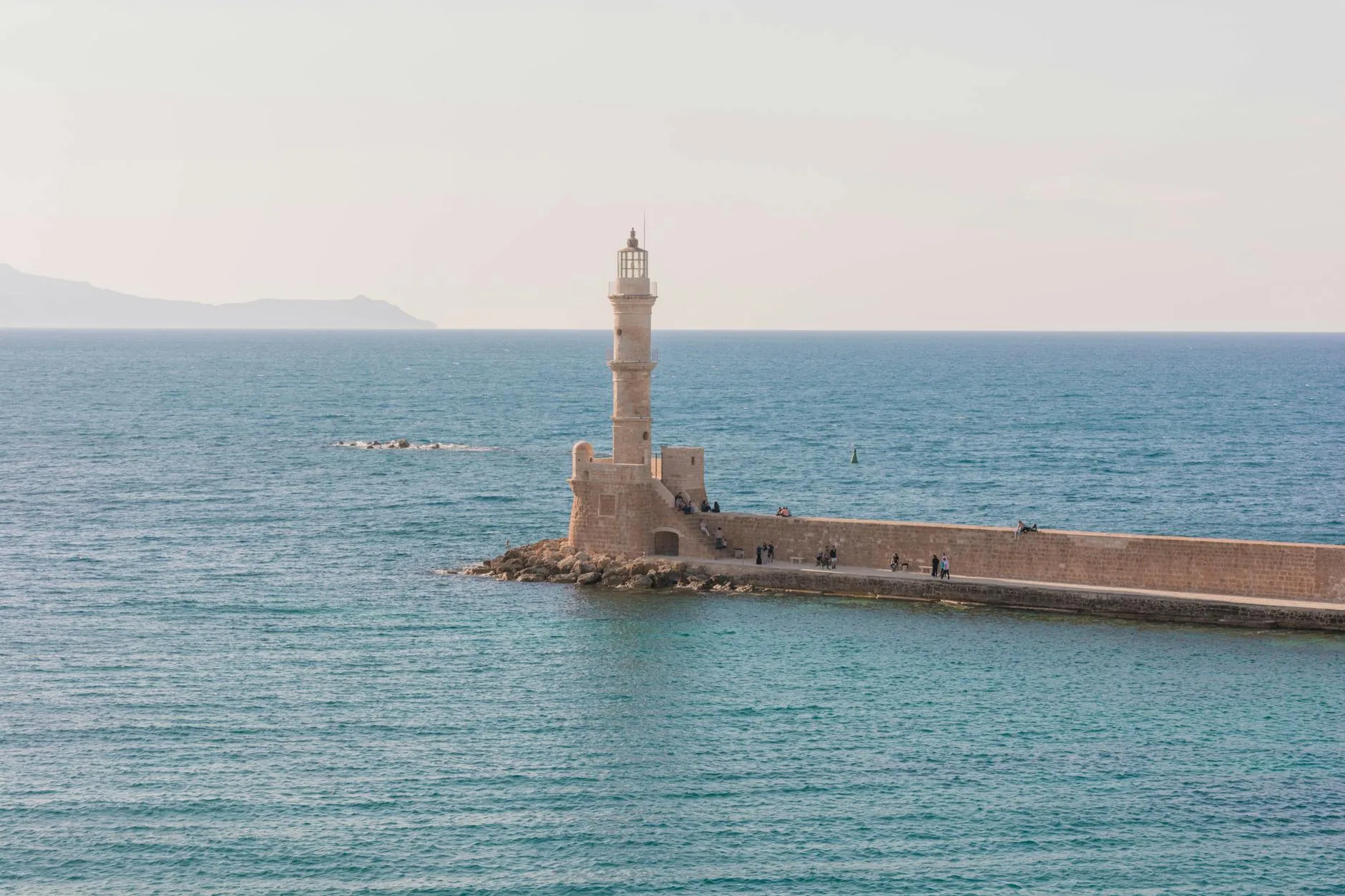
The Venetian harbour at Chania is the single most photographed location on Crete, and with reason: the curved Mediterranean quay, the lighthouse at the end of the long mole, the Ottoman-era Mosque of the Janissaries squat on the waterfront, the old Venetian arsenals, and the Egyptian-built lighthouse (renovated between 1830 and 1839 during the short Egyptian occupation of Crete — the stump is Venetian, the superstructure Egyptian, rebuilt again after Allied bombing in 1941) produce a skyline that reads as layered occupation history on first glance and holds up to serious reading on the second.
The harbour was built between 1320 and the 1450s by Venice as the western Mediterranean anchor of its maritime trade route, with seventeen arsenals (covered stone shipbuilding sheds) along the inner quay. Seven survive and are visible today as restored vaulted spaces along the eastern side of the harbour. The Firkas fortress at the western entrance houses the Maritime Museum of Crete. The Mosque of the Janissaries (Küçük Hasan Pasha Camii, completed 1645) is the oldest Ottoman building on Crete — it was the first structure the Ottomans built after taking the city in 1645, and is now used as an exhibition space. The Mosque’s exterior is freely visible; interior exhibitions vary.
The harbour is best approached on foot from the old town. Enter from Halidon Street and emerge onto the waterfront at the small square in front of the mosque. The restaurants along the quay are tourist-oriented and not the best value in Chania — walk five minutes inland to Splantzia or Topanas for better food at lower prices. The harbour itself is the point; the eating should happen a block back.
Price: Free to walk · Maritime Museum €4 · Arsenals exhibitions variable (€3–6)
Hours: Harbour 24/7 · Maritime Museum 09:00–16:00 daily except Mondays
How to get there: Chania old town, walkable from any point in the centre
Editor’s tip: The harbour is at its best at two hours — the first hour after sunrise, when the fishermen are mending nets and the Mosque is catching the first light, and the hour after sunset, when the lighthouse is illuminated and the tourists on the quay have thinned. The middle of the day is crowded and hot. If you take one photograph in Crete it will probably be this harbour; take it early and skip the mid-afternoon struggle for a clear foreground.
5. The Old Town of Chania — Splantzia and Topanas
If Heraklion is the working capital of Crete, Chania is the one people fall in love with. The old town — contained within the ring of Venetian walls, most of which still stand — is arguably the best-preserved Venetian urban fabric in the eastern Mediterranean, with Ottoman additions (wooden balconies, enclosed upper-storey windows called kafasia, occasional minaret stumps) woven in seamlessly. The population of the old town is in the low thousands and the streets are narrow enough that the Venetian lane widths — laid out to permit two mule-loaded donkeys to pass — still determine the geometry.
The two essential quarters are Splantzia and Topanas. Splantzia, on the eastern edge of the old town, was the Ottoman Turkish quarter from 1645 to 1898. The main square has a fountain, a large plane tree, and the seventeenth-century Church of Agios Nikolaos — originally a Dominican church, converted to a mosque by the Ottomans (the minaret is still on one corner of the building), returned to Orthodox use after 1913. The surrounding streets house small workshops, tavernas, and residences still occupied year-round. Topanas, on the western edge adjacent to the Firkas fortress, was the Christian quarter during Venetian rule and later the Jewish quarter until the Holocaust destroyed Chania’s Jewish community; the restored Etz Hayyim synagogue (the only remaining synagogue on Crete) is on Kondylaki Street and worth the fifteen minutes its visitor’s book takes.
The back streets between Splantzia and Topanas — Aghios Markos, Zambeliou, Aghion Deka — reward walking. The small municipal market (Agora), built in 1913 on the model of the Marseille market hall, sits at the edge of the old town and is a working grocery market with a handful of tavernas and sweet shops inside.
Price: Free · Etz Hayyim synagogue entry by donation
Hours: Most streets 24/7 · Agora market 07:00–14:30 most days · Synagogue 10:00–17:00 Mon–Fri
How to get there: Any Chania bus to the central station; walk north
Editor’s tip: Walk Splantzia and Topanas in the evening, after 19:30, when the tourists on the main harbour have gone to dinner and the backstreet residents are sitting on their doorsteps. The domestic scale of the old town is only legible once it empties. The Etz Hayyim synagogue keeps a guest book that is worth reading — it is one of the places on the island where the full texture of its twentieth-century history is most honestly documented, and the caretaker will quietly point you to things you would otherwise miss.
6. The Venetian Old Town of Rethymno
Rethymno is the third city of Crete and the least visited of the three provincial capitals. This is why it is worth your time. The Venetian old town is compact, walkable, and architecturally even more coherent than Chania — the Fortezza, the sixteenth-century Venetian citadel on the headland, is open, walkable, and almost always half-empty; the Rimondi Fountain (1626) in the central square of the old town is one of the best-preserved Venetian public fountains in Greece; the loggia (1600) on the seafront is now a gift shop, but the original structure is intact.
The Fortezza is the reason to go. Built by the Venetians in 1573 after the Ottoman raid of 1571 showed the port needed serious defences, it fell to the Ottomans in 1646 after a twenty-three-day siege, and the ruined buildings inside the walls — the residence of the Venetian governor, the Orthodox church of Agios Charalambos that the Ottomans converted to the Sultan Ibrahim mosque (now restored to Orthodox use), the former barracks, the restored gunpowder store — all give you a walkable inventory of what a Renaissance fortress looked like from the inside. The views from the walls are the best harbour-to-mountains panorama of any Cretan provincial capital. The site takes ninety minutes to do properly. Visit in the last hour before closing.
The old town below the Fortezza is three blocks deep and ten blocks long and contains, for its size, an extraordinary density of Ottoman wooden-balconied houses, Venetian Renaissance facades, Byzantine churches, and small tavernas that have existed for three generations. Rethymno is the only place in Crete where the Ottoman residential fabric survived essentially intact because it was not heavily rebuilt after 1898.
Price: Fortezza €4 adult · Old town free
Hours: Fortezza summer 08:30–20:00, winter 08:30–17:00
How to get there: KTEL bus from Heraklion (€8.30, approx 75 min) or Chania (€6.80, approx 60 min) to the Rethymno bus station, ten-minute walk to old town
Editor’s tip: Rethymno is best as an overnight rather than a day trip — spend the afternoon in the Fortezza, eat at Castelvecchio or Veneto in the old town, sleep in one of the restored Venetian mansions (Avli, Casa dei Delfini), walk the empty morning streets before the day-trippers arrive from Chania. Alternatively, and possibly better, use Rethymno as the base for western Crete and day-trip to Chania and Heraklion rather than the other way around — the small-town scale gives a different quality of stay.
7. Anogia and the Mountain Villages of Psiloritis
Anogia sits at 740 metres in the Psiloritis massif, forty-five minutes south of Heraklion by car through the Amari valley. It is a village of perhaps 2,500 permanent residents, a single long main street along the mountain contour, stone houses on both sides, a kafeneio on almost every corner, and a history that the village does not allow visitors to walk past without knowing.
In early May 1944, British Special Operations Executive officer Patrick Leigh Fermor and a small Allied team led a resistance operation that is now among the most famous of the Cretan occupation: the abduction of General Heinrich Kreipe, the German commander on Crete, from his staff car near Heraklion. They drove the captured general south through the Psiloritis mountains, concealed him in shepherds’ huts for days, and eventually walked him through the highlands to the south coast, where a submarine extracted him to Egypt. Along the route, they rested in Anogia.
The Wehrmacht’s reprisal began on 13 August 1944. Over the following twenty-three days, German forces pillaged and burned Anogia systematically — house by house, stone by stone — and executed about twenty-five of the village’s men. The order, signed by the garrison commander, was explicit: Anogia was to be destroyed “as an example,” in retaliation for sheltering the Kreipe kidnappers and for the ongoing local resistance. By early September 1944, the village was rubble. The women and children had fled into the high pastures; the older men who stayed behind had been shot. The written order from General Friedrich-Wilhelm Müller survives; the Wehrmacht signposts marking the village’s destruction survive; the village itself was rebuilt after the war by the returning survivors and their descendants.
You can walk the village today without knowing any of this and it is a pleasant mountain settlement with good food. But the kafeneio owners know. The museum on the main street (the Grylios House Museum of Cretan Folklore) tells the story carefully. The Monument to Resistance at the village square is not a tourist photo op. The guest books in the small shops are read, in some cases, by surviving relatives.
Anogia is not the only village with this history. Kandanos, near Paleochora in the far southwest, was razed on 3 June 1941 as reprisal for the two-day civilian defence of the village during the Battle of Crete — approximately 180 residents killed, every house destroyed, with Wehrmacht signs erected stating that Kandanos “will never be rebuilt again.” It was rebuilt. The original signs, preserved, are displayed on the village war memorial along with the rebuilt village’s own memorial to its dead. Viannos in the east, Kedros in central Crete, and at least twenty other Cretan villages suffered similar reprisals. The razing of Cretan villages by the Wehrmacht between May 1941 and October 1944 is one of the most systematically documented campaigns of civilian reprisal in any theatre of the Second World War; the Greek Ministry of Culture maintains a catalogue of confirmed sites.
Price: Free (museums small entry fees €2–4 · donations welcomed)
Hours: Grylios House Museum approximately 10:00–16:00, check locally; village open year-round
How to get there: Best by hire car (45 min south of Heraklion via the old national road through Krousonas); KTEL bus from Heraklion to Anogia twice daily (~€5)
Editor’s tip: Anogia is also the centre of a living music tradition — the late Nikos Xylouris, Psarantonis, and several younger musicians were all born here. A summer evening at one of the village’s music tavernas can deliver authentic Cretan lyra playing that is not performed for tourists. Ask quietly. Do not photograph musicians without permission. If you are offered raki by an elderly man in a kafeneio and you accept, you are accepting a conversation, not a drink.
8. The Palace of Phaistos — Messara Plain
Phaistos is the second major Minoan palace, excavated by Italian archaeologists between 1900 and 1966, and markedly different from Knossos. It was never reconstructed. What you see at Phaistos is what was found — the foundation courses, the paved central court, the grand staircase ascending from the lower plaza, the remains of the residential quarters, the storerooms, the ceremonial rooms — in their actual excavated state, without Evans’s imaginative rebuilding. For anyone who has found Knossos’s concrete additions distracting, Phaistos is the clarifying experience.
The palace sits on a low hill above the Messara plain, the largest agricultural valley on Crete. The view from the central court looks south toward the Libyan Sea, east toward the Asterousia mountains, and west toward Psiloritis. It is the best-sited palace location on the island. The building sequence is the standard Minoan pattern: an early palace around 1900 BCE, destroyed by earthquake around 1700 BCE; a new palace built on the same footprint, destroyed around 1450 BCE in the Late Minoan collapse that ended the palace civilisation.
The Phaistos Disc — the circular clay tablet inscribed on both sides with undeciphered hieroglyphs — was found here in 1908 by the Italian excavator Luigi Pernier. The disc itself is in the Heraklion Archaeological Museum. A replica is on display at the site. The original remains the single most famous undeciphered document of Bronze Age Europe.
Visit Phaistos after Knossos. The contrast is educational.
Price: €8 adult · €4 reduced · €15 combined with Agia Triada (nearby Minoan villa site)
Hours: Summer 08:00–20:00 · Winter 08:30–15:30
How to get there: KTEL bus from Heraklion to Phaistos (approx 90 min, €7.80 one way, limited timetable — check ktelherlas.gr); or hire car via the scenic route through Gortyn
Book: hhticket.gr
Editor’s tip: Combine with Gortyn (the Roman capital of Crete, ruins on the road to Phaistos, with the fifth-century-BCE Gortyn Law Code carved in stone) and Agia Triada (a smaller Minoan villa site two kilometres from Phaistos, with a partially restored royal residence and the original findspot of the painted sarcophagus now in the Heraklion Museum). A Messara-plain day covering all three takes a car, eight hours, and €25 in entry fees. It is one of the best archaeological days in the Mediterranean.
9. Spinalonga — The Last Leper Colony in Europe
Spinalonga is a small fortified island at the mouth of the Elounda lagoon in north-eastern Crete, built by the Venetians in 1579 as a harbour fortification and used by the Ottomans after 1715 as a garrison. In 1903, after Crete gained autonomy, the new Cretan state designated it the island’s leper colony — the place where Hansen’s-disease patients from across the island (and from mainland Greece after 1935) were sent to live out their lives in enforced quarantine. The colony operated for fifty-four years. It was closed in 1957 when sulphone drug treatment made leprosy medically manageable. The last patient left in 1957; a priest remained until 1962 to perform funeral services for the few who were buried on the island.
You walk the colony today as a preserved ruin. The ruined houses — some of which were built by the patients themselves from stones of older Ottoman structures — the infirmary, the church, the school, the small cinema, and the long main street of the settlement are all open, with explanatory signs in Greek and English. The experience is quiet and sober. The island’s fame outside Greece derives largely from Victoria Hislop’s 2005 novel The Island, which fictionalises the colony and prompted a sharp rise in visitor numbers in the late 2000s. Before that, most Greeks knew about Spinalonga but few visited; now the island is one of the most visited archaeological sites on Crete after Knossos.
Boats run from Plaka (10 min, cheapest option), Elounda (25 min), and Agios Nikolaos (45 min, most expensive). The Plaka crossing is the best value and the least time on the water. The entire visit — round-trip boat, ninety minutes on the island, refreshment at the dock — takes about three hours from Plaka, five from Agios Nikolaos.
Price: Island entry €20 (€10 reduced) · Boat from Plaka €14 return · Boat from Elounda €18 return
Hours: Boats 09:00–17:00 roughly, last boat back around 18:30–19:00, summer season (Apr–Oct)
How to get there: Bus to Plaka from Agios Nikolaos (€3 approx, 30 min), then boat; or drive
Editor’s tip: Read or reread Victoria Hislop’s The Island in advance if you can — not because the novel is definitive but because it supplies the narrative frame most visitors bring to the site, and you will hear its characters referenced on the guided walks. If you want the quieter version, go in April or October and take the 09:00 boat from Plaka; you will have most of the island to yourself for the first hour.
10. Elafonisi and the Far South-West Coast
Elafonisi is a pink-sand beach on a tied island at the south-western tip of Crete, where the Libyan Sea’s shallow lagoon produces water that reads turquoise in any light, and where the crushed-shell sand that gives the beach its distinctive colour comes from millennia of Mediterranean foraminifera ground down to powder. In April or October the beach is spectacular and largely empty. In July and August it is one of the most photographed — and most crowded — beaches in Greece.
There is no hard visitor cap at Elafonisi as of April 2026, despite repeated local discussions about imposing one. A voluntary environmental education initiative for visitors was announced in 2024 but has not been consistently enforced. The practical effect is that on peak-summer days between 11:00 and 16:00, the beach carries crowds of four to six thousand people, the parking lot overflows, the shuttle buses from Kissamos run every twenty minutes at full capacity, and the photographed shallows are uncomfortably crowded.
The solution is timing. Arrive by 09:30 or after 17:00. The early-morning slot is astonishing — pink sand, empty horizon, clear water, and the heat not yet at peak. The late-afternoon slot is almost as good and has the advantage of sunset over the lagoon.
A better use of a day in the far south-west is to visit Elafonisi in the morning, then drive north along the spectacular coastal road to Falasarna — a long, broad beach with an ancient Greek harbour ruin at its northern end — for lunch and the afternoon. This avoids the noon Elafonisi crush and gives you two of the best beaches in Crete in a single day.
Price: Free access (parking €4 · sunbeds €10/pair)
Hours: Open access; shuttle service from Kissamos peaks in summer
How to get there: Hire car from Chania (90 min via Kissamos); or KTEL bus Chania–Elafonisi (€13 return, approx 2 hours each way, summer only)
Editor’s tip: The pink sand is most visible in the shallow tidal zones near the tied-island causeway. Do not remove any — it is protected; customs has intercepted tourists at the airport with sand samples and issued fines. A clear plastic bottle of the shallowest water, held to the light, shows the shell-fragment pink in suspension; this is the texture the beach is made of, and it is quietly legal to look at.
11. Preveli Monastery and the Palm Beach
Preveli is a working monastery on the south coast of Rethymno province, set on a dramatic cliff above the Libyan Sea, with a small but historically important monastic complex and — two kilometres further down, at the mouth of the Kourtaliotis gorge — one of the most distinctive beaches in Europe. The Preveli Palm Beach is a natural palm grove fed by the gorge’s freshwater stream, with the Cretan date palm (Phoenix theophrasti) growing wild along the riverbank and the open Libyan Sea at the stream’s mouth. The palms are genuinely wild — this is one of only two native populations of Phoenix theophrasti in Europe — and the beach has the improbable quality of tropical geometry without tropical climate.
The monastery itself, Moni Preveli, played a significant role in sheltering Allied soldiers during the German occupation after the Battle of Crete. Several hundred New Zealand and Australian troops stranded on the south coast in the weeks after the May 1941 battle were hidden by the Preveli monks and evacuated by submarine to Egypt from the beaches below; the monastery’s museum contains photographs, letters, and artefacts from this period. The Abbot Agathangelos Lagouvardos, who coordinated the operation, was imprisoned by the Germans and died of his treatment. A memorial plaque and a small monument near the cliff edge above Preveli Beach commemorate the rescue.
The palm beach is reached by a steep descent from the cliff-top car park — approximately 600 steep stone steps down, the same 600 back up — or by small boat from the nearby port of Agia Galini. The descent is free; the boat is €10–15 return. In heat, the boat is the right choice.
Price: Monastery museum €3 · Beach free · Boat €10–15 return
Hours: Monastery 09:00–13:30 and 15:00–19:00 summer
How to get there: Hire car from Rethymno (60 min via the Kourtaliotis gorge — one of the most dramatic short drives in Crete)
Editor’s tip: The Kourtaliotis gorge drive to Preveli is itself an attraction. Stop at the viewpoint halfway down where the road winds through the gorge’s pillars — there is a rough path leading to the chapel of Agios Nikolaos inside the gorge, a ten-minute scramble, worth the sweat in spring when water is running.
12. Vai — The Palm Beach of the East
Vai, at the far north-eastern end of Crete, is the other native Phoenix theophrasti palm grove in Europe, and the larger of the two: approximately 5,000 palm trees on a single sheltered beach facing the Aegean. The beach itself is moderately wide with fine sand and unusually clear water. The palm grove behind it is what makes the site distinctive. Sections of the grove are closed off for conservation and visitors walk the perimeter; the main beach is accessed freely, and sunbeds and a beach bar operate in summer.
Vai is the easternmost accessible beach on Crete and reaching it requires commitment — approximately three hours by car from Heraklion, or a flight/drive combination from Chania — which is part of why the beach is less crowded than Elafonisi despite being equally photogenic. The surrounding Itanos coastline and the nearby Toplou Monastery (one of the richest and most architecturally impressive monasteries on Crete, with a museum of Byzantine icons) combine into a full day of eastern Crete that rewards the long drive.
Price: Free access · Parking €3 · Sunbeds €8 per pair
Hours: Open access year-round; beach bar Apr–Oct
How to get there: Hire car from Sitia (45 min) or Agios Nikolaos (90 min)
Editor’s tip: Combine Vai with Toplou Monastery — a fifteen-minute drive inland, open 09:00–13:00 and 15:00–18:00 summer, €3 entry, with a small but exceptional museum of Cretan Byzantine icons. The drive between the two runs through some of the most rural landscape in Crete and the monastery’s coffee is free and genuinely good.
Regions
Heraklion and Central Crete
The capital and working city of the island, and the centre for Minoan archaeology. Heraklion itself is not a pretty city — the Venetian walls still ring the old centre, but large sections of the city were built quickly in the 1960s and 1970s in poured concrete that has not aged well. The harbour area, the Loggia (Venetian city hall, 1628), the Cathedral of Agios Minas, and the archaeological museum are the reasons to spend time here, along with the food scene that has quietly developed in the last decade.
The surrounding central Crete is where the major Minoan sites cluster: Knossos (directly adjacent), Phaistos and Agia Triada in the Messara plain, Malia (east of the city on the north coast — the Minoan palace, not the tourist strip that bears the same name), and Gortyn, the later Roman capital. The Psiloritis massif rises south of the city and contains Anogia, Zaros, and the mountain villages that preserve the living Cretan traditions most intensely.
Chania and Western Crete
The most visited region and the most beautiful of the provincial capitals. Chania’s Venetian harbour, old town, and the surrounding Apokoronas countryside are the postcard Crete. Beyond the city, western Crete contains the White Mountains (Lefka Ori), which rise to 2,453 metres at Pachnes; the Samaria and Imbros gorges; the south-coast villages of Sfakia, Loutro, and Agia Roumeli; and the beaches of Elafonisi, Falasarna, and Balos at the far west. Chania province is where most first-time visitors base themselves, and with reason.
Rethymno and the Amari Valley
The least-visited of the three provinces and the richest in hidden places. Rethymno city has the best-preserved provincial Venetian old town. The Amari valley, south-east of Rethymno, is a fertile inland valley of small mountain villages (Thronos, Meronas, Fourfouras) surrounded by the Psiloritis massif and the Kedros range. Several of the Amari villages suffered wartime reprisals — Ano Meros, Kardaki, Yerakari, and others were systematically destroyed in the August–September 1944 reprisals along with Anogia, and plaques and small museums in several villages document the events. The Arkadi monastery, on a plateau east of Rethymno, is the site of the 1866 Cretan uprising in which the monastery’s defenders blew up the gunpowder magazine rather than surrender to the Ottomans — killing themselves and several hundred attacking troops, in an event that shocked nineteenth-century Europe and helped drive European pressure for Cretan autonomy.
Lasithi and Eastern Crete
The eastern province, less developed than the west, and slower. Agios Nikolaos on the coast is a pleasant small port town; Elounda (north of Agios Nikolaos) is the home of Crete’s most expensive resorts; Spinalonga sits across the lagoon. Inland, the Lasithi plateau at 840 metres is an agricultural high plain dotted with the windmills (most now non-operational) that made it briefly famous in twentieth-century tourism posters. Further east: Sitia, a working port town with genuinely good food; Vai palm beach; Toplou monastery; and Zakros, the easternmost of the major Minoan palaces, a long drive from anywhere and worth the effort for the site and the Kato Zakros gorge that leads down to it.
The Interior: Sfakia, the Omalos, the Nida Plateau
Most visitors never leave the coast roads. The interior of Crete — the White Mountains in the west, the Psiloritis massif in the centre, the Dikti mountains in the east — is where the island’s distinct culture lives most intensely. Sfakia on the south coast is a small coastal region whose inhabitants are famously proud, argumentative, and resistant to external authority; the Sfakian uprisings against every successive occupier of Crete are woven into Greek folk history. The Omalos plateau above Chania is the access point for Samaria. The Nida plateau at 1,400 metres in Psiloritis is the site of the Idaean Cave — the cave where, according to myth, the infant Zeus was raised by the nymphs of Ida — and is now a functioning archaeological site accessible by a three-kilometre rough track.
The South Coast
The south coast of Crete — from Paleochora in the west through Sougia, Loutro, Chora Sfakion, Agia Galini, Plakias, Matala, and Ierapetra in the far south-east — is where the island’s geography changes. The north coast has the ports, the archaeology, and the tourism infrastructure. The south has small villages clinging to cliffs, black-sand beaches (Vritomartis, Potamos), the open Libyan Sea, and a quieter, more rural Crete that only serious visitors find. A week on the south coast is a different holiday to a week on the north.
Where to Stay
Budget (€40–70/night double room)
The old towns of Chania and Rethymno have genuine budget guesthouses inside the Venetian walls — small rooms, shared or en-suite bathrooms, Ottoman or Venetian building stock, family-run. Examples: Monastiri Guesthouse (Chania old town, from €50), Veneto Suites (Rethymno old town, budget rooms from €60), Kronos Hotel (Heraklion centre, from €55). Hostels exist but are limited — Cocoon City Hostel in Chania (€25–40 dorm) is the best of them.
Mid-range (€90–180/night double room)
The mid-range bracket is where Crete delivers extraordinary value. A restored Venetian mansion with breakfast in Chania, Rethymno, or central Heraklion runs €110–160 in shoulder season. Examples: Casa Delfino (Chania, boutique Venetian mansion, €150–250 depending on season), Avli Lounge (Rethymno, restored 16th-century mansion, €130–200), GDM Megaron (Heraklion, restored art-deco hotel on the harbour, €130–180), Enagron (Axos village near Anogia, agritourism compound with traditional cottages, €100–140), Koukos Villas (south coast near Plakias, restored village houses, €120–170).
Luxury (€250–800+/night)
Crete’s luxury market has expanded rapidly in the last five years. Elounda in particular has three or four of the most expensive resorts in Greece. New for 2026: Rosewood Elounda (opening 2026, repositioned from Blue Palace, 154 rooms with 85 private-pool suites), INNSiDE Elounda by Meliá (opens 1 May 2026, 5-star lifestyle resort). Established: Elounda Peninsula (from €700), Elounda Beach Hotel (from €500), Domes Zeen Chania (from €350), Amirandes Grecotel (from €400). Allsun Hotel Dolphin Bay opens April 2026 in Ammoudara near Heraklion — 259 rooms, mid-luxury, new-build.
Where NOT to Stay
Malia, Hersonissos, and Stalis on the north coast east of Heraklion — unless you are specifically going there for the package-holiday experience. These hotels are not bad hotels; they are simply not Crete. If you book there, hire a car from day one and accept that the accommodation is a base for day trips and nothing more.
Climate Crisis Resilience Fee (Tourist Tax)
Greece charges a Climate Crisis Resilience Fee per room per night, varying by season and hotel star rating. For 2026 (March–October high season): 1–2 star hotels €1.50/night, 3 star €3, 4 star €7, 5 star €10. Short-term rentals (Airbnb, apartments): €8/night. Rates drop approximately 75% in low season (November–February). The fee is per room, not per person, and is typically collected at check-in in cash or added to the final bill. Budget €10–50 for a one-week stay depending on hotel class.
Where to Eat
The Cretan Diet, Briefly
What is sold internationally as the “Mediterranean diet” is, more specifically, the Cretan diet — the longitudinal dietary patterns documented on the island between the 1950s and 1970s by the Seven Countries Study (Ancel Keys et al.) that established the link between olive-oil-rich, low-meat, vegetable-heavy eating and cardiovascular outcomes. The Cretan diet leans heavily on wild greens (horta — there are approximately 300 edible wild greens on the island, of which about 30 are regularly eaten), barley-based breads and rusks (paximadi), sheep and goat dairy (graviera, mizithra, malaka), olive oil in genuinely extraordinary quantities (Crete produces 30% of Greece’s olive oil and consumes about one-third of what it makes), small amounts of fish and poultry, occasional rabbit and lamb, and large amounts of pulses (fava, fasolia). Red meat is eaten on Sundays and holidays, not daily.
This matters because the food you encounter in taverna cooking is not simply “Greek food.” The horta boiled and dressed with lemon and olive oil, the dakos rusk topped with grated tomato and crumbled mizithra, the boureki vegetable pie from Chania, the kleftiko lamb slow-cooked in paper, the gamopilafo wedding rice — these are Cretan dishes first and Greek second.
Dishes to Know
- Dakos: A soaked barley rusk topped with grated tomato, crumbled mizithra or feta, olive oil, dried oregano, sometimes olives. The Cretan equivalent of bruschetta and the universal starter.
- Boureki: A Chanian courgette-and-potato pie baked with mint and mizithra. Green, gentle, satisfying. Ordered at any Chania taverna worth its salt.
- Kalitsounia: Small fried or baked pies filled with mizithra or horta. Available in bakeries and tavernas.
- Gamopilafo: A wedding rice dish cooked in strong lamb or goat stock, finished with stakovoutyro (a Cretan sheep’s-milk butter that is aged and sour). Served at weddings and on request at better traditional tavernas.
- Apaki: Smoked pork, vinegar-cured and smoked over aromatic herbs. Served sliced as a cold meze.
- Sfakian pie (Sfakianopita): A very thin cheese-filled pancake from Sfakia, drizzled with honey. The sweet-savoury combination is specifically Cretan.
- Wild greens (horta): Boiled, served warm with lemon and olive oil. Each kafeneio has its favourite combinations — stamnagathi (a slightly bitter wild chicory) is the most prized.
- Stifado: Rabbit or beef stewed with baby onions, vinegar, tomato, cinnamon, and bay. Not unique to Crete but done particularly well here.
- Tsikoudia (raki): The Cretan grape-pomace brandy — see the drinking section below.
Budget Eats (€8–15 per person)
- Peskesi mou (Heraklion, small branches in Chania) — quick Cretan street food, souvlaki, kalitsounia, paximadi. Not to be confused with the full-service Peskesi (see below).
- Fournos Vogiatzakis (Heraklion bakery, multiple branches) — bakery with excellent kalitsounia, bougatsa, and morning pastries.
- Agora market (Chania) — the municipal market has several small eateries inside; lunch of dakos, boureki, horta, and a tsikoudia for €10.
- Kafeneio O Platanos (Anogia) — mountain village kafeneio with simple meze and house wine, €8–12.
- Iordanis Bougatsa (Chania and Heraklion) — the single best bougatsa on Crete, cream-filled phyllo pastry eaten standing up for €3.50.
- Paradosiako (Heraklion) — traditional all-day taverna off the market, lunch of gyros and salad for €10.
Mid-range (€20–40 per person)
- Peskesi (Heraklion, Kapetan Charalambi 6–8) — farm-to-table Cretan cuisine in a restored Venetian mansion. Every ingredient from Cretan producers; recipes from traditional Cretan cooking updated with contemporary technique. Currently the best serious Cretan restaurant on the island. Book ahead. Lunch €20–30, dinner €35–50.
- Thalassino Ageri (Chania, Vivilaki 35 — Tabakaria district) — harbour-side fish taverna in a restored tannery building. Live fish display, whole-fish grilled to order, seaside tables. €30–50 per person with wine.
- Apostolis (Chania, Enosseos 10 — inner harbour) — old-school Chania fish taverna. More tourist-facing than Thalassino Ageri but the fish is honest. €25–40.
- Avli (Rethymno, old town) — restored Venetian courtyard, refined Cretan cuisine, wine list focused on Cretan producers. €40–55 dinner.
- Salis (Chania, Akti Tombazi 3 — harbour) — contemporary Cretan, slightly more creative than the traditional tavernas. €35–50.
- Elia & Diosmos (Heraklion near Knossos, Skalani village) — countryside Cretan restaurant, lunch destination for slow food. €25–35.
- Archontiko (Agios Nikolaos, Paleologou 25) — established mid-range Cretan taverna on the Lasithi coast. €25–35.
Fine Dining (€60–150+ per person)
- Apothikaria tou Peskesi (Heraklion) — the tasting-menu arm of Peskesi, focused on Cretan product at length. €80–120 with wine pairing.
- Brillant (Galaxy Hotel, Heraklion) — modern Greek fine dining with a Cretan accent. €60–90.
- Sir Papafigos (Heraklion) — upscale Mediterranean with inventive seafood. €70–100.
- Deck (Domes Zeen Chania) — hotel restaurant, high-concept Mediterranean, €80–130.
Michelin Guide 2026
As of the April 2026 pre-announcement, Crete remains outside the Michelin Guide Greece selection. The Michelin Guide Greece 2026 will expand from Athens to include Santorini and Thessaloniki — a major expansion for the Greek guide — but Crete is not in the 2026 edition. Press speculation in 2025 about “Crete getting 11 Michelin stars this summer” referred to a projected future expansion that has not yet materialised; treat any claim of current Crete Michelin stars with scepticism. The full Greece 2026 results are expected to be announced in the second half of 2026. The restaurants above are recommended on their own merits, not on Michelin standing.
Avoid
- The quay-side restaurants on the main stretch of the Chania Venetian harbour: mediocre food at 30–50% markup over the old town backstreets two blocks inland. The view is the only thing you are paying for, and the view is free from the walk past the mosque. Sit with a cold beer on the wall and eat elsewhere.
- The “traditional Cretan” restaurants on the main square of Elounda that advertise in nine languages on a laminated photo menu.
- Any restaurant on the Hersonissos waterfront with “sizzler plate” or “full English breakfast” on the signage.
- Gyros stalls inside Heraklion airport — serviceable but twice the city price. Eat before or after.
Raki Culture and Drinking
The single most Cretan thing you can do in a Cretan evening is accept a complimentary raki after dinner and drink it slowly, in the company of whoever pours it.
Raki on Crete is not what raki is in Turkey. The Turkish raki is an aniseed spirit drunk with water — ouzo’s closer cousin. Cretan raki, called tsikoudia in its correct local name, is a clear, unflavoured, grape-pomace brandy, typically 40–65% ABV, distilled from the marc left over after winemaking. It is always clear. It should never be flavoured (commercial flavoured rakis exist but are a tourist-market adaptation, not the real thing). It is drunk at room temperature or slightly chilled, in small thimble-sized glasses, in multiple rounds.
The protocol:
- Raki is poured by the host, owner, or older man at the table, never by the drinker himself. If you are offered raki, accept — refusing is an act that requires a specific reason (driving, medical) and is not taken personally if explained.
- The first round is “welcome” — yia mas (to us) or stin yia sou (to your health). Drink the full glass.
- Subsequent rounds are slower. Do not finish a glass before the host has finished his. Do not refill your own glass; the host will refill it.
- Raki is typically accompanied by small plates — olives, paximadi, dried figs, graviera cheese, walnuts, occasionally fruit in season. These are not optional; raki drunk without accompaniment is bad form.
- The conversation is the point. The drink is the excuse.
Tsikoudia is produced in autumn (October–November), immediately after the grape harvest, at licensed village stills. The distillation itself — rakokazano — is a communal event in mountain villages, lasting several days, combining work and celebration. If you are in Crete in October and invited to a rakokazano, go.
In restaurants, the complimentary raki at the end of a meal is a social ritual, not an upsell. Accept it. Drink it. Do not leave immediately after; sit for another fifteen minutes at minimum.
Cretan Wine
Crete has an ancient wine tradition and four Protected Designation of Origin (PDO) zones: Archanes, Sitia, Peza, and Dafnes. The indigenous grapes are the ones to try: Vidiano (white, increasingly planted, rich and aromatic), Vilana (white, lighter, the historic Heraklion grape), Thrapsathiri (white), Kotsifali (red, light, the main Cretan red), Mandilari (red, heavier, often blended with Kotsifali), Liatiko (red, sweet or dry, very distinctive). The best producers are Lyrarakis (near Alagni, visitable cellar), Douloufakis (Dafnes), Idaia (Peza), Manousakis (Chania), and Domaine Economou (Sitia). Cretan wine is chronically underpriced abroad relative to its quality; a serious PDO bottle that would be €25–35 in a Chania wine bar costs €40–60 in London or New York.
Cretan Wine Bars
- Koupa Tou Katerinou (Chania, Kondylaki 11) — best-curated Cretan wine list in western Crete, small plates. €20–35.
- Elaia (Heraklion, Spirou Lambrou 6) — serious wine bar focused on Cretan producers. €25–40.
- Apikia (Rethymno, old town) — unpretentious wine bar, good pours, Cretan small plates.
Beer
Crete has several good craft breweries. Brink’s (Chania), Solo (Heraklion), and Charma (Rethymno) are all worth trying if craft beer is your interest. The mainstream Greek beers — Mythos, Alpha, Fix — are ubiquitous and fine.
Getting Around
From the Airports
Heraklion International Airport (HER) is 5 km east of Heraklion city centre.
- Bus: City bus No. 1 from the terminal to central Heraklion (Eleftherias Square) runs every 10–15 minutes, 06:00–23:00, and costs €1.70. Tickets from the kiosk at the terminal or on the bus (correct change helpful). Journey time 20 minutes.
- Taxi: Fixed fare from the airport to central Heraklion approximately €18–20 day, slightly higher at night. Taxis available at the arrivals level.
- Car hire: All major companies (Avis, Hertz, Enterprise, Sixt) plus local firms (Hermes, Auto Europe) at the airport terminal. Booking ahead is strongly recommended in summer — cars sell out.
Chania International Airport (CHQ) is 15 km east of Chania city on the Akrotiri peninsula.
- Bus: KTEL bus to Chania central bus station every 60–90 minutes in summer, approximately €3. Journey time 25 minutes.
- Taxi: Fixed fare approximately €28–32 to Chania old town.
- Car hire: Major and local firms; peak summer booking advised.
Kastelli (Heraklion New Airport): As of April 2026, the new Heraklion airport at Kastelli (Kasteli) — 39 km south-east of the current HER — is under construction and is not yet open. Construction has passed 67% completion. Trial operations are scheduled to begin in August 2026 and full operations transferring from HER are targeted for late 2027 or 2028, depending on the source. All 2026 summer-season flights continue to use the existing HER terminal. Watch the official news channels if you are booking for late 2027 or beyond.
Public Transport Between Cities
Crete’s inter-city public transport is run by the KTEL bus cooperatives. Two operate on Crete:
- KTEL Herakliou Lasithiou (ktelherlas.gr) — Heraklion and east (Agios Nikolaos, Ierapetra, Sitia).
- KTEL Chanion–Rethymnou (e-ktel.com) — Rethymno and west (Chania, Kastelli, Elafonisi, Omalos, Sougia).
Both run coach-style buses on a good schedule between the major cities. Sample 2026 fares:
– Heraklion–Chania: €15.10, approx 2.5 hours, hourly
– Heraklion–Rethymno: €8.30, approx 1.5 hours, every 60–90 min
– Chania–Rethymno: €6.80, approx 60 min, hourly
– Heraklion–Agios Nikolaos: €8, approx 75 min
– Chania–Omalos (Samaria): €8.40, approx 60 min, morning departures
– Heraklion–Phaistos: €7.80, approx 90 min, limited
The KTEL coaches are comfortable, punctual, and run reliably. Buy tickets at the station or on the bus. Schedules are online on both operators’ websites.
Within Cities
Heraklion, Chania, and Rethymno all have city buses (€1.70 per ride in Heraklion, similar elsewhere) but old-town areas are small enough to walk. Taxis are metered; short rides within old-town edges are €5–10.
Car Hire
Crete essentially requires a hire car for the full island. The south coast, the mountain villages, the gorge access points, the smaller beaches, and the Amari valley are all effectively inaccessible by public transport or are served by buses so limited (once or twice daily) that they do not work for day-tripping.
Rates in 2026: small manual car €20–35/day low season, €40–60/day summer. Automatic transmissions cost significantly more and should be booked ahead. Most hire companies require a credit card and driver 21+ with 1 year licence. Cretan roads are generally good on the main coastal highway; mountain roads can be narrow, steep, and in some cases rough gravel — check the hire contract for off-road clauses.
The E75 coastal highway (Kissamos–Sitia) is the spine of the island and the fastest road. The Old National Road (parallel, slower, more scenic) is the one to take when you are not in a hurry. The south coast has no single through road; travel between south-coast regions generally requires going back north to the E75 and dropping south again on the next valley.
Driving culture is Greek-Mediterranean: assertive, fast on the highway, slower on the mountain roads. Goats and sheep are regular road hazards on the smaller routes. Fuel stations are plentiful on the highway, rare in the mountains — top up before heading inland.
Ferries
Crete is well-connected by ferry to Athens (Piraeus), the Cyclades, and the Dodecanese.
- Piraeus–Heraklion: Overnight ferry, approximately 9 hours, Minoan Lines and ANEK. €45–70 deck class, €90–140 cabin.
- Piraeus–Chania: Overnight ferry, approximately 9 hours, ANEK/Superfast.
- Piraeus–Rethymno / Kissamos: Less frequent; Minoan and ANEK seasonal.
- Crete–Santorini: Daily fast ferries in summer from Heraklion (approx 2 hours, Seajets, €60–90). Slower conventional service less frequent.
- Crete–Mykonos / Naxos / Paros: Seasonal summer fast ferries.
- Sitia–Rhodes (via Karpathos): Once or twice weekly, approximately 14 hours.
For ferry schedules and booking, use ferryhopper.com or directferries.com, both of which aggregate all Cretan routes.
Best Time to Visit
Season by Season
April–Mid-May (Shoulder, Early): The wildflowers. Cretan spring is the island’s most underrated season — hillsides full of wild orchids, cyclamen, anemones, chamomile; the olive groves still green before the summer yellow; the mountains green with snow-fed streams; the sea warming but still cool for swimming (17–20°C). Tourism is light, prices are low, the archaeological sites are quiet, the gorges have water, and Samaria opens on 1 May in most years. For hikers, walkers, archaeologists, and anyone who does not need to be in warm water every day, this is the best season.
Mid-May–June (Shoulder, Late): The ideal combination. Warm days (24–28°C), warming sea (20–23°C), fewer tourists than July/August, all sites open, the gorges at their most dramatic with running water, olives still green, and the long daylight. If you can only come once and can pick any week, pick a week in late May or early June.
July–August (Peak): The hottest, busiest, most expensive months. Temperatures 30–38°C, sea at 25–27°C, beaches at capacity, hotels booked out, Knossos at peak crowding between 10:00 and 14:00. Cretans themselves leave the cities in August. Good for beach-only holidays and for travellers whose schedules are constrained by school holidays. Not recommended for anyone with flexibility.
September–Mid-October (Shoulder, Post-peak): The best swimming season. Sea is at its warmest (24–26°C) after a summer of heating. Temperatures drop from peak summer to a comfortable 26–30°C. The crowds thin sharply after the last week of August; by mid-September the beaches are manageable and the tourist machinery is winding down. For combining sites with warm sea, this is the second-best option after late May/June.
Late October–March (Off-season): The quiet Crete. Most coastal hotels close from early November to late March or Easter. Samaria closes. Elafonisi shuttles stop. The island’s infrastructure shrinks back to domestic use. Heraklion, Chania, and Rethymno remain fully open year-round with serious restaurants operating; the mountain villages are at their most authentic. Rain is real — November and December are the wettest months. For travellers interested in Cretan cities and food (not beaches), off-season is quietly excellent, and hotel prices drop by 40–60%.
Best Months by Purpose
| Purpose | Best Month |
|---|---|
| Wildflowers & walking | Late April |
| Samaria Gorge | Late May, early October |
| Swimming | September |
| Archaeological sites | October |
| Food & raki culture | November (post-harvest) |
| Avoiding crowds | May, October |
| Family beach holiday | June, September |
Weather Table
| Month | Avg High/Low (°C) | Sea Temp (°C) | Rain Days | Key Notes |
|---|---|---|---|---|
| January | 15 / 9 | 16 | 12 | Wettest month; city trips viable; mountains may see snow |
| February | 15 / 9 | 15 | 10 | Still rainy; wildflowers begin late February |
| March | 17 / 10 | 16 | 9 | Spring begins; almond blossom; sea too cold |
| April ⭐ | 20 / 12 | 17 | 6 | Wildflower peak; shoulder prices; sites quiet |
| May ⭐ | 24 / 16 | 19 | 4 | Samaria opens 1 May; ideal weather; uncrowded |
| June ⭐ | 28 / 19 | 22 | 2 | Warm, long days, not yet peak heat; best overall month |
| July | 30 / 22 | 25 | 0 | Hot, very dry, peak crowds |
| August | 31 / 22 | 26 | 0 | Peak of peak; 36°C days common inland |
| September ⭐ | 28 / 20 | 26 | 2 | Warmest sea; crowds thin after first week |
| October ⭐ | 24 / 17 | 24 | 6 | Excellent walking weather; lampuki fish season |
| November | 19 / 14 | 21 | 9 | Hotel closures start; mountain walking good |
| December | 16 / 11 | 18 | 11 | Rain season; cheapest city breaks |
Temperatures above are for Heraklion on the north coast. The south coast (Ierapetra, Paleochora, Agia Galini) runs consistently 1–3°C warmer. The White Mountains above 1,500 m can have snow from November to April and are significantly cooler year-round.
Budget Table
| Category | Budget | Mid-Range | Luxury |
|---|---|---|---|
| Accommodation (per night, double) | €40–70 (guesthouse/budget hotel) | €100–180 (boutique / Venetian mansion) | €250–800+ (Elounda resort, Rosewood) |
| Meals & Drinks (per day, pp) | €15–25 (bakery, taverna lunch, taverna dinner) | €35–60 (mid-range restaurant twice) | €80–200+ (fine dining + wine) |
| Transport (per day) | €5–10 (KTEL bus) | €25–45 (hire car + fuel) | €60–120 (hire car luxury + parking + transfers) |
| Activities (per day) | €10–20 (one site) | €25–50 (two sites + tour) | €100–300 (guided tours, private boat, Elounda spa) |
| Climate fee (per night) | €1.50–3 | €7 | €10 |
| Daily Total (per couple) | €90–170 | €220–400 | €550–1,500+ |
Notes: Prices are approximate and assume shoulder-to-peak-season rates. Budget rates can drop 30–40% in off-season. Car hire is strongly recommended for anything beyond a city-only visit; without a car, the mid-range daily cost is closer to the budget column but with significant accessibility limitations.
Sample Itineraries
3-Day Essential (based in Heraklion)
Day 1 — Heraklion and Knossos
08:30 — Bus No. 2 to Knossos. Enter at first opening (08:00 summer).
09:00–12:00 — Knossos Palace. Walk the site with an audio guide or printed guide. Three hours minimum.
12:30 — Bus back to Heraklion. Lunch at Peskesi (booked ahead) or Paradosiako for something quicker. €15–30.
14:30–17:30 — Heraklion Archaeological Museum. Three hours. Do not skip the Phaistos Disc, the Agia Triada sarcophagus, or the fresco gallery.
18:00 — Walk the Venetian walls south from the Pantokrator bastion, then down to the Koules fortress on the harbour. Entry €4 if you want to go inside.
20:00 — Dinner at Elaia & Diosmos (countryside, taxi) or Sir Papafigos (upscale city).
Day 2 — Messara Plain: Phaistos, Gortyn, Matala
08:00 — Hire car from Heraklion. Drive south through Kato Archanes vineyards.
10:00 — Gortyn. Roman capital of Crete; fifth-century-BCE Law Code inscription; 1.5 hours. €8.
12:00 — Phaistos. Unreconstructed Minoan palace; the Knossos contrast. 2 hours. €8 (or €15 combined with Agia Triada).
14:30 — Lunch at a Mesara plain taverna — Taverna Chameni Vryssi in Sivas (€15–25).
16:00 — Agia Triada Minoan villa site (15 min). Small, quiet, includes the findspot of the painted sarcophagus in the Heraklion Museum.
17:00 — Drive to Matala. The hippie caves (1960s counterculture site, €4 entry to the cave complex). Swim at Matala beach. Sunset on the rocks.
19:30 — Dinner at Matala or drive back via Zaros (mountain village with trout farms) to Heraklion. 90 min.
Day 3 — Eastern Option: Spinalonga and Agios Nikolaos
08:00 — Drive east on the E75 to Agios Nikolaos (75 min).
10:00 — Coffee at Lake Voulismeni in Agios Nikolaos. Walk the harbour.
11:00 — Drive to Plaka (15 min via Elounda). Boat to Spinalonga. 90 minutes on the island. €34 total (boat + entry).
14:30 — Lunch at Plaka waterfront taverna (€20–30).
16:00 — Drive back via Lasithi plateau if time — mountain scenery, windmills (mostly non-operational), pre-Bronze Age Diktean Cave (the legendary birthplace of Zeus, €8, 40-min walk from car park).
19:30 — Return to Heraklion.
Days 4–7 Add-ons (western Crete)
Day 4: Move base to Chania. KTEL bus or drive (2.5 hours). Afternoon in the Venetian harbour and old town. Dinner at Thalassino Ageri or Salis.
Day 5: Samaria Gorge. Early start (06:00) from Chania to Omalos. Descend the gorge. Ferry from Agia Roumeli to Chora Sfakion. Bus back to Chania. Arrive back 19:30–20:00.
Day 6: Elafonisi and Balos. Early drive to Elafonisi (90 min), arrive 09:00. Two hours on the beach. Drive north to Falasarna for lunch and afternoon. Alternative: Balos lagoon — cruise from Kissamos (€28 return, half-day) or the rough-road/footpath access from Kaliviani (4WD or 25-minute walk).
Day 7: Rethymno day. Drive east to Rethymno (60 min). Morning in the old town; Fortezza visit. Lunch at Avli or a Venetian-era restaurant. Afternoon at Preveli — the palm beach, the monastery, the Kourtaliotis gorge drive. Return to Chania for final dinner.
Two-Week Itinerary
A two-week Crete trip allows: four days based in Heraklion (central sites, Psiloritis villages, Lasithi); four days based in Chania (old town, Samaria, Elafonisi, western beaches); three days based in Rethymno (old town, Amari valley, Preveli, Arkadi); and three days on the south coast (Plakias, Loutro, or Paleochora). This does the island more justice than any shorter alternative. Hire the car for the entire trip; the internal flexibility it gives is worth the cost.
Best Day Under €30
Heraklion on Foot — Without Knossos
This is the Heraklion day that comes in under €30, on public transport and on foot, by skipping the €15 Knossos site entry. The trade-off is real: you do not see the reconstructed palace. The win is that you spend three uninterrupted hours at the Heraklion Archaeological Museum, which holds the actual Minoan finds — the Phaistos Disc, the Agia Triada sarcophagus, and the Bull-Leaping Fresco. For a budget-constrained first visit, this delivers the most Minoan civilisation per euro.
08:30 — Coffee and loukoumades at a bakery near Eleftherias Square. (€3.50)
09:00–12:00 — Heraklion Archaeological Museum. Three hours minimum. Phaistos Disc on the first floor; sarcophagus in its own room; the fresco gallery on the second floor. (€12)
12:30 — Lunch at Paradosiako, the traditional taverna off the market: a gyros plate, a side of horta, water. (€10)
14:00 — Walk the Venetian walls south from the Pantokrator bastion, then north along the seafront to the Koules fortress at the head of the long mole. Free; skip the €4 fortress entry.
15:30 — Walk the Loggia (Venetian city hall, 1628), the Cathedral of Agios Minas, and the small backstreets of the old town. Free.
17:00 — Bougatsa from Iordanis (the original Heraklion branch), eaten standing up. The single best bougatsa on Crete. (€3.50)
Total: €29.
If your budget can absorb another €18, add Knossos in the morning — €15 site entry plus €1.70 city bus each way. Buy the €20 combined Knossos + Museum ticket at hhticket.gr for the better value, putting the canonical first-visit day at approximately €49. The under-€30 version above is what to do if you have already been to Knossos on a previous trip, or if you are deliberately choosing the actual finds over the reconstructed site.
Honest comparison to the fleet: Cairo $3.50, Bogotá $6, KL €8.50, Munich €12, Santiago $13, Nicosia €32.60. Crete sits at the upper-middle of the fleet leaderboard.
Hot Day Plan
On a 36°C August day the rules change. The strategies below work.
Early morning (06:00–09:30): Beaches. The sea is at its coolest, the sun is manageable, and Elafonisi is empty at 08:00 in a way it never is at 13:00. If you are on the south coast, a pre-breakfast swim at Preveli, Matala, or Vai. If on the north, Falasarna or Agia Pelagia.
Mid-morning (10:00–12:30): Archaeological sites on shaded walks. Knossos has some shade; the Heraklion Archaeological Museum is air-conditioned. Avoid the Messara plain sites (Phaistos, Gortyn) in mid-day heat — they have no shade.
Midday (13:00–16:00): Indoors. Lunch in a taverna with trees or a courtyard. Nap. Chania old town is cool in the narrow shaded streets — the old town buildings moderate temperature surprisingly well. Heraklion’s Agora market, the Loggia interior, a harbour-side café with shade.
Late afternoon (16:00–19:00): Sea again, or mountain villages. The mountains are always cooler — 8°C cooler at 1,500 m is reliable. A drive to Anogia, Zaros, or Lasithi gives an afternoon at 24°C when the coast is at 34°C.
Evening (19:30 onwards): Outdoor dinner. By 20:30 the temperature is comfortable. The old towns of Chania, Rethymno, and Heraklion are at their best in the evening heat. Raki with walnuts and graviera on an old-town square at 21:30.
Essentials: Water (1.5 litres minimum for a walking day). Sun protection (SPF 50, reapplied). Light clothing in breathable fabrics. Avoid gravel trails and exposed archaeological sites between 12:30 and 16:30. The E4 long-distance trail and the gorges are off-limits in peak heat — wait until September for serious hiking.
Day Trips
Samaria Gorge
Covered in Top Attractions section 3. The canonical day hike, 16 km, Omalos to Agia Roumeli, ferry to Chora Sfakion, bus back to Chania. Full day. Season May–late October.
Balos Lagoon
The sister site to Elafonisi in the far north-west — a shallow lagoon and sandbar below a 280-metre Venetian fortress ruin. Access by two options: (1) a 1-hour cruise ferry from Kissamos Port (€28 return, most common), or (2) a rough 8-km unsealed road from Kaliviani to a clifftop parking area plus a 25-minute downhill walk to the beach (free, requires confidence driving rough roads and walking back up at the end of the day). The ferry gives better views; the walk gives more time at the beach. Either way, Balos in shoulder season is extraordinary; Balos in August is crowded to a degree that undermines the experience.
Spinalonga + Agios Nikolaos
Covered in Top Attractions section 9. Full day from Heraklion. The Spinalonga–Elounda–Agios Nikolaos–Lasithi loop makes a complete eastern-Crete day by hire car.
Arkadi Monastery
Thirty minutes east of Rethymno, the monastery where the 1866 Cretan uprising culminated in the gunpowder-magazine explosion that killed 943 Cretans and attacking Ottoman troops. The monastery’s 16th-century church, the preserved cells, the small museum, and the memorial ossuary are all open. Approximately 1.5 hours. €3. The drive from Rethymno through the Amari valley foothills is itself worth the trip.
Preveli and Kourtaliotis Gorge
Covered in Top Attractions section 11. Half-day from Rethymno: gorge drive, monastery, palm beach. Can be combined with Plakias for a seaside lunch.
Vai and Toplou
Covered in Top Attractions section 12. Far-east day from Agios Nikolaos; best as a one-way on a longer itinerary than as a day-trip from central Crete.
The Amari Valley
Inland from Rethymno, a string of small mountain villages (Thronos, Meronas, Fourfouras, Amari) with Byzantine frescoed churches, traditional kafeneia, and the Amari valley olive oil that is among the best on Crete. A slow day of driving, stopping in three or four villages, eating lunch at a village taverna, with plaques and small museums documenting the 1944 reprisals in several villages. €40 in fuel and food; a complete alternative to the beaches for anyone who has already had a beach day.
Diktaean Cave (Birthplace of Zeus)
On the Lasithi plateau at 1,050 m, the cave where — according to Hesiod — Rhea hid the infant Zeus from his father Cronos. The cave is genuinely spectacular: a 40-minute descent through flowstone formations and stalactites to an underground lake 80 m below the surface. The site has been occupied as a cult sanctuary since Minoan times and bronze votive offerings from that period are now in the Heraklion Museum. €8 entry. Combine with the Lasithi plateau drive and the Homo Sapiens cave at Milatos.
Safety and Practical Info
Safety
Crete is consistently one of the safer parts of Greece, which is itself one of the safer parts of the Mediterranean. Petty theft is not a significant problem outside the tourist-heavy beach areas in peak summer. Violent crime is very rare. The practical considerations are: (1) driving — mountain roads require attention, goats are a regular hazard; (2) sea currents — some south-coast beaches have strong rips, check for warning flags; (3) heat — the July–August window can produce dangerous temperatures, particularly inland, and dehydration is the most common medical problem encountered by visitors; (4) fire — Crete has had significant wildfires in recent summers, and trail closures can happen on short notice.
Currency, Language, Connectivity
Currency: Euro (€). ATMs widely available in all towns. Cards accepted in most restaurants and hotels; smaller mountain tavernas and markets may be cash-only.
Language: Greek. The Cretan dialect is heard particularly among older villagers and in music but is mutually intelligible with standard Greek. English is widely spoken in tourism contexts and among younger Cretans; less so in remote villages.
Connectivity: Excellent 4G coverage on the north coast; good coverage on the south coast; patchy to non-existent in some mountain areas. Cosmote, Vodafone Greece, and Wind operate; EU roaming applies for EU customers. Wi-Fi is universal in accommodation.
Tipping
Rounding up or 10% in restaurants. Rounding up in bars. A euro or two for café counter service is appropriate. Tour guides €5–15 per person per day depending on tour length.
Visitor Information
Official tourism: visitgreece.gr, region-crete.gr. Museum bookings: hhticket.gr. Ferry bookings: ferryhopper.com.
Visa and Entry
Greece is a member of the European Union and the Schengen Area.
EU citizens: No visa required. National ID card sufficient for entry.
UK citizens: No visa required for stays up to 90 days in any 180-day period. Passport required (not ID card) — post-Brexit arrangement since 2021.
US, Canadian, Australian, New Zealand citizens: No visa required for stays up to 90 days in any 180-day period within Schengen. Passport must be valid at least 3 months beyond departure date.
EES (Entry/Exit System): The EU’s Entry/Exit System went live on 12 October 2025 and completed its phased rollout across Schengen external borders by 10 April 2026. Non-EU visitors entering Schengen must register biometric data (fingerprints and facial image) at the border on first entry in any 3-year period. One-time registration; subsequent entries reference the stored record. Expect slightly longer queue times at Heraklion and Chania airport arrivals, particularly on first entry, through the initial months.
ETIAS (European Travel Information and Authorisation System): As of April 2026, ETIAS has not yet launched. No launch date has been announced. The announced fee is €20, valid for 3 years or passport expiry (whichever earlier). There will be a 6-month transitional period at launch during which registration is encouraged but entry will not be refused for non-compliance. Confirm current status at travel-europe.europa.eu before booking.
Crete-specific note: There are no Crete-specific entry requirements beyond the Greek/Schengen rules above. Flights arrive at HER and CHQ directly from most major European cities in summer; most year-round service connects via Athens.
Hidden Crete
The Nida Plateau and the Idaean Cave
Above Anogia at 1,400 metres, reached by a twisting 40-minute drive up a mountain road that ends at a shepherds’ summer settlement, the Nida plateau sits in a bowl of the Psiloritis massif. The plateau is the grazing area for the sheep that produce Anogia’s best cheese, and in summer (June–September) the shepherds’ mitata — small dry-stone shelters with cheese-making rooms — are in use along the plateau’s edge. The Idaean Cave (Ideon Andron) is at the plateau’s far end, a ten-minute walk from the car park. The cave was active as a Bronze Age cult sanctuary from around 2000 BCE; the bronze shields and ritual objects found here in nineteenth-century excavations are in the Heraklion Museum. The cave interior is small and unimpressive compared to the Diktaean Cave, but the site matters for what it is: one of the two caves where, in myth, the infant Zeus was raised (the other being the Diktaean above Psychro). Combine the Nida plateau, the Idaean Cave, and a lunch of grilled lamb and stamnagathi at the Mitato Nida taverna for one of the quieter mountain days on Crete. €20 in fuel, €25 for lunch, free entry.
Aradena Gorge and the Sfakian Bridge
South of Chania, accessed from the coastal village of Chora Sfakion, the Aradena gorge is a 7 km hiking gorge that is far less walked than Samaria and arguably more dramatic. The iron bridge over the gorge at Aradena — a 138-metre single-span bridge financed privately by a Sfakian emigrant — is one of the most photographed engineering structures on Crete and a favourite of bungee jumpers. The gorge itself requires a scramble rather than a walk; parts of the route require aluminium ladder sections. Fitness 8/10, seriousness 7/10. Good footwear essential. Free to walk; allow 4–5 hours.
Etz Hayyim Synagogue, Chania
On Kondylaki Street in the old Jewish quarter of Chania (Topanas), the Etz Hayyim synagogue is the only surviving Jewish place of worship on Crete. The Chania Jewish community was deported in June 1944 on the Tanaïs, a ship torpedoed en route to Piraeus; all 265 Cretan Jews deported died. The synagogue was restored between 1995 and 1999 and operates today as a functioning congregation (small, monthly services) and a memorial. The guest book is worth reading — it is one of the most honest records of Chania’s twentieth-century history on the island. Open 10:00–17:00 weekdays. Free / donation.
The Lasithi Plateau in Spring
The Lasithi plateau at 840 m is flat, green, fenced into small fields, surrounded by mountains on all sides, and — in spring (April–May) — the single best place on Crete to walk among wildflowers at scale. The traditional windmills that once pumped irrigation water are mostly out of service as decorative objects rather than working machines, but the plateau’s agricultural character (potatoes, apples, chestnuts, pulses) persists. Villages around the rim: Tzermiado (the largest), Agios Georgios (the best food), Psychro (access to Diktaean Cave). A full day of driving, walking, and eating.
Kedros and Yerakari — Amari Valley Memorials
The Amari valley south-east of Rethymno contains several villages destroyed in the German reprisals of August–September 1944, with small museums and monuments. Kedros has a particularly affecting memorial at the main church; Yerakari has a small museum documenting the destruction; Ano Meros and Kardaki have plaques and restored village houses. Combined into a slow drive through the valley, with lunch at Taverna Katerinas in Meronas (€15 for a Cretan spread), this is one of the most historically serious and quiet days in central Crete. A counterpoint to the beach holiday.
Mount Ida / Psiloritis Summit
For fit walkers only: the summit of Psiloritis (2,456 m, Crete’s highest point) is a serious day hike from the Nida plateau. The ascent is non-technical (no rope or climbing gear required) but involves 1,200 m of vertical gain over 7 km and requires full mountain preparation. The summit chapel at the top (Timios Stavros) is the reason for the walk. Best done in June–September. Start from the Nida plateau car park at 06:00; allow 8–10 hours round trip.
Romantic Crete
Crete leans more to the slow-sensory-pleasures end of romance than the decorated-candlelight-dinner end, but for couples willing to build their own:
Sunset at the Chania harbour lighthouse (from the Firkas fortress walls). The Venetian lighthouse illuminated at dusk, the fishing boats returning, the old town behind you — this is the postcard, and it is honestly romantic.
A night at a restored Venetian mansion. Casa Delfino in Chania, Avli in Rethymno, or a restored mansion in Anogia. The combination of centuries-old buildings, adjacent restaurants, and the old-town quiet produces the right register.
Preveli Palm Beach at sunset. The wild palm grove on the south coast, after the day crowds have left, with the Libyan Sea turning rose. The steep walk back up the cliffs at dusk is worth it.
An evening on a south-coast village terrace. Loutro or Agia Roumeli (the latter reachable only by boat or by walking the Samaria gorge), without road access, with the ferry gone for the day. A small hotel, dinner on a terrace, nothing to do after 22:00 except watch the water.
Pairs-only meal at Peskesi’s Apothikaria. The tasting-menu arm of Heraklion’s best restaurant. €80–120 with wine; 3–4 hours; quiet.
Morning at Balos lagoon (pre-9 am, rough road). The lagoon from the cliff path, before the cruise ferries arrive, with coffee from a thermos. Not traditionally romantic, but memorable.
Crete with Kids
Under 8: The sandy beaches of the north coast (Agia Pelagia, Amoudara, Stalis) and the eastern beaches (Ammoudara near Sitia, Voulisma near Istron). Shallow, calm, lifeguarded in summer. The CretAquarium at Gournes, 15 km east of Heraklion, is a Mediterranean aquarium with substantial displays and strong educational programming (€9 adult, €6 child). The Labyrinth Park (near Kokkini Hani) is a small family park with Minoan-themed play structures (€8). Watersmania and Aqua Plus water parks (both near Hersonissos) serve the July–August heat-escape need.
Ages 8–14: Knossos is accessible to this age group with good preparation — read about the Minoans beforehand. The Heraklion Archaeological Museum’s Phaistos Disc and Snake Goddess figurines hold attention. The Diktaean Cave scramble is exciting for children confident on steps. Short hikes — the easy stretch of Samaria from the ferry entrance, or a valley walk from a mountain village — work. Boat trips to Balos or Spinalonga are active enough to stay interesting.
Teenagers: Full Samaria (16 km) is possible for fit teenagers with good shoes and an early start. The Aradena bungee jump (147 m, €75) is among the highest commercial jumps in Greece. Surfing and kitesurfing at Falasarna and Kouremenos (eastern Crete). Scuba diving is well-developed on the south coast and in Elounda bay. Car-free beach days on the south coast (Loutro, where you can only arrive by boat) appeal to teenagers bored with regulated resort amenities.
Practical: The north-coast family hotels cluster in Agia Pelagia, Amoudara, and the Hersonissos–Malia strip. The latter strip is cheap, poolside, and undemanding — fine for family weeks if the goal is pool, beach, and one or two excursions. The boutique mid-range options (Casa Delfino, Enagron) are better but not always set up for very young children. Agritourism properties (Enagron near Anogia, Strofilia in Axos) are set up for families and offer rural activities that children remember longer than the beach day they had.
What’s New in 2026
Kastelli Airport (HER replacement): Construction >67% complete; trial operations scheduled August 2026; full operations transfer from HER targeted for late 2027–2028. Current summer flights continue at HER. The new airport is 39 km south-east of Heraklion — closer to the south coast attractions than HER is.
New Hotels:
– Allsun Hotel Dolphin Bay (Ammoudara near Heraklion) — opens April 2026, 259 rooms.
– INNSiDE Elounda by Meliá — 5-star, opens 1 May 2026.
– Rosewood Elounda — opens 2026 (repositioning of Blue Palace), 154 rooms.
Climate Crisis Resilience Fee: Rates set in 2025 continue unchanged through 2026. 5-star hotels €10/night high season; Airbnb/short-term rentals €8/night.
EES live 10 April 2026: Full EU Entry/Exit System operational. Non-EU visitors register biometrics at border on first entry in any 3-year period.
ETIAS: Not yet in force (April 2026). €20 when active; 6-month transitional period at launch.
Samaria Gorge 2026 season: Opens approximately 1 May 2026, closes late October (confirm with NECCA before booking).
Flight Capacity: Major European carriers (Ryanair, easyJet, Wizz, Aegean, Lufthansa, BA, KLM, Air France) have confirmed expanded HER and CHQ schedules for 2026 summer, driven by unchanged European demand and redirected capacity from Middle Eastern markets affected by regional instability.
Michelin Guide Greece 2026: Expansion to Santorini and Thessaloniki announced. Crete not included in the 2026 edition. Full Greek guide results expected H2 2026.
Ferry capacity: Minoan Lines and ANEK both add rotations on Piraeus–Heraklion and Piraeus–Chania overnight services for summer 2026.
FAQs
How many days do I need in Crete?
Eight days is the minimum for any real sense of the island. Four days covers Heraklion and the central sites at a rush. Seven days allows a split between Heraklion and Chania provinces. Ten to fourteen days allows the two provincial capitals, the southern coast, a serious gorge day, a mountain-village day, and the Lasithi plateau without feeling rushed. Crete is larger than most visitors realise; Heraklion to Chania is 2.5 hours by highway, Heraklion to Sitia is 3.5 hours, Chania to Elafonisi is 1.5 hours, and the mountain roads are slow.
Should I stay in Heraklion, Chania, or Rethymno?
If the Minoan archaeology is the priority: Heraklion. If the classic “Venetian–Ottoman old town” experience is the priority: Chania. If you want quiet: Rethymno. The ideal is to split between two of them. A full week based in any single city is possible but rewards the car-heavy days more than the stationary ones.
Do I need a car?
For anything beyond Heraklion/Chania city, yes. The KTEL buses connect the three major cities adequately but do not reach the south coast, the mountain villages, or the smaller beaches on a schedule that works for day-tripping. A hire car for seven to ten days costs €200–400 in shoulder season.
What are Knossos opening hours and tickets in 2026?
Knossos is open daily 08:00–20:00 from 1 April to 31 October and 08:00–17:00 in winter, closed 25 December, 1 January, 25 March, Easter Sunday, and 1 May. Adult entry €15; €8 reduced (EU 65+, students); free for EU citizens under 25 with proof of age. The €20 combined Knossos and Heraklion Archaeological Museum ticket (valid 3 days, one entry per site) is the better value if you are seeing both. Book the e-ticket at hhticket.gr and enter at the 08:00 first slot — crowds thicken sharply after 10:00 in peak season.
When does Samaria Gorge open in 2026?
Expected to open on or around 1 May 2026. The National Environment and Climate Change Agency (NECCA) will announce the exact date closer to the time, dependent on snow clearance and trail conditions. Confirm at samaria.gr or with the Chania KTEL bus operator (e-ktel.com) before booking transport.
Which gorge should I walk — Samaria, Imbros, or Aradena?
Samaria is the most famous and the longest at 16 km. Imbros (8 km) is shorter, easier, and arguably more beautiful in its final kilometres. Aradena (7 km) is the most adventurous — scrambles, ladders, less-walked. On a first Crete trip, walk Samaria; add Imbros if you have time for a second gorge.
Does Crete have any Michelin-starred restaurants in 2026?
No. Crete is not in the Michelin Guide Greece 2026 selection. The 2026 edition expands the Greek guide from Athens to include Santorini and Thessaloniki, but Crete remains outside. Press speculation in 2025 about “Crete getting 11 Michelin stars this summer” referred to a projected future expansion that has not materialised. Treat any claim of current Crete Michelin stars with scepticism. Full Greek 2026 results are expected in the second half of 2026.
What is the Crete tourist tax in 2026?
Greece charges a Climate Crisis Resilience Fee per room per night, varying by season and hotel star rating. For 2026 high season (March to October): 1–2 star hotels €1.50/night, 3-star €3, 4-star €7, 5-star €10. Short-term rentals (Airbnb, apartments) are €8/night. Rates drop approximately 75% in low season (November to February). The fee is per room, not per person, and is typically collected at check-in in cash or added to the final bill.
Is Crete safe for solo travellers?
Yes. Solo female travellers consistently report Crete as comfortable and safe. The village hospitality culture applies — an older woman sitting alone at a kafeneio will generally be checked on, included, and often fed. The main practical concerns are the standard ones: driving attention, heat in summer, sea currents on the south coast, and ordinary Mediterranean awareness in the peak tourist areas.
Do I need ETIAS to visit Crete in 2026?
As of April 2026, ETIAS has not launched. It has no announced launch date with a 6-month transitional period. Until it launches, you do not need ETIAS. Even when it launches, during the transitional period, registration is encouraged but non-compliance does not result in refused entry. Confirm current status at travel-europe.europa.eu before travel.
Explore More Aifly Guides
- 🇮🇹 Sicily Island Guide 2026 — The other great Greek-colonised Mediterranean island, with Agrigento’s Greek temples and Palermo’s Arab-Norman layers
- 🇨🇾 Cyprus Island Guide 2026 — The neighbour east: another divided Mediterranean island with its own Venetian and Ottoman inheritance
- 🇲🇹 Malta Island Guide 2026 — Knights of St John, prehistoric temples, Caravaggio’s Beheading — the fortress island that mirrors Crete’s occupied layers
- 🇮🇹 Sardinia Island Guide 2026 — Blue Zone longevity, nuraghic civilisation, Costa Smeralda — a parallel to Cretan pre-Greek archaeology
- 🇫🇷 Corsica Island Guide 2026 — Mountain island with its own language, music, and political identity — the closest Mediterranean structural parallel to Crete
- 🇬🇷 Athens City Guide — The mainland capital; the next chapter after Minoan civilisation
- 🇹🇷 Istanbul City Guide — The Ottoman centre that held Crete for 229 years
- 🇮🇱 Tel Aviv City Guide — Mediterranean modernity; the eastern counterpart of Crete’s northern coastline
Cheapest Flights to Crete
**Find Cheap Flights to Crete (HER / CHQ)**
Crete is served by two international airports: **Heraklion (HER)** on the north coast, handling most central and eastern Crete traffic, and **Chania (CHQ)** serving the west. Both operate year-round with dramatic seasonal expansion from April through October. Ryanair, easyJet, Wizz Air, Aegean, Lufthansa, British Airways, KLM, Air France, and Jet2 all run scheduled and charter services in peak season, with direct connections from most major European capitals and regional hubs.
Best fare windows: **March–April** (spring shoulder, cheapest before Easter), **late September–October** (autumn shoulder, cheapest combined with best weather), and **November–February** (low season via Athens connection, very low prices but reduced tourism infrastructure).
Avoid: **late July–mid-August** — peak prices, peak demand, bookings closing out 8–10 weeks ahead.
*This section is updated automatically by the AiFly deal pipeline. Check back for the latest deals from your city to HER and CHQ.*
🌍 See the bigger picture: our Greece travel guide covers regions, when to go, and getting around.