Chengdu Tianfu International Airport (TFU) — The Complete Master Guide 2026
TFU is Chengdu’s new airport, opened 27 June 2021 — the second Chengdu airport, supplementing the older CTU (Shuangliu, 1956). Two terminals (T1 + T2), 56.69 million passengers in 2025 (5th busiest in mainland China). Critical distinction: TFU sits 50 km south-east of central Chengdu; CTU is only 16 km south-west — most international long-haul and Sichuan Airlines + China Eastern operations moved to TFU, while Air China + most domestic short-haul stayed at CTU. Check your flight’s airport carefully. Metro Line 18 to Chengdu South Railway Station ¥10 (~€1.30), plus the new Metro Line 19 inter-airport connection to CTU at ¥12 in 30 min. 240-Hour TWOV applies at TFU for 54 eligible nationalities (US, Canada, UK, all EU, Australia from late 2024, plus most western countries) — Sichuan province fully covered. Currency: Chinese yuan (CNY / ¥); ¥1 ≈ €0.13 ≈ $0.14 (May 2026). Alipay/WeChat Pay universal; foreign Visa/Mastercard works less reliably than in any other major Asian airport.
📍 50 km SE of Chengdu centre · NOT CTU
🚇 Metro Line 18 + Line 19
🛂 240-hour TWOV · 54 nationalities
⚡ 2026 Quick Reference — Key Facts at a Glance
¥10 (~€1.30) · ~45 min · transfer to Metro Line 1 for Tianfu Square (downtown)
¥12 (~€1.60) · ~30 min direct express · for inter-airport transfers
~¥150-200 (~€20-26) · 1h-1h15m via Chengdu Outer Ring Expressway
~¥120-180the universal Chinese rideshare; English UI available; pay via Alipay or international card
10 days visa-free transit for 54 nationalitiesneed onward 3rd-country ticket + China Digital Arrival Card QR (s.nia.gov.cn)
Air China Lounge (2,950 m²)Sichuan Airlines lounge · domestic first/business class lounges (L2 next to gate 216, L4 near Island H)
CTU Shuangliu: 16 km SW, the older airport (Air China + most domestic)TFU Tianfu: 50 km SE, the new 2021 airport (China Eastern + Sichuan + most intl)
Chinese yuan (¥/CNY) · ¥1 ≈ €0.13 ≈ $0.14 (May 2026) · Alipay/WeChat Pay universalforeign cards work at airport duty-free, intl hotels, Starbucks only
🏢 1. Terminals 1 + 2 & the Sichuan / China Eastern Operation
TFU operates two passenger terminals (T1 + T2) across a single integrated airport. Opened 27 June 2021 when the first commercial flight departed, TFU rapidly grew to become the 5th-busiest mainland-China airport by passenger traffic (56.69 million passengers in 2025; combined with CTU Shuangliu’s traffic, Chengdu’s two airports reached 87.3 million in 2024 — making the metropolitan area the third-largest air hub in China after Beijing and Shanghai). The airport’s runway and terminal designs come from a CSCEC + ADP Ingénierie + ECADI joint venture, with a distinctive sun-disc symbolism honouring the Sanxingdui bronze-age civilisation that flourished in the Sichuan basin.
🛫 Terminal 1 (T1) — Sichuan Airlines + Selected China Eastern
T1 hosts Sichuan Airlines (the Chengdu-based regional carrier) as the primary operator, plus selected China Eastern domestic operations.
Sichuan Airlines is the Sichuan-government flag carrier — domestic + selected international, with the iconic Airbus A380s in their fleet from 2009-2024 (now retired).
📍 Terminal 2 (T2) — China Eastern
T2 hosts China Eastern Airlines’ main TFU operation (the largest carrier here since the 2021 opening, when CEA shifted most of its Chengdu operations from CTU to TFU). International flights also use TFU — confirm your terminal on your boarding pass, as assignments here are not fixed by our guide.
Air China Lounge (2,950 m²) serves Air China + Star Alliance premium-cabin and Gold elites; domestic first-class lounges at L2 (next to gate 216) and L4 (near Island H).
Operating airlines at TFU (May 2026)
- China Eastern Airlines — the largest carrier at TFU since opening, primary T2 operator. Domestic + selected international (Sydney, Auckland, Singapore, Tokyo, Seoul, plus European long-haul to Paris CDG and Frankfurt).
- Sichuan Airlines — the Chengdu-based regional carrier, primary T1 operator. Domestic + Southeast Asia + selected long-haul.
- China Southern Airlines — selected service from TFU.
- Air China — limited TFU presence (Air China’s main Chengdu base remained at CTU); operates a 2,950 m² lounge at TFU.
- Hainan Airlines — domestic + selected Pacific.
- Spring Airlines, Juneyao Airlines, China Express, Lucky Air — Chinese domestic LCC.
- Cathay Pacific / HK Express — Hong Kong.
- Singapore Airlines — Singapore.
- Asiana Airlines — Seoul (Incheon).
- Qatar Airways — Doha (Middle East gateway).
🛂 2. 240-Hour TWOV, China Visa Reality & Digital Arrival Card
Currency: Chinese yuan (CNY / ¥); ¥1 ≈ €0.13 ≈ $0.14 (May 2026). The bigger practical issue at TFU is payments: Alipay and WeChat Pay are the universal Chinese payment apps — Visa/Mastercard work less reliably than at any other major Asian airport.
240-Hour TWOV — 10 Days Visa-Free
54 eligible nationalities can transit China visa-free for up to 240 hours / 10 days. Includes the US, Canada, UK, Ireland, all EU member states, Russia, Brazil, Argentina, Chile, Mexico, Switzerland, Norway, Iceland, Monaco, Belarus, Australia (added late 2024). Sichuan is fully covered for TWOV.
China Digital Arrival Card (QR)
Apply for the China Digital Arrival Card at s.nia.gov.cn — needed for TWOV eligibility, generates a QR code presented at the border. Apply 3-30 days before travel. Also need a confirmed onward ticket to a third country within 240 hours.
Geographic Restrictions
240-hour TWOV does NOT cover: Xinjiang, Tibet, Inner Mongolia, Ningxia, Qinghai, Gansu, Jilin. Sichuan (with Chengdu and Tianfu) is covered. Travel beyond covered provinces requires a regular Chinese visa.
Who needs what to enter China via TFU
| Passport | Visa needed? | 240-hour TWOV? | Entry process |
|---|---|---|---|
| US, Canada, UK, Ireland, EU member states, Russia, Brazil, Argentina, Chile, Mexico, Switzerland, Norway, Iceland, Australia (added late 2024) | No (TWOV) — if onward ticket to 3rd country in 10 days | Yes — 240 hours / 10 days | Digital Arrival Card QR + onward ticket · TWOV stamp at border |
| NZ, Japan, South Korea, Singapore, Israel, UAE — selected bilateral visa-free arrangements | No (verify current Chinese policy) | Often covered by separate visa-exemption agreements | Bilateral visa-free entry |
| India, Indonesia, Philippines, Egypt, South Africa, most African and South Asian nationals | Yes — Chinese visa | No | Apply at Chinese embassy in advance · standard L/M/F visa |
| Iranian, Syrian, North Korean, restricted nationalities | Yes — additional vetting | No | Apply in advance · longer processing |
The 240-hour TWOV expansion (late 2024) makes Chengdu a real TWOV stopover destination — fly through TFU for 5-9 days en route to Singapore, Tokyo or Bangkok, see the Chengdu Panda Base + Wide & Narrow Alley + the Sichuan opera face-changing + Mt. Emei + a hotpot meal, then continue. Sichuan province is fully covered.
🚇 3. Metro Line 18 + 19, DiDi, Taxi & the CTU vs TFU Decision
TFU sits 50 km south-east of central Chengdu — significantly farther from downtown than CTU Shuangliu (which is only 16 km south-west). Metro Line 18 (the dedicated TFU airport express) connects to Chengdu South Railway Station in ~45 minutes for ¥10; from there, Metro Line 1 reaches Tianfu Square (downtown) in another ~20 minutes. Metro Line 19 is the inter-airport express running TFU ↔ Shuangliu (CTU) in ~30 minutes for ¥12 — crucial if you transfer between Chengdu’s two airports. DiDi (the Chinese rideshare app) and metered taxis are the door-to-door options.
⭐ Metro Line 18 — TFU to Chengdu South Railway Station
- Fare: ¥10 (~€1.30) — Alipay/WeChat Pay QR at the metro turnstile, or single-ride paper ticket from vending machines.
- Operating: approximately 06:00-23:00 daily.
- Journey: ~45 minutes TFU → Chengdu South Railway Station.
- To Tianfu Square (downtown): transfer at Chengdu South Railway Station to Metro Line 1 → Tianfu Square, ~20 more minutes. Total ~65-75 min TFU to Tianfu Square.
- Stations served: 8 stations between TFU and Chengdu South Railway Station including the Tianfu New District area + Sichuan Tianfu New District.
🚇 Metro Line 19 — TFU ↔ CTU (Shuangliu) Express
- Fare: ¥12 (~€1.60) — Alipay/WeChat Pay QR.
- Operating: approximately 06:00-22:30 daily.
- Journey: ~30 minutes direct between Chengdu’s two airports.
- Useful for: connecting passengers transferring between TFU and CTU (Air China typically uses CTU; if your international arrival at TFU has an onward Air China domestic from CTU, this is the connector).
- Important: allow 2 hours total for a CTU↔TFU airport-to-airport transfer including walking, security, and metro wait.
📱 DiDi — Chinese Rideshare
- Fare: ~¥120-180 (~€16-24) airport to Tianfu Square / downtown Chengdu, 50-60 min on a clear road, 70-90 min in rush.
- Uber pulled out of China in 2016 — DiDi Chuxing is the universal rideshare app.
- English-language interface available; payment via Alipay, WeChat Pay, or international cards on DiDi’s global app.
- Pickup zones at designated rideshare areas — verify the exact zone in the app.
🚕 Taxi — Use the Metered Queue
- Fare: ~¥150-200 to downtown Tianfu Square.
- Use the official taxi queue outside arrivals. Always ask for a fapiao (printed receipt with taxi number).
- Avoid touts in the terminal hall quoting ¥400+. The metered version is the right answer.
🚆 High-Speed Rail Connection (Chengdu South Station)
Metro Line 18 connects TFU to Chengdu South Railway Station, the high-speed rail hub for the Chongqing-Chengdu-Mt. Emei HSR corridor. From TFU → Chengdu South = ~45 min. Onward HSR: Chongqing 1.5 hr, Mt. Emei 1 hr, Xi’an 3 hr, Kunming 7 hr. The TFU-to-HSR metro link is the standard move for travellers combining a Chengdu arrival with a multi-city Sichuan/Chongqing itinerary.
🛋️ 4. Air China + Sichuan Airlines Lounges & the Limited Priority Pass
TFU has substantial carrier-operated lounge space — the Air China Lounge (2,950 m²), the Sichuan Airlines lounge, plus domestic first-class lounges on L2 (next to gate 216) and L4 (near Island H). Priority Pass coverage at TFU is limited compared to Shanghai or Beijing; the bulk of TFU’s premium-cabin lounges are carrier-only. No Centurion Lounge, no Capital One Lounge, no Chase Sapphire Lounge at TFU — these US card-network flagship lounges have no Chengdu presence.
🛋️ Air China Lounge — 2,950 m²
Location: Terminal 2.
Access: Air China business + first class passengers, Phoenix Miles Platinum/Gold elite tier, Star Alliance Gold members on Star Alliance same-day international travel.
What’s inside: hot food (Sichuan-themed plus international), full bar including baijiu and Chinese tea selection, work zones, runway views. The standout option for Star Alliance international travellers at TFU.
🛋️ Sichuan Airlines Lounge
Location: Terminal 1.
Access: Sichuan Airlines business-class passengers, Golden Panda Gold/Diamond elite tier, plus partner-airline business-class travel through Chengdu.
🛋️ Domestic First-Class Lounges (L2 + L4)
Locations: L2 next to Gate 216; L4 in the first-class security check channel near Island H.
Access: domestic first-class and business-class ticket holders + Chinese carrier elite tiers. Walk-in day pass via Pay-As-You-Go arrangement; verify at the lounge reception.
⚠️ No Centurion / Capital One / Chase Sapphire
None of the major US flagship card-network lounges have a TFU presence. Amex Platinum holders may use the carrier lounges via Star Alliance Gold (if travelling Star Alliance international) or rely on the Pay-As-You-Go domestic first-class lounge option.
🌶️ 5. Sichuan Food: Mapo Tofu, Hotpot, Dan Dan Noodles, Tea Culture
Sichuan cuisine (Chuan Cai / 川菜) is one of China’s eight great culinary traditions — characterised by the málà (麻辣) combination of numbing Sichuan peppercorn heat and chili spice, the use of fermented black bean and chili pastes, and the high-volume use of garlic, ginger and pickled vegetables. The defining dishes: mapo tofu (the silken-tofu and ground pork in fermented broad-bean chili sauce, named for the elderly pockmarked woman who created it in 19th-century Chengdu), Chongqing-style hotpot (the bubbling chili-oil cauldron that gave Sichuan/Chongqing its hotpot reputation), dan dan noodles (the Chengdu street-noodle classic with chili oil, Sichuan peppercorns, ground pork, and preserved vegetable), and gong bao chicken (the Qing-dynasty Governor-of-Sichuan Ding Baozhen’s namesake chicken-and-peanut stir-fry). TFU’s airside food is modest but improving — credible Sichuan concepts on-site; tenant lineup varies, verify at the airport directory.
Mapo tofu (麻婆豆腐) — silken tofu, ground pork, fermented broad-bean chili paste (doubanjiang), garlic, ginger, Sichuan peppercorns, scallions, served bubbling over rice. Named for “Pockmarked Granny” (麻婆 mápó), the 19th-century Chengdu cook who created it. Chen Mapo Tofu (陈麻婆豆腐) in central Chengdu (the heritage restaurant) is the institutional version. ¥30-60 per dish.
Hotpot (火锅, huǒguō) is Chengdu’s most-famous food export — a bubbling cauldron of beef tallow + dried chilis + Sichuan peppercorns + fermented bean paste, into which diners dunk thinly-sliced beef, lotus root, duck blood, tofu, mushrooms, vegetables. The yuanyang (yin-yang) double-pot serves a mild broth alongside the spicy one. Haidilao (the international chain founded in Sichuan) is the polished mid-range; the local Xiaolongkan and Da Long Yi are credible institutional options. ¥150-300 per person.
Dan dan noodles (担担面, dāndān miàn) — thin wheat noodles tossed with chili oil, Sichuan peppercorns, ground pork, sui mi ya cai (preserved mustard greens), scallions, sometimes peanut paste. Named for the bamboo carrying pole (担, dān) that street vendors traditionally used. ¥10-25 per bowl at any street-side noodle shop. Chengdu Snack Square at the Wide & Narrow Alley has the named-vendor version.
Chengdu’s tea house culture is the most-distinctive in China — the city has been famous since the Tang dynasty for its outdoor bamboo-chair tea pavilions, where people spend whole afternoons drinking jasmine or chrysanthemum tea, eating snacks, and watching the world go by. People’s Park’s Heming Tea House in central Chengdu is the heritage spot; the Wide & Narrow Alley and Kuanzhai Alley have several modern equivalents. ¥30-80 per pot of tea + unlimited refills.
Duty-Free & Souvenir Reality at TFU
🐼 Panda Plush + Merchandise
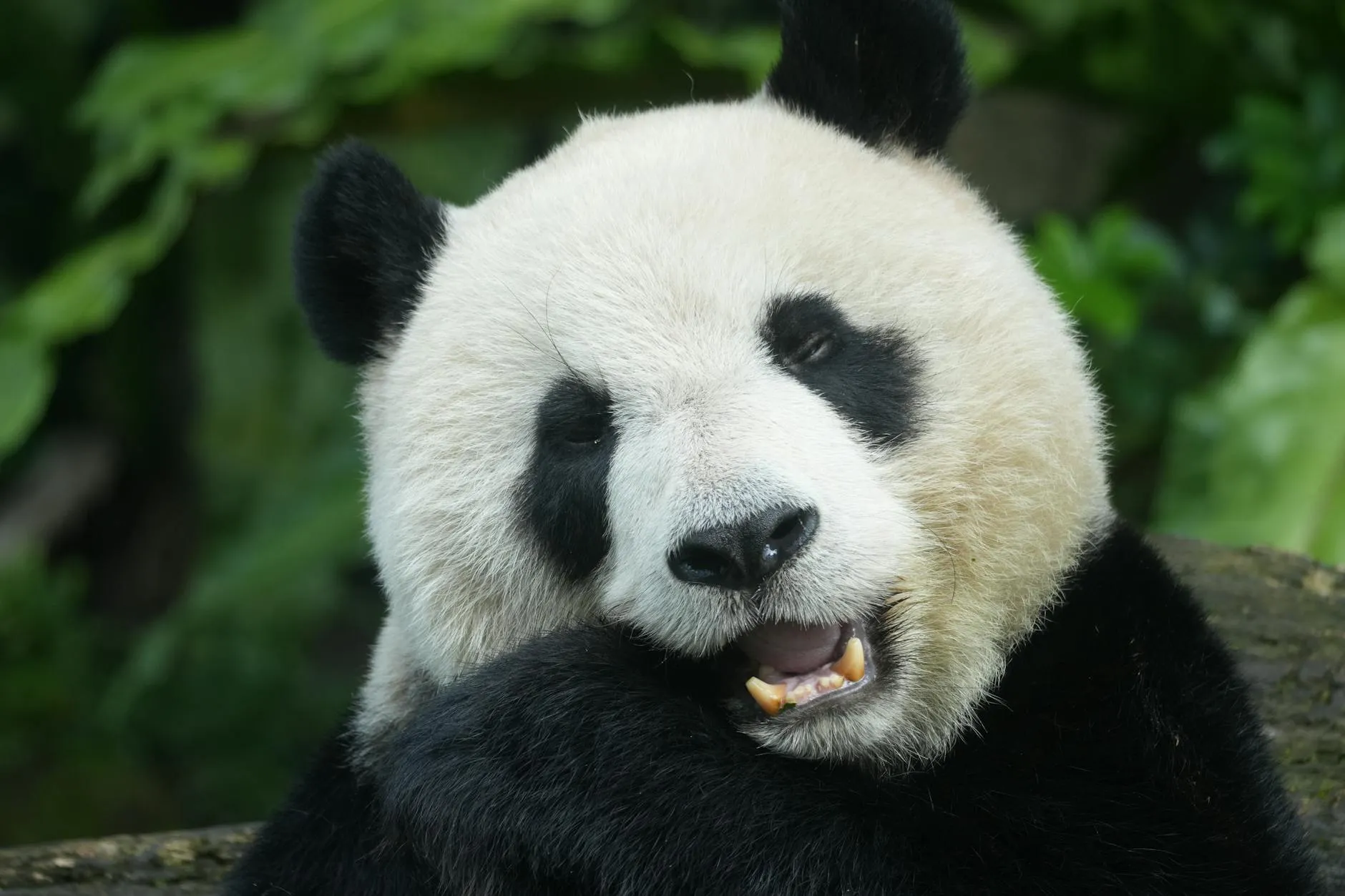
¥50-500. Pandas are Chengdu’s defining cultural export — plush toys, ceramic figurines, branded t-shirts, panda-pattern Sichuan-style umbrellas. Available at every airside gift shop. The Chengdu Research Base of Giant Panda Breeding has its own licensed merchandise line.
🌶️ Sichuan Peppercorns + Chili Oil
¥30-150. Whole Sichuan peppercorns (the numbing málà ingredient — green is the more pungent Maocai variant), Pixian doubanjiang (the Sichuan fermented broad-bean chili paste essential for mapo tofu), Lao Gan Ma (the universal Chinese chili crisp). The Sichuan-kitchen home souvenir.
🥃 Wuliangye Baijiu
¥200-3,000+ per 500ml. Wuliangye (五粮液, “Five Grains Liquor”), distilled in Yibin, southern Sichuan since the Tang dynasty, is one of the “Four Famous Liquors of China” alongside Moutai, Fenjiu and Luzhou Laojiao. The 8-year aged Wuliangye Premium is the credible gift-grade splurge. Drink with extreme caution — 52% ABV.
🍵 Sichuan Tea
¥80-500 per gift box. Mengding Ganlu (蒙顶甘露, Sichuan’s most-famous green tea, from Mengshan mountain), jasmine-scented green tea, chrysanthemum tea. Available at the airside tea-and-souvenir shops in branded boxes.
💡 6. Insider: Chengdu Panda Base, Wide & Narrow Alley, Hotpot Reality
Chengdu Research Base of Giant Panda Breeding (成都大熊猫繁育研究基地) — the world’s leading giant-panda conservation centre, founded 1987, north-east of central Chengdu — is the standout Chengdu attraction. ~80 km from TFU by road, 60-90 min drive each way; ~30 km from CTU Shuangliu and 10 km from city centre. Best to visit early morning (08:00-10:00) when pandas are active and the bamboo eating happens. Entry ¥55 adult, ¥27 child, 07:30-18:00 daily. From TFU: DiDi direct ¥250-350, ~75 min; or Metro Line 18 to Chengdu South + Metro Line 1 → Shuxili + bus 87/198, ~2 hours each way. Honest layover math: 3-4 hours each way + 90-120 min at base + airport buffer = 8-10 hours minimum. Only viable on a long layover or TWOV stopover. The 4-hour layover from TFU should not attempt this.
Kuanzhai Xiangzi (宽窄巷子, Wide & Narrow Alley) in central Chengdu is the restored Qing-dynasty alley complex — three parallel hutongs (Wide, Narrow, Well) of historic courtyard houses now converted to tea houses, restaurants, craft shops, Sichuan-opera face-changing performance venues. Free entry; individual restaurant/shop charges apply. From TFU: Metro Line 18 + Line 1 + Line 4 = ~90 min each way, plus the on-site visit. Realistic only for a 5-6 hour layover; the long TFU-to-downtown commute makes shorter layovers impractical for Wide & Narrow Alley.
The Chengdu hotpot dinner with a Sichuan opera face-changing (变脸 biàn liǎn) performance is the iconic Chengdu cultural-and-food evening — most upmarket hotpot restaurants in the city offer in-restaurant opera shows. Shu Feng Ya Yun at Wide & Narrow Alley is the heritage performance venue. Performance + dinner typically ¥250-400 per person; book ahead. Not a layover move — minimum 4 hours total commitment plus the long TFU-to-downtown commute.
Mt. Emei (峨眉山, one of China’s Four Sacred Buddhist Mountains, UNESCO World Heritage) and the adjacent Leshan Giant Buddha (the 71-metre Tang-dynasty stone Buddha carved into a cliff at the confluence of the Min, Qingyi and Dadu rivers) sit ~170 km south-west of Chengdu. From TFU: 1.5-2 hours by high-speed rail from Chengdu South to Emei station, plus the on-site visit. Total commitment: 8-10 hours minimum — only feasible with a long TWOV stopover, not a layover.
For early flights: the airport-adjacent options near TFU include Cheer Hotel and Joyhub Air Hotel (both within the immediate airport corridor, ¥400-700); the area around TFU is still developing, with limited western-chain hotel presence. For a real Chengdu stay: the Niccolo Chengdu (the upscale tower-and-mall complex), the Ritz-Carlton Chengdu, the St. Regis Chengdu, the Sofitel Chengdu Taihe, or the boutique options in the Wide & Narrow Alley area. ~60-90 min back to TFU via Metro Line 1 + Line 18; allow buffer for the commute.
🔧 Practical Notes — Connectivity, Currency, Border
Chinese yuan (CNY / ¥). ¥1 ≈ €0.13 ≈ $0.14 (May 2026). Alipay and WeChat Pay are the universal payment methods in China — set up an account in-app before travel, link an international card (Visa/Mastercard now work on both for tourists since 2024), or load via cash. Foreign Visa/Mastercard credit cards work at the airport duty-free, international hotels and Starbucks, but not at most local restaurants, street stalls, taxis, or convenience stores. ATMs at TFU dispense CNY.
Chinese networks — China Mobile, China Unicom, China Telecom. Local prepaid SIM ~¥80-150 with passport at the airport kiosk. The Great Firewall blocks Google, Gmail, WhatsApp, Instagram, Facebook, X/Twitter, YouTube, the New York Times, BBC News, and most western services — you’ll need a VPN configured BEFORE arrival (Chinese networks generally block VPN downloads). Wi-Fi at TFU and most hotels has the same restrictions.
4-hour layover: stay airside — TFU’s distance from the city (50 km, 60-90 min each way to downtown via Metro Line 18 + Line 1) makes any city-centre visit a 4-hour-minimum round-trip, leaving no time on-ground. 6-7 hour layover: Wide & Narrow Alley + a hotpot meal is realistic. 8-10 hour layover: Chengdu Panda Base is the standout move. Mt. Emei + Leshan Buddha are full-day commitments, only feasible on a TWOV stopover.