Djibouti–Ambouli International Airport (JIB) — Airport Guide 2026
In February 2026 the African Development Bank issued a financing guarantee for a replacement airport at Bicidley, 50 km from the capital — a meaningful milestone, but Ambouli remains the only working civil airport in Djibouti, sharing a single runway with Camp Lemonnier (the only permanent US military base on the African continent), French, Japanese, Italian, and Chinese military installations.
Quick Reference
JIB / HDAM
~6–7 km, about 20–25 min by road
Single small terminal; civil and limited domestic aviation sharing a field dominated by military traffic
Djiboutian franc (DJF, Fdj) — pegged at exactly 177.721 DJF/US$1; ≈ 207 DJF/€1 (September 2026)
Taxi only; no meters — agree fare in DJF before bags go in; roughly 1,500–2,500 DJF (US$8–14); cash only
No train, metro, or reliable airport shuttle
Required for most nationalities; e-visa via www.evisa.gouv.dj (~US$23 tourist, ~US$12 transit) or visa-on-arrival at JIB (~US$23)
Certificate required if arriving from or transiting an endemic country
One airside VIP lounge near Gate 1, open 24 h, pay-at-door ~10,000 DJF (~US$55–60); network acceptance unverified
Air France (Paris CDG), Turkish Airlines (Istanbul), Ethiopian Airlines (Addis Ababa), Flydubai (Dubai), Flynas (Jeddah/Medina, seasonal), Daallo, Air Djibouti; Qatar Airways suspended through 27 Mar 2027
Exercise increased caution; reconsider travel within ~10 miles of the Eritrea border
Advise against all travel to the Djibouti–Eritrea border only
Heightened vigilance; northern military zones restricted
Short layover: stay airside. Long layover + visa: central city by hotel car only. No 4×4 day trips
🏢 Terminal & Airfield Context
Ambouli runs out of one compact terminal. A single departures area, one baggage carousel, and a duty-free shop: sized for roughly five scheduled passenger departures a day, not for crowds. International and limited domestic flights share the same building. The immigration hall is small enough that the bottleneck on a busy arrival is the number of officers on duty, not the walk to reach them.
What makes the airport operationally unusual is the company it keeps. France has maintained a presence at this airfield since Djiboutian independence. The US runs Camp Lemonnier — its only permanent base on the African continent — from here. Japan, Italy, and China all maintain installations in the area. Military and support flights account for a large majority of total movements at the field. As a civilian passenger you will not interact with any of that, but it explains the security posture and the photography rules below, and it is why a country of roughly one million people carries disproportionate diplomatic weight.
⚠️ Photography ban — enforce it
Do not photograph the airfield, military aircraft, or any military installation. Djibouti hosts five foreign militaries on and around this airfield. Security here is operational, not theatrical, and the rules are taken seriously.
🔭 The Bicidley replacement — 2026 status
In February 2026, Djibouti secured a financing guarantee from the African Development Bank for the Hassan Gouled Aptidon International Airport at Bicidley, about 50 km from the capital. The design capacity is 1.5 million passengers a year. That is a financing milestone, not a construction completion — an operating date is still ahead. Ambouli is the airport for the foreseeable future. Any booking prompt that references “new Djibouti airport” in 2026 is an error.
🛂 Border & Visa
Djibouti is a visa-required country for almost every visitor. There is no regional free-movement bloc that waives entry for the general traveller — do not arrive expecting one.
📋 E-visa or visa-on-arrival
E-visa (preferred): apply through the official government portal at www.evisa.gouv.dj. Check the .gouv.dj domain — the commercial lookalikes that rank alongside it charge a service fee on top of the state fee. Upload a passport scan and photo, pay online. A short-stay tourist e-visa (up to ~90 days) runs around US$23; a transit visa runs around US$12. Processing typically takes a few business days. The portal has had periods of instability — do not leave it to the 24 hours before departure.
Visa-on-arrival at JIB: available to many nationalities, ~US$23. The fallback if the e-visa portal is misbehaving, but it puts your entry at the mercy of the immigration desk on the day. Use the online route when it works.
Your passport must be valid at least six months beyond arrival and carry at least one blank page. Carry proof of onward travel and a hotel booking — these are checked. There is no visa-free tourist entry for most Western nationals; confirm your own passport’s exact requirement against the official portal before you book.
🛂 E-visa or visa-on-arrival — US$23 either way
The fee is the same. The difference is certainty: the e-visa gives you a confirmed approval before you board. Apply at least a week out; the portal has a history of outages. Visa-on-arrival is the functional backup.
🟡 Yellow fever
A yellow-fever vaccination certificate is required if you are arriving from — or have transited — a country with risk of yellow-fever transmission. This covers most of sub-Saharan Africa and parts of South America. Anyone routing through Addis Ababa falls into this category. Get the vaccine at least ten days before travel for the certificate to be valid. Arriving directly from Europe or North America it is generally not demanded — but carry the certificate if your routing touches any relevant country.
🔒 Advisory status (verified May 2026)
- US State Department: exercise increased caution country-wide (terrorism), with a specific heightened warning to reconsider travel within ~10 miles of the Eritrea border in the Tadjoura and Obock regions. The US Embassy in Djibouti City was pausing routine consular appointments as of March 2026, though it remained operational for emergencies.
- UK FCDO: advises against all travel specifically to the Djibouti–Eritrea border. The rest of the country, including the capital and airport, carries no no-travel warning.
- France MEAE: heightened vigilance across the whole country; hard access restrictions on certain northern military-controlled zones including Oued Kalou and Mont Moussa Ali (off-limits even for tourism).
None of these closes Djibouti City or the airport. The exclusions are geographic — the border region to the north — and relevant only if you plan to drive overland.
🚕 Getting Into the City
The airport is close — 6–7 km from the centre, 20–25 minutes in normal traffic. That is the only straightforward part.
There is no train, no airport metro, and no reliable public shuttle. Taxis are the realistic option, and Djiboutian taxis have no meters and no fixed government tariff. Drivers negotiate, and the fare is whatever you agree before you get in. A run from the airport into the centre lands somewhere around 1,500–2,500 DJF — roughly US$8–14 — with more expected at night or to outlying hotels. Agree the fare in Djiboutian francs, out loud, before the bags go in the boot. Cash only; drivers do not take cards.
🚕 The taxi overcharge — how it plays
A driver approaches you inside the terminal and offers a ride at a “special” rate. That rate is two to three times what you would negotiate at the official taxi area in front of the building. Use the official area; agree the fare in DJF before you commit. For a first or late arrival, a hotel car arranged in advance removes the negotiation entirely.
Withdraw or exchange a small amount of DJF from a landside ATM before leaving the terminal, so you are not negotiating without local cash in hand.
🛋️ Lounge
One lounge: the airside VIP lounge in international departures, near Gate 1, open 24 hours, with pay-at-the-door entry around 10,000 DJF (~US$55–60 per person).
🛋️ One lounge — bring the pay-at-door fee
Priority Pass, LoungeKey, and DragonPass acceptance at this lounge could not be confirmed from a reliable current source — the networks’ own directories did not return a clear listing for JIB. Check your card’s live lounge directory for “Djibouti (JIB)” close to your travel date and have ~10,000 DJF available as a fallback. Given the size of the terminal, the lounge’s main function is a quieter seat and reliable air-conditioning rather than a lavish spread.
🍽️ Food Before You Fly
Set expectations low. The terminal’s catering is limited — this is an airport where bringing a snack for a long wait is sensible rather than paranoid, because you cannot count on a wide choice airside, particularly at off-peak hours. The lounge has the most reliable food and drink in the building. The duty-free is a single shop with the usual spirits, tobacco, and perfume; it is not a destination.
Djibouti’s actual cuisine is worth seeking out in the city if your layover allows and the logistics permit (see below for an honest read on whether they do). The national dish is skoudehkaris — rice and meat spiced with cardamom and cumin — and the Yemeni and Somali influence shows up in grilled fish and flatbreads along the coast. None of that is an airport experience. Ambouli is a place to transit, not to eat well.
🌆 Layover: The Honest Verdict
The distance says yes — 6–7 km, 20 minutes. On paper it is the easiest capital-from-airport run in the Horn of Africa. The layover verdict follows the friction and the advisories, not the kilometre count.
For a short layover, stay airside. The reasons stack: the taxi is unmetered negotiation with a live overcharge trap; the country sits under a US increased-caution advisory and a French heightened-vigilance designation; tourism infrastructure in the capital is thin; and you need a visa to leave the terminal at all — transit-only passengers staying airside do not. Add the time to clear immigration on arrival, negotiate a taxi both ways, and rebuild a comfortable security buffer for your onward flight, and a sub-five-hour layover does not leave a usable window.
💡 The layover window that works
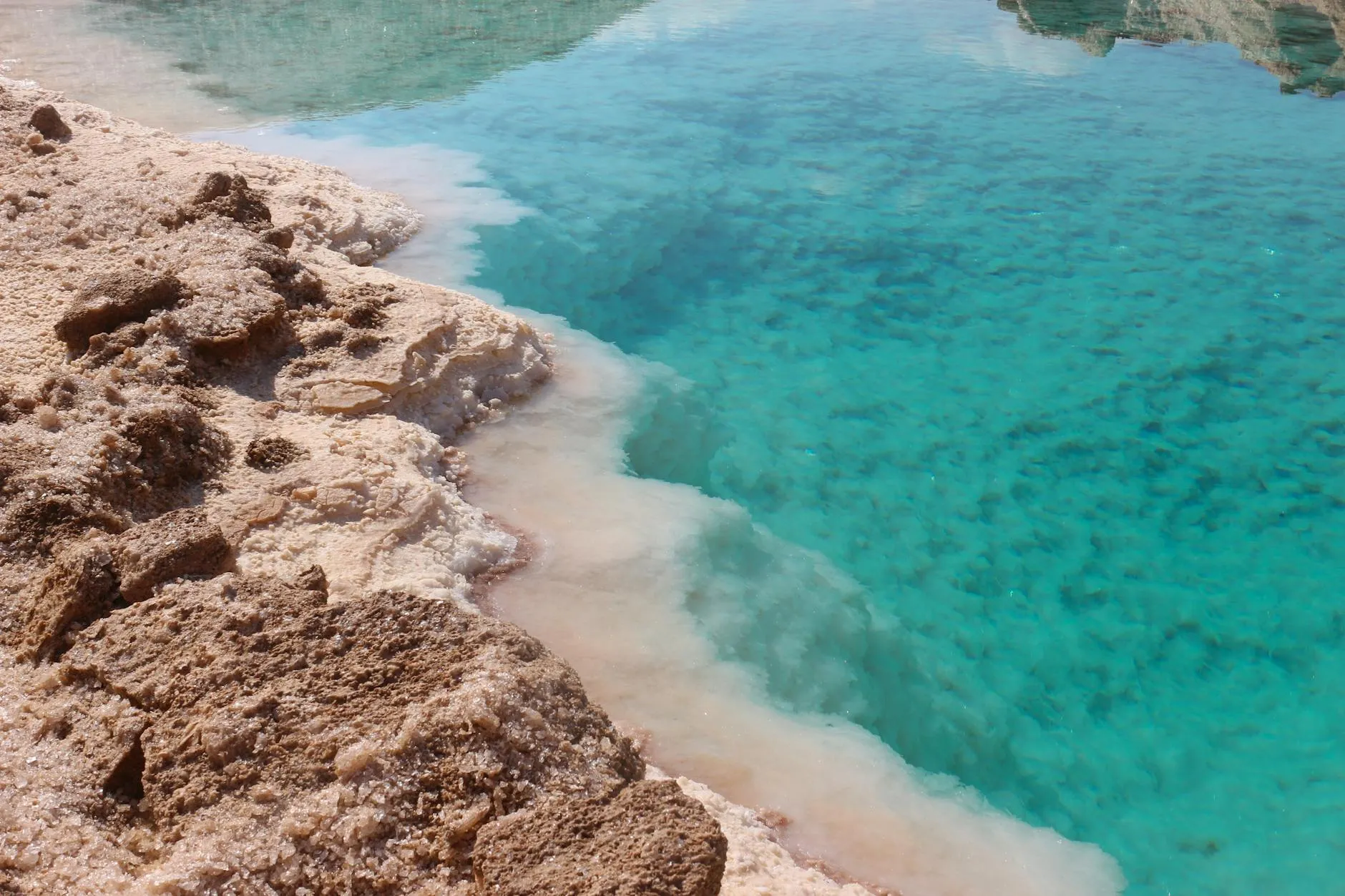
Long layover, visa in hand, car arranged through a reputable hotel in advance: that combination makes a look at central Djibouti City feasible. The draw is the faded French-colonial European Quarter around Place Menelik, the markets, and the waterfront. Keep the itinerary to the central area. The headline natural sights — Lac Assal, the lowest point in Africa, and Lake Abbe — are full-day 4×4 expeditions that require an overnight; they are not layover material. Freelancing a street taxi to these sites on a layover is inadvisable on both logistical and advisory grounds.
⚠️ Lac Assal and Lake Abbe — not layover options
Both are hours from the capital by 4×4. Neither works as a day trip from the airport. Do not attempt either, or any travel toward the Eritrea border north, on a layover. The distances and the advisories both rule it out.
💱 Currency, Payment & Connectivity
Currency. The Djiboutian franc is pegged to the US dollar at exactly 177.721 DJF/US$1 — a currency-board parity, not an approximation — which makes dollar conversion stable and easy to estimate; against the euro it runs about 207 DJF/€1 as of September 2026. USD is the most reliable mental conversion benchmark. Avoid changing large sums at the airport counter — the rate carries a markup.
Payment. Djibouti runs on cash at street level. Cards work at hotels and larger venues but not reliably for taxis or small purchases. Pull DJF from a landside ATM on arrival.
Connectivity. Wi-Fi is available in the terminal but treat it as a bonus, not a plan. A local SIM or a travel eSIM covering Djibouti is the more reliable route if you need to be reachable on arrival; mobile coverage in the capital is workable.
❓ FAQ
📊 At a glance — JIB 2026
| Item | Detail |
|---|---|
| IATA / ICAO | JIB / HDAM |
| Distance to centre | ~6–7 km, about 20–25 min |
| Terminal | Single small terminal; shared field with major military airfield |
| Airport to city | Taxi only; no meters — negotiate in DJF; ~1,500–2,500 DJF (US$8–14); cash only |
| Public transport | No train, metro, or reliable shuttle |
| Currency | DJF (Fdj); pegged at 177.721/US$1; ≈ 207/€1 (September 2026) |
| Payment | Cash-first; cards at hotels/large venues only; ATMs landside |
| Visa | Required for most; e-visa via www.evisa.gouv.dj (~US$23 tourist) or visa-on-arrival (~US$23) |
| Yellow fever | Certificate required if arriving from/transiting an endemic country |
| US advisory | Exercise increased caution; reconsider travel within ~10 mi of Eritrea border |
| UK FCDO | Advises against all travel to the Eritrea border only |
| France MEAE | Heightened vigilance; northern military zones restricted |
| Lounge | One airside VIP lounge near Gate 1, 24 h, pay-at-door ~10,000 DJF; network acceptance unverified |
| Carriers | Air France, Turkish, Ethiopian, Flydubai, Flynas, Daallo, Air Djibouti (Qatar Airways suspended through 27 Mar 2027) |
| 2026 development | AfDB financing guarantee (Feb 2026) for Bicidley replacement — not yet open |
| Layover verdict | Short layover: stay airside. Long layover + visa: central city by hotel car only. No 4×4 day trips |