Sultan Abdul Aziz Shah Airport (SZB) — Airport Guide 2026
Subang is Kuala Lumpur’s close-in airport, 24 km west of the city centre, running Firefly’s turboprops out of Skypark Terminal since KLIA swallowed the long-haul traffic in 1998. In July 2024 jets returned after a 22-year ban, and in December 2025 Batik Air added direct 737 routes to Singapore, Jakarta, Johor Bahru, and Langkawi.
Quick Reference
SZB / WMSA
~24 km west of central Kuala Lumpur, Selangor
Skypark Terminal — single scheduled-passenger building
Malaysian ringgit (MYR/RM) — ≈ RM4.0/US$1, ≈ RM4.6/€1 (May 2026)
Skypark Link KTM — suspended since February 2023, not running in 2026
Rapid KL 772 → Pasar Seni via KL Sentral, ~RM2 (Touch ‘n Go only), ~45–50 min, 26 a day
Firefly (turboprop/ATR), Batik Air (Boeing 737), Berjaya Air; Scoot, Hong Kong Express and TransNusa daily
Sky Lounge (landside, dress code) and Sky Lounge Xpress (airside, Gates 8–9) — ~05:30–21:00, 2-hour cap
Visa-free up to 90 days (many nationalities) + mandatory MDAC online
Touch ‘n Go for buses; cards and cash in terminal and city
✈️ Carriers & Terminal
Skypark Terminal is compact and low-rise — nothing like the long marble halls at KLIA. Check-in, gates, and the lounge upstairs are all on a short walk. If your only experience is Sepang, Subang reads as a regional airport, which is exactly what it is.
The carrier picture has three parts. Firefly, the Malaysia Airlines turboprop subsidiary, has long based its ATR operation here for domestic and short regional hops: Singapore’s Seletar and Penang are its two busiest, then Kota Bharu, Johor Bahru, Kuala Terengganu, Alor Setar and Langkawi. Batik Air changed the airport’s profile: jets returned to Subang in July 2024, ending a ban in place since 2002, and in December 2025 Batik Air added direct 737 routes to Singapore, Jakarta, Johor Bahru, and Langkawi alongside existing services to Penang, Kota Bharu, Kota Kinabalu, Kuching, Bangkok and Kunming. Three foreign carriers fly Subang’s other international routes every day: Scoot to Singapore, Hong Kong Express to Hong Kong and TransNusa to Jakarta. Berjaya Air is also based here, on the Redang run. There is no long-haul intercontinental flying from Subang; if your ticket ends or begins at KUL, you want KLIA at Sepang — they are far apart, and turning up at the wrong one is a real risk.
SZB is point-to-point, not a transit hub. Arrive on one ticket and depart on another, and you clear immigration, collect your bag, and re-check in from the public hall. That makes the visa section below relevant even on a same-day connection.
🛂 Border & Visa
This is Malaysia’s own entry system. There is no on-arrival visa for nationalities not on the visa-free list, and there is one pre-travel requirement that catches a steady stream of first-timers.
Visa-free entry
Citizens of a long list of countries — including the United States, United Kingdom, EU member states, Australia, Canada, and Japan — enter Malaysia visa-free for tourism. Ninety days is common, but some nationalities get 30 or 14 days. Check your own allowance against an official source before booking rather than assuming the 90-day figure applies to you.
⚠️ The MDAC — the mandatory step most first-timers miss
⚠️ MDAC — Missing This Gets You Stopped at the Border
Malaysia requires almost all foreign visitors to submit the Malaysia Digital Arrival Card online before arrival, whether or not they need a visa. It is free, takes a few minutes, and must be submitted within 72 hours before you land. Use the official Immigration Department portal. Any site adding a “processing fee” is a third-party intermediary charging for a form the government provides at no cost. Lodge it the day before you fly, not weeks ahead.
Exemptions: Singapore citizens (under the bilateral arrangement), diplomatic and official-passport holders, Malaysian permanent residents, certain long-term pass holders, and passengers transiting without clearing immigration. Anyone outside those groups needs it.
eVisa for everyone else
Nationals not covered by visa-free entry need a visa arranged in advance. Malaysia operates an eVisa system for many of those nationalities. Which route applies depends on your passport; check the Immigration Department’s current list before booking, as the categories shift.
🚌 Getting Into KL
The 24 km distance from central KL is the airport’s genuine advantage over KLIA. The catch is that the obvious transport option is not running.
🚆 Skypark Link KTM — Suspended Since February 2023
The KTM Komuter service to KL Sentral is not operating in 2026. A lot of older guides still describe it as the smart way in. Until KTMB confirms a restart, treat the rail link as unavailable and plan around something else.
🟢 Rapid KL Bus 772 — The Option That Actually Works
Route 772 runs from Skypark Terminal to the Pasar Seni hub, calling at Ara Damansara, Asia Jaya, Bangsar and KL Sentral on the way. The published schedule puts Skypark to KL Sentral at about 45–50 minutes, longer in peak traffic, for roughly RM2 (about US$0.50). Completely cashless — you tap a Touch ‘n Go card on and off; no cash accepted. There are 26 departures a day from the airport, the first at 05:49 and the last at 22:19, with midday gaps of up to 90 minutes, so check the current timetable and have a TNG card or e-wallet ready before you reach the stop. From KL Sentral, LRT, MRT, monorail and KTM fan out across the city — and staying on to Pasar Seni puts you at an LRT and MRT interchange instead.
A separate feeder, T804, runs to Kwasa Sentral MRT station for around RM1 — useful if your destination sits on the MRT network rather than near KL Sentral. Fares on both buses change; verify on the day rather than trusting a cached figure.
🚗 Grab and the taxi rank
Grab — the dominant Southeast Asian rideshare — is the practical door-to-door choice for most arrivals: app-priced, no negotiation, no unmetered-taxi problem. A metered airport taxi is the alternative; use the official counter or rank rather than anyone inside the terminal offering a flat “special price,” which is the standard overcharge. Either option runs about 30 minutes to central KL in normal traffic. Peak-hour jams stretch that; the short distance keeps the fare modest by big-airport standards.
🛋️ Lounges
🛋️ Sky Lounge and Sky Lounge Xpress — Priority Pass Accepted
Priority Pass lists two lounges at Skypark Terminal. Sky Lounge sits landside — after check-in but before security — up to the first floor near the Information Counter, and it applies a dress code. Sky Lounge Xpress is airside on the domestic side, past security and passport control, near Gates 8 and 9. Clearing security does not cost you your lounge. Both run roughly 05:30 to 21:00, tracking the terminal’s flying day, and both cap a visit at two hours — less than the layover this guide calls viable below.
LoungeKey and DragonPass holders should confirm either lounge’s current network membership at the desk before relying on access — small-airport lounges change alliances, and the safe move is to verify on the day. Pay-per-use walk-in entry is generally available; the price is better checked at the desk than trusted to a stale number.
🍜 Food Before You Fly
Skypark is a compact terminal, and the food reflects that: coffee, local rice-and-noodle plates, a few chains. It covers the basics before a short regional flight at the usual airport premium. It is not a reason to arrive early.
What KL actually eats is a different matter. Nasi lemak — coconut rice with sambal, anchovies, peanuts, and egg — is the national breakfast and turns up at everything from roadside stalls to hotel buffets. Char kway teow, flat rice noodles fried hard over flame, and Hokkien mee in the dark-soy KL version are the hawker staples. Roti canai with dal at a mamak (Indian-Muslim) stall is the all-hours fallback. Satay with peanut sauce is the standard grilled-skewer order. Jalan Alor, the street-food lane in Bukit Bintang, is where most of this concentrates — at a fraction of any airside price.
🏬 Duty-Free Reality at SZB
SZB is not a duty-free shopping airport. The retail covers the basics and nothing more. Malaysian souvenirs — pewter, batik, white coffee, dried fruit and tropical snacks — are cheaper and far better-stocked in KL’s malls and markets. Save airport shopping for forgotten essentials.
💡 Layover Reality
This is where Subang’s distance advantage over KLIA becomes concrete. The honest maths: roughly 30 minutes each way by Grab or taxi in normal traffic, plus a return buffer of at least 60–90 minutes for re-check-in and security. On a layover of around five to six hours, clear of immigration, that leaves a genuine couple of hours in the city.
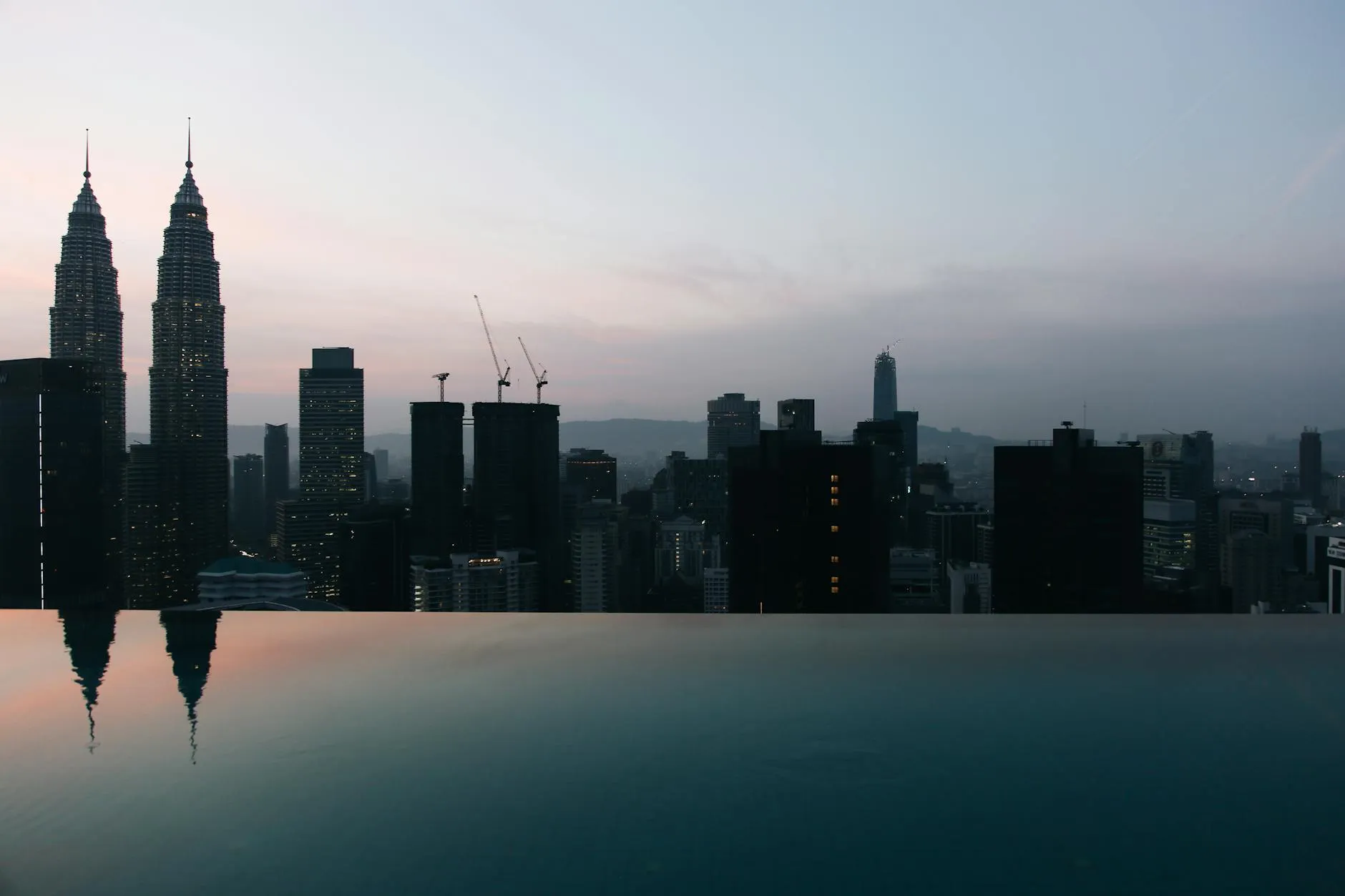
Enough for the base of the Petronas Twin Towers and the KLCC park, or a fast meal-and-walk through Bukit Bintang, then back. The towers’ observation deck sells out and requires pre-booking, so treat the park-and-skyline view as the reliable option and the deck as a maybe.
⏱️ Under Four Hours — Stay Airside
Under about four hours, there is no room to do the city and return with any margin. Half an hour each way plus re-clearance leaves nothing for the city itself. By public transport the maths is worse — Bus 772 runs infrequently, and a return on a fixed timetable eats the margin a short layover cannot spare. Under four hours, the honest answer is to wait it out at the terminal.
🔧 Practical Notes
Payment. Touch ‘n Go is the single most useful piece of preparation. The airport buses take nothing else — TNG card or e-wallet, tap on, tap off. Contactless bank cards and cash work inside the terminal and throughout the city; the buses are the cashless exception.
Currency. The ringgit trades at roughly RM4.0 to the US dollar and RM4.6 to the euro as of May 2026. Airport money-changers add a markup — change only what you immediately need at the terminal and use a city changer or ATM for the rest. With cards and TNG covering most spending, you need less cash than you might expect.
Connectivity. Malaysia does not block Western apps and sites. Grab, Google Maps, messaging, and streaming all work normally. A local prepaid SIM or travel eSIM is cheap and sold at airport and mall kiosks — worth having for data on the move rather than relying on roaming rates.
❓ Frequently Asked Questions
📊 At a Glance — SZB 2026
| Item | Detail |
|---|---|
| IATA / ICAO | SZB / WMSA |
| Distance to centre | ~24 km west of central Kuala Lumpur |
| Terminal | Skypark Terminal — single scheduled-passenger building |
| Rail | Skypark Link KTM — suspended since Feb 2023, not running in 2026 |
| Bus | Rapid KL 772 → Pasar Seni via KL Sentral, ~RM2 (TNG only), ~45–50 min, 26 a day 05:49–22:19; T804 → Kwasa Sentral MRT (~RM1) |
| Grab / Taxi | Grab app or metered rank; ~30 min to KL centre in normal traffic |
| Currency | MYR (RM); ≈ RM4.0/US$1, ≈ RM4.6/€1 (May 2026) |
| Payment | Touch ‘n Go for buses (cashless); cards and cash in terminal and city |
| Border | Visa-free up to 90 days (many nationalities) · mandatory MDAC online · eVisa/visa for others |
| Priority Pass lounges | Sky Lounge (landside, after check-in, dress code) + Sky Lounge Xpress (airside, Gates 8–9); ~05:30–21:00, 2-hour cap |
| Hub carriers | Firefly (turboprop ATR), Batik Air (Boeing 737), Berjaya Air; plus daily Scoot, Hong Kong Express and TransNusa |
| 2026 change | Batik Air added Singapore/Jakarta/Johor Bahru/Langkawi jet routes Dec 2025, part of the post-2024 jet return |
| Short-layover verdict | Stay airside under ~4 hrs; central KL viable at ~5–6 hrs+ via Grab |