Paro International Airport (PBH) — Airport Guide 2026
Drukair added a third weekly Singapore flight on 16 May 2026, making PBH marginally easier to reach from North America and Australia via Changi — though “marginally easier” still means a daylight-only, visually-flown approach into a valley ringed by peaks at 5,500 m, conducted by one of fewer than 50 pilots certified to land here.
Quick Reference
PBH / VQPR
Paro valley, ~54 km / ~1.5 hr by road from Thimphu
2,235 m (7,332 ft)
Single asphalt, 2,265 m, oriented 15/33
One (commissioned 1999, interior refreshed 2022)
Ngultrum (BTN), pegged 1:1 to INR — ~95 BTN/USD, ~103 BTN/EUR (May 2026)
Visa US$40 + SDF US$100/night; no visa-on-arrival
Locked at US$100/night through 31 August 2027
Drukair (Royal Bhutan Airlines), Bhutan Airlines (Tashi Air)
Daylight-only, visual, manually flown; fewer than 50 certified pilots
Drukair Business Lounge — business class only; no Priority Pass/LoungeKey/DragonPass
Taxi ~600 BTN to Thimphu; no bus, no rail
Drukair Singapore–Paro 2×→3× weekly from 16 May 2026
Free airport Wi-Fi; tourist SIM ~300 BTN at arrivals
🏔️ The Approach — Why So Few Pilots Land Here
The single runway runs 2,265 m on a valley floor at 2,235 m elevation, with mountain walls rising to roughly 5,500 m on either side. There is no straight-in instrument approach. Pilots fly the final segments by sight, banking through the valley and lining up with the runway late — which is why all arrivals and departures are restricted to daylight, and why afternoon operations can be cut short in windy months when the valley turns rough.
The certification requirements are not casual. A pilot training for Paro needs an Airline Transport Pilot licence, around 1,500 flight hours with several hundred of those in mountain flying, simulator work, and a supervised sequence of takeoffs and landings at PBH before operating unsupervised. Published counts of certified pilots range from about two dozen to fewer than 50 — sources disagree on the precise figure, but the scarcity is real and structural.
⚠️ Weather delays are routine — build slack into onward connections
A Paro service held two hours for visibility is operating correctly, not running late. Same-day connections don’t work here. Any onward flight at your hub should have at least a day’s buffer.
🛂 Border & Visa — The Entry System You Can’t Wing
Bhutan’s entry system has no on-arrival option and no transit shortcut. The visa (or regional permit) must be arranged before you fly, and the airline checks for clearance at check-in. Without it, you don’t board.
📋 The Visa
The application fee is US$40 per person, non-refundable. You apply through the official immigration portal (immi.gov.bt), or a licensed Bhutanese tour operator or hotel applies on your behalf. Processing typically takes up to five working days — not something to arrange the night before departure.
💰 The Sustainable Development Fee
The SDF is US$100 per person, per night for most nationalities. It was reduced from US$200 in September 2023, and the US$100 rate is locked through 31 August 2027. Children aged 6 to 11 pay half (US$50/night); children under 6 are exempt. The SDF is paid as part of the visa application — it funds healthcare, education, and conservation, and covers none of your accommodation, food, or site access.
The real-cost arithmetic: US$40 visa fee plus US$700 in SDF for a seven-night trip, before flights, lodging, or food. That’s not a complaint — it’s the number, and it determines what kind of trip makes sense here.
💡 SDF rate locked through 31 August 2027
The US$100/night guarantee runs to that date. If you’re planning for late 2027 or beyond, verify the rate before booking — the terms don’t extend past 31 August 2027.
🌏 The Regional Exception
Nationals of India, Bangladesh, and the Maldives enter on a permit rather than the standard visa, applied for online or through an operator or hotel. Indian nationals pay a reduced SDF of INR 1,200 per person, per night (roughly US$13 at May 2026 rates); Indian children aged 6–11 pay INR 600. Bangladeshi and Maldivian visitors use the permit process but pay the standard US$100/night SDF.
🚕 Getting to Thimphu — Taxis, No Rail, No Complications
Thimphu is 54 km from Paro Airport by road — a drive of roughly 1 to 1.5 hours depending on traffic and roadworks. Taxis wait outside the terminal. They are unmetered, so settle the fare before getting in. Around 600 BTN to Thimphu is the working guide figure for 2026, subject to season and demand. Unmarked cars quoting a “fixed airport rate” with authority tend to quote more; the rate is negotiable and asking costs nothing.
If you’re on an organised itinerary, your operator’s driver meets you in arrivals and the transport question resolves itself. Paro town is only a few kilometres from the airport — a short, inexpensive ride — and is a reasonable base for time spent in the valley before moving to the capital. There is no airport bus and no passenger rail anywhere in Bhutan.
⚠️ Agree the fare before opening the door
The ~600 BTN guide fare to Thimphu applies to negotiated taxis. Cars near the terminal entrance sometimes quote higher “official tourist rates.” Confirm the number before you get in.
✈️ Terminal & Carriers
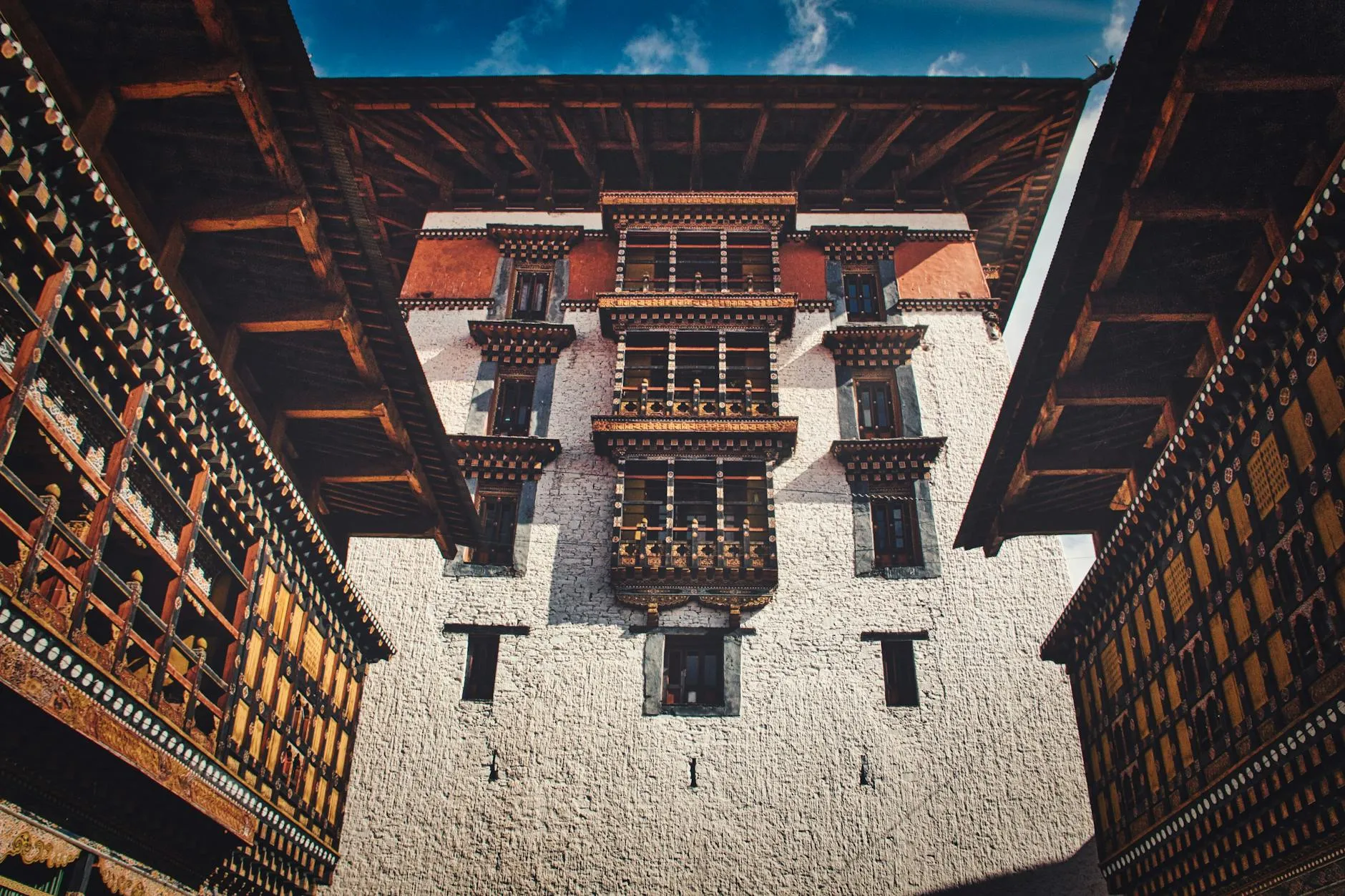
Paro operates from one terminal — the traditionally styled white-and-timber building commissioned in 1999, interior refreshed in 2022. All arrivals and departures use it.
Two carriers are based here. Drukair (Royal Bhutan Airlines) operates the bulk of the network. Bhutan Airlines (Tashi Air) is the privately owned second carrier. Between them, the route map covers South and Southeast Asia: Delhi and Kolkata together carry a large share of monthly traffic, alongside Kathmandu, Bangkok, Singapore, and other regional points. Charter operators also use the airport. Paro processed around 190,000 passengers in 2023 — the scale of a quiet regional airport rather than a hub.
The one 2026 schedule change worth noting: Drukair increased its Singapore–Paro service from two to three flights a week on 16 May 2026, adding a Tuesday departure to the existing Thursday and Sunday flights. That’s one more weekly routing option for passengers connecting through Changi from North America or Australia.
🛋️ Lounges — One Room, No Exceptions
The Drukair Business Lounge sits on the first floor, to the right after security. It runs to around 20 seats with a view over the apron, and the drinks offering covers soft drinks, tea, coffee, and a basic alcohol selection. There are no showers.
Access is Drukair business-class passengers only. Priority Pass, LoungeKey, and DragonPass are not accepted. A premium credit card with lounge access won’t change that. Economy passengers wait in the general departures area.
🛋️ Drukair Business Lounge — Business Class Ticket Only
First floor, right after security. ~20 seats, apron view, soft drinks, tea, coffee, basic alcohol. No showers. No independent lounge programme accepted — Priority Pass, LoungeKey, and DragonPass are all turned away at the door.
💡 Layover Reality — There Isn’t One
Treat Paro as a destination, not a transit node. The border system makes this structural rather than advisory.
To leave the airport you need a Bhutan visa issued before you flew, with the SDF paid for every night of your stay. Bhutan offers no transit option — there is no visa-on-arrival and no arrangement to clear immigration for a few airside hours without full entry clearance. A long scheduled gap between flights doesn’t open a sightseeing window; without a pre-issued visa you cannot pass immigration at all.
The geography reinforces this for anyone who does hold a valid visa. The round trip to Thimphu runs roughly 54 km each way — call it three hours of driving — on top of immigration clearance, taxi negotiation, and re-entry through check-in and security with a buffer for a daylight-only departure that may already be weather-delayed. That doesn’t fit inside a realistic same-day connection. Tiger’s Nest (Paro Taktsang), the monastery that brings most people to Bhutan, is a further drive from the airport plus several hours of hiking. That’s a full day out, not a layover errand.
If your itinerary lands you at PBH, you’re either entering Bhutan on a paid visa with nights booked, or you’re connecting straight through without leaving the secured area.
🔧 Connectivity, Currency & Border Practicalities
📶 Wi-Fi and SIM
Free Wi-Fi is available throughout the airport. Both national operators — Bhutan Telecom (B-Mobile) and TashiCell — have SIM counters in the arrivals hall past baggage claim. A tourist SIM costs about 300 BTN (roughly US$4); bring your passport, visa clearance letter, and an unlocked handset. 4G coverage is reliable in Paro, Thimphu, and the main tourist valleys.
💴 Currency and Cash
The ngultrum (BTN) is pegged 1:1 to the Indian rupee. At May 2026 rates: roughly 95 BTN to US$1 and 103 BTN to €1. Indian rupees circulate alongside the ngultrum with a practical catch: small-denomination notes (₹100 and below) are accepted without issue, but ₹500 and ₹2,000 notes are officially restricted and routinely refused by smaller vendors. Recent regulatory changes have loosened the rules somewhat on paper; on the ground, the old caution still applies. A foreign-exchange desk operates at the airport; bank branches are available in Paro town and Thimphu. Card acceptance is thin outside hotels and larger establishments, so carry usable cash.
⚠️ ₹500 and ₹2,000 notes are often refused
Large-denomination Indian rupee notes are restricted and regularly turned away by smaller vendors, regardless of recent regulatory adjustments. Exchange at the airport desk on arrival or carry smaller denominations.
🛂 Border — The One Fact Worth Repeating
Nothing in Bhutan’s entry system works on arrival. Visa or regional permit, and SDF payment, must be complete before you fly. The airline verifies clearance at check-in. You carry the clearance letter through immigration at PBH. There is no on-arrival option and no transit shortcut.
❓ Frequently Asked Questions
📊 At a Glance — PBH 2026
| Item | Detail |
|---|---|
| IATA / ICAO | PBH / VQPR |
| Elevation | 2,235 m (7,332 ft) |
| Runway | 2,265 m, single, oriented 15/33 |
| Terminal | One (1999, refreshed 2022) |
| Distance to Thimphu | ~54 km / 1–1.5 hr by road |
| Airport→city transport | Taxi (~600 BTN to Thimphu); no bus, no rail |
| Currency | Ngultrum (BTN), 1:1 to INR; ~95 BTN/USD, ~103 BTN/EUR (May 2026) |
| Visa | Required in advance, US$40; no visa-on-arrival |
| Sustainable Development Fee | US$100/night (non-Indian), locked through 31 Aug 2027; child 6–11 half-rate, under-6 exempt |
| Indian-national SDF | INR 1,200/night permit entry; children 6–11 INR 600 |
| Based carriers | Drukair (Royal Bhutan Airlines), Bhutan Airlines (Tashi Air) |
| Key routes | Delhi, Kolkata, Kathmandu, Bangkok, Singapore |
| Lounge | Drukair Business Lounge — business class only; no Priority Pass/LoungeKey/DragonPass |
| Approach | Daylight-only, visual, manually flown; fewer than 50 certified pilots |
| Wi-Fi / SIM | Free airport Wi-Fi; tourist SIM ~300 BTN at arrivals (B-Mobile, TashiCell) |
| 2026 schedule change | Drukair Singapore–Paro 2×→3× weekly from 16 May 2026 (Tuesday added) |
| 2023 throughput | ~190,000 passengers |
| Layover viability | None — no transit visa; cannot leave airport without pre-issued visa and paid SDF |