King Fahd International Airport (DMM) — Airport Guide 2026
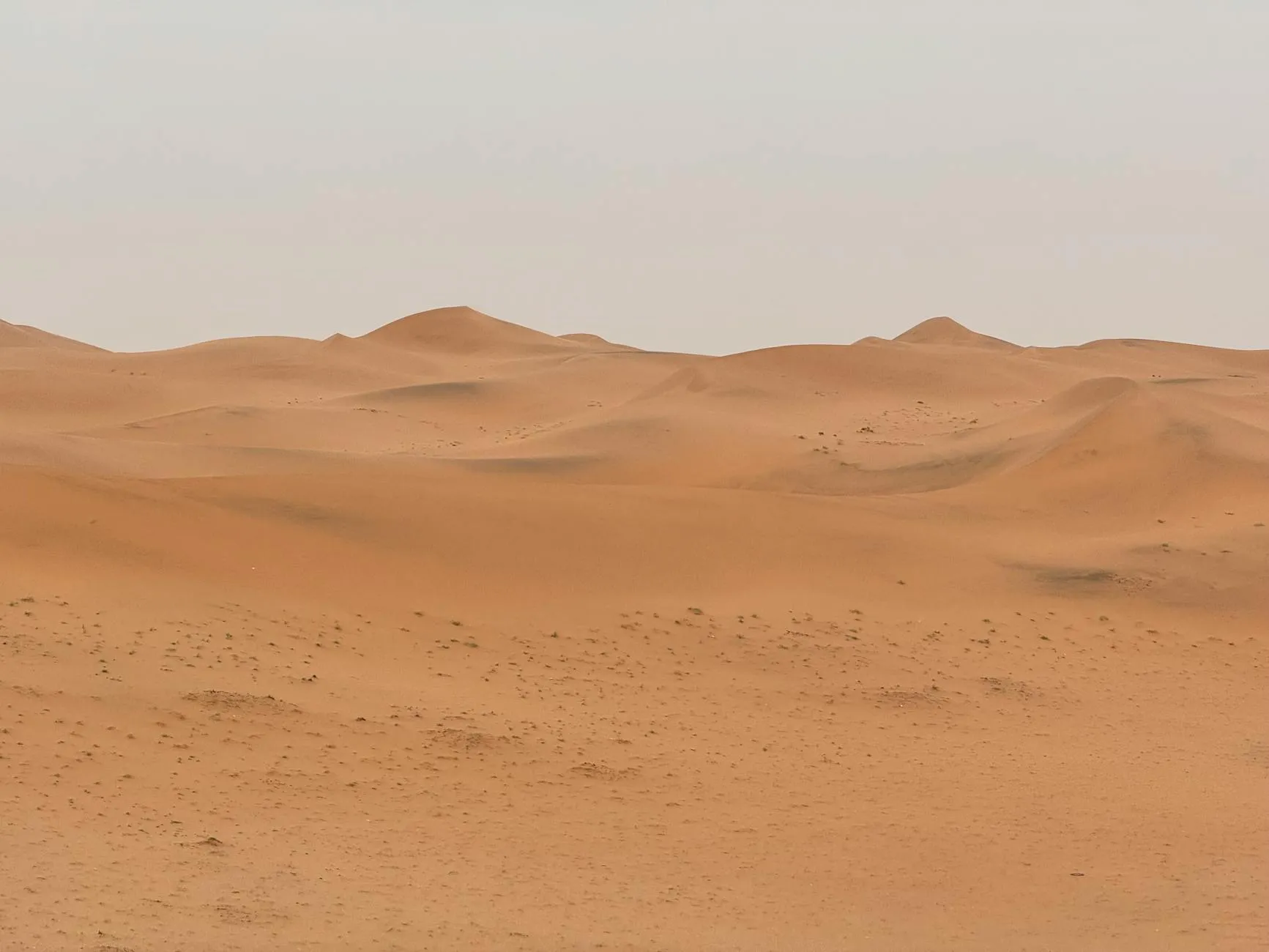
King Fahd International holds the Guinness record for the world’s largest airport by land area — 780 km² of Eastern Province desert — and its single public terminal is a calm, well-spaced building that bears almost no relation to that statistic.
Quick Reference
DMM / OEDF
King Fahd International Airport (KFIA)
Dammam, Al Khobar, Dhahran — Eastern Province
28 November 1999
780 km² — world’s largest by area (Guinness certified)
~37 km²
~327,000 m², single public building
~36 km northwest (~25 min)
~47 km (~40 min)
~10.9 million
flynas, flyadeal (both hub here)
56 destinations (15 domestic, 41 international) · 41 airlines
Saudi riyal (SAR) — pegged 3.75 = US$1 since 1986
~SAR 535 total, multiple-entry, 90 days/visit
Illegal nationwide — none airside, none importable
Plaza Premium (rebuilt Feb 2026, Priority Pass, 24h, 3-hour cap)
SAR 70–110 (~25 min)
SAR 90–150 (~40 min)
SAR 10–15 (~30 min to Dammam)
~25 km, SAR 25 toll, 1h20–1h45 to Manama
STC / Mobily / Zain — ~SAR 40–60 for 5–10 GB
Ithra, Dhahran (~37 km, 35 min)
Al-Ahsa Oasis (~150 km, full day)
🏗️ Scale, Design, and What You’ll Actually Walk Through
The 780 km² headline is true and misleading. The boundary was drawn vast on purpose — a land reservation for a city’s worth of future expansion that has never arrived. The parcel is mostly flat sand; the operational area is roughly 37 km², and the single Passenger Terminal you walk through is a calm, high-ceilinged building of about 327,000 m² that rarely feels crowded outside hajj season. The record is real; the implied chaos is not.
The master plan came from Minoru Yamasaki & Associates — the Detroit firm also behind the original World Trade Center — working with Boeing, finalised in 1977. Construction started in 1983 during the Iran–Iraq War, which partly explains why the airport didn’t open until 28 November 1999, a full fifteen years late. Eastern Province traffic until then used Dhahran International, the old joint civil-military field next to the Aramco compound. The freestanding mosque on the grounds seats around 2,000 worshippers; it is one of the largest of any airport in the world, and it tells you who this airport was built for.
Three terminals exist, but only one is relevant. The Passenger Terminal handles all scheduled commercial flights. The Aramco Terminal is for Saudi Aramco staff and contractors — it is not accessible to the public, and attempting to use it would be a serious error. The Royal Terminal is for the Saudi royal family and state guests. The Passenger Terminal runs 15 gates served by 11 fixed jet bridges, plus 30 remote stands where you’ll board via bus — don’t assume a jet bridge, particularly on an LCC departure. Two parallel 4-km runways move the traffic, nine cargo stands handle freight, and a three-storey car park holds nearly 5,000 vehicles.
This is an oil-economy workhorse and a regional LCC hub, not a leisure crossroads. flynas and flyadeal both base operations here and feed a domestic and regional network covering Riyadh, Jeddah, Medina, Abha, Tabuk, and points across the Gulf, Egypt, the Levant, Pakistan and India. Saudia runs heavily through DMM but bases its main hubs in Jeddah and Riyadh. The Gulf carriers connect it to their hubs — Emirates and flydubai to Dubai, Etihad to Abu Dhabi, Gulf Air to Bahrain and onward to London Heathrow — and Saudia runs the other direct Heathrow service. Europe is on the board too: Lufthansa and KLM both appear on the airport’s own airline directory. That directory runs to 41 carriers, and the airport’s destinations page counts 56 destinations — 15 domestic, 41 international. New 2026 routes include Airblue’s Lahore–Dammam service (launched March 2026) and SalamAir’s seasonal Salalah link (opening 22 July 2026), both targeting Pakistani and Omani working populations rather than leisure travellers.
ℹ️ The Bahrain flight is almost never the right call
The shortest scheduled international flight from DMM is the 87 km hop to Bahrain International. It exists, but once you count check-in and bag claim it almost always loses to driving the Causeway. Read the transport section before booking it.
🛂 Visa, Entry Rules, and the Alcohol Law
Entry and the e-Visa
Saudi Arabia has issued tourist visas to leisure travellers only since 2019. Citizens of around 60 eligible countries — the EU and UK, the US, Canada, Australia, New Zealand, Japan, South Korea, Singapore, Malaysia, China and others — can apply online at visa.visitsaudi.com before departure; the same visa is available on arrival at the airport, but online is faster and skips the arrival-hall queue. Approval is usually instant, occasionally up to 24 hours — apply at least 48 hours before travel.
🎫 e-Visa fee breakdown — ~SAR 535 total
SAR 300 base fee (Ministry of Foreign Affairs) + ~SAR 180 compulsory Saudi medical-insurance premium (auto-assigned to a provider such as Tawuniya or Bupa) + ~SAR 55 in VAT and payment-gateway charges. Multiple-entry, valid one year, 90 days per visit. The insurance component shifts; treat SAR 535 as current-but-verify against visa.visitsaudi.com before you buy.
US citizens hold no waiver here — the e-Visa is required like everyone else. GCC citizens (Bahrain, Kuwait, Oman, Qatar, UAE) need no visa and may stay up to 90 days. Certain holders of a valid US or UK entry permit or residence permit may also qualify regardless of nationality — check the eligibility list at visa.visitsaudi.com.
At immigration, arriving e-Visa holders go through biometric processing — fingerprints and a photo on entry. Have the visa accessible (printed or on your phone), carry proof of onward or return travel and an address for your stay. Customs is strict: declare cash above roughly SAR 60,000 equivalent (verify the current threshold). The arrivals hall has ATMs, exchange counters and SIM kiosks so you can sort cash and connectivity before leaving the building.
Alcohol
🚫 Warning: No alcohol — zero, anywhere
Saudi Arabia prohibits alcohol nationwide. There is none in duty-free, none airside, none in the city, and importing it — even a bottle in checked luggage or carried through from a transit duty-free — carries serious penalties. The same caution applies to narcotics and some prescription medications and CBD products; carry a doctor’s note for anything controlled and check Saudi Arabia’s controlled-substances list before you pack.
Dress and Conduct
Modest dress is expected in public for men and women — shoulders and knees covered. The legal requirement for women to wear the abaya was dropped in 2019, and a headscarf is not mandatory for foreign visitors, but loose modest clothing avoids friction. Public displays of affection, swearing and photographing people without consent — particularly women, and any government, military or oil-infrastructure site — can cause real problems. There are no vaccination requirements for general tourism.
💱 Money: The Riyal Peg and Practical Cash
The Saudi riyal (SAR) has been pegged to the US dollar at 3.75 since 1986 — one of the most stable currency pegs in the world. Budget in dollars and you barely notice the conversion. Against the euro it floats with the dollar; at end of May 2026 roughly SAR 100 ≈ €23 (verify). Notes run 5, 10, 50, 100, 200 and 500 riyals; the riyal divides into 100 halalas.
Cards and contactless including Apple Pay are standard across the Eastern Province — in malls, restaurants, taxis and ride-hailing apps. Keep SAR 100–200 in cash for the SAPTCO bus, smaller shops and tips. ATMs are in the arrivals hall. There is no parallel exchange market; the peg makes the official rate the only rate.
🚖 Getting Into the City
There is no metro or rail link to KFIA. The airport is about 36 km from Dammam centre, and that distance costs real money at taxi rates. The four realistic options:
Careem / Uber
Ride-hailing is the default for most arrivals. Careem (Uber’s regional subsidiary) has the deeper local driver network; Uber also operates here. App pricing is transparent, cashless and typically lands slightly under the taxi rank for the same trip: roughly SAR 60–100 to Dammam and SAR 80–130 to Al Khobar, with surge at peak hours. The designated rideshare pickup point is signposted from arrivals — follow it rather than taking up with a driver who approaches you in the hall.
📱 Careem is the default
Predictable price, no fare negotiation, trip record. The taxi rank is the backup when surge spikes the app. The SAPTCO bus is worth considering only if you’re travelling light and counting every riyal — the saving is genuine (SAR 10–15 versus SAR 70+) but you trade it for reduced frequency and tight luggage space.
Official Airport Taxi
White metered taxis wait at the rank outside arrivals, 24 hours. Government-regulated fares by distance: SAR 70–110 to central Dammam (~25 min), SAR 90–150 to Al Khobar (~40 min). Confirm the meter is running or agree the fare before you move — at night, drivers sometimes push flat rates. Legitimate; just slower to negotiate than an app.
SAPTCO Bus
The Saudi Public Transport Company runs scheduled coaches from the airport to Dammam centre for roughly SAR 10–15 — a tenth of a taxi, and the cheapest option by some distance. Approximately 30 minutes to central Dammam, with services also reaching Khobar. The trade-offs: luggage space and service frequency. Confirm the current schedule and departure point at the airport information desk before relying on it.
Pre-Booked Private Transfer
Hotels and booking platforms sell fixed-price airport pickups in roughly the same fare band as a metered taxi, sometimes slightly above it, but with a named driver waiting at arrivals. Worth the premium for a late-night landing or if you’re visiting for the first time and don’t want to negotiate anything. An app ride does the same job cheaper in daylight.
Layover Math
⏱️ When leaving the airport is not worth it
Dammam centre is about 25 minutes each way on the airport’s own figure — call it an hour in transit — plus a 90-minute security-and-boarding buffer at an unfamiliar international airport. Any sight in Dammam requires at least a 5–6 hour layover. Al Khobar, Ithra or anything across the Causeway needs a full day and a re-entry visa. On a tight connection, stay airside.
🌉 The Causeway to Bahrain
This deserves its own section because it genuinely changes your routing options. The King Fahd Causeway is a 25 km bridge-and-island complex linking the Saudi mainland to Bahrain — drive time from Dammam to Manama is 1h20–1h45, with a SAR 25 toll and immigration on a man-made island midway. You clear both Saudi and Bahraini border posts; you need valid entry permissions for Bahrain and a re-entry-valid Saudi visa if you’re coming back.
⚠️ Warning: Causeway timing can destroy your schedule
Sunday through Wednesday mid-morning (roughly 09:00–15:00), the crossing takes 15–30 minutes. Thursday evenings, Friday mornings and the edges of Saudi public holidays — the main weekend crossings — stretch to 2–4 hours as traffic floods both ways. The JESR app gives live causeway traffic and lets you prepay the toll with discount packages of up to 40% off. Check it before you drive.
For most people with Bahrain as their destination, this drive beats the 87 km flight once airport time is counted. Cross-border taxis run airport-to-Manama directly; if Bahrain is your real goal, price those out before booking the flight.
🛋️ Lounges
DMM has a serviceable independent-lounge layer and one airline lounge. The airport’s own facilities page lists the Alfursan Golden Lounge, Saudia’s branded product: airside past passport control, right at the Al Musba shop and then on your left, opposite Gate 117, with a maximum three-hour stay and under-twos admitted free. Confirm eligibility at the gate before you count on it — the airport’s own page contradicts itself, labelling the lounge for the international boarding-gates area in one place and domestic flights only in another. There is no Emirates or Qatar premium product here, so elite status with another Gulf or European carrier gets you a contract lounge rather than a branded one. For most travellers that is fine; the Plaza Premium post-refit is genuinely good.
Plaza Premium Lounge (International Departures)
This is the headline, and the one real 2026 upgrade. The lounge was stripped to the shell and rebuilt, reopening in February 2026 — its biggest overhaul since first opening in 2018. The redesigned space runs roughly 1,067 m² with 262 seats across work, rest and dining zones, a Saudi-heritage-meets-modern fit-out, a buffet of international and Middle Eastern dishes, an à-la-carte restaurant (Primo Dining), a Lounge-to-Go counter, shower rooms, male and female prayer rooms, a baby-care station and a smoking room. Open 24 hours, airside on the departure level — but the airport publishes a maximum three-hour stay, so plan a long layover around that cap rather than around the opening hours. Accepts Priority Pass and LoungeKey, eligible airline passengers, and pay-in walk-in guests — confirm the current walk-in rate at the door, as Plaza Premium doesn’t publish a fixed DMM price.
🛋️ Plaza Premium — the lounge to plan around, inside a three-hour cap
Post-rebuild (Feb 2026), it runs 1,067 m², 262 seats and 24-hour opening with a three-hour maximum stay, and takes Priority Pass and LoungeKey. Primo Dining is the à-la-carte option inside; Lounge-to-Go for grab-and-go. Check your card’s app for live eligibility before counting on entry.
Other Lounges
The Wellcome Lounge DMM runs 24 hours and is part of the Priority Pass network. Cozaya Lounge also operates 24 hours. naSmiles Lounge keeps daytime hours, roughly 07:00–18:00. Priority Pass lists all four — Plaza Premium, Wellcome, Cozaya and naSmiles — on its own DMM page, so a Priority Pass card should admit you to any of them; check your specific card’s app for live eligibility.
Transit Hotel
There is a transit hotel within the Passenger Terminal for long layovers and overnight connections, which avoids clearing immigration and finding a city hotel for a short stop. Book ahead through the airport’s site if you’re connecting on a red-eye; availability shifts. For anything longer than an overnight, Al Khobar and Dammam hotels are 30–50 minutes out and significantly better value, but only worth it if your layover clears the 5–6 hour threshold once the return security buffer is counted.
🍽️ Food, Coffee, and Duty-Free
Airport food at DMM is the usual mix — regional fast-food chains, a few sit-down spots, coffee counters — at the usual airport premium: two to three times what the same costs in an Al Khobar mall. Eat in town if you have the time; accept the airside markup if you don’t.
What to Actually Eat
Kabsa is the national dish — spiced rice with chicken, lamb or fish, cooked with dried lime (loomi), cardamom and saffron. A generous kabsa platter at a Khobar restaurant runs SAR 25–45; airside expect SAR 60+ for a smaller portion. The Gulf-coast speciality here is fish — hammour (grouper), shrimp and crab landed at the Qatif market, served grilled or in sayadiyah (fish with spiced rice). The Eastern Province sits on the Gulf and carries a strong subcontinental and Levantine overlay from the expat workforce; look for machboos (close to kabsa, often with dried lime), harees (slow-cooked wheat and meat), and shawarma and falafel everywhere as cheap, reliable street food. A full restaurant meal for two in Khobar runs roughly SAR 80–150; a shawarma wrap is SAR 10–15.
Gahwa — Saudi cardamom coffee, pale and unsweetened — is the standard welcome, poured from a long-spouted dallah into small handle-less cups in repeated small pours. Refuse politely by gently wobbling the cup. It comes with dates as a matter of course. Third-wave specialty coffee has genuine traction in Al Khobar and Dhahran; at the airport you’ll get standard chain coffee at chain-airport prices.
☕ Gahwa with dates — take it
Saudi cardamom coffee is served unsweetened, pale gold, in small cups, with dates on the side. It is the one authentically local food experience available at every price point from the airport to a roadside rest stop. Refuse with a gentle cup-wobble when you’ve had enough.
Duty-Free Reality
No alcohol, full stop. The duty-free runs perfume, electronics, watches, confectionery, and Saudi dates and sweets. Dates are the smart buy: a box of sukkari or ajwa — the Eastern Province varieties — is genuinely local and genuinely good, though the airport shop charges a premium over an Al-Ahsa souk. Al-Ahsa’s 2.5 million date palms make this the world’s largest oasis and the source of much of what lands in that box. Saudi coffee, oud and bakhoor (incense) are the other authentic options. Prices are in riyals; cards accepted everywhere airside.
🗓️ Friday midday — plan meals around it
The Saudi working week runs Sunday–Thursday; Friday is the main prayer day. Five daily prayers briefly close many shops and restaurants for 20–30 minutes. Friday’s Jumu’ah midday prayer is the longest pause. The airport’s airside operation is unaffected, but a standalone city restaurant may shut mid-transaction. Malls and the airport keep core services running.
💡 Day-Trips from the Eastern Province
None of these is viable on a tight layover — but if you have a day to spend, the Eastern Province has more to offer than the oil-company brochure suggests.
King Abdulaziz Center for World Culture (Ithra), Dhahran — ~37 km / 35 min
The standout. Ithra is an Aramco-funded cultural complex designed by Norwegian firm Snøhetta, sited next to the Prosperity Well where Saudi oil was first struck in commercial quantity in 1938. The complex holds a museum, a 315,000-volume library (free to enter), a cinema, a 900-seat auditorium and rotating exhibitions. General library access is free; specific exhibitions may charge, and a free-admission day is typically offered monthly — check ithra.com before planning around it, as the policy turns over. The building itself — stacked steel-clad volumes that look like nothing else in the Gulf — is worth the trip even if you don’t go in. Allow half a day; it closes at least one day a week, so verify opening hours first.
Al Khobar Corniche — ~47 km / 40 min
A 16 km seafront promenade on Prince Turki bin Abdulaziz Street, anchored by the Khobar Water Tower on its own man-made island and lit at night. It’s the city’s evening social space — walking, family parks, cafés and the restaurant strips off Prince Turki Street. Free; pair it with dinner. From here you can see the Causeway lights running out toward Bahrain.
Tarout Island via Qatif — Qatif ~17 km / 20–30 min from Dammam
Qatif sits north of Dammam; Tarout Island connects to it by a short causeway. Tarout is among the oldest continuously inhabited places on the planet — Tarout Castle (locally associated with the Portuguese and, in older tradition, with Mesopotamian worship of Ishtar) and a working old town. The Qatif fish market is the best in the province; go early when the dhows land hammour, shrimp and crab. A morning’s trip.
Al-Ahsa Oasis (Hofuf) — ~150 km / 1h30–2h southwest
A UNESCO World Heritage Site since 2018, and with around 2.5 million date palms, the largest oasis in the world. The inscribed property covers a dozen components: irrigated gardens and spring-fed channels, the historic Qaysariyah souk in Al-Hofuf, the ninth-century Jawatha Mosque (one of the oldest in eastern Arabia), the Qara Mountain caves that stay cool through summer, and Al-Asfar Lake — a drainage lake that draws migratory birds. This is a full day from the airport, not a layover option. If you have one free day in the Eastern Province, this is the most distinctive use of it — a working agricultural landscape, not a museum piece.
Half Moon Bay — ~52 km south of Al Khobar
A crescent beach with shallow, warm Gulf water and the usual jet-ski and quad-bike circuit. A beach day for people based in Khobar, not a transit-traveller’s stop — and best avoided entirely at peak summer midday when the heat is serious.
🌡️ Warning: Summer heat is not symbolic
June through September routinely reaches 45°C with heavy coastal humidity, and shamal (desert wind) dust storms can cut visibility and occasionally disrupt flights in spring. Hydrate, cover up, and do not plan midday outdoor sightseeing June through August. Summer at Al-Ahsa or Half Moon Bay will punish you.
📶 Connectivity and Practical Notes
SIM Cards
Three licensed operators — STC (Sawa), Mobily and Zain — sell tourist SIMs at airport kiosks. Zain’s visitor weekly runs about SAR 40 for 5 GB + 100 minutes; Mobily’s Visitors 50 is SAR 57.50 for 15 GB over 14 days; STC sells larger bundles up to roughly SAR 150. Registration requires your passport and the border number assigned at immigration; counters usually take a fingerprint. An eSIM (Airalo and others) activates via QR code before you land — convenient, often slightly pricier per GB. Terminal wi-fi is free.
Safety and Scams
The Eastern Province is low-crime; violent crime against tourists is rare. The main risks are mundane: overcharging by an unmetered taxi (use the app or confirm the fare at the rank) and airport-hall touts who approach arriving passengers (ignore them, walk to the official rank or rideshare point). Treat Aramco facilities and any government or military site with the photography rules they actually carry — these are not decorative warnings.
Water and Health
Tap water is desalinated and technically potable, but bottled water is cheap and universal. Pharmacies are well-stocked and widely open; bring prescription medication with a doctor’s letter and check Saudi Arabia’s controlled-substances list before you travel.
❓ Frequently Asked Questions
📊 At a glance — DMM 2026
| Item | Detail |
|---|---|
| Airport | King Fahd International (KFIA) |
| IATA / ICAO | DMM / OEDF |
| Opened | 28 November 1999 |
| Master plan | Yamasaki & Associates + Boeing (1977) |
| Land area | 780 km² — world’s largest by area |
| Operational area | ~37 km² |
| Passenger Terminal | ~327,000 m², single public building |
| Gates / jet bridges / remote stands | 15 / 11 / 30 |
| Runways | 2 × 4 km, parallel |
| 2023 passengers | ~10.9 million |
| Home carriers | flynas, flyadeal |
| Airlines / destinations | 56 destinations (15 domestic, 41 international) · 41 airlines |
| New 2026 routes | Airblue Lahore (March), SalamAir Salalah (22 July) |
| Currency | Saudi riyal (SAR), 3.75 = US$1 (pegged 1986) |
| Tourist e-Visa | ~SAR 535 total; multiple-entry; 90 days/visit |
| e-Visa breakdown | SAR 300 base + ~SAR 180 insurance + ~SAR 55 VAT/fees |
| Alcohol | Illegal nationwide |
| Taxi to Dammam | SAR 70–110 (~25 min) |
| Taxi to Al Khobar | SAR 90–150 (~40 min) |
| Careem/Uber to Dammam | SAR 60–100 |
| Careem/Uber to Al Khobar | SAR 80–130 |
| SAPTCO bus | SAR 10–15 (~30 min to Dammam) |
| Causeway to Bahrain | ~25 km, SAR 25 toll, 1h20–1h45 |
| Causeway peak delay | 2–4 hours Thu evening / Fri morning |
| Lead lounge | Plaza Premium (rebuilt Feb 2026, 1,067 m², Priority Pass, 24h, 3-hour cap) |
| Other lounges | Wellcome (24h, PP), Cozaya (24h, PP), naSmiles (07:00–18:00, PP); Alfursan Golden Lounge (Saudia, 3-hour cap) |
| Transit hotel | Yes, inside Passenger Terminal |
| Tourist SIM | STC / Mobily / Zain, ~SAR 40–60 for 5–10 GB |
| Top half-day trip | Ithra, Dhahran (~37 km, 35 min) — free library |
| UNESCO day-trip | Al-Ahsa Oasis (~150 km, full day) |
| Summer heat | June–September: 45°C+, coastal humidity, shamal winds |
| Saudi weekend | Friday–Saturday; working week Sunday–Thursday |