Florence Amerigo Vespucci Airport (FLR) — Airport Guide 2026
Florence’s airport sits at Peretola, 5 km northwest of the centre, with a runway of roughly 1,750 metres boxed in by the A11 motorway and the surrounding hills — a physical constraint that explains the route map, the airline roster, and the €400-million construction project currently visible from the landside road.
Quick Reference
Aeroporto di Firenze-Peretola “Amerigo Vespucci”
FLR / LIRQ
~5 km northwest of Florence
T2, Peretola Aeroporto → Piazza dell’Unità (SMN), ~20 min, ~€1.70, every 4–5 min
Fixed ~€22–24 daytime, ~15 min
Euro (€)
Member; EES live since 10 Apr 2026; ETIAS pending
VIP Club Lounge / Sala Masaccio — Priority Pass accepted
Vueling, ITA Airways, Air France, KLM, Air Dolomiti/Lufthansa, Austrian
Pisa (PSA), ~1 hr west
~3.5 million
New 50,000 m² terminal (rooftop vineyard) + 2,200 m runway, €400 M+
✈️ The Short Runway That Shapes Everything
FLR runs a single passenger terminal — compact, consistently over its comfortable capacity, and currently surrounded by the visible infrastructure of its own replacement. The runway problem is structural: at roughly 1,750 metres, constrained by terrain and the motorway, it cannot take the largest jets and creates a demanding approach. The route map reflects this directly. Vueling leads on seats with services to Barcelona, Madrid, Paris, London and Catania. ITA Airways runs the Rome link. Air France, KLM, Air Dolomiti/Lufthansa and Austrian connect the European hubs. What the airport does not have is Ryanair, Wizz or the ultra-low-cost carriers — those go to Pisa.
The fix is under construction. A new 50,000-square-metre terminal, a re-laid 2,200-metre runway parallel to the A11, and a total budget of €400 million-plus are intended to lift capacity toward 6 million passengers. The terminal’s most-discussed feature is a working vineyard planted across its roof — an actual design specification. Construction is phased; treat any single opening date as provisional. The airport you arrive at in 2026 is mid-transformation, with cranes visible landside and signage that has not always kept pace with the building works.
⚠️ Diversion risk in winter weather
The short runway and hilly approach make Florence one of Italy’s more diversion-prone airports in strong wind or low cloud. Arrivals may be sent to Pisa or Bologna, with passengers bussed back. If you have a tight onward connection and the forecast is poor, build slack into the plan.
The airport passed 3.5 million passengers in 2025 and runs busy for its current footprint. A crowded departure hall at the morning peak is not an anomaly — it is the expected condition until the new terminal opens.
🛂 Border & Visa
Italy is in the Schengen Area. Flights arriving from other Schengen countries clear with no passport control.
For non-EU arrivals, the Entry/Exit System (EES) became fully operational at the Schengen external border on 10 April 2026, after a phased rollout from October 2025. It replaces the manual passport stamp with a biometric record — face and fingerprints — tracking the 90-in-180-day short-stay limit. The first entry of a new 180-day cycle takes longer while the record is created; subsequent crossings are faster.
The European Travel Information and Authorisation System (ETIAS) is separate from EES and not yet in force. It has no announced launch date. Once operational, visa-exempt non-EU travellers (US, UK, Canada, Australia and similar) will need to apply online for a paid authorisation before travel. Until then, a valid passport is all that is required to land at Florence.
| Nationality | Passport | Visa for short stay? | EES applies? | ETIAS once live? |
|---|---|---|---|---|
| EU / EEA / Swiss | No | No | No | No |
| UK | No | No (≤90/180 days) | Yes | Yes |
| USA / Canada / Australia / NZ | No | No (≤90/180 days) | Yes | Yes |
| Japan / South Korea / Singapore | No | No (≤90/180 days) | Yes | Yes |
| India / China / South Africa | Yes | Schengen visa required | Yes (recorded at entry) | N/A while visa required |
🛂 EES — Slow First Entry
If this is your first Schengen crossing in a new 180-day cycle, allow extra time at the border. Creating the biometric record takes a few minutes, and Florence’s border facility is not large.
🚊 Getting Into the City
The T2 Tram
The T2 tram is the reason Florence is one of the easiest Italian airports to leave on arrival. The stop, Peretola Aeroporto, is a two-minute walk from the terminal. The journey to Piazza dell’Unità Italiana, beside Santa Maria Novella station, takes roughly 20 minutes for €1.70. That fare covers 90 minutes on trams and city buses. Buy tickets from the machine at the stop and validate on board. Trams run approximately every 4–5 minutes through the day, and the service runs roughly 05:00 to 00:30. From Piazza dell’Unità it is a flat ten-minute walk to the Duomo.
🚊 T2 Tram — €1.70, 20 min
Validate the ticket on the tram — inspectors do check, and an unstamped ticket is treated as no ticket regardless of whether you paid. The machines at the stop accept cards.
Taxis
Taxis wait outside arrivals and run a fixed fare to the historic centre — around €22–24 daytime, with higher rates at night and on Sundays and public holidays, plus set supplements. Journey time is about 15 minutes. The fixed fare is posted; use the official white rank and confirm the metered-fixed rate before you set off.
The Pisa Alternative
If your fare into Tuscany is on Ryanair, Wizz or another ultra-low-cost carrier, you are almost certainly flying into Pisa (PSA), about an hour west, which connects to Florence by the PisaMover people-mover and frequent trains. FLR and PSA serve the same region with different airline rosters.
🔄 Pisa or Florence?
Ultra-low-cost carrier → Pisa (PSA). Vueling and the legacy European carriers → Florence (FLR). The airline determines the airport; you do not choose between the two by preference.
🛋️ Lounges
Florence has one airside lounge: the VIP Club Lounge (also called the Sala Masaccio), operated by Aeroporti VIP Club Toscana. It is past security and accepts Priority Pass, appearing on the major lounge networks including Mastercard’s. Walk-in paid access is available at the door; check the current rate on arrival rather than assuming a fixed figure.
The lounge is modest in scale — a guaranteed seat, Italian coffee, soft drinks and a light buffet rather than a dining room. In a single-terminal airport that runs consistently busy, the value is a seat away from a crowded gate more than the catering.
🛋️ VIP Club Lounge / Sala Masaccio
Airside, past security. Priority Pass accepted. Walk-in access available — verify the current rate at the door. One of the few reliable escapes from the departure-hall crush at peak times.
🍽️ Food Before You Fly
The airside food at FLR is limited. If you have time before heading to the gate, eating in the city is the better option.
Bistecca alla fiorentina is Florence’s famous T-bone — thick, grilled rare, sold by weight. It is a sit-down affair, not a gate snack, and it is the wrong choice if you are watching time.
Lampredotto is the practical street option: a slow-cooked tripe sandwich sold from carts around the city centre. Genuinely Florentine working food, and nothing you will find airside.
Schiacciata — the olive-oil flatbread — travels well and is widely available. For a sit-down before departure, both ribollita (bread, beans and black cabbage) and pappa al pomodoro are worth the stop if timing allows.
For the flight itself: cantucci almond biscuits with a small bottle of Vin Santo to dip them in, or a bottle of Chianti from the surrounding hills. Both are available at food shops in the centre and are less expensive there than at airport retail.
💡 Layover: What’s Actually Feasible
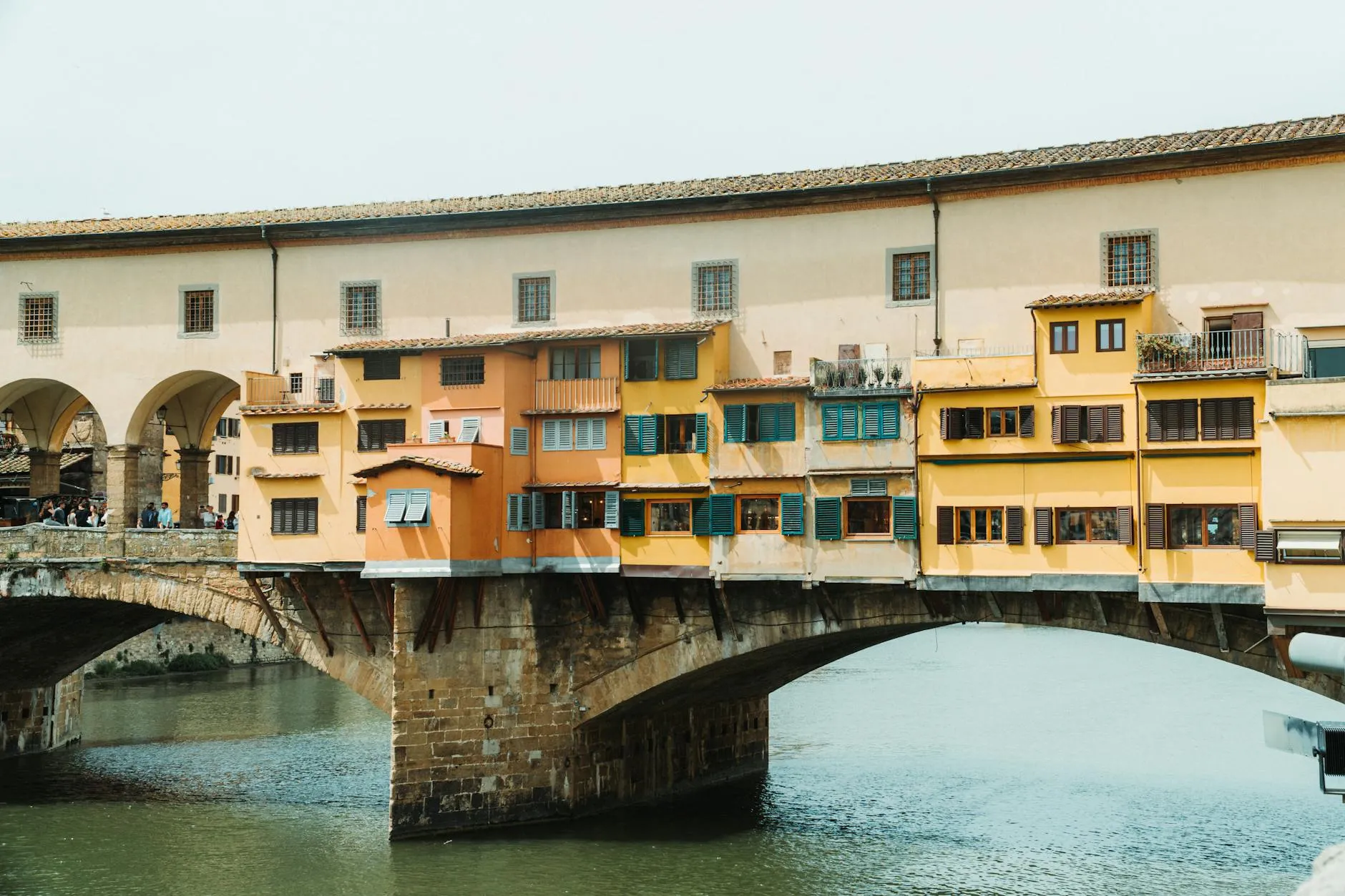
The tram makes the layover question worth taking seriously. Twenty minutes from the terminal puts you at Santa Maria Novella, a flat walk from the Duomo, the Baptistery, Piazza della Signoria and the Ponte Vecchio. The entire monumental core is compact and on foot; covering its exterior set pieces costs nothing and requires no booking.
What a layover does not provide is the Uffizi or the Accademia. Both run timed-entry systems that, in season, consume an hour or more even with a pre-booking. Without one you will not get in. A layover is a walk through the city’s public spaces, not a gallery visit.
💡 Layover Math
Tram each way: ~20 min. Return security buffer: 75–90 min. A four-hour layover gives roughly two hours on foot around the Duomo and Signoria — enough to see the set pieces, eat a lampredotto, and get back comfortably. Three hours is tight but possible in good weather. Under three hours: stay airside.
⚠️ Museums Are Not Layover-Viable
The Uffizi and Accademia require timed-entry tickets booked in advance. In season, walk-up queues are effectively open-ended. Do not plan a museum visit on a layover.
🔧 Practical Notes
- Validate the tram ticket. The €1.70 T2 ticket must be stamped on the tram when you start your journey. An unvalidated ticket draws a fine if inspectors check.
- Cash and exchange. Draw euros from a bank ATM (Bancomat) rather than an airport bureau de change. Cards are accepted at the tram machines and almost everywhere in the city.
- Reduced-mobility assistance. Free under EU rules, but requires booking through your airline at least 48 hours before departure. The meeting point is signed in the terminal.
- Construction and signage. The new terminal and runway are being built alongside the current operation, which stays open throughout. Allow a few extra minutes landside to locate the tram stop and check-in desks.
❓ Frequently Asked Questions
📊 At a Glance — FLR 2026
| Feature | Detail |
|---|---|
| Official name | Aeroporto di Firenze-Peretola “Amerigo Vespucci” |
| IATA / ICAO | FLR / LIRQ |
| Location | ~5 km northwest of Florence |
| Passengers (2025) | ~3.5 million |
| Terminals | 1 (new terminal under construction) |
| Tram to centre | T2, Peretola Aeroporto → Piazza dell’Unità (SMN), ~20 min, ~€1.70, every 4–5 min |
| Taxi to centre | Fixed ~€22–24 daytime, ~15 min |
| Currency | Euro (€) |
| Schengen status | Member; EES live (10 Apr 2026), ETIAS pending |
| Lounges | VIP Club Lounge / Sala Masaccio (Priority Pass) |
| Dominant carriers | Vueling, ITA Airways, Air France, KLM, Air Dolomiti/Lufthansa, Austrian |
| Low-cost airport for region | Pisa (PSA), ~1 hr west |
| Major 2026 project | New terminal (rooftop vineyard) + 2,200 m runway, €400 M+ |
| Best layover move | T2 to SMN + Duomo/Signoria walk (4 hr+ layover; museums not feasible) |