Athens — The Complete City Guide 2026
Ancient ruins, rooftop bars with Acropolis views, buzzing street art neighbourhoods, and the best souvlaki in the world — your complete guide to Greece’s ancient capital.
€60–100/day budget
Best: Apr–Jun, Sep–Nov
Table of Contents
- Editor’s Note: Tourist Athens vs Real Athens
- Top 12 Attractions
- The Acropolis — Complete Guide
- Ancient Agora & Roman Forum
- Acropolis Museum
- Athens’ Neighbourhoods
- Where to Stay
- Greek Food — The Essential Guide
- Souvlaki — A Deep Dive
- Tavernas & Traditional Restaurants
- Mezedes & Small Plates
- Seafood & Fish Tavernas
- Markets & Food Halls
- Michelin & Fine Dining
- Greek Coffee Culture
- Greek Wine
- Ouzo, Tsipouro & Raki
- Rooftop Bars with Acropolis Views
- Athens Nightlife
- Museums Beyond the Acropolis
- Street Art & Alternative Athens
- Athens Beaches
- Day Trips from Athens
- Island Hopping from Athens
- Hidden Athens — Off the Tourist Trail
- Athens with Kids
- Romantic Athens
- Walking Tours & Itineraries
- Shopping in Athens
- Greek Music & Rebetiko
- Architecture Beyond Ancient
- Athens in 2026 — Events & Updates
- Thermal Baths & Wellness
- Literary & Film Athens
- LGBTQ+ Athens
- Sustainable Athens
- Getting Around
- Athens Airport Guide
- Budget Breakdown
- Greek Phrases
- Practical Information
- FAQ
Editor’s Note: Tourist Athens vs Real Athens
Tourist Athens is the Acropolis at noon in August, a rushed souvlaki near Monastiraki, and the mistaken belief that you’ve “done” Greece after 48 hours. Real Athens is realizing that Greeks don’t eat dinner until 10pm, that the best tavernas have no English menu, and that this chaotic, graffiti-covered, financially-battered city is somehow one of the most alive places in Europe.
Athens confounds expectations. It’s not the pristine classical city of imagination — centuries of Ottoman rule, 20th-century wars, a military junta, and the 2010s economic crisis have left their marks. The Acropolis rises above a sprawl of concrete apartment blocks, anarchist graffiti covers neoclassical facades, and the metro stations double as archaeological museums (construction kept unearthing ancient sites). It’s messy, it’s loud, and it’s magnificent.
The secret to Athens is understanding that Greeks live outdoors. The city comes alive after dark: families promenading, teenagers flirting on benches, grandparents arguing about politics over tiny cups of coffee. The concept of “volta” — the evening stroll — is sacred. Dinner at 8pm is early; midnight is normal. This isn’t a city that sleeps much, and neither should you.
Give Athens more than a day trip from the islands. The ancient sites are extraordinary, but the real discovery is contemporary Athens — the rebirth happening in neighborhoods like Psyrri and Koukaki, the world-class restaurants emerging from the crisis, the young Greeks who stayed (or returned) to build something new. Athens is having a moment, and it knows it.
Extending the trip? See our Istanbul city guide (1h30 flight or overnight ferry via Çeşme), Rome city guide (2h flight), and Barcelona city guide (3h flight) for the same treatment.
Top 12 Attractions
| Attraction | Price (2026) | Hours | Pro Tip |
|---|---|---|---|
| Acropolis | €30 summer / €15 winter | 8:00-20:00 (summer) | First hour or last 2 hours; book online |
| Acropolis Museum | €15 summer / €10 winter | 8:00-20:00 (varies) | Go after the Acropolis; glass floor reveals excavations |
| Ancient Agora | €10 summer / €5 winter | 8:00-20:00 | Less crowded than Acropolis; Temple of Hephaestus best-preserved |
| National Archaeological Museum | €20 (from Jan 2026) | 8:00-20:00 | World’s greatest Greek antiquities collection |
| Plaka | Free | 24/7 | Touristy but charming; best at night |
| Monastiraki Flea Market | Free | Daily, best Sunday | Sunday brings the real antiques dealers |
| Temple of Olympian Zeus | €8 summer / €4 winter | 8:00-20:00 | 15 columns remain from 104; Hadrian’s Arch adjacent |
| Panathenaic Stadium | €10 | 8:00-19:00 | 1896 Olympics venue; run on the track |
| Mount Lycabettus | Free (funicular €10 return) | 24/7 | Sunset views; walk up or take funicular |
| Benaki Museum | €12 | 10:00-18:00 (Thu 22:00) | Greek culture from prehistory to present |
| Kerameikos Cemetery | €8 | 8:00-20:00 | Ancient cemetery; peaceful, rarely crowded |
| Syntagma Square | Free | 24/7 | Changing of the guard hourly; full ceremony Sunday 11:00 |
The Acropolis — Complete Guide
The Acropolis is why you came. Rising 150 meters above the city, this limestone outcrop has been a sacred site for over 3,000 years. The buildings you see today — the Parthenon, the Erechtheion, the Propylaea, the Temple of Athena Nike — date from the 5th century BC, the golden age of Pericles. They’ve survived wars, explosions (a Venetian cannonball hit Ottoman gunpowder stored in the Parthenon in 1687), looting (hello, British Museum), and millions of tourist feet. They remain astonishing.
Tickets & Timing
Single ticket: €30 summer (April 1 – October 31) / €15 winter (November 1 – March 31). Reduced €15; free for under-18 non-EU and under-25 EU citizens.
Combo ticket: The standalone six-site combo was discontinued in April 2025. You now buy individual tickets at each site. Multi-site passes may still exist via authorised resellers — check before booking.
When to go: The Acropolis is brutally crowded (and hot) midday in summer. Arrive at 8:00 opening or after 17:00. The golden hour before sunset is magical but increasingly busy. Winter visits (November-March) are quieter but sites close earlier.
Online booking: Book at etickets.tap.gr to skip the ticket line (not the security line). Entry slots weren’t enforced as of early 2026 but may be introduced.
What to See
The Propylaea — The monumental gateway at the western entrance. You’ll pass through here first. Note the different column orders (Doric outside, Ionic inside).
Temple of Athena Nike — Small but perfect Ionic temple to your right before the Propylaea. The frieze (mostly in the Acropolis Museum now) depicted the Battle of Marathon.
The Parthenon — The main event. Temple to Athena Parthenos, built 447-432 BC. The optical refinements are extraordinary: columns lean inward, the floor curves upward, nothing is actually straight. It was a church, then a mosque, then a ruin. The original sculptures (Parthenon Marbles) are split between the Acropolis Museum and the British Museum (a sore point).
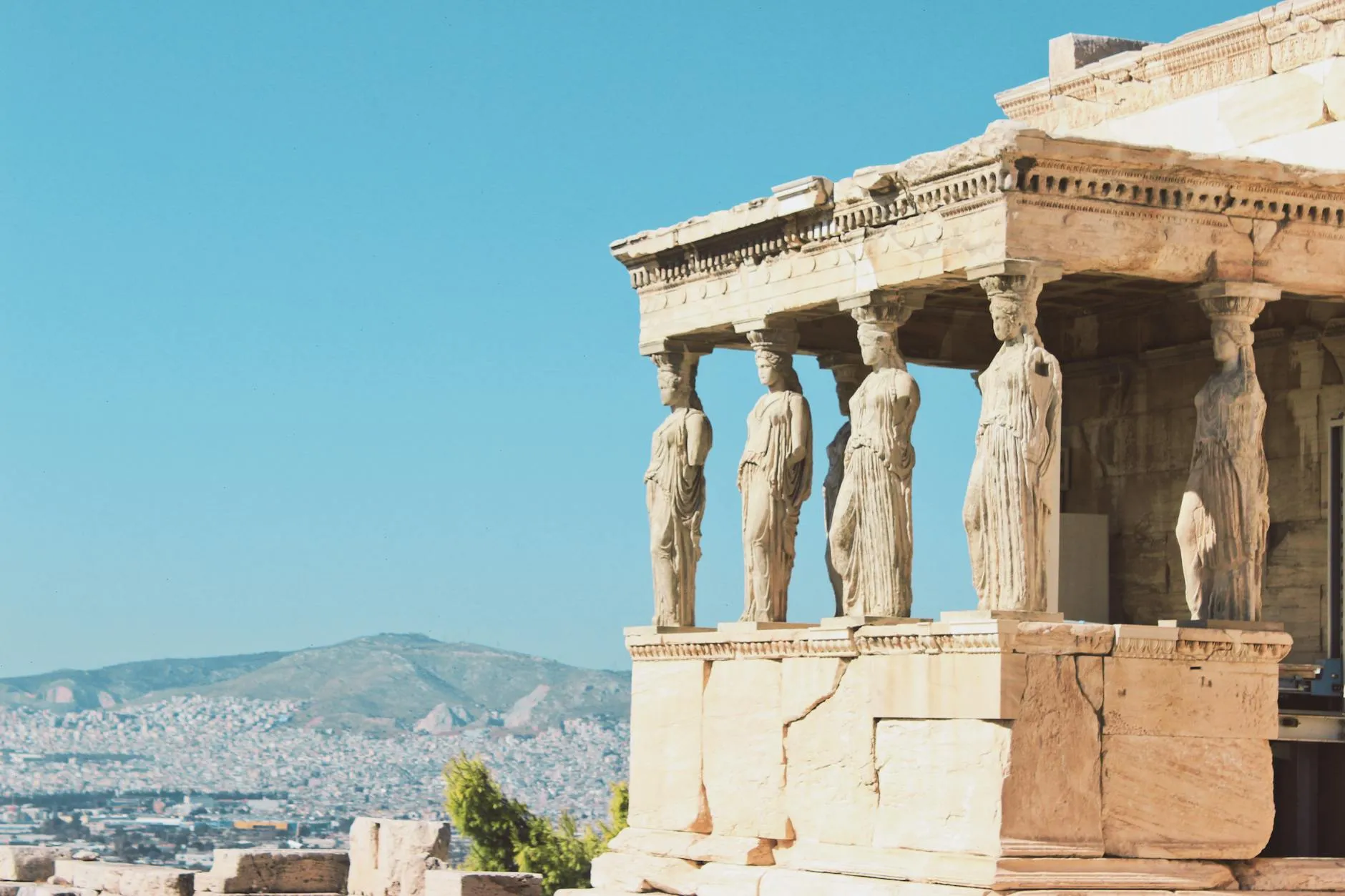
The Erechtheion — The asymmetrical temple with the famous Caryatid porch — six female figures serving as columns. The originals are in the Acropolis Museum; these are casts. The temple housed multiple cults and the sacred olive tree of Athena.
Views — From the north side, look down at the Ancient Agora. From the south, the Theatre of Dionysus and the Odeon of Herodes Atticus. The city sprawls in every direction to the mountains beyond.
Practical Tips
- Wear sturdy shoes — the marble is slippery, the rocks are uneven
- Bring water — there’s one small refreshment kiosk
- No large bags — they’re not allowed and there’s no storage
- Sun protection is essential in summer
- Allow 2-3 hours minimum; longer if you’re interested in details
- The South Slope sites (Theatre of Dionysus, Odeon) are included in your ticket
Ancient Agora & Roman Forum
Ancient Agora
The civic heart of classical Athens — where Socrates debated, democracy was practiced, and daily commerce happened. Less crowded than the Acropolis and in some ways more evocative: you can actually walk through these ruins rather than viewing from behind barriers.
Highlights:
Temple of Hephaestus — The best-preserved ancient Greek temple anywhere. It survived because it was converted to a church. The Doric columns are still standing; you can walk around (not inside).
Stoa of Attalos — Reconstructed in the 1950s, this two-story colonnade now houses the Agora Museum. The artifacts contextualize what happened here: voting tokens, jury equipment, commercial weights.
The site — Wander among the foundations of law courts, assembly buildings, and shops. The Holy Apostles church (11th century) stands among the ruins.
€10 summer / €5 winter. (The six-site combo ticket was discontinued in April 2025.) Allow 1-2 hours.
Roman Agora & Hadrian’s Library
When Rome conquered Greece, they built their own forum adjacent to the Greek one. The Tower of the Winds (1st century BC) is an octagonal clocktower with relief carvings of the wind gods — an ancient weather station. Hadrian’s Library next door was the largest building in Roman Athens.
€8 each in summer (reduced in winter). Can be seen in 30-45 minutes.
Acropolis Museum
Opened in 2009, this purpose-built museum displays artifacts from the Acropolis in a space designed to echo the site itself. The top floor, oriented to match the Parthenon visible through the windows, displays the frieze and metopes — with gaps where the British Museum pieces would go. It’s both a world-class museum and a political statement.
Highlights
Ground floor glass: The floor is transparent, revealing ongoing excavations of an ancient Athenian neighborhood below.
Archaic Gallery: Pre-Parthenon sculptures including the extraordinary korai (maiden statues) with traces of original paint.
Parthenon Gallery: The top floor recreates the temple’s dimensions. The surviving frieze wraps the interior; casts mark the London pieces. The arrangement makes the narrative clear in a way the scattered originals never could.
Caryatids: Five of the six original Erechtheion maidens (the sixth is in London). You can see the acid damage from Athenian pollution.
€15 summer / €10 winter. Allow 2-3 hours. The restaurant has Acropolis views.
Athens’ Neighbourhoods
Plaka
The oldest neighborhood, clinging to the Acropolis’ northern slope. Neoclassical houses, Byzantine churches, narrow pedestrian streets, tourist shops, and tavernas. Yes, it’s touristy. It’s also genuinely charming, especially at night when the day-trippers leave. The upper reaches (Anafiotika) feel like a Cycladic island village transplanted to Athens — because they were, built by workers from Anafi island in the 19th century.
Monastiraki
The flea market neighborhood. Monastiraki Square connects to Ermou shopping street, Plaka, Psyrri, and Thiseio. The Sunday flea market sprawls through surrounding streets. The neighborhood is loud, chaotic, and full of life — souvlaki joints, vintage shops, bars with Acropolis views.
Psyrri
Once Athens’ warehouse district, now the nightlife center. Bars, restaurants, clubs, and street art pack the narrow streets. It can feel sketchy (it was genuinely dangerous a decade ago) but is now mostly safe, if scruffy. The transformation continues: some blocks are hip, others are still rough.
Koukaki
South of the Acropolis, Koukaki has become Athens’ most desirable neighborhood — the economic crisis brought low rents, and creative types moved in. Now it’s full of excellent restaurants, wine bars, and a mix of young Greeks and longer-stay visitors. Still residential, still authentic, increasingly expensive.
Thiseio
West of Monastiraki, along the pedestrian promenade that skirts the Ancient Agora. Café tables spill onto sidewalks with Acropolis views. The atmosphere is relaxed, the views are spectacular, and the evening volta brings half of Athens through.
Exarchia
The anarchist/alternative neighborhood. Graffiti-covered, politically charged, with some of Athens’ best live music venues, cheap tavernas, and a defiant counter-cultural energy. The central square has a reputation (occasionally deserved) for tension, but the surrounding streets are fascinating. Go with awareness but not fear.
Kolonaki
The upscale neighborhood climbing toward Lycabettus Hill. Designer boutiques, expensive cafes, embassies, and the Athens elite. The Benaki Museum is here. Kolonaki Square is for people-watching over expensive coffee. Mount Lycabettus is a short walk (or funicular ride) from here.
Gazi
Named for the old gasworks (now the Technopolis cultural center), Gazi is the LGBTQ+ nightlife hub and a broader club district. The main streets are lined with bars and clubs; it gets going late and runs until dawn.
Pangrati
East of the center, near the Panathenaic Stadium. A genuine neighborhood with squares, cafes, and family tavernas. Less touristy, more lived-in. The Sunday farmers market on Varnava Square is excellent.
Where to Stay
Budget (€50-90/night)
AthenStyle — Hostel near Monastiraki with private rooms available. Rooftop bar with Acropolis views.
Bedbox Hostel — Capsule-style pods in Psyrri. Modern, clean, social.
Athens Backpackers — Long-running hostel near the Acropolis. Rooftop bar, good social scene.
Mid-Range (€100-180/night)
Coco-Mat Athens BC — Design hotel in Kolonaki. Excellent beds (it’s a mattress company), rooftop pool.
The Modernist Athens — In a 1930s building in Koukaki. Stylish, well-located.
Perianth Hotel — Art-focused boutique hotel near Syntagma. Contemporary design, excellent restaurant.
Luxury (€200+/night)
Hotel Grande Bretagne — The grand dame on Syntagma Square since 1874. Rooftop restaurant with Acropolis views. From €350.
King George — Sister property to Grande Bretagne, more boutique. Tudor Hall restaurant is excellent.
Electra Metropolis — Modern luxury in Plaka with rooftop pool and Acropolis views. From €250.
AthensWas — Boutique design hotel facing the Acropolis Museum. From €220.
Greek Food — The Essential Guide
Greek food is Mediterranean at its purest: olive oil, vegetables, grilled meats, fresh fish, yogurt, honey, cheese. The cuisine has been unfairly dismissed as “just souvlaki and salad” — but Greeks have been eating this way for 4,000 years, and they know what they’re doing.
The Fundamentals
Olive oil: Greeks consume more per capita than any nation. It goes on everything. Good oil transforms simple dishes.
Feta: Protected designation of origin — real feta comes only from specific Greek regions. Tangy, crumbly, essential.
Bread: Every meal starts with bread and olive oil. Don’t skip it.
Vegetables: Greeks eat more vegetables than most Europeans. Tomatoes, cucumbers, aubergines, peppers, greens — simply prepared, olive-oil drenched.
Essential Dishes
Greek salad (Horiatiki): Tomatoes, cucumbers, onions, peppers, olives, feta, oregano, olive oil. No lettuce. The feta is a slab on top, not crumbled. €7-12.
Moussaka: Layered aubergine, minced meat, potatoes, and béchamel. The classic taverna dish. €10-15.
Pastitsio: Baked pasta with meat sauce and béchamel. Greek lasagna, essentially. €10-14.
Souvlaki: Grilled meat on skewers. See the dedicated section below.
Gyros: Meat cooked on a vertical rotisserie, shaved into pita with tomatoes, onions, tzatziki. €3-5.
Grilled fish: Simply prepared, served whole, priced by the kilo. See the seafood section.
Dolmades: Vine leaves stuffed with rice (and sometimes meat). Served cold as a starter.
Spanakopita: Spinach and feta in phyllo pastry. The quintessential Greek pie.
Tiropita: Cheese pie. Simpler, equally satisfying.
Tzatziki: Yogurt with cucumber, garlic, and olive oil. The universal accompaniment.
Souvlaki — A Deep Dive
Souvlaki is Greece’s fast food, street food, and comfort food — small pieces of grilled meat (pork, chicken, or lamb) on skewers, served either on the stick (kalamaki) or wrapped in pita. It’s cheap, delicious, and available at 3am when you need it most.
The Terminology
Souvlaki: Technically, the meat on a skewer. In Athens, often called “kalamaki” (little reed).
Gyros: Meat from a vertical rotisserie (not skewered). Similar final product when wrapped in pita.
Pita souvlaki: A pita wrap with meat, tomatoes, onions, tzatziki, and usually fries (yes, inside).
Merida: A portion/plate with meat, sides, and pita on the side.
The Best Souvlaki in Athens
Kostas (Agia Irini Square): Tiny hole-in-the-wall, legendary status. Pork souvlaki with tomato and onion, no tzatziki. Cash only, no seating, lines around the block. €3-4.
O Thanasis (Monastiraki): The famous spot on the square. Kebabs (spiced minced meat) are the specialty. Touristy but genuinely good. €4-8.
Kosta tou Faltaits (Psyrri): Neighborhood spot with excellent pork. Less crowded than the famous names.
Elvis (Monastiraki): Named for the owner’s pompadour, not the singer. Excellent gyros.
To Kati Allo (Pangrati): Away from tourists, proper neighborhood souvlatzidiko with generous portions.
How to Order
Walk up to the counter. Say “mia pita souvlaki” (one pita souvlaki) or “mia pita gyro” (one pita gyros). Specify meat: “hirino” (pork), “kotopoulo” (chicken), “arnaki” (lamb). Add “me ta panta” for everything, or specify what you want. Pay, wait, eat standing up or find a bench. Repeat.
Tavernas & Traditional Restaurants
The taverna is the heart of Greek dining — a casual restaurant serving traditional food, usually family-run, often with outdoor seating. The best have no printed menu; the waiter tells you what’s available, or you go to the kitchen and point.
What to Expect
Bread arrives automatically (you’ll be charged a small cover, €1-2 per person). Order several dishes to share, mezedes-style. Food comes when it’s ready, not in courses. Greeks linger for hours; asking for the check signals you want to leave. Tipping is 5-10% or rounding up.
Recommended Tavernas
To Kafeneio (Plaka): In the heart of the tourist zone but genuinely good. Traditional dishes, nice courtyard.
Karamanlidika tou Fani (Psyrri): Deli/taverna specializing in cured meats and mezedes. Excellent quality.
Klimataria (Monastiraki): Old-school taverna with live rebetiko music some nights. Time-capsule atmosphere.
Ta Karamanlidika tis Fanes (Evripidou Street): The sister location, equally good.
To Steki tou Ilia (Thiseio): The lamb chop specialist. Simple, excellent, local crowd. Cash only.
Strofi (Koukaki): Acropolis-view rooftop, traditional cooking, special-occasion vibes.
Diporto (Central Market): Basement taverna with no sign — look for the stairs. Two dishes daily. Old men drinking retsina at noon. Authentic to the extreme.
Mezedes & Small Plates
Mezedes (small plates) are the Greek answer to tapas — meant for sharing, accompanying drinks, and extending conversation for hours. A meal of mezedes with ouzo or wine is one of Greece’s great pleasures.
Classic Mezedes
Tzatziki: Yogurt-cucumber-garlic dip.
Taramosalata: Fish roe dip, pink and creamy.
Melitzanosalata: Roasted aubergine dip.
Fava: Yellow split pea purée from Santorini.
Htapodi (Octopus): Grilled or marinated, served with olive oil and lemon.
Keftedes: Fried meatballs.
Kolokythakia tiganita: Fried zucchini with tzatziki.
Saganaki: Fried cheese, often flambéed.
Loukaniko: Greek sausage, often with orange peel.
Gigantes: Giant white beans in tomato sauce.
Ouzeries & Mezedopolia
An ouzeri is a place specializing in ouzo and mezedes. A mezedopolio focuses on the food with various drinks. Both are excellent for grazing.
Oineas (Psyrri): Modern mezedopolio with creative dishes.
Atlantikos (Psyrri): Seafood mezedes in a blue-and-white taverna setting.
I Bakaliaria tou Damigou (Monastiraki): Fried cod and garlic sauce specialist since 1865.
Seafood & Fish Tavernas
Athens is a port city, and seafood is central to the cuisine. Fish is typically grilled whole, priced by the kilo, and served simply. Prices can shock the unprepared — €50-80/kg for high-quality fish is normal.
What to Order
Tsipoura: Sea bream — the classic grilled fish.
Lavraki: Sea bass — equally popular.
Barbounia: Red mullet — smaller, often fried.
Sardeles: Sardines — grilled or fried, always cheap.
Kalamari: Squid — fried or grilled.
Garides: Prawns — grilled with garlic.
Htapodi: Octopus — grilled until tender.
Psarosoupa: Fish soup — a meal in itself.
Where to Eat Seafood
Varoulko Seaside (Mikrolimano): Michelin-starred seafood with harbor views. Chef Lefteris Lazarou. €80-120 per person.
Ta Kioupia (Piraeus): Old-school fish taverna by the water. Fresh fish, fair prices.
Margaro (Piraeus): Legendary hole-in-the-wall. Three dishes: fried fish, salad, wine. No menu, no choices, no problem.
Ithaki (Vouliagmeni): Beach-club-meets-taverna on the Athenian Riviera.
Markets & Food Halls
Central Market (Varvakios Agora)
Athens’ main market on Athinas Street — meat on one side, fish on the other, produce outside. It’s loud, bloody, aromatic, and utterly authentic. The tavernas inside (Diporto, Epirus) serve market workers and knowing visitors. Go in the morning for full chaos; it winds down by early afternoon. Free to walk through.
Monastiraki Flea Market
The daily market has touristy souvenirs, but explore the side streets (Avissynias Square, Normanou Street) for antiques, vintage, and genuine finds. Sunday brings the “real” flea market with dealers setting up in the streets. Morning is best.
Farmers Markets (Laiki Agora)
Weekly neighborhood markets rotate through different areas. Saturday in Koukaki (Anapiridi Street), Friday in Kolonaki (Xenokratous), Sunday in Pangrati (Varnava Square). Fresh produce, cheese, olives, honey — much cheaper than tourist shops.
Michelin & Fine Dining
Athens’ fine dining scene has matured dramatically. The 2026 Michelin Guide lists several starred restaurants, with Greek chefs reinterpreting traditional ingredients through modern techniques.
Starred Restaurants
Delta — Stavros Niarchos Foundation Cultural Centre (2 stars): The only two-star restaurant in Greece. Chef Yiannis Kioukas’ modern Greek tasting menus in Renzo Piano’s cultural centre overlooking Faliro Bay. €190-240 for 8–12 courses. Booking essential weeks ahead.
Spondi (1 star): French-Mediterranean cuisine in a neoclassical villa. Athens’ longest-running fine-dining benchmark. Chef Arnaud Bignon dropped to one star in the 2024 guide (after two decades at two stars) but remains a Michelin heavyweight. €120-180 tasting menus.
Hytra (1 star): Modern Greek in the Onassis Cultural Centre. Acropolis views from the terrace. €100-150.
Varoulko Seaside (1 star): Lefteris Lazarou’s seafood mastery. See seafood section.
CTC (1 star): Chef’s Table Concept — intimate counter dining with creative Greek. €120-150.
Note: Athens has 12 starred restaurants in total as of the 2024 selection (Delta at 2★, 11 at 1★). The 2026 Michelin Guide Greece — due in the second half of 2026 — will expand beyond Athens for the first time, adding Santorini and Thessaloniki.
Excellent Non-Starred
Aleria: Neo-Greek in a gorgeous neoclassical building. Excellent wine list.
Nolan: Greek-Japanese fusion that actually works. Omakase available.
Cookoovaya: Grill-focused modern taverna with excellent meat.
Ergon House: Market-restaurant concept with excellent products.
Greek Coffee Culture
Greeks drink more coffee than almost any European nation. The café (kafeneio) is a social institution — places to sit for hours over a single cup, argue about politics, play tavli (backgammon), and watch the world pass.
Coffee Types
Ellinikos (Greek coffee): Finely ground, brewed in a briki pot, served unfiltered with grounds. Specify sweetness: sketos (no sugar), metrios (medium), glykos (sweet). Sip slowly; don’t drink the sludge at the bottom.
Frappé: Instant coffee, water, and ice blended into foam. Invented in Greece in 1957. Refreshing, ubiquitous, looked down upon by coffee snobs but beloved by everyone else.
Freddo espresso: Double espresso over ice, often with cold foam. The modern Greek coffee obsession.
Freddo cappuccino: Freddo espresso with cold foamed milk. The other obsession.
Coffee Culture Tips
Coffee is meant to be lingered over. Ordering a single coffee entitles you to hours of sitting. Waiters won’t rush you. Wi-fi is usually available. Prices reflect the seat rental: €3-5 in tourist areas, €1.50-2.50 in neighborhoods.
Where to Drink Coffee
Da Capo (Kolonaki Square): The see-and-be-seen café.
Tailor Made (Syntagma): Specialty coffee with serious baristas.
Six d.o.g.s (Monastiraki): Cultural space with garden and excellent coffee.
Little Tree Books & Coffee (Exarchia): Bookshop café with character.
Greek Wine
Greek wine has been reborn. The indigenous grape varieties — Assyrtiko, Xinomavro, Agiorgitiko — produce world-class wines that are finally getting international recognition. Prices remain reasonable.
Key Varieties
Assyrtiko: Santorini’s great white grape — mineral, citrus, volcanic. Age-worthy.
Moschofilero: Aromatic, floral white from the Peloponnese.
Malagousia: Rediscovered white with peach and floral notes.
Xinomavro: The “Greek Nebbiolo” — tannic, ageworthy red from Naoussa.
Agiorgitiko: Softer red from Nemea — the “Blood of Hercules.”
Wine Bars
Heteroclito: Excellent selection, knowledgeable staff, Psyrri location.
Oinoscent: Wine bar with Greek focus and good mezedes.
By the Glass: As the name suggests. Syntagma location.
Vintage: Natural wine focus, Psyrri.
Ouzo, Tsipouro & Raki
Greece’s traditional spirits are meant to accompany food. Drinking them straight without mezedes is considered strange.
Ouzo
Anise-flavored spirit (40% ABV). Turns milky white when water is added (the “ouzo effect”). Serve in a tall glass with ice and water. Sip slowly alongside seafood mezedes. Plomari and Mini are quality brands.
Tsipouro
Grape pomace spirit, similar to Italian grappa. Northern Greek specialty. Can be with or without anise. Stronger than ouzo. Serve chilled or at room temperature.
Raki/Tsikoudia
Cretan version of tsipouro, usually without anise. Clear, powerful, served at the end of meals (often free).
Rooftop Bars with Acropolis Views
An Acropolis-view cocktail at sunset is an Athens essential. Prices are high (€12-18 cocktails), but the view is free.
A for Athens (Monastiraki): The classic — Acropolis views from directly above Monastiraki Square.
360 Cocktail Bar (Monastiraki): Wraparound views, slightly more relaxed than A for Athens.
Couleur Locale (Psyrri): More low-key, local crowd, excellent cocktails.
Galaxy Bar (Hilton): The highest viewpoint — see the Acropolis against the city and sea.
GB Roof Garden (Grande Bretagne): Old-money elegance, Syntagma Square below.
Ciel (Athens Hilton): Pool bar by day, cocktail scene by night.
Athens Nightlife
Athens stays up late. Really late. Dinner ends at midnight, bars fill up at 1am, clubs get going at 2am. Summer moves everything outdoors; winter moves it to basements and warehouses.
Bar Neighborhoods
Psyrri: The main bar district — dive bars, craft cocktails, rooftops, and everything between.
Koukaki: More wine bars and relaxed spots.
Gazi: LGBTQ+ scene and larger clubs.
Exarchia: Alternative/underground bars and live music venues.
Clubs
Socialista (Gazi): Multi-room club with terrace.
Dybbuk (Gazi): Industrial techno space.
Six d.o.g.s: Concert venue and club nights.
Bios (Pireos Street): Alternative cultural space with rooftop.
Live Music
Half Note Jazz Club: Athens’ premier jazz venue. International acts.
Gazarte: Multi-purpose venue in Gazi with concerts.
Rebetiki clubs: For traditional Greek blues (rebetiko), try Stoa Athanaton (Central Market) or Klimataria (Plaka).
Museums Beyond the Acropolis
National Archaeological Museum
The most important museum in Greece and one of the world’s great antiquities collections. The Mycenaean gold (including the Mask of Agamemnon), the Antikythera mechanism (ancient computer), the bronze sculptures — it’s overwhelming. Allow 3+ hours. €20 flat year-round (increased from €12 on January 1, 2026).
Benaki Museum
Greek culture from prehistory through the 20th century in a beautiful Kolonaki mansion. The Byzantine collection is outstanding. Multiple locations focus on different periods/topics. Main museum €12, free Thursdays.
Museum of Cycladic Art
The minimalist marble figurines from 3000 BC that inspired Picasso and Modigliani. Small but exquisite. €8.
Byzantine & Christian Museum
Icons, frescoes, and ecclesiastical art from the Byzantine period. Essential for understanding Greek Orthodoxy’s visual culture. €8.
Jewish Museum of Greece
The history of Greek Jews, from antiquity through the Holocaust. Small, moving, important. €6.
Street Art & Alternative Athens
Athens’ economic crisis turned the city into an open-air gallery. Murals cover entire buildings, particularly in Psyrri, Exarchia, Gazi, and Metaxourgeio. Some is political protest; some is world-class art.
Key Areas
Exarchia: Political graffiti and protest art. Every surface has something to say.
Psyrri: More curated murals, some commissioned.
Metaxourgeio: Up-and-coming neighborhood with large-scale murals.
Gazi: The Technopolis cultural center anchors an area with significant street art.
Notable Works
Look for works by INO (hyperrealistic murals), WD (Wild Drawing), and international artists who’ve contributed during various festivals. The scene changes constantly — walls are repainted, works are layered over.
Athens Beaches
The Athenian Riviera — the coast stretching south from Piraeus — offers beach access within an hour of the Acropolis. They’re not the Greek islands, but they’ll do.
Public Beaches
Glyfada: The closest beach town. Urban, busy, beach bars.
Voula: Organized beach with facilities. €6 entry.
Vouliagmeni: Upscale area with better water quality. Beach clubs and the thermal Lake Vouliagmeni (€15, worth it).
Varkiza: Large organized beach, good for families.
Beach Clubs
Astir Beach (Vouliagmeni): Luxury beach club, €30-80 depending on day/lounger.
Island (Varkiza): Club-meets-beach, DJ sets, pool.
Getting There
Tram from Syntagma runs to Voula (90 min). Buses continue further. Or take the metro to Elliniko and bus from there.
Day Trips from Athens
Delphi
The ancient sanctuary of Apollo and the famous Oracle. The ruins cascade down a mountainside with spectacular views. The museum is excellent. 2.5 hours by car or bus (€17 each way from KTEL terminal). €12 combined site/museum ticket. Allow a full day.
Mycenae & Epidaurus
The Bronze Age citadel with the Lion Gate and Treasury of Atreus, plus the ancient theatre famous for its acoustics. Can be combined in a long day trip or overnight in Nafplio. 2 hours to Mycenae, another 45 min to Epidaurus. Mycenae €12, Epidaurus €12.
Nafplio
Greece’s first capital, a beautiful seaside town with Venetian fortresses and neoclassical architecture. Combine with Mycenae/Epidaurus for a 2-day trip. 2 hours by bus or car.
Cape Sounion
The Temple of Poseidon on a cliff above the sea — legendary sunset spot. 70km south of Athens. Bus from KTEL Attikis (€7, 90 min) or organized tours. €10 entry.
Marathon
The battlefield where Athens defeated Persia in 490 BC — and the origin of the marathon race. The burial mound of the Athenian dead is still there. Small museum. 40km northeast. Best by car or organized tour.
Island Hopping from Athens
Piraeus port connects Athens to the Aegean islands. Even a day trip is possible, though overnight is better.
Nearest Islands (Ferry from Piraeus)
Aegina: 40 minutes by flying dolphin (hydrofoil). Temple of Aphaia, pistachios, good beaches. Doable as a day trip.
Hydra: 90 minutes by hydrofoil. Car-free island with donkeys, beautiful harbor, artist colony history. Day trip or overnight.
Poros: 60 minutes by hydrofoil. Small, pretty, relaxed.
Spetses: 2 hours. Elegant island with naval history.
Further Islands
Santorini: 5-8 hours by ferry, 45 min by plane. The famous caldera views.
Mykonos: 5 hours by ferry, 45 min by plane. Cosmopolitan party island.
Crete: 9 hours by overnight ferry, 1 hour by plane. Huge, diverse, its own world.
Practical Tips
Book ferries at ferries.gr or gtp.gr. Hydrofoils (Flying Dolphins, Hellenic Seaways) are faster but pricier and cancelled in rough weather. Big ferries are more reliable. In summer, book ahead for popular routes.
Getting Around
Metro
Three lines: Line 1 (Green, Piraeus-Kifisia), Line 2 (Red, Anthoupoli-Elliniko), Line 3 (Blue, Airport-Agia Marina). Clean, efficient, air-conditioned. Single ticket €1.20, 24-hour pass €4.10. Runs 5:30am-midnight (later on weekends). Note the archaeological displays in several stations (Syntagma, Monastiraki, Acropolis).
Buses & Trolleybuses
Extensive network, same tickets as metro. Less obvious routes than metro but useful for reaching neighborhoods not on rail.
Tram
Runs from Syntagma to the coast (Voula). Slow but scenic. Good for beach access.
Taxis
Yellow, metered, relatively cheap. Base fare €1.30 plus €0.75/km. Airport flat rate €40 (€55 night). Apps like Beat and Uber work normally. Tipping not required but rounding up is appreciated.
Walking
The center is walkable. From Syntagma to Monastiraki is 10 minutes, to the Acropolis 20 minutes, to Koukaki 25 minutes. The pedestrianized zone around the Acropolis (Dionyssiou Areopagitou) is one of Europe’s most pleasant urban walks.
Athens Airport Guide
Athens International Airport (ATH/Eleftherios Venizelos) is 33km east of the center. Modern, efficient, manageable.
Getting To/From
Metro (Line 3): Direct to Syntagma (40 min) and Monastiraki (45 min). €9 single, €22 3-day tourist ticket including unlimited metro. Runs 6:30am-11:30pm.
Bus X95: Direct to Syntagma Square. €5.50, every 20-30 min, runs 24/7. Takes 60-90 min depending on traffic.
Suburban Rail (Proastiakos): To Larissa Station (main train station). €10.
Taxi: Flat rate €40 (€55 midnight-5am) to center. 40-60 min depending on traffic.
Budget Breakdown
Budget Travel (€50-80/day)
- Hostel dorm: €20-30
- Souvlaki/gyros lunch: €5-8
- Taverna dinner: €15-25
- Metro/bus: €3-5
- One archaeological site: €10-20
- Coffee/beer: €3-5
Mid-Range (€120-180/day)
- Boutique hotel: €80-120
- Café breakfast: €8-12
- Restaurant lunch: €20-30
- Restaurant dinner: €35-50
- Acropolis + one other site: €30-40 (combo discontinued April 2025 — buy individually)
- Rooftop cocktails: €25-35
Luxury (€300+/day)
- Five-star hotel: €250-400
- Fine dining: €100-180
- Private tours: €150-250
Greek Climate Resilience Fee (Κλιματικό Τέλος Ανθεκτικότητας)
Since January 2024, Greece charges a Climate Resilience Fee on every paid overnight stay — hotels, apartments, villas, short-term rentals. It is per room per night (not per person), tiered by accommodation class and doubled during the high season.
High season (April 1 – October 31):
- 1–2 star hotels & short-term rentals: €2 per room per night
- 3-star hotels: €5
- 4-star hotels: €10
- 5-star hotels: €15
Low season (November 1 – March 31):
- 1–2 star hotels & short-term rentals: €0.50
- 3-star hotels: €1.50
- 4-star hotels: €3
- 5-star hotels: €4
The fee is collected by the accommodation at check-in or check-out and is not included in Booking.com or Airbnb totals — budget for it separately. Example: a couple staying 5 nights in a 4-star Athens hotel in June pays €50 in climate fee. The same stay in a 5-star is €75. Revenue funds Greece’s natural-disaster emergency response. Source: Greek Ministry of Finance / AADE (rates increased January 2025).
Hidden Athens — Off the Tourist Trail
Tourist Athens clusters around the Acropolis, Plaka, and Monastiraki. But the city extends far beyond, and some of its most rewarding corners see few foreign visitors. Here’s where to find the Athens that Athenians actually live in.
The First Cemetery of Athens
Greece’s most important cemetery since 1837, where politicians, artists, writers, and wealthy families rest in elaborate marble tombs. The sculptural work is extraordinary — the “Sleeping Girl” by Yannoulis Chalepas is Greece’s most famous funeral monument. Ancient cypress trees shade the paths. It’s peaceful, beautiful, and almost tourist-free. Free entry. Metro to Evangelismos, then a 10-minute walk.
Technopolis (Gazi)
The old gasworks complex, now a cultural center hosting concerts, exhibitions, and festivals. The industrial architecture is striking — red brick buildings with towering chimneys. Even when no event is on, the courtyards are worth exploring. The Industrial Gas Museum inside traces the building’s history. Free entry to grounds. Check technopolis.gr for events.
Philopappos Hill
The pine-covered hill southwest of the Acropolis offers the classic postcard view — the Parthenon framed by trees. But few tourists climb it, especially compared to the Acropolis itself. The Roman monument to Philopappos crowns the summit. Socrates was imprisoned in a cave on the northern slope. Watch the kites flying at sunset. Free, open 24/7.
Stavros Niarchos Foundation Cultural Center
The Renzo Piano-designed complex houses the National Library and Greek National Opera. The park is the real draw — 21 hectares of Mediterranean plantings, running/cycling paths, a children’s playground, and a canal for kayaking. Free outdoor events in summer. The building’s energy-efficient design is a model for sustainable architecture. Free entry. Bus B2 from Syntagma or ferry from Piraeus.
Kaisariani Monastery
An 11th-century Byzantine monastery on the slopes of Mount Hymettus, 5km east of central Athens. The frescoed chapel, the ancient plane trees, the sacred spring — it’s a peaceful retreat from the city. The surrounding forest is popular for hiking and mountain biking. €3 entry. Take bus 224 from Evangelismos metro, then a 1km walk.
Plato’s Academy Park
Where Plato taught philosophy for nearly 40 years. Today it’s a scruffy neighborhood park with archaeological remains (the gymnasium’s ruins are visible). Not much to see, but walking where Aristotle walked as a student is something. Free. Metro to Sepolia.
Mikrolimano Harbor
A tiny natural harbor in Piraeus, ringed with fish tavernas. Much smaller and more intimate than the main port. Watch the fishing boats come and go while eating grilled fish. This is where Athenians come for Sunday lunch by the sea. Metro to Neo Faliro, then a 15-minute walk.
Anafiotika
A village within the city — whitewashed houses, bougainvillea, cats, and narrow lanes clinging to the northern slope of the Acropolis. Built by workers from the island of Anafi in the 19th century who recreated their island home in Athens. It’s technically in Plaka, but most tourists miss it. Find the steps near the Church of Metamorphosis.
The Hammam (Athens Hammam Spa)
A restored Ottoman hammam offering traditional Turkish bath experiences in a 19th-century building. Marble steam rooms, massage tables, the full ritual. It’s a rare surviving piece of Ottoman Athens. From €35 for basic entry. Book ahead at athenshammam.gr.
Cine Paris & Outdoor Cinemas
Athens has dozens of open-air cinemas operating from May to September — one of the city’s great summer pleasures. Cine Paris in Plaka has Acropolis views behind the screen. Cine Thisio in Thiseio offers similar vistas. Cine Dexameni in Kolonaki is the most atmospheric. Films are shown in original language with Greek subtitles. €8-10. Check athinorama.gr for schedules.
Athens with Kids
Athens isn’t an obvious family destination, but it works. The ancient sites fire children’s imaginations, the food is familiar enough, and Greeks adore children (expect yours to be cooed over). Here’s how to make it work.
The Acropolis for Kids
The ruins are genuinely interesting to children if you frame them right. The Acropolis Museum has a family trail available at reception. Arrive at opening to beat crowds and heat. Under-18 EU citizens enter free (bring ID). The Parthenon is impressive at any age; skip the longer explanations and let them explore.
Hellenic Children’s Museum
Interactive exhibits on Greek culture, science, and art. Best for ages 2-12. The museum is small but engaging. €6. Kidiathos 14, Plaka.
Attica Zoological Park
Greece’s largest zoo, 27km northeast of Athens. Big cats, primates, reptiles, a dolphinarium (controversial), and an impressive bird collection. Good for a half-day. €18 adults, €14 children. Accessible by car or taxi from Doukissis Plakentias metro.
Allou! Fun Park
Athens’ amusement park in Rendi, western suburbs. Roller coasters, water rides, arcade games. The rides aren’t Disney-level but satisfy most kids. €22-30 depending on age and day. Open evenings only on weekdays in summer.
Beaches
The organized beaches on the Athenian Riviera (Voula, Varkiza, Vouliagmeni) are shallow, calm, and family-friendly. Facilities include changing rooms, lifeguards, and cafés. Lake Vouliagmeni (thermal lake, €15) is warm, mineral-rich, and has a children’s area.
Stavros Niarchos Foundation Cultural Center
The park here is Athens’ best for kids — playground, splash fountains in summer, cycling paths, and acres of grass to run around. Free outdoor events for children during summer. The architecture itself is impressive.
National Garden
Behind the Parliament, 16 hectares of shaded paths, duck ponds, a small zoo (peacocks, goats), and a playground. Respite from archaeological intensity. Free, open dawn to dusk.
Ice Cream
Greek kids eat gelato constantly. Find a gelateria in every neighborhood. Greek versions use mastic (resinous, unique), kaimaki (stretchy, orchid root), and local fruits. €2-4 per scoop.
Practical Tips for Families
- Greeks eat dinner late — 9pm is normal. Kids will be the only ones in restaurants at 7pm, but nobody minds.
- Strollers struggle on cobblestones. A carrier is easier for the center.
- Hire a family-friendly guide for the Acropolis — private tours can be tailored to children’s attention spans.
- Book apartments rather than hotels — more space, kitchen facilities, and often cheaper.
- Pharmacies are well-stocked for basics; diapers and formula are available in supermarkets.
Romantic Athens
Athens isn’t Venice or Paris, but it has its moments — particularly at sunset, with a view, and a glass of wine. Here’s how to inject romance into the ancient city.
Sunset Spots
Philopappos Hill: The classic Acropolis view as the marble turns golden. Bring wine.
Areopagus (Mars Hill): The rocky outcrop below the Acropolis where St. Paul preached. Packed at sunset but worth it.
Strefi Hill (Exarchia): Less famous, equally beautiful. A local secret for evening picnics.
Lycabettus Summit: Take the funicular up, walk down through the pines as the city lights come on.
Romantic Dinners
Strofi (Koukaki): Acropolis-view rooftop, traditional cooking, classic setting. Book the terrace.
Orizontes Lycabettus: Fine dining on the summit. The view is the real star.
Varoulko Seaside: Michelin-starred seafood at Mikrolimano. Harbor lights reflected on the water.
Hytra: Modern Greek with Acropolis views from the Onassis Cultural Centre.
Rooftop Cocktails
A for Athens, 360 Cocktail Bar, Galaxy Bar (Hilton), GB Roof Garden (Grande Bretagne) — see the rooftop bar section. Reserve for sunset.
Intimate Wine Bars
Heteroclito (Psyrri): Low-lit, excellent Greek wines, hushed conversations.
By the Glass (Syntagma): Small, sophisticated, wine-focused.
Oinoscent: Romantic basement setting.
Evening Walks
Dionyssiou Areopagitou: The pedestrian promenade skirting the Acropolis is magical after dark — floodlit Parthenon above, buskers, strolling couples, café tables spilling onto the path.
Plaka by Night: Once the day-trippers leave, the narrow streets soften. Find a table in a quiet square.
Romantic Hotels
AthensWas: Boutique design hotel facing the Acropolis Museum. The breakfast terrace view is exceptional.
Hotel Grande Bretagne: Old-world elegance. Splurge on a room with Acropolis view.
Emporikon Athens Hotel: Art Deco restoration with intimate atmosphere.
Walking Tours & Itineraries
Athens rewards walking. The center is compact, and the pedestrianized zones around the Acropolis make for pleasant strolling. Here are suggested routes.
Day 1: Ancient Athens (6-8 hours)
Morning: Arrive at the Acropolis at 8:00 opening. Spend 2-3 hours exploring the sites and the south slope (Theatre of Dionysus, Odeon of Herodes Atticus). Exit near the Plaka gate.
Late Morning: Walk to the Acropolis Museum. Spend 2 hours. Have coffee in the café.
Lunch: Souvlaki at Kostas (Agia Irini Square) or taverna in Plaka.
Afternoon: Ancient Agora (1-2 hours). Walk the Stoa of Attalos, temple of Hephaestus. If energy permits, continue to Kerameikos (the ancient cemetery).
Evening: Sunset cocktails at A for Athens (Monastiraki). Dinner in Psyrri.
Day 2: Modern Athens (6-8 hours)
Morning: National Archaeological Museum (2-3 hours). Greece’s greatest antiquities collection.
Late Morning: Walk through Exarchia. Coffee at Little Tree Books & Coffee. Note the street art and anarchist energy.
Lunch: Central Market (Varvakios Agora). Eat at Diporto if you’re feeling adventurous.
Afternoon: Monastiraki Flea Market (especially good on Sunday). Browse the antique shops around Avissynias Square. Walk up to Plaka’s upper reaches (Anafiotika) for village vibes.
Evening: Philopappos Hill for sunset. Dinner in Koukaki — try the modern tavernas or wine bars along Veikou street.
Day 3: Neighborhoods & Museums (6-8 hours)
Morning: Start in Kolonaki. Coffee at Da Capo on the square. Browse the designer shops on Voukourestiou. Visit the Benaki Museum (2 hours).
Late Morning: Walk to Syntagma Square. Watch the changing of the guard at the Parliament (hourly, elaborate ceremony Sunday 11:00). Stroll through the National Garden.
Lunch: Panathenaic Stadium. Pay €10 to walk on the track where the first modern Olympics were held. Then head to Pangrati for a neighborhood lunch.
Afternoon: Museum of Cycladic Art (1-2 hours) or Byzantine Museum (1-2 hours), depending on interests.
Evening: Funicular to Lycabettus for sunset views. Dinner in the area or back down in Kolonaki.
Day 4: The Coast & Piraeus (Full day)
Morning: Metro to Piraeus. Walk along the main harbor. Coffee overlooking the ferries.
Mid-Morning: Explore Mikrolimano harbor. This tiny natural port is lined with fish tavernas.
Lunch: Seafood at Margaro or Ta Kioupia — simple, fresh, authentic.
Afternoon: Tram along the coast to Voula or Vouliagmeni. Beach time. Swim in Lake Vouliagmeni (thermal, €15).
Evening: Coastal drinks at one of the beach clubs, or return to Athens for Gazi nightlife.
Off-the-Beaten-Path Day
Morning: First Cemetery of Athens. Explore the marble monuments. Then walk to nearby Mets neighborhood — quieter Koukaki.
Late Morning: Stavros Niarchos Foundation Cultural Center. Explore the park, architecture, canal. Ferry or bus back.
Afternoon: Kaisariani Monastery on Mount Hymettus. Byzantine peace and forest walking.
Evening: Live rebetiko music at Stoa Athanaton or Klimataria.
Shopping in Athens
Athens is a shopping city — from the tourist kitsch of Plaka to the designer boutiques of Kolonaki to the antiques of Monastiraki. Here’s what to buy and where.
What to Buy
Olive Oil: Greek oil is world-class. Look for early harvest, single-estate, PDO-designated bottles. Expect €10-25 for quality. Try before buying at shops like Liquid Gold or the specialists in Evripidou Street.
Honey: Greek mountain honey, thyme honey, pine honey. Attiki and Meligyris are reliable commercial brands; artisanal producers are sold at farmers’ markets and specialty shops.
Mastika: Resin from the mastic tree of Chios. Used in liquor, sweets, and skincare. The Mastihashop (Panepistimiou Street) sells everything mastic.
Komboloi: Greek worry beads. Souvenir versions are cheap; handmade amber or semi-precious stone versions can cost hundreds. Monastiraki has both.
Sandals: Handmade leather sandals are an Athens tradition. Stavros Melissinos (“the Poet Sandal-maker”) is the famous name; Pantelis Melissinos continues the family craft. Also try Olgianna Melissinos (different family branch). €50-150.
Ceramics: From cheap reproductions to museum-quality pieces. The Museum of Cycladic Art shop has excellent replicas. For contemporary Greek ceramics, try Echo in Kolonaki.
Icons: Byzantine-style religious paintings. Quality ranges from factory-made (€20) to hand-painted gold-leaf (€500+). The shops around Mitropoli Cathedral have wide selections.
Antiques: Monastiraki Flea Market (Sunday especially) and the shops on Avissynias Square. Prices range from junk to genuine Greek antiquities (which require export permits).
Shopping Districts
Ermou Street: Athens’ main shopping artery. International chains (H&M, Zara) at the Syntagma end; more interesting as you head toward Monastiraki.
Monastiraki: Flea market, antiques, vintage, and tourist tat. Sunday mornings are best for genuine finds.
Kolonaki: Designer boutiques, Greek fashion labels, upscale homewares. Voukourestiou and Tsakalof streets.
Evripidou Street: The spice market. Shops selling herbs, spices, coffee, tea, dried goods. Atmospheric and aromatic.
Plaka: Tourist shops with sandals, ceramics, t-shirts, olive oil. Quality varies wildly; prices are negotiable off-season.
Greek Designers
Zeus + Dione: Luxury Greek fashion inspired by ancient motifs. Kolonaki flagship.
Ancient Greek Sandals: The upscale version of traditional sandals. International celebrity clientele.
Parthenis: Classic Greek fashion house since 1970. Timeless Mediterranean style.
Luisa World: Quirky design store with Greek and international designers. Omonia.
Markets
Central Market (Varvakios Agora): Meat, fish, produce. Not a shopping destination for most tourists, but incredible for photographers and food obsessives.
Farmers’ Markets (Laiki): Weekly neighborhood markets. Saturday in Koukaki, Sunday in Pangrati. Fresh produce, cheese, honey, olives — prices a fraction of tourist shops.
Greek Music & Rebetiko
Music is essential to Greek life. From the bouzouki-driven sounds of rebetiko to contemporary Greek rock, understanding the music helps you understand the culture.
Rebetiko: The Greek Blues
Rebetiko emerged in the early 20th century from the urban underclass — refugees, criminals, addicts, the marginalized. It’s the music of hashish dens, waterfront tavernas, and social outcasts. The lyrics are about pain, poverty, drugs, and heartbreak. The sound is the bouzouki, baglamas, and raw vocals.
After decades of suppression, rebetiko is now recognized as Greece’s most important musical contribution — inscribed on UNESCO’s Intangible Cultural Heritage list. Think of it as Greece’s answer to jazz or blues: born in suffering, transformed into art.
Where to Hear Rebetiko
Stoa Athanaton: The legendary rebetiko venue inside the Central Market building. Music starts after 3pm, runs until late. Old-school atmosphere, dancing between tables. Cash only.
Klimataria: Traditional taverna in Plaka with live rebetiko some nights. Excellent food alongside the music.
Kavouras: Rebetiko club in Exarchia. More purist, less touristy.
Modern Greek Music
Laika: Popular Greek music descended from rebetiko. More mainstream, still bouzouki-driven. Heard in clubs, tavernas, taxis.
Greek Rock/Alternative: Athens has a vibrant rock scene. Half Note Jazz Club hosts both jazz and alternative acts. Gazarte and Six d.o.g.s program diverse lineups.
Club Music: Electronic, house, techno — Athens’ clubs are sophisticated. Dybbuk in Gazi, Socialista, and various warehouse events.
Greek Dance
Traditional Greek dances (hasapiko, zeibekiko, syrtaki) are still performed at festivals, weddings, and certain tavernas. Tourist shows (Dora Stratou Theatre on Philopappos Hill, summer only) present folk dances from across Greece. More authentic: wait for Greeks to start dancing at a taverna late at night after enough wine.
Architecture Beyond Ancient
Athens’ architecture tells its history. Beyond the ancient monuments, you’ll find Byzantine churches, Ottoman remnants, neoclassical grandeur, and contemporary interventions.
Byzantine Athens
Kapnikarea Church: An 11th-century church marooned in the middle of Ermou shopping street. The Byzantine dome amid fast-fashion stores is quintessentially Athenian.
Church of the Holy Apostles: In the Ancient Agora, dating to the 10th century. One of the oldest churches in Athens still standing on its original site.
Monastery of Kaisariani: Outside the center but worth the trip for Byzantine architecture in a forest setting.
Ottoman Athens
Most Ottoman buildings were demolished after Greek independence, but traces remain.
Tzistarakis Mosque: On Monastiraki Square, now houses the Folk Ceramic Museum. Built 1759.
Fethiye Mosque: In the Roman Agora. Now a storage building but the exterior is visible.
Turkish Bath (Abid Efendi): Restored Ottoman hammam on Kyrristou Street. Now a museum showing traditional bathing practices.
Neoclassical Athens
After independence in 1832, the new Greek state commissioned European architects to build a capital worthy of ancient glory. The result: neoclassical Athens.
The Trilogy: Three adjacent buildings on Panepistimiou Street — the Academy (most elaborate), the University, and the National Library. Designed by Danish architects Hansen brothers, they’re Athens’ neoclassical showpieces.
Zappeion: Neoclassical hall in the National Garden. The first building constructed for the modern Olympics (1896).
Old Parliament: Now the National Historical Museum, on Stadiou Street.
20th Century
Athens Academy: A 1930s update on neoclassical style.
REX Cinema/Theatre: Art Deco, recently restored.
Apartment blocks (polykatoikia): The much-maligned concrete apartment buildings that house most Athenians. Built rapidly from the 1950s-70s, they’re now being reappraised as vernacular modernism.
Contemporary Architecture
Stavros Niarchos Foundation Cultural Center: Renzo Piano’s masterwork. Sustainable design, photovoltaic canopy, integrated park. Open since 2016.
Onassis Cultural Centre (Stegi): Concrete-and-glass arts venue hosting exhibitions, performances, and events.
New Acropolis Museum: Bernard Tschumi’s glass-and-concrete building designed to face the Parthenon. Controversial but impressive.
Athens in 2026 — Events & Updates
What’s happening in Athens this year, and what’s changed.
Major Events 2026
Athens Epidaurus Festival (June-August): The premier performing arts festival. Ancient drama at Epidaurus’ acoustically perfect theatre; concerts at Herod Atticus Odeon below the Acropolis. Book early for Epidaurus performances. greekfestival.gr
Apokries (Carnival, February-March): Three weeks of parties, parades, and costume chaos culminating on “Clean Monday” (Kathara Deftera). The Plaka areas get festive; for serious carnival, head to Patras.
Easter (Orthodox): The most important Greek holiday. Date varies (April in 2026). Midnight services, candles, fireworks, lamb. Athens empties as people return to ancestral villages, but the Resurrection service at the Metropolis Cathedral is special.
Athens Open Air Film Festival (June-August): Screenings in parks, archaeological sites, and unusual locations. Often free. Check atff.gr.
August Full Moon Festival: Archaeological sites open late with free admission on the full moon night in August. Magical at the Acropolis if you can get a ticket.
Athens Marathon (November): Run the original course from Marathon to the Panathenaic Stadium — 42.195 kilometers of history. 60,000+ participants. athensauthenticmarathon.gr
New & Updated
Acropolis Ticketing: Online booking now strongly recommended; expect time-slot entry to be enforced during peak season 2026.
Metro Line 4: The first sections of the long-planned Line 4 are expected to open in late 2026, serving the western suburbs. Unlikely to affect tourists immediately.
Eleftherios Venizelos Airport: Minor terminal renovations ongoing; functionality not affected.
Sustainable Tourism: Athens is pushing “off-season” and “beyond-the-center” tourism to reduce pressure on the Acropolis and Plaka.
Price Updates 2026
The standalone combo ticket was discontinued in April 2025. Individual site tickets now use seasonal pricing — summer rates are roughly double winter rates. Budget accordingly. Museum prices are generally stable. Restaurant prices have risen with inflation; budget an extra 10-15% compared to 2024 guides.
2026 Closures & Renovations
Check before visiting: some National Archaeological Museum galleries may be closed for renovation phases. The Temple of Olympian Zeus remains fully open. Most major sites unaffected.
Thermal Baths & Wellness
Athens has a wellness tradition stretching back millennia. The ancient gymnasiums combined physical exercise, bathing, and intellectual discourse. Today, you can still find hammams, thermal springs, and spa experiences.
Hammams
Athens Hammam Spa: A restored 19th-century bathhouse offering traditional Turkish-style treatments. Marble steam rooms, scrub (kese), foam massage. The atmosphere is historic and tranquil. From €35 basic entry; treatments €50-100. Book ahead. Melidoni 1, near Keramikos.
Lake Vouliagmeni
A thermal lake 25km south of Athens — a geological oddity where warm mineral water emerges from underground caves. The water temperature stays 22-29°C year-round. Said to have therapeutic properties for skin conditions and muscle pain. Fish nibble dead skin (natural fish spa). Facilities include sun loungers, café, changing rooms. €15 entry. Open daily. Tram to Voula then taxi, or drive.
Luxury Spas
Grande Bretagne Spa: Full-service spa with thermal suite in Athens’ grandest hotel. Treatments from €120.
Four Seasons Astir Palace (Vouliagmeni): Beachfront resort 25km from center. Day spa access with treatments. Premium pricing.
Yoga & Fitness
Yoga studios are scattered across Athens (Yogalife, Yoga Shala Athens). Many parks host free outdoor yoga in summer. The Stavros Niarchos Foundation park has running/cycling paths and fitness equipment.
Literary & Film Athens
Athens has been written about, filmed, and imagined for millennia. Here’s how to trace those cultural connections.
Literary Athens
The Odyssey: Homer’s epic ends with Odysseus returning to Ithaca, but his storytelling includes Athenian connections. Athena, the city’s patron goddess, guides him.
Plato’s Dialogues: Set in specific Athenian locations — the Agora, Piraeus, the Academy. You can stand where Socrates questioned his students.
Henry Miller: “The Colossus of Maroussi” (1941) — Miller’s ecstatic account of Greece includes evocative Athens passages.
Lawrence Durrell: “Reflections on a Marine Venus” covers Rhodes, but his Greek books capture the broader Aegean spirit.
Nikos Kazantzakis: Greece’s greatest modern novelist. “Zorba the Greek” is set on Crete but expresses Greek character universally.
Bookshops: Politeia (Asklipiou Street) for Greek titles in translation. Public (Syntagma) for English-language. Ianos (Stadiou) for academic.
Film Athens
Never on Sunday (1960): Melina Mercouri as a free-spirited Piraeus prostitute. The theme song won an Oscar; Mercouri later became culture minister.
Zorba the Greek (1964): Filmed partly in Crete, but the spirit is pan-Greek.
Mediterraneo (1991): Italian soldiers on a Greek island. Oscar-winner for best foreign film.
Before Midnight (2013): Richard Linklater’s trilogy concludes in Greece. The Peloponnese locations are a short trip from Athens.
My Big Fat Greek Wedding (2002): Chicago-set but captures diaspora Greek culture.
The Two Faces of January (2014): Thriller filmed in Athens and Crete. The Acropolis and Grand Bretagne Hotel feature.
Netflix Greek Productions: “Maestro” and other recent productions have raised Greek content’s profile internationally.
LGBTQ+ Athens
Athens has Greece’s most visible LGBTQ+ scene, centered on Gazi with additional venues in other neighborhoods.
Gazi
The neighborhood between Kerameikos and Technopolis is Athens’ gayborhood. Bars and clubs cluster along Iera Odos and the surrounding streets. The scene is mixed — some venues are predominantly gay male, others lesbian-friendly, others entirely mixed.
Sodade: The long-running gay bar/club. Dancing, drag shows, cruisy back rooms.
Big Bar: Bear bar with friendly atmosphere.
S-Cape: Lesbian bar with regular events.
Rooster: Newer cocktail bar, more stylish crowd.
Athens Pride
Held in June, the parade runs through central Athens. Growing in size each year, with political edge — Greece legalized same-sex marriage in 2024, but LGBTQ+ equality remains a contested issue.
Practical Notes
Greece is generally accepting in urban areas, though public affection beyond the LGBTQ+ scene can draw looks. Athens is safer and more progressive than rural Greece or some islands. Dating apps work normally. Most hotels are welcoming without question.
Sustainable Athens
Athens faces environmental challenges — air pollution, summer heat, water stress. But sustainability consciousness is growing. Here’s how to visit responsibly.
Getting Around Green
The metro is clean and efficient. Walking is excellent in the center. Bike-sharing exists but Athens’ hilly terrain and traffic make cycling challenging for casual riders. Avoid taxis for short trips the metro can serve.
Sustainable Eating
Greek food is inherently seasonal and local. Eat at tavernas serving traditional dishes (vegetables, olive oil, small portions of meat). Farmers’ markets reduce food miles. Several restaurants focus on organic/local sourcing — Hytra has sustainability credentials, as does Nolan.
Water
Athens tap water is safe and good-quality. Carry a refillable bottle. Many restaurants will refill it for free.
Off-Season Travel
April-May and September-October are ideal — good weather, fewer crowds, less environmental pressure on infrastructure.
Responsible Site Visits
Don’t touch ancient surfaces. Stay on paths. Don’t climb on ruins for photos. The oils from human hands, repeated millions of times, damage ancient marble.
Green Spaces
Stavros Niarchos Foundation Cultural Center is Athens’ showcase sustainable building — solar panels, rainwater harvesting, drought-resistant planting. The park is an environmental resource as well as recreation.
Greek Phrases
English is widely spoken in tourist areas. Learning a few Greek words earns goodwill.
Essentials
- Hello: Yassas (formal) / Yassou (informal)
- Goodbye: Andio
- Thank you: Efharisto
- Please / You’re welcome: Parakalo
- Yes: Ne (confusingly, sounds like “no”)
- No: Ohi
- Excuse me: Signomi
- Do you speak English?: Milate Anglika?
- The bill: To logariasmo
- Cheers!: Yamas!
Food & Drink
- Water: Nero
- Wine: Krasi
- Beer: Bira
- Coffee: Kafe
- Delicious: Nostimo
Practical Information
When to Visit
April-June: Perfect weather, blooming flowers, manageable crowds.
July-August: Hot (35°C+), crowded, many locals leave. Acropolis is brutal midday.
September-October: Still warm, fewer tourists. September is ideal.
November-March: Mild (10-15°C), occasional rain. Quietest period. Some island services reduced.
Tipping
Not obligatory but appreciated. Round up at tavernas or leave 5-10% for good service. Cafés: leave small change. Taxis: round up.
Safety
Athens is generally safe. Pickpocketing occurs on crowded metro and around tourist sites. Omonoia Square and some areas near train stations can feel sketchy at night. Anarchist demonstrations (usually at Syntagma or Exarchia) occasionally turn tense — avoid if you see riot police gathering.
Opening Hours
Archaeological sites: 8:00-20:00 summer (shorter winter). Many close Monday morning. Shops: 9:00-21:00 (shorter Saturday, closed Sunday). Restaurants: lunch 13:00-16:00, dinner 20:00-midnight+. Greeks eat late.
Frequently Asked Questions
How many days do I need in Athens?
Minimum 2-3 days for the Acropolis, museum, and neighborhoods. 4-5 days lets you explore properly and day trip. A week allows island hopping from Piraeus.
Is Athens safe?
Yes. Normal urban precautions apply: watch for pickpockets, stay aware in certain areas at night. But violent crime against tourists is rare.
When should I visit the Acropolis?
First thing in the morning (8:00 opening) or late afternoon (after 17:00). Avoid midday in summer — it’s crushingly hot and crowded. Sunset is magical but increasingly busy.
Is Athens expensive?
Cheaper than most Western European capitals. Budget €60-100/day is comfortable. Food and accommodation are good value; only fine dining and high-end hotels approach Paris/London prices.
Should I buy the combined archaeological ticket?
The standalone six-site combo ticket was discontinued in April 2025. You now buy individual tickets for each site — Acropolis €30 summer / €15 winter, Ancient Agora €10/€5, Temple of Olympian Zeus €8/€4, and so on. Multi-site passes still exist via authorised resellers (check before you book). If you’re visiting 3+ sites in winter, the seasonal discounts save roughly 50% on every admission.
Do I need a visa to visit Greece?
Greece is in the Schengen Area, so most non-EU visitors (US, UK, Canada, Australia, New Zealand, Japan, Singapore, etc.) can enter visa-free for up to 90 days in any 180-day period. EU and EEA citizens have freedom of movement. ETIAS, the EU’s new visa-waiver travel authorisation (not a visa), is not yet in operation and has no announced start date; a grace period will follow launch before it becomes mandatory. Expect to pay around €20, valid three years. ETIAS is separate from the UK’s ETA, which only applies to travel to Britain.
Can I day trip to the islands?
Yes — Aegina and Hydra are doable in a day from Piraeus. But overnight is better for any island experience.
What’s the best neighborhood to stay in?
Koukaki for atmosphere and food, Plaka for convenience to sights, Monastiraki for central buzz, Kolonaki for upscale comfort. Avoid Omonoia unless you know what you’re doing.
Do I need Greek?
No — English is widely spoken. But “efharisto” (thank you) and “yamas” (cheers) will make friends.
🌍 See the bigger picture: our Greece travel guide covers regions, when to go, and getting around.
Cheapest Flights to Athens
We track flight deals to Athens from 5 cities worldwide. Here are the best recent fares:
Flight Deals from Athens
Looking for cheap flights departing Athens? Here are deals to 10 destinations:
- Athens to Mumbai, India from €395
- Athens to Seoul, South Korea from €415
- Athens to Singapore from €416
- Athens to Boston, USA from €424
- Athens to Kualanamu, Indonesia from €450
- Athens to Guangzhou, China from €455
- Athens to Jakarta, Indonesia from €467
- Athens to Bangkok, Thailand from €477
- Athens to Johannesburg, South Africa from €537
- Athens to Nairobi, Kenya from €545
Prices are based on recent deals and may no longer be available. Browse all flight deals