Rome — The Complete City Guide 2026
There is a specific golden light on the travertine of Trastevere at five in the afternoon — when the cobblestones are still warm underfoot, the first aperitivo glasses are catching the sun, and a Roman at the bar next to you is paying €1 for an espresso he will drink standing up in forty seconds. From the steps of any Trastevere church you can see the Aventine Hill on one side and the dome of St. Peter’s on the other, and somewhere between them is the Colosseum, two thousand years old and still the largest amphitheatre ever built. Rome is the only city where a stadium that pre-dates Jesus, a perfect cacio e pepe at €14, and a barista who has been pulling shots for forty years all exist within a fifteen-minute walk of each other. The Renaissance built Florence. Rome was already old when the Renaissance started.
€70–120/day budget
Best: Apr–Jun, Sep–Oct
Editor’s Note — Why Rome in 2026
The mistake first-time visitors make is treating Rome as a checklist. The Colosseum, the Vatican, the Trevi, the Pantheon, the Spanish Steps — five sites in three days, photographs of each, a cappuccino at a tourist café, exhaustion, a flight home. By day two the cobblestones have turned hostile and Italian food has become “overrated.” The problem is that Rome rewards the opposite of a checklist. Rome rewards sitting still, ordering one more glass of Frascati, and watching the light change on a wall that has been changing in that exact light for sixteen centuries.
2026 is a particular moment to visit. The Jubilee Year of 2025 is over but its crowds and pricing pressures are still working through the city — accommodation in central Rome stays expensive into the spring, and Vatican Museums queues remain fierce. Easter falls early (April 5), which means Holy Week processions, the Pope’s blessings, and the basilicas at full ceremony. The Michelin Italy 2026 ceremony in Parma awarded Rome a total of 20 starred restaurants — including two new one-stars, INEO at the Anantara Palazzo Naiadi Rome and La Terrazza at Hotel Eden — joining La Pergola (Heinz Beck’s only three-star in the city), Il Pagliaccio, the newly-promoted Acquolina, and Enoteca La Torre at the two-star tier.
But skip the hotel restaurants. The real Rome is in Trastevere and Testaccio, where a plate of cacio e pepe at a trattoria with no English menu costs €14, the carafe of house white is €5, and the bill arrives handwritten on the back of a paper place mat. Eat there. Drink the house wine. Order the supplì. The €1 espresso at the bar — standing up, in forty seconds, like a Roman — costs less than the seated tourist version of the same coffee in the same bar costs. That price gap is Rome’s entire economic philosophy in one cup.
If you must pick one piece of contrarian timing advice: the Vatican Museums are mobbed from 9 AM to 2 PM. Go at 3 PM, or — if it’s offered — book the Friday night opening (7–11 PM). Same Sistine Chapel, a tenth of the crowds, and the kind of quiet that lets you hear yourself stand under it.
Extending the trip through Italy? See our Florence city guide (90 minutes by high-speed train), Naples city guide (70 minutes, and the birthplace of pizza), and Milan city guide (three hours north) for the same treatment.
Table of Contents
- → Top Attractions
- → Rome’s Best Neighbourhoods
- → Where to Stay — By Budget
- → Where to Eat in Rome
- → Pasta — The Four Commandments
- → Roman Pizza
- → Street Food & Supplì
- → Gelato — The Real Thing
- → Coffee Culture
- → Aperitivo & Wine
- → The Vatican — Complete Guide
- → Ancient Rome
- → Art & Architecture
- → Hidden Rome
- → Markets & Shopping
- → Walking Tours & Itineraries
- → Day Trips
- → Arriving at FCO & CIA
- → Getting Around Rome
- → Nightlife & Entertainment
- → Rome with Kids
- → Romantic Rome
- → Free Rome
- → Seasonal Rome
- → Budget Breakdown
- → Best Time to Visit
- → Safety & Practical Info
- → Essential Italian Phrases
- → 2026 Rome Updates
- → Frequently Asked Questions
Top Attractions in Rome
Rome has more UNESCO World Heritage sites than any other city on Earth. Here’s what’s actually worth your time — and what you can skip.
1. The Colosseum — The Icon
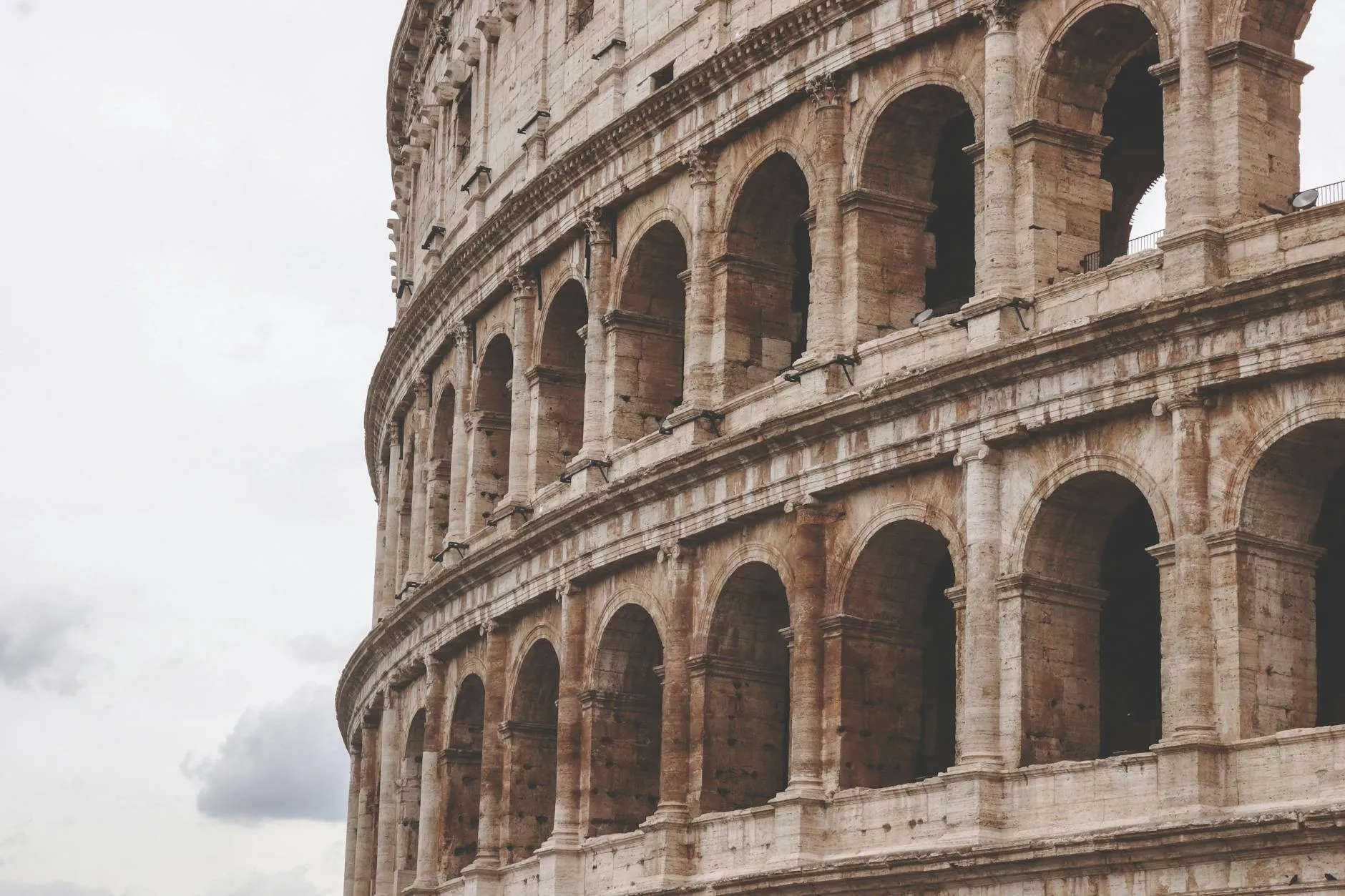
Built in 80 AD, capacity 50,000, still the largest amphitheater ever constructed. Standing in the center, imagining gladiators and crowds, is genuinely moving regardless of how many photos you’ve seen. The new arena floor (reconstructed 2023-2025) lets you stand where gladiators once fought.
2026 prices: €18 standard (Colosseum + Roman Forum + Palatine Hill, valid 24 hours, single Colosseum entry). Full Experience €22 (adds arena floor or underground, valid 2 consecutive days). Book at coopculture.it — tickets sell out 30 days ahead in high season. Under-18s free with reservation; EU 18–25 €2.
Book the Full Experience for an afternoon slot, ideally 3 or 4 PM. The morning queues are brutal, the midday sun on the arena is punishing, and the late-afternoon light catching the travertine arches is what every photographer of Rome has been trying to capture for two centuries. Enter via the Palatine Hill gate rather than the main Colosseum gate — same ticket, half the queue, and you walk down through the Forum into the amphitheatre rather than fighting your way up. Ignore the €60 “skip-the-line” tours; an official ticket booked thirty days out costs a quarter of that and skips the same line.
2. The Vatican Museums & Sistine Chapel — The Masterpiece
Seven kilometers of galleries containing the greatest collection of art in human history, culminating in Michelangelo’s Sistine Chapel ceiling. You cannot see it all in one visit — don’t try. The Raphael Rooms and Sistine Chapel are mandatory; everything else is a bonus.
2026 prices: €20 onsite, €25 online (€20 + €5 supplement). Audio guide adds €7. Friday night openings (7–11 PM, seasonal) are the same price and an entirely different experience. Free for under-6s; €8 for ages 6–18. Free last Sunday of the month, 9 AM–2 PM (last entry 12:30) — but expect a queue measurable in lifetimes. Book at biglietteriamusei.vatican.va.
The tourist version: 10 AM entry, three hours of shuffling shoulder-to-shoulder through the corridors, the Sistine Chapel as a sweaty crowd-shuffle, exit through the main door, walk all the way back around to St Peter’s Square. The local version: enter at 8 AM sharp or book the Friday night opening, walk straight to the Raphael Rooms before backtracking, spend no more than three hours total because museum fatigue is a real physiological condition, and use the Sistine Chapel’s left-hand exit door (officially for guided tours, in practice nobody stops you) which deposits you directly into St Peter’s Basilica — saving you a forty-minute walk and the loss of your remaining patience.
3. St. Peter’s Basilica — The Cathedral
The largest church in the world, built over St. Peter’s tomb, home to Michelangelo’s Pietà and Bernini’s baldachin. The scale is staggering — the cherubs on the holy water fonts are 6 feet tall. Entry is free; the dome climb is the best view in Rome.
Entry: FREE (basilica). Dome climb: €8 onsite by stairs (all 551 steps) or €10 onsite by elevator to the terrace then stairs the rest of the way (~320 steps remaining). Online reservation tickets (guaranteed time slot) are €17 stairs / €22 elevator at basilicasanpietro.va. Grottoes FREE, €13 Scavi excavations (booking required; book months ahead for the necropolis tour beneath St Peter’s). Strict dress code enforced — knees and shoulders covered.
Go at 7 AM the moment the basilica opens, or after 5 PM when the cruise crowds have dispersed. The 551-step climb to the dome is claustrophobic in the lower section (you walk between the inner and outer shells, the walls curving in on you), but the moment you step onto the rooftop terrace and see St Peter’s Square laid out in perfect symmetry below — Bernini’s colonnade reaching out like two enormous arms — every step feels paid for. The €2 difference between the all-stairs ticket and the elevator-then-stairs ticket buys you 320 fewer steps; spend it.
4. The Pantheon — The Perfect Building
Built 125 AD, converted to a church in 609 AD, still standing with the world’s largest unreinforced concrete dome. The oculus (open hole in the dome) creates a moving spotlight that tracks across the marble interior. When it rains, the water falls through — and drains through 22 hidden holes in the floor.
2026 prices: €5 (introduced July 2023; was free for two thousand years). Free for under-18s, disabled visitors, and Rome residents. Free first Sunday of the month.
Locals know to come at noon for the geometry lesson — when the sun is directly overhead, a single shaft of light falls through the oculus (the nine-metre hole at the top of the dome) and lands as a perfect golden circle on the marble floor, drifting slowly across the temple as the earth turns. On a clear day this is the most quietly extraordinary moment of architecture in Rome. The early-morning version, before the crowds, is calmer but the light is wrong. Stand in the centre of the rotunda, tilt your head all the way back, and let the dome do its work. Raphael is buried in the wall to your right.
5. The Roman Forum & Palatine Hill — The Heart
Where Rome happened — the center of the Republic and Empire for 1,000 years. The Forum is ruins, but evocative ones: temples, basilicas, the Senate house, triumphal arches. Palatine Hill above has imperial palaces and the best Forum views.
Entry: Included with Colosseum ticket (€18 combo). Valid 24 hours for Forum/Palatine (single Colosseum entry).
Enter the Palatine from Via di San Gregorio rather than the Forum entrance — same ticket, no queue, and the descent through the imperial palaces gives you the Forum from above before you walk down into it. Spend thirty minutes on the Palatine for the views, then descend into the Forum proper; two to three hours total with the Colosseum included. Morning only — the Forum has no shade and the Roman summer sun is not metaphorical.
6. Trevi Fountain — The Spectacle
The largest Baroque fountain in Rome, finished 1762, made immortal by “La Dolce Vita.” It’s smaller than you expect and more beautiful than photos suggest. Throw a coin over your left shoulder with your right hand — €1.5 million is collected annually and donated to charity.
Entry: Viewing from the piazza above: FREE. Access to the lower terrace in front of the basin (where you stand at the ledge, throw your coins, take the close-up photo): €2 per person during ticket hours. This fee was introduced on 2 February 2026 as a crowd-control measure. Ticket hours are Monday and Friday 11:00–22:00, all other days 09:00–22:00; outside those hours the barriers come down and close-up access is free. Pay contactlessly at the kiosk (tap a card or phone), online, or via QR code on site; it is an open ticket, not tied to a specific time slot. Children under five, people with disabilities and registered Rome residents are exempt.
Visit before 9 AM (or, if you must do night, after 10 PM) — this skips both the ticket and the continuous wall of selfie sticks that fills the stepped area between 10 AM and sunset. Timing that used to be only about crowds is now also about saving €2 per person. The fountain is dramatically lit after dark, which is genuinely beautiful, but late night brings the city’s drunks and hustlers. Coin over the left shoulder with the right hand, and yes, it does collect about €1.5 million a year for charity.
7. Spanish Steps — The Hang
135 steps built 1723-25, connecting the French church at the top to the Spanish embassy at the bottom (hence the name confusion). It’s a nice stroll, good for people-watching, but honestly… it’s steps.
Entry: FREE. Sitting on the steps is now officially banned (fines up to €400, rarely enforced except for picnics).
The tourist version of the Spanish Steps is sitting on them for an hour with a phone out (also illegal as of 2019, with fines up to €400 — rarely enforced for sitting, sometimes for picnics). The local version is a six-minute total visit: walk up, look down Via Condotti to see the perfect symmetry of Rome’s most expensive shopping street, walk back down, and head five minutes to Giolitti for the gelato that justifies the detour. Do not linger.
8. Piazza Navona — The Living Room
Rome’s most elegant piazza, built on a 1st-century stadium (you can still see the shape). Bernini’s Four Rivers fountain in the center, Baroque churches, outdoor cafés, and a tourist-to-local ratio that’s actually manageable. The €8 coffee here is almost justified.
Entry: FREE. Always open.
Visit during the evening passeggiata, the Italian after-work stroll that fills Rome’s great piazzas between 7 and 8:30 PM. Have one Negroni at one of the café tables along the western edge — the price is part of the rent on the view, and the view is Bernini’s Four Rivers fountain catching the last light against a Baroque church facade — and then walk three streets in any direction to eat dinner somewhere honest. The restaurants directly on Piazza Navona are universally overpriced and universally mediocre. The €8 coffee here is almost justified. The €30 pasta is not.
9. Galleria Borghese — The Hidden Masterpiece
Cardinal Borghese’s private collection, now a museum: Bernini’s Apollo and Daphne, Caravaggio’s David with the Head of Goliath, Titian, Raphael. The villa setting is intimate — you’re not fighting crowds. The timed entry (2 hours per slot) means it’s never overcrowded.
2026 prices: €16 + €2 booking fee online via galleriaborghese.beniculturali.it. Two-hour timed visits are mandatory. This is one of the hardest tickets in Rome — book three to four weeks ahead minimum.
Book the first slot of the day at 9 AM and arrive thirty minutes early. The two-hour limit sounds short and is exactly correct: any longer and you start sleepwalking past Caravaggios. Walk the Borghese Gardens afterwards — they are the largest park in central Rome and the only place in the city where you can lose tourists in actual greenery.
10. Castel Sant’Angelo — The Fortress
Built as Hadrian’s tomb (139 AD), converted to a fortress, connected to the Vatican by a secret passageway (the Passetto). The rooftop terrace has stunning views of St. Peter’s dome. The interior is medieval castle rooms and papal apartments.
2026 prices: €16. Free first Sunday of the month. The rooftop terrace alone justifies the entry — the view of St Peter’s dome from here is the photograph everyone wants and almost nobody takes from the right angle.
11. Trastevere — The Neighbourhood
Technically not an “attraction,” but the best neighbourhood for wandering. Cobblestone streets, ivy-covered buildings, artisan workshops, excellent food, and actual Romans going about their lives. Get lost here.
Entry: FREE. The neighbourhood exists for living.
12. Campo de’ Fiori — The Market Square
Morning produce market (until 2pm daily except Sunday), evening bar scene, the statue of Giordano Bruno (burned here for heresy in 1600) watching over it all. More local-feeling than Piazza Navona, more manageable than Testaccio market.
Entry: FREE.
Rome’s Best Neighbourhoods
Rome’s historic centre is walkable — you can cross it in an hour. But each rione (neighbourhood) has its own character. Where you stay shapes your entire experience.
Centro Storico — The Heart
The historic centre: Pantheon, Piazza Navona, Campo de’ Fiori, Trevi Fountain. Everything is walkable, the architecture is postcard-perfect, and you’ll never need public transit. The downside: it’s touristy, expensive, and can feel like a museum at night.
Best For: First-timers, short trips, older travelers who want walkability, romantic getaways.
Eat: Armando al Pantheon (book ahead), Roscioli (pasta and salumi), Da Enzo (casual, excellent).
Stay: Hotel Raphael (rooftop terrace), Residenza in Farnese (affordable elegance), Casa Montani (boutique).
Trastevere — The Village
Across the Tiber, technically “outside” ancient Rome. Winding streets, artisan workshops, the best casual dining scene, and a bar culture that doesn’t exist in Centro Storico. Feels more residential, more authentic, more Italian. Gets rowdy late at night (American students).
Best For: Foodies, nightlife seekers, those who want neighbourhood vibes over monument proximity.
Eat: Da Enzo al 29 (Roman classics, line by 7pm), Tonnarello (cacio e pepe), Supplì Roma (takeaway). At eight in the evening on a warm Saturday, every doorway in Trastevere leaks the same three things into the alleys: the smell of garlic hitting hot olive oil, the sound of a glass being put down on a wooden table, and the laughter of strangers who have been strangers for forty-five minutes and friends for the next hour.
Stay: Hotel Santa Maria (courtyard garden), Arco del Lauro (boutique B&B), Casa di Santa Francesca Romana (nuns run it, seriously).
Monti — The Hip One
Rome’s former red-light district, now its trendiest neighbourhood. Vintage shops, wine bars, independent boutiques, a young Roman crowd. Close to the Colosseum but doesn’t feel touristy. The main street (Via del Boschetto) is excellent for wandering.
Best For: Young travelers, shoppers, those who want Roman nightlife without the Centro Storico crowds.
Eat: Alle Carrette (pizza), La Barrique (wine bar), Ai Tre Scalini (wine and cheese).
Stay: The Fifteen Keys (design hotel), Hotel Raffaello (budget-friendly), Palm Gallery Hotel.
Testaccio — The Local’s Rome
Working-class neighbourhood built on an ancient Roman garbage dump (Monte Testaccio, literally a hill of broken amphorae). The best food market in Rome, the best Roman cuisine, almost no tourists. This is where Romans eat.
Best For: Serious foodies, those who’ve been to Rome before, anyone who wants zero tourist crowds.
Eat: Felice a Testaccio (cacio e pepe temple), Pizzeria Remo (Roman pizza), Flavio al Velavevodetto (cucina romana), Mordi e Vai (market sandwiches). Walk through Testaccio Market at 9 AM and the smell hits you in this order: blood from the butchers’ counters, fresh basil from the herb stalls, the raw-milk funk of pecorino split open on a marble counter, and somewhere underneath all of it, the salt-and-iron smell of the Tiber two streets away. Testaccio is what Rome smells like before tourists wake up.
Stay: Limited options — most visitors stay elsewhere and come here to eat.
Prati — The Vatican Neighbourhood
North of the Vatican walls, a residential grid of elegant buildings, good restaurants, and far fewer tourists than you’d expect given the location. Excellent base for Vatican visits.
Best For: Vatican-focused visits, families, those who want a quieter neighborhood with good metro access.
Eat: Pizzarium (Bonci’s legendary pizza al taglio), Del Frate (wine bar), Sciascia Caffè (since 1919).
Stay: Hotel dei Consoli (rooftop with St. Peter’s view), iQ Hotel Roma, Orange Hotel.
Jewish Ghetto — The Historic Quarter
One of Europe’s oldest Jewish communities, confined to this area from 1555-1870. Now a charming neighbourhood with Roman-Jewish cuisine (artichokes, fried everything), ancient ruins (Portico d’Ottavia, Teatro Marcello), and a village feel in the centre of Rome.
Best For: Food lovers, history buffs, central location without Centro Storico prices.
Eat: Nonna Betta (carciofi alla giudia), Ba’Ghetto (kosher Roman-Jewish), Piperno (historic), Boccione bakery (ricotta cake, no sign, just a window).
Aventino & Circo Massimo — The Quiet Hill
One of Rome’s seven hills, residential and leafy. The Orange Garden (Giardino degli Aranci) has the best free view in Rome. The Keyhole at the Knights of Malta gate frames St. Peter’s dome perfectly. Quiet evenings, zero nightlife.
Best For: Couples seeking quiet, those who want to escape crowds, guests with cars (easier parking).
San Lorenzo — The Student Quarter
University neighbourhood, left-wing murals, cheap eats, late-night bars. Gritty, authentic, and completely untouristy. The street food and aperitivo scene is excellent. Check out Pigneto nearby for a similar vibe.
Where to Stay in Rome — By Budget
Budget: €60-120 per night
The Beehive (Termini area): American-owned hostel/hotel hybrid with private rooms, yoga classes, and a vegetarian café. Clean, friendly, ethical. From €70.
Hotel Des Artistes (Via Margutta): Simple rooms near the Spanish Steps. Location is the draw. From €80.
Generator Rome (Esquilino): Hostel with private rooms, rooftop bar, and decent location near Termini. From €50 dorms, €90 private.
Mid-Range: €150-300 per night
Hotel Campo de’ Fiori: Rooftop terrace overlooking the piazza, excellent location, reasonable prices for the area. From €180.
Hotel Santa Maria (Trastevere): 16th-century cloister turned boutique hotel. Peaceful courtyard, bikes for guests. From €200.
The Fifteen Keys (Monti): Design-forward boutique hotel in the trendiest neighborhood. Bar, restaurant, rooftop. From €250.
Luxury: €400+ per night
Hotel de Russie: Secret garden, Michelin-starred restaurant, celebrity clientele. The nicest hotel in Rome. From €600.
Portrait Roma: Salvatore Ferragamo’s hotel, overlooking the Spanish Steps. Suites only, impeccable service. From €700.
Hotel Hassler: Perched above the Spanish Steps since 1893. Old-school glamour, unbeatable location. From €500.
Where to Eat in Rome
Roman cuisine is one of Italy’s simplest and most satisfying: few ingredients, bold flavors, recipes unchanged for generations. The four classic pasta dishes, the fried supplì, the artichokes two ways — this is food that doesn’t need innovation because it was perfected centuries ago.
Pasta — The Four Commandments
Rome has four canonical pasta dishes. Master these and you understand Roman cooking.
1. Cacio e Pepe — The Deep Dive
What It Actually Is
Forget what you think you know. Cacio e pepe is not “cheese pasta.” It is the most technically difficult of Rome’s four canonical pasta dishes and possibly the most difficult three-ingredient dish in any cuisine. There is no oil, no butter, no cream, no garlic, no shallot. There is pecorino romano, freshly cracked black pepper, the starch-rich water in which the pasta cooked, and the heat of the pasta itself. That is everything. The cook’s only job is to make those four things become a sauce — a glossy, emulsified, mouth-coating sauce that clings to every strand of tonnarelli — without the pecorino seizing into a clumped, granular disaster on the plate.
The Pecorino-to-Pasta-Water Ratio Science
Pecorino romano is a hard sheep’s milk cheese, intensely salty, with a low fat content and a high protein content. When you add it directly to hot pasta, the proteins denature and the cheese clumps into stringy curds. To make it sauce, you need three things in precise balance: temperature below 80 °C (above that, proteins seize), starchy pasta water (the released pasta starch coats the cheese particles and stops them from binding to each other), and vigorous mantecatura — the off-heat Italian technique of beating the cheese, water, and pasta together until they become one substance. The pasta must be undercooked by 90 seconds, transferred straight from the boiling water to the cheese with tongs (so it brings starchy water with it), and finished with a splash of cooking water that turns the pecorino into a pale-yellow custard. The pepper goes in toasted, in a dry pan, before anything else, so its oils bloom into the dish.
Where Tourists Go Wrong
The dish you order on Via dei Fori Imperiali for €22 will almost certainly be wrong. Here is what to watch for: cream in the sauce (a cardinal sin — it’s the lazy chef’s shortcut to avoid the emulsion problem), parmesan instead of pecorino (parmesan is from cow, the wrong cheese, the wrong region, the wrong dish), spaghetti or penne instead of tonnarelli or rigatoni (the wrong shape — tonnarelli, the square-cut Roman cousin of spaghetti, holds the sauce; rigatoni’s ridges trap it; spaghetti slides), black pepper from a pre-ground tin (use a pepper mill or it tastes like dust), and the worst sin of all — a sauce that looks white and powdery rather than golden and glossy. If the sauce sits in a clumped puddle at the bottom of the bowl while the pasta sits dry on top, the cheese has seized. Send it back. A real cacio e pepe arrives looking like the pasta has been polished.
Where to Eat It in Rome
Felice a Testaccio (Via Mastro Giorgio 29) — The temple. The waiters do the final mantecatura at your table, tossing tonnarelli in pecorino with a wooden spoon and a bowl, in front of you, while you watch. It is theatrical and it is also the best version in the city. Book a week ahead. The bill comes to about €40 per person with a half-litre of house wine. Cash and cards both fine.
Da Enzo al 29 (Via dei Vascellari 29, Trastevere) — The Trastevere classic. A tiny room with twelve tables, a queue from 7 PM, no reservations for parties under four. The cacio e pepe is plated rather than tossed tableside, but the emulsion is perfect every single time. About €14 for the pasta, €30 with antipasto and wine. Cash strongly preferred.
Roscioli (Via dei Giubbonari 21, near Campo de’ Fiori) — The richest version. Roscioli is half deli, half restaurant, half wine bar (yes, three halves — Rome math). Their cacio e pepe uses a younger pecorino blended with an older one, and the result is sharper and more savoury than the textbook version. €18. Booking essential, two weeks ahead minimum for dinner.
Flavio al Velavevodetto (Via di Monte Testaccio 97) — Built into the side of Monte Testaccio (Rome’s artificial Roman-amphora hill — there is a literal mountain of broken pottery beneath your table). The cacio e pepe here is the most rustic of the four, served in a simple white bowl, no theatre, just the four ingredients in flawless ratio. €13. Book a few days ahead.
How to Order & How to Eat It
Walk in. Sit down. Tell the waiter “cacio e pepe, per favore.” Order it as a primo (first course), not a main — you cannot share it; the dish was designed for one bowl per person. When it arrives, do not stir it (the mantecatura has already been done). Twirl one twist of pasta on your fork, eat it without bread, and pay attention to the moment the pepper hits the back of your throat after the pecorino has coated your tongue. That is the flavour the dish was invented for. Drink Frascati from the carafe. Do not order parmesan to add. Do not ask for olive oil. Do not photograph it before you eat it — the sauce starts to break within ninety seconds of leaving the kitchen, and a perfect cacio e pepe is the most temporary great food on Earth. €13–18 depending on the place. The best €15 you will spend in Italy.
2. Carbonara
Guanciale (cured pork jowl), egg yolks, pecorino, black pepper. No cream — ever. The silky sauce comes from the egg tempered with hot pasta. The guanciale should be crispy. Anyone who adds cream is not serving carbonara.
Where: Roscioli (legendary), Da Danilo (some say the best), Armando al Pantheon (tourist location, authentic food), Luciano (near Colosseum, excellent).
Price: €14-20.
3. Amatriciana
Guanciale, tomato, pecorino, a hint of chili. From Amatrice in Lazio, adopted by Rome. The sweetness of tomato, the fat of guanciale, the salt of pecorino — perfectly balanced. Usually served with bucatini (thick spaghetti with a hole).
Where: Bucatino (Testaccio, obviously), Felice a Testaccio, Salumeria Roscioli.
4. Gricia
The “white amatriciana” — guanciale, pecorino, pepper, no tomato. The ancestor of carbonara (add egg) and amatriciana (add tomato). The most purely porky of the four.
Where: Flavio al Velavevodetto (Testaccio), Salumeria Roscioli, Da Enzo.
Roman Pizza
Roman pizza is thin, crispy, almost cracker-like — the opposite of Neapolitan. Pizza al taglio (by the slice, sold by weight) is the local fast food. Pizza tonda (round) is served in pizzerias.
Pizza al Taglio (By the Slice)
Pizzarium (Prati): Gabriele Bonci’s legendary shop. Creative toppings, perfect crust, long lines. €3-6 per slice. Point at what you want, they weigh it.
Antico Forno Roscioli (Centro): The bakery counterpart to the famous restaurant. Pizza bianca (no sauce, just olive oil and salt) is the benchmark.
Supplì (Trastevere): Yes, it’s called Supplì but they also do excellent pizza.
Pizza Tonda (Round)
Pizzeria Da Remo (Testaccio): Paper-thin crust, raucous atmosphere, cash only, lines out the door. The quintessential Roman pizzeria. Opens at 7pm.
Ai Marmi (Trastevere): Nicknamed “l’Obitorio” (the morgue) for its marble tables. Same style as Da Remo, equally good.
Emma (Centro): More refined setting, excellent pizza, good for a nicer dinner.
Street Food & Supplì
Supplì: Rice balls stuffed with ragù and mozzarella, fried until the cheese strings when you pull them apart (“supplì al telefono”). The ultimate Roman street food.
Where: Supplì Roma (Trastevere, the namesake), Trapizzino (triangular pizza pockets), Mordi e Vai (market sandwiches in Testaccio).
Trapizzino: Invented in Rome 2008. Triangle of pizza dough stuffed with classic Roman dishes (tripe, oxtail, chicken cacciatore). Multiple locations.
Porchetta: Whole roasted pig, sliced and served in a sandwich. Best from towns outside Rome (Ariccia), but Er Buchetto in Rome is excellent.
Artichokes — Two Ways
Roman cuisine worships the artichoke. Two preparations dominate:
Carciofi alla Giudia: Whole artichoke, deep-fried twice until crispy like a bronze flower. Jewish Ghetto specialty — Nonna Betta and Piperno are the temples.
Carciofi alla Romana: Braised with garlic, mint, and olive oil. Tender, herby, simpler. Found everywhere in season (February-April).
Offal & Fifth Quarter
Testaccio was the slaughterhouse district. Workers were paid in the “fifth quarter” — organs, tails, heads. This became cucina povera, now celebrated:
Coda alla vaccinara: Oxtail braised in tomato and celery. Rich, falling-apart tender.
Trippa alla romana: Tripe in tomato sauce with pecorino and mint.
Pajata: Intestines of milk-fed veal with the mother’s milk still inside. Sounds challenging, tastes incredible at Checchino dal 1887.
Michelin Stars
La Pergola (3 stars): Heinz Beck’s rooftop restaurant at the Cavalieri Hotel. €300+ per person. The only 3-star in Rome.
Il Pagliaccio (2 stars): Anthony Genovese’s creative Italian-Japanese fusion. €200+ tasting menu.
Acquolina (2 stars): Seafood-focused, newly promoted to two stars in the 2026 Michelin Italy guide. Chef Daniele Lippi at The First Roma Arte hotel. €150-220.
Aroma (1 star): Views of the Colosseum, modern Roman cuisine. The setting alone is worth it. €150-200.
Enoteca La Torre (2 stars): At Villa Laetitia, Chef Domenico Stile. Confirmed two stars in the 2026 Michelin Italy guide.
INEO (1 star, new 2026): Inside the Anantara Palazzo Naiadi Rome hotel near Termini, Chef Heros De Agostinis (trained under Heinz Beck and Joël Robuchon). New entry in the 2026 guide.
La Terrazza at Hotel Eden (1 star, new 2026): Rooftop dining with views across Rome, Executive Chef Salvatore Bianco. New 2026 star.
Rome has 20 starred restaurants in the 2026 Michelin Italy guide; the list above is a selection, not exhaustive. Verify current listings at guide.michelin.com before booking.
Gelato — The Real Thing
Real gelato is made fresh daily with natural ingredients. You can spot it: muted colors (bright green pistachio is fake), covered metal containers (not piled-high display mounds), and a willingness to say “we don’t have that flavor today.”
The Best Gelaterias
Giolitti (since 1890): Near the Pantheon, historic, excellent. Slightly touristy but the quality is real. €3-5.
Fatamorgana (multiple locations): Organic, creative flavors (wasabi chocolate, Kentucky tobacco), no artificial anything. The best modern gelateria in Rome.
Il Gelato di San Crispino: Near Trevi Fountain but not tourist bait. Serve in cups only (cones compromise the experience, they say).
Gelateria del Teatro: Near Piazza Navona, small batches, seasonal flavors. Watch them make it.
Gunther Gelato (Prati): German precision, Italian tradition. The pistachio is perfect.
Red Flags
- Bright, artificial colors (especially pistachio, mango, banana)
- Gelato piled in dramatic mounds (requires additives to maintain shape)
- Too many flavors (artisan shops have 15-20, not 40)
- “Smurf” or Nutella flavors
Coffee Culture
Coffee in Rome is a ritual. You stand at the bar, drink your espresso in three sips, pay €1-1.50, and leave. Sitting down costs more. Ordering a cappuccino after 11am marks you as a tourist (milk after meals is considered digestively wrong).
The Order
- Caffè: Espresso. The default.
- Caffè doppio: Double espresso.
- Caffè macchiato: Espresso with a dot of milk foam.
- Cappuccino: Morning only. Equal parts espresso, steamed milk, foam.
- Caffè corretto: Espresso “corrected” with grappa or sambuca.
- Caffè shakerato: Espresso shaken with ice and sugar. Summer essential.
The Best Bars
Sant’Eustachio il Caffè: Near the Pantheon, famous for their secret sweetening technique. The gran caffè is intense and addictive. Standing only.
Tazza d’Oro: Across from the Pantheon, granita di caffè in summer is legendary. Roasts their own beans since 1946.
Sciascia Caffè (Prati): Wood-paneled, unchanged since 1919. The espresso is perfect. Not a tourist in sight.
Antico Caffè Greco (Spanish Steps): Open since 1760, the oldest bar in Rome. Beautiful interior, €8 sitting fee, worth experiencing once.
Aperitivo & Wine
Aperitivo (evening drinks with free snacks) is Roman religion. Between 6 and 9 PM, order a drink (€8–15) and help yourself to a buffet of food. At good spots, this can replace dinner. There is a specific colour the sky turns over Rome at 7:15 PM in late spring — a colour painters have been trying to mix for five hundred years and never quite getting right — and the city’s outdoor tables fill in waves as that colour deepens, every glass on every café table catching the same light, the entire population of central Rome briefly engaged in the same activity at the same moment, like a coordinated act of civic worship.
Classic Aperitivo Spots
Freni e Frizioni (Trastevere): Former mechanic’s garage, now the aperitivo institution. The buffet is generous, the crowd is young Romans. Arrive by 7pm.
Rec 23 (Testaccio): Industrial space, excellent cocktails, varied buffet. Less touristy than Trastevere.
Salotto 42 (Piazza di Pietra): Design books, designer cocktails, temple views. Aperitivo with elegance.
Wine Bars (Enoteca)
Roscioli Salumeria (Centro): The wine list is insane (2,800+ labels), the salumi is perfect, the atmosphere is buzzing. Book for dinner.
Il Goccetto (Centro): Unchanged since the 1990s, small, packed, and the owner knows every bottle. Cash only.
Barrique (Monti): Excellent by-the-glass selection, good cheese and salumi, friendly staff.
Ai Tre Scalini (Monti): Spilling out onto the piazza, young crowd, affordable wine, perfect for people-watching.
Roman Wines
Frascati: The local white. Light, refreshing, perfect with fried food. Drink it cold.
Cesanese: The local red. Medium-bodied, fruity, underrated. Try from Olevano Romano.
The Vatican — Complete Guide
Vatican City is an independent country (population: ~800) containing more priceless art per square meter than anywhere on Earth. You need strategy to survive it.
St. Peter’s Basilica
Entry: FREE. Security line can be 30-60 minutes, or walk-in at 7am opening.
Dome: €8 onsite by stairs (551 steps), €10 onsite by elevator to the terrace then stairs (~320 steps from there). Online reservation €17/€22 (basilicasanpietro.va). Best Rome view. Go early — last entry is 5pm in summer (4:30pm in winter).
Dress Code: Covered shoulders, covered knees. Enforced. Bring a scarf.
Don’t Miss: Michelangelo’s Pietà (right aisle behind glass since 1972 attack), St. Peter’s bronze statue (foot worn smooth by pilgrims), Bernini’s baldachin (bronze columns 29m tall), papal tombs in the grottoes.
Vatican Museums
Booking: Essential. Book at biglietteriamusei.vatican.va 60+ days ahead for peak season. Day-of tickets only available if not sold out (rare).
Timing: First entry (8am) or last entry (late afternoon). Friday night opening (7-11pm) is best — half the crowds, cooler temperature, dramatic lighting.
The Route: The museums funnel you toward the Sistine Chapel. Don’t fight it. Go directly through Raphael Rooms → Sistine Chapel (2 hours). Backtrack to highlights after.
Sistine Chapel
Michelangelo’s ceiling (1508-1512) and Last Judgment (1536-1541). No photos allowed (sponsorship agreement with Nippon TV). Guards shush constantly. Despite everything, it’s still overwhelming — the scale, the detail, the humanity of the figures.
Find a wall to lean against, look straight up, and stay there for fifteen minutes. The rest of the room will rush through in three. The ceiling rewards stillness in a way that no Renaissance fresco anywhere else does — the longer you stand, the more figures you see, and the more you understand that Michelangelo was painting four years on his back without knowing if anyone would ever look up long enough to notice the third hand from the left in The Creation of Adam.
St. Peter’s Square
Bernini’s colonnade (284 columns) designed to embrace the faithful. Free to enter, best at night when it’s empty and lit. The obelisk in the center is 4,000 years old (Egyptian, moved to Rome 37 AD).
Papal Audience (Wednesdays): Free tickets from Prefecture of the Papal Household. Submit request by fax or email weeks ahead.
Vatican Gardens
Half the Vatican territory, accessible only by guided tour. Book at biglietteriamusei.vatican.va. €33-39 depending on format. Worth it for gardeners and those who’ve done the museums.
Ancient Rome
Beyond the Colosseum and Forum, Rome’s ancient past is everywhere — often hiding in plain sight.
Appian Way (Via Appia Antica)
The ancient road to Brindisi, built 312 BC, lined with tombs and catacombs. On Sundays it’s closed to cars — rent a bike and cycle between umbrella pines and ruins. Catacombs of San Callisto and San Sebastiano are underground cities of the dead.
Getting There: Bus 118 from Colosseum. Bike rental on-site from €15/day.
Baths of Caracalla
The largest ancient bathhouse, accommodating 1,600 bathers. The shell is massive and evocative — opera performances here in summer are magical. €10 entry, or Roma Pass.
Ostia Antica
Rome’s ancient port, abandoned when the sea receded, now one of the best-preserved Roman towns. Easier to explore than Pompeii, easier to reach than Pompeii, far fewer crowds than Pompeii. 45 minutes by train. €15 entry.
Ara Pacis
Augustus’s “Altar of Peace” (13-9 BC), now in a controversial modern glass building by Richard Meier. The carved marble reliefs are exquisite. €13 entry.
Domus Aurea (Nero’s Golden House)
Nero’s scandalous palace, buried and built over after his death, now partially excavated. Guided tours only on weekends. €18 with virtual reality experience. Book at coopculture.it.
Hidden Rome
Beyond the postcard attractions, Rome rewards those who look deeper.
The Keyhole View
At the Knights of Malta priory gate (Piazza dei Cavalieri di Malta, Aventine Hill), look through the bronze keyhole. St. Peter’s dome appears perfectly framed at the end of a tree-lined garden. Free. Best at sunset.
Centrale Montemartini
Ancient Roman statues displayed in a 20th-century power station. The juxtaposition of marble gods and industrial turbines is striking. Completely uncrowded. €13 or free with Roma Pass.
Quartiere Coppedè
A tiny Art Nouveau/Liberty Style neighborhood near Villa Borghese. Fairy-tale buildings, gargoyles, frescoes, zero tourists. Metro A to Policlinico, 10-minute walk.
Non-Catholic Cemetery
Where Keats and Shelley are buried, among umbrella pines and ancient walls. One of the most romantic spots in Rome. “The most beautiful cemetery in the world” — Oscar Wilde. Suggested donation €3.
San Giovanni in Laterano
The official cathedral of Rome (not St. Peter’s). Larger than most major churches, almost empty of tourists. The Scala Santa (Holy Stairs) nearby — pilgrims climb on their knees.
Santa Maria del Popolo
Free church with two Caravaggios (Crucifixion of St. Peter, Conversion of St. Paul) tucked in a side chapel. The art is world-class; the crowds are nonexistent.
The Orange Garden (Giardino degli Aranci)
On the Aventine Hill, the best free view in Rome. St. Peter’s dome, the Tiber, the city spreading below. Bring wine at sunset (technically illegal but everyone does it).
Underground Rome
San Clemente: A 12th-century church built on a 4th-century church built on a 1st-century temple. Descend three levels of history. €10.
Catacombs: Miles of underground Christian burial tunnels. San Callisto and Domitilla are the most extensive. €10, guided tours only.
Markets & Shopping
Food Markets
Mercato di Testaccio: The best food market in Rome. Local produce, Mordi e Vai sandwiches, fish, cheese, everything. Covered, modern, authentic. Monday-Saturday mornings.
Campo de’ Fiori: More touristy but still functioning. Produce, flowers, spices. Mornings only, closed Sundays.
Mercato Trionfale (Prati): Near the Vatican, massive covered market, zero tourists. What Romans actually use.
Shopping Streets
Via del Corso: High street brands, H&M to Zara. Crowded, mainstream.
Via Condotti: Luxury brands (Gucci, Prada, Bulgari) at the base of the Spanish Steps.
Via del Boschetto (Monti): Vintage shops, independent boutiques, leather goods.
Via del Governo Vecchio (Centro): Vintage clothing, quirky shops, less crowded than Monti.
What to Buy
Leather: Italy’s specialty. Look for “vera pelle” (real leather). Avoid tourist shops near monuments.
Olive oil: Bring an empty suitcase. Eataly (Piramide) or the markets.
Limoncello: Buy from a liquor shop, not a tourist store. The homemade stuff is better.
Day Trips from Rome
Pompeii & Herculaneum (2.5 hours by train)
The cities frozen by Vesuvius in 79 AD. Pompeii is larger and more famous; Herculaneum is smaller but better preserved. Both are extraordinary. Take an early Freccia to Naples, then Circumvesuviana train. Pompeii €18, Herculaneum €13.
Tivoli (45 minutes by bus/train)
Villa d’Este: 500 Renaissance fountains cascading down terraced gardens. UNESCO site. €12.
Hadrian’s Villa: Emperor’s massive country estate, a city unto itself. Less crowded than Villa d’Este. €12 or combined ticket €16.
Orvieto (1 hour by train)
Hilltop town with a stunning Gothic cathedral (the facade is worth the trip alone), underground caves, and excellent Orvieto Classico wine. Perfect half-day or overnight.
Civita di Bagnoregio (2 hours by bus)
The “dying city” — a medieval village atop an eroding plateau, connected to the world by a single footbridge. Hauntingly beautiful, very touristy by midday. Go early.
Castelli Romani (30 minutes)
The hill towns south of Rome where Romans escape summer heat. Frascati (wine), Castel Gandolfo (papal summer residence), Ariccia (porchetta). Train + local bus.
Ostia Antica (45 minutes)
See Ancient Rome section above. The most convenient day trip — train from Piramide, same ticket as metro.
Arriving at FCO & CIA
Fiumicino (FCO) — The Main Airport
30 km southwest of Rome. Most international flights arrive here.
- Leonardo Express: €14 direct to Termini station. 32 minutes, every 15 minutes. The best option for Centro Storico/Termini hotels.
- FL1 Regional Train: €8 to Trastevere, Ostiense, Tiburtina stations. 30-45 minutes, every 15 minutes. Better for Trastevere or south Rome hotels.
- SIT Bus Shuttle: €7 to Termini. 55 minutes. Cheaper but slower.
- Taxi: Fixed fare €50 to anywhere within the Aurelian Walls (most of central Rome). Insist on the fixed rate — it’s law.
- Uber: Not legal in Rome for standard service. Uber Black only, more expensive than taxi.
The Verdict: Leonardo Express for Termini area, FL1 for Trastevere, taxi for late nights or groups of 3+.
Ciampino (CIA) — The Budget Airport
15 km southeast. Ryanair and other budget carriers.
- SIT Bus + Metro: €6 to Termini. 40-60 minutes. The only real public transit option.
- Terravision/SIT Bus: €6 direct to Termini. Book online for €5.
- Taxi: Fixed fare €31 to central Rome.
The Verdict: Ciampino is small and manageable. Bus to Termini works fine; taxi is reasonable for groups.
Getting Around Rome
Walking
Rome’s historic centre is 4 km across. You can walk from the Vatican to the Colosseum in 45 minutes. Walking is the best way to see the city — you’ll discover more by accident than by plan.
Metro
Three lines: A (orange), B (blue), C (green, still expanding). Useful for airport, Termini, Colosseum, Vatican area. €1.50 single ticket (100 min, one metro ride + unlimited buses), €7 24-hour pass, €12.50 48-hour, €18 72-hour.
Line A: Termini → Spanish Steps → Vatican (Ottaviano)
Line B: Termini → Colosseum → Piramide (Testaccio) → EUR
Buses & Trams
Cover everywhere the metro doesn’t. Same tickets. Route 40 is an express Vatican-Termini tourist link. Tram 3 circles the southern centre. Apps like Muovi Roma help track arrivals.
Roma Pass
48h Roma Pass: €33. One free attraction, discounts on others, unlimited public transit. Good if you’re doing Colosseum + Forum.
72h Roma Pass: €53. Two free attractions plus discounts and transit.
Worth It? Yes if you’re using public transit and visiting 2+ paid sites. Calculate based on your itinerary.
Taxi
White official taxis only. Meter starts at €3 (weekdays) or €5 (nights/weekends). Fixed rates to airports (see above). Refuse unmarked cars.
Rome with Kids
Rome is surprisingly kid-friendly. Gelato fixes everything, piazzas become playgrounds, and Italian grandparents will coo over your children.
Best Sites for Kids
Colosseum: Gladiators! The arena floor tour is particularly exciting. Book the Full Experience.
Explora Children’s Museum: Hands-on learning for ages 3-12. €12, timed entry slots.
Bioparco (Zoo): In Villa Borghese gardens. €18 adults, €13 kids. Decent zoo, great setting.
Gladiator School: Yes, this exists. Kids dress up and learn to fight. Various operators near Colosseum, €55-70.
Castel Sant’Angelo: A castle! With secret passages! The spiral ramp and rooftop are kid magnets.
Logistics
Strollers: Cobblestones are brutal. Bring a sturdy stroller with good wheels, or use a carrier for young kids.
Food: Kids eat free or very cheap at most restaurants. Pizza, pasta, gelato — Italian food is kid paradise.
Timing: Italians eat late (8-9pm). Kids are welcome at restaurants but consider the afternoon riposino (nap) culture — many shops close 1-4pm.
Romantic Rome
Rome is one of the world’s great romantic cities. Here’s how to do it right.
Classic Romance
Trevi Fountain at Midnight: Throw your coins, make your wish, and return when the crowds have gone home.
Sunset from the Orange Garden: The view of St. Peter’s as the sun sets. Bring wine.
Dinner in Trastevere: Winding streets, candlelit tables, the sound of Italian conversation.
Romantic Restaurants
Pierluigi: Seafood, piazza seating, film-star clientele. Book ahead, dress up.
Roscioli: Wine cellar atmosphere, incredible food, tables close together (intimate, not cramped).
Aroma: Colosseum views from the terrace, Michelin star, special occasion territory.
Da Enzo al 29: Not fancy, just perfect. Share cacio e pepe, hold hands.
Proposal Spots
The Keyhole View: Get down on one knee as St. Peter’s appears through the keyhole.
Orange Garden (Giardino degli Aranci): Sunset, view, romance.
Spanish Steps at Sunrise: Before the crowds, the light is magical.
Best Time to Visit Rome
The Sweet Spots
April-May: Perfect weather (18-24°C), manageable crowds, spring flowers. Easter is crowded but magical.
September-October: Warm but not hot, Romans return from vacation, cultural season begins. The best time overall.
When to Avoid
July-August: Brutal heat (35°C+), many Romans flee, some restaurants close for ferragosto (mid-August). Tourist crowds persist. That said, the locals who remain are friendlier, and aperitivo on a warm evening is perfect.
Late December: Christmas is beautiful but crowded. Many restaurants close Christmas Day.
2026 Events
Easter (April 5, 2026): Papal mass in St. Peter’s Square. Huge crowds, tremendous atmosphere.
Festa della Repubblica (June 2): National holiday, military parade on Via dei Fori Imperiali.
Estate Romana (Summer): Outdoor concerts, films, performances throughout the city.
Romaeuropa Festival (September-November): Contemporary performance art.
Christmas Markets: Piazza Navona hosts the largest. Mid-December to Epiphany (Jan 6).
Safety & Practical Information
Safety
Rome is generally safe. Petty theft (pickpockets) is the main risk, concentrated around Termini station, metro lines, and tourist sites.
Tips:
- Wear bags across your body, in front
- Keep phones in inside pockets on crowded transport
- Ignore anyone approaching you at tourist sites (rose sellers, selfie stick vendors, “petitions”)
- The Termini area at night can feel sketchy — it’s more unpleasant than dangerous
Money
Currency is the Euro (€). Cards accepted widely, but smaller trattorias and bars may be cash-only. ATMs everywhere; use bank ATMs to avoid fees.
Tipping
Not expected like in the US. Service charge (coperto) is typically €2-4 per person and included in the bill. For exceptional service, round up or leave €5-10. Tipping for coffee is not done.
Language
Italian. English is widely spoken in tourist areas but appreciated if you attempt Italian. Learn “buongiorno” (good day), “grazie” (thank you), “scusi” (excuse me).
Electricity
Type F/L plugs, 230V. European adapters work. UK and US plugs need adapters.
Dress Codes
Churches require covered shoulders and knees. St. Peter’s and major basilicas enforce this strictly. Carry a scarf.
Scams
- “Gift” bracelets: Someone ties it on your wrist, then demands payment. Say no firmly and walk away.
- Fake petitions: While you “sign,” an accomplice pickpockets you. Ignore and move.
- Gladiator photos: €20+ demanded after. Don’t engage unless willing to pay.
- Taxi overcharging: Insist on the meter or fixed airport rate.
Frequently Asked Questions
How many days do I need in Rome?
Four days minimum for a first visit. Day 1: Ancient Rome (Colosseum, Forum, Palatine). Day 2: Vatican (full day). Day 3: Centro Storico (Pantheon, Piazza Navona, Trevi, Spanish Steps). Day 4: Trastevere, Borghese Gallery, neighborhood wandering. A week is better; two weeks and you can day-trip and eat without rushing.
Do I need to book attractions in advance?
Yes for: Vatican Museums (essential), Colosseum (highly recommended), Borghese Gallery (mandatory). Everything else can be done day-of or walk-in.
Is Rome expensive?
Moderate. Cheaper than Paris or London, pricier than Eastern Europe. A coffee is €1, a pizza €8-15, a proper dinner €30-50. Hotels range €100-400/night for decent quality. Budget daily: €80-120; mid-range: €150-250; luxury: €300+.
What should I skip?
Tourist restaurants near major monuments (Trevi, Colosseum, Vatican). The “hard rock café” approach to Italian dining. The hop-on hop-off bus (walk instead). The gladiator photo ops (unless you genuinely want one).
Is the Roma Pass worth it?
If you’re using public transport and visiting 2+ paid sites, yes. Otherwise, book individual tickets.
Do I need a car?
No. The historic centre is ZTL (restricted traffic zone) and mostly pedestrianized. Public transit and walking cover everything. A car is only useful for day trips beyond train routes.
When should I eat?
Italians eat late. Lunch: 1-3pm. Dinner: 8-10pm (earlier for tourists). Restaurants often close between meals (3-7pm). Aperitivo fills the gap.
What’s the dress code?
Casual but put-together. Romans dress well without being formal. Shorts and sandals are fine in summer; just add a scarf for church visits. Bring comfortable walking shoes — cobblestones are brutal on heels.
Art & Architecture
Rome is an open-air museum. Every corner has a Bernini fountain, a Caravaggio hiding in a church, a Baroque facade competing with its neighbor. Here’s where to look.
Caravaggio in Rome
Caravaggio lived, worked, killed a man, and fled from Rome. His paintings remain, mostly in churches — free to visit.
Santa Maria del Popolo: Crucifixion of St. Peter and Conversion of St. Paul. Two masterpieces, one small chapel, free entry.
San Luigi dei Francesi: The Calling of St. Matthew, The Martyrdom of St. Matthew, St. Matthew and the Angel. Three paintings, jaw-dropping chiaroscuro. Free.
Sant’Agostino: Madonna of Loreto (Madonna of the Pilgrims). Mary as a real woman, dirty pilgrims at her feet. Scandalous in 1605. Free.
Galleria Borghese: David with the Head of Goliath (Caravaggio as Goliath), Boy with a Basket of Fruit, St. Jerome, others. €15 + booking.
Pinacoteca Capitolina: The Fortune Teller, St. John the Baptist. In the Capitoline Museums. €15.
Bernini’s Rome
Gian Lorenzo Bernini (1598-1680) shaped Rome more than any other artist. His fountains, sculptures, and facades define the Baroque city.
Four Rivers Fountain (Piazza Navona): Gods of four rivers (Nile, Ganges, Danube, Río de la Plata) supporting an Egyptian obelisk. Free.
St. Peter’s Square Colonnade: The embracing arms of 284 columns. Free.
Baldachin (St. Peter’s): The bronze canopy over the papal altar, 29 meters tall. Bernini was 24 when commissioned. Free.
Ecstasy of St. Teresa (Santa Maria della Vittoria): Mystical ecstasy in marble. The light beam from a hidden window was Bernini’s innovation. Free.
Apollo and Daphne (Galleria Borghese): The moment Daphne transforms into a tree. Marble has never looked more like living flesh. €15.
Fontana del Tritone (Piazza Barberini): Triton blowing water from a conch shell. Free.
Architecture Walk: Baroque Rome
Walk this route to understand Roman Baroque (1.5 hours, 3 km):
Start: Piazza del Popolo → Via del Corso → Piazza Colonna (Column of Marcus Aurelius) → Pantheon → Santa Maria sopra Minerva (Gothic elephant obelisk by Bernini) → Piazza Navona → Pasquino (talking statue) → Campo de’ Fiori.
Churches Worth a Detour
Beyond the basilicas, Rome has 900 churches. These justify the search:
Santa Maria in Cosmedin: Contains the Bocca della Verità (Mouth of Truth) — stick your hand in if you’re honest. Free.
Santo Stefano Rotondo: Circular church with gruesome martyrdom frescoes. Charles Dickens was horrified. Free.
Sant’Ignazio: Trompe-l’oeil dome painted on a flat ceiling. Stand on the marker in the nave for the full effect. Free.
San Pietro in Vincoli: Michelangelo’s Moses, meant for Julius II’s tomb. The horns are mistranslated from Hebrew “rays of light.” Free.
More Essential Eating
Roman-Jewish Cuisine
The Jewish Ghetto’s centuries of isolation created a distinct cuisine. Deep-frying became an art form.
Carciofi alla Giudia: The signature dish — entire artichokes, twice-fried until bronze. Best at Nonna Betta or Piperno.
Filetti di Baccalà: Salt cod fillets in light batter. Dar Filettaro a Santa Barbara has been frying them since 1957 (takeaway only, €6).
Fritto Misto: Everything fried — zucchini flowers, artichoke hearts, lamb brains, sweetbreads. Shared platter for the table.
Tortino di Aliciotti e Indivia: Anchovy and endive casserole. Sounds strange, tastes incredible.
Neighborhood Restaurants Worth the Journey
Agustarello (Testaccio): Cucina romana in a former slaughterhouse neighborhood. Rigatoni con la pajata here is legendary. Book ahead. €40-50.
Da Felice (Testaccio): The cacio e pepe institution. Old-school Roman, no innovations, perfection. Book days ahead. €40-50.
Cesare al Casaletto (Monteverde): Worth the trek outside the centre. Traditional Roman in a neighborhood trattoria. €35-45.
Osteria Bonelli (Testaccio): Smaller, more casual, excellent quality. Walk-in possible before 8pm. €30-40.
La Torricella (Testaccio/Piramide): Seafood-focused, excellent value. €35-50.
Wine Regions & Natural Wine
Rome is gateway to several wine regions:
Frascati: The local white, from the Castelli Romani hills. Light, refreshing, pairs with fried food.
Cesanese del Piglio: The best red from Lazio. Cherry notes, medium body, underappreciated.
Castelli Romani: Generic white/red from the hills south of Rome. Cheap house wine everywhere.
Natural Wine Bars: The scene is strong. Try Vino Roma (courses available), Rimessa Roscioli, Il Goccetto, Litro (Monteverde).
Late Night Eating
Roscioli: Open until midnight, excellent for late dinner.
Tonnarello (Trastevere): Open late, packed late, loud late.
San Teodoro (Jewish Ghetto area): Kitchen open until midnight.
Pizza Places: Da Remo and Ai Marmi both open late and serve until the dough runs out.
Walking Tours & Itineraries
The Perfect First Day
Morning (8am-12pm): Colosseum, Roman Forum, Palatine Hill (enter via Palatine for fewer crowds). Book Full Experience for arena floor.
Lunch (12:30pm): Walk to Monti. Ai Tre Scalini for wine and cheese, or Alle Carrette for pizza.
Afternoon (2pm-6pm): Walk to Trevi Fountain → Piazza di Spagna → Via del Corso. Gelato at Giolitti near Pantheon.
Evening (7pm-10pm): Pantheon at golden hour (free). Walk to Campo de’ Fiori for aperitivo. Dinner in the Jewish Ghetto or Trastevere.
The Vatican Day
Morning (8am-12pm): Vatican Museums (book 8am entry). Go directly to Raphael Rooms → Sistine Chapel. Exit through Sistine side door into St. Peter’s.
Lunch (12:30pm): Pizzarium (Bonci’s pizza al taglio) is 10 minutes north. Worth the walk.
Afternoon (2pm-5pm): St. Peter’s dome climb. Castel Sant’Angelo if time permits.
Evening: Walk along the Tiber as sunset hits. Aperitivo in Trastevere.
The Off-Beat Day
Morning: Testaccio market (closes 2pm). Mordi e Vai sandwich. Wander the neighbourhood, find the hill of broken pots (Monte Testaccio).
Lunch: Da Felice or Flavio al Velavevodetto for Roman classics.
Afternoon: Centrale Montemartini (ancient statues in a power station). Walk or metro to Aventino Hill for the Keyhole View. Orange Garden sunset.
Evening: Dinner in Monti. Wine at Il Goccetto.
The Ancient History Day
Morning: Appian Way by bike (rent near Domine Quo Vadis church). Visit Catacombs of San Callisto or San Sebastiano.
Lunch: Picnic from market or Hostaria Antica Roma on the Appian Way itself.
Afternoon: Baths of Caracalla. If energy permits, San Giovanni in Laterano and Scala Santa.
Free Rome
Many of Rome’s best experiences cost nothing.
Free Museums & Sites
- St. Peter’s Basilica — the greatest church, no entry fee
- All churches — Caravaggios, Berninis, centuries of art
- Trevi Fountain, Spanish Steps, Piazza Navona — Rome’s public spaces
- National Museum of Rome — first Sunday of month free
- Colosseum + Forum — first Sunday of month free
- Vatican Museums — last Sunday of month free (9am-2pm, brutal crowds)
- Centrale Montemartini — first Sunday free
Free Experiences
- Walking everywhere — Rome’s best attraction is the city itself
- The Keyhole View — Knights of Malta, Aventine Hill
- Orange Garden sunset — best view in Rome
- Campo de’ Fiori market — produce shopping as spectacle
- Trastevere wandering — get lost intentionally
- Villa Borghese gardens — Rome’s Central Park
- Tiber Island — ancient Rome’s medical district, now romantic
Cheap Eats (Under €10)
- Supplì — rice balls €2-3 at Supplì Roma or any rosticceria
- Pizza al taglio — by weight, €3-6 feeds you
- Trapizzino — pizza pocket sandwiches €4-6
- Mordi e Vai — market sandwiches €5-8
- Standing espresso — €1-1.50 at any bar
- Aperitivo — €8-15 drink with free buffet (dinner-replacing)
Seasonal Rome
Spring (March-May)
Perfect weather (15-25°C), Easter crowds in April, wisteria in bloom on ancient walls. Artichoke season peaks in late March. Book everything for Easter week.
Summer (June-August)
Hot (30-38°C) but manageable with siestas. Outdoor opera at Baths of Caracalla. Many Romans leave in August; some restaurants close for ferragosto (mid-August holiday). Beach day trips possible.
Fall (September-October)
The best time. Warm days (20-28°C), lighter crowds, cultural season returns. Roman wine harvest. Romaeuropa Festival.
Winter (November-February)
Cool (5-15°C), occasional rain, smallest crowds. Christmas markets at Piazza Navona. Hotel prices drop. Restaurants cozy up with seasonal menus.
More Day Trips
Amalfi Coast (3-4 hours)
Possible as a long day trip but grueling. Take Freccia to Naples (1h15), ferry to Positano/Amalfi. Better as overnight. Worth it for the views.
Florence (1.5 hours)
Freccia high-speed train €25-50 depending on booking time. Leave early, see Duomo + Uffizi + gelato, return for dinner. Intense but doable.
Naples (1h15 by Freccia)
Pizza at the source (Da Michele, Sorbillo, Starita). The Archaeological Museum for Pompeii artifacts. Chaotic energy. Half day or more.
Calcata (1 hour by bus)
Medieval village perched on a volcanic cliff, abandoned in the 1930s, now an artist colony. Hippie craft shops, excellent lunch options, zero tourists. COTRAL bus from Saxa Rubra station.
Viterbo (2 hours by train)
Medieval papal seat with intact walls, excellent food (particularly acquacotta and pici), thermal baths nearby. Skip if limited time; prioritize for second visits.
Nightlife & Entertainment
Rome is not a clubbing capital like Berlin or Barcelona — it’s more about aperitivo bleeding into dinner bleeding into late-night bars. But options exist.
Bar Scene by Neighbourhood
Trastevere: The most active scene. Start at Freni e Frizioni for aperitivo, migrate to Ma Che Siete Venuti a Fà (craft beer), end at Bar San Calisto (cheap wine, eclectic crowd, open late).
Monti: More intimate. Ai Tre Scalini spills into the piazza. Barnum Café for cocktails. La Barrique for wine until late.
Testaccio: Former slaughterhouse district, now club territory. Goa for mainstream clubbing, L’Alibi for LGBTQ+. More Italian than international.
San Lorenzo: Student neighborhood, cheap drinks, left-wing vibes. The legendary Circolo degli Artisti on Via Casilina closed in 2015 after being sequestered and has not reopened (a tentative experimental reopening was floated for spring 2026 but is unconfirmed). For live music in the area, look at Lanificio 159 and the rotating gig calendar at the Centro Sociale Forte Prenestino.
Pigneto: Grittier, hipper, less central. Necci dal 1924 for aperitivo, street drinking culture.
Live Music
Auditorium Parco della Musica: Renzo Piano-designed complex. Classical, jazz, rock, world music. The main venue for serious concerts.
Alexanderplatz: Rome’s best jazz club since 1984. Small, intimate, world-class performers.
Casa del Jazz: In a confiscated mafia villa, now a jazz venue. Outdoor summer concerts.
Monk Roma (Pigneto): Indie, electronic, DJ sets in a former monastery.
LGBTQ+ Rome
Rome is more progressive than much of Italy, especially in certain neighborhoods.
Gay Street: Via di San Giovanni in Laterano has several gay bars and clubs.
Coming Out: Bar right by the Colosseum. Mixed crowd, busy weekend nights.
L’Alibi (Testaccio): The veteran gay club, multiple rooms, weekend nights.
Roma Pride (June): Major parade, usually the first or second Saturday of June.
Opera & Classical
Teatro dell’Opera di Roma: Main opera house. Season November-June. Summer performances at the Baths of Caracalla (spectacular setting).
Accademia Nazionale di Santa Cecilia: Rome’s premiere orchestra, performs at the Auditorium. World-class.
Budget Breakdown
Budget Traveler: €80-120/day
- Accommodation: €50-80 (hostel private room, budget hotel)
- Food: €25-35 (coffee €1, pizza slice €3, trattoria dinner €15-20)
- Transport: €5-10 (mostly walking, occasional metro)
- Attractions: €10-20 (one paid attraction, churches free)
Mid-Range Traveler: €180-280/day
- Accommodation: €120-180 (boutique hotel, nice Airbnb)
- Food: €50-70 (quality trattoria lunch, restaurant dinner, gelato, wine)
- Transport: €10-15 (Roma Pass includes transit)
- Attractions: €30-40 (Colosseum, Vatican, Borghese)
Luxury Traveler: €400+/day
- Accommodation: €300-600 (5-star hotel)
- Food: €100-200 (Michelin lunch, upscale dinner)
- Transport: €50-100 (taxi, private driver)
- Attractions: €50-100 (VIP tours, skip-the-line everything)
Tourist Tax (Tassa di Soggiorno) — 2026 rates
Every overnight visitor in Rome pays a tourist tax, collected by your accommodation and added to the bill at check-out. It is charged per person, per night, not per room, and applies for a maximum of 10 consecutive nights per stay (nights 11+ are free). Children under 10 are exempt. Rates are tiered by accommodation category:
- 5-star hotel: €10 per person per night
- 4-star hotel: €6 per person per night
- 3-star hotel: €4 per person per night
- 2-star hotel / hostel / 1-star / B&B: around €3–3.50 per person per night
- Campsites & agriturismi: €3 per person per night
- Holiday rentals (apartments, Airbnb): roughly €3.50 per person per night
For a couple staying four nights in a 4-star hotel, the tax adds €48 to your bill on top of the room rate. Budget €60–80 for a week-long stay. The tax is always paid at the accommodation directly (cash or card), not by the booking platform. Source: Turismo Roma, 2026 rates.
Also new from 1 February 2026: Rome introduced a separate €2 Trevi Fountain access ticket as a crowd-control measure. Pay at the Trevi ticket kiosk; free viewing from the edges remains possible but the stepped-access area requires the ticket.
Money-Saving Tips
- Book Colosseum/Vatican tickets yourself (skip €30+ tour markups)
- Eat standing at bars (sitting costs more)
- First Sunday of month = free major museums
- Aperitivo buffets replace dinner
- Walk everywhere in Centro Storico
- Water fountains (nasoni) everywhere — bring a bottle
- Churches are free and full of masterpieces
More Hidden Gems
Secret Gardens
Orto Botanico (Trastevere): Botanical garden on a hillside, peaceful escape from crowds. €8.
Villa Doria Pamphilj: Rome’s largest park, west of Trastevere. Romans jog, picnic, escape. Free.
Parco degli Acquedotti: Ancient aqueducts in a suburban park. Photogenic ruins, zero tourists. Metro A to Giulio Agricola.
Quiet Piazzas
Piazza Mattei: Tiny square with the Turtle Fountain (Fontana delle Tartarughe), one of Rome’s most charming. Near the Ghetto.
Piazza dei Cavalieri di Malta: The keyhole square on the Aventine. Quiet, elegant, the best surprise in Rome.
Piazza di Pietra: Temple of Hadrian columns incorporated into the stock exchange. Cafe with a view of ruins.
Underground Secrets
Stadio di Domiziano (Piazza Navona): The ancient stadium beneath the piazza, now visitable. €9.
Mithraeum of San Clemente: Part of the three-level church. Altar to the god Mithras in the basement.
Case Romane del Celio: Roman houses beneath the church of Santi Giovanni e Paolo. Frescoes intact. €10.
Offbeat Museums
Museo Criminologico: History of crime and punishment in Rome. Creepy, fascinating. €3.
Museo delle Anime del Purgatorio: Tiny collection of “evidence” of purgatory (burn marks, handprints). In a church near Castel Sant’Angelo. Free.
Museo Storico della Liberazione: Gestapo headquarters during Nazi occupation. Cells preserved, harrowing history. Free.
Essential Italian Phrases
Basics
- Buongiorno — Good morning/Good day (until ~3pm)
- Buonasera — Good evening (after ~3pm)
- Grazie — Thank you
- Prego — You’re welcome / Please
- Scusi — Excuse me (formal)
- Mi scusi — I’m sorry
- Parla inglese? — Do you speak English?
At Restaurants
- Un tavolo per due — A table for two
- Il conto, per favore — The bill, please
- È buonissimo! — It’s delicious!
- Basta così — That’s enough (when being served)
- Acqua naturale/frizzante — Still/sparkling water
- Vino della casa — House wine
At Coffee Bars
- Un caffè — An espresso
- Un cappuccino — A cappuccino (morning only!)
- Un caffè macchiato — Espresso with a drop of milk
- Posso pagare? — Can I pay?
Getting Around
- Dov’è…? — Where is…?
- Quanto costa? — How much does it cost?
- A destra — To the right
- A sinistra — To the left
- Sempre dritto — Straight ahead
Pro Tip
Italians appreciate any attempt at their language. “Buongiorno” when entering a shop or restaurant, “grazie” when leaving. These small gestures change the entire interaction.
2026 Rome Updates
What’s new, changed, or closed:
Price Changes
- Pantheon: €5 entry (since July 2023)
- Vatican Museums: €20 onsite / €25 online (€20 + €5 reservation supplement), up from €17 / €22
- Castel Sant’Angelo: €16 (CoopCulture, plus €1 online reservation fee); first Sunday of the month free
- Metro fare: €1.50 single, €7 daily pass
New & Renovated
- Colosseum Arena Floor: New platform reconstruction allows walking on the reconstructed arena floor
- Mausoleum of Augustus: Reopened to visitors (book ahead)
- Forum area: Ongoing restoration of Temple of Saturn
Post-Jubilee 2025
The Holy Year 2025 (Jubilee) brought millions of pilgrims and infrastructure improvements. 2026 sees:
- Reduced Vatican crowds (post-Jubilee calm)
- Improved pedestrian zones around St. Peter’s
- Some construction still ongoing near Piazza Venezia
Closures & Warnings
- Piazza Venezia: Metro C construction ongoing, expect detours
- Some church restorations: Santa Maria Maggiore scaffolding on facade
🌍 See the bigger picture: our Italy travel guide covers regions, when to go, and getting around.
Cheapest Flights to Rome
We track flight deals to Rome from 5 cities worldwide. Here are the best recent fares:
Flight Deals from Rome
Looking for cheap flights departing Rome? Here are deals to 11 destinations:
- Rome to Istanbul, Turkey from €146
- Rome to New York, USA from €397
- Rome to Mumbai, India from €404
- Rome to Bangkok, Thailand from €440
- Rome to Jakarta, Indonesia from €443
- Rome to Mombasa, Kenya from €447
- Rome to Nanjing, China from €462
- Rome to Beijing, China from €472
- Rome to Wuhan, China from €472
- Rome to Wenzhou, China from €501
- Rome to Seoul, South Korea from €505
Prices are based on recent deals and may no longer be available. Browse all flight deals