Beirut–Rafic Hariri International Airport (BEY) — Airport Guide 2026
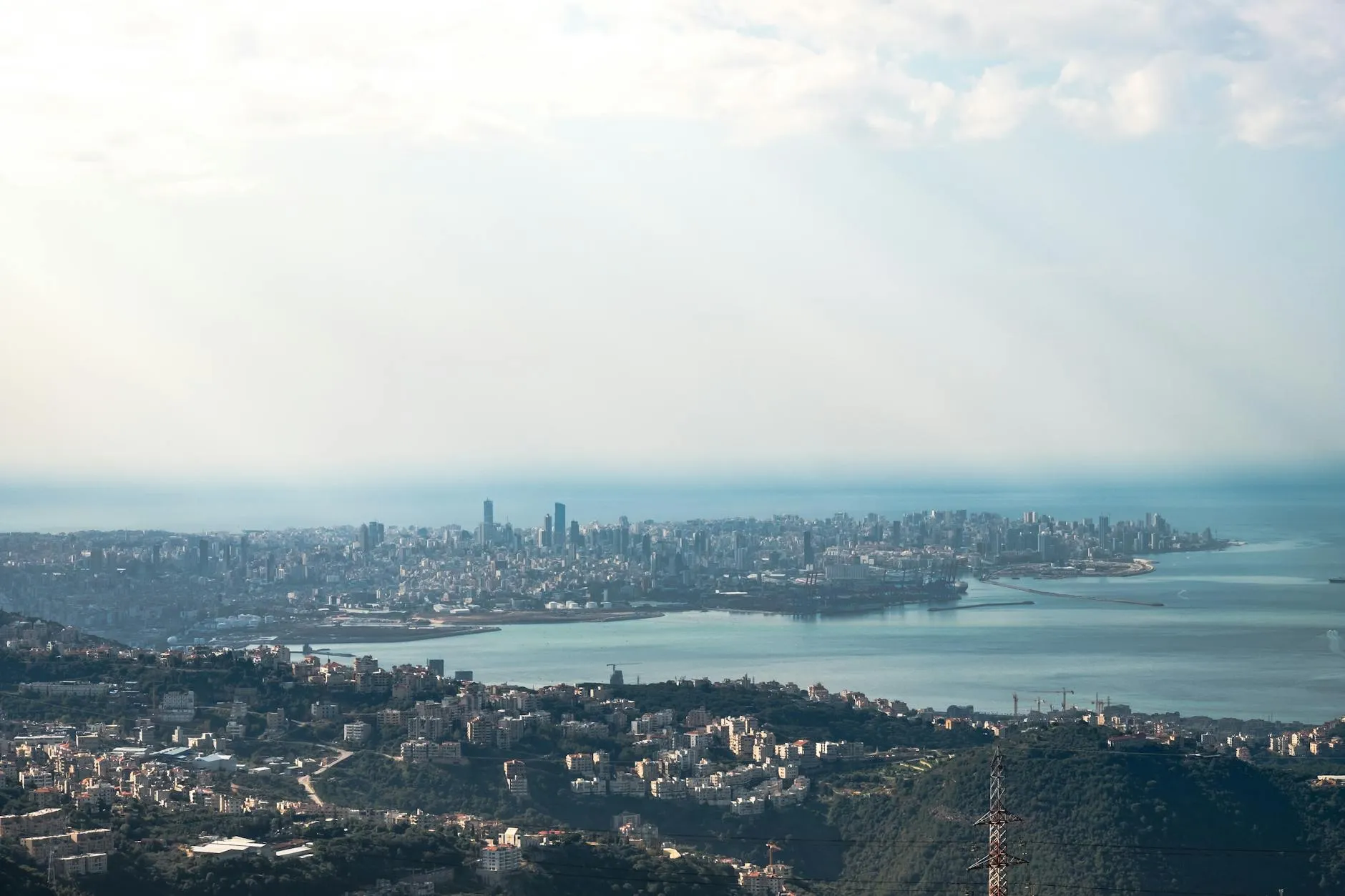
Lebanon’s only international airport sits 9 km south of downtown Beirut, wedged into the coastal flat of the southern suburbs — the same neighbourhoods, collectively called Dahiyeh, that appear in airstrike reports. The airport has stayed open through every escalation since late 2024. The airlines have not been so consistent.
Quick Reference
BEY / OLBA
Beirut–Rafic Hariri International Airport
23 April 1954 at Khaldeh; renamed 2005
9 km (5.6 mi) south of central Beirut
One terminal, two parallel wings
~3.5 million passengers
Yes — Lebanon’s only operating international gateway
Middle East Airlines (MEA)
MEA, Royal Jordanian
Turkish Airlines, flydubai, EgyptAir (suspended at points); Qatar Airways, UR Airlines returned mid-April 2026
Free 1-month visa on arrival, most Western and Gulf nationalities
Any Israeli stamp, visa or seal = refused entry
US Level 4 Do Not Travel; UK/Canada similarly severe
Lebanese pound (LBP) + US dollar (USD); USD is the working cash
~89,500 LBP = 1 USD; EUR ≈ 1.165 USD
100,000 LBP (~$1.10)
$15–25 USD, 20–30 min off-peak
$10–20 USD (app price)
$25–45 USD
None
Cedar (24h, Priority Pass), Ahlein Premium (24h, Priority Pass, showers), MEA Beirut Lounge (Priority Pass)
Yes — patchy, time-limited
Alfa, Touch (tourist prepaid SIMs available in arrivals)
MEA Terminal 2 (≤5M pax, 11 aircraft piers) in development — not yet open
✈️ The Terminal That Refuses to Close
BEY opened on 23 April 1954 at Khaldeh, on the coast south of the city, replacing the old Bir Hassan strip. It was renamed Rafic Hariri International in 2005 after the assassination of the former prime minister whose post-war reconstruction programme rebuilt much of central Beirut. The single passenger terminal dates to a 1998 expansion and runs as two parallel wings — departures and arrivals — sharing one central processing core. Posted annual capacity is around 3.5 million passengers, a figure the terminal regularly exceeds in summer when the Lebanese diaspora flies home. Peak immigration queues can run past an hour.
The layout is straightforward: check-in on the departures level, then passport control and security feed into one airside concourse where all gates, lounges, duty-free and cafés sit. The building is walkable end to end in under ten minutes. No airside train, no satellite terminal. Gates are a mix of jet-bridge and remote bus-boarding positions, and remote stands are common — build that into your apron-to-gate time.
Two things that will surprise European travellers. First, there is a bag X-ray at the terminal entrance before check-in — you are screened simply to enter the building. Second, arriving passengers clear immigration before the baggage hall: the sequence is visa counter (if applicable), then passport stamp, then bags. Trolleys are free in the arrivals hall.
⏱️ Allow three hours before departure
Not because the terminal is large — it isn’t — but because the two security screenings (entrance X-ray and airside security) both stack up, and the current security posture adds friction throughout. Three hours is not paranoia; it’s the number.
The operational story of 2026 is what the route map tells. MEA, the flag carrier, kept flying through the 2024 and 2025 escalations and through a February 2026 regional flare-up — running a reduced schedule to Paris, London, Istanbul, Gulf cities and Cairo. Royal Jordanian held its Amman service. Turkish Airlines, flydubai and EgyptAir suspended at various points. Qatar Airways and Iraq’s UR Airlines returned with aircraft arriving in mid-April 2026, the first since the winter disruption.
The pattern is consistent: the airport stays open, the other carriers come and go. Confirm your specific flight is operating within 48 hours of departure — a route flying last month may not be flying this week.
⚠️ Caution: No reliable alternative if BEY closes
René Mouawad Air Base in the north is not a substitute for international traffic in 2026. If BEY closes mid-trip, your exit options are an overland crossing to Syria or a wait of unknown duration. Build itinerary slack and keep your airline’s app notifications on.
This is not a new condition. Israeli strikes hit the runways and fuel depots in 2006, forcing closures measured in weeks. The airport reopened each time because Lebanon has no functional alternative. For the same reason, MEA has a second terminal in development — designed to lift capacity toward five million passengers a year with eleven aircraft piers (eight narrow-body, three wide-body) — but as of 2026 it is a development project, not an open building. A separately announced low-cost MEA subsidiary, “Fly Beirut,” is slated to launch in 2027 from René Mouawad Airport in the north, not from BEY.
🛂 Border, Visa & the Israel Rule
Visa on arrival
Most Western and Gulf nationalities receive a free single-entry visa on arrival at BEY, valid one month and extendable by a further two months at the General Directorate of General Security (Sûreté Générale) in Beirut. The visa counter sits before passport control in arrivals; you’ll need six months’ passport validity, a non-refundable return or onward ticket, and a Lebanese address and phone number — a hotel booking covers both.
US, Canadian, UK, EU, Australian, Japanese and GCC passport holders (Saudi, UAE, Kuwait, Qatar, Bahrain, Oman) are in the standard free-visa group. Jordanians get up to three months. A handful of nationalities face stricter conditions, including proof of at least USD 2,000 in cash and a reservation at a 3–5 star hotel. Visa rules shift with the political weather — verify your nationality against current General Security guidance before booking.
🛂 Israeli stamp — there is no workaround
Lebanon refuses entry to anyone whose passport shows any Israeli stamp, visa or seal, or other evidence of having visited Israel. The two states are formally at war. Israel stopped stamping passports years ago and issues a paper entry slip instead, but Lebanese officers also look for indirect evidence — a Jordanian or Egyptian land-border exit stamp from an Israeli crossing, for instance. There is no appeal at the counter. If your passport carries anything Israeli, you cannot enter Lebanon.
Extensions and overstays
Extending beyond the initial month requires a visit to the General Security office in Beirut before your stamp expires. The paperwork is in Arabic and French; you’ll need passport photos, proof of accommodation, and the application fee. It is a genuine bureaucratic queue — allow a half-day at minimum.
⚠️ Overstay warning — you cannot fix it at the airport
An overstay, even by a day, requires an exit visa from General Security’s passport-and-immigration department before you’re allowed to leave the country. That means a pre-departure trip to the office and a fine settled beforehand. There is no version of this you can wave away at the airport desk. No separate exit tax is levied on departing tourists — airport taxes are bundled into the ticket price — but an overstay fine is a different matter entirely.
Health
No vaccinations are required for entry from most countries; standard travel-medicine recommendations apply — hepatitis A and B, routine boosters, tetanus. Tap water is best avoided; use sealed bottled water, including for brushing teeth in some areas. Pharmacies in Beirut are generally well stocked, and many medicines sold by prescription elsewhere are available over the counter. Bring your own supply of anything you depend on: the economic crisis has caused periodic shortages of specific drugs, and the more relevant health consideration in 2026 is the security situation, which outweighs every routine medical concern.
💵 Currency — What the Pound Collapse Means at the Airport
Lebanon runs on physical US dollars. The Lebanese pound lost roughly 98% of its value after the 2019 banking collapse, and since 2023 the official rate has been pegged at approximately 89,500 LBP to the dollar (down from the old 1,507 peg). At that rate the 100,000 LBP note — the largest in common circulation — is worth a little over one US dollar. The central bank has approved 500,000 and 1 million LBP notes plus higher coins to address the wads-of-cash problem, but the dollar is what prices are quoted in for anything above a street snack.
💵 Bring clean USD in small denominations
Most transactions — your taxi, your coffee, your duty-free — are settled in dollars, and change may come back as a mix of dollars and pounds. Torn, marked or old-series notes are sometimes refused. Do not rely on ATMs: Lebanese ATMs overwhelmingly dispense pounds, and dollar withdrawals against a card have been restricted since 2019.
There is a meaningful local distinction between “fresh dollars” — physical cash brought in from outside — and trapped bank-account dollars (called “lollars”), which are worth far less. For exchanging or topping up, use a licensed money changer (sarraf) in Hamra, Gemmayzeh or Downtown, not a bank, and not a street tout. Cards are accepted at higher-end hotels and some restaurants. Cash USD is the working instrument for everything else.
🚕 Getting Into the City
Lebanon has no rail link to the airport, no metro anywhere in the country, and no formal airport bus worth using. The 9 km drive to central Beirut takes 20–30 minutes off-peak and longer in the city’s reliably heavy traffic. The road runs north up the coast through the southern suburbs.
Official airport taxi
Licensed white airport taxis queue outside arrivals with semi-fixed zone fares. Hamra and Downtown run roughly $15–25 USD depending on exact destination. Agree the fare in dollars before you get in — there is no meter. The common sting is either a vague verbal quote that doubles on arrival, or change handed back in near-worthless small LBP notes instead of dollars. Count the change before the driver leaves.
Bolt and Uber
Both apps work at BEY and typically run $10–20 USD to central Beirut, with the price fixed upfront. Bolt tends to have the deeper driver pool in Beirut. The catch: drivers can’t always enter the controlled terminal forecourt, so you may be directed to a designated rideshare point a short walk from arrivals. Follow the in-app instructions.
Pre-booked private transfer
A driver holding a name card in arrivals, booked in advance, runs $25–45 USD for a sedan to central Beirut. It costs more than Bolt but removes the airside-pickup friction and late-night fare negotiation entirely.
🚕 Which to use
Solo traveller, daylight arrival: Bolt is cheapest and most transparent. Late arrival, group with luggage, or if you want zero friction at a tense airport: the pre-booked transfer at $25–45 is money well spent. The taxi rank sits between them on both price and hassle. The cost difference between all three options is a handful of dollars — not worth optimising at the expense of a smooth exit from this particular airport.
🛋️ Lounges
Three airside contract lounges, all accepting Priority Pass — that’s the full inventory. No Plaza Premium, no Aspire, no global premium chain flagship operates here.
🛋️ Cedar Lounge — 2nd floor, 24 hours, Priority Pass
Card-access only — no walk-up payment at the door. Three-hour maximum stay. Children under two enter free; there is a separate family play room. The food runs to a hot buffet of Lebanese and international dishes. If you hold a Priority Pass and are travelling with small children, this is your lounge.
🚿 Ahlein Premium Lounge — 1st floor, 24 hours, Priority Pass
The only lounge in the airport with showers, which matters if you’re connecting off a long-haul. If you’ve come a distance and have a wait, this is the practical choice. Priority Pass accepted.
✈️ MEA Beirut Lounge — Priority Pass and MEA premium
Middle East Airlines’ own lounge, open to premium passengers, frequent flyers and several access programmes including Priority Pass. Reviews put Cedar slightly ahead on food and comfort, so if you hold Priority Pass and have a choice, Cedar is the better pick; the MEA lounge is the natural one if you’re flying MEA in a premium cabin and it’s closest to your gate.
One scheduling note: a Priority Pass typically allows one lounge visit per pass per day. Don’t plan to graze all three. Pick the one that fits — Ahlein for a shower off a red-eye, Cedar for the play room, MEA if you’re flying MEA premium. If you don’t carry a lounge programme, walk-up cash entry is unreliable across all three. Public airside seating and cafés fill quickly on busy diaspora-summer evenings.
🍽️ Food Before You Fly
Lebanese food is the best reason to be hungry at this airport. The airside markup runs two to three times street prices, which is annoying but expected at any international airport — the gap is just more vivid when you know what the same item costs at a neighbourhood bakery.
🥙 Manakish — the benchmark
The national breakfast: flatbread baked with za’atar (a thyme-sumac-sesame blend), cheese or spiced minced meat. At a working furn (bakery oven) in Hamra, a za’atar manakish is $1–2. Airside it runs several dollars. The same logic applies to shawarma ($2–4 in town vs. noticeably more airside) and fried kibbeh (ground meat and bulgur, $2–4 a portion in town, on lounge buffets as a small pleasure). If your schedule allows, eat in town before you fly. A sit-down mezze lunch in Beirut — hummus, moutabbal, tabbouleh, grilled meats and a basket of bread — costs a fraction of an airside hot meal.
☕ Lebanese coffee
Served small, strong, and often cardamom-scented. Order it “wasat” for medium-sweet or “sada” for no sugar. At a few dollars, the airside markup stings less here than on a full meal. The cafés also pour standard espresso drinks for those who want them.
Duty-free
Two genuinely Lebanese buys worth considering: arak, the anise spirit that clouds white when you add water, and wine from the Bekaa Valley. Château Ksara, founded in 1857 and Lebanon’s oldest commercial winery, and Château Musar both produce bottles worth carrying home. Prices are in USD; a town wine shop will beat the airport on price if you have time to buy in advance.
The items that travel better as souvenirs, and are cheaper and better bought in a Beirut souk — the Tripoli souks or the shops around Hamra — before the airport: a tin of good za’atar, Lebanese honey, pine nuts, rosewater, orange-blossom water, and qamar al-din (dense pressed apricot sheets). If you’re buying airside anyway, packaged versions of most of these are available in the duty-free. Settle in clean USD throughout.
🏛️ Attractions — and Why the Advisory Changes Every Answer
Lebanon’s headline sights are real and close. Jeita Grotto, a two-level limestone cave system toured partly by electric boat, is about 18 km north of Beirut — roughly 30 minutes by car. Harissa, the hilltop pilgrimage site crowned by the white bronze statue of Our Lady of Lebanon above the bay of Jounieh, is a 30-minute coastal drive plus the téléphérique cable car from Jounieh. Byblos (Jbeil), one of the oldest continuously inhabited towns anywhere, with a Crusader castle, Phoenician ruins and a small fishing harbour, is 40 km north, 45 minutes by car. Baalbek, the Roman temple complex in the Bekaa Valley — whose Temple of Bacchus is among the best-preserved anywhere — sits roughly 90 km east, around two hours each way. Closer in, the National Museum of Beirut and the Roman baths near Martyrs’ Square are 20–30 minutes from the airport in normal traffic; the seafront Corniche and the offshore Raouché (Pigeon Rocks) are the city’s standard walk.
In a normal year, Jeita-plus-Harissa-plus-Byblos is the standard north-coast day out and Baalbek is a demanding but doable full day.
⚠️ Level 4 advisory — read this before planning any excursion
As of 2026, the US State Department rates Lebanon Level 4 – Do Not Travel, citing terrorism, armed conflict, kidnapping, unexploded ordnance and landmines. Non-emergency US government staff were ordered to depart in February 2026; routine consular services have been suspended. Airstrikes and drone activity have been reported in the south, the Bekaa Valley and parts of Beirut including Dahiyeh — the southern suburbs that surround this airport. The UK and Canada carry comparably severe guidance. Baalbek sits in the Bekaa; the south is explicitly the most dangerous area.
On a layover, the verdict is straightforward: stay airside. The airport is in the southern suburbs, the drive into the city threads the flagged districts, and even the “quick” Jeita run is a 60-minute round trip before the cave visit and the drive back through security with no buffer — routing you into a country under an armed-conflict warning with no margin. Don’t attempt it on a transit.
For a traveller deliberately in Lebanon, with conditions calm during their specific window and proper local advice, the north-coast sights are the ones to prioritise — they’re closer, on better roads and away from the southern and Bekaa flashpoints. But that is a judgement to make on the ground with current information, not a plan to lock in from the departure lounge.
🔧 Practical Notes
Connectivity
The terminal has free wifi; coverage is patchy and time-limited. The two main mobile networks are Alfa and Touch — both sell tourist prepaid SIMs from kiosks in the arrivals area. Lebanese mobile data is comparatively expensive by regional standards, and the networks have suffered outages during fuel shortages and power cuts, so don’t treat a local SIM as a guaranteed lifeline.
📱 Buy an eSIM before you fly
You get a connection the moment you land, with none of the kiosk queue. In 2026 specifically, being reachable and able to read the news matters more here than at a calm airport. A power bank is also sensible: mains electricity in Beirut is intermittent, most areas run on private generators on a schedule, and a dead phone in this city is a worse problem than a dead phone elsewhere.
Safety
The overriding risk in 2026 is not pickpockets — it’s the security situation. The southern suburbs (Dahiyeh) around the airport and the south of the country are named in both the airstrike reporting and every Western advisory. Move directly between the airport and your accommodation, keep your travel plans flexible enough to leave early if needed, register with your embassy’s traveller notification scheme if it has one, and monitor the news daily. Conditions here can change between booking and landing.
The friction points that are predictable: in arrivals, ignore freelance “porters” and unlicensed drivers who approach you — use the official taxi rank, a booked transfer or your rideshare app. Agree every taxi fare in dollars before the wheels move. Keep some emergency cash dollars separate from your main wallet.
❓ Frequently Asked Questions
📊 At a Glance — BEY 2026
| Feature | Detail |
|---|---|
| Airport name | Beirut–Rafic Hariri International Airport |
| IATA / ICAO | BEY / OLBA |
| Opened | 23 April 1954 (Khaldeh); renamed 2005 |
| Distance to centre | 9 km (5.6 mi) south |
| Terminals | One terminal, two parallel wings |
| Annual capacity | ~3.5 million passengers |
| Sole int’l airport | Yes |
| Flag carrier | Middle East Airlines (MEA) |
| Durable 2026 carriers | MEA, Royal Jordanian |
| Other carriers | Qatar Airways, UR Airlines (returned Apr 2026); Turkish, flydubai, EgyptAir intermittent |
| Visa | Free 1-month on arrival, most nationalities |
| Visa extension | +2 months at General Security office, Beirut |
| Hard entry block | Israeli stamp / visa / seal = refused entry |
| Currency | LBP + USD; USD de-facto cash |
| Official rate | ~89,500 LBP = 1 USD; EUR ≈ 1.165 USD |
| Largest common LBP note | 100,000 LBP (~$1.10) |
| Airport taxi to centre | $15–25 USD, 20–30 min |
| Bolt / Uber | $10–20 USD (app price) |
| Private transfer | $25–45 USD |
| Rail / metro | None |
| Lounges | Cedar (24h, PP), Ahlein Premium (24h, PP, showers), MEA Beirut (PP) |
| Free wifi | Yes — patchy, time-limited |
| Mobile networks | Alfa, Touch (tourist prepaid SIMs in arrivals) |
| Travel advisory | US Level 4 Do Not Travel; UK/Canada severe |
| Layover verdict | Stay airside — no excursions on a transit |
| 2026 development | MEA Terminal 2 (≤5M pax, 11 piers) in development, not open; “Fly Beirut” subsidiary planned 2027 from René Mouawad Airport |