Shenzhen Bao’an International Airport (SZX) — The Complete Master Guide 2026
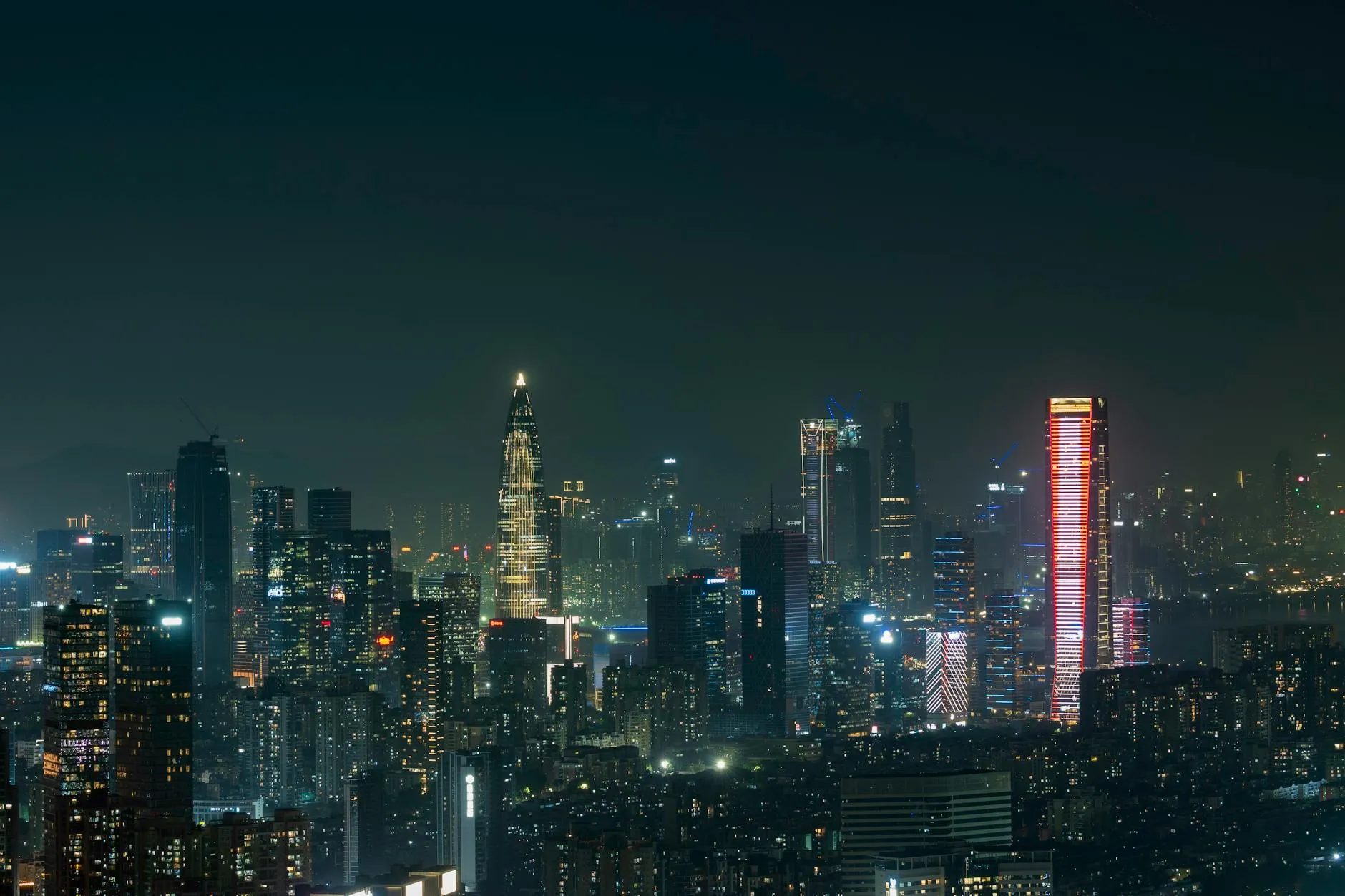
SZX is the gateway to Shenzhen — China’s tech megacity, the 17-million Special Economic Zone that grew from a Cantonese fishing village in 1980 to home of Tencent, Huawei, BYD, DJI, ZTE, Ping An. 66.48 million passengers in 2025, making it one of mainland China’s busiest. The defining infrastructure is Terminal 3, designed by Italian architect Massimiliano Fuksas (Studio Fuksas) and opened November 2013 — the honeycomb-glass exterior + light-filled atrium is the architectural signature. Hub for Shenzhen Airlines, China Southern, and Donghai Airlines. Metro Line 11 (Airport Express) connects SZX to Futian downtown in ~30 minutes for ¥7-10. Hong Kong is across the border — Line 11 to Futian + Line 4 to Futian Checkpoint → walk across to Lok Ma Chau MTR is the popular HK transfer. 240-Hour TWOV applies at SZX for 54 eligible nationalities (Guangdong province covered). Currency: CNY; Alipay/WeChat Pay universal.
📍 32 km NW of Futian · HK adjacent
🚇 Metro Line 11 · ¥7-10
🛂 240-hour TWOV · 54 nationalities
⚡ 2026 Quick Reference — Key Facts at a Glance
¥7-10 (~€0.90-1.30) · ~30 min to Futian downtown · connects CBDs of Futian, Nanshan, Qianhai · runs ~06:30-23:00
Line 11 → Futian + Line 4 → Futian Checkpoint → walk across to Lok Ma Chau MTR · ~75 min total to HK East Rail · Shenzhen-HK separate immigration
~¥120-180 (~€16-24) · 30-45 min via airport expressway
~¥100-150the universal Chinese rideshare app
10 days visa-free transit for 54 nationalitiesneed onward 3rd-country ticket + China Digital Arrival Card QR (s.nia.gov.cn)
Designed by Massimiliano Fuksas, opened November 2013honeycomb-glass exterior · Priority Pass lounges · no 24-hour lounge
Shenzhen Airlines is the major Star Alliance member based at SZX · 320 routes (287 domestic + 33 intl/regional)
Chinese yuan (¥/CNY) · ¥1 ≈ €0.13 ≈ $0.14 (May 2026) · Alipay/WeChat Pay universalforeign cards limited
🏢 1. Studio Fuksas Terminal 3 & the Tech City Hub
SZX operates a single mega-terminal: Terminal 3, designed by Italian architect Massimiliano Fuksas (Studio Fuksas) and opened in November 2013 to replace the earlier terminals. The terminal’s defining feature is the perforated honeycomb metal skin that filters daylight onto the cavernous interior — a visual signature now globally recognised in airport architecture references. 66.48 million passengers in 2025, ranking among China’s top 10 airports. The airport is on the eastern shore of the Pearl River Estuary in Bao’an District, 32 km NW of Futian downtown. Hub for Shenzhen Airlines (the city’s Star Alliance carrier, ~320 routes), China Southern, and Donghai Airlines (the smaller Hong Kong-and-Pearl-River-Delta regional carrier).
🛫 Terminal 3 — Studio Fuksas Design
T3 was opened November 2013 after a decade of design + construction, replacing SZX’s earlier terminals. Massimiliano Fuksas’s design uses a perforated metal honeycomb skin that filters daylight into a cathedral-scale interior — one of the architectural references in 21st-century airport design.
T3 handles all SZX operations — domestic, international, HK/Macau/Taiwan, freight. The terminal is split internally into domestic and international zones.
📍 Shenzhen Airlines — the Star Alliance Anchor
Shenzhen Airlines is the city’s local-market carrier — joined Star Alliance via Air China parent relationship. ~320 routes (287 domestic + 33 international/regional), 40 million annual passengers.
China Southern is the other major operator. Donghai Airlines serves smaller regional routes including the Pearl River Delta.
Operating airlines at SZX (May 2026)
- Shenzhen Airlines — the city’s major carrier, Star Alliance member. 320 routes (287 domestic + 33 international/regional).
- China Southern Airlines — major mainland-China hub-and-spoke operator.
- Air China — Star Alliance feeder service.
- China Eastern Airlines — SkyTeam feeder service.
- Donghai Airlines — regional Pearl River Delta + Southeast Asia LCC.
- Hainan Airlines — the long-haul operator at SZX, flying selected European and Asian routes.
- Spring Airlines, Juneyao, China Express, Lucky Air — Chinese domestic LCC.
- Singapore Airlines — Singapore.
- Asiana, Korean Air — Seoul (ICN).
- ANA — Tokyo (Haneda).
- AirAsia, Thai AirAsia, Thai Lion Air — Southeast Asia leisure.
- Emirates — Dubai.
- Uzbekistan Airways, Mahan Air, Maldivian — Tashkent, Tehran, Malé (seasonal).
🛂 2. 240-Hour TWOV, China Visa & the Hong Kong Border
Travel to Hong Kong from SZX still crosses an international border (HK and Shenzhen are separate immigration jurisdictions under “one country, two systems”). Currency in mainland Shenzhen: CNY; ¥1 ≈ €0.13 ≈ $0.14 (May 2026). The bigger payment issue: Alipay/WeChat Pay are universal in mainland Shenzhen; Hong Kong uses Octopus + Visa/Mastercard normally.
240-Hour TWOV — 10 Days Visa-Free
54 eligible nationalities can transit China visa-free for up to 240 hours (10 days). Includes US, Canada, UK, Ireland, all EU member states, Russia, Brazil, Argentina, Chile, Mexico, Switzerland, Norway, Iceland, Australia (added late 2024). Guangdong is fully covered for TWOV.
China Digital Arrival Card (QR)
Apply for the China Digital Arrival Card at s.nia.gov.cn — needed for TWOV eligibility, generates a QR code presented at the border. Apply 3-30 days before travel. Also need a confirmed onward ticket to a third country within 240 hours.
Hong Kong = Separate Immigration
Hong Kong has its own immigration system — even from mainland Shenzhen, you cross an international-style border. Most western passport holders have visa-free entry to Hong Kong (90 days for US/UK/EU, etc.). HK uses Hong Kong dollar (HKD), Octopus card for transport, and Visa/Mastercard normally. From SZX you can transfer to HK via several border points.
Who needs what to enter China via SZX
| Passport | Visa needed? | 240-hour TWOV? | Entry process |
|---|---|---|---|
| US, Canada, UK, Ireland, EU member states, Russia, Brazil, Argentina, Chile, Mexico, Switzerland, Norway, Iceland, Australia (added late 2024) | No (TWOV) — if onward ticket to 3rd country in 10 days | Yes — 240 hours / 10 days | Digital Arrival Card QR + onward ticket · TWOV stamp at border |
| NZ, Japan, South Korea, Singapore, Israel, UAE | No (verify current Chinese policy — bilateral visa-exemption) | Often covered by separate agreements | Bilateral visa-free entry |
| Hong Kong / Macau / Taiwan residents | No (Mainland Travel Permit for HK/Macau/TW residents) | N/A | Standard mainland entry through the dedicated channel |
| India, Indonesia, Philippines, Egypt, South Africa, most African and South Asian nationals | Yes — Chinese visa | No | Apply at Chinese embassy in advance · standard L/M/F visa |
Three major airports serve the Pearl River Delta: Hong Kong (HKG, the international long-haul + Asia hub), Guangzhou (CAN, Star Alliance + China Southern hub), and Shenzhen (SZX, Star Alliance with Shenzhen Airlines + China Southern domestic). Travellers often optimize across these: arrive HKG for cheaper long-haul fares, cross to Shenzhen for cheaper domestic onwards; or arrive SZX for the TWOV + lower domestic cost, then ferry/bus to HK for the international long-haul.
🚇 3. Metro Line 11 + HK Transfer, DiDi & Taxi
SZX sits 32 km north-west of central Shenzhen (Futian/Luohu). Metro Line 11 (Airport Express) is the dedicated SZX line — direct to Futian downtown in ~30 minutes for ¥7-10. Line 11 also connects to Nanshan (the tech district where Tencent + DJI HQ are) and Qianhai (the financial new town). For Hong Kong travel: Metro Line 11 → Futian → Line 4 → Futian Checkpoint → walk across the border to Lok Ma Chau MTR, then East Rail Line to HK Kowloon. The Shenzhen Bay Port and Luohu Port (the historic main HK crossing at Lo Wu MTR) are alternative crossings. Taxi and DiDi are the door-to-door options for in-city Shenzhen.
⭐ Metro Line 11 (Airport Express) — the Default
- Fare: ¥7-10 (~€0.90-1.30) zone-based — Alipay/WeChat Pay QR.
- Operating: approximately 06:30-23:00 daily.
- Journey: ~30 minutes SZX → Futian (downtown).
- Network role: connects SZX with the CBDs of Futian (downtown commercial), Nanshan (tech district — Tencent + DJI HQ), and Qianhai (the financial new town).
- Onward to HK: at Futian, transfer to Line 4 → Futian Checkpoint station → walk across to Lok Ma Chau MTR.
🇭🇰 The Hong Kong Border Transfer
- Route 1 — Futian Checkpoint (the fast modern route): SZX Metro Line 11 → Futian → Line 4 to Futian Checkpoint → walk across the border (immigration on both sides, ~15-30 min) → Lok Ma Chau MTR → East Rail Line to HK Kowloon. Total ~75-100 min.
- Route 2 — Luohu Port (the historic main crossing): Metro Line 1 to Luohu → walk across to Lo Wu MTR → East Rail Line. The historic mainland-HK crossing; busy.
- Route 3 — Shenzhen Bay Port (cross-border bus to HK Tuen Mun): cross-border buses run from SZX direct; check current operators.
- Both immigration jurisdictions process you — bring your passport, allow 20-40 min for the border crossing itself.
📱 DiDi — Chinese Rideshare
- Fare: ~¥100-150 to Futian downtown, 30-45 min depending on traffic.
- Uber pulled out of China in 2016 — DiDi Chuxing is the universal rideshare app.
- English-language interface available; payment via Alipay, WeChat Pay, or international cards on DiDi’s global app.
- Hong Kong has separate apps — DiDi doesn’t operate in HK (Uber does in HK).
🚕 Taxi — Use the Metered Queue
- Fare: ~¥120-180 to Futian downtown, 30-45 min.
- Use the official taxi queue outside arrivals.
- Avoid touts in the terminal hall.
🛋️ 4. International Guest Lounge + China Southern + Shenzhen Airlines Lounges
SZX has substantial lounge coverage — 8+ lounges across Terminal 3 including the International Guest Lounge and Domestic Guest Lounge (both Priority Pass / DragonPass), several China Southern lounges (SkyTeam), plus Shenzhen Airlines + Air China (Star Alliance) spaces. No lounge at SZX is open 24 hours — the longest-running close around midnight, so plan late red-eyes accordingly. No Centurion Lounge, no Capital One Lounge, no Chase Sapphire Lounge at SZX — these US card-network flagship lounges have limited Chinese presence.
🛋️ International Guest Lounge — Priority Pass
Location: Terminal 3.
Hours: daytime through late evening (not 24 hours).
Access: Priority Pass + DragonPass + Diners Club accepted. Walk-in day pass also available.
What’s inside: hot buffet, bar, work zones, showers. The main independent Priority Pass option at SZX.
🛋️ Shenzhen Airlines + Air China (Star Alliance)
Location: Terminal 3.
Access: Shenzhen Airlines + Air China premium-cabin passengers, Phoenix Miles Platinum/Gold elite tier, Star Alliance Gold on Star Alliance same-day international travel.
🛋️ China Southern + China Eastern (SkyTeam)
Location: Terminal 3.
Access: China Southern + China Eastern premium-cabin passengers, Sky Pearl Club + Eastern Miles elite tier, SkyTeam Elite Plus on same-day international travel.
🛋️ Domestic Guest Lounge — Priority Pass
Location: Terminal 3 domestic departures.
Access: Priority Pass + DragonPass. Open roughly 07:00-22:00 — handy if your onward flight is domestic.
⚠️ No Centurion / Capital One / Chase Sapphire
None of the major US flagship card-network lounges have an SZX presence. Amex Platinum holders use the International Guest Lounge via Priority Pass; Capital One Venture X and Chase Sapphire Reserve holders the same.
🦆 5. Cantonese Food: Dim Sum, Roast Goose, Wonton Noodles, Cha Chaan Teng
Shenzhen sits in the heart of Guangdong, the home of Cantonese cuisine — China’s most internationally-famous regional kitchen, characterised by light flavours, fresh seafood, dim sum, slow-roasted meats (siu mei), and the cha chaan teng (the Cantonese-Western fusion diner). Because Shenzhen grew from a fishing village to a 17-million city in 40 years, its food culture is more migrant-mix than pure Cantonese — Sichuan, Hunan, Northeast Chinese, Hong Kong, Southeast Asian flavours all heavy alongside the local Guangdong base. The defining specialties: dim sum (the morning tea-house brunch tradition), siu mei roast goose / pork / duck (the Cantonese roast-meat tradition with Hong Kong’s Yung Kee + Joy Hing as the institutional names), wonton noodle soup (the Cantonese breakfast/lunch classic), and the cha chaan teng diner (HK-style “tea restaurant” with the famous milk tea, French toast, baked rice dishes).
Dim sum (点心) — small bites served from carts or order sheets, traditionally eaten as morning + lunch tea-house brunch. Defining items: har gow (shrimp dumplings in translucent skins), siu mai (pork-and-shrimp open-top dumplings), char siu bao (BBQ pork buns), cheung fun (rice-roll skins with shrimp/beef/pork), egg tarts (the macanese-Portuguese-Cantonese cross). Tim Ho Wan (the Hong Kong Michelin-starred dim sum chain with multiple Shenzhen outposts), The Eight, and the upscale hotel restaurants are the credible Shenzhen options. ¥80-200 per person.
Siu mei (烧味) — Cantonese roast meats: siu yuk (crispy roast pork belly), char siu (sweet barbecue pork), roast duck, roast goose (the upscale Hong Kong export), served over rice or noodles. The hanging-bird shop window is a defining Cantonese street image. ¥35-80 per plate. Yat Lok in HK is the heritage roast goose name; Shenzhen has many credible imitators.
Wonton noodle soup (云吞面) — egg-noodle string in a clear pork-and-dried-flounder broth with shrimp wontons. The Cantonese breakfast/lunch staple. ¥30-60 per bowl. Mak’s Noodle in Hong Kong is the institutional name (small bowls of 4-5 wontons); Shenzhen’s countless dim sum + wonton shops serve credible local versions.
Cha chaan teng (茶餐厅, “tea restaurant”) — the Cantonese-Western fusion diner originating in Hong Kong: milk tea (a strong-tea + condensed-milk drink, the HK morning classic), French toast (deep-fried bread with butter + syrup), baked pork chop rice, satay beef noodles, macaroni soup with luncheon meat. Most-popular working-class breakfast/lunch institution. The HK transplants are abundant in Shenzhen. ¥30-80.
Duty-Free & Souvenir Reality at SZX
📱 Chinese Tech Gadgets
¥200-5,000+. Shenzhen is the world’s hardware-and-tech-prototyping capital — Huangqiang Bei Electronics Market downtown is the famous component bazaar. At SZX duty-free + airside electronics shops you’ll find Huawei phones + accessories, DJI drones, Anker chargers, Xiaomi gadgets at competitive prices.
🍵 Pu’er + Tieguanyin Tea
¥100-1,000+. Yunnan Pu’er (aged fermented tea, the gift-grade Chinese tea), Fujian Tieguanyin oolong, and other premium Chinese teas at SZX duty-free. The traditional Cantonese tea-culture souvenir.
🍪 Wife Cakes + Egg Tarts
¥30-100 per box. Cantonese bakery classics — wife cakes (老婆饼, lao po bing, sweet winter-melon-filled flaky pastries), egg tarts (in HK-Cantonese-Portuguese style), pineapple buns (no actual pineapple, just the crackled top crust). Travel-safe local-bakery souvenirs.
🥃 Maotai & Wuliangye Baijiu
¥500-15,000+. The standard Chinese-baijiu duty-free offerings at SZX include Moutai (the Guizhou-distilled “Four Famous” baijiu), Wuliangye (Sichuan), Luzhou Laojiao, and Fenjiu. Verify customs limits at your home country before buying the higher-end (¥5,000+ per 500ml) bottles.
💡 6. Insider: Window of the World, Splendid China, OCT Bay, HK Day Trip
Window of the World (世界之窗) in western Shenzhen is the theme park of 130 reproductions of global landmarks at miniature/reduced scale — the Eiffel Tower, the Pyramids, the Taj Mahal, the Colosseum, Mount Rushmore — across 48 hectares. Opened 1994 as the SZX of theme parks; aged but still iconic. From SZX: Metro Line 11 to Window of the World station (~49 min, ¥10) or DiDi 21 min (~¥80). ¥220-280 adult admission, 09:00-22:30 daily. The standard 4-5 hour SZX layover move — fits within a half-day commitment.
Splendid China (锦绣中华) is the older sister theme park adjacent to Window of the World — miniature reproductions of major Chinese landmarks (the Great Wall, Forbidden City, Potala Palace) plus the adjacent China Folk Culture Village (cultural performances + replica ethnic-minority villages). Both ¥190-260, often combined-ticketed. Same Metro Line 11 stop as Window of the World — combine for a longer layover.
OCT-LOFT (华侨城创意文化园) is Shenzhen’s converted-industrial-district art quarter — galleries, design boutiques, cafés in former factory buildings. The OCT Art & Design Gallery features industrial/fashion/domestic design exhibitions. Shenzhen Bay Park nearby has the Bay-side waterfront walk + cycling path with Hong Kong skyline views across the water. Both ~30 min from SZX by Metro Line 11 + transfer.
Hong Kong is the standout SZX layover destination IF you have 8+ hours and the appropriate visas/TWOV setup. From SZX: Metro Line 11 → Futian → Line 4 → Futian Checkpoint → cross border → Lok Ma Chau MTR → East Rail Line to HK Kowloon. Total ~90-110 min each way. Allow 30-45 min for the border crossing itself (immigration on both sides). Critical: the China TWOV doesn’t transfer to HK — you need your own HK visa or visa-free eligibility (most western nationals have 90-day visa-free entry to HK). Budget 10-12 hour layover minimum for a meaningful HK visit.
For early flights: the airport-adjacent options near SZX include various Chinese-chain 3-4 star hotels (¥300-700); some western chains in the airport corridor. For a real Shenzhen stay: the Futian district (the Grand Hyatt, Park Hyatt, Conrad, Shangri-La all have Futian properties), or Nanshan (the tech district with Tencent + DJI HQ — the Mandarin Oriental, the Four Seasons). 30-45 min back to SZX via Metro Line 11.
🔧 Practical Notes — Connectivity, Currency, Border
Chinese yuan (CNY / ¥) in mainland Shenzhen. ¥1 ≈ €0.13 ≈ $0.14 (May 2026). Alipay and WeChat Pay are the universal payment methods in mainland China — set up an account in-app before travel, link an international card (Visa/Mastercard now work on both for tourists since 2024), or load via cash. Foreign Visa/Mastercard credit cards work at the airport duty-free, international hotels and Starbucks, but not at most local restaurants, street stalls, taxis, or convenience stores. ATMs at SZX dispense CNY. Hong Kong is different — HKD currency, Octopus card for transit, Visa/Mastercard accepted normally.
Chinese networks — China Mobile, China Unicom, China Telecom. Local prepaid SIM ~¥80-150 with passport at the airport kiosk. The Great Firewall blocks Google, Gmail, WhatsApp, Instagram, Facebook, X/Twitter, YouTube, the New York Times, BBC News, and most western services in mainland China — you’ll need a VPN configured BEFORE arrival. Hong Kong has uncensored internet; crossing the border into HK gives full access to western services.
4-5 hour layover: Window of the World theme park via Metro Line 11 (~49 min) or DiDi (~21 min) — 90-150 min on-site, return. 5-6 hour layover: OCT-LOFT design district + Shenzhen Bay Park waterfront. 8-10 hour layover: the iconic Hong Kong day-trip via Futian Checkpoint (allow 30-45 min for the border crossing each way). Under 3 hours: stay airside — the International Guest Lounge (Priority Pass) is the credible call, though no SZX lounge runs 24 hours.
❓ Frequently Asked Questions
📊 2026 Summary Data Table
🌍 Planning the trip? Read our China travel guide — best time to go, where to stay, and how to get around.