Barcelona — The Complete City Guide 2026
From Gaudí’s surreal architecture to hidden tapas bars, Mediterranean beaches to Gothic alleyways — your complete guide to Catalunya’s vibrant capital.
€80–150/day budget
Best: Apr–Jun, Sep–Oct
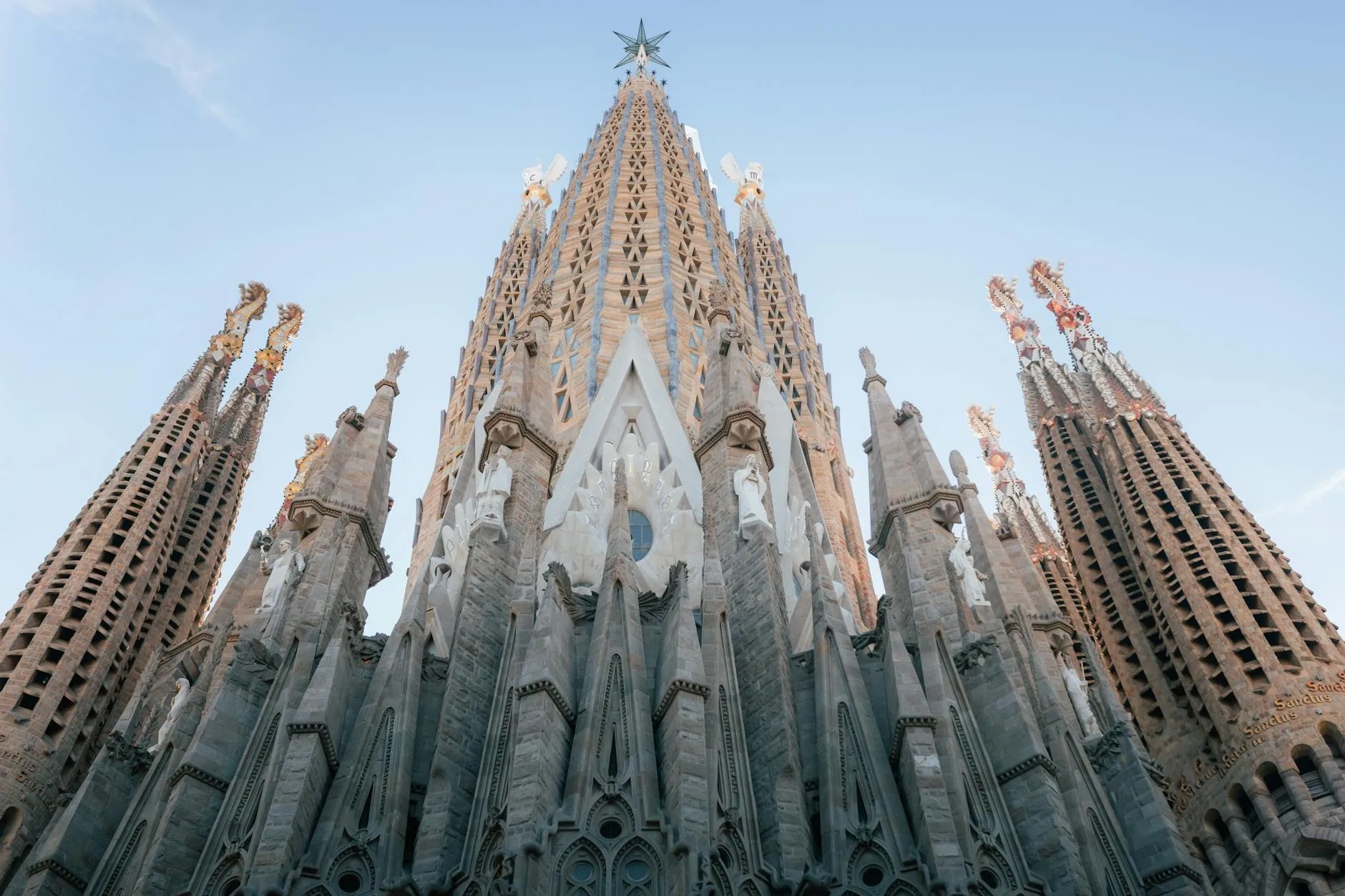
The first thing to notice, standing inside La Sagrada Família at nine in the morning, is the sound — or the absence of it. Fifty strangers, all craning their necks, all silent. The columns branch overhead like a stone forest reaching for light, and that light shifts as you walk: cool blues on the west wall at this hour, warm ambers across the east, filtered through stained glass Gaudí never lived to see installed. Somewhere a pew creaks. The smell is dry stone and old incense from a Mass that finished an hour ago.
Step outside and Barcelona keeps doing this to you. The Eixample rooflines don’t lie flat — they ripple with chimneys shaped like knights, skulls, and crosses. Casa Batlló’s façade looks like a dragon mid-shudder. Even the pavement tiles on Passeig de Gràcia were designed by Gaudí, and half the tourists walk over them without looking down. Twenty-six euros gets you inside the basilica; €2.90 on the metro moves you between the rest of the Gaudí masterpieces in under fifteen minutes.
Barcelona is a city that looks up. Every other city in Europe rewards the person who watches their feet on the cobblestones. Barcelona rewards the person who stops in the middle of the street and tilts their head back.
Table of Contents
- Editor’s Note: Tourist Barcelona vs Real Barcelona
- Top 12 Attractions
- Gaudí Complete Guide
- La Sagrada Família — The Complete Experience
- Park Güell
- Casa Batlló & Casa Milà
- Barcelona’s Neighbourhoods
- Where to Stay
- Tapas — The Essential Guide
- Catalan Cuisine
- Seafood & Paella
- Markets & Food Halls
- Michelin & Fine Dining
- Vermut Culture
- Catalan Wine
- Coffee & Breakfast
- Barcelona’s Beaches
- Montjuïc — The Complete Guide
- Gothic Quarter Walking Tour
- Museums & Art
- Barcelona Nightlife
- FC Barcelona & Camp Nou
- Day Trips from Barcelona
- Getting Around
- Barcelona Airport Guide
- Budget Breakdown
- Catalan & Spanish Phrases
- Practical Information
- FAQ
Editor’s Note: Tourist Barcelona vs Real Barcelona
The mistake most visitors make is treating Barcelona as a Gaudí checklist. Sagrada Família, Park Güell, Casa Batlló, La Pedrera, done — three buildings in two days and a box ticked. The problem is Gaudí is only one layer of a city that has been building on top of itself since the Romans founded Barcino in 15 BC. The Gothic Quarter predates him by six centuries, the Boquería market by two, and Montjuïc was already a fortress when he was born. Gaudí is the headline, but Barcelona’s actual personality lives in the alleys of El Born at midnight, the vermouth bars of Poble-sec at noon, and the fish restaurants of Barceloneta at two o’clock on a Sunday afternoon.
A few things to know for 2026. La Sagrada Família crossed a landmark on 20 February 2026 when the Jesus Christ spire was topped out, making it the tallest church building in the world (172.5 m, eleven metres above Ulm Minster). Main structural completion is still expected by end of 2026, the centenary of Gaudí’s death — but the Glory Façade, the main work still visible from Carrer de Mallorca, is not in that target: its decorative programme runs to 2030-2034, the baptistery scaffolding is still awaiting city-council permission, and a full exterior without any crane is years away. Price creep has been relentless across the Gaudí circuit: Park Güell now costs €18 a head to enter the monumental zone, up from €10 two years ago. Casa Batlló’s general ticket sits at €29, Casa Milà at €25, and Sagrada Família at €26 basic — add a tower slot and you’re at €36 per person. Book the 8 AM Sagrada Família slot if you can. Same building, almost none of the crowds, and the light through the east windows turns the nave gold.
Skip the tourist restaurants lining La Rambla. The real eating happens three neighbourhoods away — Quimet i Quimet in Poble-sec for montaditos and tinned fish, Cal Pep in Born for seafood tapas from the counter, and the chiringuitos strung along Barceloneta for grilled sardines on a paper plate. Around €14 gets you a plate of patatas bravas and a caña at any neighbourhood bar that doesn’t print its menu in six languages.
Planning a wider European loop? See our Paris city guide and Rome city guide for the same treatment.
The Gaudí Ticket System — What Nobody Tells You
The Problem
Gaudí’s four headline buildings — Sagrada Família, Park Güell, Casa Batlló, and Casa Milà — have all migrated to advance online booking with timed entry. Walk-up tickets are gone entirely at Sagrada Família. Miss your slot by ten minutes and you start over. Add up the basic admissions and you’re at €26 plus €18 plus €29 plus €25, which is €98 per adult for the full Gaudí circuit. A family of four clears €392 on the buildings alone before they’ve eaten, ridden a metro, or bought a single postcard.
The Tier System Nobody Explains
Each building sells its tickets in tiers with confusing, hotel-brand names. Casa Batlló runs €29 for the General ticket, €45 for “Be The First” (an 8:30 AM entry before public opening, notably quieter), and €25 for the Night visit — cheaper than General, less crowded, and arguably the better experience because the augmented-reality guide works best in dim rooms. Casa Milà splits into €25 day, €39.50 for either the Night Experience or the Sunrise slot, and a €120 Premium ticket that adds a small-group English-speaking guide and a private rooftop tasting. Sagrada Família is €26 for the basic visit with audio guide and €36 if you add a tower (elevator up, stairs down). The counter-intuitive finding: in two out of three cases, the off-peak ticket is both cheaper and better than daytime general admission.
The Booking Window
Sagrada Família sells out two to four weeks ahead in peak season — June through September, plus Easter week, plus most long weekends. Park Güell’s timed monumental-zone slots sell out inside the same week you want them. Casa Batlló and Casa Milà are easier, but three to five days ahead is the honest minimum if you care about picking your time. Rule of thumb: book Sagrada Família the same day you book your flight. It’s one of the very few attractions in Europe where “we’ll sort it out when we get there” genuinely doesn’t work.
The Free Gaudí
A surprising amount of Gaudí is visible without paying. The Sagrada Família exterior — Nativity Façade included — is free and, from the little park opposite, extraordinary. Casa Milà’s façade takes up a whole corner of Passeig de Gràcia and costs nothing to photograph. Casa Batlló looks best from the pavement at night when the exterior lighting comes up. The upper free zone of Park Güell — paths, terraces, viewpoints — includes the same panoramic views over Barcelona as the paid monumental zone without the timed-entry stress. Add Hospital de Sant Pau, which is by Gaudí’s contemporary Domènech i Montaner rather than Gaudí himself but is UNESCO-listed, less crowded, and in many ways his equal.
The Optimal Gaudí Day
If you only have budget and appetite for two paid Gaudí buildings, pair Sagrada Família at the 8 AM first slot (€26, book weeks ahead) with Casa Batlló Night at 8 PM (€25). That’s €51 per person total, a €2.90 metro ride between them, and you’ve seen Gaudí’s masterpiece in morning light on the east windows and his most playful building illuminated at night — half the cost of the full four-building circuit, and arguably a better day.
Top 12 Attractions
| Attraction | Price (2026) | Hours | Note |
|---|---|---|---|
| La Sagrada Família | €26 basic / €36 with tower | 9:00-20:00 (varies seasonally) | Book 4+ weeks ahead; first slot quietest |
| Park Güell | €18 Monumental Zone | 9:30-19:30 (varies seasonally) | Free 7:00-9:30 and after closing |
| Casa Batlló | €29 general / €45 Be The First / €25 Night | 9:00-21:00 | Night ticket is cheaper and less crowded than daytime |
| Casa Milà (La Pedrera) | €25 day / €39.50 night or sunrise | 9:00-20:30 | Night Experience and Sunrise slots are the best-value tiers |
| Picasso Museum | €12 / Free first Sunday + Thu 16:00-19:00 | Tue-Sun 10:00-19:00 | Essential for Las Meninas series |
| La Boqueria Market | Free | Mon-Sat 8:00-20:30 | Go before 10am or after 16:00 |
| Barcelona Cathedral | €16 (tourist visit) / Free for worship | Tourist: 10:00-18:30 | Free entry 8:30-10:00 for mass |
| Gothic Quarter | Free | 24/7 | Best explored aimlessly |
| Barceloneta Beach | Free | 24/7 | Crowded; walk north for quieter stretches |
| Montjuïc & Magic Fountain | Most free / MNAC €12 | Fountain shows evening (varies) | Take cable car for views |
| Camp Nou Experience | €28 / €33 immersive | 9:30-19:30 | Match tickets from €60+ |
| Palau de la Música | €18-22 guided tour | Tours hourly 10:00-15:30 | Concert attendance is the real experience |
Gaudí Complete Guide
Antoni Gaudí (1852-1926) is the architect who defines Barcelona. His organic, nature-inspired buildings — curves instead of straight lines, mosaics of broken tiles, structures that seem to grow from the earth — are the city’s most distinctive features. He spent the last 15 years of his life devoted entirely to La Sagrada Família, living in his workshop and neglecting his appearance to such an extent that when he was struck by a tram in 1926, he was initially mistaken for a homeless man.
The Big Three (UNESCO World Heritage)
La Sagrada Família — The unfinished masterpiece, under construction since 1882, projected to complete in 2026 (the centenary of Gaudí’s death) though delays may push this to 2028-2030. This is Barcelona’s essential experience.
Park Güell — Failed real estate development turned public park. The Monumental Zone (paid admission) includes the famous dragon fountain, undulating bench, and hypostyle hall. The free areas of the park are equally beautiful for walking.
Casa Batlló & Casa Milà — On Passeig de Gràcia’s “Block of Discord” (where several Modernista architects competed). Casa Batlló’s façade suggests a dragon; Casa Milà’s rooftop chimneys are warriors. Both offer immersive interior visits.
The Lesser-Known Gaudí
Prices below are approximate as of early 2026; always confirm the current admission on each venue’s official website before visiting. Admission to several Gaudí houses in Barcelona was adjusted during the first quarter of 2026.
Palau Güell — Gaudí’s first major commission, near Las Ramblas. The rooftop chimneys preview his later Milà work. Less crowded than the famous sites. €12.
Casa Vicens — Gaudí’s first house, in Gràcia. Moorish influences, stunning tile work, recently opened to visitors. €18.
Colònia Güell — Textile workers’ colony outside Barcelona with Gaudí’s experimental crypt (never completed church). His most structurally innovative work, testing techniques for Sagrada Família. Worth the trip for Gaudí enthusiasts. €9.
Bellesguard — Neo-Gothic castle above the city. Less famous, often overlooked, beautiful. €9.
La Sagrada Família — The Complete Experience
Words and photos don’t prepare you. Walking inside La Sagrada Família — into a forest of branching stone columns lit by kaleidoscopic stained glass — is one of the great architectural experiences anywhere on earth. There is a moment, a second after you step through the doors, when you look up for the first time and the columns branch like stone trees into a canopy that filters sunlight into colour; the involuntary silence of fifty strangers all looking up at the same time is part of the experience. Even if you’re skeptical of religious buildings or resistant to tourist crowds, go. It’s genuinely transcendent.
Tickets & Timing
Book online at sagradafamilia.org — essential, not optional. Popular slots sell out 4-6 weeks ahead. First morning slots (9:00) and late afternoon (after 17:00) are least crowded. The morning light through the eastern windows is warm (reds, oranges); afternoon light through western windows is cooler (blues, greens). Both are spectacular.
Ticket options:
- Basic entry: €26 — Interior only, audio guide included
- With tower: €36 — Add Nativity or Passion façade tower access (elevator up, stairs down)
- Guided tour: €30 — Basic + 50-minute tour with official guide
- Guided + tower: €40 — The complete experience (guided tour + tower access)
Tower choice: The Nativity Façade (east) has organic, naturalistic details — Gaudí’s original. The Passion Façade (west) is more austere, completed after his death. Most people prefer Nativity for the views and details, but Passion is less crowded.
What to See
The interior forest of columns is the essential experience — light filtering through stained glass, stone branches reaching toward the vaults. Don’t miss:
- The Nativity Façade sculptures (Gaudí’s lifetime work, UNESCO-listed)
- The apse with its hyperboloid windows
- The crypt where Gaudí is buried
- The museum below showing construction history
Allow 90 minutes without a tower, 2+ hours with. The exterior is freely visible from the street — the Nativity Façade faces a small park good for photos.
Completion Status
Construction has continued since 1882, funded entirely by donations and ticket sales. The central Jesus Christ spire was topped out on 20 February 2026 at 172.5 m — the Sagrada Família is now officially the tallest church building in the world, surpassing Germany’s Ulm Minster by 11 metres. Main structural completion is still scheduled for the end of 2026, the centenary of Gaudí’s death. The Glory Façade, on Carrer de Mallorca, is the biggest unfinished piece: four towers already complete, but the decorative programme (around 100 sculptures, baptistery and narthex) is scheduled for completion between 2030 and 2034. Expect a crane or two somewhere on the building on the day you visit.
Park Güell
Originally planned as a luxury housing estate by industrialist Eusebi Güell, the park was a commercial failure — only two houses sold (neither designed by Gaudí, though he lived in one). What remains is a masterpiece of landscape architecture: a public park where art nouveau meets nature.
The Monumental Zone
This ticketed area (€18, timed entry) includes:
- The Dragon Stairway — The famous mosaic salamander/dragon at the entrance. Impossibly crowded; visit at opening time.
- The Hypostyle Hall — 86 columns originally designed as a market space. The ceiling has mosaic medallions.
- The Greek Theatre — The famous undulating bench, covered in trencadís (broken tile mosaic). The views over Barcelona are excellent.
- The Portico and Laundry Room Gallery — Sloping colonnades with organic stone columns.
- The Austria Gardens — Less visited, contemplative space.
Free Areas
The Monumental Zone is a small part of the full park. The wooded hillsides, winding paths, and viewpoints outside the paid area are beautiful and crowd-free. Arrive before 9:30 (opening) or after 19:30 (closing) to access the Monumental Zone for free — though if you do this, respect the space.
Getting There
The park is uphill from the city center. Options:
- Metro L3 to Lesseps or Vallcarca + 20-minute uphill walk
- Bus 24 from Plaça Catalunya (stops at the park entrance)
- Bus H6 or 32 (less direct but scenic)
Casa Batlló & Casa Milà
Casa Batlló
Gaudí’s renovation of an existing building for the textile magnate Josep Batlló. The façade — bone-like balconies, skull-like masks, shimmering scales — is often interpreted as St. George slaying the dragon. Inside, the attention to detail is staggering: door handles shaped for hands, light wells tiled in graduated blues, not a straight line anywhere.
Tickets: €29 General (tablet guide included), €45 “Be The First” (entry before public opening at 8:30), €25 Night — notably cheaper and less crowded than the daytime visit. Book online; the augmented-reality guide is one of the better museum tech implementations anywhere.
Climb to the rooftop at dusk. The chimney sculptures absorb warm light on their western faces, and the terrace photographs differently on the way back down than it does on the way up.
Casa Milà (La Pedrera)
Gaudí’s last secular work before devoting himself entirely to Sagrada Família. The undulating stone façade looks carved by wind and water. Originally mocked as “La Pedrera” (the quarry), the name stuck even as opinion shifted to admiration.
Tickets: €25 day, €39.50 for either the Night Experience or the Sunrise slot (rooftop with projections and music), and a €120 Premium ticket that adds a small-group guide and a private rooftop tasting. The rooftop warriors — chimney stacks covered in trencadís — are unforgettable. (The top-floor apartment recreation, incidentally, is the part most visitors skip and later regret: ten minutes that show exactly how bourgeois Barcelona lived in the early 20th century.)
Barcelona’s Neighbourhoods
Barri Gòtic (Gothic Quarter)
The medieval heart of Barcelona — narrow streets, hidden plazas, the Cathedral. But know that much of the “Gothic” architecture is actually 19th and 20th century reconstruction (and some outright fabrication). Still atmospheric, still essential, just understand you’re walking through a curated history. There is a specific quality of sound in the Gothic Quarter at 11 PM — your own footsteps on stone, a guitar from a window three floors up, the clink of glasses from a plaça you haven’t found yet, and the absolute certainty that the alley you’re walking down was here before Columbus sailed from this city. The most interesting moments are the traces of Roman Barcino: wall fragments, the Temple of Augustus columns hidden in a medieval building.
El Born
Adjacent to the Gothic Quarter but trendier — the medieval streets house boutiques, bars, cocktail lounges, and the Picasso Museum. Santa Maria del Mar (the “cathedral of the sea”) is the neighborhood’s anchor. El Born Cultural Centre (a former market) reveals 18th-century ruins beneath its floor. More pleasant for evening wandering than the Gothic Quarter.
La Barceloneta
The old fishing village, now the beach neighborhood. Grid-pattern 18th-century streets, traditional seafood restaurants, locals in beach chairs, tourists everywhere. The beach itself is crowded but functional; the back streets have character. This is where to eat paella (or not — see the food section). Late afternoon on Barceloneta beach: the sand cooling, the smell of grilled sardines from a chiringuito, the sound of a volleyball game in Catalan, and the Mediterranean turning the colour of rosé wine as the sun drops behind Montjuïc.
El Raval
Historically Barcelona’s “dangerous” quarter, now gentrifying rapidly. The MACBA contemporary art museum anchors one end; the seedier areas near La Rambla del Raval remain rough around the edges. This is where Barcelona keeps its edge: multicultural food, alternative bars, street art, and the city’s last working-class residents.
L’Eixample
The 19th-century grid expansion with Passeig de Gràcia (shopping, Gaudí houses), Rambla de Catalunya (leafy pedestrian zone), and thousands of Modernista apartment buildings. The blocks have chamfered corners creating octagonal intersections. L’Eixample Esquerra (left) is more local; Dreta (right) is more central and touristy. The “Gayxample” around Consell de Cent has Barcelona’s LGBTQ+ scene.
Gràcia
Former village, now a neighborhood with distinct identity — tree-lined squares, local bars, young-professional crowd, political consciousness (independence flags everywhere). Plaça del Sol is the main gathering point; the side streets have excellent restaurants. The Festa Major de Gràcia (August) decorates entire streets with handmade themes. This is where to experience daily Barcelona life away from tourists.
Poblenou
Former industrial district, now Barcelona’s “22@” tech hub, with repurposed factories, co-working spaces, and a growing food scene. The Rambla del Poblenou has a neighborhood feel. Excellent beaches with fewer tourists than Barceloneta. Good for those seeking a less-central base.
Montjuïc
The hill overlooking the city: 1992 Olympic sites, the MNAC museum, gardens, the Magic Fountain, and the cable car. Not a residential neighborhood but a significant attraction area. See the dedicated Montjuïc section below.
Where to Stay
Budget (€60-100/night)
Casa Gracia — Upscale hostel in a Modernista building. Private rooms available. Excellent rooftop bar.
Generator Barcelona — Near Gràcia with rooftop pool. Part hostel, part hotel.
TOC Hostel — Multiple locations (Born, Eixample). Clean, modern, good social spaces.
Mid-Range (€120-200/night)
Hotel Brummell — In Poble Sec with pool and restaurant. Design-conscious, neighborhood feel.
Casa Camper — In El Raval. Quirky design, 24-hour snack bar, excellent location.
Cotton House Hotel — In a former cotton guild headquarters. Pool, rooftop bar, central location.
Luxury (€250+/night)
Hotel Arts Barcelona — The tower on the beach. Ritz-Carlton managed, skyline views, excellent restaurants.
Mandarin Oriental Barcelona — On Passeig de Gràcia. The rooftop bar and Moments (Michelin-starred) are highlights.
El Palace Barcelona — Historic grand hotel from 1919. Old-world glamour, central location.
Tapas — The Essential Guide
Tapas in Barcelona are not quite the same as in Andalusia or the Basque Country. Here, they’re smaller plates ordered to share alongside drinks — not the free accompaniment to wine you might find in Granada. The local term is “tapes” (Catalan). The ritual: order several small plates, share, order more. Don’t order a full meal for yourself; that misses the point.
Classic Barcelona Tapas
Pa amb tomàquet — Bread rubbed with tomato and drizzled with olive oil. The foundation of every Catalan meal. Seems simple; done well, it’s revelatory.
Patates braves — Fried potatoes with bravas sauce (spicy-ish tomato) and aioli. Every bar has a version; quality varies wildly.
Bombas — Mashed potato balls, deep fried, served with bravas sauce and aioli. A Barceloneta invention from the 1950s.
Croquetes — Creamy béchamel-based fritters (ham, cod, spinach variations). Judge a tapas bar by its croquetas.
Pimientos de Padrón — Fried green peppers with sea salt. Most are mild; one in ten is fiery.
Escalivada — Roasted vegetables (aubergine, pepper, onion) served cold with olive oil.
Espinacs amb panses i pinyons — Spinach with raisins and pine nuts. A Catalan classic.
Where to Find Great Tapas
El Xampanyet — Born. Tiles, barrels, cava by the glass, traditional tapas. Crowded, chaotic, essential.
Bar del Pla — Born. Modern tapas, excellent wine list, reservation recommended.
La Pepita — Gràcia. Creative tapas, friendly atmosphere, local crowd.
Quimet i Quimet — Poble Sec. Tiny standing-room bar with extraordinary montaditos (open sandwiches) and tinned seafood. Don’t miss it.
Cal Pep — Born. Counter seats facing the open kitchen. Seafood tapas from a legend. Book ahead or queue.
Bodega La Palma — Gothic Quarter. Old-school bodega with vermut and traditional tapas.
Catalan Cuisine
Catalan cooking is distinct from Spanish cuisine — a Mediterranean tradition emphasizing quality ingredients over complexity. The philosophy is “mar i muntanya” (sea and mountain), combining seafood with meat or inland ingredients.
Essential Dishes
Escalivada — Smoky roasted vegetables, served cold or at room temperature.
Esqueixada — Salt cod salad with tomatoes, onions, olives. Summer food, refreshing.
Suquet de peix — Fish stew with potatoes and aioli. Barcelona’s signature seafood dish.
Fideuà — Like paella but with short pasta instead of rice. Often better than paella at beach restaurants.
Botifarra amb mongetes — Grilled sausage with white beans. Simple, satisfying, Catalan comfort food.
Escudella i carn d’olla — Traditional Christmas stew with multiple meats and large pasta shells. Rich and ceremonial.
Crema catalana — Custard with caramelized sugar top (predecessor to crème brûlée, Catalans will tell you).
Where to Eat Catalan
Can Culleretes — Barcelona’s oldest restaurant (1786). Traditional Catalan in a historic setting.
7 Portes — Seafood and rice dishes since 1836. Tourist-popular but genuinely good.
Casa Leopoldo — Raval. Traditional Catalan, excellent seafood, family-run since 1929.
La Mar Salada — Barceloneta. Excellent fideuà and seafood rice dishes.
Restaurant Embat — Eixample. Modern Catalan with seasonal ingredients. Good value.
Seafood & Paella
The Paella Question
Barcelona is not Valencia. Valencians invented paella (with rabbit and snails, not seafood), and some consider it cultural appropriation when Barcelona serves it. That said, Barcelona does rice dishes very well — just order “arròs” rather than paella, and try fideuà (pasta-based) for something more local.
Avoid: Paella restaurants on Las Ramblas or beachfront tourist strips. Quality is low, prices are high, authenticity is nonexistent.
Instead: Order rice dishes at neighborhood restaurants or specialists like 7 Portes, Casa Leopoldo, or La Mar Salada. Seafood rice, black rice (arròs negre with squid ink), or fideuà are better choices than “paella mixta.”
Seafood Generally
Barcelona’s proximity to the Mediterranean means excellent fresh fish. Look for:
- Gambas a la plancha — Grilled prawns with garlic
- Pulpo a la gallega — Galician octopus with paprika (technically not Catalan but ubiquitous)
- Percebes — Gooseneck barnacles (seasonal, expensive, extraordinary)
- Cloïsses a la marinera — Clams in wine sauce
Markets & Food Halls
La Boqueria
The smell hits you before you’re fully through the entrance: raw prawns on ice, Ibérico ham being sliced so thin the blade whispers, fresh-cut papaya, and underneath it all the mineral edge of crushed ice on stone counters that have been wet since 5 AM.
Barcelona’s most famous market, on Las Ramblas, is also its most contested. The quality is real — excellent produce, seafood, jamón, fresh juice. But the crowds can be suffocating, and some stalls now cater entirely to tourists (fruit cups, smoothies) rather than locals shopping.
Strategy: Go before 10:00 or after 16:00. Skip the fruit cup stalls at the entrance and head deeper. Bar Pinotxo (left side near back) is famous; El Quim de la Boqueria is equally good. Buy ingredients or eat at the counter bars — don’t stand blocking the aisles.
Other Markets (Often Better)
Mercat de Santa Caterina — Born. Wavy colorful roof by Miralles/Tagliabue. Excellent quality, fewer tourists. The restaurant inside is good.
Mercat de Sant Antoni — Eixample. Recently renovated, beloved by locals. Sunday book and vintage market outside.
Mercat de la Llibertat — Gràcia. Neighborhood market, real local shopping, good bar counters.
Mercat de Sants — Working-class neighborhood market with excellent quality and no tourists.
Food Halls & Concepts
Mercat de la Concepció — Eixample. Florists outside (open 24/7), food stalls inside.
El Nacional — Passeig de Gràcia. Beautiful Art Nouveau space with multiple restaurant concepts. Tourist-oriented but well-executed.
Palo Alto Market — Monthly market in Poblenou with food trucks, crafts, music. Check dates.
Michelin & Fine Dining
Barcelona is home to one of Spain’s highest concentrations of Michelin-starred restaurants, alongside San Sebastián and Madrid. The city has four three-star restaurants as of the 2026 guide — more than any other Spanish city.
Three Stars
Disfrutar — Mateu Casañas, Oriol Castro, and Eduard Xatruch (elBulli alumni). Named #1 on The World’s 50 Best Restaurants 2024. Awarded its third Michelin star in November 2023. Molecular gastronomy at its most creative and joyful. Tasting menus from €250. One of the hardest reservations in Europe — book months in advance.
ABaC — Chef Jordi Cruz’s molecular gastronomy showcase in a hotel above the city. Awarded its third star in 2018. Tasting menus around €285. Technically ambitious cooking alongside Disfrutar as the city’s benchmark.
Lasarte — Martín Berasategui’s Barcelona outpost at the Monument Hotel, led on site by Paolo Casagrande. Awarded three stars in 2017 — the first restaurant in Barcelona to reach three stars. €250+ tasting menus. Basque precision meets Barcelona glamour.
Cocina Hermanos Torres — Twin brothers Sergio and Javier Torres cooking in an open-kitchen warehouse space. Awarded three stars in 2023, plus a Michelin Green Star for sustainability. €220–280 tasting menus. More casual vibe than traditional fine dining — you can watch every move.
Two Stars
Moments — At the Mandarin Oriental. Catalan cuisine elevated by Raül Balam (son of Carme Ruscalleda). €175–225 tasting menus.
One Star Highlights
Enigma — Albert Adrià’s experimental concept. Reopened after pandemic closure with a new format. €220+. Book weeks in advance.
Alkimia — Jordi Vilà’s modern Catalan. More accessible than the molecular spots. €120–160.
Xerta — Ebro Delta cuisine in the Ohla hotel. Fresh seafood and Catalan coastal traditions reimagined. €100–150.
Via Veneto — Old-school elegance since 1967. Classic Catalan and French. €80–140. The city’s most traditional Michelin experience.
Note: Barcelona’s full Michelin roster for 2026 includes additional one-star restaurants not listed here. The above covers the best-known starred addresses, plus the four three-stars and Moments at two stars. Albert Adrià’s former Tickets tapas bar closed in 2020 and is no longer in operation.
Vermut Culture
“Fer el vermut” (doing the vermouth) is a Catalan social ritual — drinking vermouth and eating snacks before Sunday lunch. The tradition nearly died out before a recent revival. Now vermut is everywhere, and the hour before lunch (12:00-14:00, especially Sunday) is sacred.
The Ritual
Order vermut (the local red, sweet vermouth, served with a splash of soda, ice, and an olive or orange peel), plus some olives, chips, anchovies, or canned seafood. Stand at the bar. Talk to strangers. Order another. Eventually, move to lunch.
Where
Casa Mariol — Multiple locations. The specialist, with excellent house vermut.
Bar Calders — Sant Antoni. Neighborhood institution, perfect terrace.
Morro Fi — Multiple locations. The vermouth here is excellent.
Bodega Maestrazgo — Gràcia. Old-school bodega, barrels on the wall.
La Puntual — Born. Tiny, traditional, surrounded by tourists but still authentic.
Catalan Wine
Catalonia produces excellent wine — from the sparkling Cava of Penedès to the serious reds of Priorat. Key appellations:
Cava — Sparkling wine made in the traditional method, mostly from Penedès. Cheap cava is rough; quality producers (Gramona, Raventós i Blanc, Recaredo) rival Champagne.
Penedès — White and red wines from the same region as cava. Torres is the giant; smaller producers offer better value.
Priorat — Intense, powerful reds from old vine Garnacha and Cariñena. Expensive but world-class. Clos Mogador, Álvaro Palacios, and Clos Figueras are stars.
Montsant — Priorat’s neighbor, similar style, better value.
Empordà — Near the French border. Excellent rosés and increasingly serious reds.
Wine Bars
Vila Viniteca — Born. Part wine shop, part bar, with an astonishing selection and knowledgeable staff. The tasting bar pours by the glass.
Can Cisa / Bar Brutal — Born. Natural wine focus, excellent small plates.
Monvínic — Eixample. Over 3,000 references, educational focus. More serious than casual.
Viblioteca — Eixample. 9,000 bottles. Overwhelming and wonderful.
Coffee & Breakfast
Traditional Breakfast
The traditional Barcelona breakfast is simple: coffee (often a tallat — espresso cut with milk) and pa amb tomàquet (bread with tomato). Maybe a croissant. That’s it. Elaborate brunch culture is an import, though increasingly available.
Specialty Coffee
Barcelona’s third-wave coffee scene has exploded:
Satan’s Coffee Corner — Born. The pioneer. Excellent espresso, excellent attitude.
Nomad Coffee — Multiple locations. Roaster with several excellent cafés.
Federal Café — Gòtic. Australian-style café, excellent food and coffee.
Nømad Roaster’s Home — Poblenou. The flagship roastery café.
SlowMov — Multiple locations. Consistently good.
Brunch
If you want weekend brunch (not traditional here but popular):
Flax & Kale — Health-focused, excellent quality. Multiple locations.
Federal Café — Australian brunch, good coffee, weekend queues.
Brunch & Cake — Multiple locations. Exactly what the name suggests.
Barcelona’s Beaches
Barcelona’s beaches are convenient but not spectacular — man-made sand, urban backdrop, summer crowds. But Mediterranean swimming minutes from the Gothic Quarter has its appeal.
The Beaches (North to South)
Platja del Bogatell — Less crowded, more local. Good beach bars.
Platja de la Mar Bella — Partially nudist. LGBTQ+ friendly. Most relaxed vibe.
Platja de la Nova Icària — Near the Olympic Port. Popular with families.
Platja de Barceloneta — The main beach. Crowded, touristy, central. Best avoided in peak season.
Beyond Barcelona
For better beaches, day trip to:
Costa Brava — Coves, clear water, charming villages. Tossa de Mar or Calella de Palafrugell.
Sitges — 40 minutes by train. Gay-friendly beach town with excellent restaurants.
Montjuïc — The Complete Guide
The hill overlooking Barcelona’s harbor holds enough attractions for a full day: museums, gardens, the Olympic stadium, a castle, and the Magic Fountain.
Getting There
- Funicular — From Paral·lel metro (L2/L3) to the mid-station. Included with transport pass.
- Telefèric de Montjuïc — Cable car from the funicular station to the castle. €14.20 return.
- Port Cable Car (Telefèric del Port) — From Barceloneta across the harbor. Scenic but pricey. €12.50 single.
- Bus 150 — From Plaça Espanya, passing major sites.
What to See
MNAC (Museu Nacional d’Art de Catalunya) — Stunning Romanesque chapel frescoes (rescued from Pyrenean churches) and an excellent overview of Catalan art. €12, free Saturday after 15:00.
Fundació Joan Miró — Purpose-built museum for Miró’s work. €15. The building (by Josep Lluís Sert) is as important as the collection.
Magic Fountain — Free light and music shows on summer evenings (check schedule). Crowded but spectacular.
Castell de Montjuïc — 17th-century fortress with dark history (Civil War executions). Views are excellent; interior is limited. €5.
Olympic Ring — The 1992 Olympic Stadium (now Estadi Olímpic Lluís Companys), swimming pools, and communications tower.
Jardins — Multiple gardens including the botanical garden and Cactus Garden. Free and peaceful.
Poble Espanyol — Open-air architectural museum recreating buildings from across Spain. €14. Interesting if you won’t visit other Spanish regions.
Gothic Quarter Walking Tour
Allow 2-3 hours for a self-guided wander:
Start at Plaça Catalunya (transport hub) and walk down Portal de l’Àngel (shopping street). Turn into the old city through narrow streets toward the Barcelona Cathedral (free morning worship hours, €16 tourist visit). The Gothic façade was actually completed in the 1890s; the interior is genuinely medieval.
Exit to Plaça Sant Jaume — seat of Catalan government (Generalitat) and Barcelona city hall (Ajuntament). Both buildings have limited visiting hours.
Follow Carrer del Bisbe under the neo-Gothic bridge (1928, not medieval) to the Temple of Augustus columns — hidden inside a medieval building (free, look for the sign). These Roman columns mark the highest point of ancient Barcino.
Continue to Plaça del Rei — the medieval royal palace square, now containing the City History Museum (MUHBA, €7) with excavated Roman ruins beneath.
Walk through to the Born neighborhood, emerging at Santa Maria del Mar — the people’s church, built in record time (1329-1383) with pure Catalan Gothic simplicity. The novel “Cathedral of the Sea” is set here.
End at the Picasso Museum (€12, or free Thursday 16:00-19:00 and first Sunday).
Museums & Art
Major Museums
Picasso Museum — Early Picasso works, including the complete Las Meninas series. The medieval palaces housing it are also special. €12.
MNAC — Romanesque frescoes and Catalan art. See Montjuïc section.
Fundació Joan Miró — Essential for understanding the Catalan surrealist. See Montjuïc section.
MACBA — Contemporary art in the Raval. Richard Meier building. €11.
CCCB — Adjacent to MACBA, hosts excellent contemporary exhibitions. €6-11.
Fundació Antoni Tàpies — Dedicated to the Catalan abstract artist. Domènech i Montaner building. €9.
Modernista Architecture
Beyond Gaudí, Barcelona’s Modernisme (Catalan Art Nouveau) offers:
Palau de la Música Catalana — Domènech i Montaner’s concert hall is as spectacular as any Gaudí. Stained glass, mosaic, ceramic — a explosion of color. Tours €18-22, but attending a concert is better.
Hospital de Sant Pau — Domènech i Montaner’s Art Nouveau hospital complex. UNESCO-listed. €17.
Casa Lleó Morera — On the Passeig de Gràcia “Block of Discord.” €15.
Casa Amatller — Next door, by Puig i Cadafalch. €14.
Barcelona Nightlife
Barcelona’s nightlife starts late and runs until dawn. Dinner at 22:00, bars at midnight, clubs at 2:00-3:00, home at sunrise.
Bar Neighborhoods
Born — Cocktail bars and wine caves. More sophisticated.
Raval — Dive bars, alternative spaces, multicultural mix.
Gràcia — Local bars, neighborhood plazas, less tourist.
Poble Sec — The “Carrer Blai” strip has pintxo bars and a young crowd.
Clubs
Razzmatazz — Five rooms, multiple genres. Major touring acts. Poblenou.
Nitsa/Apolo — Legendary Friday techno night at Sala Apolo. Raval.
Moog — Small techno club, serious sound system. Raval.
Input — Underground techno. Poble Espanyol (yes, inside the tourist attraction).
Opium/Pacha — Beachfront mainstream clubs. Tourist-heavy, fine if that’s what you want.
Cocktail Bars
Dry Martini — Classic cocktail bar since 1978. Jacket-worthy elegance.
Paradiso — Consistently among the World’s 50 Best Bars (ranked #4 in 2025, up from #10 in 2024, and #1 back in 2022). Speakeasy hidden behind a pastrami bar in El Born. Book ahead. Sister bar Sips sits at #3 on the same 2025 list — Barcelona had three bars in the global top ten.
Two Schmucks — Raval. Irreverent, excellent drinks.
Boadas — Classic cocktail bar since 1933. Ramblas but not touristy.
FC Barcelona & Camp Nou
Football is religion in Barcelona, and FC Barcelona (“Barça”) is the church. The club is “més que un club” (more than a club) — a symbol of Catalan identity, especially during the Franco years when the stadium was one of the few places Catalan could be spoken freely.
Attending a Match
Tickets from fcbarcelona.com or resellers (expect markups). La Liga matches start around €60 for cheap seats; El Clásico against Real Madrid can exceed €500. The atmosphere during major matches is extraordinary.
Camp Nou Experience
When no match is scheduled, the stadium tour (€28) includes the pitch, locker rooms, museum, and trophy collection. The “immersive” tour (€33) adds augmented reality elements. Spotify Camp Nou reopened on 22 November 2025 after 900 days of works; the stadium received its Phase 1C occupancy licence on 10 March 2026, lifting available capacity to 62,652. Final phases (remaining upper tiers) are scheduled for completion by end of 2026, with the full roof installation pushed to 2027. Matchday and tour experience are back but upper-tier seating is still being finished.
Day Trips from Barcelona
Montserrat
The sawtooth mountain and monastery 50km from Barcelona. The Black Virgin (La Moreneta), mountain trails, and spectacular views. Take the FGC train from Plaça Espanya (R5 line) to Monistrol de Montserrat, then cable car (Aeri) or rack railway (Cremallera) to the monastery. €27.70-39.95 combo tickets include transport. Allow a full day.
Sitges
Beach town 35km south. LGBTQ+-friendly, excellent beaches, charming old town. Train from Passeig de Gràcia (40 min, €5.50). The Carnival (February) is legendary.
Girona
Medieval city with Jewish quarter, cathedral, and “Game of Thrones” filming locations. 1.5 hours by high-speed train (from €10), 40 minutes by regular regional. Excellent day trip.
Figueres & Dalí
Salvador Dalí’s Theatre-Museum — the surrealist’s personal creation and burial place. 2 hours by train. Combine with Cadaqués (his coastal home, beautiful but harder to reach without a car).
Costa Brava
The “wild coast” north of Barcelona: cliffs, coves, clear water. Tossa de Mar and Calella de Palafrugell are accessible by bus. Better with a car for smaller coves.
Tarragona
Roman ruins (amphitheater, circus, forum) and medieval cathedral. 1 hour by train. Less visited than it deserves.
Getting Around
Public Transport
Metro (L1-L5 plus FGC commuter lines), buses, and trams. The T-Casual card (€13.00) gives 10 journeys; the Hola BCN card (€16.40/48h, €23.80/72h, €31/96h, €38.20/120h) offers unlimited travel including airport metro.
Metro runs 5:00-24:00 (2:00 Friday, all night Saturday). Single ticket €2.90 (Jan 2026 raise).
Walking
The central city (Gothic Quarter, Born, Raval, Barceloneta, lower Eixample) is walkable. From Plaça Catalunya to the beach is 25 minutes. From Passeig de Gràcia to Sagrada Família is 30 minutes.
Cycling
Bicing is the public bike share but requires annual subscription (residents only). For tourists: Donkey Republic or rental shops. The beachfront and Ciutadella Park have good bike paths; traffic in the center is challenging.
Barcelona Airport Guide
Barcelona-El Prat (BCN) is 12km southwest of the center. Two terminals: T1 (main) and T2 (budget carriers).
Getting To/From
Metro L9 Sud — To Zona Universitària (connect to L3), then to city center. €5.15 single. About 45 minutes total to Plaça Catalunya.
Aerobus — Direct to Plaça Catalunya. €7.45 single, €12.85 return. Every 5-10 minutes, 35 minutes journey. The simplest option.
Train (Rodalies R2 Nord) — From T2 to Passeig de Gràcia and Sants. €4.60 single. Not useful from T1 (requires shuttle).
Taxi — Fixed fare €39 to central Barcelona. 25-40 minutes depending on traffic.
Budget Breakdown
Budget Travel (€60-90/day)
- Hostel dorm: €25-40
- Market lunch or bocadillo: €8-12
- Tapas dinner: €15-25
- Transport T-Casual/walking: €3-5
- Beer/wine: €3-5
- One paid attraction: €10-15
Mid-Range (€150-250/day)
- Boutique hotel: €100-150
- Café breakfast: €8-12
- Restaurant lunch: €20-35
- Restaurant dinner: €40-60
- Transport: €10-15
- Attractions: €20-40
- Wine/cocktails: €20-30
Luxury (€400+/day)
- Five-star hotel: €250-500
- Fine dining: €150-300
- Private tours: €100-200
- VIP Gaudí experiences: €45-75
Tourist Tax (Taxa Turística) — new rates from 1 April 2026
Every overnight visitor in Catalonia pays a tourist tax, collected at your accommodation and added to your final bill. The rates doubled on 1 April 2026, so any older guide (or any 2025 booking confirmation) will under-quote. As of April 2026 you pay two layers stacked on top of each other: a regional Catalonia rate plus a Barcelona municipal surcharge.
- 5-star hotel: €7 regional + up to €8 municipal = up to €15 per person per night.
- 4-star hotel: €3.40 regional + municipal surcharge = roughly €7–10 per person per night.
- Hostel / pension / 1-2 star: ~€1.70 regional + municipal = roughly €3–5 per person per night.
- Holiday rentals (apartments, Airbnb): up to €7–12.50 per person per night.
- Cruise passengers (12+ hours in port): separate port surcharge applies.
- Under 16s are exempt. Tax applies to a maximum of seven nights per stay. Paid on check-out in cash or card; most hotels itemise it on the final bill.
For a couple staying five nights in a 4-star hotel, budget €70–100 in tourist tax alone on top of the room rate — meaningfully more than last year if you’re cross-checking against 2025 blog posts. Source: Generalitat de Catalunya + Ajuntament de Barcelona, April 2026.
Catalan & Spanish Phrases
Barcelona is bilingual: Catalan and Spanish (Castilian). Signs are typically in Catalan; most people speak both. Catalan is closer to French and Italian than Spanish in some ways.
Basic Catalan
- Hello: Hola
- Good morning: Bon dia
- Good afternoon: Bona tarda
- Good night: Bona nit
- Thank you: Gràcies (GRAH-see-es)
- Please: Si us plau
- Excuse me: Perdoni
- Yes/No: Sí/No
- The bill: El compte
Food & Drink
- Bread with tomato: Pa amb tomàquet
- One beer: Una cervesa
- Red/white wine: Vi negre/vi blanc
- Water: Aigua
- Cheers!: Salut!
Practical Information
When to Visit
April-June: Best weather, fewer crowds than summer. Sant Jordi (April 23) is magical.
July-August: Hot (30°C+), crowded, many locals leave. Beach season.
September-October: Good weather, La Mercè festival (late September).
November-March: Mild (10-15°C), fewer tourists, some rain. Christmas markets.
Tipping
Not required but appreciated. Round up the bill in restaurants, or leave 5-10% for good service. Bars: keep the change.
Safety
Pickpocketing is common on Las Ramblas, metro, and tourist areas. Watch your bags. Scams include fake football ticket sellers, “found” gold rings, and aggressive “charity” petitioners. Violent crime against tourists is rare.
Siesta & Hours
Some smaller shops close 14:00-17:00. Lunch is 14:00-16:00; dinner starts 21:00+. Don’t arrive at a restaurant at 19:00 expecting a table — it’ll be empty.
Hidden Barcelona
Secret Gardens
Jardins del Laberint d’Horta — 18th-century hedge maze on the city’s edge. Beautiful, peaceful, never crowded. Metro L3 to Mundet. €2.23.
Jardins de Mossèn Costa i Llobera — Cactus garden on Montjuïc with spectacular views. Free.
Jardins del Palau de Pedralbes — The gardens of the former royal palace, with a fountain designed by Gaudí. Free.
Parc de Cervantes — Rose garden with 10,000 bushes. Best in May-June. Free.
Hidden Courtyards
The Eixample is famous for its interior courtyards (patis), usually hidden from view. The Casa Elizalde (cultural center, Carrer València 302) opens its courtyard regularly. The Fàbriques de Creació program opens industrial spaces for cultural events.
Alternative Spaces
Bunkers del Carmel — Anti-aircraft batteries from the Civil War, now the best free viewpoint in Barcelona. Bring a bottle of wine for sunset. Local favorite.
Nau Bostik — Former factory hosting markets, concerts, and cultural events. Sagrera neighborhood.
Can Batlló — Community-run cultural center in a former textile factory. Sants.
Hangar — Artist studios and cultural space in Poblenou. Open days and exhibitions.
Rooftop Pools & Terraces
Hotel Ohla — Rooftop pool with Gothic Quarter views. Day passes sometimes available.
Grand Hotel Central — Infinity pool overlooking the old city.
Barcelona EDITION — Rooftop bar with views to the sea.
Hotel Arts — Beach and skyline views from the 43rd floor bar.
Barcelona with Kids
Parks & Playgrounds
Parc de la Ciutadella — The city’s central park: rowboats on the lake (€10/30 min), giant mammoth statue, zoo adjacent.
Tibidabo Amusement Park — Old-fashioned amusement park on the hill above Barcelona. Vintage rides, spectacular views. Take the Blue Tram and Funicular for the journey. €35 all-day pass.
Park Güell — Kids love the dragon fountain and mosaic bench. Arrive early to avoid crowds.
Parc de l’Oreneta — Miniature train rides through forest trails. Local, not touristy.
Museums for Kids
CosmoCaixa — Science museum with indoor rainforest, planetarium, and hands-on exhibits. One of Europe’s best. €6.
L’Aquàrium Barcelona — Walk-through shark tunnel and Mediterranean marine life. Port Vell. €24.
Museu Blau (Natural Sciences Museum) — Dinosaurs and natural history in the Forum area. €6.
Chocolate Museum — Small museum with chocolate sculptures. Includes a chocolate bar. €6.
Beaches
The beaches north of Barceloneta (Nova Icària, Bogatell) are calmer with playground areas. Avoid the most crowded Barceloneta stretch with small children.
Kid-Friendly Restaurants
Catalan families dine late with children. Most restaurants welcome kids; high chairs and children’s portions are common. Earlier dining (20:00-21:00) means emptier restaurants.
Romantic Barcelona
Sunset at Bunkers del Carmel — The city laid out below you, wine in hand. Essential.
Dinner at Can Paixano — Standing-room cava bar in Barceloneta. Share plates, drink champagne, feel alive.
Stroll through El Born — Evening wandering through medieval streets to Plaza Santa Maria del Mar.
Flamenco at Tablao de Carmen — Inside Poble Espanyol. Intimate venue, serious performers.
Rooftop drinks at Hotel Ohla — Gothic Quarter views as the lights come on.
Parc del Laberint — Get lost in the hedge maze together.
Concert at Palau de la Música — Experiencing music in that space is inherently romantic.
Vermut at Casa Mariol — Sunday afternoon ritual, no rush, just being together.
Self-Guided Walking Tours
Modernisme Beyond Gaudí (3 hours)
Start at Hospital de Sant Pau (L4/L5 Sant Pau-Dos de Maig). Tour the Art Nouveau complex (€17). Walk down Avinguda Gaudí to La Sagrada Família (exterior viewing or full visit). Take L5 to Diagonal and walk to Casa de les Punxes (Puig i Cadafalch, €12.50). Continue to Passeig de Gràcia for Casa Milà and Casa Batlló exteriors. End at Casa Amatller and Casa Lleó Morera — the Block of Discord.
Maritime Barcelona (2-3 hours)
Start at La Rambla del Mar (the wooden bridge to Maremagnum). Walk to the Columbus Monument (€7 to ascend, views). Continue to the Museu Marítim in the Gothic royal shipyards (€10). Walk along Passeig de Colom to Port Vell. Cross to Barceloneta — explore the grid streets, perhaps stop at Can Paixano. End at the beach.
Barri Gòtic Deep Dive (3-4 hours)
Start at Plaça Catalunya. Walk down Portal de l’Àngel, stopping at the Font de Canaletes (the fountain where Barça fans celebrate). Enter the Gothic Quarter via Carrer Santa Anna to see Santa Anna Church (Romanesque, unexpected peace). Continue to the Cathedral — explore the cloister with its 13 geese. Walk to Plaça del Rei (medieval palace, Roman ruins beneath). Find the Temple of Augustus columns. Continue to Plaça Sant Felip Neri — Civil War shrapnel marks on the church. End at Plaça Reial (Gaudí’s first commission: the lampposts).
Shopping in Barcelona
Fashion & Design
Passeig de Gràcia — International luxury brands (Louis Vuitton, Hermès, Loewe) plus the Gaudí houses.
Portal de l’Àngel — High street chains (Zara, Mango, H&M).
Gràcia — Independent boutiques and vintage shops along Carrer Verdi and surrounding streets.
Born — Designer boutiques, jewelry, homewares in medieval streets.
Local Products
Olive oil — Oro del Desierto or Castelló de la Plana are excellent Catalan oils.
Jamón — Jamonísimo (Born) or Enrique Tomás for quality ham.
Vermouth — Petroni, Padró, or Lustau vermouths are giftable.
Ceramics — Cereria Subirà (Europe’s oldest candle shop), Art Escudellers (Gothic Quarter).
Espardilles — La Manual Alpargatera makes traditional espadrilles.
Markets
Mercat de Sant Antoni — Sunday book and vintage market outside; produce inside.
Mercat dels Encants — Massive flea market (Mon, Wed, Fri, Sat) in a striking contemporary building. Gloriès metro.
El Rastro de Barcelona — Sunday flea market at Sant Cugat (train from Plaça Catalunya).
Events & Festivals 2026
Major Festivals
Sant Jordi (April 23) — Saint George’s Day: books and roses. Lovers exchange gifts (roses for women, books for men — though this is becoming less gendered). Las Ramblas fills with book and flower stalls. Magical.
La Mercè (September 24-27) — Barcelona’s biggest festival honoring the patron saint. Castellers (human towers), correfocs (fire runs), gegants (giants), and free concerts. The fire runs through the Gothic Quarter are unforgettable.
Festa Major de Gràcia (August 15-21) — Neighborhood streets compete to create the most elaborate decorations. Music, food, community.
Primavera Sound (June) — Major music festival at Parc del Fòrum. International headliners.
Sónar (June) — Electronic music and multimedia art festival.
Grec Festival (July) — Theater, dance, music at venues across the city.
Seasonal Events
Carnival (February) — Parades, parties, especially in Sitges (day trip).
Sant Joan (June 23) — Midsummer’s night: bonfires on the beach, fireworks, cava, no sleep. The biggest party night.
Castanyada (November 1) — All Saints’ Day: roasted chestnuts, sweet potatoes, panellets (marzipan cookies).
Christmas Markets (December) — Fira de Santa Llúcia at the Cathedral (since 1786). Mostly nativity-focused: caganers (the defecating figurine, seriously) and caga tió (the “pooping log”).
Three Kings (January 5-6) — The big gift-giving day in Spain. Parade on January 5 evening.
2026 Specifics
Spotify Camp Nou has been back in use since November 2025 after a 900-day rebuild. As of March 2026 the capacity sits at 62,652 (Phase 1C licence); the final upper tiers are due by end of 2026 and the full roof goes on in 2027. Expect ongoing works visible from some seats; matchday experience and tours are fully operational.
La Sagrada Família’s central Jesus Christ spire was topped out in February 2026, making it the tallest church in the world. Main structural completion is still targeted for end of 2026; the Glory Façade’s decorative work continues to 2030-2034.
LGBTQ+ Barcelona
Barcelona is one of Europe’s most LGBTQ+-friendly cities. The “Gayxample” around Carrer Consell de Cent in Eixample is the traditional center, though queer life spreads throughout the city.
Neighborhoods
Gayxample — Bars, clubs, and businesses between Balmes and Passeig de Gràcia, around Consell de Cent and Diputació.
Raval — More alternative queer spaces.
Barceloneta — Mar Bella beach is partially nudist and has an LGBTQ+ reputation.
Bars & Clubs
Punto BCN — The long-standing Gayxample bar. Good starting point.
Arena — Multiple venues (Arena Classic, Arena Madre, Arena VIP). The main circuit clubs.
Metro Disco — Long-running gay club near Arc de Triomf.
Sala Apolo — Monthly Churros con Chocolate party.
Events
Barcelona Pride (June) — Growing annual parade and festival. Not as huge as Madrid but festive.
Circuit Festival (August) — Massive international gay party week with pool parties, club events, and beach activities.
Bears Week (June) — Bear-focused events and parties.
Sitges
The beach town 40 minutes south has been an LGBTQ+ destination for decades. The Sitges Carnival (February) and Bear Week are major draws. Easy day or weekend trip.
Street Art & Murals
Barcelona’s street art scene is active, though authorities have cracked down in the Gothic Quarter. The best areas:
El Raval — The most concentrated street art neighborhood. Look down narrow streets off Carrer Hospital and around Rambla del Raval.
Poblenou — Former industrial buildings provide canvases. The area around Roc Boronat has changing murals.
Born — More curated/legal murals on shutters and doorways.
Jardins de les Tres Xemeneies — Skate park with legal graffiti walls.
Notable Pieces
“El Beso” (The Kiss) — Mosaic near Barcelona Cathedral by Joan Fontcuberta, made from 4,000 photographs.
Keith Haring mural — In Raval, now preserved behind glass.
Tours: Booking a street art tour with a local guide (Alternative Barcelona, etc.) provides context and access to changing works.
Sustainable Barcelona
Barcelona has ambitious sustainability goals. As a visitor:
Water — Barcelona experiences regular drought. Short showers, don’t waste water. Tap water is safe but tastes heavily chlorinated; buy filtered or mineral.
Transport — Public transport is excellent. The city has extensive bike lanes (though tourists on rental bikes sometimes cause friction).
Plastic — Bring a reusable water bottle. Markets provide paper bags.
Overtourism — Barcelona struggles with tourist pressure. Consider staying in neighborhoods outside the center. Eat at neighborhood restaurants. Avoid Las Ramblas restaurants. Visit Gaudí sites early or late. These aren’t just ethical choices — they’re better experiences.
Beach cleanup — The city maintains the beaches, but if you see trash, pick it up.
Deeper Neighborhood Guides
Gràcia Deep Dive
Gràcia feels like a village absorbed by the city — which it was, until 1897. The main squares (Plaça del Sol, Plaça de la Virreina, Plaça del Diamant) anchor neighborhood life. Vermouth bars and cafés line Carrer Verdi. Vintage shops cluster around Travessia de Gràcia. The covered market (Mercat de l’Abaceria Central) is more local than La Boqueria.
Don’t miss: Casa Vicens (Gaudí), Plaça del Sol on a summer evening, the independent cinemas showing films in original version.
Poble Sec Deep Dive
Between Montjuïc and Paral·lel, Poble Sec has become Barcelona’s best food street. Carrer Blai is lined with pintxo bars; the side streets hold excellent restaurants. The neighborhood has a working-class history (name means “dry village” — no fresh water until late 19th century) now mixed with artists and young professionals.
Don’t miss: Quimet i Quimet (the pinchos institution — standing-room only), Tapas 24, the Sala Apolo concerts, and dinner on Carrer Blai.
Sant Antoni Deep Dive
Around the beautifully renovated Mercat de Sant Antoni, this neighborhood has become fashionable while keeping its Eixample grid and neighborhood markets. Sunday mornings bring book collectors to the outdoor market. Carrer del Parlament has excellent bars and restaurants.
Don’t miss: The market interior, Federal Café, Bar Calders for vermut.
Architecture Beyond Modernisme
Roman Barcelona
Barcino, the Roman city, is still visible beneath the medieval layers. The best sites:
Temple of Augustus — Four Roman columns inside a medieval building (Carrer Paradís 10). Free.
Roman walls — Visible stretches around Plaça Nova and in the MUHBA underground.
MUHBA (City History Museum) — Walk through excavated Roman streets beneath Plaça del Rei. €7.
Medieval Barcelona
Santa Maria del Mar — Catalan Gothic at its purest: built in just 54 years (1329-1383) by dock workers and merchants. The lack of later additions gives it unusual unity.
Monastir de Pedralbes — 14th-century monastery with stunning Gothic cloister. €5.
Saló del Tinell — The throne room in Plaça del Rei where Columbus reportedly presented his discoveries to Ferdinand and Isabella.
Renaissance & Baroque
Barcelona has relatively little from these periods — the Catalan economy was depressed while Madrid flourished. Some exceptions:
Palau de la Virreina — 18th-century Baroque palace on Las Ramblas, now an exhibition space. Free.
Església de Betlem — Baroque church on Las Ramblas, rebuilt after Civil War damage.
Contemporary Architecture
Torre Glòries (formerly Torre Agbar) — Jean Nouvel’s bullet-shaped tower. Now a viewing deck and museum. €15.
W Barcelona Hotel — Ricardo Bofill’s sail-shaped beachfront hotel.
MACBA — Richard Meier’s white museum building in the Raval.
Mercat dels Encants — Stunning contemporary market building with mirrored ceiling.
Fòrum area — Herzog & de Meuron’s blue triangular building; Diagonal Mar; contemporary urban planning at large scale.
Wine Day Trips
Penedès
The cava region, 45 minutes south. Major houses (Codorníu, Freixenet) offer tours and tastings, but the artisan producers are more interesting.
Gramona — Family-owned, organic, exceptional quality. Tours by appointment.
Raventós i Blanc — Historic producer now making “Conca del Riu Anoia” instead of cava. Beautiful estate.
Recaredo — Long-aged, traditional method. Serious wine.
Getting there: Rodalies train to Sant Sadurní d’Anoia (main cava town, 50 min). Most wineries require car or taxi between them.
Priorat
Two hours south, in dramatic mountain terrain. World-class reds from old-vine Garnacha. Day trip is possible but rushed; consider overnight in Falset or Gratallops.
Clos Mogador — René Barbier’s legendary estate. Tours by appointment.
Scala Dei — Historic winery with beautiful cellar.
Clos Figueras — Christopher Cannan’s project, excellent wines and views.
Empordà
Near the French border, around Figueres. Excellent rosés and increasingly respected reds.
Espelt — Organic producer with restaurant.
Castillo Perelada — Castle setting, good sparkling wine.
Food Experiences
Cooking Classes
Espai Boisa — Market tour at Santa Caterina followed by cooking class. Half-day, around €80.
bcnKITCHEN — Various classes from tapas to paella. Market visits included.
Cook & Taste Barcelona — Traditional Catalan dishes with market tour.
Food Tours
Devour Barcelona — Various tours through different neighborhoods. Small groups, well-informed guides.
Context Travel — Food walks led by culinary experts.
Barcelona Food Sherpa — Market and neighborhood tours.
Wine Tastings
Vila Viniteca — Drop in for informal tastings at the bar.
Monvínic — Serious wine education with formal tastings available.
Wine Palace — Large selection for retail and tasting.
Sports & Activities
Beyond Football
Basketball — FC Barcelona also has a basketball team (one of Europe’s best). Games at Palau Blaugrana.
Tennis — Barcelona Open Banc Sabadell (ATP 500) in April at Real Club de Tenis Barcelona.
Formula 1 — Circuit de Barcelona-Catalunya hosts the Spanish Grand Prix (June).
MotoGP — Same circuit, different weekend.
Participant Sports
Running — Barcelona Marathon (March). Training routes along the beach promenade or through Ciutadella Park.
Cycling — Bike rentals available; the coast road north toward Badalona is popular.
Swimming — Club Natació Atlètic-Barceloneta has an outdoor pool on the beach. Day passes available.
Sailing — Various schools in Port Olímpic offer lessons and rentals.
Kayaking — Tours from Barceloneta beach, including moonlight paddles.
Best Views in Barcelona
Bunkers del Carmel — 360-degree panorama, Civil War history, sunset perfection. Free.
Tibidabo — The highest point, with the church and amusement park. €7.70 funicular.
Montjuïc Castle — Harbor and city views. €5.
Park Güell — City views from the mosaic bench area.
Torre Glòries — 360-degree observation deck. €15.
W Hotel terrace — Drink at Eclipse bar for beach/city views.
Hotel Arts rooftop — Upper floors offer spectacular panoramas.
Columbus Monument — Modest views but central location. €7.
Flamenco in Barcelona
Flamenco is Andalusian, not Catalan — but Barcelona has a long flamenco tradition from southern migrants. Quality varies wildly; avoid tourist traps and seek genuine performances.
Tablao Recommendations
Tablao de Carmen — Inside Poble Espanyol. Named after Carmen Amaya, Barcelona-born flamenco legend. Dinner and show from €80.
Palau Dalmases — Baroque palace in Born with intimate flamenco shows. €35-45.
Los Tarantos — Plaça Reial venue with 30-minute introductory shows. €15-20. Good for flamenco newbies.
JazzSí Club — Taller de Músics venue with more informal, often improvised flamenco nights. Check schedule.
What to Know
Traditional flamenco includes cante (singing), toque (guitar), and baile (dance). A “tablao” is the small stage where performers work. Audience participation (palmas = rhythmic clapping, ¡olé! calls) is welcome when it’s genuine, awkward when forced. Shows typically run 60-90 minutes.
Barcelona’s Cemeteries
For those interested in funerary architecture and history:
Cementiri de Montjuïc — Stunning hillside cemetery with Modernista tombs, views to the sea, and the graves of artists (Joan Miró), politicians, and Civil War victims. Free. Open daily.
Cementiri del Poblenou — Older cemetery (1775) with neoclassical and Gothic Revival tombs. Less visited, more intimate. Free.
Both cemeteries offer a window into Barcelona’s history and the city’s relationship with death and remembrance.
Live Music Beyond Clubs
Concert Halls
Palau de la Música Catalana — Classical and flamenco in the Modernista masterpiece.
L’Auditori — Barcelona Symphony Orchestra’s home. Modern acoustics.
Gran Teatre del Liceu — Opera house on Las Ramblas, rebuilt after 1994 fire.
Live Music Venues
Razzmatazz — Five rooms, touring acts of all genres.
Sala Apolo — Historic music hall, excellent bookings.
BARTS — Mid-size venue in Paral·lel.
Jamboree — Jazz club in Plaça Reial. Two shows nightly.
Luz de Gas — Former music hall, now indie/rock venue.
Free Music
Parc de la Ciutadella — Sunday afternoon amateur musicians.
Arc de Triomf — Street performers.
Festival del Grec — Some free outdoor concerts in July.
Sample Itineraries
3 Days — The Essentials
Day 1: La Sagrada Família (morning, pre-booked), lunch in Eixample, Passeig de Gràcia (Casa Batlló or Milà exterior), Gothic Quarter walk, dinner in Born.
Day 2: Park Güell (early morning), Gràcia neighborhood exploration and lunch, afternoon at Barceloneta beach, evening vermut and tapas in Poble Sec.
Day 3: La Boqueria (early), Gothic Quarter and Cathedral, Picasso Museum, Santa Maria del Mar, evening in Born or Raval.
5 Days — Going Deeper
Add: Montjuïc day (MNAC, Miró Foundation, Magic Fountain at night), day trip to Montserrat or Girona, serious Catalan food exploration.
7 Days — The Full Experience
Add: Day trip to Costa Brava or wine region, neighborhood deep dives (Gràcia, Poblenou), fine dining experience, catching an FC Barcelona match or flamenco show, cooking class at the market, and time to simply sit in a plaza with coffee and watch the city happen.
Frequently Asked Questions
Is Barcelona expensive?
More expensive than other Spanish cities but cheaper than Paris or London. Budget €80-120/day minimum; €150-250 for comfort. Gaudí tickets and fine dining add up quickly.
How many days do I need?
Minimum 3 days for the Gaudí highlights and neighborhoods. 5-7 days lets you explore properly, including day trips. A week is ideal.
Catalan or Spanish?
Learn a few words of Catalan (bon dia, gràcies). Everyone speaks Spanish; most speak English in tourist areas. Catalans appreciate when visitors recognize their distinct culture.
Where should I stay?
Gothic Quarter/Born for atmosphere (noisy at night), Eixample for central elegance, Gràcia for local life, Barceloneta for beach access. Raval is more edgy.
Is paella a scam?
Beachfront paella for tourists often is. Eat rice dishes at neighborhood restaurants or specialists instead. Fideuà (pasta-based) is more authentically local.
Will I see pickpockets?
Probably not consciously — they’re skilled. Protect your belongings on Las Ramblas, the metro, and in crowded tourist areas. Don’t carry everything in one bag.
What’s the best time to visit Sagrada Família?
First morning slot (9:00) or late afternoon (17:00+). Morning has warm eastern light; afternoon has cool western light. Both are beautiful.
Should I book everything in advance?
Sagrada Família: yes, 4+ weeks ahead. Park Güell: yes, several days. Casa Batlló/Milà: advisable. Restaurants: top places need reservations; neighborhood spots usually don’t.
🌍 See the bigger picture: our Spain travel guide covers regions, when to go, and getting around.
Cheapest Flights to Barcelona
We track flight deals to Barcelona from 6 cities worldwide. Here are the best recent fares:
Flight Deals from Barcelona
Looking for cheap flights departing Barcelona? Here are deals to 10 destinations:
- Barcelona to İzmir, Turkey from €153
- Barcelona to Banjul, Gambia from €240
- Barcelona to Toronto, Canada from €340
- Barcelona to Hanoi, Vietnam from €418
- Barcelona to Singapore from €437
- Barcelona to Mauritius from €444
- Barcelona to Bali, Indonesia from €477
- Barcelona to Manila, Philippines from €490
- Barcelona to Kolkata, India from €493
- Barcelona to Punta Cana, Dominican Republic from €518
Prices are based on recent deals and may no longer be available. Browse all flight deals