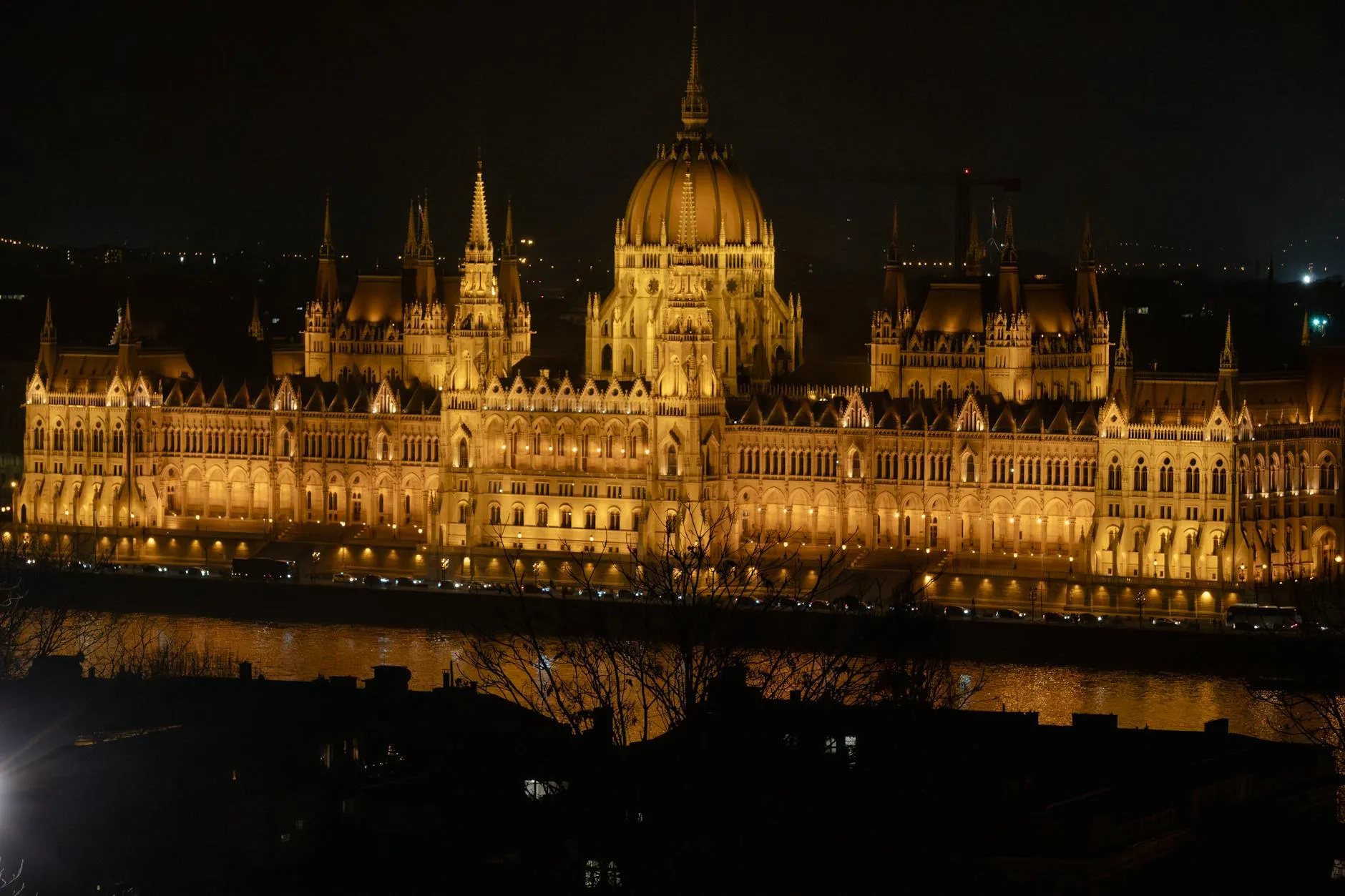
Budapest — The Complete City Guide 2026
Thermal baths, ruin bars, stunning architecture, and Europe’s best value dining — your complete guide to Hungary’s majestic capital.
HUF 15,000–25,000/day budget
Best: Apr–Jun, Sep–Oct
Budapest is two cities bisected by the Danube — royal Buda climbing castle hills on the west, commercial Pest sprawling flat on the east. Between them: thermal baths fed by 120 hot springs, ruin bars in crumbling courtyards, Art Nouveau architecture that rivals Vienna’s, and a café culture that once rivaled Paris. It’s Central Europe’s most underrated capital — beautiful, affordable, and still figuring out how to handle the attention it deserves.
Why Budapest? An Editor’s Note
Let me tell you about two Budapests.
The first is “Party Budapest” — the stag dos, the ruin bar crawls, the thermal bath parties, the cheap booze that draws backpackers who can’t remember what they saw.
The second is “Real Budapest” — the grandmother in the Gellért thermal pool, the chess players in Széchenyi, the konditorei serving cream cakes to old ladies since 1858, the Parliament Building at sunset, the Danube at midnight, the faded grandeur that refuses to let go.
The gap between these two Budapests is one generation. The party scene exists because this remains one of Europe’s great cities at half the price. But the bones of Habsburg glory remain — you just have to look past the foam parties.
One surgical tip: Skip the party at Széchenyi baths (Sparties). Instead, go at 7am on a weekday, when the steam rises and local pensioners play chess in the water. That’s the real thing.
Extending the trip? See our Vienna city guide (2h40 by Railjet, the most civilised train in Europe), Prague city guide (7h by direct train or a 90-minute flight), Krakow city guide (10h by night train or 75-minute flight), and Berlin city guide (12h by train or 90-minute flight) for the same treatment.
Table of Contents
- → Top Attractions
- → Thermal Baths Deep Dive
- → Castle District
- → Parliament & Danube
- → Budapest’s Neighbourhoods
- → Where to Stay
- → Budapest Food Scene
- → Goulash & Hungarian Classics
- → Café Culture
- → Markets
- → Wine & Pálinka
- → Ruin Bars
- → Nightlife
- → Jewish Budapest
- → Architecture
- → Hidden Budapest
- → Day Trips
- → Arriving at BUD
- → Getting Around
- → Budapest in 2026
- → Budget Breakdown
- → Essential Hungarian
- → FAQ
Top Attractions in Budapest
Budapest Attractions Price Guide
| Attraction | 2026 Price (HUF) | Price (EUR) |
|---|---|---|
| Széchenyi Thermal Bath | 13,200–15,800 | ~€34–41 |
| Gellért Thermal Bath | 9,000 | ~€23 |
| Rudas Thermal Bath | 5,500 | ~€14 |
| Rudas Night Bath (Fri-Sat) | 7,500 | ~€19 |
| Parliament Tour | 6,000 (EU) / 12,000 (non-EU) | €15/€30 |
| Buda Castle (Hungarian National Gallery) | 3,400 | ~€9 |
| Matthias Church | 2,500 | ~€6 |
| Fisherman’s Bastion | FREE (upper 1,500) | FREE/€4 |
| St. Stephen’s Basilica Dome | 2,000 | ~€5 |
| Dohány Street Synagogue | 6,600 | ~€17 |
| House of Terror | 4,000 | ~€10 |
| Hospital in the Rock | 5,200 | ~€13 |
| Hungarian State Opera Tour | 4,900 | ~€12 |
| Chain Bridge (crossing) | FREE | FREE |
| Shoes on the Danube | FREE | FREE |
Exchange rate: €1 ≈ 363–385 HUF (April 2026 range). The forint has strengthened noticeably against the euro in early 2026 — older guides quoting 390–400 HUF are stale. Always check the rate on the day you change money.
1. Hungarian Parliament Building
The third-largest parliament building in the world, Neo-Gothic masterpiece on the Danube. 691 rooms, 268 meters long, and one of Europe’s most photographed buildings. The night illumination is spectacular.
Tours: 45-minute guided tours in multiple languages. HUF 4,000 for EU/EEA citizens, HUF 8,000 for non-EU visitors (2026). Students with valid ID get 50% off (HUF 2,000 / HUF 4,000). Under-6s free. Book online at jegymester.hu/parlament well in advance — slots sell out weeks ahead in peak season.
What you’ll see: The main staircase, the Holy Crown of Hungary, the old House of Lords, gilded everything.
Best views of Parliament: From the Buda side (Batthyány tér metro), from the Danube at night, from Margaret Bridge.
2. Buda Castle District
The UNESCO-listed hilltop complex overlooking the Danube. The Royal Palace, Matthias Church, Fisherman’s Bastion, and winding medieval streets.
Getting up: Funicular from Clark Ádám tér (HUF 1,800 one-way), bus 16, or walking up the paths.
Highlights:
- Matthias Church: Gothic church with Art Nouveau interior. Tiled roof, stunning altar. HUF 2,500.
- Fisherman’s Bastion: Neo-Romanesque terraces with best views of Pest. Free to walk (upper terraces HUF 1,500 in peak hours).
- Hungarian National Gallery: In the Royal Palace. Medieval art to 20th century. HUF 3,400.
- Hospital in the Rock: WWII bunker hospital and nuclear shelter. Guided tours only. HUF 5,200.
3. St. Stephen’s Basilica
Budapest’s largest church, named for Hungary’s first king. The mummified right hand of St. Stephen is the main attraction. The dome offers city views.
Entry: Church is free (donation requested). Dome access HUF 2,000 (stairs) or HUF 2,600 (elevator).
4. Széchenyi Thermal Bath
The most famous thermal bath in Budapest. Outdoor pools steaming in winter, chess games in the water, Neo-Baroque yellow palace. Tourist-heavy but unmissable.
Entry (2026): HUF 13,200 locker / HUF 14,200 cabin on weekdays; HUF 14,800 locker / HUF 15,800 cabin on weekends. Increased roughly 5% on 7 January 2026. Budapest Card gives 20% off the cabin ticket.
See Thermal Baths Deep Dive below.
5. Heroes’ Square & City Park
The grand square with the Millennium Monument. Behind it: City Park with Vajdahunyad Castle, the zoo, and Széchenyi Baths.
Entry: FREE. The castle is free to walk around (museum inside).
6. Dohány Street Synagogue
The largest synagogue in Europe, second-largest in the world. Moorish Revival architecture, the Tree of Life memorial, the Jewish museum.
Entry: HUF 6,600 including guided tour. Closed Saturdays and Jewish holidays.
7. House of Terror
Museum documenting Hungary under Nazi and Soviet occupation. In the former headquarters of both regimes’ secret police. Heavy but essential for understanding Hungary.
Entry: HUF 4,000. Allow 2+ hours. English audioguide included.
Thermal Baths Deep Dive
Budapest sits on 120 thermal springs. Bathing culture dates to Roman times, peaked with Turkish occupation, and was formalized by the Habsburgs. Today, the baths are where Budapestians play chess, gossip, recover, and escape.
How It Works
What’s included: Entry, locker or cabin, all pools and saunas. Towels and swimwear usually rentable.
What to bring: Swimsuit (required), flip-flops, small lock (optional), waterproof case for valuables.
Etiquette: Shower before entering pools. No phones in pool areas. Swim caps required in some pools.
Széchenyi Bath — The Grand Classic
The most famous, in City Park. Enormous yellow Neo-Baroque building, three outdoor pools (including the famous chess pool), 15 indoor pools. Water up to 38°C. The most touristy but also the most iconic.
Vibe: Social, international crowds, photo opportunities. “Sparties” (Saturday night pool parties) are not traditional bathing culture.
Best time: Early morning (7am) when locals dominate, or winter when steam rises dramatically.
Entry (2026): Weekday: HUF 13,200 locker / HUF 14,200 cabin. Weekend: HUF 14,800 / HUF 15,800. Open 6am-10pm daily.
Gellért Bath — The Art Nouveau Palace
Inside the Gellért Hotel on the Buda side. Stunning architecture — mosaics, columns, marble. The wave pool and outdoor pools are beautiful.
Vibe: More elegant, slightly older crowd, better for architecture lovers than party seekers.
Best time: Weekday mornings for space and atmosphere.
Entry: HUF 9,000. Open 6am-8pm daily.
Rudas Bath — The Authentic Turkish
16th-century Ottoman bath with original octagonal pool under a domed roof. The rooftop pool added recently offers city views.
Vibe: Dark, moody, ancient. Less touristy than Széchenyi. Night bathing (Fri-Sat 10pm-4am) is atmospheric.
Schedule: Historically single-sex (women Tue, men other days), now mixed most times. Check current schedule.
Entry: HUF 5,500 day, HUF 7,500 night. Rooftop pool often extra.
Király Bath — The Intimate Ottoman
16th-century Turkish bath, smaller and more intimate than Rudas. Original Ottoman dome, local crowd.
Vibe: Neighborhood regulars, less overwhelming than Széchenyi.
Entry: HUF 4,400. Check current hours and gender policies.
Lukács Bath — The Locals’ Choice
Less tourist-focused. Thermal pools, swimming pool, diverse crowd of regulars. Not as photogenic, more functional.
Vibe: Where Budapestians actually go. Medical bathing tradition.
Entry: HUF 4,300. Open 6am-10pm.
Palatinus Strand — The Summer Beach
Open-air complex on Margaret Island. Wave pool, slides, thermal pools. Feels like a water park.
Open: Summer only (May-September).
Vibe: Families, teenagers, summer holiday.
Bathing Itinerary
First-timer: Start with Széchenyi for the full experience.
Architecture lover: Gellért for Art Nouveau splendor.
Authentic seeker: Rudas for Ottoman atmosphere or Király for intimacy.
Night owl: Rudas night bathing (Fri-Sat).
Castle District in Depth
What’s There
The UNESCO-listed hilltop on the Buda side. Royal Palace (now museums), Matthias Church, Fisherman’s Bastion, medieval houses, restaurants, and the best views over Pest.
Must-See in Castle District
Matthias Church: Named for King Matthias Corvinus, rebuilt in Gothic style, with a colorful tiled roof and stunning painted interior. HUF 2,500. Classical concerts held regularly.
Fisherman’s Bastion: Neo-Romanesque white terraces built 1895-1902. Named for the fishermen’s guild that defended this stretch of wall. The seven towers represent the seven Magyar tribes. Free to access lower levels; upper terraces HUF 1,500 during peak hours (free 8pm-9am).
Hungarian National Gallery: In the Royal Palace. Medieval altarpieces, 19th-century Hungarian masters, modern art. The collection traces Hungarian identity through art. HUF 3,400.
Hospital in the Rock: Secret WWII hospital and Cold War nuclear bunker carved into the hill. Wax figures recreate medical scenes and atomic-war preparations. Guided tours only, hourly. HUF 5,200. Book ahead.
Labyrinth (Buda Castle Caves): Underground cave system used since prehistory. Now a slightly cheesy tourist attraction, but the caves themselves are interesting. HUF 3,500.
Castle District Walk
- Take funicular or bus up
- Matthias Church (30 min)
- Fisherman’s Bastion views
- Walk the Úri utca (main medieval street)
- National Gallery if time
- Walk down via Vienna Gate or funicular
Allow 2-4 hours depending on museum visits.
Parliament & The Danube
Parliament Building
Imre Steindl’s Neo-Gothic masterpiece, built 1885-1904. The dome is 96 meters (symbolic — 896 AD was the Magyar conquest). Inside: the Holy Crown, more gold than seems possible, and a functioning parliament.
Tours: Essential. 45 minutes, multiple languages. Book online weeks ahead at jegymester.hu/parlament. EU/EEA citizens pay half (HUF 4,000 vs HUF 8,000; students 50% off again).
Outside views: Best from Batthyány tér on the Buda side, from a river cruise, or walking the Pest embankment.
Shoes on the Danube
Memorial to the Jews shot on the riverbank 1944-1945. Sixty iron shoes line the embankment. Simple, devastating, free.
Chain Bridge (Széchenyi lánchíd)
The first permanent bridge between Buda and Pest (1849). Rebuilt after WWII. Renovated and reopened August 2023. Walk it at night when the lights go on.
Danube River Cruises
The Danube is Budapest’s main artery. River cruises offer city views, especially at night when Parliament illuminates.
Options:
- Legenda: 1-hour cruises from HUF 5,000. Multiple departures.
- BKK river shuttle: Public transport boat. HUF 1,000 with day pass, much cheaper than tourist cruises.
- Dinner cruises: HUF 15,000-25,000 including food and drink.
Margaret Island (Margit-sziget)
The 2.5km island in the middle of the Danube. Parks, ruins of a 13th-century monastery, outdoor pools, running tracks. Car-free, rented bikes available.
What to do: Rent a bike or pédalo, swim at Palatinus (summer), picnic, watch the musical fountain.
Budapest’s Neighbourhoods
Buda Side
Castle District (I. kerület): Historic hilltop. Museums, churches, restaurants, tourists. Stay if you want views and quiet nights.
Víziváros (Water Town): Between castle and river. Residential, Batthyány tér metro, riverside promenade.
Gellért Hill: The Citadella, Gellért Baths, cave church, best panoramic views. Climb for sunset.
Pest Side
District V (Belváros/Inner City): The historic center. Parliament, Váci utca shopping, St. Stephen’s Basilica. Tourist central.
District VI (Terézváros): The Andrássy út boulevard, Opera House, Heroes’ Square. Elegant, walkable.
District VII (Jewish Quarter/Erzsébetváros): The ruin bar district. Dohány Street Synagogue, street art, party scene. The place to be at night.
District VIII (Józsefváros): The emerging neighborhood. Gentrifying, cheaper, edgier. The Corvin Quarter is interesting.
District IX (Ferencváros): Fővám tér (Central Market Hall), university area, riverside development.
District XI (Újbuda / South Buda): South of Gellért Hill. University area, Gellért Baths, residential, leafy. Best for the baths and quieter evenings; 15 minutes by tram from central Pest.
District XIII (Újlipótváros & Margaret Island): North of Parliament along the Pest embankment, plus Margaret Island. Emerging restaurant scene, Bauhaus-era apartments, riverside walks.
Where to Stay
Budget: €30-60/night
Hostels: Maverick City Lodge (District VII), Wombat’s, Carpe Noctem. €15-30 dorms, €40-60 privates.
Budget hotels: Three Corners Hotel Bristol, K+K Hotel Opera (deals). €50-80.
Best areas: District VII (ruin bar access), District VIII (cheaper).
Mid-Range: €80-150/night
Design hotels: Baltazár (Castle District), Brody House, The Duchess.
Apartments: Excellent value for groups.
Best areas: District V (central), District VI (elegant), Castle District (views).
Luxury: €200+/night
Grand hotels: Four Seasons Gresham Palace (the Art Nouveau palace), Aria Hotel, Párisi Udvar.
Buda side: Hilton Budapest (Castle District views).
Budapest Food Scene
Hungarian food is comfort food built for cold winters — paprika-spiced stews, dumplings, stuffed cabbage, cream-laden cakes. Heavy, satisfying, not for dieters.
The Hungarian Meal
Breakfast: Often skipped or just coffee. Pastries from a konditorei.
Lunch: The main meal for older Hungarians. Three-course set menus at traditional restaurants. HUF 2,000-3,000.
Dinner: Lighter or restaurant meals. The party crowd eats late.
What to Eat
Gulyás (Goulash): Not a stew in Hungary — it’s a soup. Beef, paprika, onions, potatoes, eaten with bread. The national dish.
Pörkölt: What foreigners call goulash. The thick paprika stew, usually with nokedli (egg dumplings).
Paprikás csirke: Chicken in creamy paprika sauce with dumplings.
Halászlé: Fisherman’s soup. River fish in spicy paprika broth.
Töltött káposzta: Stuffed cabbage with meat and rice.
Lángos: Deep-fried flatbread topped with sour cream and cheese. Street food essential.
Kürtőskalács (Chimney cake): Sweet dough wrapped around a cylinder, roasted, coated in sugar. Street treat.
Somlói galuska: Sponge cake with chocolate sauce, rum, and whipped cream. The dessert.
Goulash & Hungarian Classics
Traditional Restaurants (Vendéglő/Étterem)
Kádár Étkezde: The legendary Jewish-Hungarian lunch spot. Simple dining hall, the best goulash in town, cash only, closed weekends. HUF 2,000-4,000.
Hungarikum Bisztró: Tourist-friendly traditional. Good quality introduction to Hungarian food. HUF 4,000-8,000.
Paprika: Elegant traditional near Basilica. Higher-end comfort food. HUF 6,000-12,000.
Bagolyvár: In City Park. Traditional in a romantic setting. HUF 5,000-10,000.
Kisbuda Gyöngye: Buda side, locals’ favorite. Old-school service, classic dishes. HUF 4,000-8,000.
Modern Hungarian
Borkonyha: 1 Michelin star. Modern Hungarian with excellent wine list. HUF 18,000-30,000 tasting menu.
Babel: Contemporary fine dining, Hungarian ingredients. HUF 25,000-40,000.
Stand: Bistro version of fine dining. HUF 8,000-15,000.
Costes: 1 Michelin star. Hungary’s first-ever Michelin star (2010), still going. HUF 40,000-60,000 tasting menu.
Onyx Műhely (formerly Onyx): Held two Michelin stars until 2022, when it closed for reconstruction and voluntarily returned both. Reopened under a new format: à la carte “Műhely” service Mon–Wed and a multi-course “ÆTHER” tasting menu Thu–Sun. Currently holds only a Michelin Green Star for sustainability, not a traditional star. Still worth the visit but don’t expect the pre-2022 experience. HUF 40,000–60,000.
Street Food
Lángos: At markets or dedicated stands. Retro Lángos Bar is good. HUF 800-1,500.
Kürtőskalács: Near tourist areas. HUF 700-1,200.
Kolbász (sausage): At markets, served with mustard and bread. HUF 800-1,500.
Best Breakfast & Brunch
Cirkusz: The brunch institution. District VII. Shakshuka, eggs benedict, pancakes. HUF 3,500-6,000.
My Little Melbourne: Australian-style brunch. Excellent coffee. HUF 3,000-5,500.
First Strudel House: Traditional strudel (rétes) in Castle District. Sweet and savory. HUF 1,500-3,000.
Kávés Házak: Traditional coffeehouses for coffee and pastry.
Vegetarian & Vegan
Traditional Hungarian food is meat-heavy, but options exist:
Napfényes: All-vegan restaurant. Multiple locations.
Hummus Bar: Middle Eastern chain. Cheap, filling.
Govinda: Hare Krishna vegetarian. Near Oktogon.
Komédia: Vegetarian-friendly traditional restaurant.
Late Night Eating
Street food stands: Lángos, gyros, sausages around ruin bars.
Karaván Street Food: Food truck court next to Szimpla. Multiple options.
Bors GasztroBar: Soups and sandwiches. Open late.
Best Pizza
Pizzica: Neapolitan-style. District VII.
Trattoria Toscana: Italian-run. Buda side.
Asian
Sao: Vietnamese. District VII. Cheap, authentic.
Vak Varjú: Thai-inspired. Multiple locations.
Wan Hao: Chinese. Chinatown area (Four Tigers Market).
Café Culture
Budapest was once the café capital of Europe. The coffeehouses (kávéház) were intellectual salons, political meeting points, and second homes. Some grand ones survive.
Grand Coffeehouses
New York Café: The “most beautiful café in the world.” Gilded, frescoed, overwhelming Baroque. Touristy and expensive, but the interior is worth seeing. HUF 3,000-6,000 for coffee and cake.
Gerbeaud: The grande dame on Vörösmarty tér. Since 1858. Famous for cakes, elegant interior, outdoor terrace. HUF 2,500-5,000.
Café Central: Reopened after communist closure. Literary history, traditional cakes. HUF 2,000-4,500.
Alexandra Bookshop Café: In a former ballroom. Books plus coffee plus architecture.
Konditorei (Pastry Shops)
Ruszwurm: In Castle District, since 1827. Tiny, crowded, authentic. HUF 1,500-3,000.
Daubner: Local favorite for cakes. Off tourist path. HUF 1,000-2,500.
Auguszt: Family-run since 1870. Fény utca location is best.
Hungarian Pastries
Dobos torta: Multi-layered sponge with chocolate cream, caramel top.
Esterházy torta: Walnut cream layers.
Rigó Jancsi: Chocolate sponge with chocolate cream.
Somlói galuska: The rum-soaked sponge dessert.
Flódni: Jewish Hungarian pastry with apple, walnut, poppy seed layers.
Markets
Great Market Hall (Nagyvásárcsarnok)
The main covered market. Ground floor: produce, meat, spices. Upper floor: tourist souvenirs, lángos stands, restaurants. Iron and glass architecture from 1897.
What to buy: Paprika (the good stuff), salami (Pick is the brand), fruit, lángos upstairs.
Hours: 6am-5pm Mon-Fri, 6am-3pm Sat. Closed Sunday.
Hold utca Market Hall
Near Parliament. Renovated, now includes food court section alongside traditional market stalls. More local than Great Market Hall.
Lehel Market
The locals’ market. Raw, authentic, zero tourists. Near Lehel tér metro.
Szimpla Farmers’ Market
Sunday mornings at Szimpla ruin bar. Local producers, organic vegetables, brunch vibe. 9am-2pm.
Wine & Pálinka
Hungarian Wine
Hungary has 22 wine regions and an underrated wine culture. Key regions:
Tokaj: The famous dessert wine region. Tokaji Aszú is liquid gold — noble rot, honeyed complexity. Dry Furmint is excellent too.
Eger: Red wine region. Egri Bikavér (“Bull’s Blood”) is the famous blend. Kadarka, Kékfrankos grapes.
Villány: Hungary’s Bordeaux. Full-bodied reds from Cabernet Franc, Merlot.
Szekszárd: Red wine, lighter than Villány. Kadarka is the star.
Wine Bars
DiVino: Multiple locations (St. Stephen’s Square best). Wine by the glass, good selection. HUF 1,200-3,500/glass.
Palack Borbár: Deep selection, knowledgeable staff. More serious.
Doblo Wine & Bar: District VII, cellar atmosphere. Good introduction.
Faust Wine Cellar: In Castle District caves. Atmospheric tastings.
Pálinka
Hungarian fruit brandy. Not like cheap schnapps — good pálinka is distilled from specific fruits and aged. Protected designation.
Types: Szilva (plum), barack (apricot), körte (pear), cseresznye (cherry).
How to drink: Room temperature, in a small glass. Sip, don’t shoot.
Where: Élesztő ruin bar (craft pálinka), Rézangyal (dedicated pálinka bar), any ruin bar.
Unicum
The bitter herbal liqueur. Recipe secret since 1790. Acquired taste — most visitors hate it, then crave it. Try once.
Ruin Bars
The uniquely Budapest invention. Abandoned buildings turned into bars with mismatched furniture, art installations, and outdoor courtyards. Started in the 2000s, now the city’s defining nightlife style.
The Original: Szimpla Kert
The first and still most famous. Multiple rooms, courtyards, a car turned into seating, plants everywhere. Can feel touristy, but the sheer scale makes it essential.
Address: Kazinczy utca 14, District VII.
Hours: 3pm-4am daily. Sunday farmers’ market 9am-2pm.
Vibe: Tourist-heavy evenings, local afternoons.
More Ruin Bars
Instant-Fogas: Two former ruin bars merged into a mega-complex. Multiple floors, dance floors, courtyards. The party palace.
Élesztő: Craft beer focused. More chill, excellent Hungarian craft beers and pálinka.
Anker’t: Garden bar, chilled vibe, local crowd.
Mazel Tov: Middle Eastern restaurant-bar in a converted courtyard. Food is the draw, drinks are the stay.
Csendes: Quiet, vintage, for conversations not parties.
Tips
- Most don’t charge entry (some clubs within do).
- Beer and drinks are cheap by Western standards.
- Peak hours: 11pm-2am.
- Thursday-Saturday are busiest.
- Dress code is whatever you want.
Nightlife Beyond Ruin Bars
Clubs
Akvárium Klub: Under Erzsébet tér. Electronic music, live concerts. The serious club.
Doboz: Mixed music, large venue. Popular with locals.
Otkert: Summer garden party venue. Huge outdoor space.
Cocktail Bars
Boutiq’ Bar: High-end cocktails, mixology focus. HUF 3,500-5,500.
Blue Fox Bar: Hidden entrance, speakeasy style.
Warmup Budapest: Hip-hop, R&B, cocktails.
Craft Beer
Élesztő: The original craft beer ruin bar. 20+ Hungarian craft taps.
First Craft Beer: Near Keleti, local brewing scene hub.
LÉHŰTŐ: Brewhub with own beers plus guests.
Rooftop Bars
High Note SkyBar: Aria Hotel rooftop. Basilica views. Upscale.
360 Bar: Panoramic city views. Seasonal (summer).
Jewish Budapest
Budapest had one of Europe’s largest Jewish communities. The Holocaust devastated it, but the heritage remains — synagogues, cemeteries, cuisine, and the ruin bar district itself (District VII was the former ghetto).
Key Sites
Dohány Street Synagogue: The largest in Europe. Moorish Revival architecture, Tree of Life memorial in the courtyard, Jewish museum. HUF 6,600 including guided tour.
Shoes on the Danube: Memorial to the 1944-45 shootings.
Raoul Wallenberg Memorial: The Swedish diplomat who saved thousands.
Carl Lutz Memorial: Swiss diplomat, another rescuer.
Kazinczy Street Synagogue: Orthodox, Art Nouveau interior. Working synagogue.
Rumbach Synagogue: Recently renovated, now a cultural center.
Jewish Food
Kádár Étkezde: Jewish-Hungarian lunch canteen. The goose and cholent.
Fröhlich: Jewish bakery. Flódni, poppy seed pastries.
Mazel Tov: Modern Middle Eastern in ruin bar setting.
Tours
Walking tours through the former ghetto explain the community’s history and destruction. Context matters.
Architecture
Art Nouveau (Secession)
Budapest rivals Vienna for Secession architecture. Look for:
Gresham Palace: Now Four Seasons. The peacock gates, mosaics, ironwork. Walk through the lobby.
Museum of Applied Arts: Ödön Lechner’s masterpiece. Green ceramics, Hungarian folklore motifs.
Gellért Baths: Art Nouveau interior at its finest.
Post Office Savings Bank: Another Lechner building. Beehive rooftop.
Philanthia Flower Shop: Tiny Art Nouveau jewel on Váci utca.
Neo-Gothic
Parliament: The definitive building.
Matthias Church: Rebuilt Neo-Gothic with Hungarian motifs.
Habsburg Grandeur
St. Stephen’s Basilica: Classical dome.
Hungarian State Opera: Neo-Renaissance, interior tours available. HUF 4,900.
Andrássy út: The grand boulevard. UNESCO World Heritage.
Communist Era
Memento Park: Soviet statues removed after 1989. Worth the trip for historical context. HUF 2,400.
Housing estates: Panel buildings (panelház) on the outskirts. Brutal but part of the story.
Hidden Budapest
Places Tourists Miss
Óbuda: The third original city (besides Buda and Pest). Roman ruins, small-town feel, local restaurants.
Római-part: Riverbank north of the city. Outdoor bars, swimming areas in summer. Where Budapestians escape.
Fővám tér morning: The square before tourists arrive. Market workers, coffee, real city.
Moszkva tér area (now Széll Kálmán tér): The Buda-side transport hub. Cheap restaurants serving workers.
Secret Spots
Gellért Hill cave church: Catholic church inside a cave. Free, atmospheric.
Kerepesi Cemetery: The Père Lachaise of Budapest. Hungarian luminaries, elaborate tombs.
Ecseri Flea Market: Saturday mornings. Communist-era goods, antiques, chaos.
Palatinus Margitsziget: Margaret Island’s open-air baths. Local summer life.
Alternative Budapest
District VIII (Józsefváros): The edgy neighborhood. Street art, cheap restaurants, gentrification in progress.
Telep Art Gallery: Alternative art space in an old factory.
Trafó: Contemporary arts center. Performance, exhibitions.
Day Trips from Budapest
Szentendre (40 min)
Artistic village on the Danube bend. Serbian heritage, cobblestone streets, galleries, marzipan museum. Touristy but pretty.
Getting there: HÉV suburban train from Batthyány tér. HUF 600. Or boat (2 hours but scenic).
Esztergom (1.5 hours)
The Hungarian Vatican. Hungary’s largest church, seat of the Cardinal. Cross the bridge to Slovakia for coffee.
Getting there: Train from Nyugati or bus from Árpád híd.
Visegrád (1.5 hours)
Medieval citadel on the Danube bend. Castle ruins, views, bobsled run. Combine with Szentendre and Esztergom for a Danube Bend day.
Eger (2 hours)
Wine town in the hills. Egri Bikavér (Bull’s Blood), castle, thermal baths, Baroque architecture. The wine cellars of Szépasszony-völgy (Valley of Beautiful Women) are the draw — dozens of cellars selling wine for tasting.
Getting there: Train from Keleti (2 hours). Better as overnight.
Lake Balaton (1.5-2 hours)
Central Europe’s largest lake. Summer resort area. Towns: Balatonfüred (elegant), Siófok (party), Tihany (abbey peninsula). Best June-August.
Getting there: Trains from Déli or Keleti.
Pécs (2.5 hours)
Southern cultural city. Ottoman mosques, Early Christian tombs (UNESCO), university town vibe. Worth overnight.
Bratislava (2.5 hours)
The Slovak capital makes an easy day trip or stop en route. Train or boat.
Vienna (2.5 hours)
The Habsburg capital. Direct trains run regularly. Day trip possible but better overnight.
Arriving at Budapest (BUD)
Ferenc Liszt International Airport, 16km southeast of center. Single terminal (but called Terminal 2 — Terminal 1 closed).
Getting to the City
100E Airport Bus: Direct to Deák Ferenc tér (central interchange). HUF 2,500 one-way since October 2025 (was HUF 2,200). 30–45 minutes, runs 5am–1:30am. Budapest Card / Pest County Pass / Hungary Pass holders get the 100E for just HUF 1,000.
Metro + Bus 200E: Budget option. 200E bus to Kőbánya-Kispest metro, then M3 to center. HUF 450 total (with transfer ticket). 50-60 minutes.
Taxi: Fixed zone pricing. HUF 9,500-11,500 to center depending on district. Use Főtaxi (official airport taxi) or Bolt/Uber (similar prices).
Best choice: 100E for convenience, 200E+metro if budget matters.
Getting Around Budapest
Metro
Four lines covering main areas. M1 (yellow) is UNESCO-listed — second-oldest metro in continental Europe (1896).
- M1 (yellow): Andrássy út — Opera, Heroes’ Square.
- M2 (red): East-west — Keleti station to south Buda.
- M3 (blue): North-south through Pest.
- M4 (green): Newer line through south Buda and Keleti.
Tram
Extensive network, especially useful on the Pest riverside (lines 2, 4-6). Tram 2 is scenic along the Danube.
Bus
Covers areas metro/tram don’t reach. Bus 16 to Castle District useful.
Tickets
Single: HUF 450 (HUF 600 from driver). Valid 80 minutes, no transfers.
Transfer ticket: HUF 530. One metro-to-bus/tram transfer.
24-hour pass: HUF 2,500. Best value for a full day.
72-hour pass: HUF 5,500.
Budapest Card: 24/48/72 hours (HUF 8,990/14,990/18,990). Transport + attraction discounts. Worth it if you’ll use the discounts.
Funicular & Boats
Castle Funicular: HUF 1,800 one-way, HUF 3,000 return.
BKK ferry: Public transport boats on Danube. Free with passes, HUF 1,000 otherwise.
Budapest in 2026
Events
Budapest Spring Festival (April): Classical music, opera, exhibitions.
Sziget Festival (August): One of Europe’s largest music festivals. Óbuda Island. International headliners, 400,000+ attendees.
Budapest Wine Festival (September): At Buda Castle. Hungarian wines, food.
Budapest Christmas Market (Nov-Dec): Vörösmarty tér and St. Stephen’s Basilica. Traditional markets, kürtőskalács.
National holidays: March 15 (Revolution), August 20 (St. Stephen’s Day — biggest), October 23 (1956 Revolution).
What’s New
Chain Bridge: Reopened August 2023 after extensive renovation. Fully pedestrianized nights.
Buda Castle renovation: Ongoing palace restoration. Some areas may be closed.
South Buda development: New neighborhoods along the river.
2026 Prices Snapshot
| Item | Price (HUF) |
|---|---|
| Metro single | 450 |
| Beer (ruin bar) | 800-1,500 |
| Lángos | 800-1,500 |
| Coffee (café) | 600-1,200 |
| Traditional lunch | 2,500-4,500 |
| Dinner for two (mid-range) | 12,000-20,000 |
Budget Breakdown
Budget: €40-60 per day
Hostel: €15-25. Transport: €5. Lángos lunch: €3. Traditional dinner: €12. Beer at ruin bar: €3. Bath entry: €15. Total: €53-63.
Mid-Range: €100-150 per day
3-star hotel: €60-80. Transport: €7. Lunch: €15. Dinner: €30. Attractions: €20. Total: €132-152.
Luxury: €250+ per day
5-star hotel: €150+. Fine dining: €80. Bath + spa: €40. Taxi everywhere. Total: €270+.
Money-Saving Tips
- Eat at étkezdés (canteen-style restaurants) for €5-8 lunches.
- Rudas bath is cheaper than Széchenyi and more authentic.
- Ruin bars are cheap compared to Western Europe.
- Markets offer the best food value.
- 24-hour transport pass pays off quickly.
- EU/EEA citizens pay half for Parliament tours (HUF 4,000 vs HUF 8,000 in 2026).
Tourist Tax (Idegenforgalmi Adó / IFA)
Budapest charges a tourist tax of 4% of the gross accommodation price, per person per night, collected by your hotel, hostel, apartment, or Airbnb host at check-out. It is almost never included in the rate shown on booking platforms — expect it as a separate line on your final bill.
Under-18s are exempt. A handful of outer districts (II, X, XIV) run slightly different flat-rate schemes (HUF 600–800 per person per night), but most of central Budapest uses the 4% formula.
Example: a couple staying four nights in a HUF 30,000/night hotel owes 4% × 30,000 × 2 × 4 = HUF 9,600 in IFA (roughly €26 at April 2026 rates) on top of the room bill. A €100 Airbnb for two people × five nights adds ~€40 in tax. Source: Budapest municipal tax office + travelnest.site, 2026 rates.
Essential Hungarian
| English | Hungarian | Pronunciation |
|---|---|---|
| Hello | Szia (informal) / Jó napot | SEE-yah / YOH NAH-pot |
| Thank you | Köszönöm | KU-su-num |
| Please | Kérem | KAY-rem |
| Yes / No | Igen / Nem | EE-gen / NEM |
| Cheers! | Egészségedre! | EG-gesh-shay-ged-re |
| The bill, please | A számlát, kérem | Ah SAM-lat KAY-rem |
| Delicious! | Finom! | FEE-nom |
| Goodbye | Viszlát | VIS-lat |
Note: Hungarian is one of the world’s most difficult languages. English is widely spoken in tourist areas but less so outside. Any attempt at Hungarian is appreciated.
Hungarian Food Glossary
Bonus vocabulary for anyone who wants to read the menu without Google Translate. Every dish on this list appears at least once in a traditional Budapest restaurant.
| Hungarian | English | Description |
|---|---|---|
| Gulyás | Goulash soup | Beef soup with paprika (not a stew) |
| Pörkölt | Paprika stew | What foreigners call “goulash” |
| Paprikás csirke | Chicken paprikash | Chicken in creamy paprika sauce |
| Halászlé | Fisherman’s soup | Spicy river fish soup |
| Töltött káposzta | Stuffed cabbage | Cabbage rolls with meat |
| Lángos | Fried dough | Deep-fried bread with toppings |
| Nokedli | Egg dumplings | Like spätzle, served with stews |
| Túrós csusza | Pasta with curd | Comfort food with sour cream, bacon |
| Kolbász | Sausage | Various types, often paprika-spiced |
| Lecsó | Pepper stew | Hungarian ratatouille |
| Somlói galuska | Trifle | Rum-soaked sponge with chocolate |
| Rétes | Strudel | Filled pastry (apple, cherry, cheese) |
| Kürtőskalács | Chimney cake | Sweet spiral cake |
Frequently Asked Questions
Do I need a visa or ETIAS to enter Hungary?
Hungary is part of the Schengen Area. EU/EEA/Swiss citizens can enter with a national ID card. Visa-exempt non-EU nationals (US, UK, Canadian, Australian, Japanese, and around 60 other nationalities) can enter visa-free for up to 90 days in any 180-day period across the entire Schengen Area, with a passport valid for at least three months beyond the planned departure. EU ETIAS (the €20 electronic travel authorisation) has been repeatedly delayed — as of April 2026 it is NOT yet in force. The European Council pushed go-live to a date that has not been announced, with a six-month transitional grace period after launch before it becomes mandatory (around April 2027). Until then, no ETIAS is required for Hungary. Check travel-europe.europa.eu/etias before booking for late-2026 travel. Not to be confused with the UK ETA, which applies only to the UK.
How many days do I need in Budapest?
Three to four days is ideal. Day 1: Castle District, baths. Day 2: Pest (Parliament, Basilica, Jewish Quarter). Day 3: Ruin bars, markets, Margaret Island. Day 4: Day trip or deeper exploration.
Is Budapest expensive?
No. It’s one of Europe’s best value capitals. Budget travelers can enjoy €40-60/day including baths. Mid-range €100-150. Much cheaper than Western European cities.
When is the best time to visit?
Spring (April-May) and fall (September-October) for mild weather. Summer for festivals (Sziget) but hot. Winter is cold but beautiful (thermal baths steam, Christmas markets).
Are the thermal baths worth it?
Yes. It’s the defining Budapest experience. Go early morning for authenticity, avoid Saturday night “sparties” if you want real bathing culture.
Is Budapest safe?
Very safe. Normal big-city precautions apply. Taxi scams used to be common — use Bolt or official taxis. Party areas can get rowdy late at night.
Should I stay in Buda or Pest?
Pest for most visitors — better restaurants, nightlife, walkability. Buda for quiet, views, romantic stays.
What’s the deal with ruin bars?
Abandoned buildings turned into bars. Start at Szimpla, the original. Go with the chaos — mismatched furniture, art, courtyards. Don’t expect polished nightclubs.
Can I use euros?
Hungary uses forints (HUF). Some tourist shops accept euros, but at bad rates. Use ATMs for forints. Cards widely accepted.
Opera & Classical Music
Budapest was the other capital of the Habsburg Empire — it built cultural institutions to match Vienna.
Hungarian State Opera
The Neo-Renaissance opera house on Andrássy út, built 1875-1884. Rivals Vienna’s in beauty. Gustav Mahler was music director 1888-1891.
Performances: Opera and ballet September-June. Tickets from HUF 3,500-45,000 depending on seat. Check opera.hu.
Tours: Daily tours of the building when no performances. HUF 4,900. 45 minutes. Worth it for the architecture even if you don’t attend a show.
Dress code: Smart casual minimum. Locals often dress formally.
Erkel Theatre
The State Opera’s second venue. Larger, less ornate, used for bigger productions. Same company.
Budapest Music Academy (Liszt Academy)
The conservatory where Bartók and Kodály taught. Stunning Art Nouveau concert hall. Chamber music, student concerts, recitals. Many concerts free or cheap.
Palace of Arts (Müpa)
The modern concert complex in south Pest. Béla Bartók National Concert Hall is the main venue. Excellent acoustics, contemporary programming.
Organ Concerts
St. Stephen’s Basilica and Matthias Church both hold regular organ concerts. Check schedules — tourist-friendly evening performances.
Romantic Budapest
Most Romantic Experiences
Sunset from Fisherman’s Bastion: The white Neo-Romanesque terraces glow pink at sunset. Parliament lights up across the river. Best Budapest view, period.
Night Danube cruise: When Parliament and Chain Bridge illuminate. BKK boat is cheap; private cruises are special.
Thermal bath for two: Gellért is the most romantic — Art Nouveau architecture, less party atmosphere than Széchenyi.
Coffee at Ruszwurm: The 1827 konditorei in Castle District. Tiny, intimate, cake for sharing.
Gellért Hill at dusk: Climb for the panorama. Stay for the stars.
Romantic Restaurants
Costes: 1 Michelin star (Hungary’s first, since 2010). The special occasion.
Gundel: Historic restaurant in City Park. Traditional elegance.
Pierrot: In Castle District. Old-world charm.
Borkonyha: Wine-focused Michelin star. Intimate.
Romantic Hotels
Four Seasons Gresham Palace: The Art Nouveau palace. Danube views. €400+.
Aria Hotel: Music-themed luxury near Basilica. Rooftop bar. €250+.
Baltazár: Boutique in Castle District. Views over Pest. €150+.
Budapest with Kids
Best Attractions for Families
Budapest Zoo: One of the oldest in the world (1866). In City Park near Széchenyi. Animals plus Art Nouveau pavilions. HUF 4,300 adults, HUF 2,800 children.
Palatinus Beach (summer): Margaret Island water park. Slides, wave pool, thermal pools. Where Budapest families spend summer days.
City Park: Vajdahunyad Castle (fairytale), boating lake (ice skating in winter), playgrounds.
Tropicarium: Aquarium and rainforest complex. Sharks, rays, crocodiles. HUF 4,500.
Miniversum: Model railway with miniature Hungary, Austria, Germany. Interactive. HUF 4,500.
Budapest Pinball Museum: 130+ playable pinball machines. HUF 4,000, unlimited play.
Kid-Friendly Baths
Palatinus (summer): Wave pool, slides, thermal pools. Family-oriented.
Széchenyi: Outdoor pools work for older kids. The chess-playing grandpas are entertaining.
Aquaworld: Modern water park with slides. North of center.
Food for Kids
Lángos (deep-fried bread), kürtőskalács (chimney cake), and ice cream are universal kid-pleasers. Traditional Hungarian food is heavier — restaurants used to families exist but kid menus are less common than Western Europe.
Stroller Warning
Budapest is NOT stroller-friendly. Cobblestones everywhere, metro stations often lack elevators (M1 especially), hills in Buda. Consider a carrier for young children.
Free Things to Do
- Fisherman’s Bastion lower terraces: The views are free (upper terraces charge at peak times).
- Chain Bridge walk: Best at night when lit.
- Shoes on the Danube: The Holocaust memorial.
- Heroes’ Square: The monument and City Park.
- Margaret Island: Parks, ruins, people-watching.
- Great Market Hall: Free to wander (eating costs).
- Gellért Hill climb: Best panorama in Budapest.
- Ruin bar wandering: Free entry, drinks cost.
- Street art in District VII: Murals throughout the Jewish Quarter.
- Walking Andrássy út: The grand boulevard.
- Gresham Palace lobby: Walk into the Four Seasons to admire Art Nouveau.
- St. Stephen’s Basilica: Church free (dome costs).
- Parliament exterior: Night views from Batthyány tér.
- Tram 2 along the Danube: Scenic ride (with transport ticket).
LGBTQ+ Budapest
Budapest is one of the more LGBTQ+-friendly cities in Central/Eastern Europe. Pride parade happens annually (June/July). However, the political climate has become less welcoming under the current government — same-sex marriage isn’t recognized, and anti-LGBTQ+ rhetoric appears in state media.
LGBTQ+ Venues
Alterego: The main gay club. Multiple floors, regular parties.
Why Not Café & Bar: Long-running gay bar in District VII.
Szimpla and other ruin bars: Generally LGBTQ+-friendly, mixed crowds.
Thermal Baths
Király Bath historically had a gay-friendly reputation (particularly the men-only days). Rudas also, especially night bathing. Nothing official, but known.
Pride
Budapest Pride: Usually late June/early July. Parade and festival. Attendance has grown despite political opposition. Check budapestpride.com for 2026 dates.
Football in Budapest
Hungarians are football-passionate, though the national team underperforms the passion. Budapest clubs have large, loyal followings.
The Clubs
Ferencváros (Fradi): The biggest and most successful. Green-and-white. Groupama Arena. The only Hungarian club regularly in European competition.
Újpest: The traditional rival. Purple-and-white. Szusza Ferenc Stadium.
Honvéd: Historic club from the communist era (Army team). Red.
MTK: Blue-and-white. Historically associated with the Jewish community.
Attending a Match
Tickets: From club websites or at stadiums. HUF 2,000-6,000 for league matches. Ferencváros European matches harder to get.
Atmosphere: Passionate supporter sections (ultras), safer than reputation suggests. Family areas available.
Puskás Arena
The national stadium (opened 2019). 67,000 capacity. Hosts Hungarian national team and major events. Impressive modern design.
Safety & Practical Information
Safety
Budapest is very safe by European standards. Violent crime against tourists is rare. Main concerns:
Taxi scams: Historically common. Use Bolt, Uber, or official taxi companies (Főtaxi, City Taxi). Avoid unmarked taxis.
Pickpockets: Tourist areas (Castle District, metro, ruin bars when crowded). Normal precautions.
Ruin bar theft: Keep belongings close in crowded venues.
Exchange offices: Some offer poor rates. Use ATMs instead.
Money
Currency: Hungarian Forint (HUF). €1 ≈ 363–385 HUF (April 2026 range, strengthening from 2025). Check the rate on the day.
Cash vs. Card: Cards accepted most places, but small vendors, markets, and some traditional restaurants are cash-only. ATMs everywhere.
Tipping: 10% at restaurants (check if service included). Round up for taxis, small tips for bath attendants.
Language
Hungarian (Magyar) — one of the world’s most difficult languages, unrelated to neighbors. English widely spoken in tourist areas, less so outside. German also useful with older generation.
Health
Tap water is safe. EU health insurance (EHIC) accepted. Pharmacies (gyógyszertár) well-stocked. Hospitals adequate but try to avoid if possible.
Electricity
Type C/F plugs (European two-pin). 230V. UK and US visitors need adapters.
Emergencies
112 for all emergencies. Police: 107. Ambulance: 104. Fire: 105.
Weather & When to Visit
Seasonal Guide
Spring (March-May): Mild and pleasant. Cherry blossoms on Margaret Island. Fewer crowds. Budapest Spring Festival (April).
Summer (June-August): Hot (25-35°C). Outdoor life, festivals (Sziget in August), beer gardens, Margaret Island swimming. Can be uncomfortably hot. August locals flee.
Fall (September-October): Warm, golden light, wine harvest season. Budapest Wine Festival. Excellent time to visit.
Winter (November-February): Cold (-5 to 5°C), can be grey. But thermal baths steam magnificently, Christmas markets are magical, and city is uncrowded. Bring warm layers.
What to Pack
- Comfortable walking shoes: Cobblestones destroy feet and fancy shoes.
- Swimsuit: For thermal baths — essential.
- Layers: Temperature varies between riverside and hilltop, day and night.
- Rain protection: Especially spring and fall.
- Winter gear: Warm coat, hat, gloves if visiting November-March.
Shopping
What to Buy
Paprika: The spice that defines Hungarian cooking. Buy at Great Market Hall. Édesnemes (sweet noble) is the classic; erős (hot) for heat.
Pálinka: Fruit brandy. Quality bottles from Zwack or craft distilleries.
Tokaji wine: The legendary sweet wine. Buy from wine shops or direct from producers.
Herend porcelain: Hand-painted luxury ceramics since 1826. Expensive but exquisite.
Zsolnay ceramics: Art Nouveau tiles and pottery from Pécs.
Embroidery: Traditional Hungarian folk embroidery.
Pick salami: The famous Hungarian salami brand.
Where to Shop
Great Market Hall: Souvenirs upstairs, food downstairs. Touristy but convenient.
Falk Miksa utca: Antique shops and galleries.
Váci utca: Main shopping street. International chains plus tourist shops.
Fashion Street: Deák tér area. Mid-range shopping.
Westend City Center: Mall near Nyugati station. All the chains.
Ecseri Flea Market: Saturday mornings. Antiques, communist memorabilia, junk, treasures.
Best Views in Budapest
Budapest is a city of views — the hills on the Buda side looking over the flat Pest plain and the river.
Must-See Viewpoints
Fisherman’s Bastion: The classic. Parliament framed in white arches. Best at sunset.
Gellért Hill (Citadella): The highest point. 360-degree panorama. Climb at dusk for sunset then city lights.
St. Stephen’s Basilica dome: Central Pest from above. HUF 2,000-2,600.
Parliament building at night: From Batthyány tér or the Buda riverbank.
Chain Bridge walking: Midway point, looking both directions.
Elizabeth Lookout Tower (Normafa): Outside center, the highest point in Budapest. Bus 21.
Photo Spots
Fisherman’s Bastion arches: Frame Parliament perfectly.
Chain Bridge with Buda Castle: From Pest side at night.
Matthias Church with Bastion: From the terrace.
Shoes on the Danube: Emotional but powerful image.
Széchenyi outdoor pools: Steam rising, yellow building.
Brief History for Context
Understanding Budapest’s past helps explain what you see.
Ancient & Medieval
Romans founded Aquincum (Óbuda) in the 1st century. Ruins remain. Magyars arrived 896 AD. Mongols destroyed the city in 1241. Medieval Buda Castle rose afterward.
Ottoman Period (1541-1686)
The Ottomans ruled for 145 years, leaving thermal bath culture. Rudas and Király baths date from this era. Liberation in 1686 destroyed much of the city.
Habsburg Era (1686-1918)
Part of the Austrian Empire, then Austria-Hungary from 1867. The golden age — Parliament, Opera, Andrássy út, Chain Bridge built. Budapest rivaled Vienna in culture.
20th Century Traumas
World War I ended the empire. Interwar period brought brief prosperity then Depression. World War II devastated the city — all Danube bridges destroyed. The Jewish population nearly annihilated (shoes memorial commemorates shootings). Soviet liberation brought 45 years of communist rule.
1956 Revolution
October uprising against Soviet rule, crushed within weeks. 2,500 Hungarians killed, 200,000 fled. House of Terror documents this period.
Since 1989
Democratic transition, EU membership 2004, Schengen 2007. Economic growth and cultural revival. Recent years: democratic backsliding under Orbán government, EU tensions, inflation.
Suggested Itineraries
3-Day Essential Budapest
Day 1 — Buda Side:
- Morning: Castle District (Matthias Church, Fisherman’s Bastion, Hospital in the Rock)
- Lunch: Castle District restaurant
- Afternoon: Walk down via Vienna Gate, cross Chain Bridge
- Evening: Dinner in District VII, ruin bar exploration
Day 2 — Pest Side:
- Morning: Parliament tour (book ahead), walk Danube promenade, Shoes memorial
- Lunch: Great Market Hall
- Afternoon: St. Stephen’s Basilica, dome climb, walk Andrássy út
- Evening: Opera or Heroes’ Square, dinner
Day 3 — Baths & Exploration:
- Morning: Széchenyi Baths (arrive early)
- Lunch: City Park or surrounding
- Afternoon: Jewish Quarter (Dohány Synagogue, House of Terror)
- Evening: Danube cruise or rooftop bar
4-Day Deeper Budapest
Add to 3-day itinerary:
Day 4:
- Morning: Gellért Baths or Rudas
- Afternoon: Margaret Island, or day trip to Szentendre
- Evening: Final ruin bar crawl or nice dinner
One Week in Budapest
Days 1-4 as above, then:
Day 5: Day trip to Eger wine region or Szentendre/Visegrád
Day 6: Art museums (National Gallery, Applied Arts), House of Terror if missed
Day 7: Óbuda Roman ruins, local neighborhoods, final baths
Ruin Bar Crawl Route
Start 9pm:
- Pre-drinks at Szimpla Kert (7pm-9pm, less crowded)
- Anker’t for beer garden vibe
- Instant-Fogas for dancing
- Élesztő if you prefer craft beer to clubs
- End wherever the night takes you
Architecture Walking Route
- Start: Gresham Palace (Four Seasons)
- Walk Chain Bridge
- Funicular to Castle District
- Matthias Church and Fisherman’s Bastion
- Return, walk to Parliament
- Continue to St. Stephen’s Basilica
- Walk Andrássy út to Opera
- End at Liszt Academy
4-5 hours with interior visits, 2-3 hours exteriors only.
Cheapest Flights to Budapest
We track flight deals to Budapest from 5 cities worldwide. Here are the best recent fares:
Flight Deals from Budapest
Looking for cheap flights departing Budapest? Here are deals to 15 destinations:
- Budapest to Paris, France from €82
- Budapest to Dubai, UAE from €115
- Budapest to Almaty, Kazakhstan from €385
- Budapest to Bangkok, Thailand from €433
- Budapest to Xiamen, China from €439
- Budapest to Hangzhou, China from €449
- Budapest to Chongqing, China from €449
- Budapest to Taipei, Taiwan from €454
- Budapest to Beijing, China from €454
- Budapest to Macau from €461
- Budapest to Shanghai, China from €462
- Budapest to Seoul, South Korea from €472
- Budapest to Haikou, China from €491
- Budapest to Phnom Penh, Cambodia from €514
- Budapest to Manila, Philippines from €518
Prices are based on recent deals and may no longer be available. Browse all flight deals