Tenerife, Canary Islands — City Guide 2026
The Complete City Guide 2026
Tenerife — The Complete Island Guide 2026
Tenerife is the island that refuses to be categorised. It has Spain’s highest mountain, the world’s best water park, UNESCO heritage towns, ancient laurel forests, volcanic moonscapes, year-round sunshine, and a carnival that rivals Rio. It is simultaneously a British package-holiday destination and one of the most geologically extraordinary places in Europe. The key is knowing which Tenerife you are looking for — because the island has at least three of them, and they are all worth visiting.
🗓️ Verified April 2026
✍️ 20-Year Travel Editor
Last verified: April 2026. Every price, opening hour, and booking link in this guide has been checked against official sources. Note that Storm Therese (March 2026) caused road closures and infrastructure damage in northwest Tenerife — check road conditions in the Anaga and northwest coastal areas before visiting. Verify at the listed URLs before travelling.
Why Tenerife? An Editor’s Note
I first came to Tenerife in 2007, on a cheap Ryanair flight, expecting sunburn, English breakfasts, and karaoke bars. I found all of those in the south. Then I rented a car, drove north, and discovered a completely different island: cloud forests clinging to volcanic ridges, 16th-century towns where nobody spoke English, wine served in unlicensed front rooms, and a 3,718-metre volcano rising above a sea of clouds.
Tenerife’s problem is its reputation. The southern resorts — Playa de las Américas, Los Cristianos, Costa Adeje — are perfectly functional beach holidays, but they bear about as much resemblance to the real Tenerife as the airport Duty Free bears to the country you are visiting. The real Tenerife is in the north: in Puerto de la Cruz, where Canarian families still take their holidays; in La Orotava, where guachinches (informal wine houses) serve home-cooked food in garages; in the Anaga mountains, where trails pass through laurel forests that have existed since before the last Ice Age; and on the summit of Mount Teide, where the night sky is one of the three best places on Earth for stargazing.
This guide covers all of Tenerife — north and south, coast and summit, tourist strip and hidden village. If you want a beach holiday, the south delivers. If you want one of the most geologically and culturally fascinating islands in Europe, you need to go north. Ideally, do both. A week gives you time. A long weekend requires choices. This guide will help you make them.
If you want a comparable island experience but in the eastern Mediterranean, try Athens as a gateway to the Greek islands. For a volcanic city with world-class food, Naples is Tenerife’s spiritual twin. For another Spanish city with deep character, see our Madrid or Barcelona guides.
Table of Contents
- Top Attractions in Tenerife
- Canarian Food — The Island’s Best-Kept Secret
- Wine — Volcanic Vineyards & Guachinches
- Tenerife’s Best Beaches
- Areas & Neighbourhoods
- Where to Stay in Tenerife — By Budget
- Getting Around Tenerife
- Best Time to Visit Tenerife
- Hiking & Nature
- Stargazing on Teide
- Day Trips from Tenerife
- Tenerife with Kids
- Safety & Practical Information
- 2026 Travel Notes
- Free Things to Do in Tenerife
- Frequently Asked Questions
Top Attractions in Tenerife
1. Mount Teide & Teide National Park — Spain’s Highest Peak
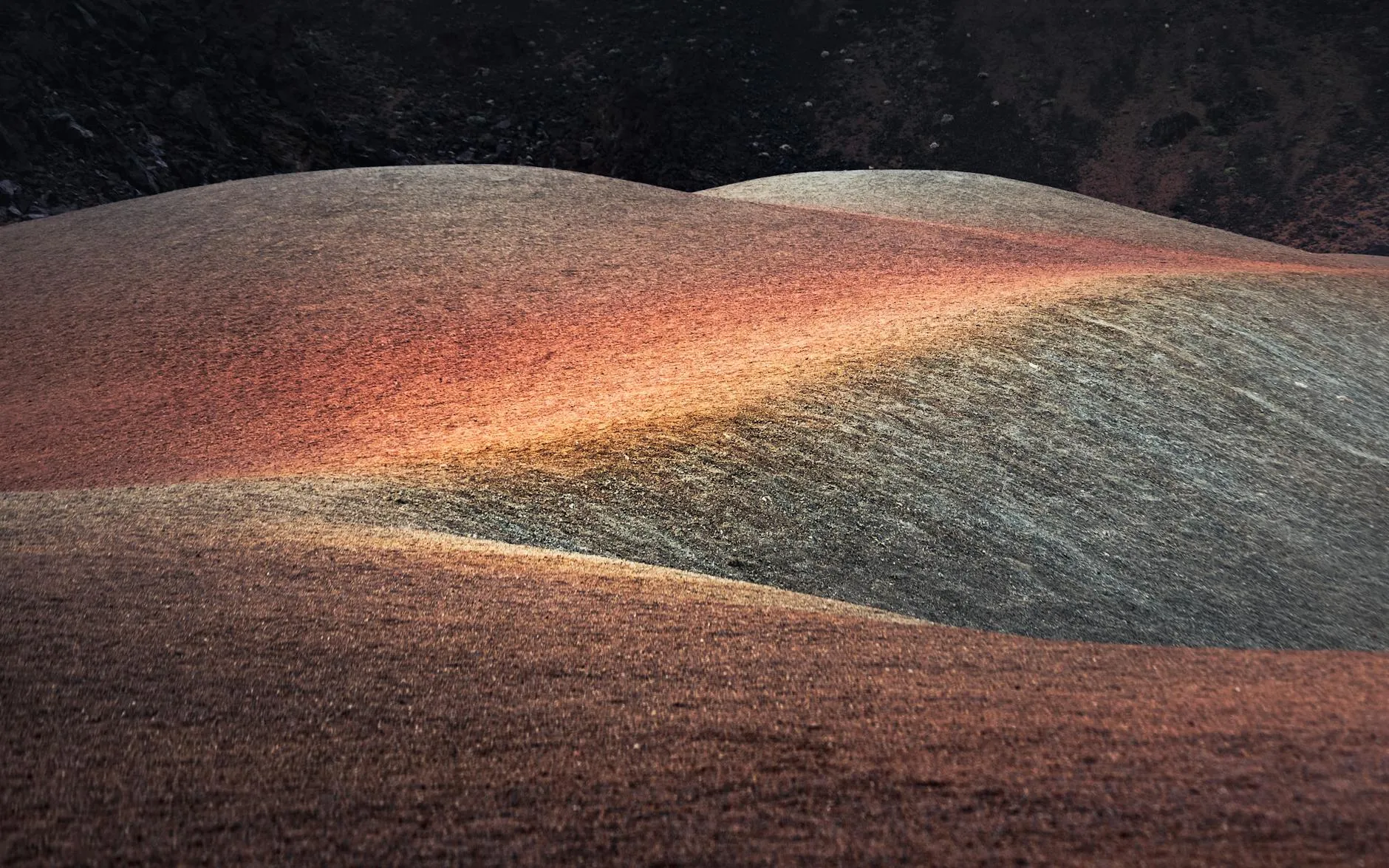
Mount Teide is a 3,718-metre stratovolcano — the highest point in Spain and the highest point on any Atlantic island. The Teide National Park surrounding it is a UNESCO World Heritage Site and Spain’s most-visited national park, a surreal volcanic landscape of lava flows, pumice fields, and rock formations that looks more like Mars than Europe. The park sits inside Las Cañadas del Teide, a 17 km-wide caldera formed by the collapse of a much larger ancient volcano.
The cable car (Teleférico del Teide) takes you from 2,356 m to La Rambleta station at 3,555 m in 8 minutes, where you can walk to viewpoints with panoramic views of the entire archipelago — on clear days, you can see Gran Canaria, La Gomera, La Palma, and El Hierro. To reach the actual summit (3,718 m), you need a separate permit for Trail 10 (Telesforo Bravo), a 40-minute scramble from La Rambleta.
Cable car: €40 return, €23.50 one-way (adults, non-resident). Children 3–13: €20 return. Summit permit (Trail 10): €15 without guide, €10 with guide (non-residents). Children under 14 free. Permits book via the Tenerife ON platform — slots open every Monday at 07:00 Canary time for the next 28 days. Four 2-hour time slots (09:00, 11:00, 13:00, 15:00). Hours: Cable car 09:00–17:00 winter, 09:00–18:40 summer. Last ascent 1h before close. Website: volcanoteide.com
Editor’s tip: Book the earliest summit permit slot (09:00) and take the first cable car. The morning light at 3,700 metres, with the shadow of Teide stretching across the ocean towards the other islands, is one of the great sights in Europe. The afternoon clouds often build by midday, obscuring views. If you can’t get a summit permit, the viewpoints at La Rambleta are still extraordinary — you don’t need a permit for those.
2. Anaga Rural Park — The Enchanted Forest
The Anaga mountains, in Tenerife’s northeast corner, are one of the last remnants of the laurel forests (laurisilva) that covered southern Europe before the last Ice Age. The park is a UNESCO Biosphere Reserve: deep ravines, moss-draped ancient trees, cloud forests that appear and disappear within minutes, and trails that switchback along knife-edge ridges with the Atlantic visible on both sides. It is the single most beautiful natural landscape on the island.
The hiking trails range from easy (Cruz del Carmen visitor centre loop, 1 hour) to serious (Roque de Taborno, Punta del Hidalgo descent). The El Pijaral trail (Bosque Encantado / Enchanted Forest) is the most spectacular — a walk through primeval laurel forest so dense and atmospheric that it feels prehistoric. It requires a free permit, limited to 45 people per day.
Price: Free entry. El Pijaral trail: free permit required — book via tenerifeon.es up to 14 days in advance. Getting there: TITSA bus 945/946/947 from Santa Cruz, or drive (30 min from Santa Cruz, but roads are narrow and winding). Visitor centre: Cruz del Carmen, daily 09:30–16:00.
Editor’s tip: The Anaga roads were affected by Storm Therese in March 2026 — check current road conditions at cabildo.es before driving. Even in perfect weather, bring layers and waterproofs: the cloud forests can be 10°C cooler and 100% more humid than the coast. The contrast with the arid south is staggering — they feel like different continents, not a 45-minute drive apart.
3. Masca Valley — Tenerife’s Most Dramatic Hike
Masca is a tiny village clinging to the walls of a volcanic gorge in the Teno mountains, accessible by a road so vertiginous that the bus ride alone is an experience. The village (population: approximately 90) sits at the top of the Barranco de Masca — a 5 km ravine that descends 750 metres through towering cliffs to a small black-sand beach on the coast.
The Masca trail reopened in 2023 after a major renovation and now operates as a descent-only route with a controlled permit system. You take an official shuttle bus from Santiago del Teide, hike down through the gorge (2–4 hours depending on fitness), and exit by boat from Masca Beach. Hiking back up is no longer permitted. Helmets are provided. The trail is spectacular: sheer basalt walls, endemic plants, and sections where the gorge narrows to a few metres across.
Price: €40.66 trail permit (non-residents). Boat from Masca Beach: ~€25 (separate purchase). Tenerife residents free. Hours: Max 25 people per 30-min slot, 08:30–13:00. Arrive 30 min early at Masca Visitors’ Centre. Book at: caminobarrancodemasca.com
Editor’s tip: Book at least 2 weeks ahead in spring/summer — slots sell out quickly. Wear proper hiking shoes with ankle support; the descent is steep and rocky. The boat ride back to Los Gigantes gives you a sea-level view of the cliffs that is worth the entire trip. Bring 2 litres of water minimum — there is no shade in the lower sections.
4. La Laguna (San Cristóbal de La Laguna) — UNESCO World Heritage
Tenerife’s original capital, founded in 1496, is a UNESCO World Heritage Site and the island’s most architecturally distinguished town. Unlike the resort strips, La Laguna is a real, living Spanish colonial city: cobblestone streets, painted wooden balconies, 16th-century churches, a university (founded 1792), and a street life that revolves around cafés, markets, and tapeo (tapas crawling) rather than tourism.
The street plan of La Laguna was the template for Spanish colonial cities across the Americas — Lima, Havana, and Cartagena were built on the same grid. The cathedral, the Iglesia de la Concepción (with its striking bell tower), the Casa Salazar (now the Bishop’s Palace, with a spectacular Néo-Canarian facade), and the Calle San Agustín (the most intact 16th-century street) are the highlights. The whole town is walkable in a morning.
Price: Walking the historic centre is free. Museum of History & Anthropology: €5. Museum of Science & the Cosmos: €5 (free Fri–Sat 16:00–20:00). Combined ticket: €7. Cathedral: ~€5 (with audio guide). Getting there: Tram Line 1 from Santa Cruz (30 min, €1.35). Best for: Architecture, history, university atmosphere, lunch.
Editor’s tip: Visit La Laguna for lunch. Walk the historic centre, eat tapas on Calle San Agustín or in the Mercado de La Laguna, then take the tram back to Santa Cruz. The Museum of Science & the Cosmos is genuinely excellent — one of the best science museums in Spain, and free on weekend afternoons. If you are visiting during Corpus Christi (June), the flower carpets in nearby La Orotava are among the most elaborate in the world.
5. Los Gigantes — The Giant Cliffs
The Acantilados de Los Gigantes — vertical basalt cliffs that plunge 600 metres into the Atlantic on Tenerife’s west coast. Seen from the sea, they are one of the most dramatic coastal formations in Europe: sheer black walls rising from deep blue water, with nothing between you and the cliff face except a few metres of ocean. The town of Los Gigantes at their base is the starting point for boat tours, whale watching, and the ferry connection to Masca Beach.
The whale and dolphin watching from Los Gigantes and Costa Adeje is among the most reliable in Europe. A resident population of short-finned pilot whales and bottlenose dolphins lives in the channel between Tenerife and La Gomera year-round. Sighting rates exceed 90%. You don’t need to get lucky — the whales are always there.
Boat tours: 2-hour whale watching from Los Gigantes ~€28. 3–5-hour catamaran from Costa Adeje €40–65 (often includes food/drinks). Private sailboat ~€70. Best time: Morning, when the sea is calmest and whales are most active. Getting there: TITSA bus 473 from Playa de las Américas (~45 min) or drive.
Editor’s tip: Choose a smaller boat (under 30 passengers) for the best whale-watching experience. The catamaran party boats are fun but you are further from the water. The smaller sailing yachts get closer to the animals and the atmosphere is less tourist-factory. Book morning departures — the sea gets choppier in the afternoon.
6. Loro Parque — The World-Class Zoo
Love it or debate it, Loro Parque is Tenerife’s most visited attraction and consistently ranked among the top three zoos in the world by TripAdvisor. Founded in 1972 as a parrot park (it still houses the world’s largest collection of parrot species), it has expanded into a full zoo with orcas, penguins, gorillas, tigers, a shark tunnel, and immersive habitats. The Katandra Treetops — a free-flight aviary where you walk among tropical birds — is genuinely exceptional.
The ethical debates around Loro Parque’s orca programme are real and ongoing. The facility maintains it provides world-class care and conservation; animal welfare organisations disagree. Make your own informed decision. What is not in question is the quality of the exhibits, the breadth of the conservation programmes, and the fact that children love it unconditionally.
Price: €38 online (€45 at gate), children 3–11 €26 (€30 gate). Under 3 free. Twin ticket with Siam Park: €74 adults, €53 children. Parking €7. Hours: Daily 09:30–16:45 (last entry). Getting there: Puerto de la Cruz — free shuttle train from Plaza de los Reyes Católicos every 20 min. Website: loroparque.com
Editor’s tip: If you are doing both Loro Parque and Siam Park, buy the twin ticket (€74 vs. €76–80+ separately). The twin ticket is valid for 90 days and the second park must be visited within 14 days of the first. Loro Parque for a full day, Siam Park for another. Don’t try both in one day.
7. Siam Park — The World’s Best Water Park
Voted the world’s best water park by TripAdvisor every year since it opened in 2008. Siam Park is a Thai-themed water park in Costa Adeje with 28 rides, a wave pool that generates 3-metre waves (the largest artificial waves in the world), a lazy river through a tropical garden, and the Tower of Power — a 28-metre near-vertical slide that sends you through a shark-filled aquarium in a transparent tube.
The park is genuinely world-class. The theming (Thai pagodas, floating markets, dragon sculptures) is executed at a Disneyland level of detail. The rides range from family-friendly to genuinely terrifying. The beach area at the back, with white sand and the wave pool, is a destination in itself. Even if you are not a water-park person, the engineering is impressive enough to warrant a visit.
Price: €38–42 adults (varies by season), children 3–11 €26–30. VIP: €120–150. Fast Pass (in-park): €15–20. Hours: Summer (May–Oct) 10:00–18:00; Winter (Nov–Apr) 10:00–17:00. Getting there: Costa Adeje, next to Golf Costa Adeje. TITSA bus or taxi from Playa de las Américas. Website: siampark.net
Editor’s tip: Arrive at opening (10:00) and head straight to the Tower of Power and Kinnaree before queues build. By noon on busy days, the main slides have 30–45-minute waits. The wave pool is best in the afternoon when most people are on rides. Lockers are €4–6 — bring one lock-friendly bag for valuables. Sunscreen reapplication stations are free.
8. Santa Cruz de Tenerife — The Capital Nobody Visits
Most tourists fly into Tenerife and drive straight to the resorts without ever seeing the capital. Their loss. Santa Cruz is a proper Spanish city: wide boulevards, a working harbour, excellent museums, a striking Calatrava-designed concert hall, and a street life that is entirely Canarian rather than tourist-oriented. The Mercado de Nuestra Señora de África — a Moorish-style food market built in 1944 — is the best market in the Canary Islands, with tropical fruit, local cheeses, fresh fish, and Canarian honey.
The Auditorio de Tenerife — Santiago Calatrava’s 2003 concert hall on the waterfront — is an architectural landmark: a sweeping white concrete wing that appears to launch itself off the harbour into the Atlantic. It is Tenerife’s Sydney Opera House equivalent and can be visited on guided tours (€3–5). The TEA (Tenerife Espacio de las Artes) — a contemporary art museum designed by Herzog & de Meuron — hosts rotating exhibitions and is free.
Getting there: Tram Line 1 from La Laguna. TITSA buses from all resorts. Best for: Architecture, markets, real Canarian city life, Carnival (February).
Editor’s tip: Santa Cruz is at its best during Carnival (February) — the second-largest carnival in the world after Rio de Janeiro. If you are visiting Tenerife in February, plan your trip around Carnival week. The street parades, costumes, and atmosphere are extraordinary, and the city transforms for two weeks. Even outside Carnival, the Mercado de África and a walk along the waterfront to the Auditorio is a genuinely rewarding half-day.
9. Garachico — The Town That Survived a Volcano
Garachico was Tenerife’s wealthiest port until 1706, when an eruption from the Montana Negra volcano sent a lava flow directly through the town, burying the harbour and most of the buildings. The town never fully recovered — which is why, three centuries later, it remains one of the most authentic and atmospheric small towns in the Canary Islands, largely untouched by mass tourism.
The lava flow that destroyed the old harbour created El Caletón — a series of natural swimming pools formed in the solidified lava, filled by the Atlantic. They are free, beautiful, and one of the most popular local swimming spots on the island. The town’s 16th-century churches, the Castillo de San Miguel (harbour fortress), and the Plaza de la Libertad are worth an hour’s exploration.
Price: Free (natural pools, town). Getting there: TITSA bus 363 from Puerto de la Cruz (~40 min) or drive along the spectacular TF-42 coast road. Status note: Storm Therese (March 2026) damaged parts of the northwest coast including Garachico — check locally that the natural pools are fully accessible before visiting.
Editor’s tip: Swim in El Caletón in the morning when the pools are calm, then have lunch in one of the restaurants on the plaza. Garachico is the anti-resort: quiet, real, and beautiful. Combine with a visit to Icod de los Vinos (15 min drive) to see the Drago Milenario.
10. Icod de los Vinos & the Drago Milenario
Icod de los Vinos is a historic wine town on the northwest coast, famous for the Drago Milenario — an ancient dragon tree (Dracaena draco) estimated to be 800–1,000 years old (though some claims say 3,000, which is almost certainly exaggerated). The tree is 16 metres tall, has a trunk circumference of over 20 metres, and is the oldest and largest known specimen of its species. Dragon trees are endemic to Macaronesia and their red sap (“dragon’s blood”) was traded across the ancient world.
The tree sits in the Parque del Drago, a botanical garden. You can also see it (for free) from the church square, though the paid garden gives you closer access and context.
Price: €5 adults, €2.50 children. Icod residents free. Hours: Apr–Sep 09:00–20:00; Oct–Mar 10:00–18:00. Getting there: TITSA bus from Puerto de la Cruz or Garachico.
Editor’s tip: The free view from the church square is good enough for a photograph. The paid garden is worth it if you are interested in Canarian botany — the surrounding gardens have endemic species from across Macaronesia. Combine with Garachico and a guachinche lunch in the Tacoronte–La Orotava wine country for a perfect day trip from Puerto de la Cruz.
11. Pirámides de Güímar — The Mysterious Pyramids
Six step pyramids made of volcanic stone, arranged astronomically (aligned with the summer and winter solstice sunset), in a purpose-built ethnographic park. Their origin is debated: Norwegian explorer Thor Heyerdahl argued they were evidence of pre-Columbian transatlantic contact; mainstream archaeology considers them more likely 19th-century agricultural terraces. The park presents both perspectives fairly and the exhibits on Heyerdahl’s expeditions (Kon-Tiki, Ra, Tigris) are genuinely fascinating regardless of what you conclude about the pyramids themselves.
Price: €12.50 standard. Premium ticket (+ Poison Garden, Polynesia exhibit): ~€18. Hours: Daily 10:00–18:00. Getting there: TITSA bus from Santa Cruz or drive (~20 min from Santa Cruz). Website: piramidesdeguimar.es
Editor’s tip: The Poison Garden within the park is surprisingly good — a curated collection of the world’s most dangerous plants, each with a genuinely alarming description. It is the kind of attraction that sounds gimmicky but is actually well-researched and memorable.
12. Puerto de la Cruz — The Real Tenerife Town
Puerto de la Cruz is what Tenerife looked like before the southern resorts were built: a proper Canarian town on the north coast with a historic harbour, black-sand beaches, a botanical garden (founded 1788), and a street culture where Spanish is the first language and the restaurants serve food to locals, not to tourists reading laminated English menus. It is where Canarian families have holidayed for generations and where the best food on the island is found.
The Jardín Botánico (Botanical Garden, founded by King Carlos III in 1788) is one of the oldest in Spain and contains tropical and subtropical species from five continents. Playa Jardín — designed by César Manrique, the Lanzarote artist who influenced Canarian architecture more than anyone — is a black-sand beach with volcanic rock gardens and palm trees. The Lago Martíanez complex (a series of seawater pools and gardens, also designed by Manrique) is architecturally remarkable and still functioning.
Price: Botanical Garden €3. Lago Martíanez ~€5.50. Playa Jardín free. Getting there: TITSA bus 102/103 from Santa Cruz (~40 min) or from Playa de las Américas (~80 min). Best for: Authentic Canarian atmosphere, food, Loro Parque, botanical gardens.
Editor’s tip: Base yourself in Puerto de la Cruz if you want the real Tenerife. The food is better, the prices are lower, the atmosphere is more authentic, and Loro Parque, the Anaga mountains, La Orotava, Icod, and Garachico are all within 30–45 minutes. The south is convenient for the airport and beach resorts, but Puerto is where Tenerife lives.
Canarian Food — The Island’s Best-Kept Secret
Canarian cuisine is one of the most underrated regional cuisines in Europe. It draws from Spanish, African, and Latin American traditions, uses volcanic-soil ingredients, and has dishes that exist nowhere else on the continent. The problem is that the southern resorts serve international food to international tourists, and most visitors never discover what Canarians actually eat. Go north. Find a guachinche. Your understanding of the Canary Islands will change.
Papas Arrugadas con Mojo — Tenerife’s Signature Dish
Papas arrugadas (wrinkled potatoes) are small, unpeeled potatoes boiled in heavily salted water until the skins wrinkle and develop a white salt crust. They are served with mojo rojo (red sauce: dried red peppers, garlic, cumin, paprika, vinegar, olive oil) and mojo verde (green sauce: coriander or parsley, garlic, cumin, vinegar, olive oil). The dish is absurdly simple and absurdly delicious. The potatoes used are papa negra (a local variety with dark skin and yellow flesh) or papa bonita, grown in volcanic soil at altitude.
Typical price: €4–5 in a guachinche, €6–8 in a tourist restaurant. Available everywhere.
Guachinches — Tenerife’s Secret Wine Houses
A guachinche is an informal, unlicensed (or semi-licensed) eating establishment — usually a garage, basement, or front room in a private house in the wine-growing valleys of the north (La Orotava, Tacoronte, La Matanza, El Sauzal). They exist because Canarian wine law allows producers to sell wine directly from their premises, and the custom evolved to include food. The food is home-cooked, the wine is home-grown, the seating is communal benches or plastic chairs, and the prices are extraordinary: a full meal with wine for €8–12 per person.
Guachinches serve what the family cooked that day: papas arrugadas, carne fiesta (marinated pork), conejo en salmorejo (rabbit in paprika sauce), ropa vieja (shredded beef and chickpea stew), potaje (vegetable soup with gofio), grilled cheese. The wine is young, often slightly fizzy, and served by the jug. There is no menu — they tell you what they have.
How to find them: Guachinches open and close unpredictably. The website guachinches.com lists currently open ones with locations and opening hours. Alternatively, drive through the valleys between La Orotava and Tacoronte and look for handwritten signs on garage doors. Best area: La Orotava, El Sauzal, Tacoronte, La Matanza. Hours: Typically lunch only (12:00–16:00), closed many weekdays.
Editor’s tip: If you do one thing in Tenerife that is not in any mainstream guidebook, eat at a guachinche. The experience — sitting on a plastic chair in someone’s garage, drinking their wine, eating their grandmother’s recipe — is more culturally authentic than anything in any museum. Ask for carne fiesta and papas arrugadas. Trust the wine.
Gofio — The Ancient Grain
Gofio is toasted grain flour (wheat, corn, or barley) that has been a staple of Canarian diet since the Guanche era, before the Spanish conquest. The Guanches — the indigenous Berber people of the Canary Islands — made gofio from toasted barley as their primary food. Today it appears in everything: mixed into soups and stews as a thickener, served as gofio escaldado (mixed with fish broth), made into desserts, or simply eaten as a paste with honey. It tastes like toasted cereal — nutty, warm, and surprisingly addictive.
Canarian Cheese — Seriously Underrated
The Canary Islands produce some of the best goat’s cheese in Europe. Queso de Flor de Guía (Gran Canaria) won the World Cheese Award. Queso ahumado (smoked cheese) from Tenerife — smoked over local wood — is served in most guachinches, often grilled (queso asado) with mojo. Tenerife’s cheeses tend to be semi-soft, mildly tangy, and excellent with the local wines.
Street Food & Quick Bites
Barraquito: Tenerife’s signature coffee — layers of condensed milk, Licor 43, espresso, frothed milk, cinnamon, and lemon zest, served in a glass. Sweet, strong, and unique to the Canaries. €2.50–4 everywhere. Order it at any café — it is not a tourist gimmick, it is what Canarians actually drink.
Ropa vieja: Literally “old clothes” — a slow-cooked stew of shredded beef or chicken with chickpeas, potatoes, and vegetables. Hearty, cheap (€8–12), and served in every local restaurant.
Fresh fish: Tenerife’s seafood is exceptional. Vieja (parrotfish) and cherne (wreckfish) are the local specialities, typically grilled and served with papas arrugadas and mojo. A fish lunch in a harbour restaurant in Los Abrigos, Candelaria, or San Andrés costs €12–18 and is among the best seafood experiences in Spain.
Michelin Tenerife 2026 — The Canary Islands’ Culinary Capital
Tenerife holds more Michelin stars than any other Canary island — nine stars across eight restaurants in the 2026 guide, concentrated in the southwest luxury resort belt (Abama, Bahía del Duque, Royal Hideaway) and a smaller northern presence. See the full Michelin Guide Spain 2026.
★★ M.B. by Martín Berasategui (Ritz-Carlton Abama, Guía de Isora): Tenerife’s only two-star restaurant, holding its rating for the ninth consecutive year. Chef Erlantz Gorostiza interprets Basque master Berasategui’s cuisine using Canarian ingredients — volcanic sea salt, local goat’s cheese, Atlantic seafood, black potatoes. The dining room overlooks the ocean from the Abama clifftop. Tasting menus run €210–€290 before pairings. Jacket preferred. Book weeks ahead.
★ Abama Kabuki (Ritz-Carlton Abama): Japanese-Mediterranean fusion from the Kabuki group, with a kitchen that stretches Japanese technique across Canarian fish. The sister restaurant to M.B. makes Abama the most Michelin-dense luxury resort in the Canaries.
★ NUB (Bahía del Duque, Costa Adeje): Chilean-Italian fusion from chefs Andrea Bernardi and Fernanda Fuentes — the tasting menu marries two national traditions that share no common ingredient except obsession. One of the most original restaurants in Spain.
★ San Hô (Royal Hideaway Corales Beach, La Caleta): Modern Japanese with a Peruvian-Nikkei accent from chef Alberto Torres. Dark, theatrical dining room, sushi bar, premium sake list.
★ Taste 1973 (Villa Cortés, Playa de las Américas): The only starred restaurant inside the tourist resort strip. Chef Diego Schattenhofer’s tasting menus celebrate Canarian produce at the edge of a beach that most diners would never connect with fine dining.
★ Haydée by Víctor Suárez (La Orotava): The northern jewel — a Canarian chef cooking Canarian food at a Michelin level in Tenerife’s most culturally important town. The tasting menu is hyperlocal: guachinche techniques refined into haute cuisine.
★ Kazan (Santa Cruz de Tenerife): Japanese fine dining with the first serious sake bar in the capital. The only starred restaurant in Santa Cruz proper.
Reservation reality: M.B., NUB and San Hô book out 3–6 weeks ahead in peak season. For spontaneous fine dining, aim at weekday lunch tasting menus. The Abama resort area concentrates three stars in one campus, making it the easiest Michelin pilgrimage on the island. Note that Melvin by Martín Berasategui at Abama is excellent but not starred — don’t mistake it for M.B. when booking.
Wine — Volcanic Vineyards & Guachinches
Tenerife has more Denominación de Origen (DO) wine regions than any other island in Spain — five DOs on a single island: Tacoronte-Acentejo, Valle de la Orotava, Ycoden-Daute-Isora, Abona, and Guimar. The wines are made from Listán Negro (a pre-phylloxera red grape unique to the Canaries — the vines survived because the phylloxera pest never reached the islands), Listán Blanco (white, crisp, volcanic minerality), and Malvasía (Malmsey — the sweet wine Shakespeare mentioned in Richard III).
The vineyards are visually extraordinary: vines trained along the ground in volcanic hoyo pits (individual hollows dug in volcanic ash to protect from wind), or on traditional cordones (low trellises) on impossibly steep hillsides. The combination of volcanic soil, Atlantic moisture, and extreme altitude (some vineyards at 1,500 m) produces wines with a mineral character unlike anything on mainland Spain.
Where to Taste
Bodega Monje (El Sauzal) — The most visitor-friendly winery. Tours with tasting from ~€15. Stunning terrace overlooking the Atlantic. Open daily. Their Listán Negro and sweet Malvasía are excellent.
Bodega Reversión (Tacoronte) — Small-production natural wines, the best of the new wave. By appointment.
Any guachinche — Young wine by the jug, €2–3 per glass. Not refined, but authentic and often surprisingly good.
Wine routes: The Ruta del Vino de Tacoronte-Acentejo is the most established: bodegas, restaurants, and guachinches linked by a signed driving route through the wine country between La Laguna and Puerto de la Cruz.
Tenerife’s Best Beaches
Tenerife has two types of beach: black volcanic sand (natural, dramatic, mostly in the north and west) and golden sand (imported from the Sahara, mostly in the south). Both have their appeal. The south is warmer, calmer, and more developed. The north is wilder, more atmospheric, and less crowded. Here are the best of each.
Playa de las Teresitas — The Golden Beach
A 1.5 km beach of golden Saharan sand, imported in the 1970s to create an artificial tropical beach on the north coast near Santa Cruz. The result is stunning: gold sand, palm trees, calm turquoise water (sheltered by a breakwater), backed by the green Anaga mountains. It is the most photogenic beach in Tenerife and a favourite of local families.
Getting there: Bus 910 from Santa Cruz (20 min) or drive to San Andrés. Tip: Arrive before 11:00 on weekends for parking. Eat fried fish in San Andrés village afterwards — the seafood here is the freshest in Tenerife.
Playa del Duque — The Luxury Beach
Costa Adeje’s premium beach: imported golden sand, calm water, immaculate maintenance, sunbed rentals (€6–10/day), and a line of upscale restaurants and hotels along the promenade. This is the Riviera end of southern Tenerife — quieter and more polished than Playa de las Américas.
El Médano — The Wind Sports Beach
Tenerife’s windsurfing and kitesurfing capital. Constant Atlantic trade winds, a long sandy beach, and a laid-back surf-town atmosphere. Not a resort beach — it’s real, sandy, and often too windy for casual swimming. But for wind sports, it is world-class. Getting there: Near Tenerife South airport (15 min drive).
Playa de Benijo — The Wild Beach
A black-sand beach in the Anaga mountains, accessible by a steep descent from the village of Taganana. Dramatic: volcanic rock formations (Roques de Anaga) rising from the surf, black sand, no development, and waves that can be powerful. Not for swimming in rough conditions, but as a landscape experience, it is extraordinary. Best at sunset.
Playa Jardín — The Designed Beach
Black volcanic sand, designed by César Manrique in Puerto de la Cruz, with volcanic rock gardens, tropical plants, and a promenade. The most architecturally interesting beach on the island. Free.
Alcalá & San Juan — The Locals’ Beaches
Small, quiet black-sand coves on the southwest coast, away from the resort strip. Calmer waters than the north, less developed than Playa de las Américas. These are where south Tenerife locals actually swim.
Areas & Neighbourhoods
The South: Costa Adeje, Playa de las Américas, Los Cristianos
The tourist south. Built from the 1960s onwards as resort infrastructure: hotels, apartment complexes, shopping centres, and nightlife. Costa Adeje is the upmarket end (5-star hotels, Siam Park, whale watching). Playa de las Américas is the mid-range resort strip with nightlife. Los Cristianos is the oldest resort, with a functioning fishing harbour and ferry port to La Gomera. Best for: Beach holidays, theme parks, guaranteed sun, families who want pool + beach + restaurants within walking distance.
The south is not the “real” Tenerife — but it delivers exactly what it promises: warm weather, beach access, and English-speaking infrastructure. If you are comparing to Dubai or resort-style holidays, the south is competitively priced and well-maintained.
The North: Puerto de la Cruz, La Orotava, La Laguna
The real Tenerife. Cooler (by 3–5°C), greener, cloudier, and more culturally interesting. Puerto de la Cruz is the main tourist base — a proper town with Canarian character. La Orotava is a gorgeous colonial town in the valley below Teide with the best guachinches. La Laguna (UNESCO) has the university, the architecture, and the best tram connection to Santa Cruz. Best for: Culture, food, hiking, authenticity, wine, Loro Parque.
The West: Los Gigantes, Santiago del Teide, Garachico
Quieter, more dramatic, and less developed. Los Gigantes has the cliffs and boat tours. Santiago del Teide is the gateway to Masca. Garachico is the most atmospheric small town. Best for: Hiking, dramatic scenery, diving, peace and quiet.
The East: Candelaria, Güímar, El Médano
The least touristic coast. Candelaria has the Basílica de la Virgen de Candelaria (Tenerife’s most important pilgrimage site) and bronze statues of the Guanche menceys (kings) on the seafront. Güímar has the pyramids. El Médano has the wind sports. Best for: Day trips, local atmosphere, avoiding crowds.
The Mountains: Vilaflor, Teide National Park
Vilaflor (1,400 m) is the highest village in Tenerife and a base for Teide National Park. Pine forests, clean mountain air, stargazing. The Parador de Cañadas del Teide (inside the national park, 2,100 m) is the only accommodation inside the caldera and the best stargazing location on the island.
Where to Stay in Tenerife — By Budget
Budget (€16–40/night)
Hostel dorms and budget pensions. The south has more hostel options (Los Cristianos, Playa de las Américas). The north is cheaper for pensions and apartments. Tip: Airbnb apartments in Puerto de la Cruz or La Laguna offer the best value for budget travellers who want real Canarian atmosphere.
Mid-Range (€80–180/night)
The sweet spot. In the north (Puerto de la Cruz), €80–120 gets a good hotel with pool. In the south (Costa Adeje), €120–180 for a 4-star resort hotel. Recommended: Hotel Botanico (Puerto de la Cruz) for classic luxury at mid-range prices. Any of the aparthotels in Costa Adeje for self-catering families.
Luxury (€250–500+/night)
Concentrated in Costa Adeje: The Ritz-Carlton Abama, Royal Hideaway Corales Resort, Bahia del Duque. These are world-class resort hotels with spas, golf, and Michelin-adjacent dining. The Parador de Cañadas del Teide (€150–250, inside the national park) is the most unique accommodation on the island — not luxury in the traditional sense, but the location is priceless for stargazers and hikers.
Where NOT to Stay
The area immediately around Playa de las Américas nightlife strip (Veronica’s, Starco Centre) is loud, lively, and not for everyone. If you want sleep, stay in Costa Adeje or Los Cristianos instead. The industrial zones near TFS airport have cheap hotels but no atmosphere and no beach access — only stay there for early-morning flights.
✈️ Looking for cheap flights to Tenerife?
Compare prices across airlines — find the best deal for your dates.
Getting Around Tenerife
Renting a Car — The Best Option
A car is strongly recommended for Tenerife. Unlike compact cities like Lisbon or Amsterdam, Tenerife is a large island (2,034 km²) with attractions spread across dramatically different terrain. Without a car, you will miss the guachinches, the Anaga mountains, Masca, Garachico, and many of the best beaches.
Prices: Low season €15–25/day, mid-season €30–50/day, high season €60–100+/day. Book in advance for summer and Christmas. Tip: Rent from the airport (better selection). Full insurance is recommended — mountain roads are narrow with sharp bends and the occasional pothole. Fuel is cheap (€1.10–1.30/litre vs. mainland Spain’s €1.40+) thanks to Canary Islands tax rules.
TITSA Buses
The island’s public bus network. Covers most destinations but frequency varies: main routes (Santa Cruz–Puerto de la Cruz, Santa Cruz–Playa de las Américas) every 30–60 min; rural routes every 1–2 hours. Cash fares €1.50–15 depending on distance. Buy a Ten+ card (€2 for the card, load from €5) for 30–50% discounts. Available at TITSA offices, vending machines, and some shops.
Tram (Tranvía de Tenerife)
Line 1 connects Santa Cruz with La Laguna (13 km, 37 min). Single trip €1.35 (cash) or €1.05 (Ten+ card). The tram is modern, reliable, and the best way to visit La Laguna from Santa Cruz. Line 2 (Santa Cruz – Taco) is shorter and less useful for tourists.
From the Airport
Tenerife South (TFS): Where most international flights arrive. Taxi to Playa de las Américas: ~€26–35 (20 min). TITSA bus 111 to Santa Cruz: ~€10 (55 min). Bus 343 to Costa Adeje: ~€4 (20 min).
Tenerife North (TFN): Inter-island and mainland Spain flights. Taxi to Santa Cruz: ~€15–20 (20 min). TITSA bus 102/108 to Santa Cruz.
Tenerife Transport — Quick Price Guide
| Ticket | Price | Notes |
|---|---|---|
| TITSA single (cash) | €1.50–15 | Depends on distance |
| Ten+ card per ride | 30–50% off | Card costs €2, load from €5 |
| Tram single (cash) | €1.35 | Santa Cruz ↔ La Laguna |
| Tram single (Ten+) | €1.05 | Same route, discounted |
| Taxi TFS → Playa de las Américas | ~€26–35 | ~20 min |
| Taxi TFN → Santa Cruz | ~€15–20 | ~20 min |
| Car rental (low season) | €15–25/day | Book ahead for summer |
| Ferry to La Gomera | €34–45 | One-way, ~50 min |
Best Time to Visit Tenerife
Tenerife has the best year-round climate in Europe. Average temperatures range from 18°C (January) to 28°C (August) at sea level. The south is reliably sunny year-round. The north is warmer in summer but can be cloudy in winter. The mountains are cold (summit temperatures can drop below 0°C even in summer).
Best Months
April–June: Perfect. Warm, sunny, less crowded than summer. Wildflowers in Anaga and Teide. Ideal for hiking.
September–November: The sea is at its warmest (23–24°C). Fewer tourists. Great for swimming and whale watching.
February: Carnival month in Santa Cruz — the biggest party in the Canary Islands. Book accommodation early.
Months to Consider Carefully
July–August: Peak season. Resorts are full, car rental prices spike, and the south is hot (30–35°C). The north remains pleasant (24–28°C). Book everything 2–3 months ahead.
December–January: Christmas/New Year is second peak season. The weather is still mild (18–22°C at sea level) and the island is atmospheric, but prices are high. Teide may have snow.
The North–South Weather Divide
The trade winds hit the north coast and rise over the mountains, creating a persistent cloud layer (mar de nubes — sea of clouds) at 800–1,200 m that sits over the north while the south basks in sunshine. This means: the south is reliably sunny year-round; the north has more clouds, especially in winter, but is greener, lusher, and more interesting. Above the cloud layer (Teide, Vilaflor, the Parador), you are above the clouds — literally: the view from Teide is of cloud below you and clear blue sky above.
Hiking & Nature
Tenerife is one of the best hiking destinations in Europe. The terrain ranges from sea-level coastal trails to 3,718 m volcanic summit, through five distinct climate zones. The trail network is well-maintained and marked. Highlights:
Teide Summit Trail (Trail 10 — Telesforo Bravo)
The final 200 m ascent from La Rambleta (cable car top station) to the summit. 40 minutes, moderate difficulty, but the altitude (3,555–3,718 m) makes it feel harder. Permit required (see Top Attractions section). The views from the summit on a clear day encompass all seven Canary Islands.
Montaña Blanca Trail (Trail 7)
A longer approach to La Rambleta on foot (6–7 hours round trip, ~1,350 m elevation gain) that avoids the cable car. Starts at 2,348 m and passes through a landscape of volcanic pumice, sulphur vents, and the extraordinary Huevos del Teide (volcanic rock eggs). New in 2026: requires a permit and ecotasa fee (€6 weekday, €10 weekend for non-residents). Serious hikers should consider staying overnight at the Altavista mountain refuge (3,260 m, book via reservasparquesnacionales.es) to catch sunrise from the summit.
Masca Gorge
See Top Attractions. The most dramatic gorge walk in the Canary Islands. Permit + boat required.
Barranco del Infierno (Adeje)
A 6 km return trail through a deep ravine to a waterfall near Costa Adeje. The most accessible serious hike from the southern resorts. Permit required (€10, book at barrancodelinfierno.es), limited to 300 people/day. Allow 3–4 hours.
Anaga: Cruz del Carmen to Punta del Hidalgo
A classic descent trail (12 km, 4–5 hours) from the Anaga visitor centre through laurel forest and traditional villages to the coast. Spectacular but requires a car shuttle or bus timing. No permit needed.
Paisaje Lunar (Lunar Landscape)
A surreal landscape of white pumice formations eroded into tower and mushroom shapes, in the pine forest above Vilaflor. The trail from Vilaflor is 10 km return, 4–5 hours, through pine forest to the formations. No permit needed. One of Tenerife’s most photogenic natural sites.
Roque de Taborno
A short but dramatic trail in the Anaga mountains to a volcanic plug with 360° views. 3 km return, 1.5 hours. The trail is exposed in places with steep drop-offs — not for vertigo sufferers, but the views are among the best in Tenerife.
Stargazing on Teide
Tenerife is one of three places in the world designated as a Starlight Reserve (alongside Hawaii and Chile). The Teide Observatory, operated by the Instituto de Astrofísica de Canarias (IAC), sits at 2,390 m and is Europe’s most important solar observatory. The combination of altitude, dry air, minimal light pollution, and position above the cloud layer makes the Teide area one of the best places on Earth to observe the night sky.
The observatory offers guided daytime visits (solar telescopes, research facilities) and the surrounding area offers some of the best amateur astronomy conditions anywhere. Several companies run guided stargazing tours on the Teide slopes with telescopes, typically starting at sunset with a view of the shadow of Teide projected across the Atlantic, followed by deep-sky observation after dark.
Stargazing Options
Teide Observatory daytime visit: Guided tours, ~€19–30 depending on operator. Book via volcanoteide.com. Duration: ~1.5 hours. You see solar telescopes and learn about the research programmes.
Sunset & stars tour: ~€50–80. Includes sunset viewing, dinner, telescope observation with guide. The best operators provide high-quality telescopes and knowledgeable astronomers. Look for tours that include the cable car sunset experience.
DIY stargazing: Free. Drive to the Teide National Park (road is open 24 hours) and park at the Minas de San José viewpoint (2,100 m). On a moonless night, the Milky Way is visible with the naked eye and the sky is dense with stars. Bring warm clothing — it drops below 5°C at night even in summer.
Day Trips from Tenerife
1. La Gomera — The Whistling Island (50 min by ferry)
The most accessible inter-island day trip. La Gomera is a tiny, mountainous island with the Garajonay National Park (UNESCO — another primeval laurel forest), terraced valleys, and Silbo Gomero — a whistled language used by islanders to communicate across the deep ravines, declared an Intangible Cultural Heritage by UNESCO. The contrast with Tenerife is immediate: La Gomera is quiet, green, and almost entirely un-touristed.
Getting there: Fred Olsen or Naviera Armas ferry from Los Cristianos to San Sebastián de La Gomera. €34–45 one-way (non-resident), ~50 min. 6–8 departures daily. Tip: Rent a car on La Gomera (from €30/day at the port) to see the interior. The road to the mirador at the top of the island is one of the great drives in the Canary Islands.
2. La Orotava — The Valley of Wine
A colonial town in the lush valley below Teide, 20 minutes from Puerto de la Cruz. Balconied mansions, the Casa de los Balcones (17th-century house with the most photographed wooden balcony in the Canaries), botanical gardens, and the gateway to the best guachinche territory. Getting there: TITSA bus 350/345 from Puerto de la Cruz or drive. Best for: Architecture, guachinches, Corpus Christi flower carpets (June).
3. El Teide by Night
Not technically a “day trip” but one of the great Tenerife experiences: drive up to the Teide National Park after sunset for stargazing. The road is open 24 hours and the parking areas at 2,000+ metres offer some of the best amateur astronomy in the world. See the Stargazing section above.
Tenerife with Kids
Tenerife is one of the best family destinations in Europe. The combination of year-round sunshine, beaches, theme parks, and outdoor activities means children of all ages are catered for. The infrastructure in the south is particularly family-friendly, with pushchair-accessible promenades, shallow beaches, and resort pools.
Top Family Attractions
- Siam Park: The world’s best water park. Children under 3 free. The Lost City and Jungle Snake slides are designed for families. See Top Attractions.
- Loro Parque: World-class zoo with penguin encounter, parrot shows, and the Katandra free-flight aviary. Children under 3 free. See Top Attractions.
- Teide cable car: Children 3–13 half-price. The landscape at the top is moon-like enough to impress any age. Under 3s cannot ride the cable car.
- Whale watching: Children love it. Pilot whales and dolphins are visible on 90%+ of trips. Choose a catamaran with sun deck for comfort.
- Playa de las Teresitas: Calm water, golden sand, shallow paddling. Best family beach in Tenerife.
- Jungle Park: A bird-of-prey and exotic animal park near Los Cristianos with a jungle-themed adventure park and eagle shows. Good for ages 4–12.
Family-Friendly Beaches
For calm water: Playa de las Teresitas (north), Playa del Duque (south), Playa de las Vistas (Los Cristianos). Avoid: Playa de Benijo (rough surf), El Médano (strong winds).
Rainy Day Options
Museum of Science & the Cosmos in La Laguna (interactive, free Fri–Sat afternoons). Pirámides de Güímar (the Poison Garden alone entertains children for an hour). Loro Parque and Siam Park are both rain-or-shine attractions.
Safety & Practical Information
Safety
Tenerife is very safe. Crime rates are low, even by Spanish standards. The main risks are sunburn, dehydration, and the occasional petty theft in tourist areas. The northern mountain roads require careful driving (narrow, steep, fog possible). Swimming safety on the north coast: respect the flags and currents — the Atlantic swells on the north and west coasts can be powerful. If a beach has a red flag, do not swim.
Health
The Canary Islands are part of Spain and the EU. European Health Insurance Card (EHIC) or Global Health Insurance Card (GHIC) is valid. Hospitals in Santa Cruz and Playa de las Américas. Pharmacies are well-stocked and pharmacists can dispense many medications without prescription (common antibiotics, strong painkillers). Tap water is safe but heavily desalinated — most people drink bottled.
Money
Euro. Cards accepted everywhere except some guachinches (cash only). ATMs everywhere. The Canary Islands charge IGIC (Impuesto General Indirecto Canario) instead of mainland Spain’s IVA: 7% standard rate vs. 21% on the mainland. This makes Tenerife noticeably cheaper for shopping, dining, and car rental than mainland Spain. Duty-free electronics, alcohol, and tobacco are also cheaper.
Language
Spanish (Canarian Spanish, with distinctive accent and vocabulary). English is widely spoken in the south. In the north, less so — basic Spanish goes a long way. In guachinches and rural areas, expect Spanish only. “Mojo” is pronounced MOH-ho. “Guachinche” is gwah-CHIN-chay.
Tipping
Not expected. Rounding up or leaving €1–2 for good service is appreciated. In tourist restaurants, service charge may be included. Taxi drivers: round up to the nearest euro.
Visa & Schengen Entry
The Canary Islands are Spanish territory and part of the Schengen Area for immigration purposes — but not the EU customs/VAT union (which is why IGIC applies here instead of mainland IVA). For passport control this means standard Schengen rules: EU/EEA/Swiss citizens enjoy freedom of movement; US, UK, Canadian, Australian, Japanese and other visa-waiver nationals can enter visa-free for 90 days in any 180-day period (counted across all Schengen states, not just Spain). Other nationalities need a Schengen short-stay visa from a Spanish consulate. Do not confuse this with the UK ETA, which applies only to UK travel, not the Canaries.
ETIAS — not yet mandatory in 2026: The EU ETIAS electronic travel authorisation is still being phased in. No official launch date has been announced, and a transition period will follow launch before it becomes mandatory. The related Entry/Exit System (EES) went live in phased mode from October 2025 at Tenerife South (TFS) and Tenerife North (TFN) airports — expect biometric fingerprint and facial scans at passport control for non-EU travellers, and allow extra time on arrival.
Tourist Tax — What You’ll Actually Pay
The Canary Islands have no general overnight tourist tax as of April 2026. Unlike Catalonia or the Balearics, there is no per-night surcharge on your hotel bill. The debate over an ecotasa has continued for years but nothing has been legislated at the archipelago level.
Site-specific eco-fees do apply on Mount Teide restricted trails from January 2026: €15 non-resident for Trail 10 (summit, unguided), €10 with guide; €6 weekday / €10 weekend for Trail 7 (Pico Viejo). See the Teide section above for details. These are per-visit access fees, not overnight taxes.
Key Prices at a Glance
| Item | Price |
|---|---|
| Espresso (café, north) | €1–1.50 |
| Espresso (café, south) | €2.50–3 |
| Barraquito coffee | €2.50–4 |
| Beer (local bar) | €1.50–2.50 |
| Glass of local wine | €2–5 |
| Papas arrugadas (guachinche) | €4–5 |
| Menu del día (set lunch) | €10–15 |
| Fish lunch (harbour) | €12–18 |
| Guachinche full meal + wine | €8–12 |
| Dinner (local restaurant) | €20–25 |
| Fuel per litre | €1.10–1.30 |
2026 Travel Notes
- Storm Therese (March 2026). A major storm hit northwest Tenerife in March 2026, causing road closures, rockfalls, and infrastructure damage in the Anaga mountains, Garachico, Los Silos, and San Juan de la Rambla. Most main roads have reopened but check local road conditions (cabildo.es) before driving in the northwest and Anaga. The Garachico natural pools may be partially affected.
- Teide permit system changes. From 2026, a new ecotasa (environmental fee) applies to premium Teide trails. Non-residents pay €15 for unguided summit access and €6–10 for Montaña Blanca. Book via Tenerife ON. Slots open every Monday at 07:00 Canary time for the next 28 days — book early for summer dates.
- Masca trail descent-only. Since December 2025, the Masca gorge operates descent-only with mandatory boat exit. No more hiking back up. Permit required (€40.66 non-resident).
- TF-1 motorway construction. A major €123M upgrade to the TF-1 between Erques and Santiago del Teide began in March 2026 (5-year project). Expect temporary lane closures and diversions on the main road to the west coast.
- IGIC advantage. The Canary Islands’ 7% IGIC tax (vs. 21% IVA on mainland Spain) continues to make Tenerife excellent value for shopping, dining, and car rental.
- Carnival 2027. If you are planning ahead, Santa Cruz Carnival 2027 dates will typically fall in February. Start watching for announcements in late 2026.
Free Things to Do in Tenerife
Tenerife is generous. Many of its best experiences cost nothing at all.
| Experience | Details | When Free |
|---|---|---|
| Teide National Park | Drive through the caldera, viewpoints, volcanic landscapes. Cable car and summit require payment. | Always (park entry) |
| Anaga Rural Park | Laurel forests, ridgeline trails, dramatic viewpoints. | Always (El Pijaral needs free permit) |
| Garachico natural pools | Swimming in volcanic lava pools. Atlantic ocean water. | Always |
| La Laguna UNESCO centre | Colonial architecture, cobblestone streets, café culture. | Always (museums paid) |
| Stargazing on Teide | Drive to 2,000+ m, Milky Way visible to naked eye. | Always (road open 24h) |
| Playa de las Teresitas | Golden-sand beach near Santa Cruz, calm water. | Always |
| Playa Jardín (Manrique) | Black-sand beach designed by César Manrique, Puerto de la Cruz. | Always |
| Santa Cruz Mercado de África | Best market in the Canary Islands. Browse free, eat cheap. | Always (Mon–Sat) |
| Auditorio de Tenerife (exterior) | Calatrava’s architectural landmark on the Santa Cruz waterfront. | Always (tours paid) |
| TEA contemporary art museum | Herzog & de Meuron building, rotating exhibitions. | Always free |
| Drago Milenario (from square) | See the 1,000-year-old dragon tree from the church square in Icod. | Always (garden paid) |
| Whale watching (from shore) | Pilot whales visible from the cliffs at Los Gigantes on calm days. | Always |
| Paisaje Lunar hike | Surreal white pumice formations, pine forest above Vilaflor. | Always (no permit) |
| Science & Cosmos Museum | One of Spain’s best science museums, La Laguna. | Free Fri–Sat 16:00–20:00 |
Frequently Asked Questions
North or south — which is better?
Depends what you want. The south has guaranteed sun, beach resorts, and theme parks. The north has culture, food, nature, and authenticity. For a first visit, base yourself in Puerto de la Cruz (north) with a car and explore both. For a pure beach holiday, Costa Adeje (south).
How many days do I need?
A week is ideal: 2 days south (beaches, Siam Park), 2 days north (Puerto de la Cruz, La Laguna, guachinches), 1 day Teide, 1 day Anaga/Masca, 1 day La Gomera or relaxation. A long weekend requires choosing: either Teide + north or south + beaches.
Is Tenerife just a package-holiday island?
The south is. The north is not. Beyond the resort strip, Tenerife has UNESCO towns, Europe’s best stargazing, ancient forests, a 3,700 m volcano, and a food culture that most visitors never discover. It is far more interesting than its reputation suggests.
Do I need a car?
Strongly recommended. You can survive without one if you stay in one area (resorts in the south, or Santa Cruz/La Laguna), but you will miss the best of Tenerife: guachinches, Anaga, Garachico, Masca, and the Teide sunsets. Buses exist but are slow and infrequent for rural areas.
TFS or TFN airport?
Most international flights land at TFS (Tenerife South). TFN (Tenerife North) handles inter-island and mainland Spain flights. If you are staying in the south, TFS is more convenient. If you are staying in Santa Cruz, La Laguna, or Puerto de la Cruz, TFN is closer but less well-served by international airlines.
Is it safe?
Very safe. Low crime rates. The main risks are sun, dehydration, and the occasional petty theft. Drive carefully on mountain roads. Respect ocean currents — red flags mean do not swim.
What is a guachinche?
An informal restaurant in someone’s home or garage in the wine-growing valleys of the north. They serve home-cooked Canarian food and their own wine. No menu, no reservations, plastic chairs. Full meal with wine: €8–12. It is the most authentic food experience on the island. Check guachinches.com for currently open ones.
Can I visit Teide without the cable car?
Yes. Hike the Montaña Blanca trail (6–7 hours return) from 2,348 m to La Rambleta. Requires permit and ecotasa fee in 2026. You can also drive to the Teide National Park and explore the caldera viewpoints, lava flows, and Roques de García without the cable car or a summit permit — the landscape at 2,000–2,100 m is already extraordinary.
Found this guide useful? Share it.
Explore More City Guides
🌍 See the bigger picture: our Spain travel guide covers regions, when to go, and getting around.