Seoul — The Complete City Guide 2026
Seoul is a 600-year-old capital that runs at the speed of a K-pop comeback. Joseon-dynasty palaces sit beneath glass towers, Buddhist temples share blocks with neon-drenched nightlife districts, and a ₩3,000 plate of tteokbokki from a street vendor is often better than a ₩300,000 tasting menu. This is the city that gave the world kimchi, K-drama, Samsung, and fried chicken delivered to park benches at midnight. With 10 million people in the city proper and 26 million in the metro area, Seoul is dense, loud, hyper-connected, and one of the most exciting cities in Asia — and thanks to the weak won, it has never been better value for European visitors.
₩60K–120K/day budget
12°C avg
K-ETA suspended / KRW ₩
Last verified: April 2026. Every price, opening hour, and practical detail in this guide has been checked against current sources. All prices are in Korean won (₩ / KRW); €1 ≈ ₩1,500 / $1 ≈ ₩1,400 / £1 ≈ ₩1,800 at time of writing. The won’s relative weakness makes Seoul excellent value for European travellers — a full Korean BBQ dinner costs ₩20,000–35,000 (€13–23) per person.
Why Seoul? An Editor’s Note
Seoul is not an easy city to summarise. It is simultaneously ancient and hyper-modern, conservative and wildly creative, orderly and chaotic. The Joseon palaces are immaculately preserved; the nightlife in Hongdae runs until sunrise; the food ranges from temple cuisine refined over centuries to cheese-stuffed corn dogs invented last year. The public transport is among the best on earth — the metro alone has 23 lines and 700+ stations — and free high-speed WiFi is available on every train, bus, and public building. Koreans work hard, eat well, drink hard, and stay out late. As a visitor, you will eat more, walk more, and sleep less than in almost any other city. That is the point.
Table of Contents
- Top Attractions & 2026 Prices
- Korean BBQ
- Street Food & Comfort Food
- Markets
- Kimchi & Banchan
- Korean Fried Chicken & Chimaek
- Café Culture & Desserts
- Fine Dining & Michelin 2026
- Neighbourhoods
- The Five Grand Palaces
- Bukchon Hanok Village
- Shopping
- Getting Around
- Day Trips
- Budget & Money
- Weather & Best Time to Visit
- Safety & Practical Tips
- What’s New in 2026
- How Many Days?
- Frequently Asked Questions
- Explore More Guides
Top Attractions & Verified 2026 Prices
| Attraction | Price | Why Go |
|---|---|---|
| Gyeongbokgung Palace | ₩3,000 | The grandest of Seoul’s five palaces. Changing of the Guard ceremony at 10:00 and 14:00. Free entry if wearing hanbok. Closed Tuesdays |
| Changdeokgung + Secret Garden | ₩8,000 combined | UNESCO World Heritage. Palace ₩3,000 + Secret Garden ₩5,000. The Huwon is Seoul’s most beautiful space. Guided tours only, 100 visitors/session — book ahead. Closed Mondays |
| N Seoul Tower (Namsan) | ₩29,000 obs. | Seoul’s most iconic viewpoint. Cable car ₩15,000 return. Observatory panoramic views. Love locks on the terrace. Best at sunset. Online discount ₩18,400 |
| Lotte World Tower Seoul Sky | ₩31,000 | 555m, 123 floors. Glass-floor Sky Deck at 478m. Korea’s tallest building. Youth (under 13) ₩27,000. Fast Pass ₩62,000 |
| Bukchon Hanok Village | Free | 600-year-old traditional Korean houses between two palaces. Wander the alleyways. Best at 09:00 before crowds. Quiet hours enforced |
| Gwangjang Market | Free entry | Seoul’s oldest market (1905). Bindaetteok, mayak gimbap, knife-cut noodles. The food stalls are the attraction |
| War Memorial of Korea | Free | Comprehensive museum covering Korean War and military history. Outdoor exhibits include aircraft and tanks. Moving and well-curated. Allow 2–3 hours |
| National Museum of Korea | Free | Korea’s largest museum. 300,000+ artefacts across 6 floors. World-class collection. Free permanent exhibitions |
| Dongdaemun Design Plaza (DDP) | Free (exterior) | Zaha Hadid’s neo-futuristic landmark. LED Rose Garden at night. Design exhibitions (ticketed) rotate. The building itself is the attraction |
| Bongeunsa Temple | Free | A 1,200-year-old Buddhist temple in the heart of Gangnam’s glass-tower district. Temple stay programmes available. Serene contrast to surrounding commercialism |
| Jogyesa Temple | Free | HQ of Korean Zen Buddhism. Paper lanterns fill the courtyard. Spectacular during Lotus Lantern Festival (Buddha’s Birthday, ~24 May 2026) |
| COEX Starfield Library | Free | A cathedral-scaled open library inside COEX Mall. 50,000+ books on 13m shelves. Instagram-famous but genuinely impressive |
Korean BBQ
Korean BBQ is not just a meal — it is a social ritual. Meat is grilled at the table over charcoal or gas, wrapped in lettuce leaves with garlic, ssamjang (fermented bean paste), and banchan (side dishes that arrive in a dozen small plates and are refilled for free). The experience is communal, loud, smoky, and deeply satisfying.
Essential Cuts & Dishes
- Samgyeopsal (pork belly) — The most popular BBQ cut. Thick slices grilled until crispy. ₩14,000–20,000/serving (Mapo budget spots from ₩14,000). The default Korean BBQ order
- Galbi (beef short ribs) — Marinated or unmarinated. Richer and pricier than pork. ₩20,000–35,000/serving. The prestige cut
- Chadolbaegi (beef brisket) — Paper-thin slices that cook in seconds. ₩18,000–25,000/serving. Lighter than galbi, excellent with sesame oil and salt
- Dakgalbi (spicy chicken) — Chicken, vegetables, and rice cakes stir-fried in gochujang. Often served on a shared hot plate. ₩11,000–15,000/person. Chuncheon is the original home but Seoul has excellent versions
- Gopchang (beef intestines) — Adventurous but beloved by Koreans. Chewy, charred, excellent with soju. ₩15,000–20,000/serving
BBQ Etiquette
- The youngest person at the table usually handles the grilling
- Wrap meat in lettuce with garlic, chilli, and ssamjang. Eat in one bite (no double-dipping)
- Banchan (side dishes) refills are unlimited and free — just ask
- Soju (₩5,000–7,000/bottle) is the default pairing. Pour for others, never for yourself. Hold your glass with both hands when receiving
- Most BBQ places have a minimum 2-serving order — solo diners may struggle
Street Food & Comfort Food
| Dish | Price | What It Is |
|---|---|---|
| Tteokbokki | ₩3,000–5,000 | Spicy rice cakes in gochujang sauce. Korea’s most iconic street food. Found everywhere. Often served with fish cake and boiled eggs |
| Gimbap | ₩3,000–5,000 | Korean rice rolls with vegetables, egg, pickled radish. Like sushi’s casual cousin. Excellent grab-and-go meal |
| Hotteok | ₩1,500–3,000 | Sweet filled pancake with brown sugar, cinnamon, and nuts. Best in winter. Crispy outside, molten inside |
| Bibimbap | ₩8,000–12,000 | Rice topped with vegetables, chilli paste, and egg. Mix everything together. Dolsot (stone pot) version has crispy rice. Jeonju-style is the gold standard |
| Jajangmyeon | ₩7,000–9,000 | Black bean sauce noodles. Korean-Chinese comfort food. Thick, savoury, satisfying. Delivery culture classic |
| Sundubu-jjigae | ₩8,000–11,000 | Soft tofu stew. Comes bubbling to the table. Spicy, warming, served with rice. Perfect cold-weather meal |
| Naengmyeon | ₩10,000–14,000 | Cold buckwheat noodles in icy broth (mul) or spicy sauce (bibim). Essential summer dish. Pyongyang-style at Woo Lae Oak is the classic |
| Budae-jjigae | ₩10,000–14,000 | “Army stew”: kimchi, spam, hot dogs, ramen, cheese. Post-war fusion that became comfort food. Best shared. Itaewon’s signature dish |
| Kimchi jjigae | ₩7,000–9,000 | Kimchi stew with pork. The most common everyday Korean meal. Cheap, filling, served in every neighbourhood restaurant |
| Mandu | ₩4,000–7,000 | Korean dumplings. Steamed (jjin), fried (gun), or in soup (mandu-guk). Gwangjang Market’s are legendary |
| Eomuk | ₩500–1,000/skewer | Fish cake skewers in warm broth. Winter street-cart classic — the broth is usually free for the asking |
| Twigim | ₩500–2,000/piece | Korean tempura — fried vegetables, seafood, sweet potato. Often eaten dipped in tteokbokki sauce |
| Sundae | ₩3,000–5,000 | Blood sausage filled with glass noodles and rice. Served with salt, chilli, and sliced liver. Gwangjang Market specialty |
Markets
Gwangjang Market
Seoul’s oldest and most famous traditional market, founded in 1905. The food alley is the real attraction: sit at a counter stool and eat bindaetteok (mung bean pancakes, ₩4,000), mayak gimbap (“addictive” mini rice rolls, ₩3,000), knife-cut noodles (₩6,000), and yukhoe (Korean beef tartare, ₩15,000). The ajummas (market ladies) will wave you over to their stalls. Go hungry. Station: Jongno 5-ga (Line 1).
Myeongdong Street Food
The main tourist shopping district doubles as a street food paradise after 16:00. Egg bread (₩2,000), 30cm ice cream cones, cheese corn dogs, hotteok, and tornado potatoes line every block. Higher prices than local markets but the variety is unmatched. Station: Myeongdong (Line 4).
Tongin Market
A unique experience: buy a lunch box and copper coins (₩5,000 for 10 coins) at the entrance, then fill your box by trading coins at different stalls. Each stall offers a different dish — japchae, tteokbokki, fried fish, rice. You compose your own meal. Near Gyeongbokgung. Station: Gyeongbokgung (Line 3).
Noryangjin Fish Market
Seoul’s wholesale seafood market. Buy live fish, octopus, crab, or sea urchin downstairs and take it to a restaurant upstairs where they’ll prepare it as sashimi (₩10,000–20,000 cutting fee). The experience is chaotic, loud, and thrilling. Early morning is best for selection; evenings are cheaper. Station: Noryangjin (Line 1/9).
Mangwon Market
The locals’ market, near Hongdae but without the tourist crowds. Excellent tteokbokki, soondae (blood sausage), fresh juice, and seasonal produce. The surrounding Mangwon-dong neighbourhood has become Seoul’s hippest cafe strip. Station: Mangwon (Line 6).
Kimchi & Banchan
Kimchi is not a condiment in Korea — it is a food group. There are over 200 varieties, though the napa cabbage version (baechu-kimchi) is the global icon. Every Korean meal comes with banchan: a collection of small shared side dishes that arrive unbidden and are refilled free of charge. The banchan alone can constitute a meal.
Banchan You’ll See Everywhere
- Baechu-kimchi — The classic fermented napa cabbage. Spicy, sour, umami. Changes flavour as it ages
- Kkakdugi — Cubed radish kimchi. Crunchy, refreshing, slightly sweet
- Kongnamul — Seasoned soybean sprouts. The most common banchan
- Japchae — Glass noodles with vegetables and sesame. Sweet-savoury
- Gyeran-jjim — Steamed egg custard. Fluffy, comforting, usually served in a stone pot
- Sigeumchi-namul — Seasoned spinach with sesame oil and garlic
- Gamja-jorim — Braised potatoes in soy sauce. Sweet, glossy, addictive
Korean Fried Chicken & Chimaek
Chimaek = chicken (치킨, chikin) + maekju (맥주, beer). This is Korea’s unofficial national pastime: fried chicken and cold beer, usually ordered via delivery to a park, riverside, or living room. Korean fried chicken is double-fried for an impossibly crispy shell, then sauced (yangnyeom = sweet-spicy; ganjang = soy garlic; snow = cheese powder). A whole chicken costs ₩18,000–25,000.
Where to Eat Fried Chicken
- Kyochon — Korea’s most famous chain. The soy garlic (ganjang) flavour is the benchmark. Branches everywhere
- BHC — The “Bburingkle” cheese seasoning is cult-status. Hugely popular with younger Koreans
- Pelicana — The OG. Korea’s oldest fried chicken chain (since 1982). Classic flavour, no frills
- Chimaek at the Han River: Order fried chicken via Baedal Minjok (delivery app) to Yeouido Hangang Park. Eat on the grass with beer and the city skyline. This is peak Seoul
Café Culture & Desserts
Seoul has more cafes per capita than almost any city on earth. Coffee is a ₩4,500–7,000 (€3–5) daily ritual, and cafes serve as offices, living rooms, date venues, and Instagram studios. The aesthetic ranges from brutalist concrete to maximalist pink, and the desserts are often more impressive than the coffee.
Notable Cafes
- Fritz Coffee Company (Mapo-gu) — Seoul’s favourite roaster. The Dohwa-dong location is the original. Excellent beans, vintage-inspired interiors, signature seal logo
- Onion (Seongsu-dong) — A bakery-cafe in a converted factory. The Angbutter bread is legendary. Queue at weekends
- Anthracite (Hapjeong/Hannam) — Industrial spaces with serious coffee. The Hapjeong branch is in a converted shoe factory
- Nudake (Dosan) — Conceptual dessert cafe by Gentle Monster. The “Nude Cake” is art. Gangnam’s most photographed dessert
- Cafe Onion Anguk (Bukchon) — In a crumbling traditional Korean house. Atmospheric, beautiful, perpetually queued
- Blue Bottle (Seongsu/Samcheong) — Japan’s favourite California import. The Seongsu branch has the best architecture
Korean Desserts to Know
- Bingsu — Shaved ice with red bean, fruit, condensed milk, or injeolmi (rice cake). The summer essential. ₩9,000–15,000. Sulbing is the biggest chain; Cafe Bora (purple sweet potato) in Bukchon is the most photogenic
- Hotteok — Sweet filled pancakes. Best from street vendors in winter
- Bungeoppang — Fish-shaped pastry filled with red bean paste. ₩1,000–2,000. The winter street food icon
- Injeolmi toast — Toast with sweet rice cake powder. A Seoul cafe invention that became a national craze
Themed & Concept Cafes
Animal cafes: Cat, dog, sheep and raccoon cafes — pay ₩10,000–15,000 (usually includes a drink) to hang out with the animals. Thanks Nature Cafe (sheep) in Hongdae is the original.
Hanok cafes: Traditional Korean houses converted into cafes. Peaceful tiled courtyards, paper screens, often with gardens. Ikseon-dong has the highest concentration; Cafe Onion Anguk (listed above) is the masterpiece.
K-pop cafes: Fan-run cafes celebrating specific groups (BTS, Blackpink, and others) with themed decor, screen loops, and merchandise walls. Cluster in Hongdae and Gangnam near the major entertainment company buildings.
Fine Dining & Michelin 2026
The MICHELIN Guide Seoul celebrated its 10th anniversary in March 2026, awarding 42 starred restaurants — a remarkable density for an Asian city. Korean fine dining has matured rapidly, with chefs reinterpreting temple cuisine, royal court food, and humble street dishes with extraordinary technique.
| Restaurant | Rating | Why Go |
|---|---|---|
| Mingles | ⭐⭐⭐ | Chef Kang Min-goo. Modern Korean-Spanish fusion. Seoul’s only three-star, retained for second year. Asia’s 50 Best regular. Reservation essential |
| Mosu | ⭐⭐ | Chef Ahn Sung-jae. Korean ingredients, French technique. Reopened in Yongsan after closure — returned with 2 stars. Extraordinary precision |
| Jungsik | ⭐⭐ | Modern Korean. Also has a NYC location. Creative, playful, globally influential. The bibimbap course is a signature |
| Evett | ⭐⭐ | Innovative Korean. Promoted from 1 star in 2026. One of the year’s biggest movers |
| La Yeon | ⭐⭐ | Traditional Korean in the Shilla Hotel. Refined hanjeongisik (full-course Korean). Views over Namsan |
| Kojima | ⭐⭐ | Sushi omakase. Seoul’s finest Japanese. Intimate counter seating, exceptional ingredients |
| Kwonsooksoo | ⭐⭐ | Traditional Korean cuisine with a personal touch. Elegant, seasonal, deeply Korean |
| Mitou | ⭐⭐🌿 | Japanese fine dining + Green Star for sustainability. One of Seoul’s most thoughtful restaurants |
| Onjium | ⭐ | Korean temple and royal cuisine. Deeply researched, historical approach. Unique among Seoul’s starred restaurants |
| Solbam | ⭐ | Contemporary Korean. Seasonal ingredients, creative interpretations of hansik (Korean cuisine) |
⭐ = Michelin star. Seoul has 42 starred restaurants: 1 three-star (Mingles), 10 two-star, 31 one-star (2026 edition, 10th anniversary). New one-star entries include Collage, Gaggen by Choi Junho, GiwaKang, Hakusi, Jueun, SAN, and Sushi Kanesaka.
Neighbourhoods
Jongno / Gwanghwamun
Seoul’s historic heart. Home to Gyeongbokgung, Changdeokgung, Bukchon Hanok Village, Insadong’s antique shops and tea houses, and Gwanghwamun Square (recently renovated). Jogye-sa temple, Cheonggyecheon Stream, and some of Seoul’s oldest restaurants are here. This is where you start.
Hongdae
Seoul’s youth and nightlife capital. Named after Hongik University (art school), Hongdae is a neon maze of live music clubs, street performers, vintage shops, BBQ restaurants, and bars that don’t close until sunrise. The weekend Free Market showcases indie artists. Mapo-gu’s surrounding streets (Yeonnam-dong, Mangwon-dong) have evolved into the city’s hippest cafe and restaurant neighbourhoods.
Itaewon / Yongsan
Seoul’s international quarter, historically shaped by the US military base (now being redeveloped as Yongsan Park). Itaewon has the city’s best non-Korean food, a thriving bar scene, and is home to Leeum Samsung Museum of Art (free). The antique furniture shops on “Antique Alley” and the Islamic quarter around Seoul Central Mosque add unexpected texture. Haebangchon (HBC), on the hill above Itaewon, is the expat-creative neighbourhood with excellent small restaurants.
Myeongdong
Shopping and street food. K-beauty stores (Innisfree, Olive Young, Etude House), street food vendors, department stores (Lotte, Shinsegae). Touristy but useful for cosmetics and skincare shopping. Myeongdong Kyoja has served the city’s best knife-cut noodles since 1966.
Gangnam
South of the Han River: corporate Seoul, K-pop agencies, luxury shopping, and the “Gangnam Style” statue at COEX. Bongeunsa Temple provides spiritual relief amid the glass towers. Garosu-gil (tree-lined road) in Sinsa-dong is the fashion-forward shopping street. Dosan-daero is Seoul’s new luxury corridor.
Seongsu-dong
Seoul’s “Brooklyn” — a former industrial district now packed with converted-warehouse cafes, galleries, and pop-up stores. Onion bakery-cafe is the anchor. Seoul Forest park is adjacent. The neighbourhood changes monthly as pop-ups rotate. Station: Seongsu (Line 2).
Ikseon-dong
Seoul’s oldest hanok neighbourhood, but unlike Bukchon, it’s been filled with tiny cafes, bars, and boutiques. The narrow alleys create an intimate atmosphere. Less photogenic than Bukchon but more alive. Excellent for an afternoon of cafe-hopping. Station: Jongno 3-ga (Lines 1, 3, 5).
Yeouido
Seoul’s “Manhattan” — financial district, National Assembly, and the Han River parks. Yeouido Hangang Park is where Seoulites picnic, cycle, and order chimaek delivery. Cherry blossom season (early April) along Yeouido’s Yunjung-ro is spectacular. The 63 Building will host the Centre Pompidou Hanwha Seoul from June 2026 — a major new art museum.
The Five Grand Palaces
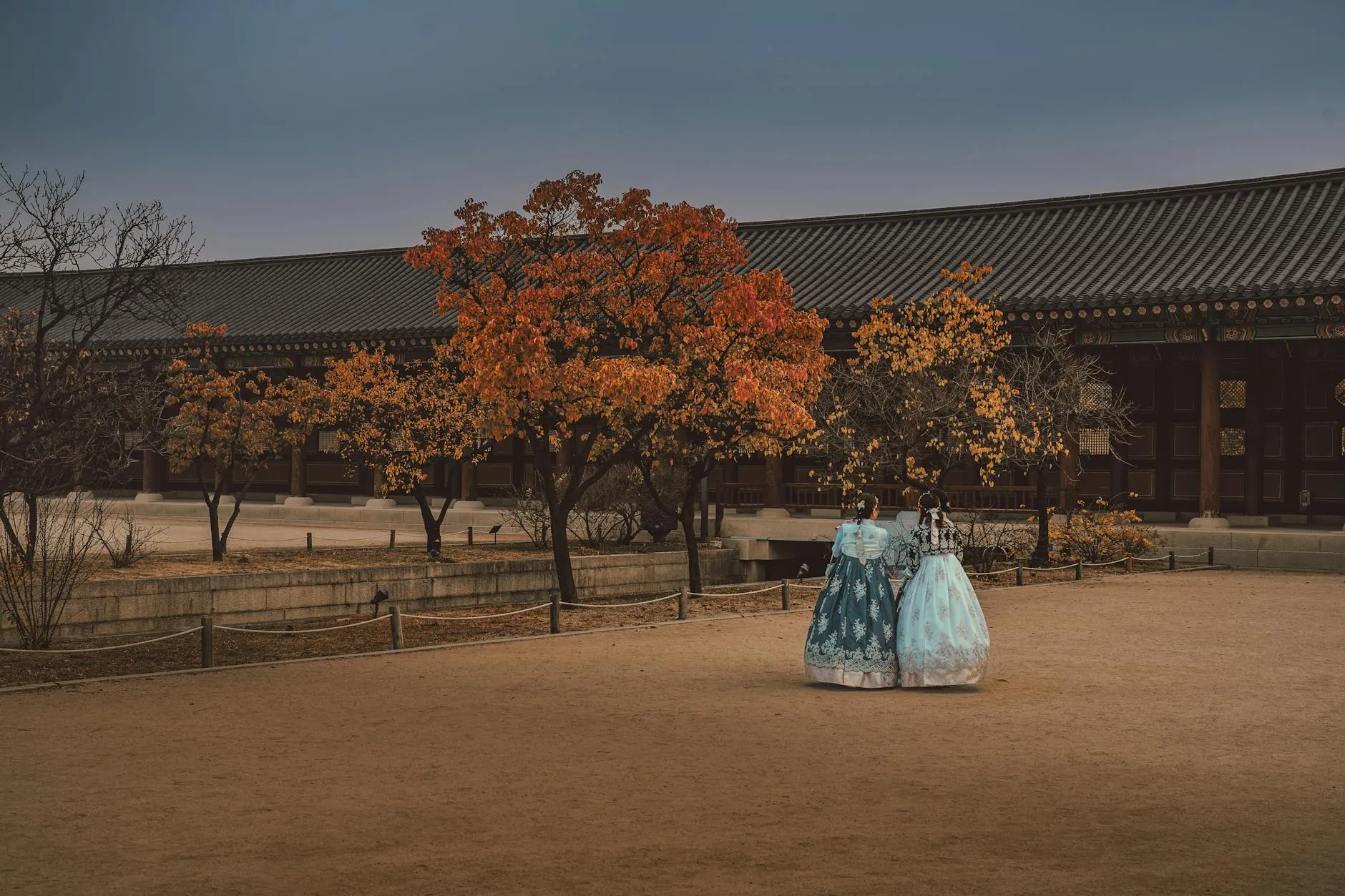
Seoul has five Joseon-era royal palaces, all within walking distance of each other in the Jongno district. A combined ticket (₩10,000, valid 3 months) covers all five plus Jongmyo Shrine. Wearing hanbok grants free entry to all palaces.
- Gyeongbokgung — The main palace (1395). Changing of the Guard at 10:00 and 14:00. The largest and most visited. Allow 2+ hours. Closed Tuesdays
- Changdeokgung — UNESCO World Heritage. The Secret Garden (Huwon) is Seoul’s most beautiful space — guided tours only, limited capacity. Closed Mondays
- Changgyeonggung — Adjacent to Changdeokgung, smaller and quieter. Beautiful at night when illuminated (seasonal events). Closed Mondays
- Deoksugung — In central Seoul near City Hall. Unique for its Western-style stone hall. Changing of the Guard at 11:00, 14:00, 15:30. Open daily. The Deoksu-gung Stone-wall Road beside it is Seoul’s most romantic stroll
- Gyeonghuigung — The most overlooked. Free entry, no crowds. Seoul Museum of History is adjacent
Bukchon Hanok Village
A cluster of traditional Korean houses (hanok) between Gyeongbokgung and Changdeokgung palaces. The houses are 600 years old, many still privately inhabited, and the narrow uphill alleyways offer some of the most iconic views in Seoul — traditional rooftops against the backdrop of modern towers.
Visiting Tips
- Go early (before 10:00) or late afternoon to avoid peak crowds
- Keep quiet — people live here (~6,100 residents). Noise restrictions are actively enforced. Tour buses banned since January 2025 due to overtourism (6.4 million visitors in 2024)
- Best viewpoints: Bukchon 5-gil and 6-gil (the “5th and 6th scenic spots”) for rooftop views
- Stay in a hanok: Several hanok guesthouses offer traditional floor-sleeping experiences. Book via Airbnb or Klook. ₩60,000–150,000/night
Shopping
K-Beauty
Korea is the global capital of skincare. Olive Young (Korea’s Sephora equivalent) has branches on every major street. Myeongdong has the highest concentration of brand stores (Innisfree, Sulwhasoo, Laneige, Dr. Jart+). The prices are significantly cheaper than buying the same products abroad. Tax-free shopping is available for tourists spending ₩30,000+ per transaction.
Fashion
- Dongdaemun — Wholesale fashion. Open until 05:00. Doota Mall, APM, Hello apM. Best for emerging Korean designers at rock-bottom prices
- Garosu-gil (Gangnam) — Boutique fashion. Tree-lined street with independent Korean designers, flagship stores, and excellent cafes
- Hongdae — Vintage and streetwear. Weekend Free Market for indie accessories and art
Traditional & Souvenirs
- Insadong — The go-to district for traditional Korean crafts: tea, hanji (handmade paper), ceramics, calligraphy brushes, ginseng. Tourist-oriented but the quality is genuine if you know what to look for
- Namdaemun Market — Seoul’s largest traditional market. Ginseng, hanbok (traditional dress), kitchenware, cosmetics — both wholesale and retail. The food alley inside is excellent for lunch
- Gwangjang Market — Also Seoul’s best destination for hanbok fabric and custom tailoring (in addition to the legendary food alley covered above)
Getting Around
| Mode | Cost | Notes |
|---|---|---|
| T-money card | ₩2,500–4,000 (card) | Reloadable transit card. Works on metro, bus, and some taxis/shops. Buy at CU, GS25, 7-Eleven, or subway stations. Also available as phone app (Apple Pay/Samsung Pay). ₩100 discount per ride vs cash. Early bird discount (before 06:30): 20% off base fare |
| Metro | ₩1,550–2,150 | 23 lines, 700+ stations. Base fare ₩1,550 (T-money) / ₩1,650 (cash) for 10km — increased June 2025. Clean, fast, Wi-Fi on every train. Runs 05:30–24:00 |
| AREX (Airport Express) | ₩4,450–9,500 | Incheon Airport to Seoul Station. Express ₩9,500 (43 min, nonstop, reserved seating). All-stop ₩4,450–4,750 (66 min, T-money accepted). Express has luggage racks + free Wi-Fi |
| Bus | ₩1,500 | Extensive network. T-money works. Free transfers within 30 min between bus/metro. Colour-coded: blue (trunk), green (branch), red (express) |
| Taxi | ₩4,800 base | Base fare ₩4,800 (regular) / ₩7,000 (deluxe/black). Cheap and abundant. T-money or card accepted. Late-night surcharge 20% (00:00–04:00). Kakao T app for bookings |
| KTX | ₩59,800 (Busan) | High-speed rail from Seoul Station. Busan in 2.5h. Book at letskorail.com or Korail Talk app |
Day Trips from Seoul
DMZ & Joint Security Area (JSA)
The Demilitarised Zone between North and South Korea is one of the most extraordinary places on earth — a Cold War relic where two nations technically remain at war. Tours to the DMZ observation points, tunnels, and Dora Observatory run daily from Seoul (half-day ₩60,000–80,000). The JSA (Panmunjom) partially reopened to civilian tours in summer 2025 after an 18-month closure. The JSA Visitor Center (Camp Bonifas) is open on limited days per month, but the blue conference rooms remain closed to tourists as of early 2026. Standard DMZ tours (Imjingak, 3rd Infiltration Tunnel, Dora Observatory) are fully available. JSA tours must be booked through UNC-designated operators (Koridoor) well in advance. Passport required. An unforgettable experience.
Nami Island & Petite France
1.5 hours from Seoul by ITX train to Gapyeong, then ferry. A crescent-shaped island famous for its tree-lined paths (made iconic by K-drama “Winter Sonata”). Entry ₩19,000 adult including return ferry. Beautiful in autumn (late October) and winter. Often combined with Petite France (₩12,000) and the Garden of Morning Calm (₩11,000). A classic day trip.
Suwon Hwaseong Fortress
30 minutes by metro (Line 1 to Suwon). A UNESCO World Heritage fortress built in 1796 by King Jeongjo. Walk the 5.7km fortress wall for panoramic views. Entry ₩1,000 (integrated ticket ₩3,500 covers fortress + Haenggung Palace + museums; free in hanbok). The surrounding Haenggung and traditional market (Suwon Nammun Market) make a full day. Suwon galbi (beef ribs) is the local specialty — eat at Yeonpo Galbi.
Bukhansan National Park
Accessible by metro (various stations on Lines 3, 4, 6). A granite mountain park with 30+ trails ranging from gentle walks to serious scrambles. Baegundae Peak (836m, 3–4 hours return) is the classic hike with panoramic Seoul views. Free entry. Bring water and proper shoes. Korea’s most-visited national park by area — go on weekdays if possible.
Incheon Chinatown
1 hour by Line 1 or AREX to Incheon. Korea’s only official Chinatown, centred on jajangmyeon (black bean noodles). The Jajangmyeon Museum tells the dish’s story. Songdo International City (20 minutes south) is a futuristic planned city built on reclaimed land. Combine both for a half-day trip.
Budget & Money
| Category | Budget | Mid-Range | Luxury |
|---|---|---|---|
| Accommodation | ₩25,000–50,000 (hostel/guesthouse) | ₩80,000–180,000 (3–4-star hotel) | ₩300,000–800,000+ (5-star) |
| Food | ₩15,000–25,000 (street + local) | ₩40,000–70,000 (restaurants + BBQ) | ₩150,000–500,000 (Michelin/fine dining) |
| Transport | ₩5,000–10,000 (metro only) | ₩15,000–25,000 (metro + taxi) | ₩50,000+ (taxi/private) |
| Activities | ₩0–10,000 (free sites) | ₩20,000–50,000 (2–3 paid attractions) | ₩100,000+ (tours + premium) |
| Daily Total | ₩50,000–90,000 (€33–60) | ₩150,000–300,000 (€100–200) | ₩600,000+ (€400+) |
Seoul is excellent value compared to Tokyo or Singapore. The weak won means European visitors get significantly more for their money than a few years ago. Street food and local restaurants are remarkably cheap; accommodation and alcohol are where budgets stretch.
Weather & Best Time to Visit
Seoul has four distinct seasons — a major advantage over tropical Asian cities. Each season has a compelling reason to visit.
Seasons
- Spring (March–May): Cherry blossoms (early–mid April), mild temperatures (10–20°C). Yeouido cherry blossom festival is iconic. The best time for first-time visitors
- Summer (June–August): Hot and humid (25–35°C). Monsoon season (late June–July, “jangma”) brings heavy rain. Naengmyeon (cold noodles) and bingsu (shaved ice) season. Fewer tourists
- Autumn (September–November): The most beautiful season. Peak foliage mid-October to early November. Clear skies, 10–25°C. Bukhansan and palace grounds are spectacular. The second-best time to visit
- Winter (December–February): Cold (−10 to 5°C). Dry, clear skies. Kimchi jjigae and hotteok season. Ski resorts 2–3 hours from Seoul. Christmas lights in Myeongdong. Quiet at palaces
Cherry blossom 2026: First bloom in Seoul around April 1–3; peak bloom approximately 10–17 April (1–7 days earlier than historical average). Yeouido’s cherry blossom tunnel along Yunjung-ro is the most famous spot. Namsan Park and the palace grounds are also excellent. Viewing window is 7–10 days after peak bloom before petals drop.
Safety & Practical Tips
Safety
Seoul is one of the safest major cities in the world. Violent crime is extremely rare. Petty theft is uncommon. Women can walk alone at night in most areas without concern. The metro is safe at all hours. Lost items are routinely returned. The only realistic concern is overindulgence in soju.
Visa
Most EU, US, UK, Australian, and Canadian citizens can enter South Korea visa-free for up to 90 days. K-ETA (Korea Electronic Travel Authorization) was previously required but has been suspended through December 31, 2026 for nationals of 22 countries including the US, UK, Canada, Australia, and most EU states. K-ETA becomes mandatory again from January 1, 2027. Passport must be valid for the duration of stay.
Language
Korean is the sole official language. English proficiency varies — younger Koreans and service-industry workers often speak some English, but don’t assume fluency outside tourist areas. Google Translate’s camera function works well on Korean menus. The Seoul metro has full English signage and announcements.
WiFi & Connectivity
Seoul has the best public WiFi of any city in the world. Free high-speed WiFi is available on every metro train, every bus, and most public spaces. Pocket WiFi rental (₩4,000–6,000/day) or eSIM (KT, SK Telecom) available at the airport for those wanting always-on connectivity.
Tipping
Tipping is not customary and can cause confusion. Do not tip at restaurants, in taxis, or at hotels. Service is included in all prices. Leaving money on the table may result in a staff member chasing you down the street to return it.
Apps You Need
- Kakao Map / Naver Map: Use these instead of Google Maps — Google Maps transit and walking directions are deliberately broken in South Korea for national-security reasons. Kakao Map has the best English support.
- Papago: Naver’s Korean-English translator — noticeably sharper than Google Translate for Korean menus and signs.
- Kakao T: Korea’s Uber-equivalent for taxis. Mostly Korean interface but the basic booking flow works in English.
- Naver: Korea’s everything-app — search, maps, restaurant reviews, shopping. If a Korean business doesn’t show up on Google, search Naver.
Emergency Numbers
- Police: 112
- Fire & Ambulance: 119
- Tourist Helpline: 1330 — English available 24/7 for medical, transport, interpretation, and general tourist assistance. This is the single most useful number for visitors.
- Tourism info: visitkorea.or.kr
What’s New in 2026
- GTX-A line partially operational. Southern section (Dongtan–Suseo) opened March 2024; northern section (Unjeongjungang–Seoul Station) opened December 2024. The central gap (Seoul Station to Suseo) is expected to open August/September 2026, connecting both sections into one 82km line. Samseong Station delayed to 2028. South Korea’s first express metropolitan railway
- K-ETA suspended through December 31, 2026 for 22 nationalities including US, UK, EU, Canada, Australia. No application needed. K-ETA becomes mandatory again January 1, 2027
- Yongsan Park: The former US military base (Camp Yongsan) is being transformed into Seoul’s largest park. Partial opening expected 2027, but surrounding areas already developing rapidly
- Lotte World Mall expansion ongoing at Jamsil
- Seollal (Lunar New Year) 2026: 16–18 February (Mon–Wed). Year of the Horse. Many businesses closed. Palaces open with special programmes
- Chuseok (Harvest Festival) 2026: 24–26 September (Thu–Sat). Similar closures. Good time for empty Seoul streets
- Cherry blossom 2026: First bloom in Seoul around April 1–3; peak bloom approximately 10–17 April
- Michelin Guide Seoul 2026 (10th anniversary): 42 starred restaurants. Mingles retained as Seoul’s only 3-star. Mosu returned with 2 stars after reopening. Evett promoted to 2 stars. 7 new one-star entries
- Metro fare increase: Base fare rose to ₩1,550 (T-money) in June 2025 — the second stage of a ₩300 hike. Early-bird discount (before 06:30) gives 20% off
- National Museum of Korea: Free throughout 2026. Government considering reintroducing admission fees from 2027
- Centre Pompidou Hanwha Seoul: Opens June 4, 2026 in the 63 Building, Yeouido. 10,000 sqm across 4 floors. Paris’s Centre Pompidou satellite with rotating exhibitions from the Paris collection plus Korean contemporary art. Major addition to Seoul’s art scene
- Bukchon Hanok Village: Tour buses banned since January 2025 due to overtourism (6.4 million visitors in 2024). Walk or take metro only
How Many Days in Seoul?
Three days (minimum): Gyeongbokgung + Bukchon morning. N Seoul Tower sunset. Gwangjang Market lunch. Korean BBQ dinner in Mapo. Hongdae nightlife. Myeongdong shopping. That covers the essentials but rushes everything.
Four to five days (recommended): Add: Changdeokgung Secret Garden. DMZ or Nami Island day trip. Seongsu-dong cafe crawl. Itaewon dinner. Noryangjin Fish Market. Chimaek at the Han River. A temple stay or kimchi class. This is the sweet spot.
One week (ideal): Add: Bukhansan hike. Suwon day trip. K-beauty shopping blitz. Ikseon-dong afternoon. Jjimjilbang (Korean spa, ₩12,000–15,000 for 12+ hours). You will eat approximately 40 meals in Seoul and remember every single one.
Seoul Nightlife In-Depth
Seoul doesn’t sleep. The concept of “going out” extends until the first subway at 5:30am. Districts specialize — Hongdae for students, Itaewon for internationals, Gangnam for the flashy crowd.
Drinking Culture
Soju (소주): Korea’s national spirit — clear, slightly sweet, 16-20% ABV. Drink it with food, never alone. The ritual: pour for others, never yourself. Turn your head away when drinking with elders. One bottle per person is standard; two is enthusiastic.
Makgeolli (막걸리): Milky rice wine, traditional and making a comeback. Served with pajeon (savory pancake). Lower alcohol than soju.
Chimaek (치맥): Chicken and beer — the Korean national pastime. Fried chicken (from Korean-style joints, not KFC) paired with beer. Essential experience.
Nightlife Districts
Hongdae (홍대): University area with the youngest energy. Underground clubs, busking culture, indie music, and cheap drinks. Start at Hongdae Playground (the park) and wander. Clubs: Madhatterz (hip-hop), Soap (house/techno), FF (K-pop).
Itaewon (이태원): International district — expats, travelers, LGBTQ+ scene (Homo Hill), diverse food and drinking options. Less homogeneous than other districts. Clubs: Cakeshop (techno institution), Fountain (house), The Bungalow (rooftop).
Gangnam (강남): Flashy South Seoul — expensive clubs, bottle service, Gangnam Style affluence. Dress code enforced. Clubs: Octagon (superclub), Club Mass, Arena.
Euljiro (을지로): Recently trendy — industrial buildings hiding speakeasies and cocktail bars. Older, cooler crowd than Hongdae. Bars: Charles H, Southside Parlor, Steam (sauna-themed).
Live Music
K-pop: For concerts, check Interpark or Melon Tickets. Major venues: KSPO Dome, Olympic Hall, SK Olympic Handball Gymnasium.
Indie: Hongdae live houses — Rolling Hall, DGBD, Club FF. Small venues, intimate shows, mostly Korean indie rock.
Jazz: Korea has a serious jazz scene. All That Jazz in Itaewon (since 1978) and Once in a Blue Moon in Gangnam are institutions.
Hidden Seoul
Beyond the obvious attractions, Seoul rewards exploration. Ancient temples hidden between skyscrapers, speakeasies behind unmarked doors, and neighborhoods tourists rarely find.
Secret Spots
Ihwa Mural Village: Hillside neighborhood above Naksan Park covered in street art. Less crowded than Bukchon, more character. Respect residents — this is a living neighborhood, not a theme park.
Seochon: West Village of Gyeongbokgung — narrow lanes, traditional houses turned into cafes and galleries. The neighborhood Koreans go to when they want Bukchon without tourists. Try Tongin Market’s dosirak (lunchbox) system.
Ikseon-dong: Tiny hanok (traditional house) district now filled with boutiques, cafes, and wine bars. Charming lanes, less manicured than Bukchon. Best in the evening.
Seongsu-dong: Former industrial zone reborn as Seoul’s Brooklyn. Warehouses converted to cafes, galleries, and concept stores. Korea’s creative class hangs here.
Unusual Experiences
Jjimjilbang (찜질방): Korean spa/sauna experience — communal bathing (gender-separated for wet areas, co-ed for dry sauna areas). You sleep overnight on heated floors in provided pajamas. Essential Korean experience. Try Dragon Hill Spa near Yongsan (₩12,000-15,000). dragonhillspa.com
PC Bangs: Gaming cafes where Koreans play League of Legends, Starcraft, and everything else. Cheap (₩1,000-1,500/hour), 24-hour, snacks available. Everywhere — just walk in.
Noraebang (노래방): Private karaoke rooms. Essential Korean nightlife ritual. Book a room, order drinks, and sing your heart out. ₩15,000-30,000/hour. No audience except your friends.
Kidzania/Adult Play: Koreans love immersive experiences. Beat Road (murder mystery), Room Escape games, and VR arcades are everywhere.
Off the Tourist Track
Mangwon-dong: Neighborhood of young Seoulites — coffee shops, local restaurants, weekend market. No major sights; all vibe.
Mullae Art Village: Metal workshops by day, artist studios and indie bars by night. Industrial aesthetic, creative energy. Near Mullae station.
Hangang Parks: Seoul’s riverside parks stretch for 40km along the Han River. Locals cycle, picnic (delivered chicken and beer is standard), and hang out. Join them at sunset. Banpo Hangang Park has the rainbow fountain bridge show (April-October).
Romantic Seoul
Korea is couple culture central — matching outfits, couple anniversaries, and endless date spots. Seoul caters to romance.
Romantic Experiences
N Seoul Tower locks: The classic — write your names on a padlock, attach it to the fence, throw away the key. Tourist trap but undeniably romantic at sunset.
Han River cruise: Evening cruises with dinner or champagne. Eland Cruise runs the major routes. ₩18,000-50,000 depending on package. elandcruise.com
Hanbok rental: Rent traditional Korean clothes (₩15,000-30,000 for 4 hours) and explore the palaces together. Free palace entry when wearing hanbok.
Starfield Library: The photogenic library inside COEX Mall — three-story shelves, romantic in an Instagram way. Free.
Romantic Dining
Jungsik: Two Michelin stars, contemporary Korean fine dining. Elegant space, tasting menus ₩150,000-200,000+. Dress up. jungsik.kr
Kwon Sook Soo: Michelin two-star Korean with traditional techniques. Private rooms available. ₩180,000-250,000.
Palais de Gaumont: French fine dining with Han River views. White tablecloths, chandeliers, classic romance. ₩100,000-200,000.
Myeongwolgwan: Traditional Korean BBQ in a hanok setting. Charcoal-grilled beef, atmospheric courtyard. ₩50,000-100,000 for two.
Romantic Stays
Signiel Seoul: Luxury in Lotte World Tower (floors 76-101). City views from the 100th floor. ₩500,000-1,500,000+/night. signielseoul.com
Josun Palace: Updated classic Seoul luxury. Historic pedigree (original opened 1914), contemporary comfort. Gangnam. ₩400,000-800,000/night.
Hanok guesthouses: Stay in a traditional Korean house — heated floors, courtyard, paper screens. Bukchon Maru and Rakkojae are excellent. ₩150,000-400,000/night.
Frequently Asked Questions
How many days do I need in Seoul?
Four to five days is the sweet spot. Three is tight but covers the highlights. A week lets you add day trips and really eat your way through the neighbourhoods.
Is Seoul expensive?
Cheaper than Tokyo and Singapore. Street food ₩3,000–7,000 (€2–5), full BBQ dinner ₩20,000–35,000 (€13–23), metro rides ₩1,550. Mid-range budget: €100–200/day. The weak won is a significant advantage for European visitors.
Is Seoul safe?
Extremely safe. One of the safest major cities globally. Violent crime is very rare. Women can walk alone at night. The metro is safe at all hours. Lost items are routinely returned.
Do I need K-ETA?
K-ETA is suspended through December 31, 2026 for 22 nationalities including US, UK, EU, Canada, and Australia. No application needed. Most EU, US, UK citizens get 90-day visa-free entry.
What should I eat first?
Gwangjang Market. Sit down, point at what looks good, and eat bindaetteok, mayak gimbap, and knife-cut noodles. Then Korean BBQ for dinner in Mapo-gu. Then tteokbokki from a street vendor.
Do I need to speak Korean?
Not essential but learning the Korean alphabet (Hangul) takes 1–2 hours and is incredibly useful for reading menus and signs. English signage exists in the metro and tourist areas. Google Translate camera works well on menus.
When is cherry blossom season?
Early to mid-April in Seoul (2026 forecast: peak 10–17 April). Yeouido’s Yunjung-ro cherry blossom tunnel is the most famous spot. Viewing window is 7–10 days after peak bloom.
Can I visit North Korea from Seoul?
Not North Korea itself. The DMZ is fully open for tours. The JSA (Panmunjom) partially reopened in summer 2025 — the Visitor Center is accessible on limited days, but the blue conference rooms remain closed to tourists as of early 2026. Book through UNC-designated operators like Koridoor well in advance. Passport required.
Explore More AiFly Guides
- 🇯🇵 Tokyo City Guide 2026
- 🇸🇬 Singapore City Guide 2026
- 🇭🇰 Hong Kong City Guide 2026
- 🇲🇾 Kuala Lumpur City Guide 2026
- 🇹🇷 Istanbul City Guide 2026
- 🇹🇭 Bangkok City Guide 2026
This guide was researched and written by the AiFly editorial team. Last verified April 2026. Prices and opening hours are subject to change — always confirm locally. AiFly may earn a commission from partner links at no extra cost to you.
🌍 See the bigger picture: our South Korea travel guide covers regions, when to go, and getting around.
Cheapest Flights to Seoul
We track flight deals to Seoul from 12 cities worldwide. Here are the best recent fares:
- Athens to Seoul from €415
- Stockholm to Seoul from €422
- Vienna to Seoul from €442
- Milan to Seoul from €452
- Geneva to Seoul from CHF472
- Frankfurt to Seoul from €483
- Gothenburg to Seoul from €516
- Barcelona to Seoul from €552
- Melbourne to Seoul from A$682
- San Francisco to Seoul from $682
- Vancouver to Seoul from C$716
- Christchurch to Seoul from NZ$1202
Prices are based on recent deals and may no longer be available. Browse all flight deals