Taipei is the city that runs on soup dumplings, bubble tea, and a collective obsession with food that borders on religion. A bowl of beef noodle soup at midnight is not unusual — it is expected. Night markets pulse until 01:00, hot springs steam in volcanic valleys 30 minutes from downtown, and a temple older than your country sits next to a convenience store selling egg sandwiches at 03:00. With 2.6 million people in the city proper, Taipei is smaller than Seoul or Tokyo, more affordable than either, and arguably eats better than both. The New Taiwan Dollar’s favourable rate (€1 ≈ NT$35) makes this one of Asia’s best-value capitals for European visitors.
Last verified: April 2026. Every price, opening hour, and practical detail in this guide has been checked against current sources. All prices are in New Taiwan Dollars (NT$ / TWD); €1 ≈ NT$35 / $1 ≈ NT$32 / £1 ≈ NT$41 at time of writing. Taipei is remarkably affordable — a full night-market dinner costs NT$200–400 (€6–11) and a bowl of legendary beef noodle soup is NT$200–280 (€6–8).
Why Taipei? An Editor’s Note
Taipei does not try to impress you with spectacle. It impresses you with consistency. The convenience stores are better than restaurants in most countries. The metro is spotless, punctual, and covered in free WiFi. The people are among the friendliest in Asia. The food is world-class at every price point — from a NT$35 lu rou fan (braised pork rice) at a street stall to a Michelin-starred tasting menu. The hot springs are real and accessible. The hiking is excellent and starts from metro stations. And the night markets are not tourist attractions — they are where Taipei actually eats dinner. This is a city that works beautifully and costs very little. If you have never been, you are in for a revelation.
Table of Contents
- Top Attractions & 2026 Prices
- Night Markets
- Street Food & Comfort Food
- Xiao Long Bao & Din Tai Fung
- Beef Noodle Soup
- Bubble Tea
- Tea Culture & Maokong
- Fine Dining & Michelin 2026
- Neighbourhoods
- Temples
- Hot Springs & Beitou
- Hiking
- Shopping
- Getting Around
- Day Trips
- Budget & Money
- Weather & Best Time to Visit
- Safety & Practical Tips
- What’s New in 2026
- How Many Days?
- Frequently Asked Questions
- Explore More Guides
Top Attractions & Verified 2026 Prices
| Attraction | Price | Why Go |
|---|---|---|
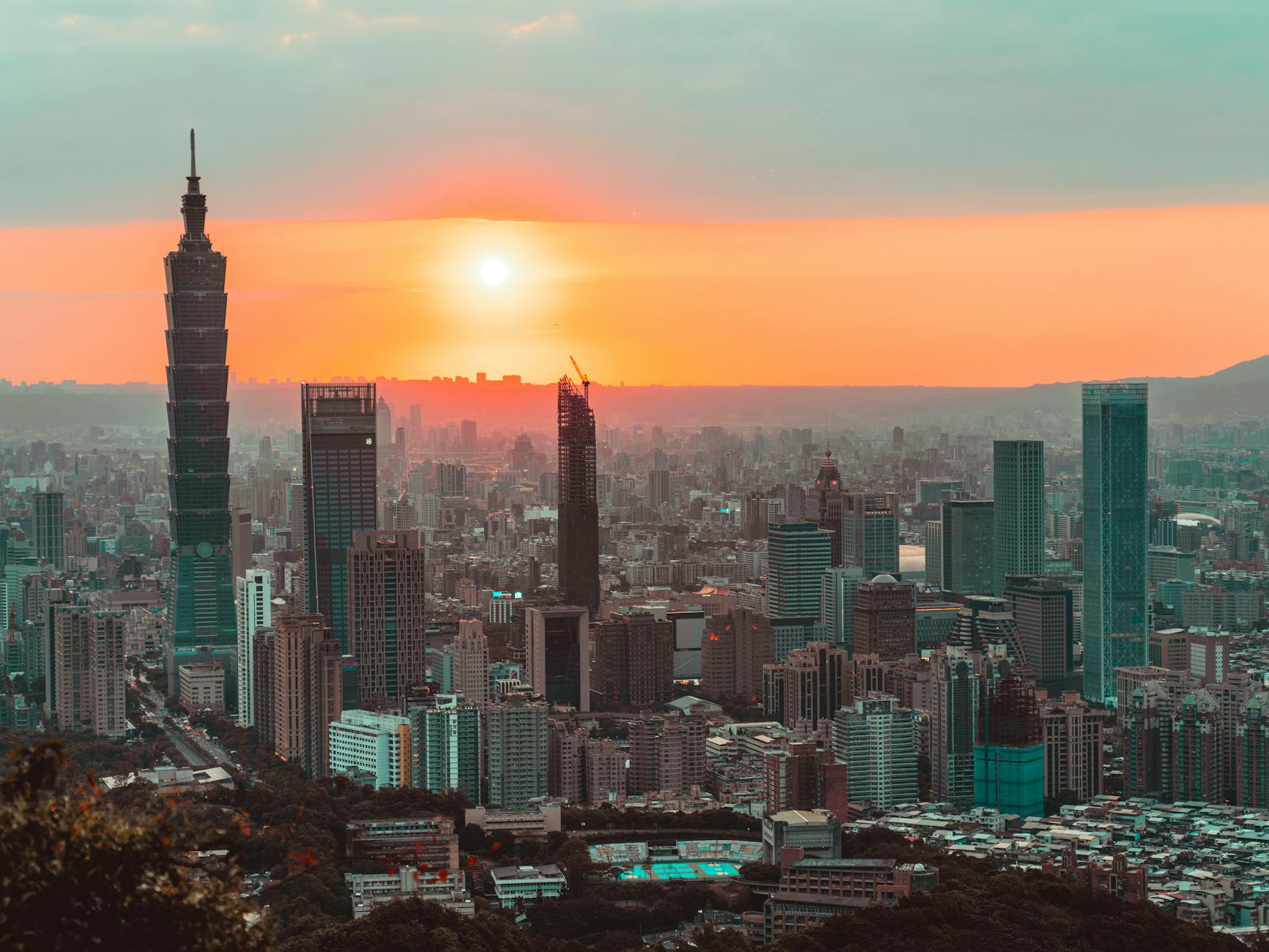
| Taipei 101 | NT$600 | Once the world’s tallest building (508m). Observatory on 89th floor with 360° views. The massive wind damper is visible. Fast Pass NT$1,200. Skyline 460 outdoor deck: NT$3,000. Under 115cm free. Best at sunset. MRT: Taipei 101/World Trade Center (Red Line) |
| National Palace Museum | NT$350 | The world’s largest collection of Chinese imperial art — 696,000+ artefacts. Jadeite Cabbage and Meat-Shaped Stone are the icons. Under-17 free. Free on Lantern Festival, Museum Day (May 18), National Day (Oct 10). Combined ticket with Taipei 101: NT$820. Allow 3+ hours. MRT: Shilin + bus |
| Longshan Temple | Free | Taipei’s most important temple (est. 1738). Ornate Fujian-style architecture. Active worship — incense, chanting, fortune sticks. Best early morning. MRT: Longshan Temple (Blue Line) |
| Chiang Kai-shek Memorial Hall | Free | Iconic white monument with blue-tiled roof. Changing of the Guard now on Democracy Boulevard (moved outdoors 2024), nine times daily 09:00–17:00. Liberty Square and the National Theatre/Concert Hall are worth exploring. MRT: CKS Memorial Hall (Red/Green) |
| Yangmingshan National Park | Free | Volcanic mountain park 30 min from downtown. Hot springs, hiking trails, calla lily fields (March–May), cherry blossoms (February). Qingtiangang grasslands for easy walks. Bus from Jiantan MRT |
| Elephant Mountain (Xiangshan) | Free | The best free viewpoint of Taipei 101 and the city skyline. 20-min steep climb from the trailhead. Go for sunset. MRT: Xiangshan (Red Line). Continue to the longer Four Beasts Trail if you want more |
| Beitou Hot Springs | NT$40–500+ | Volcanic hot spring valley 30 min from downtown by MRT. Public springs from NT$40, private rooms from NT$500. Beitou Hot Spring Museum is free. Thermal Valley (“Hell Valley”) steams at 80°C+. MRT: Xinbeitou (Red Line branch) |
| Shilin Night Market | Free entry | Taipei’s largest and most famous night market. Underground food court + street-level stalls. Oyster omelettes, stinky tofu, XXL fried chicken, pepper buns. Opens ~17:00. MRT: Jiantan (Red Line) |
| Maokong Gondola | NT$180 one-way | 4km aerial gondola ride over tea plantations to Maokong village. Crystal-floor “Eyes of Maokong” cabins +NT$50. Day pass NT$300. Tea houses at the top. Closed Mondays + annual maintenance Jun 8–28. MRT: Taipei Zoo (Brown Line) → Gondola |
| Dalongdong Baoan Temple | Free | UNESCO Asia-Pacific Heritage Award winner. Exquisite Qing-dynasty carvings and paintings. Less crowded than Longshan but equally impressive. MRT: Yuanshan (Red Line) |
| Huashan 1914 Creative Park | Free (exhibitions vary) | Former winery converted to arts and culture hub. Galleries, indie shops, cafes, pop-up exhibitions. Taipei’s creative heart. MRT: Zhongxiao Xinsheng (Blue/Orange) |
| Dadaocheng / Dihua Street | Free | Taipei’s oldest commercial district. Qing-era shophouses, dried goods, traditional medicine, fabric shops. Best for Chinese New Year shopping. MRT: Beimen (Green Line) or Daqiaotou (Orange) |
Night Markets
Night markets are not a tourist attraction in Taipei — they are the city’s dining room. Millions of Taipei residents eat dinner at night markets several times a week. Every market has a different character, but they share the same DNA: open-air stalls, plastic stools, incredible food at prices that make European visitors do a double take.
Shilin Night Market
Taipei’s largest and most famous. The underground food court (Shilin Market Food Court) has the widest variety. Must-eat: XXL fried chicken (NT$70), oyster omelette (NT$60–80), pepper buns (NT$55), stinky tofu (NT$50), papaya milk (NT$50). Also has a games and shopping section above ground. Can feel touristy but the food is genuine. Hours: 16:00–00:00 daily (food court opens earlier). MRT: Jiantan (Red Line).
Raohe Street Night Market
Locals’ favourite. A single long covered street (600m) — more focused and less chaotic than Shilin. Must-eat: Fuzhou pepper buns at the entrance (NT$55 — the queue is always worth it), Chen Dong medicinal ribs soup (NT$80), stinky tofu, flame-torched beef cubes. Ciyou Temple at the entrance is beautiful at night. Hours: 17:00–00:00 daily. MRT: Songshan (Green Line).
Ningxia Night Market
The food purists’ choice. Small, focused, almost entirely about eating. Must-eat: Liu Yu Zi taro balls, Fang Jia shredded chicken rice, oyster omelette, braised pork rice, taro-filled mochi. Several stalls have Michelin Bib Gourmand recognition. Hours: 17:00–00:00 daily. MRT: Zhongshan (Red/Green, 5-min walk).
Tonghua (Linjiang) Night Market
A Da’an District favourite, popular with locals and students. Smaller, less overwhelming than Shilin. Must-eat: Shi Boss mapo tofu, salt-pepper chicken, scallion pancakes, fresh fruit juices. Hours: 18:00–00:00 daily. MRT: Xinyi Anhe (Red Line).
Nanjichang Night Market
The most authentically local night market — almost no tourists. Excellent lu rou fan, pork blood cake, herbal soups, fried noodles. Much cheaper than Shilin. Hours: 18:00–24:00 daily. MRT: Longshan Temple (Blue Line, 10-min walk).
Huaxi Street Night Market (Snake Alley)
Taipei’s oldest night market. Once infamous for snake blood and snake soup (still available but now rare). Today it’s mostly seafood, herbal remedies, and Ximending overflow. Historical curiosity more than a food destination. Hours: 16:00–24:00 daily. MRT: Longshan Temple (Blue Line).
Night Market Etiquette
- Bring cash: most stalls don’t take cards; ATMs in 7-Eleven work best.
- Queue: the longest line is the best stall. Follow locals.
- Eat as you walk: small portions from multiple stalls is the point — don’t over-order from the first one.
- Try the unknown: point at what Taiwanese people are eating, not at what other tourists are ordering.
- Bins are rare: hold your trash until you find one, or pass it back to the stall.
Street Food & Comfort Food
| Dish | Price | What It Is |
|---|---|---|
| Lu rou fan | NT$35–60 | Braised minced pork over rice. Taiwan’s unofficial national dish. Rich, savoury, umami-drenched. Every neighbourhood has its version. The best costs under NT$50 |
| Gua bao | NT$50–80 | Steamed bun with braised pork belly, pickled mustard greens, peanut powder, coriander. The Taiwanese hamburger. Taipei’s most portable meal |
| Oyster omelette | NT$60–80 | Small oysters in a starchy egg batter with sweet chilli sauce. Night market essential. Every market has multiple vendors |
| Stinky tofu | NT$50–70 | Fermented tofu, deep-fried or braised. Smells challenging, tastes extraordinary. The fried version with pickled cabbage is the entry point. You will be converted |
| Scallion pancake (cong you bing) | NT$30–50 | Flaky, crispy, layered with scallions. Often with egg (NT$40–60). Breakfast staple. The best are hand-rolled to order |
| Dan bing | NT$30–55 | Taiwanese egg crepe. Thin wrapper with egg, rolled with fillings (corn, cheese, ham, tuna). The most common Taiwanese breakfast. Found at every breakfast shop |
| Pepper bun (hu jiao bing) | NT$55–65 | Pork and black pepper filling in a crispy, tandoor-baked bun. Raohe’s entrance stall is legendary. One of Taipei’s most satisfying snacks |
| Iron eggs (tie dan) | NT$40–60/pack | Eggs repeatedly braised in soy sauce and air-dried until dark, chewy, and intensely flavoured. A Tamsui specialty but sold across Taipei |
| Pineapple cake (feng li su) | NT$30–60/piece | Taiwan’s most famous souvenir. Buttery shortcrust with pineapple jam. SunnyHills (100% pineapple, no winter melon) is the premium brand. Chia Te is the classic |
| Mango shaved ice | NT$120–200 | Mountain of shaved ice with fresh mango, condensed milk, and mango ice cream. Summer essential (May–September). Ice Monster and Smoothie House are the institutions |
Xiao Long Bao & Din Tai Fung
Xiao long bao (soup dumplings) are Taipei’s signature dish and Din Tai Fung is the restaurant that made them world-famous. Founded in Taipei in 1972 as a cooking oil shop, Din Tai Fung was named one of the world’s top 10 restaurants by the New York Times in 1993 and has since expanded to 170+ branches across 13 countries. But Taipei is where you eat the original.
Din Tai Fung
- Original branch: Xinyi Road (near Yongkang Street). The queue is perpetual but moves fast. Take a number and explore Yongkang Street while waiting
- Xiao long bao (10 pcs): NT$280. The standard order. Thin-skinned, soup-filled, precisely 18 folds per dumpling. Full meal ~NT$300–500/person
- Also order: Shrimp and pork shao mai, truffle xiao long bao, hot and sour soup, fried rice, red bean xiao long bao (dessert)
- Tip: The Taipei 101 branch has shorter queues and the same quality. The Nanxi branch (near Zhongshan MRT) is also less crowded
Beyond Din Tai Fung
- Hangzhou Xiaolong Tangbao (Hangzhou South Road) — Many locals argue this is better than Din Tai Fung. Thinner skin, more soup, lower prices (NT$110/5 pcs). Bib Gourmand. Cash only
- Jia Jia Tang Bao — A favourite with office workers. Generous soup, reasonable prices. Near Zhongshan MRT
- Yong He Soy Milk King — Not xiao long bao but essential: 24-hour soy milk shops serving dan bing, shao bing you tiao (sesame flatbread with fried dough), and fresh warm soy milk. The Taiwanese breakfast institution
Beef Noodle Soup
Beef noodle soup (niu rou mian) is Taiwan’s other national dish and the subject of an annual festival in Taipei. The braised version (hong shao) is the most popular: thick wheat noodles in a rich, spicy broth with tender beef shank, bok choy, and chilli oil. It is hearty, complex, and deeply satisfying. Every Taipei resident has a favourite shop.
Essential Shops
- Yong Kang Beef Noodle (Yongkang Street) — The most famous. Rich, dark, spicy broth. NT$220–280. Queue during peak hours but worth it. Near Dongmen MRT
- Lin Dong Fang (Bade Road) — Arguably the best in Taipei. Massive portions, supremely tender beef, clear broth option. NT$170–240. Small, no-frills shop. Closes when sold out (usually by 14:00). Near Zhongshan MRT
- Lao Zhang (Guilin Road) — Long-running favourite near Longshan Temple. Rich braised version. Affordable (∼NT$180)
- Niu Dian — Modern take on beef noodle soup. Higher-end ingredients and presentation. NT$280–380. Multiple locations
Bubble Tea
Taiwan invented bubble tea (boba) in the 1980s — either Chun Shui Tang in Taichung or Hanlin Tea Room in Tainan, depending on who you ask. Today, Taipei has a bubble tea shop on virtually every block, and the drink has evolved far beyond the original tapioca pearls in milk tea.
Where to Drink
- 50 Lan (50傐) — Locals’ favourite chain. Excellent quality-to-price ratio. Classic milk tea with pearls NT$45–65. Branches everywhere
- Tiger Sugar — Famous for the brown sugar boba streak pattern. Instagram-friendly. NT$65–85. Multiple locations
- Chun Shui Tang — One of the original inventors. More upscale, full menu. Tapioca milk tea NT$90–120. Flagship in Taichung but Taipei branches available
- Chen San Ding (Gongguan) — Near NTU campus. The brown sugar tapioca pearls are served warm in fresh milk. Queue is long but moves fast. NT$50–70
- Xing Fu Tang — Another brown sugar boba specialist. Hand-torched brown sugar creates the signature caramel flavour. NT$60–85
Cheese Tea — The Salty-Sweet Contradiction
A 2018 invention that sounds wrong and tastes right: cold tea (usually oolong or green) topped with a thick salted-cream foam. The technique is to tilt the cup 45° and drink so cream and tea blend on the tongue. Chen San Ding and Nayuki serve the reliable versions; avoid convenience-store imitations. NT$80-120.
Tea Culture & Maokong
Taiwan produces some of the world’s finest oolong teas. The tea culture runs deep — from high-mountain oolongs grown above 1,000m to the gongfu tea ceremony still practised in traditional tea houses. Maokong, the tea-growing hill above Taipei Zoo, is the most accessible introduction.
Maokong
Take the Maokong Gondola (NT$180 one-way, day pass NT$300; crystal-floor cabins +NT$50) from Taipei Zoo MRT to the hilltop tea village. Dozens of tea houses line the mountain road, most with outdoor terraces and views over Taipei. Order a pot of Tieguanyin (iron goddess oolong, NT$200–400/pot) and snacks. The “Eyes of Maokong” crystal-floor gondola cabins cost the same fare but have longer queues. Best on clear afternoons; closed on Mondays and during high winds.
Tea Houses in Dadaocheng
Taipei’s oldest tea district. Lin Hua Tai Tea (Chongqing North Road) has been selling loose-leaf oolong since 1883. Lin Mao Sen Tea Co. is another heritage merchant with excellent Alishan oolong (from NT$1,600/jin). ASW Tea House in Dadaocheng offers tea tastings with a modern aesthetic. Qingtian Teahouse (Da’an, Japanese-era building, from NT$450/person) is a serene alternative for traditional tea ceremonies.
Taiwanese Teas to Know
- Dong Ding Oolong — The classic Taiwanese oolong. Roasted, rich, slightly sweet. From Lugu, Nantou County
- Oriental Beauty (Bai Hao Oolong) — Naturally sweet, honey-like. Only made in summer when leafhopper bugs bite the leaves (this creates the flavour). From Hsinchu/Miaoli
- Ali Shan High Mountain Oolong — Grown above 1,000m. Light, floral, buttery. Among the most prized Taiwanese teas
- Tieguanyin — Maokong’s signature. Roasted, woody, complex. Best drunk in a gongfu tea set
- Sun Moon Lake Black Tea — Taiwan’s best black tea. Ruby #18 cultivar. Full-bodied with mint and cinnamon notes
Qingtian 76 (Da’an): A Japanese colonial-era wooden house converted to a teahouse — one of the most atmospheric tea experiences in Taipei. Oolong flights with traditional snacks. Expect NT$500-1,000 per person for a leisurely session.
Fine Dining & Michelin 2026
The MICHELIN Guide Taipei & Taichung has been published annually since 2018. Taipei’s food scene spans every price point, but the fine-dining scene has matured dramatically, with Taiwanese chefs reinterpreting temple food, Indigenous ingredients, and night-market classics with refined technique.
| Restaurant | Rating | Why Go |
|---|---|---|
| Le Palais | ⭐⭐⭐ | Cantonese fine dining at the Palais de Chine Hotel. Taipei’s first 3-star, retained since 2018. Dim sum lunch is more accessible than dinner |
| Logy | ⭐⭐ | Japanese-Taiwanese fusion. Chef Ryogo Tahara. Seasonal tasting menus with Taiwanese ingredients and Japanese technique. Intimate counter seating |
| JL Studio | ⭐⭐ | Modern Singaporean-Taiwanese in Taichung. Chef Jimmy Lim. Asia’s 50 Best regular. Worth the HSR trip from Taipei |
| Mountain and Sea House | ⭐ | Indigenous Taiwanese cuisine elevated. Uses ingredients from Taiwan’s mountains and coastline. Unique among Taipei’s starred restaurants |
| Taïrroir | ⭐⭐⭐ | Modern Taiwanese. Chef Kai Ho. Promoted to 3 stars in 2023. Creative reinterpretations of classic Taiwanese flavours. Asia’s 50 Best regular |
| A Cut Steakhouse | ⭐ | Steakhouse at the Ambassador Hotel. Dry-aged beef, premium cuts. Taipei’s best Western-style steak |
| Sushi Amamoto | ⭐⭐ | Omakase sushi. Tokyo-trained chef. Seasonal fish from Taiwan and Japan. Counter-only, reservation essential |
| Din Tai Fung | Bib Gourmand | Not starred but Bib Gourmand — officially recognised as great value. The xiao long bao standard by which all others are measured |
⭐ = Michelin star. Taipei & Taichung combined have 53 starred restaurants: 3 three-star (Le Palais, Taïrroir, JL Studio), 9 two-star, 40+ one-star (2025 edition). Michelin 2026 expected August.
Neighbourhoods
Ximending
Taipei’s Shibuya. Pedestrianised shopping streets, street performers, bubble tea shops, Japanese-influenced youth culture. The Red House (1908) is both a heritage site and the hub of Taipei’s LGBTQ+ scene with rooftop bars. Cheap eats, vintage shops, tattoo parlours, and Ah Zong Mian Xian (thin noodle soup, always queued). MRT: Ximen (Blue/Green).
Da’an District
Taipei’s most liveable neighbourhood. Tree-lined streets, independent bookshops, excellent cafes. Yongkang Street is the food epicentre: Din Tai Fung, Yong Kang Beef Noodle, Smoothie House mango shaved ice, and Kao Chi dumplings all within walking distance. Da’an Forest Park is the green heart. MRT: Dongmen (Red/Orange) or Da’an (Red).
Zhongshan
A mix of old and new. Japanese-era tree-lined boulevards, contemporary art galleries, boutique hotels, and Taipei’s densest concentration of independent cafes along Zhongshan North Road and its side alleys. Spot Taipei (cinema-restaurant complex) and the Museum of Contemporary Art (MOCA) are here. Ningxia Night Market is at the district’s edge. MRT: Zhongshan (Red/Green).
Xinyi District
The modern face of Taipei. Taipei 101, high-end malls (Breeze Center, Shin Kong Mitsukoshi), department stores, and rooftop bars. The area around Songshan Cultural and Creative Park is more interesting than the malls — converted tobacco factory with design exhibitions. MRT: Taipei 101/World Trade Center (Red) or City Hall (Blue).
Datong / Dadaocheng
Taipei’s oldest neighbourhood. Qing-era shophouses on Dihua Street, traditional medicine shops, dried goods, fabric stores, and some of Taipei’s oldest temples. The Lunar New Year street market on Dihua Street is extraordinary. The riverside park has cycling paths with views. MRT: Beimen (Green) or Daqiaotou (Orange).
Songshan
Home to Raohe Night Market and Songshan Cultural and Creative Park (converted tobacco factory). Ciyou Temple at Raohe’s entrance is one of Taipei’s most beautiful. The area has a local, residential feel away from tourist zones. MRT: Songshan (Green).
Beitou
Taipei’s hot spring district. Japanese-era bathhouses, the green-tinted Thermal Valley, and the stunning Taipei Public Library Beitou Branch (Taiwan’s first green building library — worth visiting for architecture alone). Stay overnight at a hot spring hotel for the full experience. MRT: Xinbeitou (Red Line branch, 25 min from Taipei Main).
Tamsui
Harbour town at the end of the Red Line. Sunset views over the river, street food along the waterfront (iron eggs, ah-gei tofu, fish ball soup), Fort San Domingo (Dutch colonial, NT$80), and Fisherman’s Wharf. A beloved half-day escape from the city. MRT: Tamsui (Red Line, 40 min from Taipei Main).
Temples
Taipei’s temples are not museum pieces — they are living, breathing centres of community life. Locals come to pray, consult fortune sticks, celebrate festivals, and socialise. You are welcome to enter (shoes off in main halls), observe, and photograph respectfully.
- Longshan Temple (1738) — Taipei’s most important. Dedicated to Guanyin (Buddhist) with Taoist and folk deities. Incense-filled courtyard, intricate stone and wood carvings. Free. MRT: Longshan Temple
- Dalongdong Baoan Temple (1805) — UNESCO heritage award. Exquisite Qing-era decorative arts. Annual Baosheng Cultural Festival (March–June) with traditional opera and processions. Free. MRT: Yuanshan
- Xingtian Temple — Dedicated to Guan Yu (god of war and business). Unique: no incense burning (banned for environmental reasons). Extremely popular with business people. Free. MRT: Xingtian Temple (Orange)
- Confucius Temple (1879) — Classical Fujian-style architecture. Teacher’s Day ceremony (September 28) is the highlight. Peaceful gardens. Free. Next to Baoan Temple. MRT: Yuanshan
- Zhinan Temple — On the mountainside above Maokong. Taoist temple with panoramic views. Accessible by Maokong Gondola (get off at Zhinan Temple station). Free
Hot Springs & Beitou
Beitou is a volcanic hot spring valley 25 minutes by MRT from central Taipei. The Japanese developed the area as a bathing resort during the colonial era (1895–1945), and many of the original bathhouses survive. The springs range from public outdoor pools to luxury hotel spas.
What to Do in Beitou
- Thermal Valley (Hell Valley) — A steaming, acid-green lake at 80–90°C. Free to view from the boardwalk. Do not touch the water. Atmospheric and slightly ominous
- Beitou Hot Spring Museum — A beautifully restored 1913 Japanese bathhouse. Free admission. Remove shoes at entry. Small but excellent exhibits on the area’s history
- Millennium Hot Spring (public) — Closed for renovation since January 2025, expected to reopen late 2026. When open: outdoor pools at NT$40/session, swimsuit required. Alternative: Long Nai Tang (NT$150, traditional Japanese onsen, open 06:30–23:00)
- Private hot spring hotels: NT$500–3,000+ for 1–2 hours in a private room with hot spring bath. Villa 32 (high-end, Japanese aesthetic), Spring City Resort (mid-range, family-friendly), and Beitou Hot Spring Resort are popular choices
- Plum Garden — Former residence of Yu Youren (calligrapher and politician). Japanese-era house with garden. Free. Adjacent to the hot spring area
Hiking
Taipei is ringed by mountains, and several excellent hikes start directly from MRT stations. The city takes hiking seriously — trails are well-maintained, signposted, and accessible.
- Elephant Mountain (Xiangshan) — 20–30 min steep climb. The classic Taipei 101 sunset viewpoint. Crowded but iconic. Free. MRT: Xiangshan (Red Line)
- Four Beasts Trail — Extends Elephant Mountain into a 3–4 hour ridge walk through Leopard, Tiger, and Lion mountains. Fewer people than Xiangshan alone. Views all along
- Yangmingshan Qingtiangang — Easy grassland walk with roaming water buffalo. Volcanic landscape, 360° views. Bus from Jiantan MRT. Combine with Xiaoyoukeng fumaroles
- Jiantanshan (Sword Pool Mountain) — Stairs up from Grand Hotel to a viewpoint over the Keelung River. 30 min. Free. Adjacent to Shilin Night Market area
- Teapot Mountain (Wufen Shan) — Near Jiufen/Jinguashi. Stunning coastal and mountain views. 1–2 hours. The rock formation at the summit looks like a teapot. Combine with Jiufen day trip
- Qixing Mountain (Seven Stars) — Taipei’s highest peak (1,120m) in Yangmingshan. Moderately difficult, 3–4 hours return. Volcanic terrain with sulfur vents. Bus from Jiantan MRT
Shopping
Souvenirs
- Pineapple cakes: SunnyHills (premium, 100% pineapple, free tasting at the Minsheng store), Chia Te (classic, near MRT Songjiang Nanjing), Lee Chi (traditional)
- Tea: Lin Hua Tai (since 1883, Dadaocheng), Wang De Chuan (modern packaging), Wistaria Tea House (curated selection)
- Ceramics: Yingge Ceramics District (30 min by train, 200+ shops and studios)
Shopping Districts
- Ximending — Youth fashion, streetwear, vintage, Japanese imports. Pedestrianised. Best for affordable, trendy finds
- Xinyi District — Department stores (Shin Kong Mitsukoshi, Breeze Center), Taipei 101 Mall (luxury brands). Tax-free shopping for tourists
- Zhongshan — Independent boutiques, design shops, vintage. The side alleys between Zhongshan and Shuanglian MRT stations are Taipei’s most curated neighbourhood
- Dihua Street — Traditional goods: dried goods, herbal medicine, fabric, Chinese New Year decorations. Qing-era shophouses. Most atmospheric shopping in Taipei
Getting Around
| Mode | Cost | Notes |
|---|---|---|
| EasyCard | NT$100 (deposit) | Reloadable IC card. Works on MRT, bus, YouBike, ferries, convenience stores. 20% MRT discount. Buy at any MRT station or 7-Eleven/FamilyMart. NT$100 deposit is refundable |
| MRT | NT$20–65 | 6 lines, 131 stations. Base fare NT$20 (EasyCard) / NT$20–65 (single-journey token by distance). Spotless, punctual, free WiFi. Runs 06:00–00:00. No eating or drinking on trains (enforced, NT$1,500 fine) |
| Taoyuan Airport MRT | NT$160 (express) | Taoyuan Airport to Taipei Main Station. Express NT$160 (35 min, nonstop, every 15 min). Commuter NT$30–160 (50 min, all stops). EasyCard gives 20% discount. Free luggage check-in at Taipei Main for some airlines |
| Bus | NT$15 | Extensive network. EasyCard tap on/off (fare varies by distance, often NT$15 flat). Essential for Yangmingshan and some attractions not on MRT |
| YouBike 2.0 | Free/30min | Taipei’s bike-share. First 30 min FREE with registered EasyCard (NT$10 subsidy), then NT$10/30min. Register via YouBike app. 13,000+ stations. Riverside cycling paths are excellent. Electric YouBike 2.0E: NT$20/30min |
| Taxi | NT$70 base | Base fare NT$70 (first 1.25km), then NT$5 per 200m. Night surcharge 20% (23:00–06:00). Cheap by international standards. Most accept cash only. Uber and LINE Taxi also operate |
| HSR (High Speed Rail) | NT$1,490 (Kaohsiung) | Taipei to Kaohsiung in 90 min. Taichung in 50 min (NT$700). Book early for 10–35% discounts. Taiwan’s Shinkansen equivalent |
Day Trips from Taipei
Jiufen & Jinguashi
The mountain town that inspired Spirited Away (Miyazaki denies it, everyone else disagrees). Narrow lanes, red lanterns, ocean views, tea houses. Take bus 1062 from Zhongxiao Fuxing MRT (NT$113, ~90 min) or bus 965 from Ximen (~NT$90). Or train to Ruifang (NT$59) + bus 827 (NT$15). No admission fee to the town. Best at dusk when the lanterns glow. Combine with the Gold Museum in Jinguashi (NT$80) and hike up to the Remains of the 13 Levels for coastal views. Weekends are extremely crowded — go on a weekday if possible.
Yehliu Geopark
Bizarre wind-eroded rock formations on a coastal headland. The “Queen’s Head” is the icon (and it’s thinning — may not survive much longer). Admission NT$120 (NT$60 student/senior). Bus 1815 from Taipei Main (Kuo-Kuang terminal, NT$96, ~90 min). Allow 1.5–2 hours at the park. Combine with Keelung for a full day.
Pingxi Sky Lanterns
Release a painted sky lantern over the old railway town of Pingxi. Lanterns cost NT$200 (single colour) to NT$350 (eight colours). Take the Pingxi Branch Line train from Ruifang (NT$56 day pass) (transfer from TRA Northeast Coast trains from Taipei, total ~90 min). The 2026 Pingxi Lantern Festival is February 27 and March 3 — spectacular but extremely crowded. Individual releases are available year-round. Note: Environmental concerns have led to discussions about restrictions; as of 2026, releases are still permitted but check locally.
Wulai
A hot spring and indigenous Atayal village 1 hour south of Taipei by bus (849 from Xindian MRT, NT$15). Hot spring street with foot baths and riverside pools. Wulai Waterfall (free to view, cable car NT$50 one-way to the top). Cherry blossoms in February. Less touristy than Beitou. Excellent for combining hot springs with nature.
Keelung
Taiwan’s main northern port city, 40 minutes by TRA train (NT$41–76). Miaokou Night Market is outstanding — some rate it above Taipei’s markets for seafood. Fried sandwich (“ying ying bing”), crab soup, pork liver soup, and seafood congee are signatures. The harbour is colourful and the Zhongzheng Park hill has panoramic views.
Tamsui
On the MRT Red Line (40 min from Taipei Main, just tap EasyCard). Sunset views over the river, Fort San Domingo (Dutch colonial, NT$80), street food along the waterfront (iron eggs, ah-gei, fish balls). Take the ferry to Bali (NT$34) for cycling along the Left Bank. A perfect half-day trip.
Budget & Money
| Category | Budget | Mid-Range | Luxury |
|---|---|---|---|
| Accommodation | NT$500–1,000 (hostel) | NT$2,000–4,000 (3–4-star hotel) | NT$8,000–20,000+ (5-star) |
| Food | NT$300–500 (night market + street food) | NT$800–1,500 (restaurants + cafes) | NT$3,000–10,000 (Michelin/fine dining) |
| Transport | NT$100–200 (MRT only) | NT$300–500 (MRT + taxi) | NT$1,000+ (taxi/private) |
| Activities | NT$0–300 (temples + hiking) | NT$500–1,200 (2–3 attractions) | NT$2,000+ (tours + premium) |
| Daily Total | NT$1,000–2,000 (€29–57) | NT$3,500–7,000 (€100–200) | NT$14,000+ (€400+) |
Taipei is one of Asia’s best-value capitals. Street food and night markets are astonishingly cheap; a full evening meal costs less than a single beer in many European cities. Accommodation is the biggest expense — budget travellers should consider hostels near Taipei Main Station or Ximending.
Weather & Best Time to Visit
Taipei has a subtropical climate — warm, humid, and rain-prone. The weather is the one area where Taipei disappoints: it rains frequently, especially in winter.
Seasons
- Spring (March–May): Mild, 20–28°C. Cherry blossoms in Yangmingshan (late February–March). Calla lily season (March–May). Pleasant but can be rainy. Best for first-time visitors
- Summer (June–September): Hot and humid, 28–35°C. Mango season (the reason to endure the heat). Typhoon season (July–September). Sudden thunderstorms common. Taipei 101 fireworks on New Year’s Eve (viewed from here in winter, but NYE countdown is summer in the southern hemisphere)
- Autumn (October–November): The best weather. 22–28°C, drier, clear skies. Fewer tourists than spring. The ideal window
- Winter (December–February): Cool and damp, 12–20°C. Frequent overcast skies and drizzle. Not cold by European standards but the dampness is penetrating. Lunar New Year (January/February) is festive but many businesses close
Best months: October–November (autumn) and March–April (spring). Avoid July–September if you dislike extreme heat and typhoon risk.
Safety & Practical Tips
Safety
Taipei is one of the safest cities in Asia. Violent crime is essentially non-existent for tourists. Petty theft is rare. Women can walk alone at night without concern. The metro is safe at all hours. Lost wallets are routinely returned with cash intact. The biggest realistic hazard is scooter traffic — Taipei has 1+ million registered scooters and they do not always respect pedestrian crossings.
Visa
Most EU, US, UK, Australian, and Canadian citizens can enter Taiwan visa-free for up to 90 days. No visa application needed — just arrive with a valid passport (6 months validity recommended). Digital Arrival Card (TWAC) is mandatory since October 2025 — complete online at twac.immigration.gov.tw within 3 days before arrival. Taiwan is not part of the PRC; Chinese visa rules do not apply.
Earthquakes
Taiwan sits on the Pacific Ring of Fire. Minor earthquakes are common and buildings are engineered for them. In the unlikely event of a significant tremor: move away from windows, shelter under a sturdy table, and follow staff instructions. The April 2024 Hualien earthquake (7.4 magnitude) caused damage on the east coast but Taipei’s buildings performed well.
Language
Mandarin Chinese is the official language. English signage exists on MRT, in tourist areas, and at hotels, but street-level English is limited outside tourist zones. Google Translate’s camera function works well on menus. Young Taiwanese often speak some English. Learning basic Mandarin phrases (xie xie = thank you, duo shao qian = how much?) goes a long way.
WiFi & Connectivity
Free WiFi is available at all MRT stations (“iTaiwan” network), many cafes, and all convenience stores. For always-on connectivity, buy a prepaid SIM at the airport (Chunghwa Telecom, Taiwan Mobile, or Far EasTone; 5-day unlimited data from NT$300). eSIM options available.
Tipping
Tipping is not expected in Taiwan. Do not tip at restaurants, in taxis, or at hotels. A 10% service charge is automatically added at higher-end restaurants. Leaving extra cash on the table may cause confusion.
Tap Water
Tap water is not safe to drink directly in Taipei (unlike Tokyo or Seoul). Boiled water is fine. All hotels provide kettles and/or bottled water. Convenience stores sell water for NT$20–25. Many public buildings have free hot/cold water dispensers.
What’s New in 2026
- Taipei Performing Arts Center: The striking white building by OMA (Rem Koolhaas) in Shilin is fully operational. Three theatres (up to 2,300 seats combined as “Super Theatre”). Active 2026 programming including Taipei International Performing Arts Festival in June. Adjacent to Shilin Night Market
- MRT Circular Line (Yellow): Phase 1 connecting Dapinglin to New Taipei Industrial Park via Banqiao has been operational since 2020. Southern extension towards Songshan under construction
- Visa-free entry: 90-day visa-free for EU, US, UK, Australia, Canada, and 60+ other nationalities. No changes to visa policy in 2026
- YouBike 2.0: Fully replaced the original YouBike system. 13,000+ stations across Taipei and New Taipei City. Registration via app with credit card or EasyCard
- Lunar New Year 2026: February 17 (New Year’s Day, Year of the Horse). National holiday February 14–22. Many shops/restaurants closed; temples and night markets stay lively. Dihua Street market runs 2+ weeks before
- Lantern Festival 2026: March 3 (15th day of Lunar New Year). Taipei Lantern Festival: Feb 25–Mar 15. Pingxi Sky Lantern Festival: Feb 27 & Mar 3
- Dragon Boat Festival 2026: June 19. Dragon boat races on Keelung River and Dajia Riverside Park
- Mid-Autumn Festival 2026: September 25. Taiwanese tradition: outdoor barbecues everywhere. Mooncakes from bakeries
- Digital Arrival Card: Mandatory since October 2025. Paper cards discontinued. Complete online at twac.immigration.gov.tw within 3 days before arrival
- Danjiang Bridge: Scheduled to open May 2026 — world’s longest single-mast asymmetric cable-stayed bridge near Tamsui. Multi-modal (cars, light rail, bikes, pedestrians)
- Closures in 2026: Sun Yat-Sen Memorial Hall interior (renovation, grounds open). Beitou Millennium Hot Spring (reopening late 2026). Maokong Gondola maintenance Jun 8–28. Taipei Zoo closed Jun 22–Jul 1
- Taipei 101 New Year’s Eve fireworks: Iconic countdown show. Best viewed from Elephant Mountain (arrive 3+ hours early for a spot) or the Songshan area
How Many Days in Taipei?
Three days (minimum): Taipei 101 + Elephant Mountain sunset. Night markets (Shilin + Raohe). Din Tai Fung. Longshan Temple + Ximending. Yongkang Street food crawl. Beitou hot springs. That covers essentials but rushes everything.
Four to five days (recommended): Add: National Palace Museum. Jiufen day trip. Maokong Gondola + tea. Dadaocheng walk. Yangmingshan hike. Deeper night market exploration (Ningxia, Tonghua). This is the sweet spot.
One week (ideal): Add: Pingxi sky lanterns. Keelung Miaokou Night Market. Yehliu Geopark. Wulai hot springs. An HSR day trip to Taichung (Rainbow Village, Miyahara ice cream). You will drink approximately 25 bubble teas and regret nothing.
Romantic Taipei
Sunset Spots
Elephant Mountain (象山): 20-minute climb for Taipei 101 views. Sunset is peak time — arrive early for a good spot.
Tamsui waterfront: Watch the sun drop behind Guanyin Mountain from the riverside promenade.
Taipei 101 Observation Deck: Sunset from 382 metres. Book the outdoor deck (89F, Skyline 460) for unobstructed views.
Romantic Dining
Le Palais: Three Michelin stars. Cantonese fine dining in the Palais de Chine Hotel. Dim sum lunch is more accessible than dinner. From NT$2,000/person.
Taïrroir: Three stars since 2023. Modern Taiwanese tasting menus. Intimate, seasonal, exceptional. From NT$4,200.
Raw: André Chiang’s Taipei restaurant. Two stars, 8-course menu, creative fusion. NT$3,880.
Romantic Stays
Mandarin Oriental: Taipei’s most luxurious hotel. Spa, pool, Michelin-starred restaurants. From NT$15,000.
Kimpton Da An: Boutique option in a prime neighbourhood. Design-forward, excellent restaurant. From NT$8,000.
eslite hotel: Connected to the 24-hour eslite bookstore. Perfect for bibliophile couples. From NT$6,000.
Taipei with Kids
Attractions
Taipei Zoo: One of Asia’s largest. Pandas, koalas, and excellent enclosures. Links to Maokong Gondola for a full day out. NT$60 adults, free under 6.
National Science and Technology Museum: Interactive exhibits, hands-on experiments. In Kaohsiung — consider for a day trip.
Taipei Children’s Amusement Park: Rides, shows, and games for younger kids (ages 3-12). NT$30 entry, rides extra. Shilin area.
Maokong Gondola: The crystal-floor cabins are exciting for kids without being scary. Tea and mountain views at the top.
Outdoor Activities
Da’an Forest Park: Taipei’s Central Park. Playgrounds, ponds, squirrels. Bring a picnic.
Beitou Public Hot Springs: Some pools have family-friendly temperatures. Teach kids about geothermal activity.
Rainy Day Options
National Palace Museum: Massive collection, but kids engage with the jade cabbage and meat-shaped stone. Interactive children’s gallery.
Department store playgrounds: Shin Kong Mitsukoshi and Breeze have indoor play areas.
Hidden Taipei
Treasure Hill Artist Village
Former illegal settlement on a hillside, now preserved as an artist colony. Winding paths, studios, and cafe. Near Gongguan MRT. Free.
Qingguang Market
Local morning market in Zhongshan. Zero tourists, real Taipei shopping — vegetables, meat, prepared foods. Best before 9am.
Songshan Cultural Park
Former tobacco factory converted to creative hub. Design exhibitions, indie shops, excellent coffee. Less visited than Huashan 1914.
Wanhua Temple District
Taipei’s oldest neighbourhood. Longshan Temple anchors a network of lanes with fortune tellers, herbal medicine shops, and Qing-era streetscapes.
Frequently Asked Questions
How many days do I need in Taipei?
Four to five days is ideal. Three covers the highlights (101, night markets, temples, hot springs). A week lets you add Jiufen, Yangmingshan, and eat through every night market.
Is Taipei expensive?
One of Asia’s best-value capitals. Night market dinner NT$200–400 (€6–11), beef noodle soup NT$200–280 (€6–8), MRT ride NT$20–65, bubble tea NT$45–85. Mid-range budget: €100–200/day. Significantly cheaper than Tokyo, Seoul, or Singapore.
Is Taipei safe?
Extremely safe. One of Asia’s safest capitals. Violent crime is negligible. Women can walk alone at night. Lost items are routinely returned. Watch for scooter traffic at crossings.
Do I need a visa for Taiwan?
Most EU, US, UK, Australian, and Canadian citizens get 90-day visa-free entry. No advance registration needed. Just arrive with a valid passport.
Can I drink the tap water?
No. Tap water in Taipei is not safe to drink directly. Boil it first or buy bottled water (NT$20–25). Hotels provide kettles and bottled water.
When is the best time to visit?
October–November (dry, comfortable) or March–April (cherry blossoms, mild). Avoid July–September (extreme heat + typhoons). Winter is cool and damp but uncrowded.
Is Taipei the same as China?
No. Taiwan is a separate self-governing democracy with its own passport, currency (TWD), visa policy, and culture. PRC visas do not apply. Taiwan uses traditional Chinese characters (not simplified).
What should I eat first?
Go to Raohe Night Market. Eat a pepper bun at the entrance, then oyster omelette and stinky tofu inside. Follow with beef noodle soup at Yong Kang the next day and xiao long bao at Din Tai Fung. Then drink bubble tea on repeat.
Explore More AiFly Guides
- 🇯🇵 Tokyo City Guide 2026
- 🇰🇷 Seoul City Guide 2026
- 🇸🇬 Singapore City Guide 2026
- 🇭🇰 Hong Kong City Guide 2026
- 🇲🇾 Kuala Lumpur City Guide 2026
- 🇹🇭 Bangkok City Guide 2026
- 🇹🇷 Istanbul City Guide 2026
This guide was researched and written by the AiFly editorial team. Last verified April 2026. Prices and opening hours are subject to change — always confirm locally. AiFly may earn a commission from partner links at no extra cost to you.
🌍 See the bigger picture: our Taiwan travel guide covers regions, when to go, and getting around.
Cheapest Flights to Taipei
We track flight deals to Taipei from 8 cities worldwide. Here are the best recent fares:
Prices are based on recent deals and may no longer be available. Browse all flight deals