Bogota, Colombia — City Guide 2026
The Complete City Guide 2026
Bogotá Guide 2026
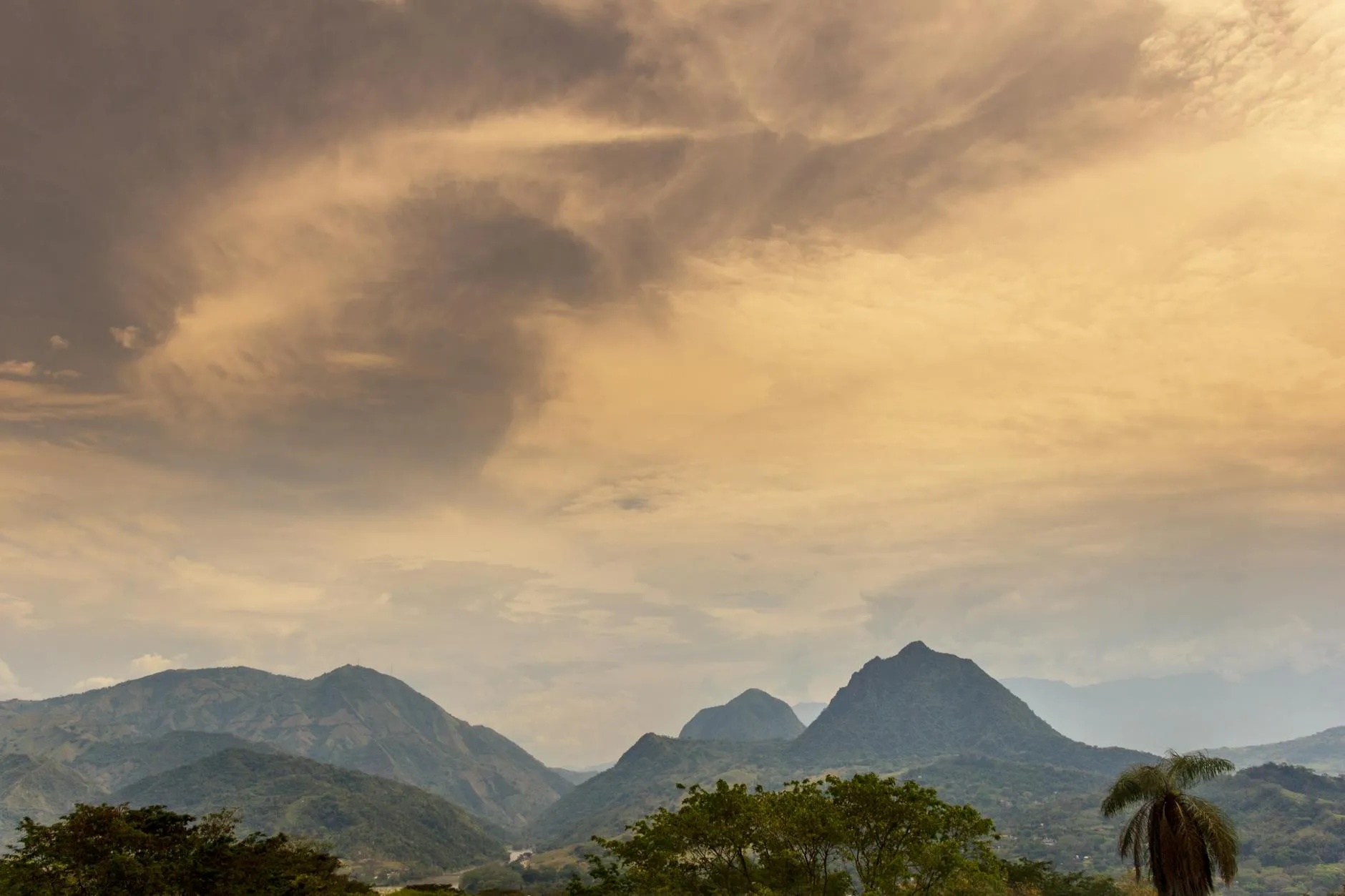
At 2,640 metres in the Andes, Bogotá is one of the world’s highest capitals — a city of 8 million where pre-Columbian gold sits next to street art, colonial churches face glass towers, and the best meal you’ll eat might cost less than a coffee back home. Cool, rainy, chaotic, and deeply cultured.
COP 65,000–820,000+/day (Budget to Luxury)
14°C avg • 2,640m altitude
No visa (90 days) / COP $
Editor’s Note: Tourist Bogota vs Real Bogota
Tourist Bogota is La Candelaria’s colonial streets, the Gold Museum, and maybe a cautious Uber back to a hotel in Zona Rosa. Real Bogota is understanding that this sprawling city of 8 million has reinvented itself more dramatically than almost any Latin American capital.
Twenty years ago, Bogota was considered too dangerous for casual tourism. Today it hosts world-class restaurants, a thriving contemporary art scene, neighborhoods that rival any in South America for vibrancy, and a cultural confidence that comes from genuine transformation rather than tourist marketing.
The city has real problems — traffic is hellish, inequality is stark, and yes, you need to be street-smart in certain areas. But Bogota rewards curiosity. The food scene draws on Colombia’s remarkable biodiversity. The nightlife reflects a population that genuinely loves to dance. And the high-altitude setting (2,640m) gives the city cool, spring-like weather year-round.
Photography Guide — Essential Bogotá Shots
Seven shots that justify the camera weight. Bogotá’s light is harsh midday and luminous at the edges of the day — plan accordingly.
- Museo del Oro Approach Galleries: Photography is prohibited inside the darkened Offering Room itself, but the approach galleries with gold pieces in illuminated cases are permitted. The density of gold in the main hall is the shot — wide lens.
- La Candelaria Street Art (Morning): Calles 10–16 between Carreras 2–5. Soft morning light on the coloured murals. Some pieces span entire building facades; bring a wide angle. Ask before photographing artists at work.
- Monserrate Sunset: From the summit looking west over the city. Arrive 1 hour before sunset. Clear days only — check the webcam first. The shot is the city lights turning on while the Andes go pink behind you.
- Paloquemao Flower Market (6–8am): Colombia is the world’s second-largest flower exporter, and Paloquemao is where the country stages roses, orchids, and tropical flowers before they ship. The colour explosion needs early morning light and a wide angle.
- Plaza de Bolívar (Blue Hour): The Cathedral, Capitol, and Palacio de Justicia illuminated. 20 minutes after sunset. The square empties of pigeons and vendors and the architecture takes over.
- Zipaquirá Salt Cathedral interior: The cross carved in salt, lit purple. The dramatic theatrical lighting is built in — a tripod helps but isn’t essential. Wide lens for the main nave scale.
- Ciclovía Sunday (Mid-morning): The closed Carrera Séptima filled with cyclists, families, and runners. Shoot from an overpass or the elevated portal of any TransMilenio station for the scale.
Top Attractions
| Attraction | Price (COP) | Why Visit |
|---|---|---|
| Museo del Oro | Free Sun / 5,000 other days | 55,000 pre-Columbian gold pieces — the world’s largest gold collection |
| Monserrate | Funicular 35,000 return Mon–Sat | 3,152m pilgrimage mountain with panoramic views over the entire city |
| La Candelaria | Free | Colonial quarter with cobblestones, churches, street art, museums |
| Museo Botero | Free | Botero’s voluptuous art plus Picasso, Dalí, Monet — donated to Colombia |
| Plaza de Bolívar | Free | Heart of the nation — Cathedral, Capitol, Supreme Court, City Hall |
| Museo Nacional | 15,000 foreigners / Free Wed PM & last Sun | Colombia’s oldest museum in a former prison, 20,000 works |
| Jardín Botánico | 5,000 / Tropicario 10,000 foreigners | 19 hectares, 5,000+ plant species, tropical greenhouse, concerts |
| Zipaquirá Salt Cathedral | 125,000 foreigners (Basic) | Underground cathedral carved in a working salt mine, 180m deep |
| Paloquemao Market | Free | Bogotá’s massive wholesale market — flowers, exotic fruits, food stalls |
| Usaquén | Free | Upscale colonial village-within-the-city, Sunday flea market |
| Palacio de Nariño | Free (advance reservation) | Presidential Palace — free guided tours, Changing of the Guard at 3 PM |
| Parque de la 93 | Free | Upscale park surrounded by restaurants and bars in the north |
Museo del Oro — The Gold Museum
The most important museum in Colombia and one of the most remarkable in the Americas. Over 55,000 pieces of pre-Columbian gold — necklaces, masks, ceremonial figures, headdresses — spanning 2,500 years and multiple indigenous cultures (Muisca, Quimbaya, Calima, Zenú, Tairona). The top-floor “Offering Room” dims the lights and illuminates the Muisca Raft — the gold piece that inspired the El Dorado legend. Allow 2–3 hours minimum.
Free on Sundays (arrive early — queues can be long). Other days: COP 5,000 adults. Located in the heart of La Candelaria on Parque Santander. Open Tuesday to Saturday 9 AM–6 PM, Sunday 10 AM–4 PM. Closed Mondays.
Monserrate — The Mountain Above Bogotá
Rising to 3,152 metres (over 500 metres above the city), Monserrate is Bogotá’s defining landmark. At the top: a white 17th-century church (a pilgrimage site for centuries), two restaurants (Casa Santa Clara for fine dining, COP 60,000–100,000; San Isidro for traditional, COP 30,000–50,000), and a panoramic view over the entire 1,587 km² sprawl of Bogotá.
Getting up: the funicular (COP 35,000 return Mon–Sat, COP 21,000 one-way) runs every 15 minutes. The teleférico (cable car) costs the same. Sundays and holidays: COP 21,000 return. Fast Pass to skip the queue: COP 96,500. You can also walk up (free) via a steep 1,500-step trail — allow 1–1.5 hours, start early, and be aware of altitude. The path is crowded on Sundays.
La Candelaria — The Historic Heart
Bogotá’s colonial quarter is compact, walkable, and packed with things to do. Cobblestone streets lined with colourful colonial houses, massive street art murals (some by internationally known artists like DjLu, Toxicómano, and Guache), museums on every block, and churches from the 16th century. Key stops:
- Museo Botero: Free. Fernando Botero donated 123 of his works and 85 pieces by other artists (Picasso, Renoir, Dalí, Monet, Giacometti) to Colombia. Housed in a beautiful colonial building. Allow 1–2 hours.
- Casa de la Moneda: Free. Adjoins Museo Botero. Colombia’s numismatic history — fascinating display of colonial-era coin production.
- Iglesia de San Francisco: Free. Bogotá’s oldest surviving church (1567), extraordinary gold-leafed altar.
- Teatro Colón: Guided tours COP 12,000–15,000. Bogotá’s grand 19th-century Italian-style opera house, restored and gorgeous.
- Museo de la Independencia Casa del Florero: COP 4,000. The house where the 1810 flower-vase incident sparked Colombia’s independence movement.
A free walking tour is the best way to start — several companies operate daily from Plaza de Bolívar. Bogotá Graffiti Tour (free, tip-based) is excellent for the street art scene.
Zipaquirá Salt Cathedral
An underground cathedral carved inside a working halite (salt) mine, 180 metres below the surface. The main nave is enormous — a cross carved from salt, dramatic lighting, Stations of the Cross along tunnels. It’s 49 km north of Bogotá, in the town of Zipaquirá. Entry: COP 125,000 foreigners (Basic Passport), COP 136,000 (Standard, includes extras), COP 164,000 (Premium). Colombians pay COP 75,000–116,000. Children under 4 free. Guided tours included. Allow 2–3 hours for the visit.
Getting there: The Turistren heritage steam/diesel train runs weekends and holidays from Usaquén station (COP 67,000 return including cathedral entry). On other days: TransMilenio to Portal Norte, then bus to Zipaquirá (COP 5,000–8,000, 1 hour), plus taxi or walk (15 min) to the mine entrance. Organised tours from COP 120,000–180,000 per person including transport.
Ajiaco — Bogotá’s Signature Soup
If Medellín has bandeja paisa, Bogotá has ajiaco — a thick chicken soup with three types of potato (criolla, pastusa, and sabanera), corn on the cob, and guascas (a herb unique to this soup). It’s served with a side of rice, avocado, capers, and cream — you add them at the table. The potatoes break down at different rates, creating a naturally thick, starchy broth. It’s comfort food for cold Bogotá afternoons, and it’s been the city’s defining dish for centuries.
Where to Eat Ajiaco
- La Puerta Falsa: Open since 1816 — possibly the oldest restaurant in South America. Tiny, cramped, on a narrow lane off Plaza de Bolívar (Calle 11 #6-50). Ajiaco COP 18,000–25,000. Also famous for tamales bogotanos and chocolate con queso. No reservations, no frills, pure history.
- Sopas de Mamá y Postres de la Abuela: Chain with several locations. Reliable ajiaco from COP 22,000–28,000. The name translates to “Mom’s Soups and Grandma’s Desserts” — and that’s exactly what it delivers.
- Club Colombia: More upscale. Ajiaco COP 35,000–45,000. Central location, beautiful dining room. Their ajiaco is refined but traditional.
- Restaurante La Herencia: La Candelaria. Traditional home-style ajiaco COP 20,000–28,000. Lunch-only, closes early afternoon.
Street Food & Traditional Dishes
| Dish | Price (COP) | What It Is |
|---|---|---|
| Empanadas | 2,000–4,000 | Corn-dough half-moons, fried, filled with meat/potato, served with ají |
| Arepa boyacense | 3,000–6,000 | Sweet wheat arepa stuffed with cheese, from Boyacá but found everywhere |
| Tamales bogotanos | 6,000–12,000 | Corn dough with chicken, pork, rice, wrapped in banana leaves, steamed |
| Changua | 6,000–10,000 | Breakfast soup — milk, water, scallions, poached egg, stale bread chunks |
| Chocolate con queso | 5,000–10,000 | Hot chocolate with a chunk of cheese dunked in — melts into sweet-salty bliss |
| Obleas | 3,000–8,000 | Thin wafers with arequipe (dulce de leche), condensed milk, jam, cheese |
| Fritanga | 15,000–30,000 | Grilled meat platter — chorizo, morcilla, chicharrón, potato, arepa |
| Caldo de costilla | 8,000–15,000 | Rib broth — Bogotá’s traditional hangover cure, breakfast staple |
| Almojábana | 2,000–4,000 | Cheese bread rolls, slightly sweet, perfect with hot chocolate |
| Chicha | 3,000–6,000 | Fermented corn drink — indigenous Muisca origin, earthy and tangy |
Chocolate con Queso — The Drink That Defies Logic
Hot chocolate with cheese is Bogotá’s most polarising tradition. The chocolate is thick, dark, and made from tablets of Colombian cacao whipped until frothy with a molinillo (wooden whisk). The cheese — a fresh, mild queso campesino — is dropped into the cup or served on the side. You dunk it, it melts slightly, and the combination of bitter chocolate and salty cheese is strangely addictive. Try it at La Puerta Falsa or any traditional bakery.
Changua — Bogotá’s Polarising Breakfast
A breakfast soup made of milk, water, scallions, a poached egg, and chunks of stale bread (calado). It sounds wrong but it’s been fuelling bogotanos for centuries. Served steaming hot, usually before 10 AM. Most traditional restaurants and panaderías serve it for COP 6,000–10,000. Some people love it. Others never try it twice. You should try it once.
Coffee Culture
Juan Valdez & Beyond
Juan Valdez is Colombia’s national coffee chain — the Starbucks of South America, but with genuinely good single-origin Colombian coffee. Shops everywhere, americanos from COP 6,000–9,000, lattes from COP 8,000–12,000. It’s not specialty coffee, but it’s solid and it supports Colombian coffee farmers directly through the Federación Nacional de Cafeteros.
Specialty Coffee
Bogotá’s specialty coffee scene has exploded. Third-wave roasters and pour-over bars compete with century-old tintos-on-the-street tradition.
- Azahar Coffee: Multiple locations (Chapinero, Usaquén, Parque 93). Colombian specialty pioneer. Single-origin pour-overs from COP 8,000–15,000. Their farm tours in Huila are legendary.
- Libertario Coffee Roasters: Chapinero. Micro-lot focus. V60 from COP 9,000. Small, serious, excellent.
- Café Cultor: Multiple locations. Direct-trade beans, in-house roasting. Espresso from COP 5,000, V60 from COP 8,000.
- Amor Perfecto: Chapinero. Competition-grade beans. Cup of Excellence coffees available. Pour-over from COP 12,000–20,000.
- Catación Pública: Chapinero. Excellent cuppings (tasting sessions) and filter coffees. Small, knowledgeable, passionate.
Understanding Colombian Coffee Regions
Colombia produces more than 11 distinct coffee profiles depending on department of origin. The big three on Bogotá specialty menus:
- Huila: The most-awarded department. Profiles run fruity, floral, with bright acidity — peaches, jasmine, citrus.
- Nariño: Highest altitudes (1,800–2,300m). Citrus-forward, clean, often with chocolate and tropical-fruit notes.
- Tolima: Balanced and approachable. Caramel, nougat, soft red fruit. Good gateway coffee.
If a Bogotá café shows you the bag with the farmer’s name, the altitude, and the processing method (washed, natural, honey), you’re in the right place.
Coffee Triangle day trip: The Eje Cafetero (Salento, Manizales, Filandia) is a 1-hour flight or 8-hour bus from Bogotá. Worth 2–3 nights minimum. Don’t try as a Bogotá day trip — the travel time eats the whole experience.
Restaurants & Fine Dining
Latin America’s 50 Best
Bogotá consistently places restaurants on the Latin America’s 50 Best list. Colombia does not have Michelin coverage, but these are the city’s internationally recognised restaurants:
- El Chato: #1 on Latin America’s 50 Best 2025. Chef Álvaro Clavijo. Colombian ingredients reimagined — corn, ants, tropical fruit, Amazonian fish. Tasting menu COP 640,000–840,000 (without/with pairing). Chapinero Alto. Book well in advance.
- Leo: By chef Leonor Espinosa, who won World’s Best Female Chef 2022. #23 on LA 50 Best. “Ciclo-bioma” menus exploring Colombia’s biodiversity — Amazon, Pacific, Andes. 12-course tasting COP 210,000, with pairing COP 280,000. La Macarena.
- Afluente: #34 on LA 50 Best. Chef Jeferson García. Inspired by Colombia’s páramos (high-altitude ecosystems). Modern Colombian.
- Humo Negro: #41 on LA 50 Best. Chef Jaime Torregrosa Correa. Small plates with Latin American, Nordic, and Japanese fusion.
- Salvo Patria: Chapinero. More accessible price point. Market-driven Colombian menu. Mains COP 35,000–55,000. Great for a special lunch.
- Criterión: Bogotá’s classic fine dining. French-Colombian, elegant, Parque 93. Mains COP 55,000–95,000. Tasting menu from COP 250,000.
Andrés Carne de Res — The Restaurant That’s Also a Club
Andrés Carne de Res is not just a restaurant — it’s a Colombian institution and arguably the most famous restaurant in the country. The original is in Chía, 45 minutes north of Bogotá: a sprawling, multi-level complex decorated in maximalist Colombian kitsch — folk art, religious icons, mirrors, hanging bicycles, neon. The food is excellent (grilled meats, Colombian dishes, COP 40,000–80,000 for mains), but the experience is the point. On weekends after 10 PM it transforms into a dance club — salsa, cumbia, reggaeton — and doesn’t stop until 3 AM. The Bogotá location (Andrés DC, Zona T) is more accessible but less wild.
Book ahead for weekends. Cover charge COP 60,000 after 7–8 PM (COP 20,000 before). Budget COP 80,000–150,000 per person for food and drinks. Tour packages including transport: ~$101 USD. The Bogotá location (Andrés DC on Calle 82) is more accessible but less legendary.
Budget Eating
- Corrientazo: Bogotá’s “menú del día” — soup, main course (rice, beans, meat, plantain, salad), juice. COP 10,000–16,000. Available everywhere at lunch.
- La Perseverancia market: Traditional neighbourhood market with food stalls. Ajiaco, tamales, fritanga. Meals COP 10,000–20,000.
- Paloquemao Market: Bogotá’s largest market. Fruit smoothies COP 3,000–6,000, empanadas COP 2,000–3,000, full meals at food stalls COP 12,000–20,000.
- Bakeries (panaderías): Pan de bono, almojábanas, buñuelos from COP 1,500–3,000. Paired with hot chocolate: COP 5,000–8,000.
Regional Food (Beyond Bogotá)
Bogotá is the country’s gastronomic crossroads — every Colombian region’s signature dish ends up here.
- Bandeja paisa: The Antioquia mountain feast — beans, rice, chicharrón, chorizo, fried egg, plantain, avocado, arepa. Best at Mi Tierra (Chapinero) or Andrés Carne de Res.
- Arepa de huevo: Caribbean coast street food — fried corn dough stuffed with a whole egg. COP 4,000–8,000 from any street vendor near Plaza de Bolívar.
- Sancocho: The all-Colombia stew — chicken or beef, plantain, yuca, corn, cilantro. Sunday lunch institution. Try at La Puerta de la Catedral or Patio del Carmen.
- Cazuela de mariscos: Pacific-coast seafood stew with coconut milk. Donostia (Chapinero) does an excellent Bogotá interpretation.
More Bogotá Restaurants Worth Booking
Mesa Franca (Chapinero): Tapas-style sharing plates and a Latin America’s 50 Best Bars listing. Serious cocktail programme. Reservation essential weekends.
Prudencia (La Candelaria): Set tasting menu, COP 95,000–130,000, in a colonial house. Lunch only, Wednesday–Saturday. Books out.
Villanos en Bermudas (Usaquén): Latin America’s 50 Best alumni. Tasting menu COP 280,000–420,000 with Colombian wine pairings. Two seatings only.
Neighbourhoods
La Candelaria — Historic Centre & Backpacker Base
Bogotá’s colonial heart and budget traveller hub. Narrow streets, colourful buildings, hostels, museums (Gold Museum, Botero, Casa de la Moneda), street art everywhere. It’s where most visitors start. During the day it’s lively and fascinating. After dark, exercise caution — the side streets can be sketchy. Most hostels are on well-lit main streets and the walk between them and restaurants is fine, but avoid wandering deserted blocks.
Hostels from COP 30,000–60,000/night. The social scene is strong — most hostels have bars, free walking tours depart daily.
Chapinero — Where Bogotá Eats
North of La Candelaria, across Calle 39, Chapinero is Bogotá’s culinary and cultural epicentre. It’s divided into sub-zones:
- Zona G (Gourmet): Bogotá’s restaurant row. Criterión, El Chato, Harry Sasson, and dozens more. This is where the money eats.
- Chapinero Central: More eclectic. Vintage shops, craft coffee, indie bars. The heart of Bogotá’s LGBTQ+ scene — Theatrón (one of the largest LGBTQ+ clubs in the world, 13 themed rooms) is here.
- Chapinero Alto: Residential, hilly, quieter. Great Airbnb base. Close to Monserrate hiking trails.
Usaquén — The Upscale Village
Once a separate town, now absorbed into northern Bogotá. Colonial architecture, cobblestone streets, boutique shops, and the famous Sunday flea market (Mercado de las Pulgas de Usaquén) — antiques, handicrafts, street food, live music, from 9 AM to 5 PM. The rest of the week it’s a quiet, upscale neighbourhood with excellent restaurants. The Turistren heritage train departs from Usaquén station for Zipaquirá on weekends.
Zona Rosa/Zona T — Nightlife & Shopping
The T-shaped pedestrian area around Carreras 12 and 13 with Calles 82 and 83. Shopping malls (Andino, El Retiro, Atlantis), restaurants, and nightclubs. This is Bogotá’s mainstream nightlife zone — bars, clubs, lounge bars. It’s safe, commercial, and expensive by Colombian standards. Club covers COP 30,000–80,000, cocktails COP 25,000–45,000.
La Macarena — The Bohemian Quarter
A small, walkable neighbourhood between La Candelaria and Chapinero, at the foot of the eastern mountains. Art galleries, independent restaurants, wine bars, theatres. Less touristy than Candelaria, more affordable than Zona G. Chef Leonor Espinosa’s Leo is here. Mains at neighbourhood restaurants: COP 25,000–45,000.
Teusaquillo — Architecture & Parks
An art deco and Republican-architecture neighbourhood centred around Parque Simón Bolívar (Bogotá’s Central Park, 113 hectares). Beautiful tree-lined streets, a growing café scene, and the Jardín Botánico (free entry). Less discovered by tourists, loved by architecture nerds.
Quinta Camacho — The Up-and-Coming
Between Chapinero and Zona G. English Tudor-style houses (built by British expats in the 1930s–40s) now converted into restaurants, bars, and boutiques. It’s compact, walkable, and trendy without being pretentious. Look for craft cocktail bars and small galleries.
Street Art & Graffiti
Bogotá is one of the world’s great street art cities. What started as illegal graffiti has been largely decriminalised since 2011 (after a controversial shooting of a graffiti artist by police). Today, entire building facades in La Candelaria, Chapinero, and beyond are covered in murals — political commentary, indigenous imagery, surrealism, and pure aesthetic beauty.
Bogotá Graffiti Tour
The most popular street art experience in the city. A free, tip-based walking tour (typically 2.5 hours) led by artists and art historians. Departs daily from Parque de los Periodistas in La Candelaria. The tour explains the stories, politics, and techniques behind the murals. Artists covered include DjLu (geometric masks), Toxicómano (psychedelic political art), Guache (indigenous-inspired), and international names like Banksy-influenced stencil artists.
Key murals change frequently — that’s the nature of street art — but the La Candelaria concentration between Calles 10 and 16 and Carreras 2 and 5 is always dense with quality work. The Calle 26 corridor (the road to the airport) also has massive, high-profile murals visible from the TransMilenio.
Museums & Culture
Free Museums
Bogotá offers extraordinary free cultural access — many top museums are free all the time or on specific days:
- Museo Botero: Free always. 208 works including Botero, Picasso, Dalí, Renoir, Monet.
- Museo del Oro: Free on Sundays. COP 5,000 other days.
- Museo Nacional: Free on Sundays. COP 6,000 other days.
- Museo de Arte Miguel Urrutia (MAMU): Free always. Bank of the Republic’s contemporary art collection. Excellent temporary exhibitions.
- Casa de la Moneda: Free always. Colonial coin-making history.
- Museo de la Independencia: COP 4,000 (negligible). Independence history.
- Jardín Botánico: Free always. 19 hectares, 5,000+ species.
Performing Arts
- Teatro Colón: Bogotá’s grand opera house. Guided tours COP 12,000–15,000. Performances range from COP 30,000–200,000.
- Teatro Jorge Eliécer Gaitán: Named after the assassinated liberal leader. Concerts, dance, theatre. Tickets from COP 20,000.
- Biblioteca Luis Ángel Arango: One of the world’s busiest public libraries. Free exhibitions, concerts (the concert hall has outstanding acoustics), and reading rooms. In La Candelaria.
More Museums & Art Spaces
MAMBO (Museo de Arte Moderno): Bogotá’s modern art museum — strong contemporary Latin American collection, often more interesting than the Botero crowds. Centro Internacional, COP 12,000.
Museo Santa Clara: A deconsecrated 17th-century church-turned-museum. The interior is covered floor to ceiling with baroque religious art — one of the most overlooked spaces in La Candelaria. COP 4,000.
San Felipe gallery district: The Friday-night gallery walk on the first Thursday of each month is when the contemporary scene actually meets. Galleries open free, openings serve drinks.
NC-Arte (La Macarena): Independent contemporary gallery in a converted house. Rotating exhibitions, free entry. The neighbourhood — La Macarena — has a half-dozen more small spaces worth a stroll.
Markets & Shopping
Paloquemao Market
Bogotá’s central wholesale market is an assault on the senses in the best way. A massive covered market selling everything from exotic fruits (try uchuva, feijoa, lulo, granadilla, curuba, mamoncillo) to flowers (Colombia is the world’s second-largest flower exporter and Paloquemao is where they come from). The flower section alone is worth the visit — roses for COP 5,000 a dozen. Go early morning (6–9 AM) for peak activity. Food stalls serve breakfast (ajiaco, tamales, caldos) from COP 5,000–12,000.
Usaquén Sunday Market
Every Sunday from 9 AM to 5 PM, the colonial streets of Usaquén fill with artisan stalls — handmade jewellery, leather goods, mochilas wayúu, pottery, paintings, and vintage finds. Street food vendors sell arepas, empanadas, and craft beer. Live music adds atmosphere. It’s touristy but the quality is generally good and it’s free to browse.
San Alejo Flea Market
Every Sunday at Parque de Usaquén and near Museo Nacional. Antiques, vintage vinyl records, books, crafts. Smaller and more curated than the main Usaquén market. From 8 AM.
Shopping for Souvenirs
- Mochilas wayúu: Handwoven bags from the Wayúu people. Authentic ones: COP 80,000–300,000+. Available at markets and craft shops.
- Colombian coffee: Buy single-origin beans from specialty roasters (Azahar, Café Cultor). COP 25,000–60,000 per 250g bag.
- Emeralds: Colombia produces 70% of the world’s emeralds. Buy from reputable dealers on Carrera 6 between Calles 12 and 13 (the “Emerald District”). Get certification. Prices vary enormously — expect to negotiate.
- Artesanías de Colombia: Government-backed craft shop (El Retiro mall). Fair-trade, quality guaranteed, higher prices but authentic.
More Shopping Areas
Barrio Restrepo: Bogotá’s leather district. Belts, jackets, handbags at workshop prices — the same quality you’ll see in upscale Zona T boutiques at a quarter of the price. Negotiate.
San Victorino: Wholesale district near Plaza Bolívar. Chaotic, cheap, not for the faint-hearted — but the place where local market vendors actually buy.
Centro Comercial Andino & Atlantis Plaza (Zona T): If you want air-conditioned international malls with the usual luxury brands and food courts, these are the two. Andino is the older institution; Atlantis is newer and louder.
Ciclovía — The World’s Largest Car-Free Event
Every Sunday and public holiday from 7 AM to 2 PM, Bogotá closes 128 km of roads to cars and opens them to cyclists, runners, walkers, skaters, and dogs. It’s the world’s largest and oldest ciclovía — running since 1974 — and over 1.5 million bogotanos participate every week. The main route runs from Usaquén in the north through Parque Nacional and La Candelaria to the south.
Free bikes are available at some stations, but most people bring their own or rent from shops near the route (COP 10,000–20,000 for a few hours). Along the route, street vendors sell empanadas, fruit, and juice. It’s the single best thing you can do on a Sunday in Bogotá.
Sports & Mountain Activities
Football: Bogotá’s big two are Millonarios (the most successful club in Colombian history) and Independiente Santa Fe. Both play at Estadio El Campín. Tickets COP 30,000–120,000 depending on the match — buy through official club apps to avoid scalpers.
Quebrada La Vieja hike: A free 2-hour mountain trail that starts in Chapinero Alto and climbs into the cloud forest above the city. Pre-registration required (free, online via the city’s ambiental portal). Open Tuesday–Sunday, 5am–10am only — start before 7am for cloud-free views over the city.
Sumapaz Páramo: The world’s largest páramo (high-altitude wetland ecosystem) sits 2 hours south of Bogotá. Day tours run COP 250,000–400,000 per person. Surreal landscapes, frailejones (giant rosette plants), 3,500m altitude — not for first-day visitors.
Nightlife & Entertainment
Andrés Carne de Res (see Restaurants section)
The legendary Chía location is as much a nightclub as a restaurant after 10 PM on weekends.
Theatrón
One of the largest LGBTQ+ nightclubs in the world — 13 themed rooms (from reggaeton to techno to crossover to live shows) in a converted warehouse complex in Chapinero. Open Friday and Saturday nights, cover COP 30,000–60,000. It’s inclusive and everyone is welcome regardless of orientation. Capacity: 5,000+ people. The production values (lighting, sound, performers) rival any major club globally.
Salsa, Cumbia & Vallenato
Bogotá isn’t Cali for salsa, but it has strong venues:
- Quiebracanto: La Macarena. Live salsa, son cubano, boleros. Intimate, soulful. Cover COP 20,000–30,000.
- Galería Café Libro: Chapinero. Jazz, son, world music. Live acts most nights. Cover COP 15,000–30,000.
- Gaira Musidrama: Owned by Carlos Vives. Live cumbia, vallenato, salsa. Dinner and show from COP 80,000–120,000.
- La Negra: Zona T. Late-night dancing, mixed music. Cover COP 25,000–40,000.
Rum & Aguardiente
Like Medellín, Bogotá runs on aguardiente — the anise-flavoured national spirit. The Cundinamarca version (Néctar) is sweeter than Antioqueño. Shots COP 5,000–10,000 in bars. Colombian rum (Ron Viejo de Caldas, Ron Medellín, Dictador) is excellent and underrated globally — smooth, aged, and far cheaper than Caribbean rums. A bottle of Dictador 12 Year: COP 60,000–80,000 in shops, significantly more abroad.
For cocktails, Bogotá’s scene has matured rapidly. Huerta Bar (cocktails COP 25,000–45,000, ingredients from their rooftop garden), Café Bar Demente (Chapinero, cocktails COP 20,000–35,000), and Vintrash (sustainable cocktails in recycled glassware, COP 18,000–30,000) are standouts.
Craft Beer
Colombia’s craft beer scene centres on Bogotá:
- Bogotá Beer Company (BBC): The original Colombian craft brewery. Multiple locations. Pints COP 14,000–20,000. Their Chapinero Porter and Cajicá miel are standards.
- Cervecería Colón: Centro. Brewpub with 10+ house beers. Pints COP 12,000–16,000.
- Statua Rota: Chapinero. Micro-brewery, experimental flavours. Pints COP 14,000–18,000.
- The Pub: Usaquén and other locations. UK-style pub with a good craft selection. Pints COP 14,000–22,000.
More Nightlife Worth Knowing
Armando Records (Chapinero): Rooftop bar/club, electronic and indie, Friday/Saturday peaks at 2am. Cover COP 30,000–50,000. The terrace view of Bogotá is the calling card.
BBC (Bogotá Beer Company): The local craft brewery’s flagship Usaquén location. Live music most weekends, decent food, locals and expats.
Vintrash (Chapinero): Tuesday night is “Gringo Tuesdays” — Latin/English dance class then a party. The easiest soft entry into Bogotá nightlife if you don’t know anybody.
Son de Lucho (La Candelaria): Live salsa orquesta most weekends. Real dance floor, real dancers, no tourist concessions. Show up at 10pm minimum.
Day Trips from Bogotá
Villa de Leyva — Colonial Time Capsule
A beautifully preserved colonial town 3.5 hours from Bogotá, with one of the largest plazas in South America (14,000 m², all cobblestone). White-washed buildings, fossil sites (a 120-million-year-old kronosaurus fossil), pottery villages, and desert landscapes. Worth an overnight stay but doable as a long day trip. Bus from Terminal de Transportes: COP 35,000–50,000 each way, 3.5–4 hours.
Lake Guatavita — The El Dorado Legend
The sacred Muisca lake where, according to legend, the chieftain coated himself in gold dust and dove into the water — the origin of the El Dorado myth. The lake is beautiful but the experience is more about the story and the landscape than the lake itself (you can’t swim in it). Entry via guided walks only: COP 20,000–25,000 per person. Get there by bus to the town of Guatavita Nueva (COP 12,000–15,000, 2 hours from Portal Norte), then taxi or walk (4 km) to the lake entrance.
Suesca — Rock Climbing
Colombia’s premier rock climbing destination, 1.5 hours north of Bogotá. Limestone cliffs with 400+ climbing routes for all levels. Day trips with gear and guide from COP 100,000–180,000 per person. Non-climbers can hike to the cliffs and watch. The town of Suesca itself is sleepy and pleasant. Bus from Portal Norte: COP 8,000–12,000.
Chingaza National Park
A páramo (high-altitude moorland) ecosystem at 3,000–4,000m, with frailejones (endemic rosette plants), spectacled bears, and stunning lagoons. Essential for the water supply of Bogotá. Must be accompanied by a licensed guide (mandatory). Maximum 50 visitors per day. Organised tours from COP 475,000 per person (2-person minimum) including transport and guide. Advance reservation required at the Parques Nacionales website. Dress for cold and wind — this is above 3,000m.
Choachí Hot Springs
Natural hot springs (Termales de Santa Mónica) about 1.5 hours from Bogotá, over the mountains via a scenic road. Entry COP 40,000–55,000 (weekday/weekend). Multiple pools at different temperatures. Perfect after a Monserrate hike or a rainy Bogotá day. Taxi from Bogotá: COP 60,000–80,000 one way (negotiate a wait-and-return deal).
Getting Around
TransMilenio — The BRT System
Bogotá’s Bus Rapid Transit system is the backbone of the city’s public transport. Red articulated buses run on dedicated lanes across the city. It’s fast, cheap, and covers vast distances. Single fare: COP 3,550 with a Tullave card (rechargeable, COP 6,000 for the card — increased 10.9% in January 2026). Tullave Plus (personalised) includes free transfers within 125 minutes. TransMiPass: COP 160,000 prepaid for 65 trips.
The reality: TransMilenio is brutally crowded during peak hours (7–9 AM, 5–7 PM). If you can avoid rush hour, the system works well. Off-peak and weekends, it’s genuinely pleasant. Key tourist routes: Portal Norte (for Zipaquirá buses), Portal 80, and stations near La Candelaria.
SITP Buses
The blue SITP (Sistema Integrado de Transporte Público) buses cover routes not served by TransMilenio. Same Tullave card, same COP 3,550 fare. They’re slower but go everywhere. Google Maps routes work reasonably well for SITP planning.
TransMiCable
Bogotá’s cable car system, inspired by Medellín’s Metrocable. The Ciudad Bolívar TransMiCable connects southern hillside communities. It’s primarily for residents but offers tourists extraordinary views of Bogotá from above. Same COP 3,550 fare with Tullave card. A second line in San Cristóbal Sur (3 stations) expected to start operating in 2026.
Metro Line 1 — Under Construction
Bogotá’s first metro line — 80+ years in the making — is under construction and 75.5% complete as of April 2026. When operational (estimated first half 2028), it will run 23.96 km with 16 stations across 7 districts. It will be the longest single elevated metro line in Latin America. All 30 trains expected in the country by October 2026. For now, TransMilenio remains the city’s mass transit solution.
Taxis & Ride-Hailing
Yellow taxis are metered — flag drop (banderonazo) COP 4,500, minimum fare COP 8,000. Night/Sunday/holiday surcharge COP 3,800. Always ensure the meter is running. From La Candelaria to Zona T: COP 15,000–25,000. Airport surcharge: COP 8,000 additional. Taxi to airport: COP 60,000–80,000.
Uber operates in a legal grey area. DiDi and InDriver are alternatives. Uber/DiDi fares are usually 10–20% cheaper than taxi meters. InDriver lets you negotiate.
Airport — El Dorado (BOG)
El Dorado is within the city, about 12 km from La Candelaria and 15 km from Zona T. Options:
- TransMilenio: FREE feeder shuttle from Terminal 1 Exit 6 to Portal El Dorado, then TransMilenio into the city (COP 3,550). Total: 40–60 minutes. Cheapest option.
- Official airport taxis: COP 60,000–80,000 to La Candelaria/centre. Buy a fixed-price ticket at the taxi counter inside arrivals.
- Uber/DiDi: COP 40,000–100,000 depending on demand. Meet at the departure level.
Ready to Book Your Bogotá Trip?
Find the best flight deals to El Dorado (BOG)
Sample Itineraries
Day 1: La Candelaria & Gold
- 9:00 AM: Plaza de Bolívar — Cathedral exterior, Government Palace, Capitol
- 9:30 AM: Museo del Oro (2.5 hours — don’t rush the Offering Room)
- 12:00 PM: Walk to Museo Botero + Casa de la Moneda (free, 1.5 hours)
- 1:30 PM: Lunch at La Puerta Falsa (ajiaco, since 1816)
- 3:00 PM: Bogotá Graffiti Tour (free, tip-based, 2.5 hours from Parque de los Periodistas)
- 5:30 PM: Chorro de Quevedo — chicha and street performers
- 7:00 PM: Uber to Chapinero. Dinner at Salvo Patria or El Chato (book ahead)
- 10:00 PM: Cocktails at Huerta Bar or Café Bar Demente
Day 2: Mountain + Markets
- 7:00 AM: Monserrate funicular (first car, clear morning, sunset backup plan if cloudy)
- 9:30 AM: Descend. Uber to Paloquemao Market (flower section + fruit smoothie + breakfast)
- 12:00 PM: Lunch at La Perseverancia market (corrientazo, COP 12,000)
- 2:00 PM: Museo Nacional (2 hours)
- 4:30 PM: Walk to Parque de la 93 area
- 6:00 PM: Specialty coffee at Azahar (Parque 93 location)
- 8:00 PM: Dinner in Zona G — Criterión for fine dining or Andrés DC for the experience
- 11:00 PM: Zona T bars if you have energy
Day 3: Day Trip
- 7:30 AM: Turistren to Zipaquirá (weekends) OR TransMilenio + bus (weekdays)
- 10:00 AM: Salt Cathedral (2–3 hours)
- 1:00 PM: Lunch in Zipaquirá town
- 3:00 PM: Return to Bogotá
- 4:30 PM: Usaquén (Sunday flea market if timing works)
- 7:00 PM: Farewell dinner at Leo (book 2+ weeks ahead, COP 210,000 tasting)
5-Day Deep Dive
Days 1–3 as above, plus:
Day 4: Culture + Coffee
- 8:00 AM: Ciclovía if Sunday (rent a bike, ride north)
- 10:00 AM: Coffee crawl — Libertario → Café Cultor → Amor Perfecto (Chapinero)
- 1:00 PM: Lunch at Villanos en Bermudas (Usaquén)
- 3:00 PM: Jardín Botánico (free) + Tropicario (COP 10,000)
- 6:00 PM: San Felipe gallery walk (first Thursday of month for openings)
- 9:00 PM: Theatrón (Friday/Saturday, 13 rooms, COP 30,000–60,000 cover)
Day 5: Deep Colombia
- Option A: Lake Guatavita (El Dorado legend, half day) + La Calera sunset dinner
- Option B: Chingaza National Park (full day, book guide in advance, COP 475,000)
- Option C: Villa de Leyva (long day or overnight — colonial town, fossils)
- Evening: Quiebracanto for live salsa farewell
Bogotá as a Colombia Gateway
Most international visitors arrive at El Dorado, making Bogotá the natural starting point for exploring Colombia. Key domestic connections:
- Medellín: 1-hour flight from COP 100,000, or 8–10 hour bus COP 60,000–90,000. City of Eternal Spring, Comuna 13, bandeja paisa.
- Cartagena: 1.5-hour flight from COP 120,000, or 18+ hour bus. Caribbean colonial city, beaches, nightlife.
- Santa Marta/Tayrona: 1.5-hour flight to Santa Marta. Gateway to Tayrona National Park and Ciudad Perdida trek.
- Cali: 1-hour flight from COP 100,000. Salsa capital of the world.
- Coffee Triangle (Pereira/Armenia/Manizales): 30-minute flights or 8-hour bus. Coffee fincas, Valle de Cocora’s wax palms, Salento.
- San Andrés: 2-hour flight from COP 150,000+. Caribbean island with sea of seven colours.
Domestic airlines: Avianca (flag carrier), LATAM Colombia, Wingo (budget), JetSMART (ultra-low-cost). Book 2–4 weeks ahead for the best fares.
Altitude & Climate
Dealing with 2,640 Metres
Bogotá sits at 2,640 metres (8,660 feet) — significantly higher than Denver, Mexico City, or Medellín. Most visitors notice the altitude: shortness of breath on stairs, headaches, fatigue, and occasionally nausea. It’s rarely dangerous but it’s uncomfortable. Tips:
- Take it easy the first day. No Monserrate hike on arrival.
- Drink lots of water.
- Limit alcohol the first night — it hits harder at altitude.
- Coca tea (agua de coca) is available and helps with symptoms. It’s legal in Colombia.
- If you’re coming from Medellín (1,495m), you’ll still notice the jump.
Weather
Bogotá averages 14°C year-round (57°F). It feels like perpetual autumn. Rain can happen any time but is most likely in the afternoon, especially March–May and September–November. Layers are essential — mornings can be cold (8°C), midday sunny (20°C), and evenings rainy and chilly again. Always carry a rain jacket.
Safety & Practical Tips
- La Candelaria: Safe during the day, exercise caution after dark on quiet streets.
- Chapinero, Usaquén, Zona T, Parque 93: Generally safe day and night, normal precautions.
- Use Uber/DiDi after dark rather than hailing street taxis (unlicensed taxis exist).
- Scopolamine (burundanga): Same risk as Medellín. Never accept drinks from strangers.
- Don’t flash valuables — keep phones discreet, don’t wear expensive watches.
- TransMilenio: Watch for pickpockets during rush hour.
Budget Guide
| Category | Budget (COP/day) | Mid-Range | Luxury |
|---|---|---|---|
| Accommodation | 30,000–60,000 (hostel) | 150,000–300,000 (hotel) | 450,000–1,200,000+ (boutique) |
| Food | 25,000–45,000 | 70,000–130,000 | 180,000–450,000+ |
| Transport | 6,000–12,000 (TransMi) | 25,000–50,000 (TransMi+taxi) | 70,000–120,000 (taxi/Uber) |
| Activities | 0–25,000 | 40,000–100,000 | 120,000–350,000+ |
| Total | 65,000–140,000 | 285,000–580,000 | 820,000–2,120,000+ |
| Approx USD | $18–38 | $78–159 | $225–581+ |
When to Visit
Month-by-Month Weather
| Month | High/Low | Rain Days | Key Notes |
|---|---|---|---|
| January ⭐ | 19/7°C | 5 | Dry season. Pleasant. Good for outdoor activities. |
| February ⭐ | 19/8°C | 6 | Dry. Carnival atmosphere building. |
| March | 19/9°C | 10 | Rainy season begins. Teatro Iberoamericano festival (biennial). |
| April 🌧️ | 19/9°C | 14 | WETTEST. Afternoon rain almost daily. FILBo book fair. |
| May 🌧️ | 18/9°C | 14 | Very wet. May 25 (national holiday). Budget-friendly. |
| June ⭐ | 18/8°C | 9 | Dry season returns. Rock al Parque month approaches. |
| July ⭐ | 18/7°C | 7 | DRY. Independence Day (Jul 20). Good visiting. |
| August ⭐ | 18/7°C | 7 | Dry. Carnaval de Bogotá. Cometa (kite) festival. |
| September | 18/8°C | 10 | Rainy season returns. Jazz al Parque (free). |
| October 🌧️ | 18/9°C | 14 | Wet. Rock al Parque (Oct 10–12, 30th anniversary, free). |
| November | 18/9°C | 12 | Wet. Salsa al Parque (free). Transition to dry. |
| December ⭐ | 19/8°C | 7 | Dry. Christmas lights (Alumbrados). Holiday atmosphere. |
Bogotá’s temperature barely changes year-round (14°C average) — the difference is rain vs dry. Always carry a rain jacket regardless of month. Source: IDEAM (Instituto de Hidrología, Meteorología y Estudios Ambientales) climate data.
Bogotá averages 14°C year-round — there are no seasons in the tropical sense, only wet and dry periods:
- Dry seasons (best weather): December–February and June–August. More sunshine, less rain, ideal for outdoor activities. These are also the busiest tourist periods.
- Wet seasons: March–May (wettest) and September–November. Afternoon showers are common — sometimes heavy — but mornings are usually clear. Lower prices, fewer crowds.
- Peak events: Festival Iberoamericano de Teatro (April 2026, biennial), Semana Santa (March/April), Rock al Parque (June/July), Feria del Libro (April/May).
- Christmas lights (Alumbrados): December — Bogotá puts on impressive displays throughout the city.
Pack layers always. Bogotá mornings can be 8°C, midday sun can feel warm (20°C), and evening rain brings the temperature right back down. A rain jacket is essential year-round.
2026 Updates
- TransMilenio fare: COP 3,550 with Tullave card (10.9% increase from January 2026).
- Metro Line 1: 75.5% complete (April 2026). Opening: first half 2028. 23.96 km, 16 stations.
- TransMiCable: Ciudad Bolívar operational since 2018. San Cristóbal Sur line (3 stations) expected 2026.
- Check-Mig: Mandatory free online pre-registration form, 1–72 hours before flight.
- Colombia visa-free: 90 days for most Western nationals, extendable once for another 90 days.
- Digital Nomad Visa: Available — minimum income COP 5,252,715/month (~USD 1,400). Valid up to 2 years.
- Exchange rate: USD 1 ≈ COP 3,650–3,700 (April 2026). Peso strengthened ~16% over 12 months.
- Other free festivals: Salsa al Parque (Nov 28–29), Hip Hop al Parque (Oct 24–25), Jazz al Parque (Sep 12–13). All free, all in public parks.
- Ciclovía: Every Sunday and public holiday, 7 AM–2 PM, 128 km of car-free roads. Free.
- Airport: El Dorado expansion ongoing. Allow extra time for construction-related delays.
- Tipping: 10% “propina voluntaria” added to bills at restaurants. Voluntary — you can decline.
Hidden Bogota
Cemetery of Bogota (Cementerio Central)
The final resting place of Colombian presidents, artists, and writers. Neoclassical architecture, elaborate mausoleums, and a peaceful escape from the city noise. Free to enter, respectful behavior required.
Quinta de Bolivar
Simón Bolívar’s house in the foothills below Monserrate. Beautiful colonial estate, well-curated museum, and surprisingly uncrowded. COP 4,000.
Bogota with Kids
Bogota isn’t an obvious family destination, but it has excellent options for children — many of which locals use and tourists overlook.
Top Family Attractions
Maloka: Interactive science museum in Salitre. Hands-on exhibits, planetarium shows, and the kind of engaging science education that kids love. COP 35,000-45,000 adults, discounts for children. Allow 3-4 hours.
Parque Mundo Aventura: Amusement park with rides for all ages. Not Disney-level, but the roller coasters and water rides satisfy. COP 62,000-75,000 for all-access wristband. Weekdays are less crowded.
Salitre Mágico: Another amusement park near Maloka. Smaller than Mundo Aventura but has options for younger children.
Bogotá Botanical Garden (Jardín Botánico): Peaceful escape from city chaos. Walking paths, lakes, greenhouses, and educational programs. COP 5,500 adults, children under 4 free.
Free Kid-Friendly Activities
Ciclovía: Every Sunday, 128km of roads close to traffic and open to bikes, runners, and pedestrians. Kids can safely bike through the city. Bike rentals available along the route.
Parque Simón Bolívar: The Central Park of Bogota. Huge green space, playgrounds, lake boats, and space to run. Safe during daylight hours.
Gold Museum: Free on Sundays. The interactive children’s section makes pre-Colombian history accessible for younger visitors.
Rainy Day Options
Biblioteca Virgilio Barco: Architecturally stunning public library with children’s sections and reading programs. Free, clean facilities.
Centro Comercial Hacienda Santa Barbara: Mall with indoor play areas and family-friendly restaurants.
Romantic Bogota
Date Night Restaurants
Leo: Virgilio Martínez’s sister restaurant, showcasing Colombian biodiversity through stunning tasting menus. COP 210,000-280,000 per person. Intimate setting, world-class food.
Mini-Mal: In La Macarena. Creative Colombian with beautiful presentation. Less formal than Leo, equally romantic.
Cacio e Pepe: Italian in Usaquén. Candle-lit, intimate, excellent pasta. Traditional date-night choice.
Sunset & Views
La Calera: Mountain town 30 minutes from Bogota with restaurants overlooking the city lights. Go for sunset drinks and dinner. Andrés Carne de Res has a location here.
Monserrate: Time the funicular to arrive for sunset views over the city. The restaurant at the top is overpriced but the views are free.
Rooftop Bars: The Click Clack Hotel rooftop offers views without the altitude drive. B.O.G. Hotel has a sophisticated bar scene.
Boutique Hotels
Hotel Casa Legado: La Macarena. Colonial house conversion with beautiful rooms and intimate courtyard.
The Click Clack Hotel: Design-forward, excellent restaurant (Prudencia), and that rooftop.
Hotel de la Opera: La Candelaria. Historic building, central location, colonial charm.
Events & Festivals 2026
Major Events
Carnaval de Bogotá (August): Week-long celebration with parades, concerts, and street parties. The city’s birthday party, essentially.
Rock al Parque (October 10-12): Free outdoor rock festival in Parque Simón Bolívar. One of Latin America’s largest free concerts. The 30th anniversary in 2026 promises a special lineup.
Teatro Iberoamericano (March 20 – April 5): Biennial international theatre festival. Performances throughout the city.
FILBo – Feria Internacional del Libro (April 21 – May 4, 2026): International book fair, the largest cultural event in Colombia. India is the 2026 guest country. At Corferias. Over 600,000 visitors. Tickets COP 8,000-12,000.
Monthly Events
Art Walks (First Thursdays): San Felipe galleries open late with wine and openings.
Ciclovía (Every Sunday): The weekly transformation of the city.
Usaquén Sunday Market: Crafts, food, and crowds.
Pricing, festival dates, and transport costs reflect data verified in April 2026 via the official sources linked throughout this guide. Travel costs are subject to annual adjustments — attractions and transport authorities typically refresh prices each spring. We recommend confirming real-time prices and booking windows via the authority links in each section before your trip. Where this guide references Michelin stars, the data reflects the most recent edition of the relevant Michelin Guide at time of publication.
Getting to Bogotá from Europe
Bogotá’s El Dorado Airport (BOG) has direct flights from Madrid (Avianca, ~10 hours), Amsterdam (KLM), Frankfurt (Avianca), Paris (Air France), London (Avianca, starting 2024), and Istanbul (Turkish Airlines). It’s one of the best-connected airports in Latin America.
From Bogotá, domestic flights reach Medellín in 1 hour (from COP 100,000), Cartagena in 1.5 hours, and Cali in 1 hour. Bus connections to major cities are also available from the Terminal de Transportes.
Data Provenance & Verification
- Attraction Pricing: Verified via official museum/site websites, April 2026
- Restaurant Pricing: Per Latin America’s 50 Best 2025 and direct menu checks, March–April 2026
- Transit Fares: Verified via TransMilenio/SITP official fares (COP 3,550, January 2026 increase), April 2026
- Exchange Rate: USD 1 ≈ COP 3,650–3,700 per XE.com, April 2026
- Weather: Based on IDEAM (Instituto de Hidrología, Meteorología y Estudios Ambientales) climate data
- Metro Line 1: Construction status per Metro de Bogotá official reports — 75.5% complete as of April 2026, opening first half 2028
- Safety: Informed by US State Department advisory and Colombia Travel sources
- Last Updated: April 2026
Frequently Asked Questions
What is the best day in Bogotá for under COP 50,000 ($14)?
Sunday: Ciclovía bike ride on closed streets (free; rent bike COP 10,000). Walk to Museo del Oro (free on Sundays, 2 hours). Cross to Museo Botero (free always, 1 hour). Street empanada on Carrera 7 (COP 3,000). Walk La Candelaria street art (free). Climb to Chorro de Quevedo plaza, try chicha (COP 5,000). Walk to Iglesia de San Francisco (free). Sunset from the Biblioteca Luis Ángel Arango terrace (free). Bus back to hotel (COP 3,550). Total: COP 21,550 (~$6). You’ve cycled closed streets with a million bogotanos, seen the world’s greatest gold collection, a Botero museum, colonial street art, and the city’s oldest church — for less than the price of one cocktail in Zona T.
More City Guides
- Ho Chi Minh City Guide 2026 — Phở, bánh mì, cơm tấm & the new Metro Line 1
- Cairo City Guide 2026
- Toronto City Guide 2026 — CN Tower, Michelin, Kensington Market & the new Crosstown LRT
- Vancouver City Guide 2026
- San Francisco City Guide 2026
- Montreal City Guide 2026
- Mexico City City Guide 2026
- Santiago City Guide 2026
- Kyoto City Guide 2026
- Cape Town City Guide 2026
- Lima City Guide 2026
- Buenos Aires City Guide 2026
- Medellín City Guide 2026
🌍 See the bigger picture: our Colombia travel guide covers regions, when to go, and getting around.
Cheapest Flights to Bogotá
We track flight deals to Bogotá from 2 cities worldwide. Here are the best recent fares:
Prices are based on recent deals and may no longer be available. Browse all flight deals