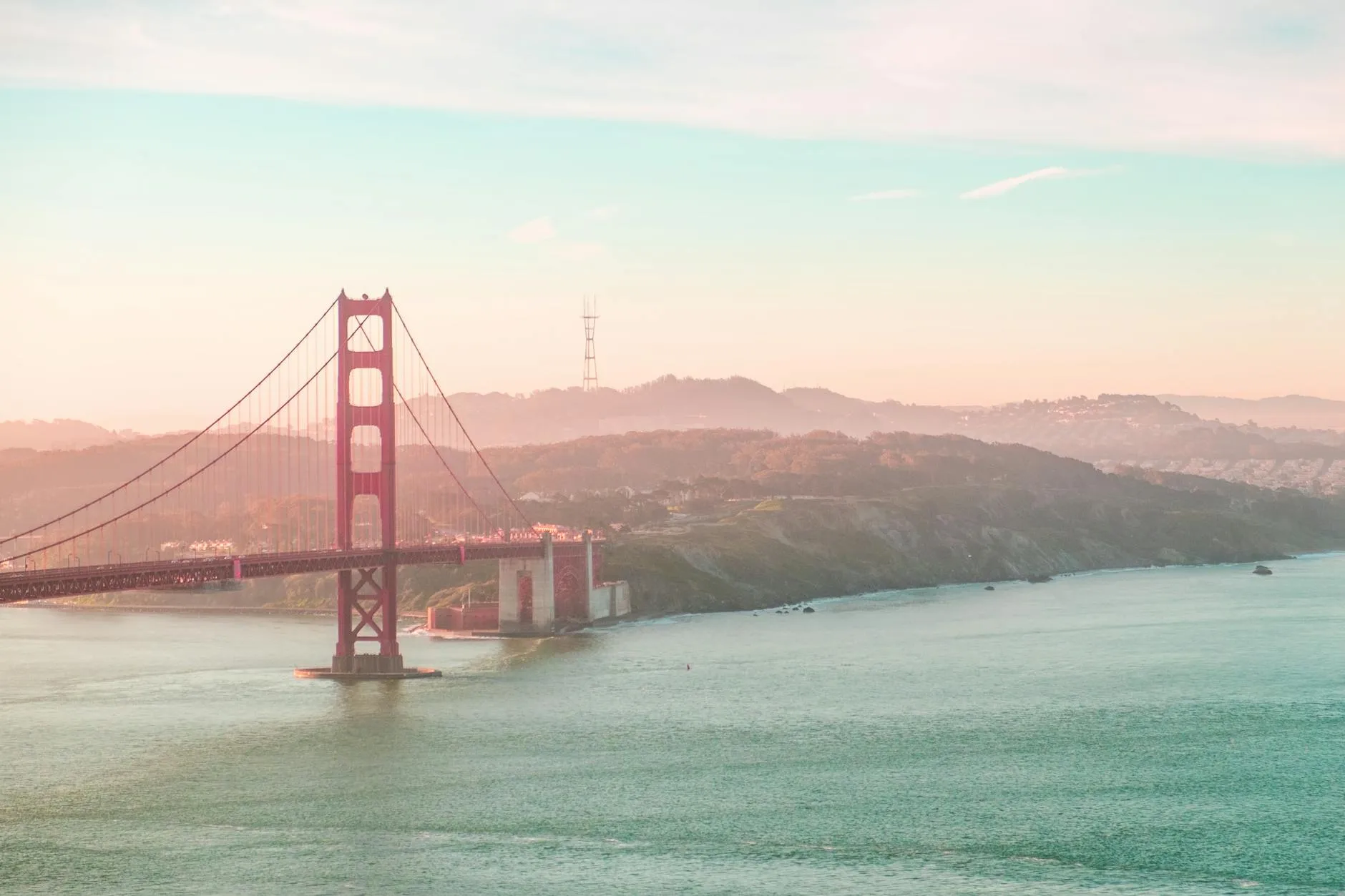
San Francisco — The Complete City Guide 2026
The city where tech billionaires share sidewalks with Victorian homes and morning fog. A practical guide to its neighborhoods, its prices, and what to skip.
OAK ✈️ Oakland International
$100–800/day (Budget to Luxury)
55–65°F year-round
Last verified: April 2026. Every price, transit fare, and tip in this guide has been checked. San Francisco changes fast — verify before you go.
In This Guide
Getting There & Around
Food & Drink
Experiences
Planning
Editor’s Note: Tourist SF vs Real SF
Tourist San Francisco is the Golden Gate Bridge, a cable car ride, and maybe Fisherman’s Wharf. Real San Francisco is a 7×7 mile peninsula where tech sits on top of older bohemian neighborhoods, where Cantonese and Mexican cooking are equally serious traditions, and where a long-running housing crisis has priced out most of the working artists who made the place worth visiting in the first place.
Looking for cheap flights to San Francisco? Check our latest flight deals.
San Francisco has problems that visitors notice immediately: homelessness is visible and heartbreaking, some downtown streets feel abandoned since the pandemic, and the cost of everything is eye-watering. The city lost population 2020-2023 as remote work enabled tech workers to flee to cheaper places.
The food scene — particularly Cantonese, Mexican, and California cuisine — is among the strongest in the United States. The geography of ocean, bay, and steep hills produces microclimates that change inside a single afternoon. The major institutions (SFMOMA, the de Young, the Asian Art Museum, the California Academy of Sciences) sit in the top tier of American collections. The neighborhoods — Castro, Chinatown, the Mission, North Beach — have identities so distinct that crossing between them feels like crossing between cities.
Come with realistic expectations. The city is changing — some call it declining, others call it evolving — and a week here will not settle the question.
Top 12 Attractions
| Attraction | Price | Highlights |
|---|---|---|
| Golden Gate Bridge | Free to walk | Iconic 1.7-mile span, best views from Marin Headlands |
| Alcatraz Island | $47.95 day / $59.65 night | Former federal prison, audio tour included, book weeks ahead |
| Cable Cars | $8 single ride | Moving National Historic Landmark, Powell-Hyde line most scenic |
| Fisherman’s Wharf | Free | Tourist trap but sea lions at Pier 39 are genuine, clam chowder bowls |
| Chinatown | Free | Oldest, largest Chinatown in North America, dim sum, history |
| Golden Gate Park | Free (museums extra) | 1,017 acres, de Young, Academy of Sciences, Japanese Tea Garden |
| SFMOMA | $25 | Modern art, 7 floors, excellent photography collection |
| The Mission | Free | Murals, taquerias, hipster culture, Victorian architecture |
| Haight-Ashbury | Free | 1960s counterculture history, vintage shops, Victorian houses |
| California Academy of Sciences | $38.95 | Aquarium, planetarium, rainforest, living roof — all in one |
| Painted Ladies | Free | Famous Victorian row houses at Alamo Square |
| de Young Museum | $15 | American art, tower observation deck (free), Golden Gate Park |
Consider Skipping: Most of Fisherman’s Wharf
The sea lions at Pier 39 are genuine and worth seeing. The rest of Fisherman’s Wharf is tourist-trap shops selling “I Left My Heart in San Francisco” t-shirts. If you must eat there, get a sourdough bowl at Boudin and leave. The Ferry Building is 20 minutes away and infinitely better.
Golden Gate Bridge — Complete Guide
The iconic Art Deco suspension bridge, completed in 1937, spans 1.7 miles connecting San Francisco to Marin County. International Orange paint maintains its visibility in fog.
Walking/Biking the Bridge
Pedestrian access: East sidewalk open daily 5am-9pm (summer) or 5am-6:30pm (winter). Free. The walk takes 30-45 minutes one way; bring layers as it’s windy and colder than the city.
Cycling: West sidewalk is for bikes during the day. Rent bikes at Fisherman’s Wharf ($8-15/hour) and ride across, then continue to Sausalito for lunch and ferry back. Classic SF day trip.
Best Viewpoints
Golden Gate View Point (SF side): The classic postcard view. Parking available (fills early on weekends).
Battery Spencer (Marin Headlands): The elevated view looking back at SF. Requires car or bike to reach. Best at sunset.
Fort Point: Underneath the bridge at water level. The scale is impressive from below. Civil War-era fort is free to explore.
Baker Beach: Beach views with the bridge in background. North end is clothing-optional.
Crissy Field: Waterfront path with bridge views. Good for walking/running.
Driving Across
Toll: $9.05 (FasTrak), $9.80 (License Plate), southbound only. No toll booths — all electronic. Rental cars usually handle tolls automatically.
Alcatraz Island
The former federal penitentiary that held Al Capone, Machine Gun Kelly, and the Birdman of Alcatraz. Now a National Park site and one of SF’s best attractions.
Book Alcatraz 2-4 Weeks Ahead
Alcatraz tickets sell out weeks in advance, especially for night tours and weekends. Only buy from the official operator (alcatrazcruises.com). Scalper sites charge 2-3x. If you arrive without tickets, you’re not going.
Tickets
Day Tour: $47.95 adults. Includes ferry and audio tour. Departs Pier 33 every 30 minutes.
Night Tour: $59.65 adults. Smaller groups, special programming, sunset views of the city. Highly recommended if available.
Behind the Scenes Tour: $104.65. Access to areas not on regular tour.
BOOK IN ADVANCE: Tickets sell out 2-4 weeks ahead, especially for night tours and weekends. The official operator is Alcatraz Cruises (alcatrazcruises.com). Don’t buy from scalpers.
The Experience
The audio tour narrated by former guards and inmates is excellent — direct, specific, and at points genuinely uncomfortable. Allow 2.5-3 hours including ferry time. The island also has gardens, tide pools, and bird colonies beyond the prison.
Tips
- Bring layers — the island is windy and cold
- Wear comfortable shoes for hills and stairs
- No food on island — eat before or after
- The ferry ride itself has great city views
Neighborhoods
The Mission
The heart of SF’s Latino community, now heavily gentrified but retaining its taqueria culture and mural tradition. 24th Street is the cultural center; Valencia Street is hipster central with boutiques and restaurants.
Worth seeing: Clarion Alley and Balmy Alley murals, Dolores Park (weekend scene), Mission Dolores (the city’s oldest building, 1776).
Eat: La Taqueria (cash only, legendary), Tartine Bakery, Bi-Rite Creamery.
Chinatown
The oldest Chinatown in North America, established 1848. Authentic and tourist-oriented simultaneously — the community is real, the gift shops are for visitors.
Worth seeing: Dragon Gate (Grant Avenue entrance), Waverly Place (temple-lined alley), Golden Gate Fortune Cookie Factory.
Eat: R&G Lounge (salt-and-pepper crab), Good Mong Kok Bakery (dim sum), City View (dim sum with views).
North Beach
Little Italy and Beat Generation history overlap on the same blocks. Italian delis and cafes alongside City Lights Bookstore and the legacy of Kerouac and Ginsberg.
Worth seeing: City Lights Bookstore, Coit Tower (murals and views), Washington Square Park.
Eat: Tosca Cafe, Molinari Delicatessen, Liguria Bakery (focaccia only, cash only, closes when sold out).
The Castro
The historic heart of LGBTQ+ America. Rainbow crosswalks, Harvey Milk’s camera shop (now Human Rights Campaign store), and a working LGBTQ+ community that still anchors the neighborhood.
Worth seeing: Castro Theatre (1922 movie palace), Harvey Milk Plaza, GLBT Historical Society Museum.
Haight-Ashbury
Ground zero of 1960s counterculture. The Grateful Dead house at 710 Ashbury, Janis Joplin’s apartment at 635 Ashbury, plus the stretch of vintage shops and head shops along upper Haight Street.
Worth seeing: The corner of Haight and Ashbury, Amoeba Music (massive record store), Victorian architecture throughout.
Pacific Heights / Marina
Wealthy residential area with bay views, Victorian and Edwardian architecture, and upscale shopping. The Marina is younger and more active; Pacific Heights is old money.
Worth seeing: Palace of Fine Arts (free, beautiful rotunda), Chestnut Street shopping, Lyon Street Steps.
SoMa (South of Market)
Former industrial area now home to museums (SFMOMA, Contemporary Jewish Museum), tech offices, and nightlife. Oracle Park (Giants baseball) is here.
San Francisco Food
Mission Burritos
The Mission-style burrito — foil-wrapped, with the rice and beans inside the tortilla rather than on the plate — was invented here. This is distinct from other Mexican regional styles.
La Taqueria: James Beard Award winner. No rice in their burritos (purist approach). Cash only. Carne asada is legendary. Lines are real.
Pro Tip: La Taqueria Is Worth the Line
Yes, there’s a line. Yes, it’s cash only. Yes, their burritos have no rice (purist approach). The carne asada won a James Beard Award for good reason. If you’re only eating one burrito in SF, eat it here.
El Farolito: Late-night institution. 24th Street location. The super burrito is the classic order.
Taqueria Cancún: Mission Street. Consistently excellent, less hyped than La Taqueria.
Dim Sum
San Francisco’s dim sum is among the strongest in the United States, supported by the Cantonese community in Chinatown and the Richmond. Chinatown has traditional options; the Richmond has excellent Cantonese restaurants.
Yank Sing (Rincon Center): Upscale, expensive, excellent. $50-70/person.
Good Mong Kok Bakery: Chinatown. Cheap, fast, fresh. Baked BBQ pork buns are the thing. Cash only.
Hong Kong Lounge II (Richmond): Cart service, more traditional experience, excellent quality.
Sourdough
San Francisco sourdough has a distinct tang, attributed to local wild yeast strains. Boudin at Fisherman’s Wharf is the famous tourist option (bread bowls of clam chowder).
Tartine: The modern standard-bearer. Lines form for bread, pastries, and the restaurant next door. Worth it.
Acme Bread: Berkeley-based but available throughout SF. Excellent everyday sourdough.
Seafood
Dungeness Crab: The local specialty, in season November-June. Boiled whole with butter, or in cioppino (tomato-based seafood stew).
Swan Oyster Depot: Counter-only, cash-only, line-required. Open 8am-5:30pm. Fresh seafood, no cooking — oysters, crab salad, clam chowder. SF institution since 1912.
Hog Island Oyster Co: Ferry Building. Local oysters, excellent quality, tourist-friendly setting.
Fine Dining
San Francisco has 3 Michelin three-star restaurants (per the 2026 Michelin Guide California):
Quince: California-Italian, farm-driven, elegant. $350+ tasting menu.
Atelier Crenn: Poetic cuisine from Dominique Crenn, first woman in America to earn three stars. $400+ experience.
Benu: Three Michelin stars. Chef Corey Lee’s Korean-American fine dining; the menu pulls from Cantonese, Japanese, and California ingredients in equal measure. $350+.
Cheap Eats
SF is expensive but you can eat well affordably:
- Mission taquerias: $8-12 for burritos
- Chinatown: Full meals under $15
- Bi-Rite Market: Excellent prepared foods for picnics
- Off the Grid: Food truck gatherings at various locations
- Ferry Building Farmers Market (Saturdays): Samples and prepared foods
Coffee & Drinks
Coffee Culture
SF was the birthplace of “third wave” coffee. Blue Bottle started here before going global; Four Barrel, Ritual, and Sightglass carry the local torch.
Blue Bottle (Various): The famous one. Clean design, precise brewing. The original kiosk is in Oakland, but SF locations are everywhere.
Sightglass (SoMa): The flagship roastery is a cathedral of coffee. Excellent single-origins.
Ritual (Mission): Long-running local favorite. More neighborhood vibe than Blue Bottle.
Saint Frank (Russian Hill): Newer favorite with excellent beans and food.
Cocktails
SF has a sophisticated cocktail scene.
Smuggler’s Cove: Tiki paradise with 400+ rums and complex tiki drinks. Reservations recommended.
Trick Dog: Mission bar with rotating themed menus. Creative, fun, excellent drinks.
True Laurel: From the team behind Lazy Bear. Sophisticated, boundary-pushing cocktails.
The Treasury: Downtown. Classic cocktails in a former bank vault.
Wine
You’re an hour from Napa and Sonoma. San Francisco has excellent wine bars for when you can’t make the trip:
The Riddler: Champagne bar. All sparkling, all the time.
Bar Crudo: Seafood focus, excellent California wine list.
High Treason: Casual wine bar in the Mission.
Craft Beer
Anchor Brewing: America’s first craft brewery (since 1896). The taproom and brewery tours are worth visiting.
Cellarmaker: Hazy IPAs and excellent variety. SoMa and Haight locations.
Toronado: Haight Street institution. Massive beer selection, no-frills vibe.
Day Trips from San Francisco
Napa Valley
An hour north, Napa is California wine country at its most famous and commercialized. The valley is home to 400+ wineries, from historic estates to celebrity ventures.
Napa vs Sonoma: The Honest Take
Napa is famous, polished, expensive ($40-100+ tastings), and requires reservations. Sonoma is more casual, more affordable, and more fun. If this is your first wine country trip, do Sonoma. If you want the prestige experience and don’t mind paying, do Napa.
Getting there: Drive via Highway 101 and 29 (1-1.5 hours). No practical public transit. Consider tours that include transport if you want to taste freely. VINE bus runs within Napa but isn’t useful for winery visits.
What to expect: Tasting fees range from $40-100+ per winery. Most require reservations. The experience is polished and upscale — this isn’t casual walk-in wine tasting.
Recommended wineries:
- Robert Mondavi: The most famous name in Napa. Excellent tours explaining California wine history. $45-95 tastings.
- Stag’s Leap Wine Cellars: Their 1973 Cabernet won the famous Judgment of Paris. $85 tastings.
- Castello di Amorosa: 13th-century-style Tuscan castle, surprisingly well-done. Good for visual drama. $45-85.
- Domaine Carneros: Sparkling wine focus, beautiful château, terrace seating. $40-60.
When to visit: Harvest season (September-October) is busiest and most expensive. Spring (March-May) has mustard flowers between vines. Winter is quietest.
Food: Yountville is the culinary epicenter. Thomas Keller’s French Laundry is the famous impossible reservation, but his Bouchon Bakery and Ad Hoc are more accessible. Gott’s Roadside (St. Helena) is the best casual option.
Sonoma Valley & County
The anti-Napa: more casual, more agricultural, lower prices, fewer crowds. Many prefer it. Sonoma County is huge with distinct regions (Sonoma Valley, Russian River Valley, Healdsburg, Dry Creek).
Getting there: 45 minutes to Sonoma town, 1-1.5 hours to Healdsburg. Drive via Highway 101.
Sonoma Valley: The most accessible region. Sonoma Plaza is the largest town plaza in California, ringed by tasting rooms and casual restaurants. Wineries are smaller and often family-run.
- Buena Vista Winery: California’s oldest premium winery (1857). Historic estate, good tours. $35-50.
- Gundlach Bundschu: Family-owned since 1858, fun atmosphere. $30-65.
- Bartholomew Park: Small, beautiful grounds, affordable ($20 tastings).
Russian River Valley: Known for Pinot Noir and Chardonnay. Wineries like Williams Selyem and Littorai are legendary but require reservations well ahead.
Healdsburg: Walkable central plaza ringed with tasting rooms and restaurants. SingleThread holds three Michelin stars. Boutique B&Bs in restored Victorians dominate the lodging stock.
Muir Woods National Monument
Ancient redwood forest 12 miles north of the Golden Gate Bridge. These coast redwoods are among the tallest living things on Earth.
Reservations required: You MUST reserve parking ($9.50) or shuttle ($4, free for ages 15 and under) in advance at gomuirwoods.com. No same-day parking without reservation. This has dramatically improved the experience — the forest is no longer overrun.
Entry fee: $15 per adult. Interagency passes accepted.
Best experience: The main loop is short (1 mile) and wheelchair-accessible. For a better experience, add the Hillside Trail or hike to Cathedral Grove. The Ocean View Trail (3 miles one-way) extends to Muir Beach.
When to visit: Morning or late afternoon for fewest crowds and best light through the canopy. Foggy days create mystical atmosphere. Avoid midday on weekends.
Combined with Sausalito: Stop in Muir Woods on your way to or from Sausalito for a perfect day trip.
Sausalito
The Mediterranean-feeling town across the Golden Gate. Bike across the bridge, have lunch, ferry back — the classic SF day trip.
Getting there:
- Bike: Rent at Fisherman’s Wharf ($35-45/day), ride across the bridge (1 hour), coast down to Sausalito.
- Ferry: Golden Gate Ferry ($14.50 one-way) or Blue & Gold Fleet ($13.50) from Ferry Building. 30 minutes.
- Drive: 15 minutes via Golden Gate Bridge ($9.05 toll).
What to do: Wander Bridgeway (main waterfront street), visit houseboats at Waldo Point, browse galleries, eat seafood with views. It’s small — a half-day is enough.
Eat: Fish (fish tacos, sustainable seafood), Poggio (Italian, upscale), Le Garage (French bistro).
Point Reyes National Seashore
Wild coastal peninsula with beaches, cliffs, elk herds, and oyster farms. The most dramatic landscape accessible as a day trip.
Getting there: 1-1.5 hours north. No public transit. Highway 1 is scenic but slow and winding.
Highlights:
- Point Reyes Lighthouse: 308 steps down to the 1870 lighthouse. Whale watching platform January-April.
- Tule Elk Reserve: Free-roaming elk herd at the peninsula’s north end.
- Drake’s Beach: Wide, dramatic beach where Sir Francis Drake may have landed.
- Tomales Point Trail: 9-mile out-and-back through elk habitat to the peninsula’s end.
Oysters: Hog Island Oyster Co. has a farm here with picnic tables. Reservations required. Also Tomales Bay Oyster Company nearby.
Weather: Frequently foggy and windy even when SF is sunny. Bring layers.
Half Moon Bay
Coastal town 45 minutes south. Beach access, Mavericks big-wave surf spot, and Pescadero’s Duarte’s Tavern (artichoke soup since 1894).
Santa Cruz
Beach town 75 minutes south. The boardwalk has vintage amusement rides, the beach is family-friendly, and Steamer Lane and Pleasure Point are among the busier surf breaks on the California coast. Downtown has excellent restaurants and a UC campus vibe.
Getting Around
BART (Bay Area Rapid Transit)
Heavy rail connecting SF to Oakland, Berkeley, and the East Bay suburbs. Also runs to SFO airport.
Fares: Distance-based, $2.30–$13.75 (fares increased 6.2% January 1, 2026). Use Clipper Card (contactless) or mobile app. Paper tickets add a $0.50 surcharge.
SFO connection: Direct line to airport, $11.15 from downtown. 30-40 minutes from Powell Street.
Useful for tourists: Getting to/from airports, visiting Berkeley or Oakland. Limited within SF itself (only runs along Market Street corridor).
Safety note: BART has had visibility issues with crime, particularly during off-peak hours. The trains are generally safe but stay aware, especially late night.
Muni (San Francisco Municipal Transportation Agency)
The city’s bus, light rail (Muni Metro), and streetcar system.
Fares: $3 single ride (good for 2 hours of transfers). Use Clipper Card or cash.
Visitor Passport: Unlimited Muni rides for 1 day ($24), 3 days ($36), or 7 days ($47). Includes cable cars. Good value if you’ll ride frequently.
Muni Metro: Underground downtown, street-level in outer neighborhoods. Lines J, K, L, M, N, T serve different parts of the city. The N-Judah goes to Ocean Beach and the Sunset.
Historic streetcars (F-Market): Vintage streetcars run along Market Street and the Embarcadero. Same fare as regular Muni, but the historic vehicles are a tourist attraction themselves.
Cable Cars
Pro Tip: Skip the Powell Street Line
The cable car line at Powell & Market can be 30-60 minutes. Walk a few blocks up Powell Street and board at a later stop (cars pick up passengers if there’s room). Or ride the California Street line through Chinatown — same experience, no wait.
The only moving National Historic Landmark. Three lines remain:
- Powell-Hyde: The most scenic, ending near Fisherman’s Wharf with bay views. Long lines.
- Powell-Mason: Also scenic, ends closer to North Beach.
- California Street: Less touristy, runs through Nob Hill and Chinatown. Shorter waits.
Fare: $8 per ride. Included in Visitor Passport.
Tips: Lines at Powell & Market can be 30-60 minutes. Walk to later stops (the cars pick up passengers along the route if there’s room). Or ride the California Street line with minimal wait.
Walking
The city is only 7 miles by 7 miles. Many neighborhoods are walkable, but the hills are real. Downtown to Fisherman’s Wharf is a pleasant walk. Downtown to the Mission or the Haight involves serious elevation.
Stair walks: SF has 900+ public stairways. The Filbert Street Steps, Lyon Street Steps, and the Lands End stairs are scenic urban hikes.
Rideshare & Taxis
Uber and Lyft were invented here and dominate. Traditional taxis exist but are less common. Expect surge pricing on weekend nights.
Driving
Avoid if possible. Parking is expensive ($25-50+/day for hotel parking, $5-10/hour at meters), street parking is scarce, and break-ins are rampant — never leave anything visible in your car.
Rent a car only for day trips outside the city. Return it before exploring SF proper.
Month-by-Month Weather Guide
San Francisco’s famous microclimates mean you can experience multiple seasons in a single day. The city’s “real summer” is September-October, not July-August. Here’s what to expect:
| Month | High/Low °F | Rain Days | Notes |
|---|---|---|---|
| January | 57/46°F | 11 | Rainy season peak. Fewer crowds. Gray whale migration at Point Reyes. |
| February | 60/48°F | 10 | Chinese New Year parade in Chinatown. Still rainy but hotel deals available. |
| March | 62/49°F | 9 | St. Patrick’s Day parade. Cherry blossoms in Japantown. Rain tapering off. |
| April | 63/50°F | 5 | SF International Film Festival. Pleasant weather begins. Good shoulder season. |
| May | 64/51°F | 2 | Bay to Breakers race. Carnaval in Mission. Fog season begins late month. |
| June | 66/53°F | 1 | Pride Month! Massive parade last Sunday. “June Gloom” fog common. Bring layers. |
| July | 67/54°F | 0 | Peak tourist season despite fog. Mark Twain’s “coldest winter” quote applies. Mission stays sunny. |
| August | 68/55°F | 0 | Outside Lands festival in Golden Gate Park. Still foggy mornings. Bring a jacket. |
| September | 70/56°F | 1 | 🌟 BEST MONTH. SF’s “real summer.” Warm, sunny, fog lifts. Folsom Street Fair. |
| October | 69/55°F | 3 | 🌟 SECOND BEST. “Indian summer” continues. Fleet Week air show. Hardly Strictly Bluegrass (free!). |
| November | 63/51°F | 7 | Dia de los Muertos in Mission. Rain returns. Shoulder season deals. |
| December | 57/46°F | 10 | Holiday lights. Ice rink at Union Square. Rainy but festive. Pack rain gear. |
🌡️ The September Secret: While tourists pack into the foggy July-August crowds, locals know September-October is when San Francisco actually feels like summer. Book your trip for “Indian summer” and enjoy 70°F days, minimal fog, and the city at its most beautiful.
Beaches & Outdoor
Ocean Beach
San Francisco’s main beach — 3.5 miles of sand along the Great Highway. This is NOT a Southern California beach. The water is cold (50-55°F), the waves are dangerous (strong rip currents), and the fog is frequent.
What it’s good for: Walking, jogging, bonfires (fire pits available, first-come), watching surfers, dramatic sunsets on clear days. NOT for swimming.
Baker Beach
The Golden Gate Beach. Views of the bridge from the sand. Popular for photos, picnics, and walks. The north end is clothing-optional.
Getting there: Muni 29 or drive (limited parking).
Note: Also cold and not for swimming. The views are the attraction.
China Beach
Small, sheltered beach in the Sea Cliff neighborhood. Slightly warmer and calmer than other SF beaches. The only beach lifeguarded in summer.
Crissy Field
Not a beach, but a restored waterfront marsh and recreation area along the south shoreline of the bay, with the Golden Gate Bridge directly across the water. Popular for walking, running, biking, windsurfing, and kiteboarding.
Lands End
Wild coastal park with hiking trails, ruins of the Sutro Baths (historic swimming palace destroyed by fire in 1966), and dramatic cliff views. The Coastal Trail is one of the city’s best walks.
Sutro Baths: The ruins of this enormous Victorian bathing complex are free to explore. Eerie and fascinating.
Lands End Lookout: Visitor center with café and gift shop.
Golden Gate Park
1,017 acres of urban wilderness — larger than New York’s Central Park. Created from sand dunes in the 1870s.
Highlights:
- Japanese Tea Garden: The oldest public Japanese garden in America. $13 entry. Serene and beautiful.
- Conservatory of Flowers: Victorian greenhouse with tropical plants. $12.
- San Francisco Botanical Garden: 55 acres, 9,000 plant types. $13 (free to SF residents).
- Stow Lake: Rent paddleboats, visit Strawberry Hill island.
- Buffalo Paddock: Yes, there’s a herd of bison.
Car-free Sundays: JFK Drive is closed to cars on Sundays, creating a 1.5-mile pedestrian/bike corridor.
The Presidio
Former military base, now national park. 1,500 acres of forests, beaches, trails, and historic buildings. Free.
Highlights:
- Crissy Field: Waterfront recreation
- Presidio Trail System: 24 miles of hiking and biking
- Walt Disney Family Museum: Excellent museum about Walt’s life and animation history. $25.
- Presidio Officers’ Club: Free museum and visitor center
- Tunnel Tops: New park built atop Highway 101 tunnel, opened 2022. Playgrounds, lawns, views.
Twin Peaks
922-foot summit in the geographic center of the city. Drive or hike to the top for 360-degree views. Free. Go at sunset or on a clear night for city lights.
Museums & Culture
SFMOMA (San Francisco Museum of Modern Art)
One of America’s largest modern art museums. Seven floors of galleries including excellent photography and media arts collections.
Admission: $25 adults. Free for visitors 18 and under.
Hours: 10am-5pm (until 9pm Thursdays). Closed Wednesdays.
Free admission: First Thursdays of the month, 10am-5pm.
Highlights: Work by Frida Kahlo, Diego Rivera, Andy Warhol, Gerhard Richter, and the renowned Pritzker Center for Photography.
de Young Museum
American art from the 17th century to present, plus international textiles and art from the Americas, Africa, and Oceania.
Admission: $15 adults. The Hamon Observation Tower is free (no museum entry required).
Hours: 9:30am-5:15pm. Closed Mondays.
Free admission: First Tuesdays monthly.
The tower offers 360-degree views of Golden Gate Park and the city. Go at sunset.
California Academy of Sciences
Natural history museum, planetarium, aquarium, and rainforest under a 2.5-acre living green roof designed by Renzo Piano (opened 2008).
Admission: $38.95 adults, $28.95 children. Reserve timed entry online.
Hours: 9:30am-5pm daily.
Highlights: Four-story indoor rainforest dome, 2,600+ live animals, Osher Planetarium shows, Claude the albino alligator.
NightLife: Thursday nights (6-10pm) are adults-only with DJs, cocktails, and special programming. $18.95.
Exploratorium
The hands-on science museum on the Embarcadero. Interactive exhibits cover perception, physics, biology, and human behavior; the Tactile Dome and the After Dark adults-only Thursday programme are worth booking ahead.
Admission: $39.95 adults. Pier 15 on the Embarcadero.
Hours: 10am-5pm. Closed Mondays.
After Dark: Adults-only Thursday nights (6-10pm) with themed programming. $19.95.
Asian Art Museum
One of the largest collections of Asian art in the world. 18,000+ works spanning 6,000 years.
Admission: $20 adults.
Hours: 10am-5pm. Closed Mondays and Tuesdays.
Free admission: First Sundays monthly.
Contemporary Jewish Museum
Dynamic exhibitions exploring Jewish culture, history, art, and ideas. The Daniel Libeskind-designed building is itself a work of art.
Admission: $18 adults. Free for kids under 18.
Free admission: First Tuesdays monthly.
The Legion of Honor
Fine arts museum in a beautiful Beaux-Arts building in Lincoln Park, overlooking the Golden Gate. European painting, sculpture, and decorative arts.
Admission: $15 adults (combined de Young ticket available).
Hours: 9:30am-5:15pm. Closed Mondays.
Cable Car Museum
See the actual powerhouse that drives the cable car system. Watch the cables in motion, learn the history. Free.
Location: 1201 Mason Street (Nob Hill). Open daily 10am-5pm.
Musée Mécanique
Pier 45, Fisherman’s Wharf. Huge collection of vintage arcade machines, many still working. Quarters required. Free to enter.
Shopping
Union Square
The traditional downtown shopping district. Department stores (Nordstrom, Neiman Marcus, Macy’s), luxury brands, and the Apple flagship. Tourist-oriented but convenient.
Ferry Building Marketplace
The best food shopping in the city. Local producers, artisan food vendors, restaurants. Saturday farmers market (8am-2pm) is legendary.
Notable vendors: Cowgirl Creamery (cheese), Dandelion Chocolate, Acme Bread, Blue Bottle Coffee, Hog Island Oyster Co.
Hayes Valley
Boutique shopping near the civic center. Local designers, indie boutiques, excellent restaurants. Walkable and pleasant. Good for gifts and clothing.
Valencia Street (The Mission)
Independent bookshops, vintage clothing, design stores. More alternative/hipster than Hayes Valley. Combine with a meal and bar-hopping.
Haight Street
Vintage clothing, records (Amoeba Music is massive), head shops, and 1960s nostalgia. Upper Haight is more tourist-focused; Lower Haight is grittier and more local.
Chinatown
Souvenirs, herbs, tea, cookware. Grant Avenue is tourist shops; Stockton Street is where locals shop for groceries and household goods.
Fillmore Street (Pacific Heights)
Upscale boutiques, home goods, fashion. The wealthy neighborhood’s shopping strip.
Nightlife & Entertainment
Live Music
The Fillmore: Legendary rock venue where Hendrix, the Dead, and Janis Joplin played. Still hosts major acts in an intimate setting. Free commemorative posters on show nights.
Great American Music Hall: Beautiful 1907 hall with excellent acoustics. Mid-size acts, varied genres.
The Independent: Smaller venue with indie/alternative focus.
SFJAZZ Center: 700-seat venue in Hayes Valley dedicated to jazz programming. Excellent sight lines and a roster that draws major touring acts.
The Chapel: Former chapel converted to intimate music venue. Mission location. Excellent sound.
Comedy
Cobb’s Comedy Club: The main club for national touring acts. North Beach location.
Punch Line: Another established club, downtown. More intimate.
Dance Clubs
SF’s club scene is smaller than it once was, but still active:
Audio: Underground electronic music in SoMa.
Monarch: Two floors of different music, SoMa.
El Rio: The Mission’s beloved patio bar, legendary for its day parties and community vibe.
LGBTQ+ Nightlife
The Castro is the historic center, but the scene has spread citywide:
The Stud: Legendary queer bar (various locations after multiple moves), hosting since 1966.
Oasis: Drag shows and performances.
Beaux: Castro dance bar.
Hi Tops: Sports bar in the Castro.
Late Night Food
SF is not a late-night city by US standards, but options exist:
- El Farolito: Mission tacos until 3am
- Grubstake: Polk Street diner with Portuguese specials, post-bar institution
- Yuet Lee: Chinatown seafood until 3am
- Tommy’s Joynt: Hofbrau (cafeteria-style meat and beer) until midnight
Tech Tourism
For those interested in visiting the headquarters of companies that shaped the internet:
Silicon Valley (South Bay)
Apple Park Visitor Center (Cupertino): The only public-facing part of Apple’s spaceship campus. Apple Store, café, rooftop views. Free. 45 minutes south.
Computer History Museum (Mountain View): Excellent museum covering computing from the abacus to the present. $19.50. Near Google’s campus (which isn’t open to visitors).
Intel Museum (Santa Clara): Free museum about chip manufacturing. Small but interesting.
Stanford University: Beautiful campus, free to wander. Cantor Arts Center and Hoover Tower are worthwhile.
San Francisco Tech Sites
Salesforce Tower: The city’s tallest building (1,070 feet). Visible from everywhere. No public access except ground-floor lobby.
Most tech company offices are closed to public visits. The industry’s presence is felt in the city’s demographics, housing costs, and coffee shop laptop users rather than in tourist-accessible sites.
San Francisco with Kids
Best Attractions for Families
California Academy of Sciences: The rainforest, aquarium, and planetarium captivate all ages. Claude the albino alligator is a favorite. Reserve ahead.
Exploratorium: Hands-on science keeps kids engaged for hours. The fog bridge and tactile dome are especially popular.
Alcatraz: The audio tour works for ages 10+. Younger kids may find it less engaging.
Cable Cars: The novelty never fails. Grip the outside poles (safer than sitting on the running boards despite what you see others doing).
Pier 39 Sea Lions: Free to watch. The sea lions arrived in 1990 and never left. Noisy, smelly, endlessly entertaining.
Musée Mécanique: Vintage arcade games are a hit. Bring quarters.
Parks & Playgrounds
Golden Gate Park: Rent bikes or pedal boats at Stow Lake. The playground near the carousel is excellent.
Dolores Park: The playground has Golden Gate views. Good for older kids who can navigate the slopes.
Yerba Buena Gardens: Downtown playground and carousel. Ice skating rink in winter.
Koret Children’s Quarter (Golden Gate Park): Concrete slides built into the hillside. Bring cardboard for maximum speed.
Day Trips for Families
Monterey Bay Aquarium: Two hours south on Highway 1. Pioneer of jellyfish, sea otter, and tuna exhibits, with a serious research arm tied to the Monterey Bay Aquarium Research Institute. $59.95 adults, $39.95 children.
Muir Woods: The short main loop is stroller-accessible. Kids love the scale of the redwoods.
Santa Cruz Beach Boardwalk: Vintage amusement park with rides for all ages. Free entry, pay per ride or unlimited wristband.
Where to Stay
Neighborhood Guide for Visitors
Union Square/Downtown: Convenient for transit and attractions. Tourist-oriented, can feel empty after dark. Watch for street conditions on Market Street.
Fisherman’s Wharf: Maximum tourist convenience, minimum local flavor. Good for families with limited time.
North Beach: Walkable, Italian delis and cafés on Columbus Avenue, better evening atmosphere than downtown.
SoMa: Near museums and nightlife, but gritty in places. Oracle Park area is nicer.
The Mission: Best neighborhood vibe, nightlife, and food. Farther from classic attractions but close to BART.
Hayes Valley: Boutique-scale restaurants, civic-center-adjacent, walkable to Hayes Valley shops. Good balance.
Marina/Pacific Heights: Beautiful, quiet, residential. Near the bridge but far from downtown.
Budget
HI San Francisco Fisherman’s Wharf: Well-run hostel. Dorms from $50, private rooms from $150. Good location, social atmosphere.
Green Tortoise Hostel: North Beach location, party vibe. Dorms from $45.
Budget hotels: Genuinely budget options are scarce. Expect $150-200 minimum for basic rooms in acceptable areas.
Mid-Range ($200-400)
Hotel Bohème: Beat Generation-themed boutique in North Beach. $200-300.
Phoenix Hotel: Rock-and-roll history, pool, Tenderloin-adjacent location. $180-280.
The Marker: Union Square area, colorful design, good service. $200-350.
Luxury ($400+)
The Proper Hotel: Design-forward luxury in Mid-Market. Rooftop restaurant. $450+.
Hotel Vitale: Waterfront location, Embarcadero views. $400+.
Fairmont San Francisco: Historic Nob Hill grande dame. Classic luxury, famous for its views. $450+.
Cavallo Point: Just across the bridge in Sausalito. Former military housing converted to lodge. Spa, hiking, quieter experience. $500+.
Budget Breakdown
Daily Budget Breakdown
| Category | Budget | Mid-Range | Luxury |
|---|---|---|---|
| Accommodation | $55 (Hostel) |
$250 (Boutique) |
$500 (Luxury) |
| Meals & Drinks | $30 (Taquerias/Chinatown) |
$70 (Mix casual/nice) |
$200 (Fine dining) |
| Transit & Activities | $15 (Muni + 1 free sight) |
$40 (Clipper + museum) |
$100 (Uber + premium) |
| Daily Total | $100 | $360 | $800 |
Budget Traveler: $100-150/day
- Hostel dorm: $50-70
- Mission burritos, Chinatown meals: $25-35
- Muni/walking: $6-10
- Free attractions (Golden Gate, neighborhoods, parks): $0
- One paid activity: $15-25
Mid-Range: $250-400/day
- Boutique hotel: $200-300
- Mix of casual and nice restaurants: $60-80
- Transport including cable cars: $15-25
- Museums and attractions: $30-50
Luxury: $600+/day
- Luxury hotel: $400-600+
- Fine dining: $150-300+
- Private car/Uber: $50-100
- Premium experiences: $50-100
Money-Saving Tips
- CityPASS ($76): Includes Alcatraz, Academy of Sciences, aquarium, and SFMOMA or Exploratorium. Good if you’ll do 3+ included attractions.
- Muni Visitor Passport if riding frequently
- Free museum days (check each museum’s schedule)
- Ferry Building samples on Saturdays
- Picnic in parks instead of restaurant lunches
- Walk — the city is small and beautiful
Safety & Practical Tips
Street Conditions
Skip This: The Tenderloin at Night
The Tenderloin (between downtown and Hayes Valley) has visible poverty and open drug use. Walk through during the day if necessary; avoid at night unless you know where you’re going. This isn’t danger tourism — it’s just unpleasant and sad.
SF has a visible homelessness crisis. The Tenderloin, parts of SoMa, and some downtown blocks have difficult street conditions. This is uncomfortable but generally not dangerous to tourists. Main tourist areas (Fisherman’s Wharf, Union Square, the neighborhoods) are fine.
⚠️ Car Break-Ins: SF’s #1 Tourist Crime
San Francisco has 20,000+ car break-ins per year. Thieves target rental cars (identifiable by barcode stickers). Never leave anything visible — not a bag, not a jacket, not a phone charger. Even an empty bag signals “maybe something’s in the trunk.” Use hotel parking or attended lots. Better yet: don’t rent a car at all within the city.
Pickpocketing
Standard urban precautions apply on crowded transit and at tourist sites. Keep valuables in front pockets, be aware of your surroundings.
Earthquakes
The Bay Area is earthquake country. The last major quake was Loma Prieta in 1989. Modern buildings are built to code, but be aware:
- Drop, cover, and hold on if shaking occurs
- Know your hotel’s evacuation procedures
- Don’t panic over small tremors — they’re common and harmless
Arriving at SFO vs OAK
San Francisco International Airport (SFO)
The main international airport, 13 miles south of downtown.
Getting from SFO: BART Wins
BART runs directly from SFO to downtown ($11.15, 30-40 min). Uber/Lyft costs $40-60 and takes longer in traffic. Unless you have heavy luggage or an unusual destination, BART is the correct choice.
BART: Direct connection to downtown, $11.15, 30-40 minutes to Powell Street.
Taxi/Rideshare: $40-60 to downtown, 25-45 minutes depending on traffic.
SamTrans: Bus route 292 to downtown, $2.25, slower but cheap.
The Verdict: BART is usually best unless you have heavy luggage or are going somewhere not near a BART station.
Oakland International Airport (OAK)
Often cheaper flights, across the bay in Oakland.
BART: Take the AirBART shuttle ($3) to Coliseum station, then BART to SF ($5.35 to Powell). Total ~$8.35, 45-60 minutes.
Taxi/Rideshare: $60-80 to SF, 30-60 minutes depending on traffic and Bay Bridge conditions.
The Verdict: If flight savings are significant, OAK is worth considering. The BART connection works but takes longer.
San Jose International Airport (SJC)
Far south, 50 miles from SF. Only consider if visiting Silicon Valley specifically.
Events & Festivals 2026
Major Events
Chinese New Year Parade (February 21): One of the largest Chinese New Year celebrations outside Asia. Parade runs through Chinatown and downtown. Year of the Horse.
San Francisco International Film Festival (April 16-26): America’s longest-running film festival. Multiple venues.
Bay to Breakers (May 17): The legendary costume run from the Embarcadero to Ocean Beach. More party than race. Thousands participate in wild costumes (or less).
Pride (June 27-28): One of the world’s largest Pride celebrations. The Sunday parade routinely draws on the order of a million attendees and shuts Market Street between Beale and Civic Center. Book hotels far ahead.
Outside Lands (August 7-9): Major music festival in Golden Gate Park. Multi-genre headliners, food vendors, comedy, cannabis. $165-475.
Folsom Street Fair (September 27): The world’s largest leather/kink event. Adults only. Held annually since 1984; SoMa, between 8th and 13th Streets.
Fleet Week (October 8-13): Blue Angels air shows over the bay. The jets are incredibly loud. Best viewed from Marina Green, Crissy Field, or Alcatraz (if your timing aligns).
Hardly Strictly Bluegrass (October 2-4): Free music festival in Golden Gate Park. Three days, multiple stages, lineup that ranges from bluegrass and country to indie and hip-hop. No tickets required.
Giants Baseball
Oracle Park hosts SF Giants games April-October (potentially later if playoffs). Beautiful waterfront stadium, kayakers chase home run balls in McCovey Cove. Tickets from $25.
49ers Football
The NFL team plays in Santa Clara (Levi’s Stadium, 45 minutes south), not San Francisco. Tickets are expensive ($150+) and the stadium experience is mediocre.
Warriors Basketball
The NBA team plays at Chase Center, a new arena in Mission Bay. The team has been excellent (multiple recent championships). Tickets $75-500+ depending on opponent.
Hidden San Francisco
Secret Spots
Seward Street Slides: Two concrete slides built into a hillside in the Castro. Bring cardboard. Free, open daylight hours.
Wave Organ: Stone sculpture on a jetty at the Marina that creates sounds from wave action. Best at high tide. Free, easy to miss.
16th Avenue Tiled Steps: 163 steps covered in a mosaic sea-to-sky pattern. Less crowded than the nearby (and more famous) Hidden Garden Steps.
Cayuga Terrace: Tiny park with elaborate terrace gardens, Excelsior neighborhood. Locals’ secret.
Balmy Alley: Mission murals. Less famous than Clarion Alley, arguably better.
The Interval at Long Now: Bar/café/museum of long-term thinking. Contains a 10,000-year clock prototype. Fort Mason. Free to enter.
Underground History
Emperor Norton: San Francisco’s beloved 19th-century eccentric who declared himself Emperor of the United States. The city humored him, restaurants fed him, and 30,000 attended his funeral. His legacy is everywhere once you know to look.
The Barbary Coast: SF’s rough-and-tumble past as a port city full of sailors, prostitutes, and shanghaied victims. Walking tours explore the history Jackson Square and Chinatown hide.
The AIDS Memorial Grove: Ten-acre grove in Golden Gate Park designated the National AIDS Memorial by Congress in 1996, honoring those lost to the epidemic.
Unusual Experiences
Sundance Saloon: LGBTQ+ country-western dancing in SoMa. Sunday afternoons and Tuesday nights. Two-step lessons, welcoming vibe.
Mission Bowling Club: Upscale bowling alley with good food and cocktails. The Mission.
Urban Putt: Indoor miniature golf with SF-themed holes. The Mission. Adults welcome (there’s a bar).
Sunday Streets: Various neighborhoods close streets to cars for walking/biking festivals. Check schedule.
Architecture & Views
Victorian Houses
San Francisco survived the 1906 earthquake in neighborhoods where fire didn’t spread. The result is America’s largest collection of Victorian architecture.
Painted Ladies: The famous row at Alamo Square. Tourist-photographed but genuinely beautiful.
Haight-Ashbury: Entire blocks of Victorians in various states of preservation and wild paint colors.
Pacific Heights: Grand Victorians and Edwardians of the wealthy.
Walking tours: SF City Guides offers free architecture walks. Victorian Home Walk is a popular paid option ($25).
Best Viewpoints
Twin Peaks: 360-degree panorama, drive or hike, free.
Coit Tower: North Beach tower with murals and observation deck ($10).
de Young Tower: Free observation deck in Golden Gate Park.
Dolores Park: Downtown and East Bay views with picnic atmosphere.
Tank Hill: Lesser-known peak near Twin Peaks, great sunset spot.
Bernal Heights: Dog-walkers’ favorite hilltop with city views.
Grandview Park: Sunset District. Steep climb, worth it.
Modern Architecture
SFMOMA: Mario Botta’s original building (1995) plus Snøhetta’s 2016 expansion.
de Young Museum: Herzog & de Meuron’s copper-clad building.
Salesforce Tower: The city’s tallest. Love it or hate it, you’ll see it.
San Francisco Federal Building: Morphosis design, controversial perforated metal skin.
Suggested Itineraries
First-Time Visitor: 3 Days
Day 1: Golden Gate Bridge walk (morning, before fog), Presidio/Crissy Field, Fisherman’s Wharf lunch (Boudin for sourdough bowl), cable car to Union Square, Chinatown dinner.
Day 2: Alcatraz (book ahead, morning tour), North Beach afternoon (City Lights, Italian lunch), Coit Tower, evening in the Mission (tacos, bars).
Day 3: Golden Gate Park (Academy of Sciences or de Young), Haight-Ashbury walk, Castro exploration, fine dining for final night.
Extended Stay: Add-On Days
Day 4: Wine country (Napa or Sonoma), leave early, 3-4 wineries, return by dinner.
Day 5: Muir Woods (morning, reservation required) + Sausalito (lunch, ferry back).
Day 6: Tech tourism (Stanford, Computer History Museum) or beach day (Santa Cruz, Half Moon Bay).
Food-Focused Weekend
Saturday: Ferry Building Farmers Market (morning), dim sum (Yank Sing or Chinatown), SFMOMA, Mission dinner (fine dining or taqueria crawl), cocktails (Trick Dog).
Sunday: Brunch (Tartine, Plow, or Zazie), Golden Gate Park, sunset at Sutro Baths, seafood dinner (Swan Oyster Depot or Hog Island).
FAQ
What is the best day in San Francisco for under $50?
Walk the Golden Gate Bridge (free). Explore Crissy Field and the Presidio (free). Chinatown lunch ($10). Cable car ride on California Street line ($8). Browse City Lights Bookstore (free). Explore the Mission murals at Clarion Alley (free). Mission burrito dinner at El Farolito ($12). Total: $30 with leftover for a beer.
Is San Francisco safe for tourists?
Yes, with normal urban awareness. The main issue is car break-ins (never leave anything visible in your vehicle). Homelessness is visible and can be uncomfortable but rarely dangerous. Avoid the Tenderloin at night; stay aware on late-night transit. Tourist areas are generally safe.
When is the best time to visit?
September-October for warm weather (SF’s real “summer”). June-August for events despite fog. April-May for mild weather. Winter is rainy but never cold. Avoid if you need guaranteed sunshine — SF doesn’t work that way.
Is it really always cold and foggy?
In summer, coastal areas (Ocean Beach, the Sunset, Richmond) are frequently foggy while the Mission and downtown are sunny. The microclimates are extreme. Winter is actually warmer than summer in some ways — less fog, mild temperatures. Always bring layers.
Do I need a car?
No, and we recommend against it. Parking is expensive, break-ins are common, and transit/walking work well within the city. Rent a car only for day trips to wine country, Muir Woods, or beyond. Return it before exploring SF.
How far ahead do I need to book Alcatraz?
2-4 weeks minimum for day tours, longer for night tours and weekends. Only buy from the official operator (Alcatraz Cruises). Last-minute tickets sometimes release early morning, but don’t count on it.
What neighborhoods should I avoid?
The Tenderloin (between downtown and Civic Center) has visible poverty and drug use — walk through during the day if necessary but avoid at night. Parts of SoMa and Market Street downtown have difficult street conditions. Most other neighborhoods are fine with standard awareness.
Is San Francisco expensive?
Yes, one of America’s most expensive cities. Hotels average $200-400/night, nice dinners $60-150/person. But excellent cheap food exists (Mission taquerias, Chinatown), many attractions are free (parks, neighborhoods, bridge), and the public transit is reasonably priced. Budget travelers can manage on $100-150/day with hostels.
How do I get from the airport?
From SFO: BART is easiest ($11.15, 30-40 minutes to downtown). From OAK: AirBART shuttle to Coliseum BART then BART to SF (~$8.35 total, 45-60 minutes). Rideshare is $40-80 depending on airport and traffic.
Are there Michelin-starred restaurants in San Francisco?
Yes. Per the 2026 Michelin Guide California, San Francisco holds three three-star restaurants: Quince (California-Italian, $350+ tasting menu), Atelier Crenn (Dominique Crenn, the first woman in the United States to earn three stars, $400+), and Benu (chef Corey Lee, Korean-American, $350+). Reservations open weeks ahead.
Beyond Tourist SF: Neighborhoods Deep Dive
The Richmond
San Francisco’s “other Chinatown” stretches along Clement Street in the Inner Richmond. This is where many Asian families actually live and shop. The diversity is remarkable: Russian bakeries, Irish pubs, Korean restaurants, and dim sum spots coexist in blocks.
Food highlights:
- Burma Superstar: The famous Burmese restaurant. Tea leaf salad is legendary. Expect lines or use online waitlist.
- Hong Kong Lounge II: Cart-service dim sum that rivals Chinatown proper.
- Breadbelly: Filipino bakery with exceptional pan de sal and ensaymada.
- Mandalay: Another excellent Burmese option.
- Cinderella Russian Bakery: Authentic Russian pastries and piroshki since 1953.
The Richmond also borders Lands End and Ocean Beach. Less touristy, more residential, but excellent eating.
The Sunset
The foggy residential district stretching from Golden Gate Park to Ocean Beach. Less glamorous than eastern SF but with its own charm: surf culture, family-run restaurants, and the only neighborhood where parking is actually possible.
Food highlights:
- Thanh Long: Famous for roast crab with garlic noodles. The Vietnamese restaurant that allegedly invented this dish.
- San Tung: Dry-fried chicken wings that inspire cult devotion. Arrive early or wait.
- Hook Fish Co.: Sustainable seafood, excellent fish tacos near Ocean Beach.
- Outerlands: Rustic California cuisine in a beautiful space. Great brunch.
- Devil’s Teeth Baking Company: The breakfast sandwich to end all breakfast sandwiches.
Bernal Heights
The quieter, family-friendly alternative to the Mission. Hillside neighborhood with community spirit, small-town vibe, and some excellent restaurants.
Bernal Hill Park: Off-leash dog park at the summit with 360-degree views. Locals bring wine at sunset. The rocky outcrop feels miles from the city.
Cortland Avenue: The main commercial strip. Small shops, cafés, neighborhood restaurants. Not a tourist destination but pleasant to wander.
Potrero Hill
Industrial-turned-residential neighborhood with the city’s best weather (shielded from fog by the hill) and excellent restaurants that draw from across the city.
Highlights:
- Chez Panisse alumni restaurants: Several chefs from Berkeley’s famous restaurant have opened here.
- 18th Street corridor: Walkable strip with coffee shops, bakeries, and restaurants.
- Dogpatch (northern Potrero): Former industrial zone now home to the city’s best breweries (Anchor, Harmonic), Museum of Craft and Design, and trendy restaurants.
Noe Valley
The “stroller belt.” Family-oriented, wealthy, sunny (positioned in a weather shadow). 24th Street is the main commercial strip with boutiques, cafés, and the excellent Noe Valley Farmers Market (Saturdays).
Less exciting for tourists but exemplifies the affluent, family-focused San Francisco that balances the city’s more famous bohemian quarters.
Glen Park
Small village-like neighborhood with its own BART station. Glen Park village feels like a separate town: one-block downtown, community-oriented shops, and excellent Canyon Market.
Glen Canyon Park: Surprising wildness minutes from downtown. Hiking trails through native grasslands. One of the city’s hidden green spaces.
San Francisco Food Culture Deep Dive
The California Cuisine Revolution
San Francisco (along with Berkeley’s Chez Panisse) invented “California cuisine” in the 1970s-80s: fresh, local, seasonal ingredients treated simply. Alice Waters’ influence radiates through the entire food scene.
This means:
- Menus change seasonally (sometimes daily)
- Farm names appear on menus (eating at many SF restaurants involves learning California agriculture)
- Organic and sustainable sourcing is assumed, not a selling point
- Asian influences blend freely with European techniques
- Prices reflect the ingredient sourcing
The Ferry Building Model
The restored Ferry Building (2003) created a template for food halls worldwide: curated local vendors, weekly farmers markets, and an emphasis on regional identity. Saturday mornings are essential SF — farmers, food producers, and the city’s serious home cooks all converge.
Must-visit vendors:
- Cowgirl Creamery: Point Reyes-based cheesemaker. Red Hawk and Mt. Tam are local icons.
- Acme Bread: The sourdough standard-bearer.
- Hog Island Oyster Co.: Tomales Bay oysters, raw bar, excellent wine list.
- Blue Bottle: The original kiosk (now there are 100+ locations, but this is where it started expanding).
- Dandelion Chocolate: Bean-to-bar operation with visible production.
- Boccalone: House-cured meats from the Incanto team.
Asian Food Complexity
San Francisco’s Asian food scene reflects decades of immigration waves:
Cantonese (Chinatown, Richmond): The oldest community. Dim sum, BBQ, seafood. Some restaurants have served the same families for generations.
Vietnamese (Tenderloin, Richmond): Pho, banh mi, and refined modern Vietnamese. The Tenderloin has the largest concentration.
Japanese (Japantown, various): Historic community with excellent sushi, ramen, and izakayas. Japantown has traditional tea services and cultural centers.
Burmese (Richmond): SF has one of the country’s largest Burmese populations. Tea leaf salad is the signature dish.
Filipino (SoMa, Excelsior): Growing scene with restaurants like Pinoy Heritage and FOB Kitchen bringing Filipino cuisine upmarket.
Chinese regional (various): Beyond Cantonese: Sichuan (Z & Y), Shanghainese (Shanghai House), Hunan, and Taiwanese restaurants scattered through the city.
The Mission Food Evolution
The Mission’s food scene layers decades of change:
Foundation: Mexican taquerias serving the Central American immigrant community. La Taqueria, El Farolito, Taqueria Cancún — these have been here for decades.
1990s-2000s: The brunch boom. Tartine Bakery, Delfina, Range — restaurants that defined modern SF dining.
2010s: Third-wave coffee (Ritual, Four Barrel), natural wine (The Progress, Trick Dog), and the upscaling of Valencia Street.
Now: Gentrification is complete but the taquerias survive. The neighborhood offers everything from $8 burritos to $150 tasting menus within blocks.
The Farmers Market Circuit
For serious food lovers, the farmers markets are essential:
- Ferry Building (Saturday): The flagship. Crowded but excellent. 8am-2pm.
- Ferry Building (Tuesday, Thursday): Smaller versions of Saturday. Less crowded.
- Alemany (Saturday): The oldest farmers market in California. Less gentrified, more working families. 6am-2pm.
- Heart of the City (Wednesday, Sunday): UN Plaza downtown. Most affordable.
- Noe Valley (Saturday): Neighborhood feel.
Literary & Cultural San Francisco
The Beat Generation
North Beach was the center of the Beat movement in the 1950s. Jack Kerouac, Allen Ginsberg, Lawrence Ferlinghetti, and others drank, wrote, and performed here.
City Lights Bookstore: Still operating, still independent. Ferlinghetti founded it in 1953; it published Ginsberg’s “Howl” in 1956 and was the site of a famous obscenity trial. The poetry room upstairs is essential.
Vesuvio Cafe: The bar next door to City Lights where the Beats actually drank. Unchanged since the 1950s. Still excellent for a drink and atmosphere.
Caffe Trieste: Italian café since 1956. Allegedly where Francis Ford Coppola wrote “The Godfather” screenplay. Saturday opera performances continue.
Beat Museum: Small museum dedicated to the movement. $8 admission. Artifacts, books, memorabilia.
The Summer of Love (1967)
Haight-Ashbury became ground zero for the counterculture movement. The Grateful Dead, Jefferson Airplane, Janis Joplin, and thousands of young people converged.
What remains: The neighborhood has been gentrified but retains its character. Vintage shops, head shops, and Victorian houses painted in wild colors keep the spirit alive. The famous corner of Haight and Ashbury is mostly a photo op, but walking the neighborhood reveals layers of history.
710 Ashbury: The Grateful Dead’s house 1966-68. Private residence, but you can photograph the exterior.
Janis Joplin’s apartment: 635 Ashbury. Again, private, but part of the walking tour.
LGBTQ+ History
San Francisco’s role in LGBTQ+ history is profound. The Castro became America’s first “gay neighborhood” in the 1970s; the city was at the center of both the AIDS crisis and the fight for marriage equality.
GLBT Historical Society Museum: The country’s first LGBTQ+ history museum. Small but essential. $5.
Harvey Milk’s Camera Shop: 575 Castro Street. Now the Human Rights Campaign store. Milk was America’s first openly gay elected official; he was assassinated in 1978.
The AIDS Memorial Grove: Golden Gate Park. A living memorial to those lost to the epidemic.
Pink Triangle Memorial: Twin Peaks. Honors LGBTQ+ victims of the Nazi regime.
Bookstores
San Francisco has exceptional independent bookstores:
- City Lights: Beat history, excellent poetry and progressive politics sections.
- Green Apple Books (Richmond): Massive, slightly chaotic, wonderfully deep inventory. New and used.
- Dog Eared Books (Mission): Curated neighborhood shop.
- Folio Books (Noe Valley): Friendly neighborhood store.
- The Booksmith (Haight): Excellent programming and events.
- Adobe Books (Mission): Artist-run collective with gallery space.
Practical Extras
Visas & ESTA (International Visitors)
Visa Waiver Program: Citizens of 41 countries (including UK, EU, Australia, New Zealand, Japan, South Korea) can enter for up to 90 days with an approved ESTA. Apply online at least 72 hours before travel. $40 per application, valid 2 years or until passport expires. Have it printed or saved before you board — airlines check at the gate.
Everyone else: B1/B2 tourist visa via US embassy. Wait times vary widely — check your country’s US embassy page before booking flights.
On arrival: CBP officers take a photo, fingerprints, and ask the purpose of your visit. Be direct and honest. Keep your accommodation address and return flight details handy.
Health & Pharmacies
Walgreens and CVS: Ubiquitous. 24-hour locations downtown.
Hospitals: UCSF Medical Center, Zuckerberg San Francisco General, California Pacific Medical Center are major facilities. Emergency rooms at all.
Urgent care: Carbon Health, One Medical, and various urgent care clinics handle non-emergencies.
Communication
Mobile: All US carriers work fine. International visitors can buy prepaid SIM cards at airports or phone stores.
WiFi: Free WiFi in many cafés, all Starbucks locations, public libraries, and parts of Golden Gate Park. Hotel WiFi is standard.
Postal Services
USPS post offices throughout the city. The Rincon Annex (Mission Street downtown) has New Deal murals worth seeing. FedEx and UPS stores for shipping.
Laundry
Self-service laundromats in every neighborhood. Many hotels offer laundry service. Wash-and-fold services average $1.50-2.50/lb.
LGBTQ+ Resources
San Francisco remains one of the world’s most LGBTQ+-friendly cities. The Castro is the historic center, but queer culture permeates the entire city. SF Pride (late June) is among the world’s largest celebrations.
Resources: SF LGBT Center (1800 Market Street), GLBT Historical Society, Strut (health services for gay and bi men).
Accessibility
The hills are challenging for mobility-impaired visitors. Muni buses are accessible; cable cars are not. BART has elevators but they’re not always working. Major museums are accessible. Many Victorian buildings lack elevators.
Accessible taxis and wheelchair-accessible Uber/Lyft are available but may require advance booking.
Smoking & Cannabis
Smoking: Prohibited in most indoor spaces, parks, and increasingly outdoor areas. Check before lighting up.
Cannabis: Legal for adults 21+ with ID. Dispensaries throughout the city (SPARC, Barbary Coast, Flore are established). Consumption allowed in private residences and designated consumption lounges. Not in public spaces, parks, or sidewalks. Edibles and vapes are discreet options.
Tipping Guide
- Restaurants: 18-22% (SF often adds a health surcharge; this is separate from tip)
- Bars: $1-2 per drink
- Taxis/Rideshare: 15-20%
- Hotels: $2-5/day for housekeeping, $1-2 per bag for bellhops
- Coffee shops: $1 or round up
Language
English is universal. Spanish is widely spoken, especially in the Mission. Chinese languages (Cantonese, Mandarin) in Chinatown and the Richmond. Other languages in their respective communities.
Emergency Numbers
911: Police, fire, ambulance
311: Non-emergency city services
Poison Control: 1-800-222-1222
Brief History
Pre-1848: Ohlone people inhabited the area for thousands of years. Spanish missions established in the 18th century (Mission Dolores, 1776, still stands as SF’s oldest building).
1848-1850s: Gold Rush transforms a tiny settlement into a boomtown of 25,000 almost overnight. The Barbary Coast becomes one of the world’s wildest waterfronts.
1906: The earthquake and fire destroy 80% of the city. The rebuild creates much of the architecture visitors see today.
1930s-40s: The Bay Bridge (1936) and Golden Gate Bridge (1937) connect SF to the wider region. War industry brings workers during WWII.
1950s-60s: Beat Generation in North Beach. The Summer of Love (1967) in Haight-Ashbury. The city becomes a countercultural capital.
1970s-80s: Gay rights movement and Castro emergence. Harvey Milk’s election and assassination. The AIDS crisis devastates the community.
1990s-2010s: Tech booms (dot-com, then mobile/social media) transform the economy and demographics. Housing prices soar.
2020-present: COVID-19 pandemic accelerates remote work; San Francisco loses roughly 60,000 residents between 2020 and 2023. Downtown struggles with office vacancies, with city policy now focused on converting empty office stock to residential.
Pricing, festival dates, and transport costs reflect data verified in April 2026 via the official sources linked throughout this guide. Travel costs are subject to annual adjustments — attractions and transport authorities typically refresh prices each spring. We recommend confirming real-time prices and booking windows via the authority links in each section before your trip. Where this guide references Michelin stars, the data reflects the most recent edition of the relevant Michelin Guide at time of publication.
Data Provenance & Verification
Transit Fares: Verified via BART and SFMTA 2026 fare schedules.
Attraction Pricing: Sourced from official attraction websites, verified April 2026.
Michelin Guide: Per the most recent Michelin Guide California release.
Events: Dates verified via official event websites for 2026 season.
Last Updated: April 14, 2026
More City Guides
- Ho Chi Minh City Guide 2026 — Phở, bánh mì, cơm tấm & the new Metro Line 1
- Cairo City Guide 2026
- Toronto City Guide 2026 — CN Tower, Michelin, Kensington Market & the new Crosstown LRT
- Medellín City Guide 2026
- Bogotá City Guide 2026
- Osaka City Guide 2026 — Takoyaki, Dotonbori, Universal Studios & Japan’s kitchen
- Buenos Aires City Guide 2026
- Lima City Guide 2026
- Cape Town City Guide 2026 — Table Mountain, Robben Island & Cape Winelands
- Kyoto City Guide 2026
- Santiago City Guide 2026
- Vancouver City Guide 2026
- Montreal City Guide 2026
- Mexico City Guide 2026
🔍 Every deal on AiFly passes automated verification gates and human editorial review before publishing — how we verify deals.
Cheapest Flights to San Francisco
We track flight deals to San Francisco from 4 cities worldwide. Here are the best recent fares:
Flight Deals from San Francisco
Looking for cheap flights departing San Francisco? Here are deals to 2 destinations:
Prices are based on recent deals and may no longer be available. Browse all flight deals