Fuerteventura — The Complete Island Guide 2026
The oldest and driest of the Canary Islands, shaped by twenty million years of wind, three centuries of hunger and a 1970s package-tourism wave that built three resort strips on an otherwise empty coast. Every drop of drinking water has been through a desalination plant. This guide covers the Corralejo dunes, the Lobos islet, the Betancuria old capital, the Cofete wild coast, Sotavento for kitesurfing, Tefía’s colonia and Unamuno’s exile — and why the resort strips are not the point.
€130–380/day budget
Hot desert Atlantic: 20–28°C
🇪🇸 EU / Schengen / EUR €
No tourist tax · IGIC 7%
EES active · ETIAS not yet live
Why Fuerteventura? An Editor’s Note
Every drop of drinking water served on Fuerteventura — in a hotel kettle, in a restaurant carafe, in the morning shower at Corralejo or Morro Jable — has been through a desalination plant. There is no river on the island. There is no natural freshwater spring of any consequence. The ground absorbs most of what little rain falls — averaging around eighty-five millimetres a year on the east coast, under a hundred-and-fifty millimetres in most years anywhere, compared with more than a thousand on the wetter western islands — and what does not evaporate is lost to the Atlantic before anyone can drink it. The first desalination plant on Fuerteventura came online in 1974, a decade after the Lanzarote pilot that opened in 1964 as the first seawater desalination plant for urban water supply in Europe. Every hotel, every pool, every lawn, every working tap on this island is downstream of that one industrial decision. When the Cabildo extended its water emergency for a further year in autumn 2024, nobody was surprised. Fuerteventura has been manufacturing its water for more than fifty years, and the only question, most months, is how close to demand the plants are running.
Three forces made the Fuerteventura you are arriving in, and each of them is the cause of the next. The wind — the trade wind that eroded Fuerteventura’s 20-million-year-old volcanic surface into the flattest and most beach-laden of the Canary Islands, that carries seasonal plumes of Saharan dust called calima across the channel forty or fifty times a year, and that turned the Sotavento lagoon on the east side of the Jandía peninsula into a stop on the Professional Windsurfers Association and GKA Kite-Surf world-cup circuits. The hunger — the chain of droughts, crop failures and mass emigrations that stripped the island of tens of thousands of its own people across three centuries, including the clandestine “veleros fantasma” voyages to Uruguay after the 1830 collapse of the barrilla trade, the cochineal-crash emigration of the 1870s, and the “Years of Hunger” after the Spanish Civil War that emptied inland villages so completely that some of them remain visibly depopulated today. And the arrival — the pre-Hispanic Majoreros, whose language is lost but whose goats and goat-cheese are still the island’s agricultural signature; the Norman conquistador Jean de Béthencourt, who founded Betancuria in 1404 and set the island’s political geography in place for the next four centuries; the 1970s package-tourism wave that built Corralejo, Caleta de Fuste and Morro Jable; and, over the last five or six years, the Atlantic Route from Mauritania and Senegal that now reaches Gran Tarajal port on the south-east coast with a regularity visitors do not see from the beach.
Those three forces are not a neat triptych. They act on each other. The wind made the island dry enough to produce recurring hunger; the hunger emptied villages cheap enough for a 1960s package-tour industry to buy; the tourism wave brought FUE — the airport at El Matorral, south of Puerto del Rosario — through 6.4 million passengers in 2024 and into 2025 as the fastest-growing airport in the Canary archipelago by passenger numbers. An island that manufactures its own water in 2026 is the same island that sent tens of thousands of its own people clandestinely to Uruguay, Venezuela and Argentina across the nineteenth and twentieth centuries, on overcrowded wooden sailing boats Canarians called veleros fantasma — ghost boats.
There are traps on the island, and the main one is worth naming here. The northern end of Avenida Nuestra Señora del Carmen in Corralejo, the streets around the Music Square, and the bar lanes behind the Muelle Chico after 21:00 in July and August — the British-and-Irish karaoke-and-tribute-act strip layered over a working Majorero fishing village by forty years of package tourism — is the resort experience you can get more cheaply on a short-haul flight to Benidorm or Magaluf. It is worth walking through once, in the early evening before the strip fully engages. By 22:00 it is the one part of Fuerteventura that is emphatically not about Fuerteventura, and the chapters that follow assume, from that point on, that you are elsewhere on the island. The genuine Corralejo is the one you find at 07:30 on any weekday at the Muelle Chico, when the fishing launches come in and the old harbour plaza belongs briefly to fishermen again.
Who this guide is for. Travellers who booked the flight because the fares from Manchester, Dublin or Cologne to FUE were the cheapest winter-sun option on the airline schedule, and who are now asking whether the island rewards the effort of getting out of the resort. It does. The chapters that follow assume a rental car for at least two of your days — Cofete’s dirt track, Tindaya, and half the inland villages are not on the bus network — and a willingness to eat goat stew in Betancuria, spend a morning in the former Hotel Fuerteventura where Miguel de Unamuno was exiled in 1924, and give a full afternoon to a west-coast beach you reached on foot rather than by car. None of this is expensive. Fuerteventura is still materially cheaper than Mallorca, Ibiza or Santorini — IGIC at 7 per cent on Canarian purchases versus mainland Spain’s 21 per cent VAT, and a mid-range holiday costing about two-thirds of the equivalent Balearic week. It is also the last major undeveloped coastline in the Canaries, a status that the 2026–2027 hotel pipeline at Corralejo and Caleta de Fuste suggests may not survive the decade.
Table of Contents
- Twelve Attractions Worth Your Time
- The Island by Region
- Where to Stay — by Budget
- Where to Eat
- Drinking Canarian — Malvasía, Listán, Gofio, and Goat
- Getting Around
- Best Time to Visit
- Month-by-Month Weather
- Daily Budget Breakdown
- Sample Itineraries
- Best Day Under €25
- Windy Day / Calima Day Plan
- Day Trips
- Safety and Practical Information
- Visa and Entry Requirements
- Hidden Fuerteventura
- What’s New in 2026
- Frequently Asked Questions
- Explore More Aifly Guides
Twelve Attractions Worth Your Time
1. Corralejo Dunes Natural Park (Parque Natural de las Dunas de Corralejo)
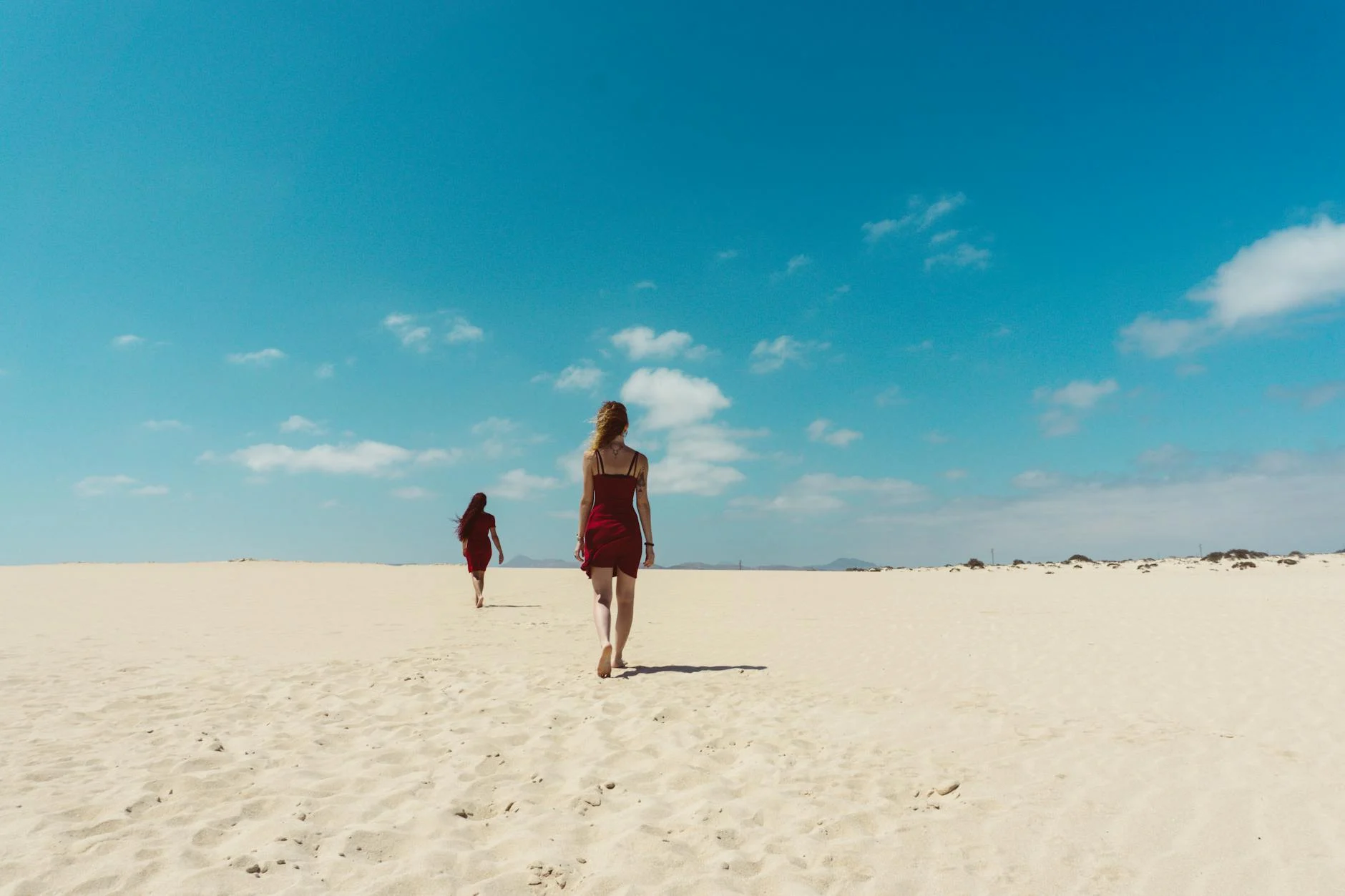
A belt of shifting, wind-driven pale-gold dunes covers roughly two thousand six hundred hectares of the north-east corner of the island, between Corralejo town and the coastal airport road. The sand is not Saharan — an old tourist myth the island signage quietly corrects — but marine, built up over tens of thousands of years from the pulverised shells and calcareous skeletons of Atlantic molluscs driven onshore by the prevailing north-easterlies and then blown inland. The FV-1a coastal road bisects the reserve, with pull-off lay-bys above a string of long, shallow-water beaches — Playa del Viejo, Bajo Negro, Medaño, El Dormidero — that are among the best family beaches in the Canaries and which have not, as yet, been developed. On a clear morning from the crest of any inland dune you can see Lanzarote to the north (the channel is eleven kilometres wide), Isla de Lobos directly below you, and, on rare days when the calima has not reached inland, the outline of the Jandía massif fifty kilometres south.
The park was declared in 1994 and is also a Special Protection Area for birds, home to the endemic Canarian houbara bustard and the trumpeter finch. Visitor rules are simple and enforced: stay on marked paths and wooden boardwalks inside the core reserve, park only in designated lay-bys, take all litter back to Corralejo, do not drive or ride any vehicle on the dunes themselves. The area west of the road has been closed to motorised off-road traffic since the 1990s. In 2026 the Cabildo has put forward a proposal for an attraction-level visitor fee for Corralejo Dunes, Cofete and Ajuy caves — this has not yet activated as of publication, but is worth checking against local news in the week before arrival.
Price: free. Hours: always open; public pull-off parking can fill by 11:00 in peak season. Access: FV-1 / FV-1a north of Corralejo; Tiadhe bus Line 8 serves the coastal beaches from Corralejo town. Book: no booking required.
2. Isla de Lobos
A 4.5-square-kilometre volcanic islet in the strait between Fuerteventura and Lanzarote, named by medieval sailors for the monk seals — lobos marinos, sea wolves — that hauled out on its beaches. The seals were hunted to local extinction by the sixteenth century (a small reintroduction project in the archipelago has been running for a decade; do not expect to see one on Lobos). What remains is a strictly protected natural park under Canary Islands government control, with a single unpaved walking circuit around the rim of the island, a nineteenth-century lighthouse at the northern end, a natural tidal lagoon (El Puertito), and the volcanic cone of La Caldera — the island’s highest point — which you can climb on a signposted path for a view across the channel to both Corralejo and Playa Blanca on Lanzarote.
Access is tightly capped and a logistical double-booking is mandatory. You need a free visitor permit from the Canary Islands government site at lobospass.com — capped at two hundred simultaneous visitors per morning (10:00–14:00) and afternoon (14:00–18:00) slot, bookable at most five days before the visit, valid for up to three people per email address. You also need a ferry ticket — from Corralejo’s Muelle Chico, a fifteen-to-twenty-minute crossing, operated by Naviera Nortour and Ferry Isla de Lobos, at around eighteen euros one-way adult and thirty-six euros return as of April 2026. Either the operator sells a combined ticket-and-permit, or you arrive with a separately-obtained permit; either way, passport or ID is checked on the quay at Corralejo and again on arrival at El Puertito.
Price: free permit + around €18 one-way / €36 return ferry. Hours: daylight only; no overnight stay. Access: Muelle Chico in Corralejo; forty-eight ferry sailings a week. Book: lobospass.com (permit), then navieranortour.com or ferryisladelobos.com (ferry).
3. Betancuria
The first European town founded in the Canary Islands — established in 1404 by Jean de Béthencourt and Gadifer de la Salle in a defensible inland valley, chosen because Berber raiders kept sacking the coastal settlements — and the capital of the whole archipelago until the Bishopric of the Canary Islands moved to Las Palmas in the sixteenth century, and of Fuerteventura specifically until 1834. Betancuria was razed once, by Berber pirates in 1593, and rebuilt more or less where it had stood. It now houses a very small permanent population — under a thousand in the whole municipality — in a valley of painted stone houses, palm trees, a cobblestoned main plaza, the seventeenth-century parish church of Santa María de Betancuria (rebuilt after the 1593 sacking), the ruins of the 1414 San Buenaventura Franciscan convent on a nearby hillside, a small archaeological museum (Museo Arqueológico de Betancuria), and the Casa Santa María restaurant in a restored five-hundred-year-old building opposite the church.
The drive there is half the experience: the FV-30 from Antigua climbs through the Mirador de Morro Velosa viewpoint (a César Manrique–designed white-walled restaurant and terrace, one of the artist’s few commissions on Fuerteventura), past the statues of Guise and Ayose — two bronze figures of the pre-conquest Majorero kings of the northern and southern kingdoms at the pass between them — and into a landscape of broom, wild olive and the darkest agricultural soil on the island. Allow three hours for the village and its immediate surroundings; allow five if you are making the stop at Morro Velosa and eating at Casa Santa María.
Price: village free to walk; museum €2; Casa Santa María mains €16–26. Hours: museum Tue–Sat 10:00–17:00; Santa María church opening dependent on parish roster. Access: FV-30 from Antigua; Tiadhe bus Line 2 twice daily. Book: at each attraction individually; no combined ticket.
4. Cofete and Villa Winter
The wildest beach in the Canary Islands sits on the west coast of the Jandía peninsula: fourteen kilometres of golden Atlantic sand, fifty metres wide, backed by the seven-hundred-metre escarpment of the Pico de la Zarza massif, and reached only by the unpaved FV-605 track over the Degollada de Agua Oveja pass from Morro Jable. The drive is roughly twenty kilometres on broken gravel, about an hour in each direction in a high-clearance vehicle. Most rental-car contracts explicitly void insurance on unpaved roads; either take one of the two scheduled Tiadhe Line 111 minibuses from Morro Jable (around €8.70 one way, two departures a day, check the morning timetable before you go), hire a dedicated 4×4 tour, or rent specifically from one of the small Morro Jable agencies that will insure the FV-605 and often provide a Jimny-class vehicle for it.
The settlement of Cofete itself is three houses, one small seasonal restaurant (Restaurante Cofete, lunch only, cash preferred) and a cemetery. Above it stands Villa Winter — a two-storey-plus-basement house with a 360-degree watchtower, built by the German engineer Gustav Winter on land he had leased in 1937 under a concession that specifically required him to fence off the whole peninsula of Jandía from the rest of the island and to accept funding lines that ran through Hermann Göring’s office in Berlin. Construction dates are disputed: local memory says 1946–1954, Winter himself in a 1971 interview placed completion at “late 1958.” The house is real. Its many myths — secret U-boat dockings at Cofete, Nazi fugitives housed in the basement, tunnels under Jandía — are not. (Cofete’s sea bottom is shallow shelf, unusable for submarines. Winter never held a military rank. There is no archaeological evidence of tunnels.) The house is open on a small-fee visit most days, run informally by the family that maintains it; pay about two to three euros at the gate and you get a local telling of the real Jandía story, which — even stripped of the myths — is plenty strange.
Price: beach free; Villa Winter entry around €2–3 (cash at gate). Organised 4×4 tours from Morro Jable (incl. Cofete beach, Villa Winter and transport) €60–85 per person. Hours: daylight only at Cofete; Villa Winter tours typically late morning and early afternoon, weather-dependent. Access: FV-605 unpaved from Morro Jable; Tiadhe Line 111 twice daily. Book: no booking at Villa Winter; arrive and ask at the gate.
5. Sotavento Lagoon and Risco del Paso
The east coast of the Jandía peninsula is among the most consistently windy kitesurfing and windsurfing locations in the Atlantic. The ten-kilometre Playa de Sotavento faces a prevailing north-easterly trade wind that funnels through the channel between Fuerteventura and Gran Canaria at twenty to thirty knots most afternoons from May to September, and a long shallow sandbar seven hundred metres offshore creates a tidal lagoon that fills at high tide and drains at low tide, producing a natural waist-deep kitesurfing playground at mid-tide stages. The PWA Windsurfing World Cup and the GKA Kite-Surf World Cup have been held at Sotavento almost every year since the mid-1980s. A short drive south, Risco del Paso is a smaller, more sheltered lagoon used for beginner lessons; the ION Club school and Sportif Travel rent from a kiosk on the sand and run IKO-certified courses in English, German and Spanish.
The beach itself is ten kilometres long and largely undeveloped, apart from the 1970s-era Hotel Risco del Gato at the north end and the 1990s Meliá Gorriones at the south. On a non-wind day (rare from May to September, common in November and February) Sotavento is also one of the best long-walk beaches in the Canaries — white sand, warm shallow water, almost nobody between the hotels.
Price: beach free; kitesurf lessons €70–150 for a group session, €60–80/day for a rental; windsurf rental €35–45/hour. Hours: daylight only for lessons; wind peak 14:00–18:00 most days. Access: FV-2 to Costa Calma or Los Gorriones; Tiadhe Line 1 stops at Costa Calma. Book: ion-club.net or sportif.travel.
6. Pico de la Zarza (Pico de Jandía)
The highest peak on Fuerteventura, at eight hundred and seven metres, on the Jandía peninsula. The PR-FV-54 trail climbs from a signposted starting point above Morro Jable — roughly seven-and-a-half kilometres one way, around five hours round-trip at a moderate pace, with a climb of around seven hundred metres — and tops out on an exposed ridge above the Cofete valley. From the summit on a clear morning you can see the whole length of the island to the north, Gran Canaria and Tenerife to the south-west, and the Moroccan coastline to the east. The path is easy to follow but unshaded and completely exposed to the wind; there is no water on the route.
Price: free. Hours: daylight only; start at 07:30 to avoid the midday heat in summer. Access: trailhead above Morro Jable at Calle Butihondo; taxi from Morro Jable about €5. Book: no booking required.
7. Ajuy Caves and Playa de los Muertos
A few kilometres west of Pájara, on the central west coast, a trail drops from a small fishing village down to a cliff-walk cut into the black-sand cove of Playa de los Muertos (“beach of the dead” — local tradition says drowned sailors once washed up here) and into the sea caves above. The rock the caves are cut out of is the oldest exposed geology in the Canary Islands: a hundred-million-year-old oceanic-crust complex, older than the volcanic islands that sit on top of it and visible here only because the Atlantic has scoured the overlying basalt away. The caves, protected as a Monumento Natural since 1987, were used as lime kilns in the nineteenth century — the stone ovens are still visible on the cliff path — and as anchor-shelter by small-boat Canarian fishermen for centuries before that.
Price: free. Hours: always open; best visited at low tide, when the sea floor inside the main cave is walkable. Access: FV-621 west of Pájara; no direct bus. Book: no booking required.
8. Casa de los Coroneles (La Oliva)
A fortified country house built in the second half of the seventeenth century as the residence of the colonels of Fuerteventura — a hereditary military governorship granted by the Crown of Castile, held successively by the Sánchez Dumpiérrez and Cabrera Béthencourt families, and the closest thing the island ever had to an aristocracy. The colonels ran Fuerteventura as an autocratic military jurisdiction from the late sixteenth century until the post-napoleonic reforms of 1834. The house was abandoned after that, fell into slow ruin, and was finally restored by the Cabildo and re-opened by King Juan Carlos I in November 2006 as a public monument and exhibition centre. The tower, the vaulted stone rooms, the carved wooden Canarian balconies and the whitewashed courtyard make it the best surviving domestic building of its period in the archipelago; the permanent exhibition on the military jurisdiction of the island is short but well-written.
Price: €3 general admission (reduced rates for Canarian residents and groups). Hours: Tue–Sat 10:00–18:00; closed Sun, Mon and public holidays. Access: La Oliva, around 20 km north-west of Puerto del Rosario on the FV-10. Book: no advance booking required.
9. Tefía — Ecomuseo La Alcogida, and the Colonia
A kilometre east of the FV-20 in the geographic middle of the island, the hamlet of Tefía contains two visits that sit uneasily next to each other, and you should make both. The first is Ecomuseo La Alcogida, a living museum opened by the Cabildo in a cluster of restored Majorero farmsteads at the edge of the village — a group of houses of different nineteenth- and early-twentieth-century types, equipped with the tools of pre-industrial rural Canarian life and built around the aljibe underground water cistern that was the difference between a working house and an abandoned one. Staff at the museum demonstrate artisan trades on a rotating schedule, and the on-site shop sells the best-made palm-leaf baskets on the island and a Majorero cheese that has been aged in the museum’s own cellar. It is an hour very well spent.
The second is less advertised. On the south-western edge of the village, along a short track from the museum, stand the remaining buildings of the Colonia Agrícola Penitenciaria de Tefía — a Franco-era agricultural prison colony operational between February 1954 and 1966, under the modified Ley de Vagos y Maleantes, the Vagrancy and Loitering Law amended in July 1954 explicitly to criminalise “acts of homosexuality.” Roughly a thousand men passed through Tefía during its twelve years of operation; between three hundred and three hundred and fifty were imprisoned on the basis of their sexual orientation or gender identity. Prisoners worked the fields from sunrise to sunset on the same broken stone you see along the track today, breaking rock for drystone walls and attempting to farm ground that had defeated local Majorero farmers for centuries. Survivor testimonies collected by the eldiario.es newsroom and by academic historians describe systematic beatings and a ritual of public humiliation that guards called la humillación. Most of the men did not speak about Tefía for the rest of their lives. The colony closed in 1966; the buildings were reused as a youth hostel, which they still are.
On 9 February 2026, an agreement of the Spanish Secretaría de Estado de Memoria Democrática formally declared the Colonia Agrícola Penitenciaria de Tefía a Lugar de Memoria Democrática — the first Place of Democratic Memory in Spain dedicated specifically to the LGBTI+ collective. The declaration was published in the Boletín Oficial del Estado on 27 February 2026. The Cabildo has since announced a plan to convert the remaining buildings into an interpretation centre; as of April 2026 that work has not begun, and the site is unsigned. You walk there from the Ecomuseo car park, past a low stone wall, into a dry courtyard between three whitewashed single-storey buildings.
Price: Ecomuseo La Alcogida €5 general (€12 and under free); Tefía colony site free and unstaffed. Hours: Ecomuseo Tue–Sat 10:00–18:00. Access: FV-20 between Puerto del Rosario and Antigua; no direct bus. Book: no booking required.
10. Casa-Museo Miguel de Unamuno (Puerto del Rosario)
On 20 February 1924, the Spanish dictator Miguel Primo de Rivera issued a decree suspending the chair of Greek that Miguel de Unamuno held at the University of Salamanca, removing him as rector, and banishing him to Fuerteventura — at the time the most remote place on the Spanish peninsula’s administrative map, then called Puerto de Cabras (Port of Goats), now Puerto del Rosario. Unamuno arrived in early March 1924 and stayed until 9 July of the same year, when a general amnesty allowed him to leave for exile in Paris. He spent those four months at the Hotel Fuerteventura, run by a Majorero innkeeper called Paco Medina whom Unamuno referred to in his letters simply as “mi fondista” (“my innkeeper”). The writer was then sixty years old and at the peak of his European reputation. From Fuerteventura he wrote essays, letters and several sonnets of De Fuerteventura a París, and he never fully shook the island off: when he returned to Salamanca after the fall of Primo de Rivera, he kept the pipe he had bought in Puerto de Cabras and wrote periodically to the hoteliers who had housed him.
The Cabildo acquired the Hotel Fuerteventura in 1983 and opened it as the Casa-Museo Unamuno in May 1995 — the writer’s bedroom, the small study, the dining room and a kitchen preserved more or less as he left them, with his furniture, typewriter, pipe collection and a set of his handwritten letters on display. Admission is free Monday to Friday; the museum is closed at weekends and on public holidays. It is a thirty-minute visit and, in a capital that most visitors pass through without getting out of the car, it is the single best reason to spend an hour in Puerto del Rosario.
Price: free. Hours: Mon–Fri 09:00–16:00; closed weekends and holidays. Access: central Puerto del Rosario, opposite the parish church of Nuestra Señora del Rosario; Tiadhe buses from all resorts terminate two blocks away at the Estación de Guaguas. Book: no booking required.
11. Montaña de Tindaya (the Sacred Mountain)
A dome of trachyte rock rising several hundred metres above the desert plain at the north of the island, between La Oliva and Tindaya village — distinctive enough from every angle that Majorero sailors navigated by it, and sacred enough to the pre-conquest population that more than three hundred podomorphic (human-foot-shaped) rock engravings have been documented on its upper slopes, every one of them oriented towards the winter solstice sunset. The Montaña de Tindaya is a Montaña Sagrada (“sacred mountain”), the single most important archaeological site of the Majorero civilisation anywhere on the island. Its lower slopes were quarried commercially in the second half of the twentieth century; in 1985 the Basque sculptor Eduardo Chillida proposed a monumental intervention — the hollowing of a fifty-metre cubic chamber inside the mountain as a “Monument to Tolerance,” extracting roughly a hundred and twenty-five thousand cubic metres of rock. The proposal divided the island for thirty years. It was finally stopped in March 2023, when the Canarian government declared the mountain a Bien de Interés Cultural (Asset of Cultural Interest), permanently protecting it from the Chillida excavation and from any further quarrying. The campaign that killed the project was called, in Spanish, Tindaya no se toca — “do not touch Tindaya.”
The mountain is climbable on a marked trail with a free permit from the Cabildo’s environmental office; the permit cap is small and demand in summer outstrips supply. The route requires a reasonable level of fitness and about two to three hours round-trip. The podomorphs themselves are on a restricted upper section of the mountain, visited only with a licensed guide.
Price: free permit required; guided ascents with a licensed operator around €25–35. Hours: daylight only; permit request window at least ten days in advance. Access: FV-10 to Tindaya village; park at the marked trailhead. Book: Cabildo de Fuerteventura — Medio Ambiente office, or visitfuerteventura.com.
12. Puerto del Rosario — The Capital You Are Probably Skipping
Puerto del Rosario has almost no reputation. Forty-thousand people live in the municipality. The cruise-port quay and the Red Cross and Salvamento Marítimo operations are at the north end of the harbour. The bus station is near the airport bypass. The airport itself is twelve kilometres south. Most package visitors never set foot in the city.
Four reasons to spend half a day here. First, the Casa-Museo Unamuno (see above) — the single best free museum on the island. Second, the Unamuno urban sculpture route along the seafront, which is the only reliable way to understand what a Majorero Atlantic capital actually looks like (answer: white-walled, low-rise, windswept, salt-bleached). Third, the Mercado de Puerto del Rosario on Saturday mornings at the Cabildo square — the best cheese, goat meat, Majorero pastries and local wine on the island, from producers who do not sell through the resort supermarkets. Fourth — and this is the part that most guides leave out — the harbour itself is a working Atlantic port: cruise quay, fish-unloading dock, Fred Olsen and Naviera Armas ferries, and the Red Cross humanitarian reception centre that handles most of Fuerteventura’s Atlantic-Route arrivals. This is not a tourist attraction; do not photograph people on arrival. The Fuerteventura that arrives at Gran Tarajal by sea and is processed at Puerto del Rosario is part of what this island is in 2026, and you can walk the harbour seawall in the late afternoon without being in anybody’s way.
Price: all free to walk. Access: Tiadhe buses from every resort terminate at Estación de Guaguas; airport shuttle is Line 3, €1.70 one way, every 30 minutes Mon–Sat.
The Island by Region
The north (Corralejo, El Cotillo, La Oliva, Villaverde). The dunes, the Lobos islet, the kitesurf economy, and the first stretch of coast the tourism wave reached in the 1970s. Corralejo’s west-facing fishing harbour is still a working dock at dawn and the Muelle Chico plaza is the most atmospheric public space in the north. El Cotillo, on the west coast, is what Corralejo would have become if the package-tour industry had not arrived — a low-rise fishing village with two harbour beaches, a lighthouse, and three respectable small-fish restaurants. La Oliva inland is the Casa de los Coroneles and the Centro de Arte Canario. Villaverde, between La Oliva and Tindaya, is where the Majorero cheese producers cluster.
The centre (Puerto del Rosario, Tefía, Antigua, Betancuria, Pájara). The administrative and historical heart. Puerto del Rosario on the east coast; the Ecomuseo La Alcogida and the Colonia Penitenciaria site at Tefía; the Museo del Queso Majorero and the agricultural town of Antigua; the old capital Betancuria in its sheltered inland valley; and the long quiet inland drive through Pájara municipality towards the west coast. This is the drive on which you understand that Fuerteventura is a large, dry, essentially agricultural island that has a tourist economy attached to its coasts.
The east coast resorts (Caleta de Fuste, Costa Calma). Caleta de Fuste, a purpose-built 1970s marina resort fifteen minutes south of the airport; quieter and less commercial than Corralejo, with an enclosed artificial beach that is excellent for families and a mid-range hotel strip that runs north-south behind it. Costa Calma, further south, is where most of the Sotavento and Risco del Paso kitesurf schools are based; also the town that expanded fastest in the 2000s and that feels the most anonymous of the three.
The south (Morro Jable, Jandía, Cofete). The Jandía peninsula, fenced off by Gustav Winter in the 1930s under a concession with the Spanish state, now a Natural Park, with Morro Jable as its resort access town and Cofete as its wild west coast. Morro Jable has the longest continuous resort beach on the island — about four kilometres of fine sand from Playa del Matorral north to the ferry port — and the tallest lighthouse in the Canaries, at 59 metres, dividing the nudist (north) and textile (south) sections.
The west coast (El Cotillo, Los Molinos, Ajuy, Pájara). Steep cliffs and black-sand coves take the Atlantic’s full swell. The surf is the best on the island, the rocks at Ajuy are the oldest exposed in the Canaries, and the villages have largely been left alone by the package-tour industry. Windy on most days and rewarding in almost every weather.
Where to Stay — by Budget
Budget (€55–95 per night for two)
Puerto del Rosario and the older streets of Corralejo offer two- and three-star options in this range. Avoid the Costa Calma budget strip — the apartment buildings are older and the neighbourhood is thin.
- Hotel Tamasite (Puerto del Rosario) — central three-star near the seafront, from €60/night double with breakfast.
- Hotel Corralejo Beach (Corralejo, east end) — well-located mid-century three-star at €85–100 in high season.
- Apartamentos Las Dunas (Corralejo) — functional one-bedroom apartments within walking distance of the old harbour, from €70/night.
Mid-range (€100–190 per night for two)
The sweet spot. Four-star beachfront properties, well-maintained resort hotels, and boutique inland casas rurales.
- HD Lobos Natura (Corralejo, opened 2025) — 261-room four-star-superior resort overlooking Lobos islet, with HD Essentia Wellness Spa opening May 2026. From €150/night in shoulder season, €210+ in peak.
- Sheraton Fuerteventura Beach, Golf & Spa Resort (Caleta de Fuste) — the best of the Caleta de Fuste hotels, with direct beach access and a serviceable on-property restaurant. From €170/night.
- Casa Rural Era de la Corte (Antigua) — a restored Majorero farmhouse inland, eight double rooms, from €120/night with breakfast.
- Iberostar Waves Gaviotas Park (Costa Calma, reopened 2026) — refurbished four-star on Playa de Esquinzo, from €160/night half-board.
Luxury (€200–500+ per night for two)
- Princesa Yaiza (Playa Blanca, Lanzarote — ferry from Corralejo) if you want the best luxury five-star nearby; not on Fuerteventura itself.
- Secrets Bahía Real Resort & Spa (Corralejo) — five-star adults-only, on Playa de las Agujas, with the best beach position of any north-island hotel. From €300/night.
- Meliá Gorriones (Costa Calma, Sotavento) — five-star on the Sotavento lagoon, with direct kite-beach access and a competent kite-school relationship. From €240/night.
- ZEL Fuerteventura (opens 2026, Meliá’s lifestyle brand) — schedule and price TBC at time of writing; check direct with melia.com in the month before travel.
Where NOT to stay
Jandía — Avenida del Saladar strip behind Playa del Matorral after 20:00 in July and August is a noise and crowd trap comparable to Corralejo’s Music Square — the British and Irish bar lanes (Irish Times, Boot & Ball, Mojo Beach) and shopping-centre clusters along the inland side of the avenue, in what was the village of Solana Matorral before Morro Jable absorbed it. The resort nightlife is loud; the beach is magnificent. Choose a hotel at the south end of Morro Jable, behind the lighthouse, or take Caleta de Fuste and drive. Playa del Matorral itself is a fine beach under any condition; the hotel strip directly behind it is the trap.
Accommodation tax
There is no island-wide accommodation tourist tax on Fuerteventura as of April 2026. La Oliva municipality (Corralejo, El Cotillo) is publicly exploring a local tax; no implementation date has been announced. Most neighbouring Canary island councils have no accommodation tax either, except Mogán on Gran Canaria (€0.15 per person per night since January 2025) and Tenerife (Teide National Park eco-fee for hikers). Fuerteventura is also considering attraction-level fees — for Cofete beach, Corralejo Dunes and Ajuy caves — proposed for 2026 but not yet activated as of publication.
Where to Eat
The food on Fuerteventura survived drought, hunger and 500 years of marginal agriculture. The staples are goat, fish and gofio — the roasted cereal flour the Majoreros kept as their calorie-dense travel food, which later became, in moments of extreme hunger, the only food on the table. The best Majorero kitchens cook around those three ingredients. What arrived from the mainland was wine (listán blanco, malvasía), paprika, cumin and olive oil. What the Atlantic gives is sama, vieja and cherne — local names for species that have no clean English translation — and lapas, the grilled Atlantic limpets that are the best-value shellfish on any Canarian menu.
Budget eats (€6–12 per meal)
- Tapas bars around Plaza de Corralejo — a ración of papas arrugadas with mojo rojo and verde for €4, goat stew for €7, a glass of Bodegas Monje listán blanco for €2.50. Walk the plaza, pick the one with the most Spanish being spoken.
- El Cotillo — Carmelo’s fish shack on the harbour — whole grilled sama at market price (usually €12–14 a plate, no menu, no reservations), daily catch only, closed Mondays and when the boats don’t go out.
- Gran Tarajal seafront taperías — the fishing town at the south-east, largely skipped by tourists; the tapería strip at the harbour does the best lapas a la plancha on the island for €5–7 a plate.
Mid-range (€20–40 per person)
- Casa Santa María (Betancuria) — see attraction #3 for the full description; mains €16–26, full lunch for two around €80.
- Las Rocas (El Cotillo, on the harbour) — grilled local fish, lapas, a respectable Malvasía Volcánica list, sea view. Mains €14–22.
- La Jaira de Demian (Puerto del Rosario) — a gastrobar run by Demian Zambrana, a Uruguayan-born chef who trained at The Savoy under Gordon Ramsay and moved to Fuerteventura in 2007. Modern Canarian cooking with the island’s own produce. Mains €16–24, tasting menu around €45.
Special occasion (€50+ per person)
The Michelin Guide Spain 2026 Canary Islands selection lists fifteen starred restaurants across the seven-island archipelago; Fuerteventura holds no Michelin stars in 2026. The island has several accomplished kitchens, listed above, but the starred and Bib Gourmand kitchens are split between Gran Canaria and Tenerife. The Michelin guide does namecheck Casa Santa María in Betancuria as a destination of interest; it is not a star.
For a genuinely ambitious dinner, the two most serious kitchens are Casa Santa María (Betancuria — see attraction #3) and La Jaira de Demian (Puerto del Rosario — see mid-range above). For a resort-based ambitious dinner, the in-house restaurants at the Secrets Bahía Real (Corralejo) and the Sheraton Fuerteventura (Caleta de Fuste) are competent if not transcendent. Most of the island’s best food sits well under €50 a head.
Traditional dishes to know
- Queso Majorero — hard, peppered goat-milk cheese with a rind rubbed in red paprika, toasted gofio flour, or olive oil. Recipient of the first Denominación de Origen Protegida ever awarded to a Spanish pure-goat’s-milk cheese (1996). The single most characteristic food on the island.
- Cabra asada / cabrito al horno — slow-roasted goat leg or kid, the Betancuria signature, usually served with papas arrugadas and mojo.
- Sancocho canario — salted fish (usually cherne) boiled with sweet potato and gofio ball; a post-Easter tradition across the Canaries but particularly strong on Fuerteventura.
- Gofio escaldado — gofio flour stirred into a hot fish broth until it thickens into a spoonable paste; eaten with raw onion and bocinegro fillet.
- Lapas a la plancha — grilled Atlantic limpets, served with garlic, parsley and a squeeze of lime. Order by weight; a quarter kilo is enough for one.
- Papas arrugadas con mojo — the Canarian signature, small salt-wrinkled potatoes served with red and green sauces (mojo rojo with paprika and cumin, mojo verde with coriander and green pepper). On every island but at its best here.
- Bienmesabe — a dessert of ground almonds, egg yolk, sugar and lemon zest, usually served over local vanilla ice-cream. Sometimes dusted with gofio.
Avoid
- The tourist restaurants on Avenida Nuestra Señora del Carmen in Corralejo — photograph menus and laminated English/German versions; “Canary paella” is not a Canarian dish.
- The Music-Square strip at dinner — pan-European hotel-cuisine at Mediterranean-mainland prices.
- “Canary fried chicken” anywhere — tourist invention; not a dish on any Majorero grandmother’s table.
Drinking Canarian — Malvasía, Listán, Gofio, and Goat
Fuerteventura has no wine of its own at scale. The island’s few small producers — mostly around Antigua and La Oliva — make honest dry listán blanco that drinks well with local fish but does not travel outside the Canaries. For the Canarian wine you will actually remember, drink Lanzaroteño: the volcanic Malvasía Volcánica from Bodegas El Grifo, La Geria, Rubicón or Los Bermejos. Most Fuerteventura restaurants list at least three of those, and most of them pour the Lanzarote white by the glass for around €3. The volcanic minerality and salinity that define Malvasía Volcánica are the closest thing to a regional white the archipelago has.
For spirits, two Canarian specialities: Licor de Plátano (banana liqueur, sweeter and thicker than it should be, used in the barraquito coffee) and Ron Arehucas, the Gran Canaria oak-aged rum that is what every Canarian restaurant pours when you order “ron,” served with a pinch of lemon zest at the bar. The after-dinner drink on any Fuerteventura table is a barraquito: a tall glass of layered condensed milk, espresso, Licor 43, cinnamon and a strip of lemon peel. You drink it before you stir it; the layers are half the point.
For something specific to Fuerteventura itself: the island’s traditional drink is café de fondón — a small copper pot of double-strength coffee boiled with sugar and gofio — still served at a handful of inland cafés in Antigua and Betancuria and, more or less nowhere else.
Getting Around
From the airport
FUE (Fuerteventura Airport, also called El Matorral) is twelve kilometres south of Puerto del Rosario on the east coast. The Tiadhe bus network runs three direct lines from the airport bus stop, just outside the Arrivals building (fares and frequencies as of April 2026; verify against the current Tiadhe schedule before travel):
- Line 3 (FUE → Puerto del Rosario) — every 30 minutes Monday to Saturday, hourly on Sunday; €1.70 one-way; journey time 15 minutes.
- Line 10 (FUE → Morro Jable via Caleta de Fuste and Gran Tarajal) — hourly; €10 one-way to Morro Jable; journey time 90 minutes.
- Line 16 (FUE → Caleta de Fuste) — every 30 minutes; €1.70 one-way.
For Corralejo, you change at Puerto del Rosario’s Estación de Guaguas: Line 6 (Puerto del Rosario → Corralejo), around €3.40 one-way, every 30 minutes during the day. Total FUE → Corralejo: approximately €5.10 and around 75 minutes including the connection. Taxis from FUE are metered and the airport posts an official fare table on the rank. Typical fares run from roughly €15–25 to central Puerto del Rosario, €30–45 to Caleta de Fuste, €50–70 to Corralejo, and around €75–95 to Morro Jable, depending on time of day and traffic.
Local transit
Tiadhe operates the island-wide bus concession. Fares are €1 to €10 depending on distance. A Bono pre-paid card costs €2 and gives 5% off each fare (worth buying if you plan more than five rides). All buses run on a fixed timetable visible at tiadhe.com. The network is adequate for resort-to-resort travel and for connecting the three main tourist centres to Puerto del Rosario and the airport, but it does not reach Cofete (except Line 111, twice daily), it does not reach Tindaya, it does not reach El Cotillo on a frequent schedule, and it does not do the inland villages well. For any serious exploration of the island, rent a car for the relevant days.
Rental cars
Fuerteventura is one of the cheapest European islands for car rental. Compact cars run €15–30 per day outside of peak season, €25–50 in high season. Most agencies operate from FUE airport and the main resorts. Standard insurance typically voids on unpaved roads; if you plan to drive to Cofete, specify a 4×4 and get written unpaved-road cover in your rental agreement. The roads on the main network are excellent.
Ferries
- Corralejo ↔ Playa Blanca (Lanzarote) — Fred Olsen, Naviera Armas and Lineas Marítimas Romero; 25–35 minutes crossing; from €17 foot passenger; more than twenty daily crossings year-round.
- Morro Jable ↔ Las Palmas (Gran Canaria) — Fred Olsen; ~2 hours; from €55 foot passenger; three daily crossings.
- Corralejo ↔ Isla de Lobos — Naviera Nortour / Ferry Isla de Lobos; 15–20 minutes crossing; from €18 one-way adult / €36 return.
Best Time to Visit
Fuerteventura is a year-round winter-sun destination — daytime highs sit at 20–22°C in January, 28°C in August, and the difference between midsummer and midwinter is less pronounced than almost anywhere else in Europe. Water temperature is the narrower range that actually matters for beach holidays: 18–19°C in February and March (swimmable for cold-water swimmers and surfers, cold for most), 22–23°C in September and October (peak). The summer (June–September) is the windy season; the winter (December–February) is calmer and has reliable sun with occasional short squalls. The calima — the Saharan dust plume — can arrive any time between November and April; a heavy one reduces visibility to a few hundred metres, raises temperatures 10–15°C above seasonal average, and is worth checking the forecast for (AEMET issues calima advisories at aemet.es).
The single best trip windows:
- September–October: warmest water, most stable weather, smaller crowds between the summer and winter peaks. The sweet spot for a first visit.
- November–February: the Canarian winter-sun peak. Reliable 20–22°C highs, minimal rain, maximum flight availability from northern Europe. Cooler water.
- April–May: reliable sun, stable wind for kitesurfing on the east coast, low-season prices on accommodation outside Easter.
Avoid the second half of July and the first half of August unless you specifically want the windsurf peak — wind on the east coast is strongest then, and the resort towns are at full capacity with British, German and Spanish peninsular school-holiday traffic.
Month-by-Month Weather
Fuerteventura’s climate is technically a hot desert climate (Köppen BWh), but the maritime moderation from the Atlantic keeps both daily and seasonal extremes within a narrow band. The figures below are monthly averages for Puerto del Rosario (east coast, representative of the resort strip); inland temperatures are 1–3°C higher and rainfall is about double. Source: AEMET historical climatology and climatestotravel.com.
| Month | High / Low (°C) | Sea temp (°C) | Rain days | Key events & notes |
|---|---|---|---|---|
| Jan | 20 / 14 | 19 | 3 | Three Kings 6 Jan. Reliable sun. Calmer seas. ⭐ |
| Feb | 20 / 14 | 18 | 2 | Carnival 6–22 Feb across all resorts. Cold water but best winter-sun weather. |
| Mar | 21 / 14 | 18 | 2 | Shoulder-season prices return. Semana Santa (Holy Week) around Easter. |
| Apr | 22 / 15 | 18 | 1 | Spring kitesurf begins on east coast. Warmer evenings. ⭐ |
| May | 24 / 17 | 19 | 0 | Peak kitesurf season begins. Dry and reliable. ⭐ |
| Jun | 26 / 18 | 20 | 0 | PWA / GKA world cup events historically in June / July. Windy afternoons. |
| Jul | 28 / 20 | 22 | 0 | Peak wind on east coast. Peak crowds. |
| Aug | 28 / 21 | 23 | 0 | Peak crowds, peak wind, peak heat. Resort strip noisy. |
| Sep | 27 / 20 | 23 | 0 | Warmest sea. Wind drops slightly. Best month for a first visit. ⭐⭐ |
| Oct | 25 / 19 | 22 | 1 | Fiestas Juradas 13 Oct (Tuineje battle re-enactment). Still warm. ⭐ |
| Nov | 23 / 17 | 21 | 3 | Winter rate-window opens. Rain returns. Cooler evenings. |
| Dec | 21 / 15 | 20 | 3 | Wettest month (still averages only 20–25 mm). Christmas peak on flights. |
Annual rainfall: approximately 85 mm on the east coast, under 150 mm almost anywhere. Rain falls almost entirely October–March; May–September typically records zero measurable rainfall.
Daily Budget Breakdown
Prices in euros, for a couple travelling together, April 2026. IGIC (Canarian local tax) at 7% is included in most shelf prices. Fuerteventura is materially cheaper than the Balearics or Santorini; the Canary Islands as a whole are among the cheapest EU island destinations.
| Category | Budget | Mid-Range | Luxury |
|---|---|---|---|
| Accommodation (2-pers. room/night) | €55–95 | €100–190 | €200–500+ |
| Breakfast (per person) | €4 (pastry + coffee at a tapería) | €10 (hotel) | €18 (resort buffet) |
| Lunch (per person) | €9 (ración of papas + tapas) | €18 (mid-tapería, glass of wine) | €40+ (hotel restaurant) |
| Dinner (per person) | €14 (tapería, 2 courses, wine) | €30 (Casa Santa María / La Jaira) | €65+ (resort fine-dining) |
| Transport (per day) | €8 (Tiadhe buses) | €25 (car rental) | €60 (private taxi) |
| Activities (per day) | €0 (dunes, Ajuy, beaches) | €15 (museums, Lobos, kite lesson split) | €100+ (private boat, spa, dinner cruise) |
| Daily total (per couple) | €130–175 | €230–380 | €500–850+ |
Budget tier covers the island on foot and by bus, staying in Puerto del Rosario or central Corralejo, eating at taperías, and spending almost nothing on entry fees. Mid-range is the sweet spot — car hire for the key driving days, one good dinner per night, a mix of resort and inland sleeping. Luxury is adults-only five-stars with full resort service, fine-dining in-house or in Betancuria, and a private driver for the inland days.
Sample Itineraries
3-Day Essential — Rental car Day 2
Day 1 (Corralejo day). 09:00 coffee at the Muelle Chico harbour in old Corralejo. 09:30 walk north along Playa de Bajo Negro into the dunes to the first inland crest (30 min each way). 11:30 back to the harbour. 12:30 Tiadhe Line 8 or a 10-min walk to Lobos ferry; afternoon on Lobos, back on the 17:30. 20:00 dinner at a plaza tapería. Rest of evening at Muelle Chico for the sunset.
Day 2 (inland driving day). 08:30 collect rental car. 09:30 Ecomuseo La Alcogida at Tefía — allow 90 minutes. 11:15 the Tefía colonia site, 20 minutes, quiet walk. 12:00 drive south to Betancuria, 35 minutes. Lunch at Casa Santa María (book ahead). 15:30 Mirador de Morro Velosa on the way out. 16:30 Casa de los Coroneles in La Oliva. 18:30 return to Corralejo. 20:30 dinner.
Day 3 (Jandía day). 07:00 breakfast. 07:30 drive to Morro Jable (FV-2), 1h 45m. 09:30 start the Pico de la Zarza hike; 5h round-trip. 15:30 late lunch at Restaurante Saavedra Clavijo in Morro Jable. 17:30 sunset drive back to Corralejo via Costa Calma. 21:00 dinner.
5-Day Extended
Add a Day 4 for Sotavento (kitesurf lesson in the morning at Risco del Paso with ION Club; lunch and afternoon at the Sotavento lagoon at mid-tide) and a Day 5 for Puerto del Rosario (Casa-Museo Unamuno in the morning, Saturday mercado if applicable, a walk along the Unamuno sculpture route, seafood lunch at Calle La Cruz).
7-Day Sweet Spot
Add a Day 6 for Cofete (via FV-605 with a rental 4×4 or the Line 111 minibus; lunch at Restaurante Cofete; Villa Winter tour; Playa de Cofete) and a Day 7 for El Cotillo, Ajuy caves and Tindaya mountain (if you have managed to secure a permit — book this first and plan the rest of the trip around it).
Best Day Under €25
A walking-and-bus day from Corralejo, costed at April 2026 prices.
- 07:30 breakfast at a tapería off the Corralejo harbour — café con leche and a tostada con tomate — €4.50.
- 08:45 bus from Corralejo to Puerto del Rosario (Tiadhe Line 6) — €3.40.
- 09:30 Casa-Museo Unamuno — free. Allow 30–45 minutes.
- 10:30 Unamuno urban sculpture route from the museum south along the Paseo Marítimo to the Playa Chica — free, 40 minutes on foot.
- 12:00 lunch at a tapería on Calle La Cruz — ración of lapas a la plancha, a plate of papas arrugadas with mojo, a glass of local listán blanco — €11.
- 13:45 bus back to Corralejo (Line 6) — €3.40.
- 14:30 Corralejo Dunes walk out from the Muelle Chico along the beach track towards Playa del Viejo — free, 2 hours round-trip.
- 17:30 sunset swim at Corralejo’s Playa del Moro — free.
- 19:30 evening tapas back at the Corralejo harbour plaza — €2.70 for a small tapa and a glass of listán, or zero if the free-tapa-with-drink is running.
Total: approximately €22.30 per person for a full day including a museum, two bus rides, a meal, an afternoon walk and evening tapas.
The island’s best-day number is lower than Lanzarote (€33.50), Santorini (€52) or Sicily (€35+), placing Fuerteventura among the cheapest European island days in the fleet.
Windy Day / Calima Day Plan
On a heavy-wind afternoon, or a dust-heavy calima day when the air over the beach is hazed orange and the island’s headline beaches are not worth going near, the interior villages are the answer. Everything below is indoors, sheltered or at an altitude where wind is less of a problem.
- Casa-Museo Unamuno (Puerto del Rosario, free) — 30 minutes of shelter and substance.
- Casa de los Coroneles (La Oliva, €3) — 45 minutes of shelter.
- Centro de Arte Canario (La Oliva, €5) — 45 minutes of shelter.
- Museo del Queso Majorero (Antigua, €4 + €3 tasting add-on) — 60 minutes of shelter and a cheese lunch.
- Ecomuseo La Alcogida (Tefía, €5) — see attraction #9; 60 minutes of shelter.
- Casa Santa María lunch in Betancuria — see attraction #3; 2 hours of shelter, and the FV-30/FV-20 drive avoids the coastal wind corridors.
Budget version (under €15 per person): Unamuno museum + Unamuno sculpture route + harbour lunch at Calle La Cruz in Puerto del Rosario. Comfortable version (around €40 per person): rental-car day through La Oliva, Tindaya viewpoint, Tefía ecomuseo, Betancuria lunch at Casa Santa María. Neither day depends on the beach being usable.
Day Trips
Isla de Lobos (half-day)
See attraction #2. Cost from Corralejo: €36 return ferry + €0 permit + €10 lunch = under €50 per person.
Playa Blanca / Lanzarote (full-day)
The Fred Olsen ferry from Corralejo to Playa Blanca runs more than twenty daily crossings in 25–35 minutes from about €17 foot-passenger one-way. Playa Blanca itself is a resort; the point of the day is that from there you can reach the south-coast Papagayo beaches on Lanzarote (10 minutes by car or taxi), and if you are a first-time Canary Islands visitor the visual contrast between Fuerteventura’s eroded 20-million-year-old plain and Lanzarote’s 1730s volcanic landscape is worth the crossing. Alternatively, a full day-trip with an organised operator (around €40 with transfers) will cover Playa Blanca, Papagayo and sometimes Timanfaya National Park.
Gran Canaria (full-day, for the ambitious)
The Fred Olsen ferry from Morro Jable to Las Palmas (two hours each way) puts a full-day Gran Canaria excursion on the table for around €110 return. Las Palmas’s Vegueta old town, the Casa de Colón and Playa de las Canteras are all walkable from the Fred Olsen terminal in the city. This is a long day and only recommended if you are based at the southern end of Fuerteventura.
El Cotillo (half-day)
Twenty kilometres north-west of Corralejo: Playa del Castillo and Playa La Concha (the shallowest, warmest water in the north), a working lighthouse, and lunch at Las Rocas on the harbour. Around €25 per person with a shared rental car.
Cofete (full-day from the north)
Only if you are based in Morro Jable or Costa Calma. From Corralejo it is a three-hour drive each way and not recommended as a day trip.
Ajuy and Pájara (half-day)
See attraction #7 for the caves; pair with lunch in Pájara village at one of the inland cabritas restaurants (stuffed goat kid). Drive only. About €30 per person with a shared rental car.
Safety and Practical Information
Safety
Fuerteventura is one of the safer destinations in Europe. Violent crime is rare; pickpocketing is opportunistic and concentrated on the resort strips. The three real risks on the island are all natural: the Atlantic swell on the west coast (swim only at lifeguarded beaches — Cofete, El Cotillo north beach and Playa de los Muertos have drowned swimmers in living memory), the FV-605 road to Cofete (rockfalls after rain; never drive it in wet conditions; standard rental-car insurance voids on unpaved roads), and the sun on a calima day (much hotter than the thermometer reads; very high UV index even in winter). Drink a lot of water. Respect lifeguard flags.
Money
The euro. Fuerteventura uses the Canary Islands special regime — IGIC at 7% (Indirect General Canarian Tax) instead of mainland Spain’s 21% VAT. Most shelf prices include IGIC already. ATMs are widespread in resort towns and Puerto del Rosario; cash is still preferred at small taperías, unstaffed parking areas, and Villa Winter. Credit cards are accepted almost everywhere but large ATM withdrawals are capped at €300–400 per day depending on issuer.
Language
Spanish is the working language everywhere. English is spoken reliably in the resort hotels, the airport, the rental agencies and the mid-range restaurants; German is the strongest second tourist language, particularly around Jandía. A handful of local Majorero dialect words persist — guagua for bus (common across the Canaries), cotufas for popcorn, papas for potatoes — and knowing the basic vocabulary for ordering goat, gofio, papas and mojo goes a long way at Betancuria tables.
Connectivity
4G / 5G coverage is good on the east coast and at all resort towns. The west coast and inland (Cofete, Tindaya, the FV-30) drops to 3G or nothing in places. Wi-Fi at hotels is included and generally adequate.
Tipping
Not customary in Spain and not expected in the Canaries. Rounding up the bill to the nearest euro at a tapería, or leaving 5–10% for good service at a sit-down restaurant, is the local practice. Taxi drivers do not expect a tip; rounding up to the next euro is polite.
Tourist info
The Cabildo de Fuerteventura tourism office at visitfuerteventura.com is authoritative. In-person tourism offices in Corralejo (Plaza Grande), Puerto del Rosario (on the seafront promenade), and Morro Jable (near the ferry terminal). All stock printed maps and event schedules.
Emergency
112 works for all emergencies (ambulance, police, fire). The central hospital is Hospital General de Fuerteventura in Puerto del Rosario; urgent care centres in Corralejo, Gran Tarajal, and Morro Jable. Pharmacies are identified by a green cross and are plentiful; at night the on-duty “farmacia de guardia” rota is posted on each door.
Visa and Entry Requirements
Visa
Fuerteventura is Spanish and therefore Schengen. EU, UK, Swiss and EEA nationals enter on an ID card or passport; US, Canadian, Australian, Japanese and most Latin American nationals enter visa-free for up to 90 days in a 180-day Schengen window. A Schengen visa is required for most African, Russian, Indian and South East Asian nationals.
EES
The EU Entry/Exit System (EES) has been fully operational since 10 April 2026. At FUE airport this means first-time non-EU arrivals complete a biometric registration — fingerprint and face scan — on arrival; subsequent crossings require only a photo match at automated gates. FUE has 9 manual control gates, 32 automated gates, and 36 ABC (Automated Border Control) gates as of the April 2026 rollout. Expect longer queues in the first weeks of the system and during school-holiday peak weekends. Registration is valid for three years or until your passport expires, whichever is sooner.
ETIAS
The European Travel Information and Authorisation System (ETIAS) is confirmed by the European Council for a a date not yet announced launch, with a six-month transitional period followed by grace through late 2027. As of April 2026 ETIAS is not yet mandatory. When it becomes mandatory, it will require a short online application (€20, valid three years) for visa-exempt non-EU nationals. UK nationals will need ETIAS from its mandatory activation date.
On arrival
Passport or Schengen-ID check, EES biometric if you are a first-time non-EU arrival, and then the green channel for any traveller arriving on a standard tourist itinerary. Duty-free limits at the Canaries are higher than mainland Spain for non-EU arrivals (the archipelago is outside the EU customs union for VAT purposes): 1 litre of spirits and 4 litres of wine duty-free rather than 1 and 2 litres.
Hidden Fuerteventura
Five specific pockets of the island that most visitors never reach.
Los Molinos de Antigua
Four restored eighteenth-century windmills on the FV-20 between Antigua and La Oliva — molinos de viento that ground gofio until the 1960s. Most are visible only from the road. The best-preserved is the Molino de Antigua, next to the Museo del Queso Majorero, and the one you can go inside. Five minutes’ walk, free, and the only place on the island where you will see exactly how gofio was made for four hundred years.
Playa de Garcey
A wild black-sand cove on the central west coast, reached by a three-kilometre dirt track south of Ajuy. The rusted hulk of the American Star — a 1939-built US cruise liner that ran aground here in 1994 during a storm while being towed to Thailand for scrapping — was visible on the beach for almost two decades; the last of the hull finally collapsed into the sea in 2013. The beach itself is empty most days and one of the island’s few genuinely wild west-coast swimmable coves.
The Majorero cheese producers near Villaverde
Between Villaverde and Tindaya, on the FV-10, three family-run queserías sell direct to walk-up customers most afternoons. Quesería Maxorata and Quesería El Tofio are both open to visitors on weekdays by appointment. A full day’s production of DOP Majorero queso — curado, semi-curado, ahumado — costs €15–25 a wheel and is cheaper at the farm than at the airport.
Puerto de los Molinos
A tiny fishing harbour on the east coast, ten kilometres south-west of Puerto del Rosario, reached on a signposted coastal track. Three houses, one tapería that cooks fish straight off the boats at lunchtime only, and no other amenities. A correction to anyone who thinks Fuerteventura’s only working fishing villages are Corralejo and El Cotillo.
Playa Jarugo
A steep-cliffed west-coast cove north of Tindaya, reached on a rough dirt road from the FV-10. A favourite surf-break of the El Cotillo locals; usually empty outside of a good swell; completely unsigned from the main road. Look for the parking clearing at the marked GR-131 path junction between Tindaya and the coast.
What’s New in 2026
A rolling list of the changes since the 2025 guides were published, verified against official sources in April 2026.
- Tefía declared Lugar de Memoria Democrática (9 February 2026; BOE publication 27 February 2026). The Colonia Agrícola Penitenciaria de Tefía is now the first Place of Democratic Memory in Spain dedicated specifically to the LGBTI+ collective. The Cabildo has announced a plan to convert the site buildings into an interpretation centre; work has not started as of April 2026.
- HD Lobos Natura (opened 2025 at Corralejo) — a 261-room four-star-superior resort overlooking the Isla de Lobos Natural Park, with an HD Essentia Wellness Spa scheduled to open May 2026. The largest new hotel in the north in five years.
- Elba Corralejo (in construction) — a 478-room four-star resort representing roughly €100 million of investment, approved by the Canary Islands government in 2024 and scheduled to open in 2027. Will be the largest resort in north Fuerteventura when complete.
- Meliá ZEL Fuerteventura scheduled to open in 2026 — Meliá Hotels International’s lifestyle-brand debut on the island.
- Iberostar Waves Gaviotas Park reopened in 2026 after a full refurbishment.
- Eurostars Las Salinas (Caleta de Fuste) sold for €51 million in April 2026, triggering a full beachfront reposition over the 2026–2027 season.
- EES fully operational at FUE since 10 April 2026. 77 total border-control gates installed (9 manual + 32 automated + 36 ABC).
- ETIAS without a confirmed launch date with a six-month transition and grace period through late 2027.
- No new island-wide tourist tax as of April 2026. La Oliva municipality is exploring a local accommodation tax; no implementation date announced. Attraction-level visitor fees for Cofete, Corralejo Dunes and Ajuy caves have been publicly proposed but not activated.
- Michelin Guide Spain 2026 Canary Islands selection includes fifteen starred restaurants across the archipelago; Fuerteventura holds zero stars in 2026. Casa Santa María in Betancuria is the island’s Michelin-guide highlighted destination, without a star.
- Fuerteventura Carnival 2026: Puerto del Rosario 6–22 February (Achipencos Regatta 15 February); Corralejo, Caleta de Fuste and Morro Jable cycles in the same six-week window.
- Battle of Tamasite re-enactment at Tuineje: 13 October 2026 (Fiestas Juradas commemorating the 1740 majorero victory over British corsairs).
- Romería de la Virgen de la Peña at Vega de Río Palmas (Betancuria): third Saturday of September 2026.
- Water emergency extended by the Cabildo for a further year from autumn 2024; new reverse-osmosis module (7,200 m³/day) commissioned at the Puerto del Rosario plant, and sand-filter installation completed at the Gran Tarajal plant.
🌍 See the bigger picture: our Spain travel guide covers regions, when to go, and getting around.
Frequently Asked Questions
How many days do I need on Fuerteventura?
Three days is the minimum for the three headline experiences — Corralejo Dunes / Lobos, an inland driving day (Tefía + Betancuria + La Oliva), and a Jandía day (Cofete or Pico de la Zarza or Sotavento). Five days lets you add a day at Sotavento for kitesurfing and a proper day in Puerto del Rosario and Unamuno. Seven days is the sweet spot for a first visit — room for the attractions, two full beach days, one slow inland day, and a day-trip to Lanzarote’s Playa Blanca. Past ten days, the island becomes a resort holiday rather than a trip.
Is Fuerteventura expensive?
No, by Spanish and European island standards — materially cheaper than Mallorca, Ibiza, Santorini or Sardinia. See the Daily Budget Breakdown for the €130–175 budget vs €230–380 mid-range numbers. The 7% IGIC (vs mainland Spain’s 21% VAT) and the absence of a tourist tax keep menu prices closer to inland Spain than to the Balearics.
What is the best day under €25 on Fuerteventura?
See the Best Day Under €25 section — a Corralejo walking-and-bus day comes in around €22.
Do I need a rental car?
For at least two of your days, yes. Cofete (twice-daily Tiadhe Line 111 only), Tindaya, the Ecomuseo at Tefía, and Betancuria are either off the bus network or on twice-daily-only routes; the inland circuit that makes the island memorable is a driving itinerary. For resort-only days, the Tiadhe network between Corralejo, Caleta de Fuste, Costa Calma and Morro Jable is adequate and a car is not needed.
Is Cofete worth the drive?
Yes — if you have four-wheel drive or a specialised rental with unpaved-road insurance, and a full free day. See attraction #4 for the access and safety detail. Cofete is not a day trip from Corralejo; treat it as a day trip from Morro Jable.
Is the Atlantic migration crisis visible to visitors?
Sometimes, yes. Cayucos occasionally land on the south-east coast near Gran Tarajal, where the port operates as the primary humanitarian reception and triage point. Red Cross and Salvamento Marítimo operations are visible from the Puerto del Rosario and Gran Tarajal harbours. Visitors should not photograph people on arrival, follow ambulances, or obstruct rescue services. The Red Cross accepts donations at its Arrecife (Lanzarote) and Puerto del Rosario offices. The Canary Islands as a whole recorded approximately 47,000 irregular arrivals by sea in 2024 and approximately 17,800 in 2025, per the Spanish government and ECRE figures.
What is the weather like in December and January?
20–21°C daytime, 14–15°C overnight, minimal rain (around 20 mm in December — the wettest month), full sun most days. Sea 19–20°C: swimmable for cold-water swimmers and surfers, not quite holiday-water for most. Europe’s most reliable winter-sun climate and the main reason for the UK, Irish and German winter-package market. Full month-by-month figures in the Weather table.
Is there a tourist tax on Fuerteventura?
Not as of April 2026 — see the Accommodation tax note above. La Oliva is exploring a local rate; Cofete / Corralejo Dunes / Ajuy attraction-level fees have been proposed but not activated. Check local news the week before travel.
Does Fuerteventura have any Michelin stars?
No — see Where to Eat → Special occasion. Fuerteventura holds zero Michelin stars in 2026; the archipelago’s stars are in Gran Canaria and Tenerife. Casa Santa María (Betancuria) is highlighted by the Michelin guide as a destination of interest, without a star.
Is Fuerteventura suitable for kitesurfing beginners?
Yes. See attraction #5 for the full Sotavento and Risco del Paso description. A typical three-day IKO Level 1 course runs in the region of several hundred euros; operators publish current prices on their own sites.
How do I get to Cofete if I don’t rent a 4×4?
Tiadhe Line 111 runs from Morro Jable to Cofete and Punta de Jandía twice a day in each direction; €8.70 one-way. Check the morning timetable the day before — timetables shift with seasonal schedules. Alternatively, organised 4×4 day tours from Morro Jable cost €60–85 per person and include Cofete beach, Villa Winter and lunch at Restaurante Cofete.
Explore More Aifly Guides
🇪🇸 Lanzarote Island Guide 2026 — Timanfaya, Manrique, La Geria wine
🇪🇸 Gran Canaria Island Guide 2026 — Guanche heritage, Maspalomas dunes
🇪🇸 Ibiza Island Guide 2026 — Phoenician Puig des Molins, Ibicenco housing
🇪🇸 Palma de Mallorca — Mallorca Island Guide — Tramuntana olive trees, Son Coletes
🇬🇷 Crete Island Guide 2026 — Minoan frescoes, Battle of Crete
🇬🇷 Santorini Island Guide 2026 — Akrotiri, 2025 earthquake swarm