La Palma — The Complete Island Guide 2026
The Atlantic island where a still-warm volcano, a relict pre-glacial laurel forest and the world’s largest single-aperture optical telescope share an address. Five years on from the Tajogaite eruption, with the Caminos del Volcán open to within forty metres of the cone, the LP-4 in partial closure, Puerto Naos in staged reopening and Casa Osmunda back in the Michelin Guide. Six days minimum; ten for the long version.
€140–385/day budget
Coastal 17°C avg, summit sub-zero
🇪🇸 EU / Schengen / EUR €
No tourist tax · IGIC 7%
EES active · ETIAS late 2026
Why La Palma? An Editor’s Note
A guide on the Caminos del Volcán is standing fifteen people in a half-circle a few hundred metres from the cone of the Tajogaite volcano. He is pointing at a flat black plain at the base of the slope. He says: that was Todoque. The road the group drove up used to keep going for four kilometres past the spot where they parked. The church he was about to take them to had a tower visible from here. None of this is dramatic. The cone is still warm enough that, on a cold morning, you can see thin white steam coming off cracks in the rock. A woman in the group asks him how far below the lava the village now is. He says, in some places, nine metres. In others, sixty.
This is one of the most useful introductions to La Palma you can have. The eruption that buried Todoque happened on 19 September 2021. It lasted eighty-five days. It destroyed close to three thousand buildings, a hundred and fifty-eight hectares of banana plantation, several roads, a school, a health centre and the world’s first church dedicated to Pope Pius X. It killed one person — a man in his seventies clearing ash from a roof, who fell. The cone the guide is pointing at did not exist before September 2021. Its official Guanche-derived name — Tajogaite, “split mountain” — was assigned by public vote and ratified in July 2022. Before that, it was simply called “the new volcano.”
That is the first thing to understand about La Palma. The island is still being made. La Palma is the geologically youngest of the eight main Canary Islands, and it is the Canary Island where new land is most actively being added. Between 19 September and 13 December 2021, the western flank of the island grew by close to half a square kilometre.
The second thing to understand is that La Palma is several islands occupying the same address at different elevations, and they keep different time. Read La Palma vertically. At sea level the calendar runs in decades: the 2021 Tajogaite eruption, the 1971 Teneguía cone, the 1949 San Juan flow, and the cyclical CO2 evacuations of Puerto Naos and La Bombilla. A few hundred metres higher, the laurisilva of Cubo de la Galga and Los Tilos keeps a calendar in millennia: this is the relict pre-glacial Tertiary forest of southern Europe, preserved here on a Macaronesian shelf because the climate stayed wet enough and the islands were far enough offshore. Further up, at two thousand four hundred metres, the calendar runs in light-years. La Palma was the first Starlight Reserve in the world, and the Roque de los Muchachos sits above the cloud inversion almost every clear night of the year. The Gran Telescopio Canarias — the largest single-aperture optical-infrared telescope on Earth, at ten point four metres — sits up there alongside the MAGIC array.
A short guide — and there are several — picks one of these three altitudes and writes about it. It is a perfectly defensible decision. You can have a wonderful week on La Palma never going above three hundred metres. You can also have a wonderful week never going below two thousand. But the island is more interesting if you let it be all three. The Tajogaite cone you can see from Las Manchas is not a separate phenomenon from the laurel forest above it; the trade-wind moisture that the laurisilva captures is what makes the wine at Bodegas Tamanca, three kilometres south of the new lava field, taste the way it does. The clear nights at Roque de los Muchachos are clean because the cloud inversion at one thousand four hundred metres holds the coastal humidity below it. The island works as a system. Most travellers experience it as a list.
The thing visitors most often get wrong is treating La Palma as a quick stop on a Canary loop. It is neither Tenerife nor Gran Canaria, and the resort coast that those islands grew is something La Palma never built. There is no Playa de las Américas equivalent here, and no reliable warm sea-bathing strip year-round; the trade winds and the Atlantic mean the water is colder, the swell is more honest, and the beaches are mostly black sand of varying width. Six days is the minimum to do this island justice; eight to ten will let you climb the Caldera and the Roque, hike the volcano route, drive the wine subzones and have a slow day in Santa Cruz. Three is enough only if you are coming back.
Two specific traps to know about now. The first is the cruise-ship volcano-tour day: a coach picks day-trippers up at the Santa Cruz pier, drives them to a couple of viewpoints over the Tajogaite lava field, photographs them at El Charco viewpoint, and returns them to the boat by lunchtime. They leave thinking they have seen the volcano. They have, in the same sense that flying over the Grand Canyon at thirty thousand feet is seeing the Grand Canyon. The honest way to see Tajogaite is the Llano del Jable trail with an authorised guide — five to six kilometres, two to three hours, you can stand forty metres from the still-steaming cone, the rock under your feet is from late 2021. It is a different category of experience, costs roughly fifty-five to seventy euros (verify against current operator pricing before booking), and is the single best half-day on the island.
The second trap is the rental-car-without-research day. La Palma roads are mountain roads. The LP-4, which is the only access from Santa Cruz to the Roque de los Muchachos observatory, is partially closed weekdays from April 2026 — Monday to Friday, 09:00 to 17:00, between kilometres 25 and 31, until further notice — for slope-stabilisation works. If you drive up from the Santa Cruz side on a Tuesday morning expecting to reach the GTC, you will be turned around at the closure. The northern access via Garafía is the only weekday option. People miss the observatory by not reading this notice.
This guide is for travellers who are willing to spend a week, drive, hike, eat in family cocinas, drink volcano-grown malvasía, get up at four in the morning at least once for the stars, and put their phones away long enough to listen to a guide point at flat black rock and tell them what used to be there. If that is not what you are looking for, the rest of the Canary archipelago has excellent guides for what you are looking for. If it is, La Palma will repay every day you give it.
Table of Contents
- Top Attractions
- Villages and Neighbourhoods
- Where to Stay — by Budget
- Where to Eat
- Wine and Volcanic Vineyards
- Getting Around
- Best Time to Visit
- Month-by-Month Weather
- Daily Budget Breakdown
- Sample Itineraries
- Best Day Under €30
- Rainy Day Plan
- Day Trips
- Safety and Practical Information
- Visa and Entry Requirements
- Hidden La Palma
- Romantic La Palma
- La Palma With Kids
- What’s New in 2026
- Frequently Asked Questions
- Explore More Aifly Guides
Top Attractions
1. Caldera de Taburiente National Park
The Caldera de Taburiente is the geological centre of the island and the reason most serious hikers come here. It is an erosion crater, not a volcanic one — eight to ten kilometres across at its widest, with walls that drop close to two thousand metres from the rim to the floor in places. The rock is some of the oldest exposed material on La Palma, from the early phase of the island’s construction. From the air it looks as if a piece has been bitten out of the western half of the island. From the inside, walking the Barranco de las Angustias up from the coast at low water, it looks like a cathedral with the ceiling missing.
The accessible introduction is the Mirador de la Cumbrecita, a viewpoint above El Paso at around fourteen hundred metres. The viewpoint itself is short walks and no climbing; the views into the Caldera and across to the Roque de los Muchachos are why people queue. You will need a free permit to drive your own car up between 08:30 and 16:00 — only twenty parking spaces are released per day, three of them mobility-reserved, and the gate stops admitting vehicles twenty minutes after the scheduled time. After 16:00 the access is unrestricted, which is the locals’ workaround for Sunday-morning crowds. Reserve at reservasparquesnacionales.es up to a month in advance (verify against current schedule before travel).
The serious hike is the Los Brecitos to Barranco de las Angustias traverse — the classic full-day Caldera-floor walk, around six to eight hours, technical in places, with a 4×4 taxi shuttle to the Brecitos start at high elevation and a long descent through the heart of the crater to the visitor centre. A shorter full-day option is the loop above the Cumbrecita rim along the Lomo de las Chozas trail. There is a single authorised camping zone within the Caldera; one night maximum, permit required, cold and silent.
Editor’s tip. If you cannot get a Cumbrecita permit at all on a weekday morning in summer — which is common — drive up after 16:00 instead. The light from 17:30 onwards is dramatically better than midday anyway, and the carpark at the viewpoint clears as the day-trip groups leave.
Price Free park entry, free permit. Hours Cumbrecita gate 08:30–16:00 with reservation; after 16:00 unrestricted. Access Drive to El Paso then up LP-301 to the Visitor Centre, then continue to Cumbrecita. Accessibility Cumbrecita viewpoint partially accessible; Caldera floor is not. Book reservasparquesnacionales.es.
2. Tajogaite — the New Volcano
The Tajogaite cone did not exist on 18 September 2021. By 19 December 2021 it was the dominant feature of the western coast. The official length of the eruption is eighty-five days. The lava field covers one thousand two hundred and thirty-seven hectares — close to half a square kilometre of new island. Around three thousand buildings were destroyed. Roughly seven thousand people were evacuated. One person died, a man in his seventies who fell from a roof while clearing ash, in the exclusion zone, in October.
You can drive to several free public viewpoints over the lava field — Tajuya, El Time, Las Manchas — and those are the views the cruise-ship coaches deliver. The viewpoints are real; the vantages over the still-grey expanse of solidified lava are striking; they are not the actual encounter. The actual encounter is the Caminos del Volcán guided walk from Llano del Jable, in the El Paso municipality, at around twelve hundred metres. The Cumbre Vieja Natural Park authority opened a permitted route to within forty metres of the cone in 2023; the trail is around five to six kilometres total, two to three hours, mostly flat across loose pumice. You walk on rock that was molten less than five years ago. Vents are still warm enough to steam in cool weather. Canary pines that survived the heat of the eruption have already re-sprouted from the trunk. The guide will explain the instrumentation that’s still installed — gas-monitoring stations, GPS reflectors, geophones — because Tajogaite has not been declared definitively over; volcanism on Cumbre Vieja has paused, not concluded.
Editor’s tip. The walk has to be booked through an authorised operator and is not always available — La Palma Outdoor, La Palma Natural and Isla Bonita Tours run the most consistently scheduled groups. Check availability before you fly. If your dates don’t align, the closest non-guided substitute is the Mirador de El Time plus a long drive down through Las Manchas, but you do not get to walk on the new rock.
Price Guided walks ~€55–70 with transfer, depending on operator (verify against current schedule before travel). Hours Daytime, typically 09:00 or 14:00 starts. Access Operators collect from Santa Cruz, Los Llanos or Tazacorte. Accessibility The trail has loose footing and elevation; not suitable for limited-mobility visitors. Book Direct with La Palma Outdoor, La Palma Natural or Isla Bonita Tours; prepayment usually required.
3. Roque de los Muchachos Observatory
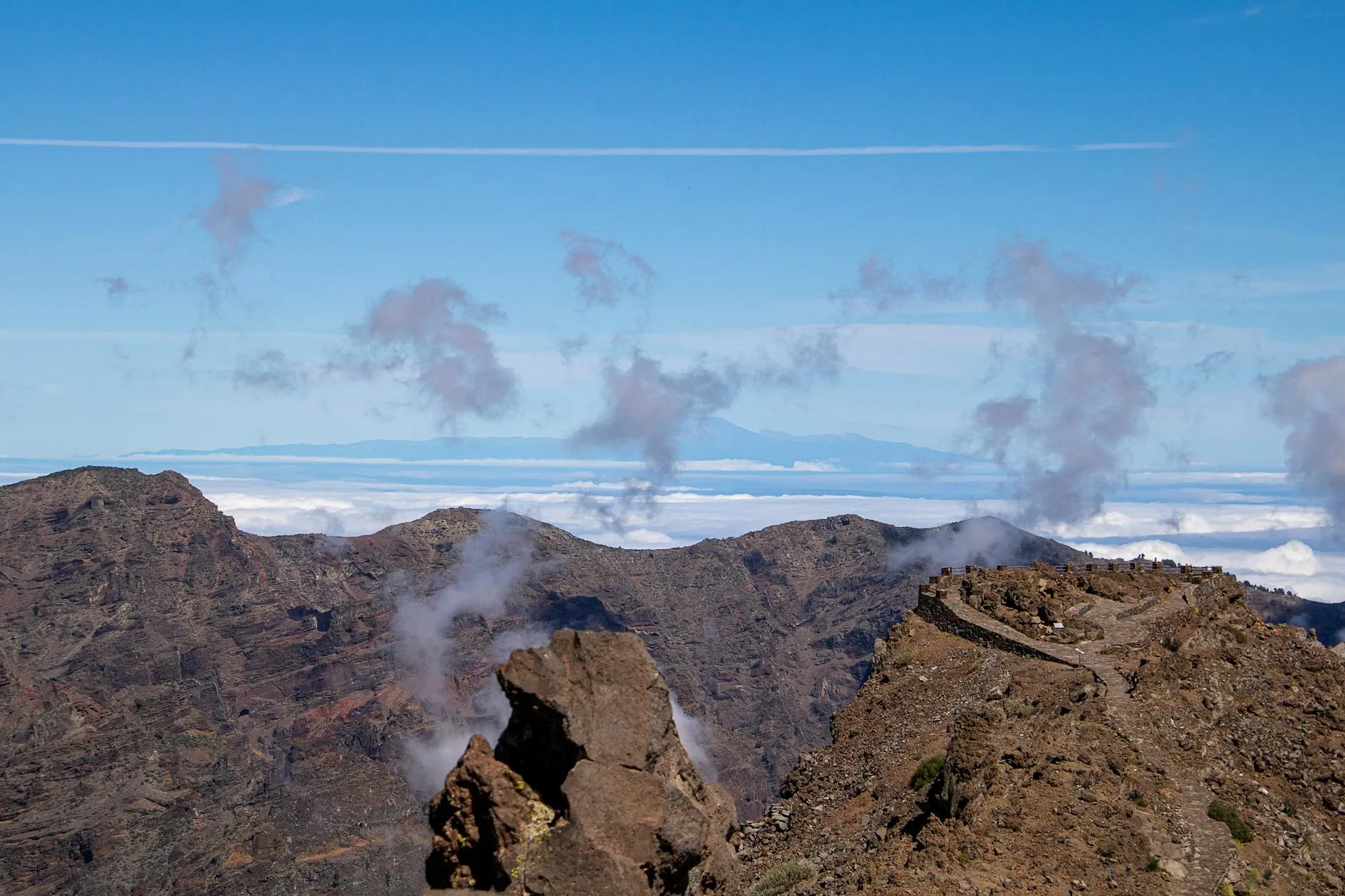
At two thousand four hundred and twenty-six metres, the Roque is the highest point of the island and one of the highest peaks in Spain that can be reached by car. It is also the operating address of the Roque de los Muchachos Observatory, which is administered by the Instituto de Astrofísica de Canarias and which houses, among other instruments, the Gran Telescopio Canarias — a ten-point-four-metre primary mirror made of thirty-six hexagonal segments, currently the world’s largest single-aperture optical-infrared telescope. La Palma was the first Starlight Reserve in the world; the Roque is its altar.
You can drive up — or you could until April 2026. As of 13 April 2026 the LP-4 is closed weekdays between kilometres 25 and 31 from 09:00 to 17:00, until further notice, while slope-stabilisation works are completed. The southern access from Santa Cruz is therefore unavailable on weekdays during the working day. The remaining options are: drive up via Garafía from the north on weekdays, drive up from either side on weekends or before 09:00 on weekdays, or take an organised tour that knows the timing.
The visit splits into two completely different experiences. The day visit is to the interior of one of the telescopes — usually the GTC, sometimes MAGIC or the Cherenkov Telescope Array — with an authorised Starlight guide; tours are morning-only, by prior reservation through the Starlight Foundation, run roughly an hour and a half, and cost twenty euros for adults, fifteen for children aged six to eleven. The night visit is the stargazing experience itself, run by independent astronomy operators from below the summit; you don’t get into the telescope buildings at night, but you don’t need to — at altitude with a cloud inversion below you, the naked-eye Milky Way looks the way it looked to people two thousand years ago.
Editor’s tip. Book the daytime telescope tour as soon as your flights are confirmed. Slots are released only one to two months in advance and they sell out within hours when they do. Set a calendar reminder eight weeks before your trip and refresh the Starlight Foundation page that morning. A failed booking is not the end of the world — the night-sky tour is in some ways more memorable — but the daytime visit is what people regret missing.
Price Daytime telescope tour €20 adult / €15 child 6–11; night-sky tours typically €40–60 (verify against current schedule before travel). Hours Daytime tours: morning only by reservation; check current schedule. Access Drive (via Garafía on weekdays Apr 2026 onwards) or organised transfer. Accessibility Limited; check with operator. Book Starlight Foundation for daytime; AdAstra La Palma, AstroLaPalma or Cielos La Palma for night sky.
4. The Laurisilva — Cubo de la Galga and Los Tilos
Some of the oldest forest in Europe is on the north-east flank of La Palma, in the Natural Park of Las Nieves and around the Barranco de El Agua. The laurisilva — laurel forest — is what most of the Mediterranean basin and southern Europe looked like before the Pleistocene ice ages. Climate change drove it almost entirely off the continent; on the western flanks of the Macaronesian islands, including La Palma, it survived. Walking through it is not like walking through any other European forest. The canopy is closed, the air is wet, and several of the canopy species — Laurus novocanariensis, Persea indica, Ocotea foetens — are endemic to the islands or to a single island.
The accessible walk is the Cubo de la Galga circular trail in the municipality of Puntallana, around an hour to ninety minutes for the short loop, half a day if you continue up to the San Bartolomé viewpoint. The trail is paved in places, slick after rain, and dense enough that you’ll want to stop and look up. The other classic is the Los Tilos ravine in San Andrés y Sauces — partially impacted by the 2023 wildfire higher up the catchment but still a beautiful walk, with an interpretation centre at the trailhead. Both are part of the wider Biosphere Reserve that, since 2002, has covered the entire island of La Palma — the only Canary covered in its entirety.
Editor’s tip. Go on a misty morning, not a sunny afternoon. The laurisilva is at its most particular when the trade-wind cloud is condensing in the canopy. The mist is the forest’s water source — the trees harvest it directly from the air — and you can hear it dripping off the leaves even when no rain is falling.
Price Free. Hours Daylight. Access Drive to Cubo de la Galga visitor area; LP-1 to Puntallana. Accessibility Limited; trails are uneven. Book No reservation needed.
5. Salinas and Faro de Fuencaliente
The southernmost point of the island is a working salt-pan complex at the foot of two volcanic cones. The Salinas de Fuencaliente are still in production — sea water is admitted to flat ponds, sun and trade wind concentrate it, and at the edges the salt is harvested by hand. The geometric grid of the pans against the black volcanic rock and the orange-pink algae mats in the evaporating water is the south’s most-photographed scene. There is an old lighthouse and a new lighthouse here. The old one houses an interpretation centre for the marine reserve that lies offshore.
Editor’s tip. Late afternoon, not midday. The light is better, the shadows give the salt pyramids depth, and the cafeteria at the salt works does a small lunch — queso asado con mojo and a glass of malvasía — that beats anything you’ll find at the cruise-ship-day stops further north.
Price Outdoor walk free; lighthouse interpretation centre paid (modest, check on site). Hours Outdoor area daylight; centre 11:00–19:00 typical (Wed closes 18:00) — verify against current schedule before travel. Access Drive south on LP-2 from Fuencaliente town; signposted. Accessibility Path around salt pans is largely accessible. Book No reservation needed.
6. Volcán San Antonio and Volcán de Teneguía
Above Fuencaliente town, two volcanic cones sit beside each other. Volcán San Antonio is older — its last big activity was 1677. Volcán de Teneguía, downslope to the south, erupted in 1971; it was the most recent Canary eruption before Tajogaite in 2021, and its lava produced the southern point of the island as it stands today. The visitor centre at San Antonio admits you onto the rim of the older crater for eight euros (six for Canary residents); the path runs around part of the rim and onto the ridge towards Teneguía.
Editor’s tip. Combine this with the Salinas in a single half-day. Park at the visitor centre, walk the rim, descend the back path towards the Faro and the salt pans, get a taxi or a lift back up.
Price €8 adult / €6 Canary resident. Hours Winter (1 Oct–30 Jun) 09:00–17:30; summer (Jul/Aug/Sep) 10:00–18:30 (verify against current schedule before travel). Access From Fuencaliente town, signposted. Accessibility Rim path is uneven volcanic gravel. Book Direct at gate.
7. Santa Cruz de La Palma Old Town
The capital is a Renaissance-Atlantic port town that nobody arrived expecting. La Palma’s location made it a natural waypoint for the early Spanish voyages to and from the Americas, and Santa Cruz was at one point the third most-active port of the Spanish empire after Seville and Antwerp. What remains of that period is mostly the Calle Real — the combined name for O’Daly and Anselmo Pérez de Brito streets — running parallel to the seafront and past several seventeenth-century noble houses. The most photographed feature is the line of carved wooden balconies along the Avenida Marítima, painted in pinks and yellows and overhanging the harbour wall. They are private houses and only some of them open to visitors.
The Plaza de España is the civic centre, with the City Council, the sixteenth-century Iglesia de El Salvador and a small unusual fountain. The Castillo de Santa Catalina at the north end of the seafront was anti-pirate fortification. The Insular Museum in the Royal Convent of the Immaculate Conception holds the local archaeology and natural history collection. The Barco de la Virgen, at Plaza de la Alameda, is a full-scale ship-shaped naval museum that comes into its proper context every five years during the Bajada de la Virgen festival — most recently summer 2025, next 2030.
Editor’s tip. The cruise-ship day-trippers concentrate hard on the section of Calle Real between the Plaza de España and the Iglesia de la Encarnación. Walk in the other direction — south past the customs house, along the seafront, and out to the Castillo — and you’ll have most of the Renaissance town to yourself.
Price Free outdoor; Insular Museum modest fee. Hours Streets always open; museums vary. Access Walk from the harbour. Accessibility Calle Real is largely flat and pedestrianised; cobbles in places. Book No reservation needed.
8. Charco Azul and Piscinas de La Fajana
The northern coast does not have warm-sea-bathing beaches in the Tenerife sense, but it does have two of the best natural sea-pool complexes in the Canaries. Charco Azul is at San Andrés y Sauces, about thirty kilometres north of the capital — fed directly by the Atlantic, with platforms on either side at varying heights for jumping, free entry, free parking, lifeguarded in season, and showers for fifty cents. Piscinas de La Fajana is further on at Barlovento, with three pools of different sizes filled by Atlantic waves, free, open twenty-four hours.
Editor’s tip. Charco Azul gets full on weekends and in school holidays. Go midweek before 11:00 or after 17:00. La Fajana is bigger and better when the swell is moderate; in big surf the lower pool is closed for safety.
Price Free. Hours Daylight at Charco Azul; 24/7 at La Fajana. Access LP-1 from Santa Cruz, ~45 min to San Andrés y Sauces; further to Barlovento. Accessibility Both have steep entry stairs into the water. Book No reservation needed.
9. Todoque, where the village used to be
You will not find Todoque on most current maps. The neighbourhood of Los Llanos de Aridane that the lava buried in late September 2021 has not been rebuilt. The lava field remains too hot in places to construct on safely, and several kilometres of the old LP-2 are still under the new ground. Two schools, a health centre, the Iglesia de San Pío X — the world’s first church dedicated to Pope Pius X — and roughly twelve hundred buildings are below.
The Cabildo has marked a viewing platform at the eastern edge of the field, near where the village’s main entrance used to be. There are signs with photographs of what stood there before September 2021. There is no museum yet; the survivor families have asked the regional government to hold off on the formal interpretation centre until a longer planning process has been completed. In the meantime, the Caminos del Volcán guides will take you along the perimeter and explain the geography of the loss in real time. This is a serious place. Families who lost everything are still living in temporary container housing in El Paso and Los Llanos, compensation litigation continues, ash continues to come out of attics in 2026, and the lava is warm to the touch in places.
If you go, go quietly. Photograph the rock if you want to photograph the rock; do not photograph the temporary housing of displaced families. The first responders here, the priests who saved the altarpiece from San Pío X over the four days that the lava took to cover the village, the volcanologists who got the evacuation orders right within an hour and saved everyone but one — these people are still on the island. Some of them will be the people who serve you coffee in El Paso.
Editor’s tip. Before you arrive, look up the Canary public broadcaster RTVC’s archived footage of the eruption and the residents’ testimonies recorded in the months that followed. The island has plenty of guides who will narrate the geology; the human geography is harder to access without preparation.
Price Free. Hours Daylight. Access From Los Llanos, LP-2 west, then signed turning to the perimeter viewing area. Accessibility Viewing platform is accessible; lava-edge paths are not. Book No reservation; combine with the guided Tajogaite walk for full context.
10. Whale and dolphin watching from Tazacorte
The west coast is one of the better places in the eastern Atlantic for cetacean encounters, partly because the bathymetry drops sharply offshore and partly because the boats here have not yet hit the saturation density of the Tenerife operators. Pilot whales are resident year-round; minke whales and several dolphin species pass through; bottlenose are the easiest to find. Boats leave from Puerto de Tazacorte, on the west coast, about twenty-five minutes’ drive from Los Llanos.
Editor’s tip. Book the smaller boat (Fancy II glass-bottom or similar) over the larger group catamarans. Twelve to twenty passengers gets you a quieter approach and a better chance of close encounter without pressure on the animals. The whale-watching code on La Palma is enforced — boats are not allowed within sixty metres of resting groups — and the smaller operators are stricter about it.
Price ~€55 adult / €30 child 4–12 / under-3 free (verify against current schedule before travel). Hours Morning and afternoon departures, weather-dependent. Access Drive to Puerto de Tazacorte. Accessibility Boarding usually requires steps. Book Civitatis, GetYourGuide, or direct.
11. Fuencaliente wine country
The south of the island is the warmest and driest part — and the part most recently covered in volcanic ash from 1971 and 1949 eruptions — and that combination is what makes Fuencaliente the heart of La Palma’s wine region. The DO La Palma was certified in 1994. The malvasía variety here is — by tradition — descended from Cretan stock that came west via Madeira in the late medieval period; in the seventeenth century the sweet white wines from the Canaries were among the most-traded products of the Spanish Atlantic. Bodegas Teneguía, just outside Fuencaliente town, is the established cellar — seventy-plus years, fifteen labels, vines on volcanic soil from sea level up to seven hundred metres. Bodegas Tamanca is up at Las Manchas, three kilometres south of the new Tajogaite lava field; the family business since 1996 makes a particularly clean dry malvasía and a structured listán negro.
Editor’s tip. If you only have time for one cellar, go to Tamanca for the proximity to the new lava field and the conversation about how the eruption affected the 2021 and 2022 vintages. If you have time for two, end at Teneguía late afternoon and stay for the sunset over the salt pans below.
Price Tastings €8–25 depending on cellar. Hours Generally 10:00–17:00 weekdays; weekend hours vary (verify against current schedule before travel). Access Drive to Fuencaliente or Las Manchas. Accessibility Both have step-free tasting rooms. Book Direct, especially in summer.
12. Ruta de los Volcanes (GR-131 Stage 3)
The classic full-day hike of the island. Starts at the El Pilar refuge at fifteen hundred metres, follows the Cumbre Vieja ridge south through the volcanic skeleton of the southern third of the island, ends at Los Canarios in Fuencaliente, eighteen kilometres later. Extending to the Faro de Fuencaliente takes the total to twenty-three kilometres. Elevation gain of around twelve hundred metres, six to nine hours of walking, no shade, exposed loose pumice underfoot. This is the hike.
You walk through the calderas of older eruptions — Hoyo Negro, Duraznero, San Juan (1949), Martín — and the ridge gives long views down to both coasts. The southern half passes within a kilometre of Tajogaite. The footing is what makes it; loose volcanic ash and lapilli for hours.
Editor’s tip. Logistics matter on this hike. There is no public transport from Los Canarios back to El Pilar at the end of the day. Either pre-book a transfer with one of the local taxi-tour operators (€60–80) or arrange a friend with two cars. Start before 08:00 in summer — the southern section is unforgiving by midday.
Price Free trail; transfer logistics extra. Hours Recommended start 07:00–09:00. Access Drive to El Pilar refuge from El Paso. Accessibility No. Book Transfer in advance with TaxiLaPalma or LaPalma Transfer.
Villages and Neighbourhoods
La Palma is small enough — seven hundred and eight square kilometres, around eighty-four thousand people — that the entire island operates as a single network of villages rather than as a city plus countryside. The two anchor towns are Santa Cruz de La Palma on the east coast (the capital, ~15,500 residents) and Los Llanos de Aridane on the west (~20,400 residents, the larger of the two). Almost every visitor will sleep in or near one of those two and drive to the rest.
Santa Cruz de La Palma
The colonial-port quarter described above. It is the right base if you want to be in a real lived-in town in the evenings — there are people walking the seafront after work, not just other tourists — and if you don’t mind the trade-off that the west coast (Tajogaite, Caldera, wine country) is forty to fifty minutes’ drive away. Hotels are mid-range, dining is reliable rather than spectacular, the airport is fifteen minutes away.
Los Llanos de Aridane
The capital of the western half of the island, much closer to the Caldera, the Tajogaite area, and the wine country. Lower-key feel than Santa Cruz, larger population, plaza-and-tapas evenings rather than seafront strolls. The right base for hikers and for visitors whose primary interest is the volcano-and-Caldera package. Several of the post-eruption recovery offices are based here.
Tazacorte
Down at sea level on the west coast, with the island’s only meaningful banana-plantation strip and one of its few black-sand swimming beaches. The Hotel Hacienda de Abajo (on the upper terrace) is the quietest higher-end option on the island. Puerto de Tazacorte is where the whale-watching boats leave and where you go to eat fresh fish with your feet ten metres from the water.
Fuencaliente
The southernmost municipality. Wine country, salt pans, the two volcano cones, and the southern terminus of the Ruta de los Volcanes. Practical for a wine-and-volcanoes day; quiet at night. The Princess Hotels group has its main La Palma property here.
Breña Alta and Breña Baja
The two villages immediately south of Santa Cruz, in the foothills between the capital and the airport. Breña Baja has the Parador de La Palma, a four-star state-run hotel set in forty-four hectares of subtropical garden with the calmest pool on the island. Breña Alta has Casa Osmunda, the restaurant most consistently named when palmeros are asked where to eat for a special evening.
San Andrés y Sauces
On the rainy north-east coast — the cool, green, laurisilva-edged side of the island. Charco Azul is here. Los Tilos is here. There is a quiet town centre with a working harbour and several traditional fish cocinas that get half the cruise-ship crowd of Santa Cruz.
Garafía
The remote north-west — wild coast, almond groves at altitude, near-empty roads, and the new northern access route to the Roque de los Muchachos that became the only weekday option after the LP-4 closures of April 2026. If you want the most isolated full day on La Palma, drive Garafía.
Where to Stay — by Budget
Budget (under €60 / night). The pension and apartment market on La Palma is small but real. La Palma Hostel by Pension Central in Fuencaliente is the cheapest reliable bed on the island and is well placed for the south. Beyond that, look on Booking.com or directly on visitlapalma.es for short-term apartments in Santa Cruz, Los Llanos and Tazacorte — most run €45–60 a night, almost all are run by individual owner-operators rather than chains. None of these will be luxurious; all will typically be clean, central and run by people who answer the phone.
Mid-range (€80–160 / night). This is the bulk of the island’s accommodation. Parador de La Palma in Breña Baja — the four-star state-run hotel — is the single most-recommended mid-range stay, set in forty-four hectares of subtropical garden, with reliable food and one of the best pools on the island; rates run €95–150. Hotel H10 Taburiente Playa at Los Cancajos is the resort-style option (large, beachfront, family-friendly, around €100–140). Hotel Hacienda de Abajo in Tazacorte (adults-only, in a seventeenth-century sugar hacienda, with the El Sitio restaurant attached) is the more characterful choice and runs higher within this band.
Luxury (€180+ / night). La Palma is not a luxury island in the Mallorcan sense — there is no St Regis or Belmond here — but the upper end runs through Hacienda de Abajo (peak season pushing €220), the Princess Hotels group property in Fuencaliente, and a small number of restored casas rurales in the northern Garafía area for those who want the rural-seclusion category. La Palma’s higher-end strength is in the casa-rural sector rather than in conventional hotels.
Where not to stay. Avoid the immediately-coastal strips of Puerto Naos and La Bombilla until further notice. Both are cleared for partial reoccupation (1,163 homes authorised in Puerto Naos and 58 in La Bombilla as of early 2026, with active CO2 monitoring across 350 sensors, per the Cabildo’s published figures), but the Cabildo’s own guidance is that visitor accommodation in these zones is not yet recommended on a precautionary basis. Most operators will not list rooms there in 2026 anyway.
Tax note. The Canary Islands have no accommodation tourist tax in 2026. This may change — Tenerife is introducing a €25 hiking eco-tax for Teide National Park trails — but no equivalent currently exists on La Palma (verify against current legislation before travel).
Where to Eat
La Palma food culture sits between three things: the Canarian staples (papas arrugadas, mojo verde and rojo, gofio, almogrote — though that last is more a Gomera signature), the Atlantic-fishing tradition of the eastern coast, and the agricultural produce of the volcanic soils — bananas, almonds, batatas, Pimienta Palmera chillies. The pace of dining is Spanish: lunch from 13:30 to 16:00 is the main meal of the day, dinner from 21:00 onwards.
Budget eats (€8–15 a head). Look for cocinas in working-fishing towns — Puerto de Tazacorte, Puerto Espíndola in San Andrés y Sauces, and the harbour at Santa Cruz all have several family-run places where fishermen eat. Order vieja a la espalda (Atlantic parrotfish, butterflied and grilled), papas arrugadas with mojo verde and mojo picón, and a glass of cold vino del país blanco. Restaurante Chipi-Chipi on Calle Juan Mayor in Santa Cruz (a Repsol Solete) is the most-recommended budget grill on the island — papas arrugadas, picadillo soup, grilled goat. No menu in English; queue early in summer.
Mid-range (€20–40 a head). El Jardín de la Sal, built into the salt-pan landscape next to the Salinas de Fuencaliente, serves contemporary Canarian cooking with strong attention to local cheese, honey and the small-pier fish caught a few hundred metres away — opened 2013 by the Hernández family, who have run the salt works themselves since the 1960s. The grilled goat and the almogrote croquettes are the signature plates. Expect to spend €25–35 with one glass of malvasía. The setting — black volcanic stone, panoramic windows over the Atlantic — is the second reason to come.
Special occasion / fine dining (€60+ a head). Two restaurants are the consensus picks for serious dining on La Palma:
- Casa Osmunda, San Pedro de Breña Alta — Michelin Plate-listed since at least 2024 and again in the 2026 Guide (the Plate is recommended-but-not-starred; La Palma has no restaurants with a Michelin star in 2026); one Sol Repsol retained for four consecutive years. The cooking is traditional Canarian with modern technique; the seasonal off-menu dishes, particularly the fresh fish, are what regulars come for. Reserve a week ahead.
- El Sitio, in the Hotel Hacienda de Abajo, Tazacorte — adults-only, set in a seventeenth-century sugar hacienda, with one Sol Repsol and chef José Alberto Díaz at the helm since opening in 2012. Cocina de proximidad, deeply local, with one of the best wine cellars on the island.
Traditional dishes to know.
- Papas arrugadas con mojo — small unpeeled potatoes boiled in heavily-salted water until the skin wrinkles, served with green and red dipping sauces.
- Mojo picón rojo — red sauce with Pimienta Palmera (the local La Palma chilli), garlic, cumin, vinegar and oil.
- Mojo verde — coriander- or parsley-based green sauce, less spicy, more aromatic.
- Vieja — Atlantic parrotfish, the island’s signature fish, usually grilled.
- Gofio — toasted-grain flour, eaten as a porridge in the morning or worked into stews and breads.
- Queso palmero — cow’s-milk cheese, often asado (lightly grilled) and served with mojo.
- Almendrados — almond pastries from the Garafía and Puntagorda almond country.
- Bienmesabe — sweet almond-and-egg cream, a colonial dessert.
Avoid. Restaurants on the immediate Avenida Marítima of Santa Cruz that print the menu in five languages and have a tout outside; you will pay double for half the cooking. The standard cruise-ship lunch stop on the Tajogaite-tour package (a fixed-price three-course lunch in a dining room with no view) is similarly forgettable.
Wine and Volcanic Vineyards
The DO La Palma was certified in 1994 and runs three subzones: Fuencaliente–Las Manchas in the south and west, Hoyo del Mazo–Las Breñas in the east, and the Zona Norte for the vinos de tea tradition (wines aged in vessels of Canary pine, with a distinctive resinous note). Vineyards run from sea level up to twelve hundred metres, on volcanic soils that vary from young pumice in the south to weathered ash and basalt in the north. Several growers have vines that survived the 1949 and 1971 eruptions; a smaller number lost rows in the 2021 event.
The signature variety is malvasía — by tradition descended from the Cretan strain that came west via Madeira and Portugal in the late medieval period; the sweet whites that the seventeenth-century English market bought as “Canary sack” came from this stock. Modern La Palma malvasía is mostly dry — clean, mineral, with surprising acidity for the latitude. The reds are mostly listán negro and negramoll.
FIVIPAL, the annual island wine fair, runs in Plaza de España, Santa Cruz, in late April — the fifteenth edition is on 25 April 2026, 12:00–18:00, with around ten wineries pouring alongside nine restaurants. If your dates align this is the single best afternoon on the island for wine.
For cellar visits: Bodegas Teneguía is the larger, more visit-orientated operation (Fuencaliente, daily tastings €10–20 with a pre-booked slot). Bodegas Tamanca is the smaller family operation closer to the new lava field (Las Manchas, by appointment, €8–15). Bodegas Vega Norte, a winegrowers’ cooperative founded in 1998 and based in Tijarafe, with vineyards spread across the high north-west between Tijarafe, Puntagorda and Garafía at altitudes of 1,000–1,500 metres, makes the more experimental high-altitude bottlings — the tea-aged whites are the cellar’s signature, an oddity rooted in the Zona Norte tradition of fermenting in vessels of Canary pine.
Getting Around
La Palma is small (708 km²) but mountainous, and journey times are longer than the distances suggest. Plan ninety minutes to drive across the island on the LP-2 from Santa Cruz to Fuencaliente, or seventy-five minutes from Santa Cruz to Puerto de Tazacorte via Los Llanos.
From the airport (SPC)
The airport is at Mazo on the east coast, fifteen minutes’ drive south of the capital.
- Bus 500 runs every thirty minutes Monday to Saturday between 07:15 and 22:45, hourly on Sundays from 07:45 to 22:45. €2.40 to Santa Cruz, around thirty minutes, with a stop at Los Cancajos halfway. Find it directly outside the terminal. (Verify against current schedule before travel.)
- Taxi to Santa Cruz is €17–22; to Los Llanos around €55–65 (the longer cross-island fare).
- Rental car is what most visitors will want. Cicar, Autoreisen and the international chains operate from the terminal. Prices in 2026 run €30–45 a day for an economy car in shoulder season, €50–70 in peak summer.
Local transport
The bus network covers the major towns and the tourist routes (Santa Cruz to Los Llanos via the Cumbre tunnel is hourly, around forty minutes, €4). It does not cover the upper reaches of the Caldera or the Roque de los Muchachos. For most genuine sightseeing on the island, a rental car is necessary.
Roads to know
- LP-1 circles the north of the island.
- LP-2 runs along the south coast.
- LP-3 is the Cumbre tunnel — the cross-island artery, Santa Cruz to El Paso.
- LP-4 is the road to the Roque de los Muchachos. Closed weekdays Monday–Friday 09:00–17:00 between km 25 and km 31 from 13 April 2026 onwards, until further notice. Use the Garafía northern access on weekdays; the southern access via Santa Cruz is unrestricted on weekends and outside those weekday hours.
- LP-301 is the Caldera de Taburiente access from El Paso to the Cumbrecita.
Ride-hailing and taxis
There is no Uber or Cabify on La Palma. Local taxis are reliable and metered. Long cross-island fares from the airport will run €50–70.
Ferry
Fred. Olsen Express and Naviera Armas both run between Santa Cruz de La Palma and Los Cristianos, Tenerife, in roughly two and a half hours. Standard fares from €70 with priority boarding; VIP lounge from €90. Cars carry separately, around €95–140 each way (verify against current schedule before travel). Worth it if you have a multi-island plan; not worth it for a day trip.
Best Time to Visit
The sweet spots are late April to mid-June and mid-September to early November. Both windows are warm enough for sea swimming on the east coast, dry enough for the volcano hikes, clear enough for the observatory, and quiet enough that the Cumbrecita permits and the Caminos del Volcán slots are easier to get. The trade-wind cloud sits low against the north-east, dripping water into the laurel canopy without the heat of high summer.
July and August are the warmest months on the coast and the most crowded — Spanish school holidays, peninsular heat-refugees and a steady cruise-ship rota. Hotels run thirty to fifty per cent above shoulder rates. The Caldera’s Cumbrecita permit window is harder to land in this period.
December to February is the cool, wet, dramatic season. Swimming is possible but not the norm. The mountain summits — including the Roque — get snow several times a winter, and the LP-4 (already partially closed weekdays) closes entirely after heavy falls. This is the best season for the island’s hiking and for serious astronomy.
The five-yearly Bajada de la Virgen is the cultural anchor — last edition summer 2025, next 2030. The annual FIVIPAL wine fair (25 April 2026) is the cultural anchor for everything in between.
Month-by-Month Weather
Sea-level coastal averages, Santa Cruz de La Palma. Mountain temperatures run 8–10°C cooler at the Cumbrecita (1,400 m) and roughly 14°C cooler at the Roque (2,426 m).
| Month | High / Low | Rain days | Key events & notes |
|---|---|---|---|
| Jan | 21°C / 14°C | 6 | Cool, wet, dramatic; chance of snow on Roque. ⭐ for astronomers. |
| Feb | 21°C / 14°C | 6 | Coldest month; Carnaval de Santa Cruz (variable dates). |
| Mar | 22°C / 14°C | 4 | Almond blossom in Puntagorda; trails clear after winter. |
| Apr | 22°C / 15°C | 3 | ⭐ FIVIPAL wine fair (25 Apr 2026); clear skies; Cumbrecita opens up. |
| May | 23°C / 16°C | 2 | ⭐ Best all-round month; no crowds; sea warm enough; everything open. |
| Jun | 24°C / 18°C | 1 | ⭐ Light, dry, long days; observatory tours plentiful. |
| Jul | 25°C / 19°C | 0 | Driest month; Spanish holidays start; crowds build. |
| Aug | 26°C / 20°C | 1 | Peak crowds, peak heat, peak prices. Bajada in lustral years. |
| Sep | 26°C / 20°C | 1 | Warmest month at the surface; sea 23°C; lighter crowds late month. |
| Oct | 25°C / 19°C | 4 | ⭐ Excellent; cooler, clearer, prices drop. |
| Nov | 23°C / 17°C | 6 | Wetter; laurisilva at best; quiet hotels. |
| Dec | 22°C / 15°C | 8 | Wettest month (~53 mm). Christmas is family-quiet, not party-loud. |
Annual rainfall ~329 mm at the coast, considerably higher at altitude on the wet north-east. Source: AEMET via climate-data.org.
Daily Budget Breakdown
For two people, mid-2026 figures, in EUR. La Palma is the second-cheapest Canary in the fleet after Fuerteventura.
| Category | Budget (2 ppl) | Mid-Range (2 ppl) | Luxury (2 ppl) |
|---|---|---|---|
| Accommodation | €50–75 | €100–160 | €200–350 |
| Meals & drinks | €40–55 | €70–110 | €140–220 |
| Transport (rental + fuel) | €35–50 | €40–55 | €60–80 |
| Activities | €15–25 | €30–60 | €70–150 |
| Daily total | €140–205 | €240–385 | €470–800 |
Budget tier assumes a self-catered apartment, market-and-cocina meals, an economy rental car shared between the couple, and free hikes plus one paid attraction every other day. Mid-range assumes a four-star hotel like the Parador, lunch out plus a sit-down dinner, the rental car, and the major paid attractions (Tajogaite walk, observatory daytime tour, San Antonio visitor centre). Luxury assumes Hacienda de Abajo or Princess Hotels, El Sitio or Casa Osmunda for evenings, private guides for the volcano and the stars, and small extras (boat charter, helicopter tour for views over the Caldera).
Sample Itineraries
3-Day Essential
Day 1 — Santa Cruz and the east coast
– 09:00 — Walk Calle Real from south end to Plaza de España; Iglesia de El Salvador, Casa Salazar, Avenida Marítima balconies.
– 11:30 — Insular Museum at the Royal Convent of the Immaculate Conception.
– 13:30 — Lunch at one of the cocinas off Calle Anselmo Pérez de Brito; vieja a la espalda with mojo and a glass of dry malvasía.
– 16:00 — Drive north on LP-1 to Charco Azul (San Andrés y Sauces); afternoon swim and sunset.
– 20:30 — Dinner back in Santa Cruz; early night.
Day 2 — The new volcano
– 08:30 — Drive west via the LP-3 Cumbre tunnel to Llano del Jable.
– 09:30 — Caminos del Volcán guided walk to the Tajogaite cone (5–6 km, ~3 hours).
– 13:00 — Lunch in Las Manchas or El Paso; queso asado, papas arrugadas, malvasía.
– 15:00 — Drive south to Fuencaliente. Volcán San Antonio visitor centre (€8/€6) and walk the rim.
– 17:30 — Salinas de Fuencaliente; sunset over the salt pans.
– 19:30 — Bodegas Teneguía late tasting if pre-booked, or drive back via the LP-2 to dinner in Los Llanos.
Day 3 — Caldera and laurisilva
– 08:00 — Drive to El Paso; pick up Cumbrecita parking permit (pre-booked).
– 09:00 — Mirador de la Cumbrecita; short walk on the Lomo de las Chozas trail (1–2 hours).
– 12:00 — Drive to Cubo de la Galga in Puntallana. Picnic.
– 13:00 — Cubo de la Galga laurisilva loop (1.5 hours) or extend to San Bartolomé viewpoint (4 hours).
– 17:30 — Drive back to Santa Cruz via the LP-1.
– 21:00 — Dinner.
Day 4–5 Add-Ons
If you have Day 4, dedicate it to the Roque de los Muchachos — book the daytime telescope tour weeks in advance, drive up via Garafía if it’s a weekday (the LP-4 closure makes the southern route unavailable 09:00–17:00 weekdays from April 2026), and stop in the upper Garafía villages on the way back for grilled almonds, fresh goat cheese and a glass of dry malvasía at one of the village bodegones. Stay up there for sunset.
If you have Day 5, pick either the Ruta de los Volcanes hike (full day, 18–23 km, requires transfer logistics) or a slow combination of Tazacorte (whale-watching morning + black-sand beach afternoon + El Sitio dinner). The hike is the harder, more rewarding choice. The beach day is the recovery option.
7-Day Long Stay
Days 1–3 as above. Day 4 Roque. Day 5 Tazacorte and west coast. Day 6 Ruta de los Volcanes (or substitute a Garafía-and-Puntagorda day for the almond country and wild north-west coast). Day 7 reserve for whatever you didn’t get to: a return to the Caldera floor by Barranco de las Angustias, the Charco Azul / La Fajana double on the north coast, or a long FIVIPAL afternoon if late April.
Best Day Under €30
A walking day in Santa Cruz de La Palma that costs €27–29 for one person and shows you most of the colonial port.
- Café and barraquito at one of the colonial-house cafés on Calle O’Daly — €2.80
- Free walk: Calle Real → Plaza de España → Iglesia de El Salvador (free) → Avenida Marítima balconies → Castillo de Santa Catalina — €0
- Insular Museum at the Royal Convent — €3
- Menú del día at Restaurante Chipi-Chipi on Calle Juan Mayor — picadillo soup, grilled fish or goat, papas arrugadas, dessert, wine — €13.50
- Bus 500 to Los Cancajos and back for an afternoon swim — €4.80
- Sunset cortado on the Avenida Marítima — €1.60
- Slice of bienmesabe from a confitería on Calle Pérez de Brito — €2.40
Total: ~€28.10. Fleet leaderboard position: between Fuerteventura’s €22 Corralejo day and Lanzarote’s €33.50 Arrecife day. La Palma is genuinely cheap if you stay on the east coast and walk.
Rainy Day Plan
When the trade-wind cloud sits at altitude all day or a winter front rolls in.
Comfortable (~€60 per person). Drive to Mazo or Breña Alta in the morning. Mazo’s pre-Hispanic Benahoare pottery tradition is interpreted at the small Mazo embroidery and ceramics centres — check current opening at the Mazo tourist office, since several workshops have changed hands in recent years. Lunch at Casa Osmunda in Breña Alta (see Where to Eat) — book ahead for the seasonal off-menu fish, around €40 with one glass. Drive down to the Insular Museum in Santa Cruz for the afternoon; book a quiet evening at the Teatro Circo de Marte if there’s a programme on.
Budget (~€18 per person). Bus 500 from Santa Cruz to the airport and back as a coastal sightseeing loop (€4.80). Insular Museum (€3). Long lunch at a cocina in San Andrés y Sauces; cheese, soup, mojo, fish, half a litre of red, €10. Walk Calle Real with a hot chocolate from one of the colonial-house café-bars.
Day Trips
Roque de los Muchachos. Half-day to full-day depending on what you book. Drive up via Garafía on weekdays from April 2026 onwards (LP-4 closed 09:00–17:00 weekdays). Daytime telescope tour: €20 / €15. Night-sky tour: ~€40–60. The single most memorable day on the island for many visitors.
Caldera de Taburiente floor. Full day, hikers only — the classic 4×4-shuttle-and-walk route from Los Brecitos down through the crater to the Barranco de las Angustias visitor centre, around six to eight hours of walking and one of the most beautiful crater traverses in Spain. Not a day trip in the picnic sense; this is a hike.
Garafía and Puntagorda almond country. Full day. Drive up the LP-1, spend the day in the almond villages of the high north-west — Puntagorda for the Saturday market, Tijarafe for the lavafield-edge views, Garafía for the wild coast at La Fajana de Garafía. The 2023 wildfire scar is visible across this area; locals will talk about it.
La Gomera by ferry. Long day. Fred. Olsen Express or Naviera Armas to Los Cristianos in two and a half hours; then a second ferry to San Sebastián de La Gomera. Most travellers do this as a two-island trip rather than a day trip; if your time is tight, La Gomera deserves three days of its own.
The five Tajogaite-area viewpoints. Half-day. Mirador de El Time, Mirador de Las Manchas, Mirador del Llano del Banco, Charco Verde, and the Tajuya viewing platform at the lava-field’s edge. Driving loop, three to four hours, free. Substitute for the guided walk only if dates don’t work out.
Bodegas tour day. Full day, west and south. Tamanca in Las Manchas in the morning → lunch at El Jardín de la Sal at the Salinas → Teneguía → sunset at the Faro de Fuencaliente. Add Vega Norte in Tijarafe if you want a second day with the high north-west tea-aged whites.
Safety and Practical Information
Safety. La Palma is one of the safest places on the European map; the homicide rate is essentially statistical noise. The real safety risks are environmental: hikes that aren’t planned for weather, drives on mountain roads after dark, sea swimming in winter swell, and inadequate altitude planning at the Roque (3,000 m of altitude gain in 90 minutes is enough to give some visitors mild altitude headache).
Volcanic gas note. The Puerto Naos and La Bombilla coastal zone has been cleared for partial reoccupation under the Alerta CO2 monitoring system (350 sensors, 1,221 homes authorised across both areas as of early 2026, per the Cabildo’s published figures), but the Cabildo’s own guidance is that visitor accommodation in these zones is not recommended. Outside Puerto Naos / La Bombilla there is no measurable volcanic-gas hazard from the Tajogaite eruption in 2026.
Currency and cards. EUR. Cards everywhere except some of the tiniest village bars and most of the Tajogaite-area food stalls. ATMs in every town. The most reliable card reader on the island is at the petrol stations, which are also the cheapest cash withdrawal points if you have a Spanish card.
Language. Spanish. English is understood at hotels, observatories, and bigger restaurants; less so in village cocinas and rural taxis. Forty words of restaurant Spanish go a long way. The Canarian dialect drops final s’s and softens ll to y; it’s slower than mainland Spanish, which makes it a good place to practise.
Connectivity. 4G across most of the inhabited island; patchy at altitude on the Caldera rim and along sections of the Ruta de los Volcanes. eSIMs work; Movistar, Vodafone and Orange all have native coverage. Free public Wi-Fi in Santa Cruz and Los Llanos centres.
Tipping. Spanish norm: round up the bill, leave a euro per person on a casual lunch, 5–10% on a larger evening meal. Not expected for taxis. Not expected for guided walks (the price is the price).
Tourist information. Main office at the Plaza de la Constitución in Santa Cruz; secondary offices in Los Llanos, Tazacorte, Fuencaliente. visitlapalma.es is the official tourism portal.
Emergency numbers. 112 for everything. Hospital General de La Palma is in Breña Alta.
Visa and Entry Requirements
Schengen. La Palma is part of Spain, which is a Schengen member state. EU and Schengen-area travellers enter without restriction.
EES. The Entry/Exit System has been fully operational across the Schengen zone since 10 April 2026. Non-EU travellers (UK, US, Canada, Australia, New Zealand, etc.) will be biometrically registered on first entry to Schengen — fingerprints and facial photograph — and tracked on every subsequent crossing during their 90/180-day allowance. La Palma airport (SPC) has the system installed; some manual processing may still apply at quieter slots.
ETIAS. ETIAS — the European Travel Information and Authorisation System — has been postponed multiple times. As of April 2026 the launch is scheduled for the last quarter of 2026 with a six-month transitional period; the earliest mandatory date is now April 2027 (verify against current schedule before travel). Through 2026 itself, UK and other visa-exempt visitors do not need an ETIAS to enter the Canaries. When ETIAS does come into force, expect to apply online before flying (€20, 3-year validity, ~10-minute application).
Schengen 90/180 rule. Non-EU travellers are entitled to 90 days within any rolling 180-day period across the Schengen zone. La Palma days count against the same total as Paris or Berlin days.
No Canary-specific visa or arrival card. Spain does not operate a digital arrival card (unlike Malaysia’s MDAC or some Asian equivalents). You are not required to fill anything in online before arriving on La Palma; your passport is the only document you’ll need at SPC.
Hidden La Palma
A small selection of places that aren’t on the standard Tajogaite-Caldera-Roque circuit.
Mirador de El Time. Highest of the western viewpoints over the Tazacorte banana coast and the Tajogaite lava field. Free, exposed, often windy; the cafe at the top does an honest cortado and a slice of almendrado. Best at sunset.
El Tendal and Buracas dragon-tree groves. Inland from San Andrés y Sauces and Garafía respectively, both with ancient Canary dragon-trees (Dracaena draco) several hundred years old, in dry-stone-walled smallholdings. The Buracas grove in Garafía is the more dramatic; you walk down a stepped path between the trees. Free, free parking, almost always empty.
Las Tricias caves. Pre-Hispanic Auaritas burial caves in Garafía, signposted from the village; the path runs across an old almond-grove ridge with views to the open Atlantic. Modest pre-Hispanic petroglyphs in places. Free.
The Camino de los Brecitos. The high-elevation back-route into the Caldera, accessible only by 4×4 taxi from Los Llanos. The drive itself, along an exposed forestry track at fifteen hundred metres, is the experience; the trail down to the Caldera floor from Brecitos is one of the most beautiful walks on the island. Taxi-tour around €25–35 per person each way; confirm price with the operator before booking.
El Pinar de Garafía. The dense Canary pine forest on the north-west flank, partially impacted by the 2023 wildfires but recovering visibly fast. A walk through here in early evening, when the pine resin warms and the wind is in the canopy, is a different category of forest experience from the laurisilva.
Plaza de la Glorieta in Las Manchas. Luis Morera’s tile-and-mosaic public square on the LP-2 below the new lava field. The artist (a member of the Canary band Taburiente) built this as a community space in the 1990s and the square has become the impromptu memorial gathering point for Las Manchas after the 2021 eruption. Free, always open.
Romantic La Palma
Sunset spots. The Faro de Fuencaliente terrace at golden hour. The Mirador de El Time after the day-tour buses leave. The Miraflor del Roque overlook on the LP-4 (unrestricted weekends). Charco Azul on a calm evening with a thermos of malvasía.
Restaurants for an evening. El Sitio at Hotel Hacienda de Abajo (Tazacorte, adults-only — see Where to Eat). Casa Osmunda in Breña Alta — smaller and quieter, see Where to Eat. El Jardín de la Sal at the Salinas — sea-edge salt-pan view, see Where to Eat.
Hotels. Hotel Hacienda de Abajo (Tazacorte, adults-only). Parador de La Palma (Breña Baja, garden-and-pool stillness). For absolute remoteness, look on casasruraleslapalma.com or islabonita.com for the small constellation of restored stone houses across upper Garafía and Puntagorda — most sleep two to four, run €90–160 a night, and have no neighbours within shouting distance.
La Palma With Kids
Less obvious than Fuerteventura’s dunes or Lanzarote’s Timanfaya, but it works. The combination that makes La Palma kid-friendly is: short distances, low traffic, several genuinely interesting attractions that go down well from age six upward, and a coast with rock pools rather than terrifying open swell.
Charco Azul is the family pool — calm, with jumping platforms for older kids and a snack bar; lifeguarded in season. Piscinas de La Fajana is the same idea further north, with three pools graded by size.
Maroparque is a small zoological garden in Breña Alta with parrots, lemurs and a butterfly house — €11–13 adult, €9 child. Better than its size suggests.
The Insular Museum has a natural-history wing with full skeletons of cetaceans pulled from the local coast that genuinely impress kids who like big bones.
The night-sky tour at the Roque works for older kids (around 8+) who can stay up past midnight. Several operators run family-orientated versions with lower-power telescopes and shorter timetables.
The volcano viewpoints (free, drive-up) work well for kids who like geology; the guided lava walk is harder for under-tens because of the loose footing and the length.
What’s New in 2026
Casa Osmunda re-listed in the Michelin Guide Spain 2026. Breña Alta restaurant retains its Michelin Plate (held since at least 2024) and its Sol Repsol — fourth consecutive year. See Where to Eat.
LP-4 partial weekday closure. From 13 April 2026 onwards, the southern access road to the Roque de los Muchachos is closed Monday to Friday, 09:00 to 17:00, between km 25 and km 31, for slope-stabilisation works. Garafía northern access is the only weekday option during these hours. Weekend access from Santa Cruz is unaffected. No published end date as of late April.
Puerto Naos and La Bombilla — continued staged reopening. Three additional housing-block authorisations were issued in the first quarter of 2026, bringing total authorised homes to 1,221 across both zones (1,163 in Puerto Naos, 58 in La Bombilla, per the Cabildo’s published figures). Forty-two commercial establishments now authorised in Puerto Naos. The Alerta CO2 monitoring network of 350 sensors continues to expand. The Cabildo expects a further series of authorisations through 2026 as additional technical studies complete.
EES live at SPC since 10 April 2026. See Visa and Entry Requirements.
ETIAS launch pushed to a date that has not been announced. See Visa and Entry Requirements; not required for 2026 travel.
FIVIPAL XV — 25 April 2026. Plaza de España, Santa Cruz, 12:00–18:00. See Wine and Volcanic Vineyards.
Five years on from Cumbre Vieja. September 2026 will mark the fifth anniversary of the Tajogaite eruption. A series of commemorative events is planned across El Paso, Los Llanos and Tazacorte through the autumn. The Cabildo has confirmed that a permanent interpretation centre at Las Manchas — under planning since 2023 — is now expected to break ground in late 2026.
🌍 See the bigger picture: our Spain travel guide covers regions, when to go, and getting around.
Frequently Asked Questions
How many days do I need on La Palma?
Six minimum; eight to ten for the long version with the Ruta de los Volcanes hike, a full Caldera-floor descent and a slow wine day. Three only as part of a multi-island trip — give those three to the volcano-Caldera-Roque triangle and skip the laurisilva and the wine for next time.
Is La Palma expensive?
No, by Canary standards. Mid-range couples spend €240–385 a day all-in; budget couples around €140–205. The single biggest variable is the rental car (€40–60 a day). Food is cheap by European standards; entry fees are mostly modest or free. See Daily Budget Breakdown.
What’s the best day under €30?
The Santa Cruz walking day at €27–28 — Calle Real, Plaza de España, Insular Museum, menú del día at Chipi-Chipi, bus to Los Cancajos for an afternoon swim, sunset cortado, bienmesabe on the way home. Honest math under Best Day Under €30.
What if it rains all day?
See Rainy Day Plan. Short version: drive the Breña Alta–Mazo small-museum loop, lunch at Casa Osmunda, return for the Insular Museum in Santa Cruz, end at the Teatro Circo de Marte if there’s a programme on. La Palma’s climate is mild enough that you rarely lose a full day to weather.
Can I see the Tajogaite volcano?
Yes. Free public viewpoints (El Time, Tajuya, Las Manchas) give the panorama; the authorised Caminos del Volcán guided walk takes you to within forty metres of the cone. Book the walk before you fly — daily slots in high season but availability varies. See Top Attractions #2.
Is Puerto Naos safe to visit?
Partially reoccupied under the Alerta CO2 system (1,163 homes and 42 commercial establishments authorised as of early 2026, per the Cabildo’s published figures). The Cabildo’s official guidance is that visitor accommodation in Puerto Naos and La Bombilla is not recommended on a precautionary basis. Day visits to authorised commercial areas are possible. Most operators will not list rooms in these zones in 2026.
Do I need a permit for the Caldera de Taburiente?
For driving up to the Mirador de la Cumbrecita between 08:30 and 16:00 weekdays you need a free parking permit (twenty spaces, online via reservasparquesnacionales.es up to a month in advance). After 16:00, no permit. For camping inside the Caldera, an overnight permit is required. For all other walking, no permit.
Can I get to the Roque de los Muchachos by car?
Yes, but check the LP-4 closure. From 13 April 2026 onwards the southern access is closed Monday to Friday 09:00–17:00 between km 25 and km 31, until further notice. Use Garafía northern access on weekdays during those hours; weekend and outside-hours access from Santa Cruz is unrestricted.
Is there an airport tax or accommodation tax?
No. The Canary Islands have no accommodation tourist tax in 2026, and SPC airport adds no separate landing tax to the ticket price.
Should I rent a car?
Yes, for any trip longer than three days. The bus network covers the major towns but not the Caldera, the Roque, the wine country, the laurisilva trails or the northern coast. La Palma without a car is half the island.
Is the night-sky tour worth it if I’ve seen stars before?
Probably yes. The Roque sits above the trade-wind cloud inversion almost every clear night; the seeing is among the best in the inhabited world. The naked-eye Milky Way at altitude is a different category of object from the Milky Way you can see from a dark-sky village in continental Europe. Bring warm layers — the summit is below freezing on winter nights.
Explore More Aifly Guides
- 🇪🇸 Fuerteventura Island Guide 2026 — desalination, Tefía, the Corralejo dunes, Pico de la Zarza
- 🇪🇸 Lanzarote Island Guide 2026 — Timanfaya, Manrique, the Atlantic-route harbour at Órzola
- 🇪🇸 Gran Canaria Island Guide 2026 — Las Palmas, Maspalomas dunes, Fortaleza de Ansite, Risco Caído
- 🇵🇹 Azores Archipelago Guide 2026 — Mount Pico, Capelinhos, Faial, Sete Cidades, the New England diaspora
- 🇪🇸 Mallorca Island Guide 2026 — Tramuntana, Son Coletes, Cap Formentor, Palma cathedral
- 🇪🇸 Ibiza Island Guide 2026 — Dalt Vila, Puig des Molins, Eivissa town, Ses Salines