Lomé Airport (LFW) — The Complete Master Guide 2026
Gnassingbé Eyadéma International Airport sits 6 km northeast of central Lomé. As of 18 May 2026, all African Union passport holders enter visa-free for 90 days with an online arrival declaration via voyage.gouv.tg. Currency is the West African CFA franc (XOF), pegged to the euro at the fixed rate 655.957 — what you’d budget in euros, you spend in francs.
📍 6 km NE of Lomé centre
🚖 Taxi 15-30 min · XOF 3-5k (€5-8)
🛂 e-Visa mandatory · Yellow fever req’d
⚡ 2026 Quick Reference — Key Facts at a Glance
6 km · 15-30 min by taxi depending on traffic on the Boulevard Eyadéma / Route d’Atakpamé
XOF 3,000-5,000 (~€5-8) daytime; meters are not used — agree the price before you sit down
Taxi or hotel transfer only — SOTRAL city buses do not serve the terminal
West African CFA franc (XOF) — fixed peg, €1 = XOF 655.957; cards work in upmarket hotels, cash dominates elsewhere
— e-visa via voyage.gouv.tg before boarding; yellow fever certificate mandatory at the desk
All African Union nationals — 90 days, online arrival declaration only
Salon VIP, airside International — Priority Pass accepted; walk-in pricing varies, verify at door
15 Boeing 737s · ~30 African cities — primary Pan-African connecting hub from West Africa
🏢 1. Single Terminal & the ASKY Hub Reality
Gnassingbé Eyadéma International Airport — still called Lomé–Tokoin by locals and many maps — operates from a single passenger terminal that opened in early 2016 with capacity for two million passengers a year. Actual traffic has run well under ceiling (916,659 passengers in 2019; the post-pandemic recovery is uneven and the airport publishes no audited current figure). The terminal handles both regional intra-African ASKY operations and the long-haul European, Ethiopian and Moroccan flights from the same concourse.
🛫 One Terminal, One Concourse
Layout: single building, all departures upstairs, all arrivals on the ground floor. The airside food court and duty-free are shared between regional and intercontinental gates.
Walk time: 3-5 minutes from check-in to the furthest gate. This is a small terminal by capital-airport standards — closer in feel to Brazzaville or Nouakchott than Nairobi.
⭐ ASKY’s Pan-African Connecting Hub
ASKY Airlines is headquartered and hubbed at LFW. Fleet as of 2026: 15 Boeing 737s (9 × 737-800, 6 × 737 MAX 8); two more 737s scheduled for 2026 delivery and two widebodies — likely 787-8 — planned by end of 2026 to launch a direct Lomé–Paris route.
Network: around 30 cities in 27 African countries, with a model built on connecting secondary capitals (Cotonou, Niamey, Conakry, Brazzaville, Pointe-Noire, Libreville, Bangui) through Lomé rather than forcing routings via Addis Ababa or Casablanca.
Operating airlines (May 2026)
- ASKY Airlines — hub carrier. ~30 African destinations from Lomé. Codeshare partner of Ethiopian Airlines, which holds an equity stake.
- Ethiopian Airlines — daily Addis Ababa, the African long-haul connecting bank.
- Air France — daily Paris Charles de Gaulle, the longest-running European link.
- Brussels Airlines — Brussels, several times weekly; the Belgian carrier remains the second European option from Lomé.
- Royal Air Maroc — Casablanca, daily; the North African gateway with onward European and trans-Atlantic connections from CMN.
- Air Burkina, Air Côte d’Ivoire — regional West African; Ouagadougou and Abidjan.
- Ceiba Intercontinental — selected Central African routes, schedule-dependent.
No direct flights to North America, Asia or Oceania. Connections go via Paris (AF), Brussels (SN), Casablanca (AT), Addis Ababa (ET).
🛂 2. e-Visa, Yellow Fever & the AU Visa-Free Reform
The system that matters here is the Togolese e-visa (mandatory before boarding for most non-African nationals since visa-on-arrival was discontinued) and the WHO yellow-fever vaccination certificate, which is checked at the immigration desk and which entry is refused without. The single big 2026 reform: as of 18 May 2026, all African Union member-state passport holders enter visa-free, joining the existing ECOWAS regime.
e-Visa — Mandatory Before Boarding
Apply via voyage.gouv.tg at least 5 working days before travel. Fees as of 2026: USD 63 (15 days) / USD 81 (30 days) / USD 117 (90 days) for the single-entry tourist visa. Carriers will deny boarding without it — there is no airport visa counter for late arrivals.
Yellow Fever Certificate — At the Desk
A WHO yellow card is required for all arrivals over 9 months old. The certificate is now valid for life (WHO change of 11 July 2016) — older cards are not refused. Get the shot at least 10 days before arrival; the airport will turn you back without proof.
CFA Franc — Pegged to the Euro
Togo uses the West African CFA franc (XOF), shared across the 8-country WAEMU bloc. The peg is fixed: €1 = XOF 655.957, unchanged since the euro launched. Cards work at upmarket hotels (Onomo, Radisson Blu, 2 Février) — cash dominates everywhere else. Use bank ATMs (Ecobank, Orabank, BIA) over the airport bureau-de-change.
Who needs what for short visits
| Passport | Visa needed | Yellow fever | AU arrival declaration? |
|---|---|---|---|
| ECOWAS members (Ghana, Nigeria, Côte d’Ivoire, Senegal, Benin, Burkina Faso, etc.) | No — 90 days visa-free | Yes — mandatory | Standard arrival card |
| African Union non-ECOWAS (South Africa, Kenya, Ethiopia, Morocco, Egypt, etc.) | No — visa-free since 18 May 2026, 90 days | Yes — mandatory | Yes — voyage.gouv.tg within 24h before departure |
| EU / UK / USA / Canada / Australia / NZ | Yes — e-Visa via voyage.gouv.tg | Yes — mandatory | No (visa replaces it) |
| China / India / Brazil / Japan / South Korea | Yes — e-Visa via voyage.gouv.tg | Yes — mandatory | No (visa replaces it) |
| Russia / former-Soviet states | Yes — e-Visa via voyage.gouv.tg | Yes — mandatory | No (visa replaces it) |
Lomé itself sits at Level 2 — Exercise Increased Caution (US) with normal urban-Africa precautions. The UK FCDO advises against all travel within 30 km of the Burkina Faso border (except Dapaong and the N1 highway south) and against all-but-essential travel to the rest of the Savanes region in the far north. Lomé and the coastal south are not affected by those restrictions, but coastal muggings on the beaches at night are routine — do not walk the seafront after dark.
🚖 3. Taxis, Zemidjans & the Boulevard Eyadéma Run
There is no airport rail, no airport bus, no airport-branded shuttle. Getting from LFW to central Lomé means one of three things: a negotiated airport taxi, a pre-arranged hotel transfer, or — at your own risk and only if you arrive with no luggage — a zemidjan motorcycle taxi from outside the airport perimeter. The route is straightforward: Boulevard Eyadéma south to the city, then west along the seafront.
🚖 Airport Taxi — The Default
- Pickup at the rank directly outside arrivals.
- Negotiate the fare before getting in — meters are not used, and the opening quote is reliably double the local rate.
- Typical fare to central Lomé: XOF 3,000-5,000 (~€5-8) in daylight; expect a night surcharge after roughly 22:00 bringing it to XOF 5,000-8,000.
- Beach-front hotel (Mövenpick, Radisson Blu, Sarakawa, Onomo): typically XOF 4,000-6,000.
- Most drivers speak French only. Have your hotel’s address written down; mobile data + Google Maps avoids the “I know where it is” detour.
🏨 Hotel Transfer
- The upmarket hotels (Radisson Blu Lomé, Onomo Hôtel Lomé Le Lac, Hôtel 2 Février, Sarakawa) offer airport pickup — typically XOF 8,000-15,000 (~€12-23), bookable in advance.
- Pays a premium over the rank taxi but skips the negotiation and the “is this a real driver” check.
- Worth it on a first arrival to Togo, particularly after a late landing.
🛵 Zemidjan (Motorcycle Taxi)
- Zemidjans — yellow-shirted motorbike taxis — are the dominant mode of urban transport in Lomé and across Togo. Cheap (XOF 200-500 / €0.30-0.80 across the city), fast, and used by everyone.
- They do not enter the airport perimeter. To use one, walk out to the public road.
- Realistic only if you are travelling without luggage. Not the move on arrival.
- For day-to-day getting around Lomé once you’ve checked in, they are how the city moves.
📵 Ride-Hailing — Not Yet Established
- Uber, Bolt, Yango and inDrive have not built a dependable operator base at LFW as of May 2026. App pickup at the airport is unreliable.
- If a regional app launches between writing and your travel, verify before relying on it. The airport taxi rank is the safe bet.
- Local operators (Heetch, GoZem) exist in Lomé proper for in-city journeys — useful once you are downtown.
🛋️ 4. Salon VIP — The Single Premium Option
LFW has one airside lounge — the Salon VIP, in the airside international Departures area after security. It is the only premium-lounge product at the airport. Air France and ASKY Business Class passengers, Star Alliance Gold (Ethiopian, Brussels Airlines status), and SkyTeam Elite Plus on Air France routings get complimentary access; everyone else pays at the door or uses a programme card.
🛋️ Salon VIP — Airside International
Location: airside after immigration and security, near the departure gates.
Hours: typically 06:00 — late evening, opening for the long-haul departure bank.
Walk-in: pricing varies and the lounge does not publish a public rate online — verify at the door before paying. Comparable West African Salon VIP walk-ins run XOF 20,000-35,000 (~€30-55).
Programmes: Priority Pass accepted per LoungeBuddy listing; LoungeKey, DragonPass acceptance varies — show the card at the desk.
✈️ Business Class & Status Access
Air France Business Class + SkyTeam Elite Plus on AF: complimentary access.
ASKY Business Class on the regional 737 product: complimentary access on the same lounge.
Star Alliance Gold via Brussels Airlines / Ethiopian / TAP routings: complimentary access.
What’s actually inside: Western and Togolese cold and hot dishes, soft drinks, beer, wine, espresso, Wi-Fi, soft seating, and a runway view of the single Lomé runway. It is not Doha or Singapore. It is a functional regional African business lounge in a small terminal and is comfortably worth the entry on a long evening connection.
🍽️ 5. Togolese Food: Fufu, Akoumé, Grilled Tilapia & Awooyo
Togolese cooking is West African coastal — heavy on the pounded starches (fufu, akoumé), fish from the Gulf of Guinea (tilapia, capitaine, prawns), groundnut and palm-oil sauces, and chilli. The LFW airside food offering is limited: a bakery-café, a small restaurant, the lounge buffet. The real Lomé eating is at the maquis (open-air bar-restaurants) across town, particularly in the Kodjoviakopé and Nyékonakpoè neighbourhoods near the beach.
Fufu is pounded yam (or yam + plantain), served as a smooth dough alongside a meat or fish soup — most often with okra, peanut, or “sauce graine” made from palm-nut pulp. Akoumé is fermented maize porridge, denser and more sour, served the same way. Both are eaten with the right hand, dipped in sauce. A plate at a Lomé maquis costs XOF 1,500-3,500 (~€2.30-5.30).
Whole-fish grilled tilapia, capitaine (Nile perch), and ladyfish, charcoal-grilled with onion-tomato-chilli sauce and a side of plantain or French fries. The beachfront maquis at Lomé Plage and on Boulevard du Mono cook them to order. XOF 3,500-7,000 (~€5-11) per fish depending on size.
Sauce arachide is the West African groundnut stew — peanut paste, tomato, onion, chilli, simmered with chicken, beef or fish. Awooyo is a Mina-language Togolese specialty: pounded yam balls in a thick palm-oil-and-fish sauce. Both are home-cooking staples; Café Joker and Le Galion in central Lomé do them properly.
Togo was a French trust territory until 1960 and the French bakery culture stuck. Fresh baguettes appear at street corners in the morning across Lomé for XOF 150-200 (~€0.25). Patisserie Yvonne and Boulangerie Marox in central Lomé do the proper French laminated pastries — pain au chocolat, croissants, the lot. The airport landside café does a passable version.
Duty-Free — What’s Worth Buying
☕ Togolese Coffee
Togo grows robusta in the Kpalimé highlands. The Café Atilogo and Café d’Aklala labels show up at the airport for XOF 3,000-6,000 (~€5-9) for 250 g. Not Ethiopian or Kenyan in profile — earthier, less acidic. A meaningful Togolese souvenir.
🍫 Togolese Cocoa & Dark Chocolate
Togo is a small but real cocoa producer. Choco Togo (cooperative-run, fair-trade) sells bars at the airport in the XOF 2,500-4,500 (~€4-7) range — 70%+ single-origin dark, traceable to specific Plateaux region villages.
🧺 Wax-Print Cloth
Lomé’s “Nana Benz” traders made the city the West African capital of Dutch and Togolese wax-print cloth in the 1960s-80s. The airport stocks finished pieces — table runners, scarves, small bags — at marked-up prices. For a real selection, go to the Grand Marché before flying; airport range is curated and pricier.
🥃 Sodabi
Sodabi is the artisanal palm-wine distillate of Togo and Benin — closer to a clean rural rum than gin. Commercial bottlings appear at LFW duty-free for XOF 4,000-8,000 (~€6-12); the village-distilled stuff in jerrycans is found at markets and not on a plane. Honest, distinctive, regional.
💡 6. Insider: The Fetish Market, Grand Marché & Coastal Lomé
The Akodessewa Fetish Market, on the eastern edge of Lomé, is the largest market in West Africa supplying the materials of Vodun — the Yoruba/Fon religious system from which Haitian Vodou and Brazilian Candomblé derive. This is not a tourist diorama; it’s a working spiritual pharmacy where practitioners and their clients come for animal heads, dried skins, herbal preparations, charms, and consultations with the resident fétiches. Entrance is XOF 3,000-5,000 (~€5-8) including a French-language guide who can also arrange a consultation. Ask before photographing people or the altars. Reach it by taxi from central Lomé in about 15 minutes; from the airport directly, ~25-30 minutes via Boulevard du 13 Janvier.
The Grand Marché de Lomé, off Rue du Commerce in the city centre, was rebuilt after the 2013 fire that destroyed most of the original three-storey structure. The cloth-trader matriarchs known as the Nana Benz — so called because, in their 1970s peak, the most successful drove Mercedes-Benz — built the West African wax-print distribution network from this building. Their daughters and granddaughters still run the upstairs cloth halls. Go upstairs for the wax-print rolls and bargaining; the ground floor is foodstuffs, household goods, and the noisy spice section.
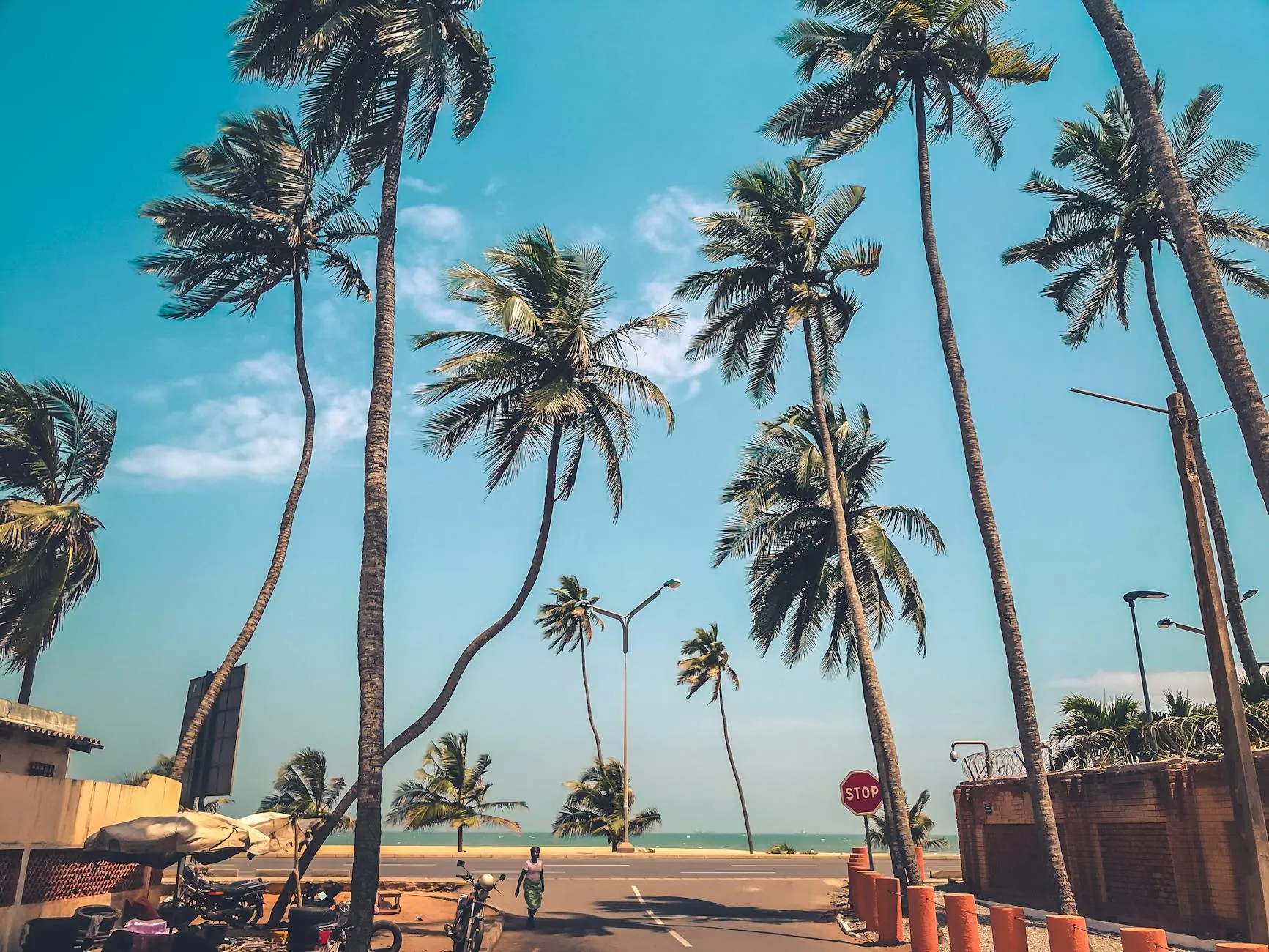
Lomé is built directly against the Gulf of Guinea — the city has a 7 km Atlantic seafront and the airport is 6 km inland. Lomé Plage, the eastern beach, is lined with maquis serving grilled fish from late afternoon. Two hard caveats: the currents off Lomé are strong and there are drownings every year — do not swim without checking local conditions; and beach muggings are routine after dark, so the beachfront strolling is a daylight-only activity. Beach restaurant + sunset drink is fine; midnight walk back to the hotel is the move that gets you robbed.
The Monument de l’Indépendance on Avenue de la Victoire commemorates Togo’s 27 April 1960 independence from France. Around it sits the colonial-quarter architecture: the old German trading houses from the pre-1914 Togoland protectorate (Togo was a German colony 1884-1914 before the French/British partition), the cathedral of the Sacred Heart (1902), and the Maison des Esclaves nearby — the small museum on the Atlantic slave trade. A walking-paced afternoon covers the lot in 2-3 hours.
Near the airport (Tokoin): a handful of small business hotels in the XOF 25,000-45,000 (~€38-69) range; functional, not memorable. For overnight + early flight, they are sensible. If you have 6+ hours, head to the beach hotels: Onomo Hôtel Lomé Le Lac, Radisson Blu 2 Février, Sarakawa, or Mövenpick Lomé — XOF 60,000-150,000 (~€90-230). The beach hotels are 15-25 minutes from the airport by taxi and give you actual Lomé rather than the airport quarter.
Moov Africa Togo and Yas Togo (formerly Togocom Mobile) are the two operators. SIMs are sold at landside arrivals and in town for XOF 500-1,000 (~€1-1.50), with data bundles XOF 2,000-6,000 (~€3-9) for 10-30 GB. Bring your passport for the registration. 4G is solid across Lomé and the southern coastal corridor; 5G has not rolled out as of May 2026. Outside the south the network thins quickly.
4-hour layover: not worth leaving the airport. Boulevard Eyadéma traffic into the city is unpredictable, and the e-visa entry process at immigration is slower than the lounge. Stay airside, eat at the Salon VIP, accept that LFW is a connecting point.
6 hours airside-to-airside: taxi to Akodessewa Fetish Market (~30 min each way + 45 min to see it) is feasible. XOF 8,000-12,000 round trip including waiting.
9+ hours: taxi to the Grand Marché + lunch at one of the central-Lomé maquis (Café Joker, Le Galion). Round trip ~45 min plus 2 hours in town. Always allow 60 min return-buffer for security and immigration. Do not attempt either move at night.
❓ Frequently Asked Questions
📊 2026 Summary Data Table
| Feature | Current Data (2026) |
|---|---|
| IATA / ICAO | LFW / DXXX |
| Official Name | Gnassingbé Eyadéma International Airport (still called Lomé–Tokoin locally) |
| Distance to Lomé centre | 6 km northeast — taxi 15-30 min depending on traffic |
| Terminals | 1 — single passenger terminal opened early 2016 |
| Capacity / actual | 2M pax/year design ceiling; ~917k actual in 2019, post-pandemic recovery uneven |
| Currency / Border | West African CFA franc (XOF, pegged €1 = XOF 655.957) |
| Visa system | e-Visa via voyage.gouv.tg, USD 63 (15d) / 81 (30d) / 117 (90d); ECOWAS + AU members visa-free since 18 May 2026 |
| Yellow fever | Mandatory at desk for all ≥9 months old; WHO certificate valid for life since 2016 |
| Airport taxi to centre | XOF 3,000-5,000 (~€5-8) day; XOF 5,000-8,000 after 22:00 — negotiate, no meters |
| Airport bus / rail | None — taxi or hotel transfer only |
| Ride-hailing | Uber/Bolt/Yango not operating reliably at LFW as of May 2026; local Heetch/GoZem inside Lomé only |
| Lounge | Salon VIP airside International — Priority Pass accepted; walk-in price not published |
| Hub carrier | ASKY Airlines — 15 × Boeing 737s, ~30 African cities; two widebodies planned by end-2026 for Paris launch |
| Other carriers | Ethiopian, Air France, Brussels Airlines, Royal Air Maroc, Air Burkina, Air Côte d’Ivoire, Ceiba Intercontinental |
| Long-haul direct | No North America / Asia / Oceania direct — connect via CDG, BRU, CMN, ADD |
| Time zone | GMT (UTC+0) year-round — same as London in winter, one hour behind in summer |
| Layover hook | Akodessewa Fetish Market (largest in West Africa); Grand Marché & Nana Benz cloth halls; Atlantic seafront — all 15-30 min by taxi |
| Mobile | Moov Africa Togo + Yas Togo; XOF 500-1,000 SIM; 4G across Lomé, 5G not deployed as of May 2026 |
🌍 Planning the trip? Read our Togo travel guide — best time to go, where to stay, and how to get around.