Bamako Senou Airport (BKO) — The Complete Master Guide 2026
Modibo Keita International Airport, named in 2013 for Mali’s first president, sits 15 km south of Bamako and is Mali’s only international airport. The dominant 2026 context: the US, UK, Canada and most EU governments rate Mali at Level 4 — “Do Not Travel” due to terrorism, kidnapping, and JNIM blockades on the main highways into Bamako. As of 1 January 2026, Mali suspended visa issuance to US citizens entirely; everyone else needs a visa before boarding (embassy or the official e-visa portal). Currency is the West African CFA franc (XOF), fixed €1 = XOF 655.957. Active carriers: Royal Air Maroc, Turkish Airlines, Ethiopian, ASKY, Air Algérie, Air Burkina, Air Sénégal, Tunisair, and Corsair (nonstop to Paris–Orly) — Air France and most other major Western carriers have withdrawn since the 2021-2023 junta-era diplomatic ruptures. This guide is the practical fact-sheet for the mandatory traveller — NGO staff, diplomats, journalists, Malian diaspora — not a tourism document.
📍 15 km S of Bamako
🚖 Taxi 30-45 min · XOF 7,000
⚠️ Level 4 — Do Not Travel
⚡ 2026 Quick Reference — Key Facts at a Glance
15 km · 30-45 min by taxi via the Route de Sikasso / RN6 north into the city
~XOF 7,000 (~€10-11) typical to central Bamako; negotiate, meters not used; embassy/NGO-arranged transport recommended
Taxi or pre-arranged transfer only — embassy/NGO clients use armoured vehicles per their security protocols
West African CFA franc (XOF) — fixed €1 = XOF 655.957; cash-dominant; cards only at the largest hotels
— visa mandatory before boarding for non-ECOWAS travellers
US citizens: visas suspended since 1 January 2026; e-visa portal open for other nationalities
Mandatory at desk for all; WHO certificate valid for life since 2016 — entry refused without
US Level 4 — Do Not Travel; UK FCDO “advise against all travel”; JNIM checkpoints on roads into Bamako
🏢 1. Single Terminal & the Post-Air-France Carrier Map
Bamako-Senou — renamed Modibo Keita International in 2013 for Mali’s independence president — runs from a single passenger terminal serving both international and the (limited) domestic operation. The airport’s carrier list has changed materially since the May 2021 coup that brought the current military government to power: Air France suspended its Bamako route after diplomatic ruptures, and most major Western European carriers (Lufthansa, KLM, British Airways) no longer serve Mali. The active 2026 map is dominated by African and Maghreb carriers plus Turkish Airlines from Istanbul.
🛫 Single Terminal
Layout: single concourse, separate international and domestic wings sharing the same airside food court. Walk time check-in to gate 5-10 minutes.
Arrivals reality: immigration desks are slow under the visa-pre-approval regime; yellow-fever check is a physical card inspection. Allow 60-90 min from wheels-down to landside.
⭐ The Post-2021 Carrier Map
Active carriers (2026): Royal Air Maroc, Turkish Airlines, Ethiopian, ASKY Airlines, Air Algérie, Air Burkina, Air Sénégal, Tunisair, Corsair (Paris–Orly).
What’s gone: Air France stopped serving BKO after the 2021-2022 diplomatic ruptures and the expulsion of French forces; Lufthansa, BA, KLM never had regular service. Corsair still flies nonstop Paris–Orly to Bamako; otherwise the European connection is via Istanbul (Turkish) or Casablanca (Royal Air Maroc).
Operating airlines (2026)
- Royal Air Maroc — Casablanca; the principal European/trans-Atlantic connection via CMN.
- Turkish Airlines — Istanbul; the largest non-stop and Mali’s main link into the Turkish global network.
- Ethiopian Airlines — Addis Ababa; the African long-haul connecting bank via ADD.
- ASKY Airlines — Lomé; the West African regional feed.
- Air Algérie — Algiers; the Algerian capital + onward European routes.
- Air Burkina — Ouagadougou; the Burkina link, schedule-dependent given the cross-border security situation.
- Air Sénégal — Dakar; the West African feed via the Dakar–Diass (AIBD) hub.
- Tunisair — Tunis; North African connection.
- Corsair International — Paris–Orly; the one remaining nonstop between Bamako and Europe.
- Sky Mali — the Malian carrier covering domestic points (Kayes, Gao, Timbuktu) and regional routes (Abidjan, Niamey).
Air France, Lufthansa Group, KLM, British Airways, and Iberia do not operate to Bamako in 2026. Corsair operates the only nonstop to Europe, Paris–Orly; other European connections route via Casablanca (Royal Air Maroc) or Istanbul (Turkish).
🛂 2. The 2026 Visa Suspension, JNIM, & the Honest Security Picture
Mali is now outside the formal Francophone visa-cooperation umbrella that defined the pre-2021 period. The 2026 immigration system at BKO has two dominant facts. First: as of 1 January 2026, Mali has suspended issuance of visas to US citizens entirely — US passport holders cannot enter without pre-suspension valid documents or extraordinary circumstances. Second: most other nationalities need a visa before boarding, applied for via the Malian e-visa portal (online payment, electronic entry permit issued). ECOWAS nationals remain visa-free 90 days. Yellow-fever certificate mandatory for all at the desk.
US Citizens — Visas Suspended Since 1 Jan 2026
The Government of Mali suspended visa issuance to US citizens effective 1 January 2026. US passport holders cannot apply online or at consulates; arrival without a pre-suspension valid visa results in refusal at the desk. Verify status before any flight.
e-Visa for Other Nationalities
Non-US Western travellers (Canada, EU, UK, Australia, NZ, Japan, etc.) apply via the Malian Ministry of Foreign Affairs e-visa portal. Approval is electronic and is delivered by email. Visa-on-arrival is not available except for nationals of Rwanda. Six months passport validity required.
CFA Franc — Pegged to the Euro
Mali uses the West African CFA franc (XOF) shared across the 8-country WAEMU bloc. Peg fixed at €1 = XOF 655.957. Cash is the dominant payment; cards work at the larger hotels (Azalaï, Onomo, Radisson). Use bank ATMs (Ecobank, Bank of Africa, BICIM) over airport bureaux.
Who needs what for short visits
| Passport | Visa needed? | Yellow fever | Notes |
|---|---|---|---|
| USA | Visa issuance SUSPENDED since 1 Jan 2026 | Yes — mandatory | Cannot enter without pre-suspension valid visa |
| EU / UK / Canada / Australia / NZ | Yes — e-visa via Malian MFA portal | Yes — mandatory | Allow 3-5 days; no walk-up VoA |
| ECOWAS (Senegal, Côte d’Ivoire, Ghana, Burkina Faso, Niger, etc.) | No — 90 days visa-free | Yes — mandatory | Standard arrival card |
| Most other African / AU | Yes — embassy or e-visa | Yes — mandatory | Apply ahead |
| Rwanda | VoA — 3 months | Yes — mandatory | Bilateral arrangement |
| China / India / Russia / others | Yes — embassy or e-visa | Yes — mandatory | Allow several weeks |
US: Level 4 Do Not Travel. US government employees are not permitted to travel outside of Bamako and citizens are advised to follow the same restriction. UK FCDO advises against all travel to the whole of Mali. The terrorist group JNIM (Jamaat Nusrat al-Islam wal-Muslimin) has established checkpoints on the main road routes into Bamako and has periodically blockaded fuel deliveries; the threat of kidnapping of Westerners is high throughout the country including the capital. Both governments recommend leaving Mali immediately by commercial flight if you are already in the country. Mandatory travellers — diplomats, working journalists, NGO staff, Malian diaspora visiting family — typically operate with embassy-coordinated transport, armoured vehicles, and stay within Bamako.
🚖 3. Taxi via the RN6 — The Only Sanctioned Mode
BKO has no airport bus, no rail link, no ride-hailing app operating reliably. The 15 km journey to central Bamako is by airport taxi or pre-arranged hotel/embassy transfer along the Route de Sikasso (RN6) north into the city. Embassy and NGO travellers use sanctioned armoured-vehicle transport per their security protocols; tourist-style independent transit is not the norm here.
🚖 Airport Taxi — Standard Civilian Move
- Pickup at the rank directly outside arrivals.
- Negotiate the fare before getting in — meters are not used; the opening quote is typically double the local rate.
- Typical fare to central Bamako: ~XOF 7,000 (~€10-11) daytime; expect higher after dark.
- Drivers speak French and Bambara. Have your hotel/office address written down; carry small XOF denominations.
🛡️ Embassy / NGO Armoured Transport
- For diplomats, NGO staff, journalists, and visiting executives: pre-arranged armoured-vehicle transport with embassy or organisation-provided security clearance is the norm.
- This is not a casual upgrade; it is the standard operating procedure for any Western traveller working in Mali in 2026.
- Costs are organisation-dependent; for independent travellers without that infrastructure, the answer is “you should not be here for tourism.”
🏨 Hotel Transfer
- The international-chain Bamako hotels (Azalaï Salam, Onomo Hôtel Bamako, Radisson Blu, Sheraton) run paid airport pickups at XOF 10,000-25,000 (~€15-40).
- Reduces airport-rank uncertainty on first arrival and provides identity verification on pickup.
- Most international travellers in 2026 use this path rather than the airport rank.
📵 No Ride-Hailing
- Uber, Bolt, Yango, inDrive do not operate in Mali as of 2026.
- Local SOTRAMA (green minibus) and Bani Taxi brand exist for in-city movement but do not serve BKO.
- For the airport-city journey, taxi or pre-arranged transfer is the only practical option.
🛋️ 4. Salon VIP at Bamako-Senou
BKO operates a single airside Salon VIP in the international departures area. Practical access is via business-class boarding pass on the operating carriers (Royal Air Maroc Business, Turkish Business, Ethiopian Cloud Nine, etc.) and via pay-at-door where the lounge is open to walk-ins. Priority Pass and major third-party programmes do not consistently list BKO in their published 2026 directories; verify your card’s app before relying on it.
🛋️ Salon VIP — Airside International
Location: airside, after immigration and security, in the international departure area.
Hours: aligned with the international departure bank — typically afternoon through evening for the Turkish, Royal Air Maroc and Ethiopian outbound waves.
Programmes: business-class boarding pass for operating carriers; walk-in pricing where offered, verified at door; Priority Pass acceptance varies and is not reliably listed.
📦 The Honest Assessment
Hot meals when the long-haul bank is active, soft drinks and basic alcohol, soft seating, free Wi-Fi, runway view of the single Bamako runway.
For the diplomats, journalists and aid workers passing through BKO, the lounge is the comfortable place to wait out an evening connection; expect regional-airport amenities, not the major hub experience.
🍚 5. Malian Food: Capitaine, Tigadégué, Tô & the Niger
Malian cooking sits at the crossroads of Sahel, West African coastal, and North African Saharan traditions. The Niger river runs through Bamako and supplies the dominant fish — capitaine (Nile perch) is the most prized — while groundnut, millet, sorghum and rice carry the starches. The airside food at BKO is limited; the real Bamako eating is at restaurants in the Hippodrome, Hamdallaye and Quinzambougou neighbourhoods, and at the maquis along Avenue de l’OUA.
Capitaine (Lates niloticus, Nile perch) is Mali’s signature fish, caught in the Niger, sold smoked or fresh, and served whole-grilled with onion-tomato sauce and white rice. A plate at a Bamako restaurant runs XOF 3,500-7,000 (~€5-11). Restaurant San Toro in the Hippodrome is one of the longstanding addresses.
Tigadégué na (sometimes written tigadeguena) is the Malian-Bambara groundnut sauce — peanut paste, tomato, onion, chilli, slow-simmered with meat or fish, served over white rice. The defining Bambara household dish. XOF 2,500-4,500.
Tô (or “to” in French spelling) is the staple millet or sorghum porridge of the Sahel — eaten with okra or baobab-leaf sauces, dipped with the right hand. Heartier and more nuanced than rice; the everyday rural Malian meal. Available at any chayhana for XOF 500-1,500.
Brochettes — beef or mutton skewers grilled over charcoal — are sold from street stalls evening-onwards in Bamako, with onion and chilli oil. Mafé is the West African version of the peanut stew; richer, more tomato-led than tigadégué. Both available at maquis at XOF 1,500-3,000.
Duty-Free & Souvenirs — What’s Worth Buying
🧺 Bogolan (Mud Cloth)
Bogolan — Mali’s iconic hand-painted mud-cloth, dyed with fermented mud over indigo-dyed cotton — is the most distinctive Malian souvenir. Small wall hangings XOF 5,000-15,000 (~€8-23); larger pieces XOF 25,000-80,000. The airport selection is limited; the better range is at the Marché Artisanal in central Bamako.
🥁 Djembe Drums
The djembe is the iconic Manding/Mali drum, hand-carved goblet-shaped, goatskin-headed. Workshop pieces from the Hippodrome artisans at XOF 30,000-100,000 (~€45-150) depending on size. Check airline restrictions — the larger pieces require special baggage handling.
🌾 Shea Butter & Shea-Based Cosmetics
Mali is a significant shea butter producer; raw and cosmetic-grade products from women’s cooperatives. Small jars at XOF 1,500-4,000 (~€2-6); a meaningful, traceable Malian export.
🎴 Tuareg Silver
Tuareg silverwork — crosses, daggers, hand-stamped jewellery — from the northern Tuareg artisan tradition. Available in Bamako despite the source region’s security situation; verify authenticity with the seller. XOF 5,000-50,000 per piece.
💡 6. Insider: the National Museum, the Niger & the Markets
The National Museum of Mali, on the western edge of central Bamako below the Kati hills, is the country’s principal cultural institution — Dogon ancestral sculpture, Bambara masks, Tuareg silver, ancient Niger valley artefacts, and a permanent exhibition on the medieval Mali Empire of Sundiata Keita. Set in landscaped gardens with traditional Sudano-Sahelian architecture (the building itself is a reference work). Entry XOF 2,500-5,000. Open most days except Mondays. The single sight worth a Bamako visit for anyone interested in West African material culture.
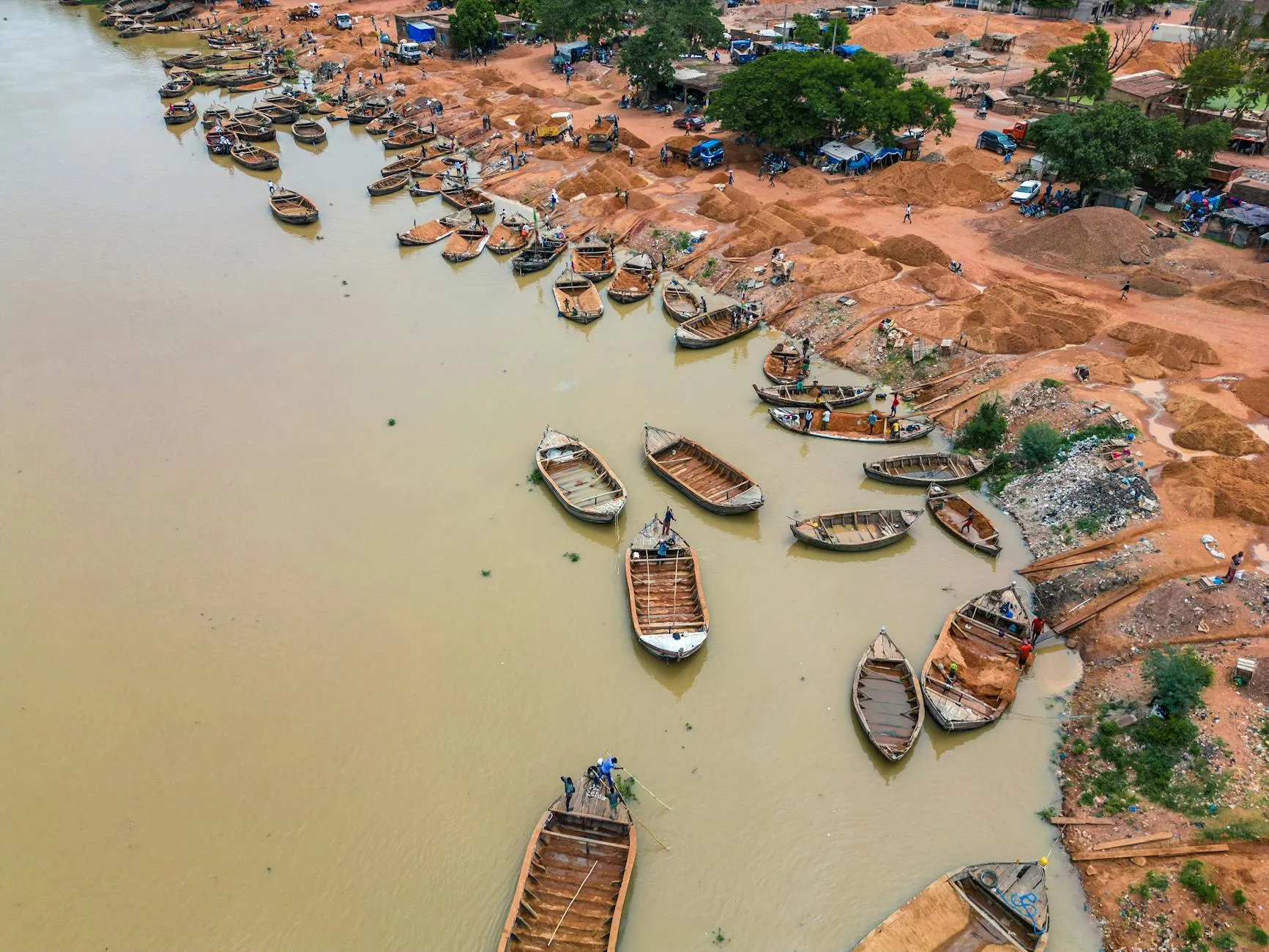
The Niger river divides Bamako into the historic left bank (the colonial-era centre) and the modern right bank (Sogoniko, Faladiè, the airport beyond). The Pont des Martyrs (1985) and the newer Pont du Roi Fahd are the two main road crossings. Sunset on the Niger from the left-bank corniche, watching the pirogues, is the Bamako image that travellers most reliably remember. Stay on populated stretches; the riverbank thins out fast and the security situation does not reward solo wandering after dark.
The Grand Marché (or Marché Rose, after the pink colour of the surviving 1930s French colonial market hall) is the central Bamako trading complex — produce, textiles, household goods, the artisan section with bogolan and Tuareg silver. Daylight only; well-attended, pickpocketing risk is the standard West African urban risk; the post-coup security climate adds an additional layer of “be unobtrusive.”
Mandatory travellers should book one of the compound hotels with armed gatehouse security: Azalaï Salam Bamako, Onomo Hôtel Bamako, Radisson Blu, Sheraton Bamako (XOF 80,000-180,000 / ~€120-275 per night). All have own-power generators, business-class Wi-Fi, secure parking, and the standing security protocols that a stay in 2026 Bamako requires. Smaller guesthouses exist but lack the operational infrastructure for international travellers in the current environment.
Orange Mali and Moov Africa (Malitel) are the two operators. SIMs at landside arrivals or in town for XOF 500-2,000 (~€0.80-3) with passport registration; data bundles XOF 2,000-6,000 (~€3-9) for 5-20 GB. 4G works in Bamako proper; coverage drops sharply outside the capital corridor. 5G has not deployed. Mali periodically restricts internet access during political events; a VPN purchased before travel can be essential.
The honest assessment: tourism layovers in Bamako are not appropriate in 2026. The current US Level 4 / UK “advise against all travel” advisories mean that leaving the airport without a clear purpose and pre-arranged secure transport carries kidnap and crime risk that is not acceptable for a passport stamp.
Mandatory travellers with embassy-coordinated transport, working-press credentials, or NGO security clearance follow their organisation’s protocols — typically pre-arranged armoured pickup, direct to the working location.
For everyone else: stay airside, use the Salon VIP, accept that BKO is a connecting point or an entry to scheduled work, not a layover destination.
❓ Frequently Asked Questions
📊 2026 Summary Data Table
| Feature | Current Data (2026) |
|---|---|
| IATA / ICAO | BKO / GABS |
| Official name | Modibo Keita International Airport (named 2013 for Mali’s first president) |
| Distance to Bamako | 15 km south — taxi 30-45 min via the RN6 |
| Terminals | 1 — single passenger terminal |
| Currency / Border | West African CFA franc (XOF, fixed €1 = XOF 655.957) |
| Visa system | US citizens: SUSPENDED since 1 Jan 2026. Others: e-visa via Malian MFA portal. ECOWAS visa-free 90 days. Rwanda VoA 3 months. |
| Yellow fever | Mandatory at desk; WHO certificate valid for life since 2016 |
| Airport taxi | ~XOF 7,000 (~€10-11) typical; negotiate, no meters |
| Airport bus / rail / ride-hail | None — taxi or pre-arranged transfer only; embassy/NGO travellers use armoured transport |
| Lounge | Salon VIP International — business-class access; Priority Pass not consistently listed for BKO 2026 |
| Carriers (2026) | Royal Air Maroc, Turkish, Ethiopian, ASKY, Air Algérie, Air Burkina, Air Sénégal, Tunisair, Corsair (Paris–Orly) |
| Withdrawn carriers | Air France (post-2021), Lufthansa Group, KLM, British Airways, Iberia not operating BKO |
| Long-haul direct | None to North America / Asia / Oceania — connect via CMN, IST, ADD |
| Time zone | GMT (UTC+0) year-round |
| Travel advisory | US Level 4 — Do Not Travel; UK FCDO advises against all travel. JNIM checkpoints on highways into Bamako; kidnap threat high country-wide |
| Layover hooks | Musée National du Mali; Pont des Martyrs / Niger river; Grand Marché — recommended only for mandatory travellers with secure transport |
| Mobile | Orange Mali + Moov Africa (Malitel); XOF 500-2,000 SIM; 4G in Bamako, no 5G; periodic internet restrictions during political events |