Abha International Airport (AHB) — Airport Guide 2026
On 29 March 2026, flynas made Abha its fifth operating base, adding international routes to Kuwait City and Trabzon — which is a more consequential upgrade than the 10,500-square-metre terminal that will carry all of it until at least 2028.
Quick Reference
AHB / OEAB
Single, shared domestic + international
2,090 m (6,858 ft) — one of the highest commercial airports in the Middle East
13/31, 3,350 m
~18 km, roughly 24 min by car
~30 km, roughly 30 min by car
Saudi riyal (SAR), pegged at 3.75 to the US dollar since 1986
SAR 50–70 (~US$13–19 / ~€11–16); confirm in-app at time of booking
None — no SAPTCO or city bus serves the airport
Tourist e-Visa (SAR 535, ~US$143 / ~€123); health insurance bundled
flyadeal, Saudia, flynas
Hayyak Lounge (Priority Pass); no Saudia Alfursan flagship here
Illegal nationwide
Modest; abaya not required for foreign women since 2019
flynas fifth operating base opened 29 March 2026
✈️ Terminal & the 2028 Expansion
AHB is a small airport doing more work than its footprint was designed for. The single passenger terminal — shared by domestic and international flights — covers roughly 10,500 square metres, which is smaller than many European regional terminals. Check-in, security and gates sit close together, and at off-peak times the building clears in well under an hour. In peak summer, when Gulf families pour in for the cool air and the green hills, that compactness turns into queues.
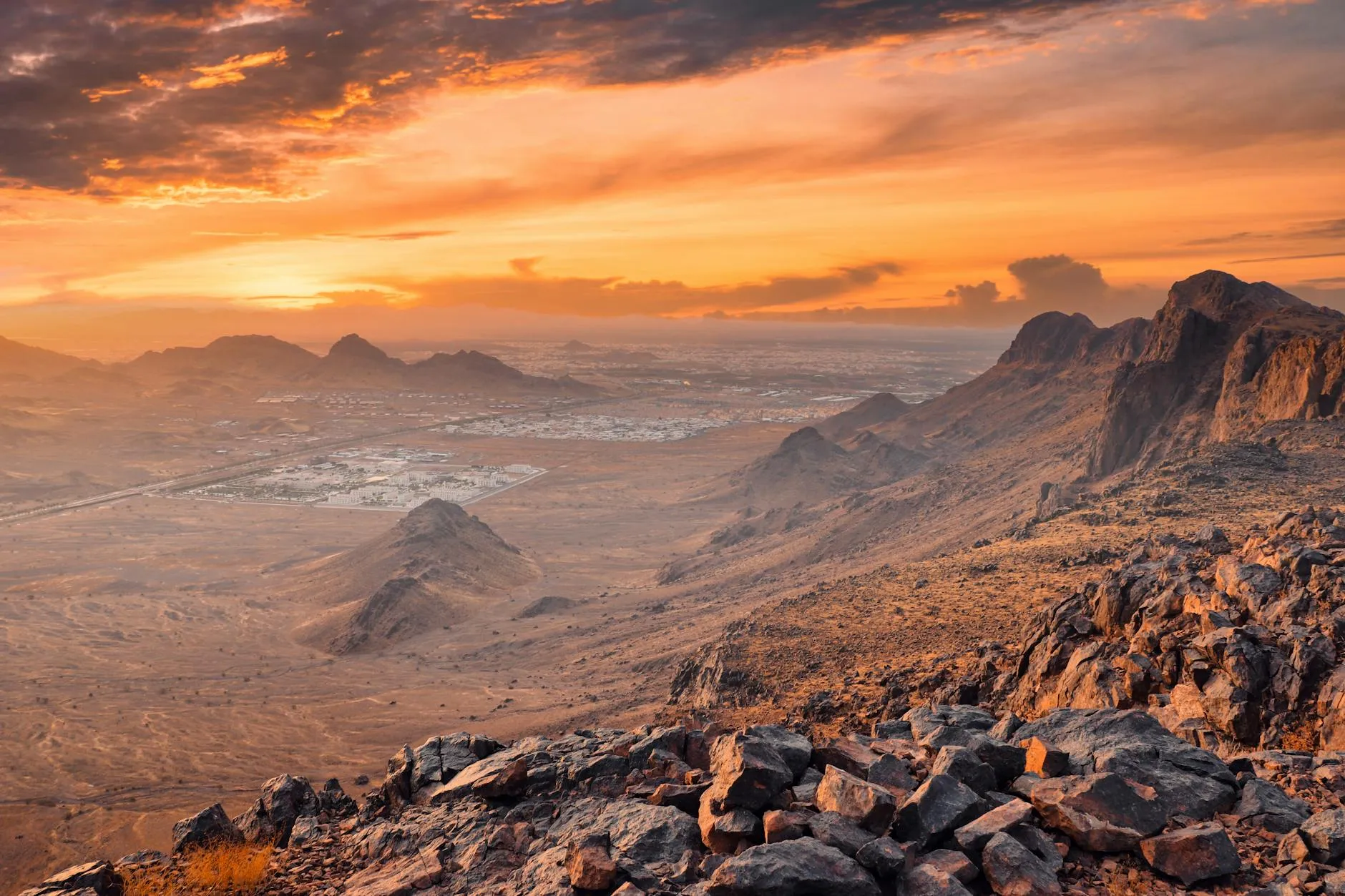
The airport opened in 1977 on a plateau east of Abha at 2,090 metres above sea level — one of the highest commercial airports in the Middle East, a fact with real practical implications, not just a trivia point. The single runway at 3,350 metres handles fully loaded narrowbodies without strain despite the thin air. The elevation also explains why you step off a Jeddah flight into what feels like a different country: Abha in July often sits in the low 20s°C, sometimes with afternoon cloud rolling up the escarpment, while the coast bakes at 45°C.
🔨 The Expansion: What Is Planned, What to Expect in 2026
The structural story is the expansion. Under a public-private partnership tendered through MATARAT and Saudi Arabia’s privatisation programme, the terminal footprint is slated to grow from its current size to roughly 69,400 square metres in phase one, with 20 gates, 41 check-in counters and seven self-service kiosks. The stated aim is to lift annual capacity from roughly 1.5 million toward 8 million passengers by 2030. The new terminal’s design references the painted-house architecture of Rijal Almaa, the heritage village west of the city.
⚠️ 2026 vs. 2028: the gap
Phase one completion is targeted for 2028. For any trip in 2026 or 2027, the old terminal and construction hoarding are what you walk through. The architectural renderings circulating online are marketing for a building that does not yet exist.
The airport serves two cities with roughly equal claim on it. Abha, the Asir provincial capital, is about 18 km west. Khamis Mushait — larger, and a long-standing military centre — is about 30 km east. A substantial share of passengers are actually heading to Khamis, so if your hotel is there, factor the longer drive and a slightly higher fare.
A final altitude note that has nothing to do with architecture: at 2,200 metres, Abha is high enough to cause mild breathlessness, faster fatigue or a first-day headache for visitors arriving from sea level. Serious altitude sickness is rare here — this is not La Paz — but pace the first afternoon, drink more water than you think necessary, and leave the strenuous mountain hiking for day two.
🛂 Visa, the Riyal & the Alcohol Reality
🗂️ Visas
Most travellers need a tourist visa, and for the roughly 60-plus eligible nationalities — including the UK, Ireland, the US, Canada, Australia, New Zealand, Japan, China and EU/Schengen states — the route is the Saudi e-Visa at visa.visitsaudi.com. It is a one-year, multiple-entry visa allowing stays of up to 90 days per visit, priced at SAR 535 (about US$143 / €123 as of 2026), with a mandatory health-insurance policy bundled into that figure. You do not buy the insurance separately. Eligible nationals can also get the equivalent visa on arrival at major Saudi airports, but applying online before you fly removes the queue.
GCC residents get a separate track: a valid residence permit in any Gulf state with at least three months remaining qualifies you to apply online for a tourist e-Visa regardless of your own nationality. Citizens of Bahrain, Kuwait, Oman, Qatar and the UAE need no visa at all and may stay up to 90 days. Whatever your entry route, your passport needs at least six months’ validity.
🛂 Tourist e-Visa — SAR 535, one-year multiple-entry
Applies to 60+ nationalities. Health insurance is bundled into the price, valid for the visa’s duration. Apply at visa.visitsaudi.com before travel to skip the arrival queue.
💴 The Riyal
The single most useful fact about the Saudi riyal is that it has been pegged to the US dollar at exactly 3.75 since 1986, held there by the central bank’s reserves. There is no parallel rate and no black market. SAR 100 is always approximately US$26.67. Against the euro, the riyal moves with the dollar — sitting near €0.23 per riyal in spring 2026. Notes in circulation are the 5, 10, 50, 100, 200 and 500 riyal; the 500 note is large and shops dislike breaking it, so keep a supply of 50s and 100s for taxis and small purchases.
Saudi Arabia is extensively cashless. Apple Pay, Mada cards and contactless terminals work almost everywhere, including most taxis. A couple of hundred riyals in cash is worth having for heritage-village market stalls and rural Asir, where card terminals are thinner.
🚫 Alcohol
It is illegal across the kingdom for tourists, residents and citizens alike. The widely-reported 2026 “change” to Saudi alcohol policy was narrow: it formalised supply for accredited foreign diplomats inside Riyadh’s Diplomatic Quarter only. It has no bearing on tourists, hotels, restaurants or any part of Asir. Customs screen for alcohol on arrival; bringing it in means confiscation and potentially arrest. There is no duty-free liquor at AHB and there will be none. Plan accordingly for a dry trip.
👗 Dress
Saudi Arabia dropped the requirement for foreign women to wear the black abaya in 2019. Women are not obliged to wear an abaya or cover their hair, but clothing should be modest — shoulders, chest and knees covered, nothing tight or sheer. Loose trousers, long skirts, maxi dresses and tunic tops all work. Men should avoid shorts and sleeveless tops in public. Asir is more conservative than Jeddah; err toward the modest end rather than the cosmopolitan one.
🚆 Getting Into the City
AHB has no rail, no metro and no public bus from the terminal into either Abha or Khamis Mushait. SAPTCO, the national bus operator, runs intercity coaches from stations in both cities, but none of those routes start at the airport. Your realistic options are a ride-hailing app, an airport taxi or a pre-booked transfer.
🚖 Careem or Uber — SAR 50–70 to central Abha
Careem tends to have more local drivers than Uber at AHB — install both and compare. The roughly 18 km, 24-minute run to central Abha lands around SAR 50–70 (about US$13–19 / ~€11–16) as an app fare. Fares surge with demand and weather; the in-app quote at the moment you book is the number that counts.
Airport taxi. Licensed taxis wait outside arrivals and will quote fares in the same SAR 50–70 range to Abha for a standard run. The case for them over an app is weak: app fares are transparent and pre-agreed before you get in. If you do take a taxi, agree the fare before loading bags.
Pre-booked private transfer. Costs more than an app ride but useful if you are arriving late, travelling with family or heading to a hotel up in the Soudah hills where ride-hail coverage thins. A name board at arrivals removes the language friction.
Car hire. For Asir specifically, renting a car is the most practical option for anyone planning more than a single day-trip. The region’s main draws — Rijal Almaa, the Soudah escarpment, Habala, the mountain viewpoints — are spread across winding roads that ride-hail does not serve cleanly. Major agencies have desks at the terminal. Roads in the region are good and well-signed; the mountain descents are steep, so a car with decent brakes matters. An International Driving Permit alongside your home licence is the reliable combination.
⚠️ No bus from the terminal
SAPTCO intercity coaches serve Abha and Khamis Mushait city stations, not the airport. There is no public transport route from the terminal. Budget for a taxi or app ride.
🛋️ The Hayyak Lounge
AHB has one lounge of note: the Hayyak Lounge, listed in the Priority Pass network. It offers seating, Wi-Fi, hot and cold food and a prayer room. Hours are listed as around the clock, but at a small airport “open” can track the flight schedule rather than the clock, so check the Priority Pass app for live status before relying on it for a long wait.
🛋️ Hayyak Lounge — Priority Pass access
The only independent lounge at AHB. Standard package: seating, Wi-Fi, food, prayer room. Check the Priority Pass app for current operating hours before a long layover — hours can shadow the flight schedule at smaller airports.
What is absent is worth naming, because travellers coming from Jeddah or Riyadh may expect more. There is no Saudia Alfursan flagship lounge of the kind those hubs offer. No Plaza Premium, no Wellcome lounge. Saudia Alfursan Gold and Silver members get lounge access where Saudia operates premium lounges; Abha is not one of those airports, so the Hayyak Lounge is it.
For anyone without lounge membership, the calculus at this terminal size is straightforward: the gate-area cafés and the compact layout mean the marginal value of paying at the door is low unless you have a genuinely long wait or are travelling with children who need a quieter base.
🍽️ Food Before You Fly
Airport food at AHB is what you would expect of a regional Saudi terminal: a handful of fast-food and coffee outlets, reliable rather than remarkable, at an airport premium. A coffee and a sandwich airside runs roughly SAR 18–30; the same in an Abha café costs SAR 10–18. The duty-free is modest — perfume, dates, chocolate and standard travel retail — with no alcohol, as noted. This is not an airport you should arrive early to eat at.
☕ Order gahwa in the city, not at the gate
Asir is historically a coffee-growing region — terraced arabica plots on the escarpment still produce locally. The cardamom-spiced gahwa you get in an Abha café, where many places roast their own, is a different product from the paper cup at the gate. A pot is cheap; the dates served alongside come free. Refusing the date is a small social misread.
The food worth the trip is in Asir. The signature regional dishes: haneeth — slow-cooked lamb or goat, tender off the bone, served over rice, roughly SAR 35–60 a platter at a proper Abha restaurant; areeka (sometimes spelled aseeda), a sweet wheat-dough porridge enriched with honey and ghee; and mutabbaq, a stuffed pan-fried savoury pastry sold at street stalls. The standard gahwa here is light roast, spiced with cardamom and often saffron, served small alongside dates — the bitterness-sweetness pairing is intentional and the point.
A practical note on finding good haneeth: Abha’s restaurant scene turns over quickly and the genuinely good places are often unbranded local spots. The reliable signal is a haneeth house full of Saudi families on a weekend evening. The historic Souq al-Thulatha (Tuesday market) area in the old town is where cheap, good mutabbaq and grilled-meat stalls cluster. Hotel restaurants are consistent but generically Gulf-international; the regional cooking is better found outside them.
💡 Asir: What Is Worth the Drive
The honest situation with AHB as a transit point: it is overwhelmingly a point-to-point airport, not a connecting hub. Even the closest headline sight — Al Soudah — is about 80 minutes of driving round-trip before you have looked at anything, and Rijal Almaa is closer to two hours. Anything under about six hours on the ground means you stay at or near the airport. Everything below is for travellers staying overnight.
🏔️ Jabal Sawda & Al Soudah (~20 km northwest of Abha, ~40 min drive)
Jabal Sawda is the highest point in Saudi Arabia, with an officially recognised elevation of 3,015 metres (a 2018 survey placed parts of the massif closer to 3,100 m). The Soudah escarpment is the headline mountain landscape of the region — terraced slopes, juniper and cloud spilling over the ridge on summer afternoons. The existing Abha Cable Car at Al Soudah is operational and runs over the valley. This is distinct from the much larger Soudah Peaks resort cable cars planned under Vision 2030, which are a separate giga-project not expected to open until roughly 2027–2029. In 2026, the operating cable car is the established one. Check its current days and hours before going — at quieter times of year it does not run daily.
🏛️ Rijal Almaa (~50 km / 31 mi west of Abha, ~1 hour’s drive)
The standout day-trip, and genuinely worth the time. Roughly 60 multi-storey buildings of stone, mud and wood, their facades painted in bands of white, ochre, red and blue, with a history spanning several centuries. The village is a UNESCO-listed cultural property and the architectural reference the new airport terminal is borrowing from. The drive down the escarpment is half the experience — long switchbacks with valley views. Allow most of a day including the drive both ways.
⛰️ Habala, the Hanging Village (~55 km / 34 mi southeast of Abha)
A former cliff-ledge settlement of the Qahtani people, reachable historically only by rope and now by cable car down the escarpment face. The drama of the setting is real. The cable car access, however, runs on limited days — often only later in the week and seasonally — and a wasted two-hour round-trip drive is a genuine risk.
⚠️ Habala cable car: confirm the day before
The cable car to the Hanging Village operates on restricted days and hours, which vary seasonally. Treat Habala as a conditional trip, not a fixed plan. Confirm operating status the day before travel, not the morning of.
🏙️ Abha City
Art Street (Abha’s mural-and-sculpture district) is a walkable open-air gallery that grew out of the city’s cultural festival tradition. Green Mountain — Jabal Thera, the hill on the city’s edge lit green at night — has its own small cable car from the city and a viewing restaurant at the top; it is the standard sunset spot. The Asir National Park trails run to the urban edge, and Sad Abha, the dam lake, is an easy low-effort hour by the water. Because the city sits in a basin at altitude, the afternoon cloud in summer can drop visibility on the high viewpoints within minutes — Green Mountain in particular rewards timing for a clear window.
On seasonality: this is a summer-escape destination. Gulf families arrive roughly June through September for the cool air and green hills, and the annual Abha cultural-season events fall in that window. Spring brings wildflowers and lighter crowds. Winter is genuinely cold at this elevation, with mountain temperatures that can approach freezing at night. The misty, green Asir of the photographs is a summer-monsoon phenomenon.
🔧 Practical Notes
SIM cards and connectivity. Saudi Arabia has fast, cheap mobile data. The three main operators — stc, Mobily and Zain — all sell tourist SIM and eSIM packages. Buy from an official operator outlet with your passport (Saudi registration rules require ID). An eSIM bought before you fly is the frictionless option if your phone supports it. Coverage in Abha city and along the main Asir roads is good; it thins on remote mountain tracks.
Tipping. Not a deeply ingrained obligation as in the US. Service charges are sometimes included. Rounding up a taxi fare or leaving 10–15% for good restaurant service is appreciated at tourist-facing places. No need to tip in fast-food or self-service settings.
Water. Tap water in Saudi cities is technically treated but most residents and visitors drink bottled water, which is cheap and available everywhere. Stick to bottled.
Altitude and sun. Take the first day in Abha gently; drink more water than the mild temperature suggests you need. Summer sun at 2,200 metres burns faster than it feels — use sunscreen even when it seems cool.
🌍 Yemen border advisory — read before you fly
Asir Province borders Yemen. As of mid-2026, major government advisories including the UK FCDO advise against all travel within 10 km of the Yemen border and against all-but-essential travel in the 10–80 km band. Abha city sits more than 100 km from the frontier and is outside both restricted zones. The wider situation has been quieter under an unofficial truce but is not formally resolved. Check your own government’s current Saudi Arabia advisory in the days before you travel.
The 2026 hook. flynas opened its fifth operating base at AHB on 29 March 2026, with new international routes including Kuwait City and Trabzon launching in late June. For travellers this means more direct options from Abha than the airport historically offered, and the base’s route list is expected to grow. The terminal that is meant to house all of it, though, remains a 2028 target.
❓ Frequently Asked Questions
📊 At a Glance — AHB 2026
| Feature | 2026 Detail |
|---|---|
| IATA / ICAO | AHB / OEAB |
| Full name | Abha International Airport |
| Terminal | Single, shared domestic + international |
| Elevation | 2,090 m (6,858 ft) |
| Runway | Single, 13/31, 3,350 m |
| Distance to Abha | ~18 km / ~24 min by car |
| Distance to Khamis Mushait | ~30 km / ~30 min by car |
| Currency | Saudi riyal (SAR), pegged 3.75 = US$1 since 1986 |
| Banknotes | 5, 10, 50, 100, 200, 500 SAR |
| Airport-to-city fare | SAR 50–70 ride-hail; verify in-app |
| Public transport from terminal | None — no bus, metro or rail |
| Visa | Tourist e-Visa / visa on arrival, ~SAR 535, health insurance bundled |
| Visa-free | GCC citizens (Bahrain, Kuwait, Oman, Qatar, UAE) — 90 days |
| Largest carriers | flyadeal, Saudia, flynas |
| Lounge | Hayyak Lounge (Priority Pass); no premium flagship |
| Alcohol | Illegal nationwide — no duty-free liquor |
| Dress | Modest; abaya not required since 2019; Asir more conservative than Jeddah |
| Altitude effect | Mild; pace first day, hydrate |
| Cable car (existing) | Al Soudah / Abha cable car, operational; check operating days |
| Signature dishes | Haneeth, areeka, mutabbaq, gahwa coffee |
| Top day-trip | Rijal Almaa UNESCO heritage village (~50 km west) |
| Border advisory | Within 80 km of Yemen restricted; Abha is outside the zone |
| Expansion | ~69,400 sq m new terminal; 2028 target; old building in use until then |
| 2026 change | flynas fifth operating base opened 29 March 2026; Kuwait City + Trabzon routes from late June |