Fuerteventura Airport (FUE) — Airport Guide 2026
Quick Reference
Fuerteventura Airport “El Matorral”
FUE / GCFV
Puerto del Rosario, Fuerteventura, Canary Islands, Spain
~5 km from Puerto del Rosario; ~5 km from Caleta de Fuste
One terminal (24 boarding gates)
6,886,935 passengers — a record, and the fastest-growing Canary airport; busy year-round
Spain — Schengen, euro; EES live since April 2026, ETIAS expected, date not announced; special tax zone (IGIC, not EU VAT)
Euro (€)
Bus €1.40 to Puerto del Rosario, €1.45 to Caleta de Fuste; taxi ~€23–28
Jable VIP Lounge (Priority Pass; ~06:00–21:00)
Germany & UK (>50% of international); Ryanair, Jet2, easyJet, TUI, Condor
🛫 1. What Fuerteventura Airport is
Fuerteventura is a big, single-terminal airport on a hard upward curve — 6,886,935 passengers in 2025, a record, and the fastest-growing airport in the Canaries that year. Like its neighbours it’s a year-round operation rather than a summer-only one, because the island sells winter sun, and German and British travellers between them make up more than half of the foreign traffic. What it is not is a clone of the other Canaries, and the difference is the reason most people come.
Fuerteventura is the wind-and-sand island. It’s the closest of the Canaries to Africa, barely 100 km off the Moroccan coast, with a Saharan haze and a flat, desert look the greener islands don’t share. It’s also a world windsurf and kite capital: the Windsurf and Wingfoil World Cup runs each summer at the vast Sotavento lagoon on the south coast, and the airport feels it when the event is on. Volcanoes and art are the next island up; here it’s beaches, dunes and wind.
There’s no dramatic recent change to flag beyond that growth and the capacity upgrades it brings. The practical work is the terminal, a tax quirk shared across the Canaries, and a long island to cross.
🛬 2. The terminal and the lounge
One terminal handles everything — international, mainland-Spain and inter-island flights — with the departures level and its 24 gates upstairs. It’s a large, modern building, but the single security line still bunches up on a Saturday changeover when a run of charter flights turns around together, so allow two to three hours for a busy departure. Walks are short and there’s nothing to connect to in the airline sense.
That single-building setup is a small plus over neighbouring Lanzarote, which splits its inter-island flights into a separate terminal. Here the Binter and Canaryfly desks and gates sit alongside your charter flight, so an air hop to Gran Canaria or Tenerife means a short walk rather than a shuttle between terminals.
There’s a real lounge here: the Jable VIP, in the departures area between gates 5 and 7, past security and the duty-free. It takes Priority Pass and comparable cards, or a pre-booked pass, and runs roughly 06:00 to 21:00 with food, drinks, a children’s area and an outdoor terrace. At a single-terminal airport that fills on changeover day, it’s a genuine way to wait out the crowd.
✈️ 3. Carriers, and the year-round reality
This is a low-cost and charter airport fed mainly from Germany and the UK. Ryanair, Jet2 and easyJet carry the British traffic from a long list of cities; Condor and Eurowings bring the Germans, who lean on Fuerteventura even harder than they do the other islands; TUI runs the package end, with Norwegian, Transavia and others filling out northern Europe. The mainland is reached on Iberia, Air Europa and Vueling, and the other Canaries on the Binter and Canaryfly turboprops.
The calendar is the key difference from a Mediterranean island. Because the island trades on winter sun and year-round wind, the schedule holds up through the off-season — January and February are genuinely busy with northern Europeans escaping the cold. For a deal-hunter that inverts the usual rule: the dear weeks are the winter holidays and high summer, and the value sits in the shoulder months of late spring and autumn.
🛂 4. The border and the tax frontier
Two things apply at Fuerteventura, and they’re worth keeping separate. The ordinary one is Schengen: the Canaries are part of Spain and the Schengen Area, so EU/EEA and Swiss nationals walk through, and UK, US and many other visitors enter visa-free for 90 days in any 180.
Spain’s EES biometric registration has been live since April 2026, and it applies to arrivals from outside Schengen — chiefly the UK here, which with Germany makes up most of the foreign traffic. You clear no passport control arriving from elsewhere in Schengen, but a UK arrival means the new biometric check and a possible queue on a busy day. ETIAS, the pre-travel authorisation, is expected to follow once it launches.
The second is the unusual part, shared across the Canaries: because the islands sit outside the EU VAT area, taxed under the local IGIC at a 7% standard rate rather than the mainland’s 21%, goods are cheaper here, and a flight home crosses a fiscal border. That gives you a genuine duty-free allowance on the way out — flying to the UK, the full third-country limit of 200 cigarettes, 4 litres of spirits, 18 litres of wine and £390 of other goods; to the EU mainland the limits differ but the principle holds. The airport’s duty-free is the real thing, not the EU-internal version that isn’t. Everything is in euros, with ATMs in the terminal.
🚌 5. Getting to your resort — a long island with a real bus
The airport sits just outside Puerto del Rosario, the capital, about 5 km away, and the same short distance from Caleta de Fuste, the resort right beside it. The rest of the island is a different matter, because Fuerteventura is long.
Where you’re staying decides the ride. Caleta de Fuste is a €1.45 bus and a few minutes; Corralejo and its dunes are up the north coast; and Morro Jable, with the Jandía beaches, is an 80 km haul to the far south. The green guagua buses — line 3 for the capital and Caleta de Fuste, line 10 for the south — are cheap and frequent enough by day, but for the ends of the island a pre-booked transfer or a hire car saves real time.
The 3 runs roughly every half hour to Puerto del Rosario and Caleta de Fuste for under €1.50; the 10 heads south to Morro Jable several times a day, thinning out at weekends. Corralejo, in the north, is usually a change at the capital onto line 6. Tickets are bought on the bus. A taxi from the rank is about €23–28 to Puerto del Rosario, more to the far resorts — fine for a tired late arrival or a group, dear for the long runs. For a flat, empty island that’s made for it, a hire car (desks in the terminal) is the way to actually see the place.
The far north opens up one more option. From Corralejo’s harbour, frequent ferries cross to Playa Blanca on Lanzarote in roughly 25 to 35 minutes, so the two islands pair without a second flight — fly into one, sail to the other for a day or for good. If you’re based up north, a day on Lanzarote’s volcanoes is closer than the far end of your own island.
🏜️ 6. The reason you’re here: wind, dunes, and the edge of the Sahara
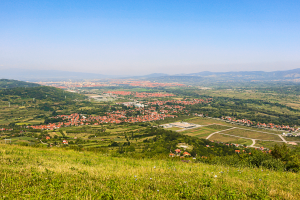
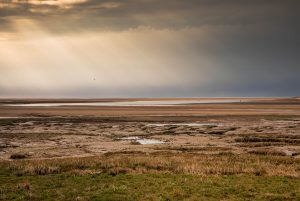
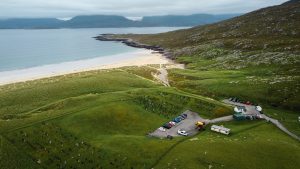
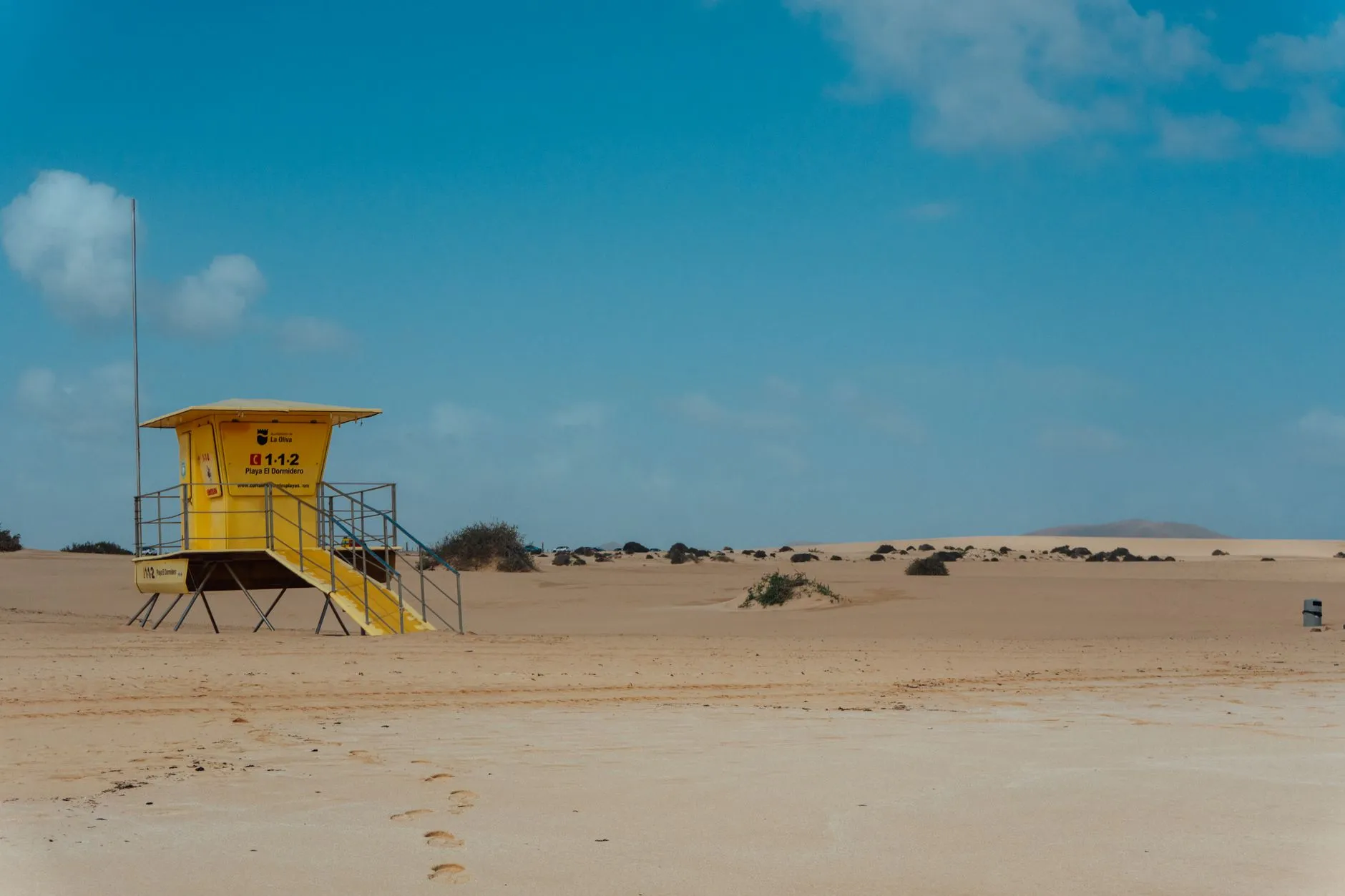
Fuerteventura trades on emptiness and weather, and it’s honest about both. The Corralejo Natural Park in the north is a genuine sand desert — roughly ten kilometres of dunes against the sea, the largest dune field in the Canaries, blown half from the Sahara that sits just over the horizon. The south holds the long pale beaches of the Jandía peninsula and, beyond the mountains, Cofete: twelve kilometres of wild golden sand, no paved road, no real development, reached on a rough track. The wind that makes the place a windsurf and kite mecca is the same wind that keeps the beaches raw, and you take both or neither.
A practical warning on Cofete: the access is an unpaved mountain track, and most hire-car contracts specifically forbid driving it — do it anyway and you’re uninsured if something goes wrong. Take a 4×4 excursion or a local bus rather than risk the family hatchback on the dirt.
A word on that wind, since it defines the place: it blows hard and often, which is the whole point for the kiters and windsurfers but a factor for everyone else. The flat-water lagoon at Sotavento and the breaks up north are world-class on a blowy day; the same breeze will sandblast a beach umbrella in August. If you want shelter, the east-coast bays around Caleta de Fuste sit calmer than the exposed west or the open south, so pick your base by how much wind you actually want.
There’s a full aifly island guide linked below, so treat this as the why rather than a tour. The frank version: the Corralejo and Caleta strips are package tourism at volume, fine if that’s the trip; the island Fuerteventura is really worth coming for is the empty, windswept one in between. If you carry one thing home, make it Majorero — the island’s protected goat cheese, made from Majorera-goat milk and rated among the best in the world, and cheaper here than you’ll find it anywhere thanks to the tax status.
❓ 7. FAQ
📋 8. At a glance
| Item | Detail |
|---|---|
| Airport | Fuerteventura “El Matorral” (FUE / GCFV), Puerto del Rosario |
| Terminal | Single terminal, 24 gates; arrive 2–3h in summer/changeover peak |
| 2025 traffic | 6,886,935 passengers (record; fastest-growing Canary airport); year-round |
| To capital / Caleta de Fuste | Bus 3 €1.40 / €1.45 (~30-min frequency); taxi ~€23–28 |
| To Corralejo / Morro Jable | North & south ends — change at the capital / line 10; long rides |
| Border | Spain; Schengen; euro; EES live since April 2026; ETIAS expected, date not announced |
| Tax status | Outside EU VAT — IGIC 7%, not 21%; duty-free allowances flying home |
| Currency | Euro (€) |
| Lounge | Jable VIP Lounge, gates 5–7; Priority Pass; ~06:00–21:00 |
| Carriers | Ryanair, Jet2, easyJet, TUI, Condor (Germany/UK 50%+); Binter (inter-island) |
| Carry home | Majorero PDO goat cheese — world-class and cheaper here |
🔗 9. Explore More
- Fuerteventura Island Guide — what to actually do: the Corralejo dunes, Sotavento, Cofete and the beaches
- Lanzarote Airport (ACE) guide — the neighbouring island, a short ferry from Corralejo to Playa Blanca