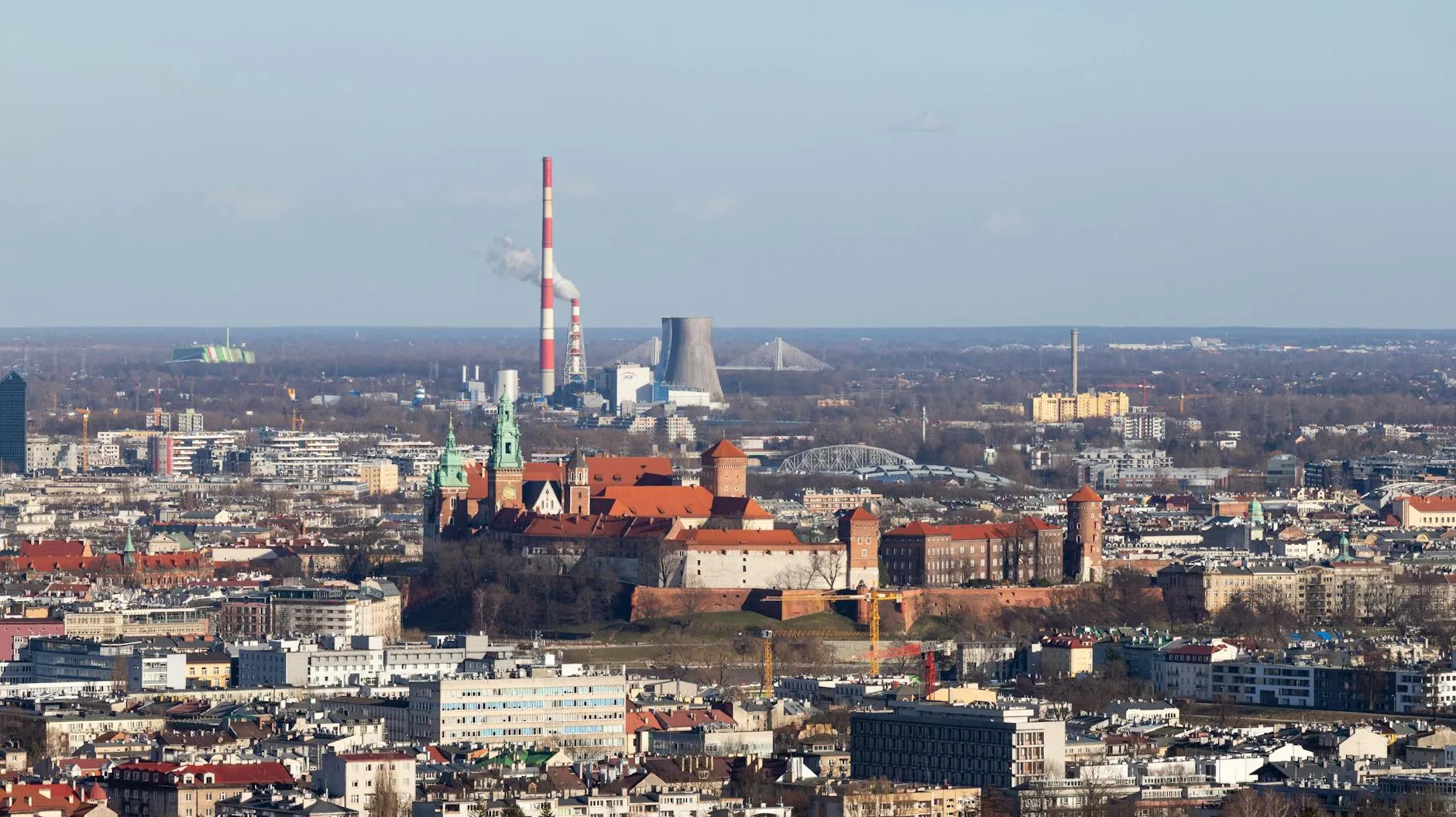
Krakow, Poland — City Guide 2026
The Complete City Guide 2026
Krakow — The Complete City Guide 2026
Krakow is the city that survived when others didn’t. While Warsaw was levelled in World War II, Krakow’s medieval core emerged virtually intact — a thousand years of architecture compressed into a walkable centre that fits inside a ring of parkland where the city walls once stood. Europe’s largest medieval market square anchors an Old Town so complete it was one of the first twelve sites inscribed on the UNESCO World Heritage List. But Krakow is not frozen in time. Kazimierz, the former Jewish quarter, is now the city’s most vibrant neighbourhood. The food scene runs from 5-złoty obwarzanki to Michelin-starred tasting menus. And the Polish złoty (€1 ≈ 4.24 PLN) makes it one of Europe’s best-value cities.
Last verified: April 2026. Every price, opening hour, and practical detail in this guide has been checked against current sources. All prices are in Polish złoty (PLN / zł); €1 ≈ 4.24 zł / $1 ≈ 3.63 zł / £1 ≈ 5.0 zł at time of writing. Krakow is remarkably affordable — a hearty plate of pierogi costs 25–40 zł (€6–9) and a half-litre of Polish beer in a local pub is 12–18 zł (€3–4).
Why Krakow? An Editor’s Note
Krakow is the most beautiful city in Poland and one of the most rewarding in Europe. The Main Market Square (Rynek Główny) is the largest medieval square in Europe, surrounded by merchant houses, churches, and the Renaissance Cloth Hall. Wawel Castle sits on a limestone hill above the Vistula River, where Polish kings were crowned and buried for five centuries. But what elevates Krakow beyond a museum piece is its living culture: universities that have been teaching since 1364, a Jewish heritage district reborn as a bohemian quarter, pierogi shops that have been open since your grandmother was young, and a late-night scene that rivals cities twice its size. Krakow also serves as the gateway to Auschwitz-Birkenau and the Wieliczka Salt Mine — two of Poland’s most important UNESCO sites. Come for the history, stay for the zapiekanka at 2am.
Table of Contents
- Top Attractions & 2026 Prices
- Wawel Castle In-Depth
- Traditional Polish Food
- Pierogi Deep-Dive
- Street Food & Snacks
- Fine Dining & Michelin 2026
- Polish Vodka & Drinking Culture
- Beer & Craft Scene
- Café Culture
- Neighbourhoods
- Kazimierz In-Depth
- Jewish Heritage
- Auschwitz-Birkenau Day Trip
- Wieliczka Salt Mine
- Nightlife
- Shopping
- Getting Around
- Day Trips
- Budget & Money
- Weather & Best Time to Visit
- Safety & Tips
- What’s New in 2026
- How Many Days?
- Frequently Asked Questions
- Explore More Guides
Top Attractions & Verified 2026 Prices
| Attraction | Price | Hours |
|---|---|---|
| Wawel Castle — 1st & 2nd Floor combo | 95 zł | 09:30–17:00 (Tue–Sun) |
| Wawel — Crown Treasury | 47 zł | 09:30–17:00 (Tue–Sun) |
| Wawel Cathedral (combined) | 26 zł | 09:00–17:00 (Mon–Sat) |
| St. Mary’s Basilica (interior) | 20 zł | Mon–Sat 11:30–18:00, Sun 14:00–18:00 |
| St. Mary’s Tower climb | 20 zł | 09:10–11:30, 13:10–17:30 |
| Rynek Underground Museum | 20 zł | 10:00–20:00 (Tue free) |
| Sukiennice Gallery (Cloth Hall) | 35 zł | 10:00–18:00 (Tue free) |
| Schindler’s Factory | 28 zł | 09:00–20:00 (Mon free, limited) |
| Collegium Maius tour | 20 zł | Guided tours Tue–Fri 10:00–13:00 |
| Town Hall Tower | 22 zł | 10:30–18:00 (Apr–Oct) |
| Barbican | 20 zł | 10:30–18:00 (Apr–Oct) |
| National Museum (main) | 45 zł | 10:00–18:00 (Tue free) |
Main Market Square (Rynek Główny)
The largest medieval market square in Europe (200m × 200m). Surrounded by tow houses, palaces, churches, and the Renaissance Cloth Hall (Sukiennice) at its centre. St. Mary’s Basilica dominates one corner, with a trumpeter playing the hejnał (bugle call) from the taller tower every hour — the melody famously stops mid-note, commemorating a 13th-century watchman shot by a Tatar arrow. The square is a UNESCO World Heritage Site and the absolute heart of Krakow.
St. Mary’s Basilica (Kościół Mariacki)
A Gothic masterpiece from the 14th century. The interior is breathtaking: a deep blue ceiling painted with golden stars, and the extraordinary Veit Stoss Altarpiece (1489) — the largest Gothic wooden altarpiece in the world, 13 metres tall, with carved limewood figures that took 12 years to complete. The altarpiece opens at noon. Interior entry: 20 zł. The tower climb (20 zł, separate ticket) is 239 steps to a view directly over the Rynek. Limited to groups of 10 — book early.
Rynek Underground Museum
Beneath the Main Market Square, a high-tech museum traces Krakow’s history through archaeological remains discovered during a 2005 renovation. Medieval market stalls, an 11th-century cemetery, trade routes, and holographic recreations. One of Krakow’s best museums. 20 zł. Free on Tuesdays (book online, slots go fast).
Schindler’s Factory (Fabryka Schindlera)
Oskar Schindler’s enamelware factory, now a museum telling the story of Krakow under Nazi occupation. It is less about Schindler himself (the film is not referenced) and more about the experience of the city’s residents — Polish and Jewish — during 1939–1945. Deeply moving and brilliantly curated. 28 zł. Free on Mondays (limited tickets — book online weeks ahead). Budget 2 hours.
Collegium Maius
The oldest building of the Jagiellonian University (founded 1364), one of the oldest universities in Europe. Copernicus studied here. The courtyard is free to admire; guided tours (18 zł, 30 min) show the globe collection, historic lecture halls, and the world’s oldest surviving university regalia.
Barbican & Floriánska Gate
A 15th-century fortified gateway that once protected the main entrance to the city. The Barbican is one of the best-preserved in Europe. Inside is a small exhibition and you can walk the walls. 15 zł. Combined with a walk down Floriánska Street (the Royal Road) towards the Rynek, it’s a natural starting point for exploring the Old Town.
Wawel Castle In-Depth
Wawel Hill is the symbolic heart of Poland. For five centuries it was the seat of Polish kings, and even today it carries enormous emotional weight for Poles. The complex includes the Royal Castle, the Cathedral, and fortifications.
Royal Castle (Zamek Królewski)
The castle has multiple exhibitions sold as “route” combo tickets (restructured in 2025):
- Castle 1st & 2nd Floor combo (95 zł / 71 zł reduced) — The best option. Covers the State Rooms with the famous Arrasy (Flemish tapestries) commissioned by King Sigismund Augustus (138 survived the war), plus Royal Private Apartments. Includes audio guide and Royal Gardens (Apr–Sep). This is the must-see exhibition.
- Castle 1st Floor only (57 zł) or 2nd Floor only (57 zł) — If time is limited, the 1st floor (State Rooms with tapestries) is the priority.
- Crown Treasury (47 zł) — The Polish Crown Jewels (replicas — originals were stolen by Prussians in 1795), coronation swords, and medieval armoury.
- Castle Underground (47 zł) — Archaeological exhibition showing the hill’s earliest structures (formerly “Lost Wawel”).
- Dragon’s Den (15 zł) — The cave beneath Wawel Hill with the dragon legend. Seasonal (Apr–Oct).
- Wawel for Enthusiasts (199 zł) — All-access combo for completists.
Tickets are timed-entry and sell out early in summer. Buy online at bileti.wawel.krakow.pl at least 3 days in advance for peak season. Mondays (Apr–Oct) and Sundays (Nov–Mar) selected exhibitions are free (limited slots, typically gone by 10:00).
Wawel Cathedral
Poland’s national sanctuary. Polish monarchs were crowned and buried here for centuries. The cathedral is free to enter for prayer, but the museum, royal crypts/tombs, and Sigismund Bell tower require a combined ticket (26 zł, reduced 18 zł — covers everything). Tickets sold only at the Cathedral’s own ticket office, not the Castle. The Sigismund Bell (1520) weighs 11 tonnes and is rung only on the most important occasions. Climbing to see it (and the view) is a highlight.
Traditional Polish Food
Polish cuisine is hearty, warming, and deeply satisfying. It draws from centuries of Central European, Jewish, and Eastern influences. Krakow is the best city in Poland to eat traditional food, with everything from Communist-era milk bars to Michelin-starred reinterpretations.
| Dish | Description | Typical Price |
|---|---|---|
| Pierogi | Filled dumplings — Poland’s national dish (see deep-dive below) | 25–40 zł |
| Żurek | Sour rye soup with sausage & hard-boiled egg, served in a bread bowl | 22–35 zł |
| Bigos | Hunter’s stew: sauerkraut, fresh cabbage, smoked meats, mushrooms, simmered for days | 25–38 zł |
| Placki ziemniaczane | Crispy potato pancakes with sour cream or goulash | 20–32 zł |
| Gołąbki | Stuffed cabbage rolls with meat & rice in tomato sauce | 22–35 zł |
| Oscypek | Smoked sheep’s cheese from the Tatra Mountains, grilled with cranberry jam | 10–18 zł |
| Kotlet schabowy | Breaded pork cutlet with potatoes & cabbage — Poland’s schnitzel | 28–42 zł |
| Flaki / Flaczki | Tripe soup — a Krakow speciality, not for the squeamish | 18–28 zł |
| Kiełbasa | Polish sausage, many regional varieties, grilled or smoked | 12–22 zł |
| Sernik | Polish cheesecake made with twaróg (quark) — denser than American style | 12–20 zł |
Żurek — The Soup You Must Try
If svíčková is Prague’s essential dish, żurek is Krakow’s. A tangy, creamy soup made from fermented rye flour (zakwas), with chunks of biała kiełbasa (white sausage), hard-boiled egg, and marjoram. Traditionally served in a hollowed-out bread bowl (chleb). The sourness is addictive. Where: Pod Aniołami (underground cellar, ~28 zł), Starka (Kazimierz, ~25 zł), any bar mleczny for the budget version (~12–15 zł).
Bar Mleczny (Milk Bar)
Communist-era subsidised canteens that still exist and still serve some of the cheapest food in Europe. Point at the menu (often Polish-only), pay at the counter, collect your tray. The food is simple, home-style Polish cooking: pierogi, soups, kotlet, placki. A full meal costs 15–30 zł (€3.50–7). Krakow’s best milk bars:
- Bar Mleczny Pod Temidą (Grodzka 43) — Steps from the Rynek, always packed at lunch.
- Bar Mleczny Gornik (Basztowa 4) — Near the station, locals’ favourite.
- Milkbar Tomasza (Tomasza 24) — Slightly modernised, bilingual menu.
Barszcz (beetroot soup): Comes in two forms. Barszcz czysty (clear) is a ruby-red consommé typically served with uszka (tiny mushroom dumplings) at Christmas. Barszcz biały (white) is a creamy, tangier version with boiled eggs and sausage. Both are essential — order the clear version at a proper restaurant and the white at a milk bar.
Pierogi Deep-Dive
Pierogi are to Poland what pasta is to Italy: simple, infinitely variable, and a source of fierce regional pride. They are half-moon dumplings of thin dough filled with anything from potato and cheese to meat, mushrooms, fruit, or even lentils.
Classic Fillings
- Ruskie (“Rutheni an”) — Potato and twaróg (quark cheese) with fried onion. The classic. Despite the name, it refers to the Ruthenian region (now Ukraine), not Russia.
- Z mięsem — Minced meat filling, usually pork or beef.
- Z kapustą i grzybami — Sauerkraut and wild mushroom. The traditional Christmas Eve filling.
- Z jagodami / z truskawkami — Sweet pierogi with blueberries or strawberries, served with sour cream and sugar. A summer favourite.
- Szpinakowe — Spinach and feta. Modern addition found in trendier spots.
Best Pierogi in Krakow
Przystanek Pierogarnia (Szewska 23) — Central, generous portions, ~10 pierogi per serving, 22–32 zł depending on filling. Their ruskie are the benchmark.
Pierogarnia Krakowiacy (Szewska 21) — Right next door to Przystanek and equally good. Slightly more variety.
Zapiecek (multiple locations) — Chain but reliable. Good for first-timers wanting to try multiple fillings.
Bar Mleczny Pod Temidą — The cheapest option: pierogi ruskie from 12–18 zł. No atmosphere, maximum authenticity.
Starka (Józefa 14, Kazimierz) — Upscale Polish cuisine with a modern pierogi menu. 32–45 zł.
Street Food & Snacks
Obwarzanek Krakowski
Krakow’s signature street snack: a braided ring of bread dough, boiled then baked, topped with poppy seeds, sesame, salt, or cheese. Sold from blue carts on every other street corner. 3–5 zł (€0.70–1.15). Krakow sells approximately 150,000 obwarzanki per day. It has EU protected geographical indication (PGI) status — a real obwarzanek can only be made in the Krakow region.
Zapiekanka
Poland’s answer to pizza: a halved baguette topped with mushrooms, cheese, and ketchup (the classic), then grilled until crispy. The best zapiekanki in Krakow come from the windows at Plac Nowy in Kazimierz, where a ring of kiosks serves them fresh. 12–22 zł depending on toppings. Late-night zapiekanka after a Kazimierz pub crawl is a Krakow rite of passage. Endzior and Zapiekanki #7 are consistently best.
Oscypek
Smoked sheep’s cheese from the Tatra Mountains (Górale highland culture). Shaped into decorative spindles, with a firm, smoky exterior and soft interior. Best eaten grilled (z grilla) with cranberry jam. Sold by highland vendors on the Rynek and in Kazimierz. 10–18 zł grilled. Real oscypek has EU PGI status; beware of mass-produced imitations — look for the irregular hand-decorated pattern.
Pączki
Polish doughnuts filled with rose hip jam (powidła), custard, or advocate. Heavier and richer than a Western doughnut. Traditionally eaten on Tłusty Czwartek (Fat Thursday, the last Thursday before Lent) when bakeries sell millions. 5–8 zł each.
Fine Dining & Michelin 2026
Poland’s Michelin guide coverage is relatively new but Krakow has quickly established itself as the country’s fine dining capital.
Michelin-Starred & Recommended Restaurants (2026)
| Restaurant | Stars | Cuisine | Tasting Menu |
|---|---|---|---|
| Bottiglieria 1881 | ⭐⭐ | Contemporary Polish-Nordic | 940–990 zł + 12.5% service |
| Folga | Bib Gourmand | Global fusion | Mains 55–110 zł |
| MOLAM | Bib Gourmand | Thai | Mains 35–70 zł |
| NOAH | Bib Gourmand (new 2025) | Israeli-Polish fusion | Mains 45–90 zł |
Bottiglieria 1881 in Kazimierz holds two Michelin stars — the only restaurant in Krakow with stars and one of the best in Poland. Chef Przemysław Klima’s tasting menus (“Introduction” 940 zł, “Full Experience” 990 zł + wine pairing from 440 zł) showcase Polish ingredients through a Nordic-creative lens. Reserve months ahead. Krakow also has 20+ Michelin-selected restaurants including Fiorentina, Szara, Pod Nosem, Kogel Mogel, and Copernicus.
Other Notable Restaurants
Pod Aniołami (Grodzka 35) — In a 13th-century cellar, one of Krakow’s most atmospheric restaurants. Traditional Polish cuisine with game meats and grilled dishes. Mains 55–95 zł.
Starka (Józefa 14) — Kazimierz’s best upscale Polish restaurant. Modern takes on classics. Excellent vodka selection. Mains 50–90 zł.
Miodova (Grodzka 3) — Contemporary Polish with honey-themed dishes (miód = honey). Beautiful interior. Mains 55–105 zł.
Kogel Mogel (Starowiślna 15) — Nostalgic Polish home cooking elevated. Their bigos and żurek are outstanding. Mains 35–65 zł.
Marchewka z Groszkiem — Vegetarian Polish — proves Polish food works without meat. Mains 28–45 zł.
Polish Vodka & Drinking Culture
Poland is one of the birthplaces of vodka (the word is a diminutive of “woda” — water). Polish vodka has EU geographical indication protection and is taken very seriously.
Essential Vodkas
- Żubrówka — The bison grass vodka. Pale green with a blade of grass in the bottle. Smooth, with a subtle herbal flavour. Mix with apple juice for a “szarlotka” (Polish apple cake cocktail).
- Wyborowa — Clean, classic rye vodka. Poland’s most traditional.
- Chopin — Potato vodka, premium. Creamy and smooth.
- Belvedere — Polish luxury brand. Rye-based, internationally known.
- Soplica — Flavoured vodka range (hazelnut, cherry, quince). Sweet and popular.
Where to Drink Vodka
Wodka Café Bar (Miódowa 5) — 40+ Polish vodkas, tasting flights (25–45 zł for 3 shots). The bartenders explain each one.
Bania Luka (Bracka 4) — Underground vodka bar with exposed brick. Shots from 8–15 zł.
Pijalnia Wódki i Piwa (multiple locations) — Standing-only vodka-and-beer bars. Shots from 5–8 zł. No seats, no pretension. This is where locals pre-drink.
Ordering tip: Żubrówka with apple juice — the national unofficial cocktail — is universally known as a Tatanka in Polish bars. Just say the word.
Beer & Craft Scene
Poland’s beer culture doesn’t have the Czech Republic’s heritage, but the craft scene has exploded in the last decade.
Major brands: Tyskie, Żywiec, Lech, Okocim — all decent lagers. 12–18 zł per 0.5L in a pub.
Craft beer: Krakow has excellent craft bars. Omerta (Kupa 3, Kazimierz) has 20+ taps. House of Beer (św. Tomasza 35) has 100+ bottles and 32 taps. Weźé Kraft (multiple locations) specialises in Polish craft. Craft 0.5L: 18–28 zł.
Beer gardens: Forum Przestrzenie (a shipping container bar on the Vistula riverbank) is Krakow’s summer institution — cheap beer, river views, DJs. Stary Port on the river is similar.
Café Culture
Krakow’s café scene ranges from grand old kaviarnie to third-wave roasters.
Café Camelot (św. Tomasza 17) — A Krakow institution in a vaulted cellar. Tea, cake, and candles. More atmosphere than coffee quality. Coffee 12–18 zł.
Karma (Krupnicza 12) — Third-wave roaster. Flat white 16–20 zł.
Wesola Café (multiple) — Specialty coffee, excellent pastries. Espresso from 10 zł.
Cafe Bunkier (Pl. Szczepański) — In the Bunkier Sztuki gallery. Terrace overlooking the Planty. Coffee 12–18 zł.
Nowa Prowincja (Bracka 3–5) — Classic Krakow coffeehouse. Hot chocolate with whipped cream is legendary. 14–22 zł.
Neighbourhoods
Stare Miasto (Old Town)
The UNESCO-listed medieval centre, ringed by the Planty park (where the city walls once stood). The Rynek Główny, St. Mary’s, Floriańska Street, the university quarter, and most of the major attractions. Beautiful but touristy. Accommodation here is convenient but pricier. Eat one street back from the main square for better value.
Kazimierz
See the dedicated section below. The former Jewish quarter, now Krakow’s most vibrant neighbourhood. Bars, restaurants, vintage shops, street art, and the Plac Nowy zapiekanka scene.
Podgórze
South of the Vistula, this is where the Krakow Ghetto was established during WWII. Schindler’s Factory, MOCAK (Museum of Contemporary Art, 14 zł), and the Ghetto Heroes Square (Plac Bohaterów Getta) with its 70 empty chairs memorial are here. The area is being revitalised with new restaurants and galleries. The Kraków Eye footbridge connects Podgórze to Kazimierz.
Nowa Huta
A purpose-built Socialist Realist “ideal city” from the 1950s, built around the vast Nowa Huta steelworks. Wide boulevards, symmetrical buildings, propaganda architecture, and a fascinating Cold War atmosphere. Take tram 4 or 10 from the centre (30 min). The Nowa Huta Museum (os. Słoneczne 16, free) and guided tours in a vintage Trabant or Nysa van (150–200 zł/person) are excellent. This is the Krakow most tourists miss.
Kleparz & Nowy Kleparz Market
North of the Old Town, a local neighbourhood with the Stary Kleparz market — a lively food market with fruit, vegetables, bread, cheese, and flowers. Open daily, best on Saturday mornings. Much more authentic than anything in the Old Town.
Zabłocie
The creative district around Schindler’s Factory. Post-industrial spaces turned into galleries, co-working spaces, and restaurants. MOCAK, Tytano (a former tobacco factory turned food/culture complex), and a growing number of independent cafés. Krakow’s emerging neighbourhood.
Kazimierz In-Depth
Kazimierz was founded as a separate town in 1335 by King Casimir III and became the centre of Jewish life in Krakow for over 500 years. The Holocaust devastated the community. After decades of neglect, Kazimierz was reborn in the 2000s as Krakow’s cultural and nightlife hub. It is now the neighbourhood where you’ll spend most of your evenings.
What to See
- Plac Nowy — The circular market hall is the neighbourhood’s heart. Zapiekanka kiosks, flea market on Saturdays, surrounded by bars.
- Szeroka Street — The main street of the former Jewish quarter. Old Synagogue (museum, 15 zł), Remuh Synagogue & Cemetery (active, 10 zł), Jewish restaurants.
- Corpus Christi Church — A huge 14th-century Gothic church. Often overlooked.
- Galicia Jewish Museum (Dajwor 18, 19 zł) — Photographs of the traces of Jewish culture in southern Poland.
- Street art — The back streets between Józefa and Miodowa are covered in murals and paste-ups.
Eating & Drinking in Kazimierz
Starka — Upscale Polish. Hamsa (Szeroka 2) — Israeli-Middle Eastern, hummus from 25 zł. Alchemia (Estery 5) — The original Kazimierz bar, candlelit, live music. Singer (Estery 20) — Bar tables made from Singer sewing machines. Kolory (Estery 10) — Cocktails in a vaulted cellar. Melt (Józefa 34) — Excellent burgers. Ariel (Szeroka 18) — Traditional Jewish cuisine (cholent, gefilte fish).
Classic Kazimierz bars: Alchemia for live music, Eszeweria for wine in a candlelit apartment-like setting, and Propaganda for ironic communist-era nostalgia (Lenin posters, old radios, proper vodka).
Jewish Heritage
Before WWII, Krakow had approximately 65,000 Jewish residents — about 25% of the city’s population. The Holocaust reduced this to near-zero. Today, Krakow’s Jewish heritage is preserved through synagogues, museums, and the annual Jewish Culture Festival.
Key Sites
- Old Synagogue (Szeroka 24) — The oldest surviving synagogue in Poland (15th century). Now a museum of Jewish history and culture. 15 zł (Mon free).
- Remuh Synagogue & Cemetery (Szeroka 40) — Still active. The Renaissance cemetery has gravestones dating to the 16th century. 10 zł.
- Tempel Synagogue (Miodowa 24) — A stunning 19th-century Reform synagogue with magnificent painted interior. 10 zł.
- Galicia Jewish Museum (Dajwor 18) — Modern museum documenting Jewish traces in Poland. 19 zł.
- Schindler’s Factory — See attractions section above.
- Pharmacy Under the Eagle (Plac Bohaterów Getta 18, Podgórze) — Tadeusz Pankiewicz’s pharmacy, the only one allowed to operate inside the ghetto. Now a museum (14 zł).
- Ghetto Heroes Square — 70 oversized empty iron chairs memorialising the victims.
Jewish Culture Festival (Festival of Jewish Culture in Krakow) is held annually in late June / early July in Kazimierz. Music, film, workshops, food, and the famous outdoor Shalom on Szeroka concert. 2026 dates: check jewishfestival.pl.
Auschwitz-Birkenau Day Trip
The Auschwitz-Birkenau Memorial and Museum is 70 km west of Krakow, near the town of Oświęcim. It is the most visited Holocaust memorial in the world and a UNESCO World Heritage Site. This is not a “tourist attraction” — it is a place of remembrance. Prepare yourself emotionally.
Practical Information
- Entry is free for individual visitors, but you must book a time slot online at visit.auschwitz.org. As of March 1, 2026, on-site ticket sales have been permanently discontinued — all bookings must be made online. Slots are released approximately 3 months in advance and sell out weeks ahead in summer. Book as early as possible.
- Guided tours (3.5 hours, covers both Auschwitz I and Birkenau): 150 zł/person for English (140 zł reduced). Includes educator, headset, and shuttle between sites. English tours run multiple times daily. Highly recommended — the guide provides essential context.
- Individual visits (without a guide) are available at limited times (usually early morning or late afternoon). Free but you must still book online 7+ days ahead.
- Dress code: Respectful clothing. No tank tops or flip-flops. Silence in the gas chamber buildings.
- Budget: 4–6 hours total on site (Auschwitz I: 1.5–2h, shuttle to Birkenau: 10 min, Birkenau: 1–1.5h).
Getting There
Bus (cheapest) — From Krakow MDA bus station (next to Główny train station). Lajkonik or PKS buses run approximately every 15–30 minutes. 20–32 zł one way, 1.5–2 hours. The bus drops you at the museum entrance.
Train — To Oświęcim station (~1.5h, 20–30 zł), then a 2km walk or local bus. Less convenient than the direct bus.
Organised tours — From 160–300 zł/person, including transport, guide, and entry. Convenient but less flexibility. Book through your hotel or reputable operators.
Wieliczka Salt Mine
A UNESCO World Heritage Site 15 km southeast of Krakow. The mine has been in operation since the 13th century, with 245 km of underground tunnels on nine levels. The Tourist Route takes you through carved chambers, underground lakes, and the extraordinary Chapel of St. Kinga — an entire church carved out of rock salt, with chandeliers made of salt crystals, 101 metres below the surface.
Practical Information
- Tourist Route: 143 zł (adult, 121 zł reduced). Guided tour, 2.5–3 hours, 3.5 km walking, descends to 135m depth. The Chapel of St. Kinga is the highlight. Available in English, Polish, and other languages.
- Miners’ Route: 143 zł (adult, 121 zł reduced). Smaller groups, you wear mining gear and use original tools and equipment. More physically demanding and interactive. Must be booked in advance.
- Getting there: Train from Krakow Główny to Wieliczka Rynek-Kopalnia (6.50 zł, 20 min, every 30 min) or bus 304 from Krakow (6 zł). The mine is a 5-minute walk from the station.
- Book online at wieliczka-saltmine.com. Summer slots sell out days ahead.
Nightlife
Krakow has one of the best nightlife scenes in Central Europe, concentrated in Kazimierz and the Old Town cellars.
Alchemia (Estery 5) — The original Kazimierz bar. Candlelit, bohemian, live jazz in the basement. Beer 12–18 zł.
Singer (Estery 20) — Iconic bar with sewing machine tables and candlelight. Gets packed after 22:00.
Pijalnia Wódki i Piwa — Stand-up vodka shots from 5 zł. The most authentically Polish drinking experience.
Frantic (Szewska 5) — Electronic music club under the Old Town.
Szpitalna 1 — Three floors of different music. The go-to club for visitors.
Klub Re (Rynek 7) — Jazz, concerts, alternative music in a medieval cellar.
Forum Przestrzenie — Summer riverside bar. The place to be on warm evenings.
Baroque (Stolarska 8/10) — Cocktail bar in Old Town. Well-made drinks from 28–40 zł.
Shopping
Sukiennice (Cloth Hall) — The Renaissance arcade in the centre of the Rynek. Upstairs is the gallery; downstairs is a market selling amber, leather, linen, and handicrafts. Tourist prices but authentic products available with careful selection.
Polish Pottery (Bolesławiec) — Hand-painted stoneware from Bolesławiec is a classic Polish souvenir. Look for shops on Grodzka and Floriańska streets. Prices: 30–200+ zł per piece depending on size and pattern.
Amber — Poland (specifically the Baltic coast) is a major source of amber. Krakow has many amber shops, especially around the Rynek. Be cautious of plastic imitations — real amber is warm to the touch and floats in salt water.
Stary Kleparz Market — Fresh produce, bread, cheese, flowers. The real Krakow shopping experience.
Galeria Krakowska — Modern shopping mall adjacent to the main train station. All major brands. Hala Targowa — A food hall next to Kazimierz with gourmet vendors.
Vodka & local spirits — Buy żubrówka, Soplica, or local craft spirits from any Monopolowy (liquor store) or supermarket. Much cheaper than bars.
Getting Around
| Transport | Price | Notes |
|---|---|---|
| 15-min ticket | 4 zł | Short tram/bus hops (new from Mar 2026) |
| 60-min ticket | 8 zł | Most useful for sightseeing |
| 24-hour pass (Zone I) | 20 zł | Unlimited tram/bus |
| 48-hour pass | 35 zł | Good for 2-day visits |
| 72-hour pass | 50 zł | Best value for longer stays |
| Train to airport (Balice) | 20 zł | Krakow Główny → airport, 17 min |
| Bus 208/252 to airport | 6 zł (Zone I+II ticket) | 40–50 min depending on traffic |
| Bolt/Uber (airport) | 50–80 zł | To Old Town, 20–30 min |
From Krakow-Balice Airport (KRK)
The airport is 13 km west of the city centre.
Train — The best option. Direct Koleje Małopolskie trains to Krakow Główny (main station) every 30 minutes. 20 zł, 17 minutes. Buy at the machine or online. The station is a 5-minute walk from arrivals.
Bus 208 or 252 — 6 zł (Zone I+II ticket), but takes 40–50 minutes depending on traffic. Runs from the airport bus stop outside the terminal.
Bolt or Uber — 50–80 zł to the Old Town. 20–30 minutes. Order from the app at the designated pick-up point.
Walking
Krakow’s Old Town is one of the most walkable city centres in Europe. Rynek to Wawel: 10 minutes. Rynek to Kazimierz: 15 minutes. Kazimierz to Schindler’s Factory: 10 minutes. You rarely need transport within the centre.
Krakow Card
The Krakow Card (Tourist Card with transport) includes unlimited public transport and entry to ~40 museums and attractions. Prices: 1 day: ~125 zł / 2 days: ~193 zł / 3 days: ~212 zł. Worth it if you plan to visit 3+ paid attractions per day. Does NOT include Wawel Castle, Auschwitz, or Wieliczka. Some attractions still require timed-entry booking even with the card. Buy at tourist info points or online.
Day Trips from Krakow
Zakopane & the Tatra Mountains
Poland’s premier mountain resort, 100 km south of Krakow at the foot of the Tatra Mountains. The town has a distinct highland Górale culture: wooden architecture, oscypek cheese, and folk music. The Krupówki promenade is the main pedestrian street (shops, restaurants, market stalls). Take the cable car to Kasprowy Wierch (75–115 zł return depending on season) for spectacular views, or hike to Morskie Oko (the most famous lake in the Tatras, free entry to the national park area, 12 zł park fee). Bus from Krakow: 2 hours, 20–30 zł (FlixBus or PKS). Train: 3.5 hours (scenic but slow).
Ojócw National Park
A beautiful limestone valley 24 km north of Krakow, with castle ruins, caves, and hiking trails. The ruins of Ojócw Castle and Pieskowa Skała Castle (museum, 14 zł) are highlights. Easy half-day trip by car or organised tour (~100–150 zł). Public transport is limited.
Częstochowa (Jasna Góra)
The spiritual capital of Poland, home to the Jasna Góra Monastery and the Black Madonna icon — Poland’s most revered religious site. The monastery is free to enter. Train from Krakow: 2 hours, 25–40 zł.
Auschwitz-Birkenau
See the dedicated section above. 70 km west, 1.5 hours by bus.
Wieliczka Salt Mine
See the dedicated section above. 15 km southeast, 25 minutes by train.
Zakopane extra tip: The Gubałówka funicular (50 PLN return) is the easiest way to get panoramic Tatra views without a hike. The ridge walk from the top station is mostly flat and doable in trainers.
Budget & Money
| Category | Budget | Mid-Range | Luxury |
|---|---|---|---|
| Accommodation | 50–100 zł dorm | 200–450 zł | 600–2,000 zł+ |
| Food (per day) | 40–80 zł | 100–200 zł | 300–600 zł |
| Transport (per day) | 10–17 zł | 17–35 zł | 50–100 zł |
| Beer (0.5L) | 12–18 zł | 18–28 zł | 28–50 zł |
| Daily Total | 130–250 zł (~€30–58) | 350–700 zł (~€80–163) | 1,000–2,500+ zł (~€230–580+) |
Currency
Poland uses the Polish złoty (PLN / zł), NOT the euro. Card payments are accepted almost everywhere (contactless is universal). ATMs (bankomaty) are widespread — use bank ATMs (PKO BP, mBank, Santander) and always choose “without conversion” to avoid dynamic currency conversion fees (which cost 5–10% extra). Cash is still useful for milk bars, obwarzanek carts, and small markets.
Weather & Best Time to Visit
Spring (Apr–May): Mild (10–20°C), blooming Planty gardens, Easter markets. One of the best times to visit.
Summer (Jun–Aug): Warm (20–30°C), long days, outdoor events, river bars in full swing. Peak tourist season — Auschwitz and Wieliczka book out weeks ahead.
Autumn (Sep–Oct): Comfortable (8–18°C), golden foliage in Planty and Kazimierz. Fewer crowds. Excellent time.
Winter (Nov–Mar): Cold (−5 to 5°C), atmospheric. Christmas markets on the Rynek (late November–late December) are wonderful — mulled wine (grzaniec), oscypek, and the famous Krakow Nativity Scene competition (szopka krakowska, UNESCO Intangible Heritage). Krakow in snow is beautiful.
Best months: May–June and September. Christmas markets (late November–December) are a separate reason to visit.
Safety & Tips
Krakow is very safe. Crime against tourists is rare. Standard precautions apply:
- Pickpockets operate on the Rynek, on tram routes to Kazimierz, and at the train station. Standard awareness.
- Stag parties — Krakow is popular with British stag groups. The Old Town and Kazimierz can be rowdy on Friday/Saturday nights. Not dangerous, just loud.
- Taxi scam at Główny station: Use Bolt or FreeNow apps (legitimate fare 15–30 zł within centre). Unlicensed taxis outside the station charge 150–300 zł. Official radio taxis (191-91) are also reliable.
- Bar girl scam: Strangers lead tourists to overpriced clubs; bills arrive at 1,000+ zł. Avoid any bar suggested by an overly friendly stranger near the Rynek.
- ATM dynamic currency conversion: Always choose PLN, never your home currency. Avoid standalone ATMs on Szewska and Floriańska — use bank-branded ATMs (PKO BP, mBank, Santander).
- Tipping: 10% in restaurants is standard and appreciated. Round up in bars. Not expected in milk bars.
- Smoking: Banned in enclosed public spaces since 2010. Some bars have outdoor smoking areas.
Tourist Tax in Poland
Poland does not have a formal national tourist tax in 2026. Krakow has been lobbying the central government for permission to levy one (the current regulations require a locality to have “favourable climatic properties” which Krakow does not, technically, meet). Some short-term rentals and aparthotels informally add a €2/person/night fee to their bills — always verify the total on Booking/Airbnb before checking in. Legislation to introduce a proper tourism tax has been floated for 2026 but nothing is in force at the time of writing.
What’s New in 2026
Wawel ticket restructuring: Wawel Castle now uses “route” combo tickets instead of individual exhibition tickets. The 1st & 2nd Floor combo (95 zł) replaces the old State Rooms / Private Apartments split. Crown Treasury is 47 zł (was 25 zł). Book timed-entry tickets online at bileti.wawel.krakow.pl.
Transport fare increase (March 2, 2026): The old 20-minute and 50-minute tickets no longer exist. New structure: 15-min (4 zł), 30-min (6 zł), 60-min (8 zł). Day passes increased: 24-hour now 20 zł (was 17), 72-hour now 50 zł (was 35).
Clean Transport Zone (SCT): From January 1, 2026, Krakow enforces a low-emission zone covering ~60% of the city including the Old Town. Rental car drivers: petrol vehicles must be Euro 4 / manufactured 2005+, diesel must be Euro 6 / manufactured 2014+. Non-compliant vehicles pay a daily fee of 5 zł during the 2026–2028 transition period. Public transport and taxis are unaffected.
Auschwitz booking change: As of March 1, 2026, on-site ticket sales have been permanently discontinued. All visits must be booked online at visit.auschwitz.org.
Schindler’s Factory: Monday free entry now requires online booking 2+ weeks in advance in peak season. The museum continues to be one of Poland’s most visited.
Krakow Film Festival 2026: 66th edition, May 31 – June 7 (cinemas) and June 5–19 (online).
Wianki Festival 2026: Traditional midsummer celebration on the Vistula (wreaths on the river, concerts, fireworks). June 20–21.
Jewish Culture Festival 2026: June 25–29 in Kazimierz. Music, film, workshops, and the famous Shalom on Szeroka concert.
Infrastructure: Grunwaldzki Bridge is closed for repairs through August 2026. Starowiślna Street modernisation June 2026–October 2027. Some tram rerouting in effect.
Krakow Christmas Nativity Scenes (Szopka): UNESCO Intangible Cultural Heritage. Competition takes place the first Thursday of December on the Rynek.
Entry requirements: Poland is in the Schengen Area. EU/EEA citizens need only an ID card. Non-EU visa-exempt nationals (US, UK, Canada, Australia, Japan, etc.) can stay 90 days in any 180-day period. ETIAS is not yet in effect as of April 2026 — check the latest status.
Cashless progress: Contactless payment is ubiquitous. Even many obwarzanek carts now accept cards, though cash remains useful for smaller vendors.
How Many Days in Krakow?
2 days: Old Town, Rynek, St. Mary’s, Wawel, Kazimierz, pierogi, vodka bar.
4 days: Add Auschwitz day trip, Wieliczka, Schindler’s Factory, Nowa Huta, deeper Kazimierz exploration.
6+ days: Add Zakopane & Tatra Mountains, Ojócw National Park, Jewish heritage trail, cooking class, a day just eating and drinking.
Romantic Krakow
Sunset Spots
Wawel Hill: Walk the castle grounds as the sun sets. The dragon sculpture breathes real fire every few minutes.
Planty Park: The green belt encircling the Old Town. Benches, trees, couples on strolls.
St. Mary’s Tower: If timing aligns, the bugle call (hejnał) at sunset adds magic.
Romantic Dining
Bottiglieria 1881: Two Michelin stars. Polish fine dining at its peak. Tasting menus 940-990 PLN. Book weeks ahead.
Pod Wawelem: Cellar restaurant with castle views. Traditional food, excellent wine. 100-150 PLN.
Szara Gęś: Goose-themed restaurant in a gorgeous Main Square townhouse. 150-250 PLN.
Romantic Stays
Hotel Copernicus: Renaissance palace at the foot of Wawel. Pool, spa, rooftop terrace. From 800 PLN.
Hotel Stary: Medieval architecture meets contemporary design. Main Square location. From 600 PLN.
Krakow with Kids
Attractions
Wawel Dragon: The fire-breathing sculpture at the base of the castle. Kids love timing the fire bursts. Free.
Rynek Underground: Archaeological museum beneath the Main Square. Interactive exhibits, medieval artefacts. Engaging for older kids. 20 PLN.
Natural History Museum: Dinosaurs, gems, woolly mammoth. Classic kid appeal. Słowackiego 17.
Wodny Park: Water park with slides and pools. Good rainy day option. 35-55 PLN.
Outdoor Activities
Błonia Park: Large meadow for running around. Kite-flying in summer, sledding in winter.
Vistula River Boat Trips: Cruise to Tyniec Abbey. 30 PLN adults, half-price for kids.
Appropriate for Teenagers
Auschwitz: Generally appropriate from age 14. The museum recommends adult supervision. An important but heavy experience.
Schindler’s Factory: More engaging for teenagers than younger children. Tells the WWII story through interactive exhibits.
Hidden Krakow
Secret Spots
Kanonicza Street: Krakow’s oldest street, largely overlooked. Medieval architecture, quiet courtyards, the Pope’s former residence.
Dolne Młyny: Former tobacco factory converted to arts/startup hub. Galleries, cafes, night clubs. Zabłocie’s creative core.
Zakrzówek Quarry: Flooded quarry with turquoise water. Swimming (unofficial but tolerated), cliff jumping, city escape. 20 minutes from centre.
Unusual Museums
Eagle Pharmacy: Where Tadeusz Pankiewicz sheltered Jews in the Podgórze ghetto. Small but powerful. 14 PLN.
Pinball Museum: 70+ vintage machines, all playable. One admission, unlimited games. Stradomska 15.
Frequently Asked Questions
How many days do I need in Krakow?
Three to four days is ideal. Two days covers the Old Town and Wawel. Adding Auschwitz, Wieliczka, and Kazimierz properly requires more time.
Is Krakow expensive?
Very affordable. Pierogi from 25 zł (€6), beer from 12 zł (€3), milk bar lunch from 15 zł (€3.50). Mid-range budget: €80–120/day including accommodation.
Is Krakow safe?
Very safe. Main nuisance is stag parties on weekends. Pickpockets operate in tourist areas. Violent crime against tourists is extremely rare.
Should I visit Auschwitz?
If you can handle it emotionally, yes. It is one of the most important places in the world. Book well in advance at visit.auschwitz.org. A guided tour is strongly recommended.
Does Poland use the euro?
No. Poland uses the złoty (PLN). Card payments are accepted almost everywhere. Use Revolut/Wise or bank ATMs for the best rates.
Is the tap water safe?
Technically safe but many locals prefer filtered or bottled water. Krakow’s tap water is hard (high mineral content). Bottled water is cheap (2–3 zł).
What is obwarzanek?
Krakow’s signature street bread: a braided, boiled-then-baked ring topped with poppy seeds, sesame, or salt. 3–5 zł from blue carts everywhere. Not a bagel, not a pretzel — uniquely Krakovian.
When is the best time to visit?
May–June and September for weather and fewer crowds. Late November–December for Christmas markets and the famous Krakow Nativity Scene competition.
Explore More Guides
- 🇨🇿 Prague City Guide 2026
- 🇩🇪 Munich City Guide 2026
- 🇦🇹 Vienna City Guide 2026
- 🇭🇺 Budapest City Guide 2026
- 🇳🇴 Oslo City Guide 2026
- 🇪🇸 Madrid City Guide 2026
- 🇮🇹 Naples City Guide 2026
- 🇹🇷 Istanbul City Guide 2026
This guide was researched and written by the AiFly editorial team. Last verified April 2026. Prices and opening hours are subject to change — always confirm locally. AiFly may earn a commission from partner links at no extra cost to you.
Cheapest Flights to Krakow
We track flight deals to Krakow from 1 city worldwide. Here are the best recent fares:
Flight Deals from Krakow
Looking for cheap flights departing Krakow? Here are deals to 2 destinations:
Prices are based on recent deals and may no longer be available. Browse all flight deals