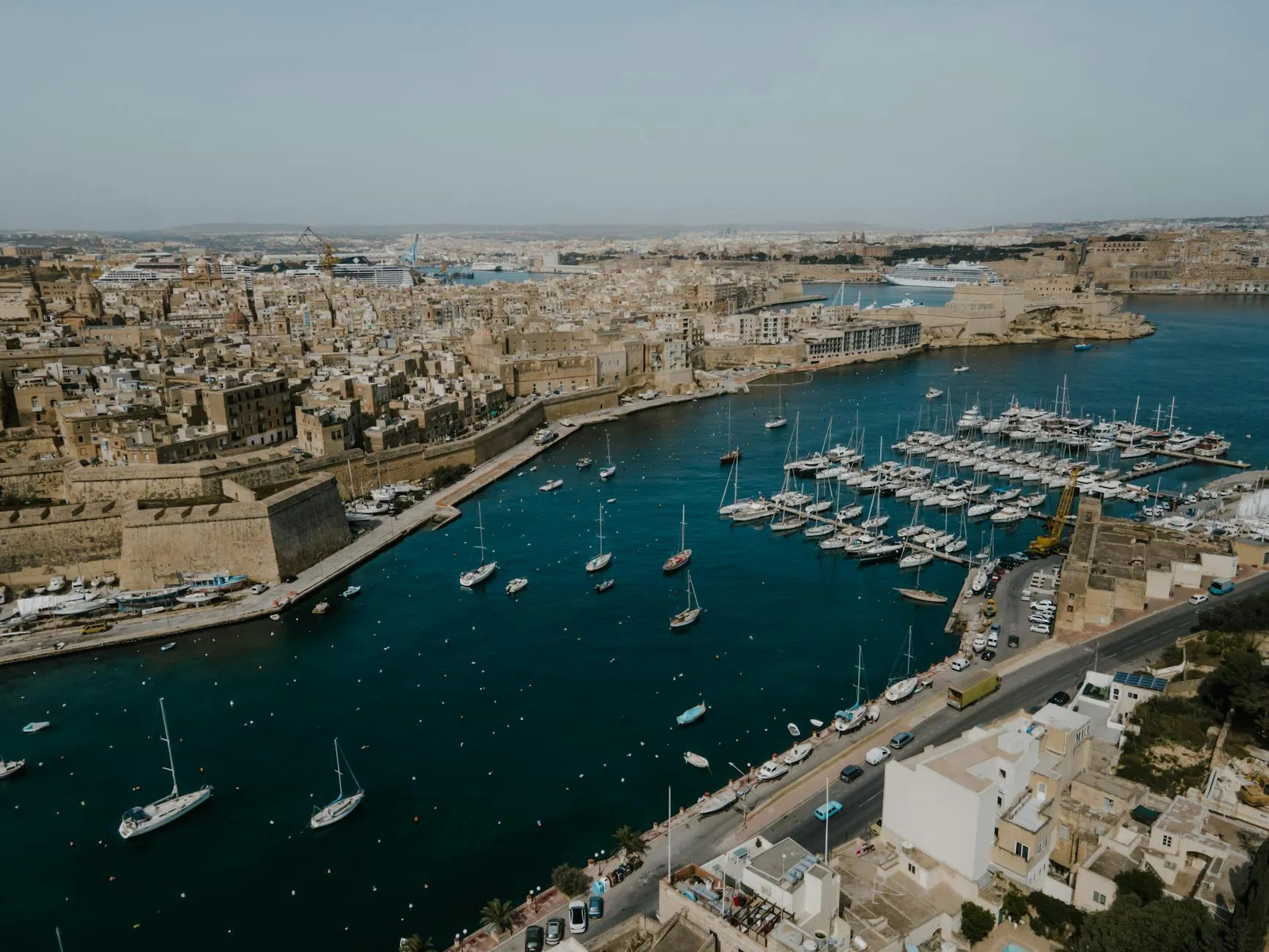
Malta — The Complete Island Guide 2026
Three civilisations, one island the size of a mid-sized city. The world’s oldest freestanding stone structures, a planned fortress capital built by crusading knights, and a political reckoning still unresolved. An honest guide to all three, for 2026.
€35–130/day budget
🌡️ 14–30°C depending on month
🇪🇺 Schengen · EU member · EUR €
No visa EU/US/UK · ETIAS expected, date not announced
Editor’s Note: Why Malta
The standard framing for Malta — “tiny island, three UNESCO sites, very sunny” — is accurate in the way a city map is accurate. It describes the outline and completely misses what is actually there.
Time is the first frame. When you step into the Ħal Saflieni Hypogeum, an underground sanctuary carved from limestone between 3600 and 2500 BCE, you are 7,000 years below the present. The builders of Stonehenge would not arrive for another thousand years. The Egyptians would not begin Giza for another five hundred after that. Malta’s temple builders left no writing and vanished as a culture around 2350 BCE — replaced by newcomers who arrived to find these extraordinary structures already ancient. Nobody knows why. The silence inside the Hypogeum, the ochre-painted ceilings, the chamber that resonates at exactly 111Hz and makes your chest vibrate if you hum at that frequency — it is the actual room, with unexcavated layers still beneath it, and the Oracle Chamber where it has always stood.
That prehistoric layer is the first Malta, and most visitors barely know it exists.
The second Malta arrived with the Knights of St John in 1530, after they were expelled from Rhodes. What they built over the following century — Valletta, the Three Cities, Fort St Elmo, the bastioned walls that ring the Grand Harbour — remains the most complete example of Renaissance military urbanism in the world. Valletta was conceived as a weapon. Every street was laid out to channel defensive fire. Every building, from the Grandmaster’s Palace to the smallest auberge, was oriented with the Harbour in mind. When the Ottomans laid siege in 1565 — 40,000 troops against 700 Knights and perhaps 5,000 soldiers and civilians — this planning held. The Great Siege lasted four months. The Knights held. The experience was so profound that they immediately began demolishing the old hilltop settlement at Birgu and building an entirely new city, naming it after their Grand Master Jean de la Valette, on the empty peninsula to the north.
You walk those streets today. The grid is original. The bastions are original. Fort St Elmo, where the fiercest fighting happened, has been partially restored and holds the Malta War Museum. The bones of that city are 460 years old.
The third Malta is harder to summarise, and this guide will not look away from it. In October 2017, investigative journalist Daphne Caruana Galizia was killed by a car bomb near her home in Bidnija. She had, for years, been Malta’s most consequential journalist — exposing government corruption, money laundering, and the offshore networks that had colonised Maltese public life after EU accession in 2004. Within hours of her death, people began laying flowers at the Great Siege monument in Valletta, directly opposite the law courts. The government cleared the memorial the next morning. Civil society replaced it the day after. This has continued, in some form, for more than eight years. The flowers are there when you arrive in the evening. They may be gone by the time you leave.
Malta is these three timescales in one island: 7,000 years, 500 years, eight years. Understanding which layer you are standing in at any given moment is what separates a meaningful visit from a pleasant beach holiday.
Who this guide is for: Anyone willing to spend at least four days, to go underground into the Hypogeum, to walk Valletta after the day-trippers have gone, and to understand that the Blue Lagoon — while genuinely beautiful — is not the point of Malta. If you have seven days, add Gozo. If you have ten, you will still not have finished.
What to skip: The restaurants around St George’s Bay in Paceville on a Saturday night. The Blue Lagoon in August without an advance QR code slot booked at blcomino.com. Any “Highlights of Malta” bus tour that covers the Hypogeum in forty minutes.
Table of Contents
- Top Attractions
- Neighbourhoods
- Where to Stay
- Where to Eat
- Drinking & Nightlife
- Getting Around
- Best Time to Visit
- Weather Table
- Budget Table
- Sample Itineraries
- Best Day Under €35
- Rainy Day & Hot Day Plans
- Day Trips
- Safety & Practical Info
- Visa & Entry
- Hidden Malta
- Malta with Kids
- What’s New in 2026
- FAQs
- Explore More Aifly Guides
Top Attractions
1. St John’s Co-Cathedral — Valletta
From the outside, St John’s Co-Cathedral looks deliberately unassuming. The Baroque facade is restrained by the standards of the period — a tactical decision by the Knights, who were building a city, not performing piety. The exterior was designed to blend into the street grid of a military capital.
Walk through the main entrance and the scale shift is total.
The interior is one of the most densely decorated spaces in the world. Every surface — the arched ceiling, the side chapels, the walls — is carved, gilded, or painted. Each of the eight chapels of the Order’s langues (national divisions — Italian, French, Aragonese, Castilian, German, English, Provençal, Auvergne) contains its own elaborate altar and funerary monuments. The ceiling depicts the life of John the Baptist in a continuous narrative that runs the full length of the nave, painted by Mattia Preti between 1661 and 1666. But it is the floor that most visitors miss.
The entire floor of the nave is paved with 374 inlaid marble tombstones of Knights of the Order. Each bears a heraldic crest, an epitaph in Latin or French, and the bones of the Knight beneath it. The grandest tombs cost the most to commission; the position of your tombstone — how close to the altar, how richly inlaid — was a direct function of your wealth and rank within the Order. Walk slowly. The feet of pilgrims, tourists, and locals over four centuries have worn the edges smooth but the crests remain legible. The carving of mortality into the literal ground you walk on, as a permanent reminder to the living above — there is no blunter piece of funerary architecture in Europe.
And then there is the Oratory. This is where Caravaggio hangs. More on that below.
Price: €15 adult · €12 senior/student · Children under 12 free · Audio guide included
Hours: Mon–Sat 09:00–16:45, Sun 13:00–16:45 (last entry 30 min before closing)
How to get there: Republic Street, Valletta city centre — walk from City Gate bus terminus
Book: stjohnscocathedral.com/buy-tickets
Editor’s tip: Buy tickets online — a daily cap is enforced and summer queues for walk-up tickets can be long. Once inside, read the floor, not just the ceiling. The tombstone of Grand Master Nicola Cotoner is just inside the entrance on the right — the most elaborate single floor monument in the cathedral.
2. Ħal Saflieni Hypogeum — Paola
Eighty visitors per day. That is the limit, and it is not a suggestion. The Ħal Saflieni Hypogeum is the most fragile significant archaeological site open to the public in Europe. The moisture from human breath affects the microclimate of rooms where the plaster paintings have survived undisturbed for five millennia. For this reason, no child under six is admitted, photography is prohibited inside the burial chambers, and tours are conducted in groups of ten with a guide. The cap is enforced by timed slot, and slots open three months in advance through the Heritage Malta website. In summer they are routinely gone within hours of going live.
Mentioning this up front avoids the more common alternative — arriving in Malta expecting to walk in.
The Hypogeum was discovered in 1902 during construction work — workers broke through the roof of an underground chamber and found what lay beneath. What they found was a three-level underground complex, carved entirely by hand from the limestone bedrock, used as a burial sanctuary from approximately 3600 to 2500 BCE. The remains of approximately 7,000 individuals were found here. The walls of the main hall are painted with ochre spirals and honeycomb patterns. The Oracle Chamber — a small alcove off the main hall — produces, at precisely 111Hz, a standing wave that resonates through the chest of anyone standing inside it. This frequency matches the resonant frequency of the human skull. Whether the builders designed this deliberately remains disputed. That they were aware of the acoustic properties of the space — given the evidence of ritual use — is not seriously contested.
The guided tour lasts about 50 minutes and covers three levels descending to approximately eleven metres below street level. The lowest level is the most remarkable: a room that appears to have been used for rituals, cut to dimensions that catch no natural light, with the ochre paintings most visible in the upper chamber still partially intact.
Price: €35 adult · €20 youth (12–17) / senior (60+) · €15 child (6–11) · Last-minute tickets €50
Hours: Daily (except major holidays), timed slots throughout the day
How to book: Heritage Malta website — heritagemalta.mt — up to 3 months in advance
How to get there: Bus 81 or 82 to Paola, 15 min from Valletta
Editor’s tip: Book your slot before you book your flights. This is not hyperbole. The 80-visitor daily limit means that for any given week in June–September, slots are often gone by the time summer tickets go live. If you miss the booking window, last-minute tickets (€50) are sold at the site on the day — arrive by 08:45.
3. Caravaggio’s Beheading of Saint John the Baptist — St John’s Oratory
Caravaggio arrived in Malta in 1607 as a fugitive. He had killed a man in Rome — not in a brawl, but in a planned attack, and the Pope had issued a capital warrant. Malta offered what Rome could not: distance, a new patron, and the extraordinary possibility of redemption. The Knights of St John inducted him into the Order — Brother Michel Angelo, a knight-hospitaller — and in exchange he painted The Beheading of Saint John the Baptist for the Oratory of St John’s Co-Cathedral in Valletta.
At 3.7 by 5.2 metres it is the largest canvas Caravaggio ever painted, and his only signed work. He placed his signature in the blood pooling on the ground from the severed neck of the Baptist — the letters f. Michelang.o (Fra Michelangelo, the knight’s title) rendered in red paint simulating blood. Not in the background, not discreetly in a corner, but literally in the wound. A fugitive from a murder charge, signing himself into the execution of a saint, using the blood of the executed as his medium. The signature was only clearly identified during restoration work in the 1950s, when the deteriorated varnish was removed and the letters became legible.
The painting is still in the Oratory. It has never been moved. It is not a reproduction. Caravaggio stood in this room and painted it here, and a year later he attacked a fellow Knight in a brawl in Valletta, was expelled from the Order, and fled Malta on a boat in the night — escaping from Fort St Angelo, where he had been imprisoned, by means that remain unclear. He died three years later, aged 38, still fleeing — the precise cause disputed, possibly wound infection, possibly something more deliberate. The painting stayed.
The Oratory is entered from within St John’s Co-Cathedral — included in the same ticket. It is a separate room, hung with the Beheading and with a smaller work, Saint Jerome Writing, also by Caravaggio. Stand in front of the Beheading long enough that the other visitors move on. Let the room empty slightly. The darkness of the background — Caravaggio’s characteristic tenebrism — is the record of how the room actually looked by candlelight, not theatrical effect.
Admission: Included in St John’s Co-Cathedral ticket (€15)
Note: No photography of the Caravaggio in the Oratory — the restriction is enforced.
4. Ħaġar Qim and Mnajdra Temples — Qrendi
The numbers, when you know them, are not easy to process.
Ħaġar Qim was built around 3600 BCE. Stonehenge’s earliest phase began around 2600 BCE. The Egyptian pyramids at Giza were built around 2560 BCE. The people who built Ħaġar Qim did so with coralline limestone and no metal tools, no wheel, and no knowledge of any comparable structure — because no comparable structure yet existed. They were, as far as the archaeological record shows, the first people in the world to build freestanding stone temples. The civilisation that built them vanished around 2350 BCE, replaced by newcomers from Sicily or mainland Europe, leaving no written language and no clear picture of what they believed or why they disappeared.
The temples stand on a clifftop above the southern coastline of Malta, with views of Filfla — a small uninhabited island used for target practice by British and NATO forces through the 1970s, which is why it is still ringed by unexploded ordnance and closed to visitors. Between the clifftop and the sea, the land drops steeply. On the equinoxes, the sun rises directly through the main apse of Mnajdra’s inner chamber, flooding the central altar stone with light at precisely the right moment. The temple builders knew where east was, knew when the year turned, and built that knowledge into stone.
Visit Mnajdra first — it is slightly further from the car park, which means slightly fewer people at opening time, and it is the better-preserved of the two temples. Its trilithon doorways are among the most photographically arresting in the prehistoric world. Then walk back to Ħaġar Qim, which is larger, with several chambers that give a better sense of the scale of what the builders were attempting. Both temples are now covered by protective tensile structures — tent-like canopies erected by Heritage Malta to protect the limestone from weathering. Aesthetically contentious but archaeologically essential.
Price: €10 adult (combined Ħaġar Qim + Mnajdra) · €7.50 senior
Hours: Daily 09:00–17:00 (summer until 18:00) — verify against current schedule before travel
How to get there: Bus 38 from Valletta to Qrendi, then 15-min walk; or taxi from Valletta ~€18
Book: Heritage Malta website or Heritage Malta Multi-site Pass (€25, covers 5 sites)
Editor’s tip: The summer solstice (June 20–21) attracts crowds for the sunrise alignment at Mnajdra, but the equinox sunrises (March 20, September 22–23) are equally calibrated and draw fewer people. The on-site visitor centre is genuinely good — the scale model of the original unroofed temple complex is worth 20 minutes before you go in.
5. Valletta — Europe’s Smallest Capital
Valletta was purpose-built following the Great Siege of 1565 — the Ottoman assault that lasted four months and left Fort St Elmo a ruin and several thousand dead on both sides. Grand Master Jean de Valette, who had survived the siege at the age of 70, commissioned the Italian military architect Francesco Laparelli to design a new city on the exposed peninsula north of the existing fortifications. Laparelli laid out a perfect grid, oriented to maximise defensive fire down every street. The city was built in under a decade.
It is 900 metres long and 600 metres wide. Walking the full length of Republic Street — the spine of the city, running from City Gate to Fort St Elmo — takes under 15 minutes. Every street perpendicular to it drops steeply toward the harbours on either side: the Grand Harbour to the south, Marsamxett Harbour to the north. This is the central fact of Valletta’s urban geography: it is a peninsula on a peninsula, water on three sides, the only land entry through the City Gate where the ditch and drawbridge used to be.
The density of significant buildings on this small footprint is extraordinary. The Grandmaster’s Palace (now the Presidential Palace and parliament building) sits on the main square. The Bibliotheca — the National Library — holds original correspondence of the Knights. The Auberge de Castille, the most magnificent of the knights’ residential buildings, is now the Office of the Prime Minister. The Malta Experience, in a converted warehouse near the waterfront, offers a 45-minute audiovisual history for those who want context before they begin walking.
But the point of Valletta is the walking. The bastions, the streets between the auberges, the side alleys where laundry still hangs on the traditional enclosed wooden balconies (gallarija) that project from every upper storey — the gallarija allow residents to look down onto the street without being seen, a feature that has persisted from the 16th century into the present as both architecture and social habit.
Cost: Free to enter and walk · St John’s €15 (see above) · War Museum €10 · Malta Experience ~€13
How to get there: X2 bus from airport, or any bus to Valletta terminus at City Gate
Editor’s tip: Come back after 18:00 on a weekday when the tour groups have gone. The city empties significantly. The Upper Barrakka Gardens — free, best harbour views in Malta — are actually pleasant in the evening rather than shoulder-to-shoulder at noon.
6. The Three Cities — Birgu, Senglea, Cospicua
Before Valletta existed, the Knights of St John lived in Birgu (Vittoriosa), on the south side of the Grand Harbour. It is where they placed Fort St Angelo, the fortification that anchored their entire defensive position during the Great Siege. The fort is now partly open to visitors; the rest of it, including the private quarters where Caravaggio was imprisoned before his escape, remains within the Malta Tourism Authority’s administration.
The Three Cities — Birgu, Senglea, and Cospicua, all wrapped inside their own ring of fortifications within the larger Grand Harbour defences — are the older, quieter answer to the tour groups clogging Valletta. Birgu in particular has the feel of a medieval Mediterranean town that simply never gentrified: narrow streets, traditional houses with the characteristic Maltese enclosed wooden balconies, the Malta Maritime Museum in a converted 16th-century building, and a daily life that proceeds largely independent of tourism.
The best way to arrive is by dgħajsa — the traditional wooden water taxi that still operates between Valletta’s lower quay (accessible by the lift from the Upper Barrakka Gardens) and the waterfront at Birgu. The crossing takes ten minutes and costs €2 each way. From the water, looking back toward Valletta, the bastioned walls read as they were designed to be read: as an impregnable defensive system, every angle calculated to deny cover to an attacker approaching from the sea — the view the Ottoman fleet saw in 1565, and still the most complete version of it.
Cost: Free to walk · Malta Maritime Museum €5 · Fort St Angelo €15
Dgħajsa: €2 each way from Valletta lower quay
How to get there: Bus 2 from Valletta, or dgħajsa (preferred)
Editor’s tip: The In-Guardia historical re-enactment takes place at Fort St Elmo across the Grand Harbour in Valletta on selected weekends — costumed Knights of St John, cannon fire, period military drill. Check Heritage Malta’s events calendar for 2026 dates.
7. Mdina — The Silent City
Mdina was Malta’s capital before the Knights arrived and built Valletta. It sits on the island’s highest point — a modest 200 metres — surrounded by its own ring of bastioned walls, with views across the island that on a clear day extend to Sicily. The population today is approximately 300 residents. In the years before mass tourism, the town was genuinely almost silent; even now, after Mdina became an over-photographed destination, the quiet returns by early evening when the day-trippers bus back to their hotels.
The city is medieval overlaid with Baroque overlaid with Norman. The Cathedral of Mdina, rebuilt after the 1693 earthquake that destroyed most of the original Norman structure, is Baroque and very fine. The Mdina Dungeons — a tourist attraction in an old prison — is emphatically optional. The Palazzo Falson (Norman House), one of Malta’s finest medieval palaces, is now a museum with a remarkable collection of maps, armour, silverware, and furniture accumulated by the Anglo-Maltese antiquarian Olof Frederick Gollcher; it is quiet, well-curated, and completely empty of other visitors on most weekday mornings.
What Mdina is best for: arriving at dusk, when the light turns the honey-coloured limestone the colour of warm bread, and the narrow streets empty. The main gate is 15th century. The ditch beyond the walls is dry and deep. There is nowhere in Malta quieter at the hour the buses stop running.
Cost: Free to enter the city · Palazzo Falson €10 · Cathedral Museum €5
How to get there: Bus 51 from Valletta (45 min)
Editor’s tip: Scala restaurant in Mdina received a 2026 Michelin recommendation — it’s inside the city walls and worth booking for dinner. The restaurant terraces here have the best island views for an evening meal.
8. The Grand Harbour and Fort St Elmo
Fort St Elmo is where the Great Siege started and where it was most costly. The Ottomans landed troops on the peninsula and turned their artillery on the small fort at its tip, calculating that if it fell, their fleet could use the Grand Harbour and cut the Knights’ defensive line in two. The fort held for 31 days. When it finally fell, on June 23, 1565, all but nine of its 1,500 defenders were dead. The Ottoman commander Piali Pasha sent the bodies of the Knights across the harbour on wooden crosses as a psychological weapon. The Grand Master sent the heads of Turkish prisoners back across on his own boats.
Fort St Elmo was rebuilt after the siege, expanded by the Spanish, modified by the British during World War II, and now houses the Malta War Museum — a collection that covers the Knights’ period, the French occupation, and most extensively, the WWII Siege of Malta, during which the island absorbed more bomb tonnage per capita than any other territory in the war. The George Cross awarded by King George VI to the people of Malta in 1942 is displayed here.
The harbour itself is best seen from the Upper Barrakka Gardens — the most visited viewpoint in Malta, and for good reason. From the bastioned viewpoint above Lascaris, the full panorama of the Grand Harbour opens: the Three Cities across the water, the dry docks, the superyachts and cruise ships, the ferry terminal, and Fort St Angelo anchoring the far shore. The saluting battery beneath the Upper Barrakka fires a historical cannon at noon and 16:00 daily.
Cost: War Museum €10 · Upper Barrakka Gardens free · Saluting Battery cannon fire free
How to get there: Walk from Republic Street to the bastions, 10 min from city centre
9. The Daphne Caruana Galizia Memorial — Great Siege Square
The monument in Great Siege Square commemorates the defenders of the 1565 siege. It stands directly across the road from the Law Courts of Malta. On October 16, 2017, within hours of Daphne Caruana Galizia’s assassination by car bomb, people began leaving flowers, photographs, and messages at the foot of this monument.
The authorities ordered it cleared; people returned with new flowers, and this has continued ever since.
Caruana Galizia was Malta’s most important investigative journalist. She had written extensively about government corruption, the sale of Maltese citizenship, offshore financial structures, and what she described as the colonisation of Maltese institutions by organised crime networks following EU accession. She had named names — including those of serving ministers and close associates of the then-Prime Minister. Three men were convicted of carrying out the bombing. A fourth man, a prominent Maltese businessman, was charged with commissioning it. An independent inquiry concluded that the state bore responsibility for creating the conditions in which she was killed.
The memorial operates on a rhythm of its own. Civil society organisations — Repubblika, Occupy Justice, the Caruana Galizia Foundation — ensure that fresh flowers appear. The municipality removes them at intervals. They reappear. In 2026, vigils continue to be held at the monument, including the annual March 16 event marking the anniversary of the deaths of innocent victims of organised crime.
Visiting the memorial is not an act of political statement so much as an act of attention. Standing in front of the most visited square in Malta’s capital and registering what the flowers represent — and what the clearing of those flowers represents — is part of understanding what contemporary Malta is.
Location: Great Siege Square (Misraħ il-Kassinjieri), Valletta, in front of the Law Courts
Cost: Free
Editor’s note: Visit in the evening, when the day’s flowers are likely still present.
10. Gozo — Ġgantija Temples and the Citadel
Gozo is the second island of the Maltese archipelago, and the case for spending two days there rather than one is strong enough that the Day Trips section covers it at length. But two sites require specific mention here:
Ġgantija (pronounced approximately “jan-TI-yah”) is older than Ħaġar Qim. Built between 3600 and 3000 BCE on Gozo’s central plateau, it consists of two temples sharing a common forecourt, and it is in better structural condition than many of the Malta temples — several trilithon doorways stand to their original height, and the apse layout is clearly legible. The name means “giant’s tower” in Maltese — local folklore held that the structures were too large to have been built by ordinary humans. The visitors’ centre is small but the site itself is uncrowded compared to the Malta temples, which makes the experience of standing inside a structure that was already 2,000 years old when the Romans arrived in the Mediterranean more intimate.
Victoria (Rabat) Citadel — the walled city on top of Gozo’s highest hill — has been recently restored and the views from the bastions encompass the entire island. The cathedral inside the citadel walls contains an extraordinary trompe-l’oeil ceiling that creates the illusion of a dome where no dome exists — the actual ceiling is flat, but the perspective painting is so precise that first-time visitors typically do not notice until someone tells them.
Price: Ġgantija €10 adult · Victoria Citadel ramparts free, museums €5
How to get there: Gozo ferry from Cirkewwa (€4.65 return foot passenger), then bus or taxi on Gozo
11. The Blue Lagoon — Comino
The Blue Lagoon’s reputation precedes it to the point of undermining it. The water is genuinely, remarkably blue — a particular shade of turquoise that the limestone seabed produces in the shallows between Comino and a tiny uninhabited islet called Cominotto. The clarity is real. In certain light and at certain times — early morning, outside the peak summer months — the Blue Lagoon is one of the most beautiful swimming spots in the Mediterranean.
The issue is July and August, when the ferry companies run boats from Sliema, from the Three Cities, from St Paul’s Bay, all converging on the same small cove. The government’s Access Management System now caps land access at 4,000 people at a time — but boats anchored offshore do not face the same restriction, and on some summer days the cove holds significantly more than that. The experience under those conditions is not the one in the photographs.
How to do it well: book your free QR code slot at blcomino.com for the 08:00–13:00 morning window, as early as possible. In July and August, these go quickly — book the day the booking window opens. Alternatively, visit in May, June, September, or October, when the AMS is in operation but demand is far lower. Or consider taking a kayak tour from the northern Malta coastline, which allows you to paddle into the lagoon from the sea rather than arriving on a ferry boat.
If you genuinely cannot make it work, the Blue Grotto — a sea cave system on Malta’s southern coast near Wied iż-Żurrieq — offers a similarly extraordinary blue-water boat experience with a fraction of the crowd management. Boat trips from Wied iż-Żurrieq typically run 25 minutes and cost around €10.
Cost: Blue Lagoon land access: free (QR registration required via blcomino.com) · Ferries from Sliema: ~€15–20 return
How to get there: Gozo Channel or private ferry from Sliema, Cirkewwa, or St Paul’s Bay
Editor’s tip: If you are visiting in June–September, check blcomino.com the moment your trip is confirmed. Do not wait until you arrive in Malta.
Neighbourhoods
Valletta — The Capital
Valletta is 900 metres long and 600 metres wide. There are no real neighbourhoods within it — it is too small for that. But it has distinct zones of intensity. Republic Street and the adjacent blocks toward Merchants Street are the commercial and tourist core: the Grandmaster’s Palace, the Republic (main square), the National Museum of Archaeology, the National Museum of Fine Arts, and a steady population of cafés and restaurants that cater primarily to visitors. West of Republic Street, toward the Triton Fountain and City Gate — redesigned by Renzo Piano and reopened in 2015 — is where the Maltese Parliament sits, in a new building inserted into the footprint of the bombed Royal Opera House.
The eastern tip of the peninsula — Fort St Elmo, the Lower Barrakka, the Hastings Gardens — is quieter, with residents who have lived here for generations and a bar scene that is local rather than tourist-facing.
Valletta is for: History, museums, Caravaggio, fine dining, evening walks after the day-trippers leave.
Sliema and St Julian’s — The Modern Coast
Sliema is where the money built itself hotels after the British left — dense, modern, directly across Marsamxett Harbour from Valletta, five minutes by ferry. Broader restaurant and nightlife options than the capital; cheaper accommodation. Staying here and taking the ferry into Valletta daily is entirely practical. The character of Malta is not here, but the logistics are good.
Sliema/St Julian’s is for: Budget and mid-range accommodation, restaurants, bars, ferry to Valletta.
Paceville — The Nightlife Quarter
Malta’s concentrated nightlife zone in St Julian’s. Clubs (Havana, Level 22), bars running DJ sets, midnight to 04:00. Young crowd. Works as advertised. The restaurants immediately on the main strip are uniformly mediocre — walk five minutes toward Spinola Bay for noticeably better food.
Paceville is for: Dancing until morning. Not for dinner.
Birgu (Vittoriosa) — The Original City
Described in the Top Attractions section above. Birgu is for: slower exploration, the Maritime Museum, Fort St Angelo, the dgħajsa crossing, and the experience of a working Maltese town that predates Valletta by a century.
Marsaxlokk — The Fishing Village
Marsaxlokk (pronounced roughly “marsa-SHLOK”) is Malta’s most significant working fishing village, on the southeastern coast. The harbour is full of traditional luzzu — brightly painted wooden fishing boats with the Eye of Osiris painted on the prow, a design that has been continuous since Phoenician times. On Sunday mornings, the fish market runs along the waterfront and locals buy directly from the fishermen. The fresh seafood restaurants around the harbour are reliably good.
The town is 40 minutes by bus from Valletta. It is not on the standard tour-bus route and is significantly more tranquil than the northern coastal towns.
Marsaxlokk is for: Sunday market, fresh fish, luzzu photography, lunch.
Victoria (Rabat) — Gozo’s Capital
Covered in the Gozo day-trip section. Victoria is the central town of Gozo, with the citadel on its hill and a main square (It-Tokk) that functions as the actual social hub of the island — the café tables are full of Gozitans who come here to talk, not to be photographed.
Where to Stay
Budget (€50–90 per night)
Inhawi Hostel, Valletta — one of the few genuine hostels within the city walls. Dorm beds from €25, private rooms from €50. Converted townhouse, quiet street off Republic Street. Book ahead in summer.
Splendid Guesthouse, Sliema — family-run, basic en-suite rooms, some with harbour views. Ferry to Valletta is five minutes away on foot.
Coronation Guesthouse, Valletta — small and family-run, priced at the lower end of Valletta. Limited rooms; book two months ahead for peak season.
Where to stay on a budget: Sliema is the practical choice — slightly lower prices, full restaurant range, ferry access. Being inside Valletta changes the experience meaningfully if budget allows.
Mid-Range (€90–170 per night)
The Saint John, Valletta — boutique hotel in a restored 16th-century palazzo, 17 rooms, some with original painted ceilings. From €110.
Palazzo Ignatius, Valletta — restored townhouse, small pool, roof terrace. From €120.
Juliani Hotel, St Julian’s — boutique hotel on Spinola Bay, sea-facing rooms, good restaurant. Close to both Paceville and the Valletta ferry. From €95.
Db San Antonio Hotel + Spa, St Paul’s Bay — large property with pools, family-friendly, near Mellieħa beach and the Cirkewwa ferry terminal. From €90.
Luxury (€170–400+ per night)
Iniala Harbour House, Valletta — where ION Harbour by Simon Rogan operates. Grand Harbour waterfront, individually designed suites, some with private terraces above the water. From €250.
The Phoenicia Malta, Floriana — Malta’s most storied hotel, a 1947 art-deco landmark just outside City Gate. Pool, gardens, formal dining. From €200.
Corinthia Palace Hotel & Spa, Attard — central island location, serious spa, consistently strong service. From €190.
Grand Hotel Excelsior, Floriana — large luxury property just outside Valletta with Grand Harbour views. From €170.
Where NOT to Stay
The hotels on the main strip in Buġibba and Qawra (northern Malta) are almost exclusively oriented toward package tourism — large, generic properties with mediocre food, better suited to those who want a beach resort than those who want to explore Malta seriously. They are also a long way from Valletta. For the same price, significantly better options exist in Sliema or St Julian’s.
Tourist Tax / Eco-Contribution
Malta levies an Environmental Contribution on all accommodation stays (verify against current schedule before travel — rate change is scheduled for mid-2026):
– Until June 30, 2026: €0.50 per adult per night
– From July 1, 2026: €1.50 per adult per night (capped at €22.50 per person per visit)
This applies to all accommodation types — hotels, guesthouses, hostels, apartments — for guests aged 18 and over. Children under 18 are exempt.
Where to Eat
The Context
Maltese cuisine is what happens when you put a small island at the intersection of North Africa, Sicily, the Arab world, and the British Empire, and ask everyone who passed through to leave a recipe. The result is not a coherent culinary tradition so much as an accumulation of influences that have been slowly, over centuries, absorbed and made local.
The cornerstones are simple: bread (ħobż), fish (fregatelli — frigate tuna — and lampuki — mahi-mahi, seasonal), rabbit (fenek, the de facto national dish, braised in wine with garlic and herbs), and pastizzi — the flaky pastry parcels filled with ricotta or mushy peas that are the single most democratic food in Malta. You can get a pastizzi for under €0.50 in any bar or pastizzeria. A bad pastizzi in Malta is still better than most things you will find in a motorway service station.
Street Food and Budget Eats
Crystal Palace Bar, Rabat (Mdina side) — This is the reference institution for pastizzi. The bar has been operating for decades and the pastizzi are made continuously throughout the day. The ricotta version comes out of the oven warm, the pastry shattering into flakes when you bite. The pea version is denser, earthier. Get both. €0.50 each.
Ħobżisteria (multiple locations in Valletta) — Ftira sandwiches built to order, using traditional Maltese ring-shaped bread. The classic filling is tuna, capers, sun-dried tomatoes, black olives, onion, and sometimes boiled egg — this combination is UNESCO Intangible Cultural Heritage since 2020, which is a significant achievement for a sandwich. A full ftira costs €4–6 and is a complete meal.
Is-Suq tal-Belt, Valletta — the covered food market in a restored Victorian iron structure near the waterfront. A combination of fresh produce, deli products, and food stalls serving Maltese and Mediterranean food. Good for lunch. More expensive than the street food alternatives but the setting is excellent.
Street Ftira at the Marsaxlokk Sunday Market — buy fresh bread at one of the market stalls and eat it on the harbour wall watching the luzzu. This costs approximately €2 and is one of the better eating experiences Malta offers.
Mid-Range (€25–55 per person, food only)
Nenu the Artisan Baker, Valletta — dedicated to traditional Maltese food in an informal setting. The ħobż biż-żejt (bread rubbed with tomato and dressed with olive oil, tuna, and capers) and the ftira prepared to order, plus rabbit prepared in several traditional styles. The rabbit cooked in wine with herbs and served with chips — fenek bit-tewm u l-inbid — is the benchmark version in Valletta. Book ahead for dinner. Around €30–35 per person.
Legligin, Valletta — Maltese and Mediterranean sharing plates, very good wine list with strong local representation (Marsovin, Meridiana, Delicata all featured). The small plates format works well here — the octopus, the goat’s cheese with local honey, the slow-roasted pork. Around €35 per person. Consistently ranked among the best mid-range restaurants in Valletta.
Ta’ Kris, Paola — This is not in Valletta and requires a bus or a taxi. It is worth it. Ta’ Kris serves old Maltese home cooking in an environment that has not changed significantly in 30 years — the walls are hung with every kind of Maltese kitchen memorabilia. The stuffat tal-fenek (braised rabbit stew) and the brungiel mimli (stuffed aubergine with meat and capers) are the things to order. Around €25–30 per person. Cash preferred.
Rubino, Valletta — One of the oldest restaurants in Valletta, operating since 1906 in its current form. The cooking is classical Maltese — fish soups, rabbit, seasonal vegetables, traditional desserts. Not fashionable, deeply reliable. Around €35 per person.
Spinola Bay restaurants, St Julian’s — The bay itself is more attractive than the restaurants that surround it, but Zest and Sciacca Grill both consistently outperform the tourist-trap average. The seafood at this bay is fresh. The sea views are included.
Fine Dining / Special Occasion (€80–200+ per person)
ION Harbour by Simon Rogan — 2 Michelin Stars, Valletta
This is the best restaurant in Malta and one of the thirty or so best restaurants in southern Europe. Simon Rogan, the British chef behind L’Enclume in Cumbria (three Michelin stars), opened ION Harbour in 2023 on the fourth floor of the Iniala Harbour House, with a full-length view of the Grand Harbour through floor-to-ceiling glass. The resident chef is Christian Cali. The tasting menu — typically 10–14 courses — is built around Maltese produce: vegetables grown at the restaurant’s own farm in Gozo, fish landed that morning in Maltese harbours, and produce from a rooftop herb garden. The farm-to-table philosophy is not decorative here; the seasonal constraint is real and the menu changes accordingly.
The wine pairing is strong, with a particular focus on Italian and Maltese producers. The Meridiana wines hold their own on this list. The service is precise without being stiff. The view at sunset — the Grand Harbour gold, the Three Cities across the water — is the best dining view in Malta.
A full dinner with wine pairing runs €120–180 per person. Book well in advance, particularly for the Thursday–Saturday evening slots.
Lunch (Friday only) is a shorter format at around €60–80 per person — an unusual opportunity to eat at this level without the full evening commitment.
De Mondion — 1 Michelin Star, Mdina
On the rooftop of the Xara Palace hotel, inside the walls of Mdina, De Mondion has been Malta’s most consistent fine dining restaurant for over a decade and held its Michelin star into 2026. The island view from the roof terrace — the whole of Malta spread below the citadel wall — is unique. The cooking is European with strong Mediterranean influence: local fish, Maltese ingredients, intelligent technique. Around €80–100 per person.
Under Grain — 1 Michelin Star, Valletta
Subterranean restaurant in a vaulted limestone chamber beneath a Valletta palazzo. The barrel-vaulted ceilings and original stonework could easily become a gimmick — the food is good enough to make them feel earned. Strong focus on local produce, tasting menu format. Around €90–110 per person.
Noni — 1 Michelin Star, Valletta
Jonathan Brincat’s restaurant on Republic Street, arguably the most accessible of Malta’s starred restaurants — the tasting menu has a clarity that makes each course readable without being simplified. Recognisably Mediterranean, technically precise. Around €80 per person.
Rosamì — 1 Michelin Star, Attard
Outside the walls, near the Presidential gardens in Attard. Smaller and more personal than the Valletta options. Worth the taxi. Around €70–90 per person.
Traditional Dishes to Know
Fenek (rabbit) — The Maltese national dish, contested only in the sense that the Maltese rabbit population would prefer it otherwise. Braised in wine and garlic (mqarrun il-fenek), roasted, or fried — the braised version is definitive. The rabbit is typically marinated overnight in red wine and herbs before cooking.
Pastizzi — Flaky pastry parcels, either triangular (ricotta, pastizzi tal-irkotta) or diamond-shaped (mushy peas, pastizzi tal-piżelli). The dough is a specific Maltese tradition — dozens of thin layers of lard-enriched pastry, not puff pastry in the French sense. Get them from a pastizzeria, not a tourist restaurant.
Ftira — Ring-shaped bread, denser and chewier than a baguette, used as the vehicle for the traditional ftira sandwich. The combination of tuna, capers, tomatoes, olives, and onion is the classic configuration. UNESCO listed this specifically as a cultural heritage practice in 2020.
Lampuki pie — Seasonal (September–November). Lampuki (mahi-mahi / dolphin fish) is caught off the coast in autumn, and the Maltese prepare it in a pastry case with spinach, olives, capers, and sometimes nuts. This is the seasonal dish that has no adequate substitute.
Timpana — A pasta bake enclosed in pastry — essentially macaroni and cheese in a pastry case, which sounds indulgent because it is. Maltese comfort food at its most unapologetic.
Ħobż biż-żejt — Bread rubbed with tomato pulp and dressed with olive oil, tuna, capers, and vegetables. The Maltese version of pan con tomate, and in this context, the UNESCO-listed original.
Imqaret — Date-filled pastry, fried and eaten hot. Found at street food stalls and markets. The combination of date sweetness and deep-frying is excellent.
Kinnie — Malta’s proprietary soft drink: bitter orange and aromatic herbs. Found everywhere, acquired taste. The alternative to every Aperol Spritz in every bar. Worth trying once; many visitors become devoted.
What to Avoid
Restaurants on the waterfront of Sliema’s Tower Road that have menus in six languages displayed on boards outside — the pricing is tourist-facing and the quality is not the reason they’re on the waterfront. The stretch of Paceville closest to the clubs. Any place advertising “English breakfast” as its primary selling point. The overpriced coffee near the Blue Lagoon ferry terminal.
Drinking and Nightlife
Maltese Wine
Malta produces more wine than visitors expect given the climate. The main local grapes are Ġellewża (red, cherry and raspberry character) and Girgentina (white, high acidity, well-suited to seafood). The three producers to know:
Marsovin (Marsa) — oldest, fourth-generation family winery in a Knights-era cellar. The Antonin range is the reference Ġellewża. Cellar tours by appointment.
Meridiana (Ta’ Qali) — partnership with Italian Antinori since 1992. Malta’s most internationally recognised wines; Isis Chardonnay and Astarte Ġellewża appear on serious lists outside Malta. Estate open for visits.
Delicata (Paola, founded 1907) — volume producer with a serious premium range. The Grand Vin de Hauteville is the tier to seek out.
Beer and Bars
Cisk is the Maltese lager and it is served everywhere. Cold Cisk at a harbour-facing bar in the early evening is a legitimate local experience. Lord Chambray on Gozo produces the best local craft beer, including a honey saison worth finding.
Valletta bar scene: Small and quality-focused. Tico Tico Bar (Old Theatre Street) and Bridge Bar (near Fort St Elmo) are the local institutions. Wine bars around Merchants Street stock good Maltese selections. None of this is Paceville — it is drinks in small stone rooms.
Paceville (St Julian’s): Large clubs (Havana, Level 22) and smaller bars, midnight to 04:00, commercial electronic and R&B. It functions as advertised. Avoid the restaurants immediately on the main strip; walk five minutes toward Spinola Bay for noticeably better food.
Gozo: Victoria’s It-Tokk square and Xlendi waterfront are the Gozo bar centres. Slower, local, and worth experiencing if you are spending a night on the island.
Valletta Waterfront Wine Festival: Typically September, along Pinto Wharf. Local and regional producers, tastings, food stalls. Confirm 2026 dates at visitmalta.com.
Getting Around
Malta International Airport (MLA) to Valletta
MLA is in Luqa, 6 km south of Valletta.
Bus X2 (recommended): Direct to Valletta City Gate, every 10 minutes at peak, 20–25 min journey. €2.00 single (winter/off-peak rate through June 13, 2026; verify against current fare schedule at publictransport.com.mt). Luggage racks fitted.
Taxi: Fixed rate ~€17 to Valletta. Card accepted. 15 minutes off-peak. Bolt/eCabs: €12–15. After the last X2 (around midnight), taxi is the only option.
Malta Public Transport (Tallinja)
Valletta is the hub — all routes pass through City Gate.
Single fare: €2.00 (2-hour unlimited transfers). 7-Day Explore Card: €25 (all Malta and Gozo routes). Tallinja app: real-time positions, contactless payment.
Note: Buses do not always run on schedule — allow buffer time for connections.
Inter-Island Ferries
Gozo ferry (Gozo Channel): Cirkewwa → Mġarr, 25 minutes, every 30 min during the day. 365 days a year. Payment collected on the Gozo→Malta return only. ~€4.65 return foot passenger. gozochannel.com for current fares.
Malta–Comino ferry: Private operators, seasonal (May–October), Cirkewwa to Blue Lagoon area. Return ~€10–15. QR slot via blcomino.com required for shore access.
Valletta–Sliema ferry: Catamaran, 5 minutes, ~€2 each way, every 30 min during the day.
Dgħajsa (water taxi): Traditional wooden boats, Valletta lower quay (use the Upper Barrakka Gardens lift) ↔ Birgu. €2 each way. The approach to Birgu by water — Valletta’s bastions receding behind you — is one of the better views available in Malta. Daytime hours only; approach the boatmen at the quay.
Driving
Malta drives on the left (British colonial legacy, 1964 independence). Cars are right-hand drive. Car hire from ~€30–50/day at the airport or in Sliema. Useful for the rural south, Dingli Cliffs, and the temples without bus dependency. Do not drive into Valletta or Sliema city centres — parking is effectively impossible. Roads are narrow, signage inconsistent. Buses are adequate for all main attractions; a hire car for one or two days to cover the south is a reasonable add-on.
Best Time to Visit
April and May are the optimal months. Warm (18–24°C), wildflowers still on the clifftops and in Gozo’s fields, summer crowds absent. The prehistoric temples are uncrowded. Valletta at dusk in May — the light on the limestone, the cafés open but not packed — is among the best urban walking conditions in the Mediterranean.
September and October are the second-best window. Sea at its warmest (26–28°C), crowds thinning, lampuki (mahi-mahi) season September–November bringing the best seasonal Maltese fish dishes. Notte Bianca (all-night museum event in Valletta) in October. Long, golden light.
June works in the first half. After mid-June, daytime temperatures frequently exceed 32°C and the tourist machinery is fully operational.
July and August are peak heat and peak crowd. Temperatures reach 34–38°C. The Hypogeum’s 17–20°C underground is the single most comfortable place in Malta on a 36°C day. Blue Lagoon at capacity; book your slot in advance.
Winter (November–February) is underrated. Cool (12–18°C), rainy in November and December, prices drop sharply. The Valletta Baroque Festival (January 8–25) and Carnival (February 13–17, 2026) are the island at its most itself — not performing for summer visitors.
March is transitional: still cool, wildflowers beginning, useful for unhurried archaeological visits.
Weather Table
| Month | Avg High/Low (°C) | Rain Days | Key Events & Notes |
|---|---|---|---|
| January | 14 / 9 | 12 | Valletta Baroque Festival (Jan 8–25); quiet season |
| February | 14 / 9 | 10 | Malta Carnival (Feb 13–17, 2026) — Valletta, unmissable |
| March | 16 / 10 | 9 | Wildflowers; sea cold; uncrowded temples |
| April ⭐ | 19 / 13 | 6 | Festa Frawli (Apr 12); International Fireworks Festival late April; shoulder season |
| May ⭐ | 23 / 17 | 4 | Best month overall: warm, uncrowded, wildflowers |
| June | 27 / 21 | 2 | Mnarja Festival (Jun 28–29, Buskett Gardens); heat building; RONG Open Air (May 7–10) |
| July | 31 / 24 | 0 | Peak heat; hottest month; Blue Lagoon at capacity |
| August | 31 / 24 | 0 | Summer Carnival (Aug 21–23); Santa Marija feast (Aug 15); full peak |
| September ⭐ | 27 / 22 | 3 | Warmest sea; lampuki season starts; crowds thin |
| October ⭐ | 24 / 18 | 7 | Notte Bianca; excellent walking weather; lampuki peak |
| November | 19 / 14 | 10 | Sea cooling; rain arrives; off-season quiet |
| December | 16 / 11 | 12 | Rain season; Christmas decorations in Valletta; low prices |
Budget Table
| Category | Budget | Mid-Range | Luxury |
|---|---|---|---|
| Accommodation (per night) | €30–60 (hostel/guesthouse) | €90–160 (boutique hotel) | €200–400+ (Iniala, Phoenicia) |
| Meals & Drinks (per day) | €15–25 (pastizzi, ftira, one sit-down) | €40–70 (mid-range restaurant for two) | €100–200+ (Michelin tasting menu) |
| Transport (per day) | €4–8 (bus passes, dgħajsa) | €10–20 (buses + occasional taxi) | €30–60 (taxis, private transfers) |
| Activities (per day) | €5–15 (one paid attraction) | €20–40 (two major sites) | €50–120 (Hypogeum + ION Harbour) |
| Daily Total (solo) | €54–108 | €160–290 | €380–780+ |
Notes: Solo travel rates. The budget total assumes hostel accommodation, street food, bus transport, and one paid entry per day. The Hypogeum (€35) will spike a budget day — plan for it and reduce spending elsewhere.
Sample Itineraries
3-Day Essential Malta
Day 1 — Valletta Complete
08:30 — Arrive at Valletta City Gate by bus. Pastizzi breakfast at a corner bar (€1–1.50).
09:30 — St John’s Co-Cathedral. Book the first slot. Walk slowly through the floor tombs, spend 30 minutes in the Oratory with the Caravaggio. Do not rush this. (€15, 2–2.5 hours)
12:00 — Walk Republic Street to the Upper Barrakka Gardens. Noon cannon firing from the Saluting Battery. Views of the Grand Harbour.
13:00 — Lunch at Ħobżisteria — ftira sandwich with tuna and capers (€5–7).
14:30 — Take the lift from the Upper Barrakka Gardens down to the lower quay. Board a dgħajsa to Birgu. (€2, 10 minutes)
15:00 — Walk Birgu’s medieval streets. Malta Maritime Museum (optional, €5). Coffee at one of the waterfront cafés.
17:00 — Dgħajsa back to Valletta. (€2)
18:30 — Walk the eastern tip of Valletta: Fort St Elmo, the Lower Barrakka Gardens, the War Museum (or save for tomorrow).
20:00 — Dinner at Nenu the Artisan Baker for traditional Maltese food (€30–35 per person, book ahead).
Day 2 — Prehistoric Malta and Mdina
08:30 — Bus from Valletta to Paola for the Ħal Saflieni Hypogeum (your pre-booked slot). This is the irreplaceable experience of Malta. (€35, 50 minutes + travel)
11:30 — Bus to Ħaġar Qim / Mnajdra. Visit Mnajdra first, then Ħaġar Qim. (€10 combo, ~2 hours)
14:00 — Light lunch at the on-site café, or bring food — the nearest town restaurant options are limited.
15:30 — Bus to Mdina. Walk through the main gate. The Cathedral of Mdina (€5 for the museum). The Palazzo Falson museum if time allows (€10, but excellent).
18:30 — The city empties. Walk the narrow streets, the bastioned walls, the views. This is the best time to be here.
20:30 — Dinner at Fontanella Tea Garden (good terrace, moderate quality, the view is the point) or take the bus to Rabat for something better — or take a taxi to Scala (the new Michelin-recommended restaurant inside Mdina’s walls).
Day 3 — Gozo
07:30 — Bus 51 to Cirkewwa.
08:30 — Ferry to Mġarr, Gozo (25 min, free outbound, ~€4.65 on return).
09:30 — Bus or taxi to Ġgantija temples in Xagħra. This is older than Stonehenge. (€10, 1.5 hours)
11:30 — Victoria (Rabat). Walk up to the Citadel. Views of all Gozo from the bastions. The Cathedral’s trompe-l’oeil ceiling. Coffee at It-Tokk square with the locals.
14:00 — Lunch at a Gozo restaurant — Ta’ Rikardu in Victoria for traditional Gozitan food (pasta, ftira, local cheese, rabbit).
15:30 — Take a taxi or bus to Xlendi bay (southwest Gozo) for a swim. Or visit the Azure Window site at Dwejra — the arch collapsed in 2017 but the coastal geology remains extraordinary.
17:30 — Ferry back to Cirkewwa, then bus to Valletta or Sliema.
19:30 — Dinner back on Malta.
Day 4–7 Add-ons
Day 4: Three Cities in depth — Fort St Angelo, walk the Cottonera Lines. Marsaxlokk village and fish lunch if a Sunday.
Day 5: Southern Malta — Blue Grotto boat trip (€10), Dingli Cliffs walk, Buskett Gardens.
Day 6: North Malta — Mellieħa beach, St Agatha’s catacombs, Popeye Village (for children or the thoroughly nostalgic).
Day 7: Return to Valletta for things you missed. Book ION Harbour for a final dinner if budget allows.
Best Day Under €35
The Valletta Immersion Day
This is the single most complete thing you can do in Malta without a hire car, using only public transport, eating Maltese food, and entering one major paid attraction.
08:00 — X2 bus to Valletta (€2.00)
08:30 — Pastizzi breakfast at a bar near the City Gate: ricotta version + pea version. (€1.00 for two pastizzi)
09:00 — St John’s Co-Cathedral, first entry slot. (€15.00) Spend 90 minutes. Read the floor. Spend 20 minutes in the Oratory.
11:00 — Upper Barrakka Gardens (free). Noon cannon salute if you wait. Grand Harbour panorama.
12:00 — Lift down to the lower quay. Dgħajsa to Birgu (€2.00). 10 minutes on the water.
12:30 — Walk Birgu’s main street to the waterfront. The Maritime Museum exterior and the Fort St Angelo walls are visible for free. Coffee at a Birgu café: ~€2.50.
13:30 — Lunch: ftira sandwich from a Birgu bakery or bring one from Valletta. (€5.00)
14:30 — Dgħajsa back to Valletta (€2.00).
15:00 — National Museum of Archaeology, Republic Street — houses the original artefacts from the temples, including the famous “Sleeping Lady” figurine found in the Hypogeum. (€5.00)
17:00 — Walk to Fort St Elmo direction. Lower Barrakka Gardens (free). Sunset from the eastern bastions.
18:30 — Aperitivo at a Valletta bar: Kinnie or local wine, €3.50–5.00.
Total cost (excluding evening meal): approximately €34.50
Excluding the Cathedral: approximately €17.00. The Cathedral is not optional.
Rainy Day and Hot Day Plans
Rainy Day
Malta’s rain comes in short bursts rather than sustained drizzle. A rainy day is excellent for museums.
Morning: National Museum of Archaeology (€5) — the “Sleeping Lady” figurine and the “Venus of Malta” both here, directly from the Hypogeum excavations. Two hours minimum. Follow with St John’s Co-Cathedral (€15) — the light through the windows is different in rain, worth seeing in both conditions.
Afternoon: Is-Suq tal-Belt covered market for lunch, then the Palace Armoury in the Grandmaster’s Palace (€10) — full hall of medieval European armour, almost never crowded.
Evening: Dinner indoors. This is the best time to book tables that are full on sunny evenings.
Budget: ~€35–40 including entries and lunch.
Hot Day Plan (July–August)
On a 36°C August day the rules change. The Hypogeum (a constant 17–20°C underground) is the most comfortable experience in Malta. Use your pre-booked slot on the hottest day.
Early morning (08:00–10:00): Walk Valletta before the heat peaks. The stone corridors channel whatever breeze exists.
09:00: St John’s Co-Cathedral — cool stone interior.
11:00–13:00: Hypogeum visit. Arrive 10 minutes early.
13:00–17:00: The hottest window. Shade at the National Library courtyard, a long lunch, or the air-conditioned National Museum of Archaeology.
17:00 onward: Late swim at Golden Bay or Mellieħa if you have transport. Dinner outdoors after 20:00 when the heat has finally left.
Day Trips
Gozo — Essential, 2 Days if Possible
Gozo is 67 km² and 25 minutes by ferry from Cirkewwa. It is quieter, greener, and in places more rural-feeling than Malta. The fields that look empty in the Maltese summer are full of Gozo’s crops in autumn and spring. The stone walls running across the landscape are ancient field boundaries maintained for centuries without change.
Why two days: A single day covers the Ġgantija temples and the Victoria Citadel adequately. A second day allows the northwestern coastline (Dwejra, where the Azure Window stood before it collapsed in 2017 — the surrounding geology and the inland sea remain dramatic), the southern bays (Xlendi, Mġarr ix-Xini — a narrow deep-water inlet used as a film location for Troy (2004) and Brad Pitt and Angelina Jolie’s By the Sea (2015)), and the chance to eat a Gozitan village lunch at a pace that does not require checking the ferry time.
Gozo’s food identity differs slightly from Malta’s — a stronger emphasis on local cheese (gbejniet, small rounds of fresh sheep’s milk cheese sometimes dried and peppered), rabbit that is arguably better than Malta’s, and fresh fish caught in the island’s surrounding waters. Ta’ Rikardu in Victoria has been selling local produce and traditional Gozitan cooking since 1980.
Getting there: Bus 51 from Valletta to Cirkewwa (approximately 1 hour), then Gozo Channel ferry (25 minutes, free outbound, ~€4.65 on return foot passenger). Or take a direct bus from Valletta to the Cirkewwa ferry terminal (check Tallinja app for schedules). On Gozo, buses are limited — taxis or a hire car (available at the Mġarr ferry terminal) are practical for reaching the temples and coastal sites.
Comino and the Blue Lagoon
Covered in attraction #11. The summary: book the free QR slot at blcomino.com before you arrive, take the morning slot, leave before noon in peak season. May, June, September are better months than July and August. The water is worth the logistics.
Mdina — Half-Day from Valletta
Covered in attraction #7 and in the 3-Day Itinerary. Bus 51 from Valletta, 45 minutes. Best visited at dusk after the day trips return to Valletta. Budget 2–3 hours inside the walls. Combined with Rabat’s St Paul’s Catacombs (€6, a network of 4th–8th-century underground burial chambers immediately adjacent to the Mdina walls) this fills a half-day.
The Three Cities — Half-Day from Valletta
Covered in attraction #6. Take the dgħajsa from the lower quay at the Upper Barrakka Gardens lift. Walk Birgu’s streets, visit the Maritime Museum (€5), see Fort St Angelo’s exterior. Return by dgħajsa. Budget 3–4 hours. Add Senglea (accessible on foot via the Dockyard Creek bridge) for the Gardjola garden at the tip of the Senglea peninsula — a tiny enclosed garden at the point of the fortification, with views of both sides of the Grand Harbour simultaneously, and the oldest stone sentinel post in Malta carved with an eye and ear (the symbols of the watchtower’s function) still visible on the bastion corner.
Dingli Cliffs and the Rural South
The Dingli Cliffs are Malta’s most dramatic natural coastal feature: 253 metres above sea level, the highest point of the island, with the sea directly below and Filfla visible on the horizon. There is nothing here except a small radar station, a few fields, and the cliff edge. On a clear day the view extends to Sicily. In spring, the clifftop fields are full of wildflowers and the light is the kind of light that makes amateur photographers look briefly like professionals.
Access requires a hire car or a taxi from Valletta (approximately €20 one way). Bus 56 from Valletta runs to Dingli village, from which it is a 20-minute walk to the cliffs. The Blue Grotto boat trips at Wied iż-Żurrieq (bus 38 from Valletta) are the natural companion to a southern tour: the cave system accessible by small motorboat produces extraordinary sea colours and the interior of the cave complex is genuinely surprising. Boat trips run approximately 25 minutes and cost around €10 per person.
Marsaxlokk — Sunday Morning Market
The Sunday fish market in Marsaxlokk is the best single morning activity in Malta if you are visiting over a weekend. The harbour is full of luzzu — the traditional wooden fishing boats painted in yellow, red, green, and blue, with the Eye of Osiris on the prow — and the fishermen sell direct from the boat or from tables along the waterfront. By 10:00 the market is in full operation. By noon, most of the fresh fish is gone. The seafood restaurants around the harbour serve the catch from the same morning.
Bus 81 from Valletta, approximately 40 minutes. No entry fee. Budget €5–15 for market purchases, €20–35 for lunch at a waterfront restaurant.
Safety and Practical Info
Safety
Malta is among the safest countries in Europe. The main risks are standard Mediterranean urban concerns: petty theft in crowded areas (City Gate, Blue Lagoon in summer) and heat in July–August. Carry water, use sun protection, avoid the 13:00–16:00 window for outdoor exertion. Solo female travellers report Malta as consistently safe. Tap water is safe but heavily desalinated — bottled water is preferable.
Currency, Language, Connectivity
Currency: Euro (€). ATMs widely available; most restaurants accept cards; smaller pastizzerie and markets are cash-only.
Language: Maltese and English are both official languages. English is spoken fluently by all tourism and public service staff.
Connectivity: Good 4G coverage island-wide. eSIMs and international SIMs work without configuration. Local SIMs (Vodafone Malta, GO, Melita) available at the airport.
Tipping
Rounding up or 10% in restaurants. Rounding up to the nearest euro in bars. €5–10 per person for guides.
Visitor Information
Visit Malta tourist office at City Gate, Valletta. Portals: visitmalta.com · heritagemalta.mt (site bookings) · publictransport.com.mt (bus info).
Visa and Entry
Malta is a member of the European Union and the Schengen Area. This means:
EU citizens: No visa required. ID card sufficient for entry.
UK citizens: No visa required for stays up to 90 days in any 180-day period (post-Brexit arrangement). Passport required (not ID card).
US, Canadian, Australian, New Zealand citizens: No visa required for stays up to 90 days in any 180-day period within Schengen.
EES (Entry/Exit System): The EU’s Entry/Exit System launched on April 9–10, 2026. Non-EU visitors to Schengen countries must now register biometric data (fingerprints and a facial image) at the border. This is a one-time registration per 3-year period. Expect slightly longer border processing times initially. More information: ec.europa.eu/home-affairs.
ETIAS (European Travel Information and Authorisation System): As of April 2026, ETIAS has not yet launched. It has no announced launch date. When active, it will require non-EU citizens (US, UK, Canadian, Australian, etc.) to register online and pay €20 before their first Schengen trip. There will be a transitional period of at least six months during which ETIAS registration is requested but refusal of entry for non-compliance will not apply immediately. Check etias.com for current status before your trip.
Note for UK travellers: Malta is Schengen. UK passport holders are limited to 90 days in the Schengen Area in any rolling 180-day period across all Schengen countries combined — not just Malta.
Hidden Malta
Tarxien Temples — The Maltese Site Nobody Goes To
The Tarxien Temples (ta-SHAN) in the town of Tarxien, a few kilometres from the Hypogeum, are a separate Heritage Malta site built between 3600 and 2500 BCE — the same builders as Ħaġar Qim and Mnajdra, the same civilisation, but a different architectural tradition. Tarxien contains the most complex floor plan of any Maltese prehistoric temple and the remains of a large female statue (the lower portion — the original upper body was never found) that once stood in the forecourt at an estimated height of 2.5 metres. Fragments of animal relief carvings — spirals, animals, geometric patterns — are in situ in the stone. The site receives perhaps 5% of the visitors that Ħaġar Qim does, for no good reason.
Bus 81 from Valletta (20 min). Entry included in Heritage Malta Multi-site Pass (€25) or €5 separately.
The Gardjola, Senglea
Described briefly in the Day Trips section. The stone watchtower at the tip of the Senglea fortification, carved with an eye and ear in relief — the symbols of the watchtower’s purpose (to see and to hear approaching threats) — is one of the best-preserved pieces of medieval military symbolism in Europe. The garden around it is tiny and usually empty. The view of both sides of the Grand Harbour simultaneously is impossible to replicate anywhere else in Malta. Most visitors to the Three Cities stop at Birgu and miss Senglea entirely.
Malta with Kids
Under 10: Popeye Village (Anchor Bay, €16–20 — the original 1980 film set, now a water activity park). Mellieħa beach (shallow, calm, sandy). The noon cannon at the Saluting Battery (free, reliable). Blue Grotto boat trip (25 min, dramatic sea caves, from age 3+).
Over 10: The Hypogeum (age 6+ minimum, enforced; the acoustic chamber experience is genuinely striking). Palace Armoury in Valletta (hall of medieval weaponry — useful for adolescents). War Museum at Fort St Elmo (George Cross display). Gozo’s coastal geology for the genuinely curious.
Practical: Family hotels cluster in northern Malta (Mellieħa, Buġibba) with pool access. The best sandy beaches for children — Golden Bay, Mellieħa Bay, Paradise Bay — are in the north. Most of the island’s rocky coastline is better suited to adults.
Hypogeum age rule: Under 6, not admitted. Age 6–11: €15. Enforced at entry.
What’s New in 2026
Michelin 2026: 48 restaurants in the guide (6 new recommendations). All 7 stars retained: ION Harbour (2★); Rosamì, Fernandõ Gastrotheque, De Mondion, Noni, Under Grain, Le GV (1★ each). New recommended: Scala (Mdina), Anima and Le Majoliche (St Julian’s), Bistro Boca (Ta’ Xbiex). Verbena (Mġarr) joins Bib Gourmand (total 5).
Airport expansion: East Expansion project launched; new 6,000 m² terminal with 5 departure gates due by 2028. Current terminal fully operational during construction.
Blue Lagoon AMS (second full year): 4,000-person land cap; free QR registration via blcomino.com required for shore access — see attraction #11.
Eco-contribution from July 1, 2026: Accommodation levy increases from €0.50 to €1.50 per adult per night (capped €22.50 per visit) — see Where to Stay → Tourist Tax.
EES live April 9, 2026: Non-EU Schengen visitors now register biometric data at first border crossing (one-time per 3-year period). Expect slightly longer queue times.
ETIAS: Not yet in force (April 2026). Fee €20 when active; 6-month transitional period at launch.
Valletta Baroque Festival (14th edition): January 8–25, 2026. St John’s Co-Cathedral, Grandmaster’s Palace, Manoel Theatre.
Malta International Fireworks Festival: Late April 2026, Grand Harbour. Free from Upper Barrakka Gardens.
FAQs
Can I visit the Hypogeum without booking ahead?
Last-minute tickets (€50) are sold same-day at the site — arrive by 08:45. In July and August these are typically gone before 09:30. See attraction #2 for the full account of the 80-visitor daily cap and the three-month advance booking window via heritagemalta.mt.
How many days do I need in Malta?
Four days minimum: Valletta, the Hypogeum, one Gozo day, and the temples. Five to six days adds Mdina properly, the Three Cities, and the Blue Lagoon. Seven days is comfortable. The Hypogeum alone justifies a full day — it takes that long to get the booking, the travel, the visit, and the recovery from what you just saw into proper order.
What is the best single day in Malta under €35?
See the Best Day Under €35 section above for the hour-by-hour Valletta itinerary at €32–34. The Cathedral (€15) is the one essential paid attraction and among the best-value museum entries in Europe.
When is Malta too crowded?
July and August are peak months. The Blue Lagoon and Mdina afternoons are the worst pinch points (see attractions #11 and #7). The Hypogeum has a hard 80-person daily limit so it is never crowded — see attraction #2. May, June, September, and October offer warm weather with manageable crowds.
Will I need ETIAS to visit Malta in 2026?
Not in April 2026. ETIAS has no announced launch date with a €20 fee and a six-month transitional grace period — see Visa & Entry for the full account. Check etias.com for current status before travel.
What is the food not to miss in Malta?
In order of importance: pastizzi (fresh, from a pastizzeria, not a tourist restaurant), fenek (rabbit braised in wine — this is the national dish and the benchmark for Maltese cooking), ftira (the UNESCO-listed bread sandwich), and lampuki pie if you are visiting September–November. Kinnie, the bitter orange soft drink, is worth trying once. The local wines from Marsovin, Meridiana, and Delicata are consistently underpriced relative to their quality.
Does Malta have good beaches?
Yes, though not in the way of Sardinia or the Greek islands — Malta’s coastline is primarily rocky, with occasional sandy beaches. The best sandy beaches are at Golden Bay (northwest Malta, popular and well-facilitated), Mellieħa Bay / Ghadira (the largest sandy beach on Malta, in the north), and Ramla Bay on Gozo (the most beautiful, with red-tinged sand). The Blue Lagoon is a pebble-and-rock cove — the appeal is the colour and clarity of the water, not a sandy beach.
Is Malta expensive?
Mid-range Southern European. A hostel-and-street-food budget runs €55–70/day solo including one paid attraction. A couple in a mid-range hotel, eating out twice daily, spending at the main sites: €150–220/day combined. ION Harbour with wine pairing (~€150/person) is an outlier; the rest of the Michelin-starred scene runs €70–100/person, which is not extreme by the standards of any European city with Michelin restaurants.
Is Malta safe for solo travellers?
Yes. Malta is consistently rated among the safest countries in Europe. Solo female travellers report it as particularly comfortable for independent travel. The main practical considerations are standard Mediterranean urban awareness: keep track of bags in crowded areas, be cautious about heat in summer, and be aware of the driving conditions if renting a car on narrow left-hand-traffic roads.
Which side of the road does Malta drive on?
The left — same as the UK, Ireland, and Australia. This is the legacy of British colonial rule until 1964. Cars have right-hand drive. For visitors from continental Europe or North America, this requires a day of adjustment.
Explore More Aifly Guides
- 🇮🇹 Sicily Island Guide 2026 — The island closest to Malta by sea; four civilisations in one destination
- 🇮🇹 Sardinia Island Guide 2026 — Blue Zone living, Costa Smeralda, and the world’s nuraghi
- 🇫🇷 Corsica Island Guide 2026 — Napoleon’s island; the GR20 and three distinct Corsicas
- 🇬🇷 Athens City Guide — Acropolis and beyond; the mainland counterpart to Maltese prehistory
- 🇮🇱 Tel Aviv City Guide — Mediterranean modernity; the contrast with Valletta is instructive
- 🇹🇷 Istanbul City Guide — The Ottoman perspective on the same Mediterranean history
- 🇵🇹 Lisbon City Guide — Another small Atlantic capital with an outsized sense of its own history
Cheapest Flights to Malta
**Find Cheap Flights to Malta (MLA)**
Malta International Airport (MLA) is connected to over 100 destinations across Europe, with particularly strong connections from the UK (London Heathrow, Gatwick, Manchester), Germany, Italy, and France. Ryanair, Air Malta, Wizz Air, and easyJet all serve the route in peak season.
Best fare windows: November–March (low season, cheapest), and the shoulder months of April–May and September–October for the combination of good prices and good weather.
*This section is updated automatically by the AiFly deal pipeline. Check back for the latest deals from your city to MLA.*