Lisbon — The Complete City Guide 2026
Pastel-coloured hills, vintage trams, world-class seafood, and fado in hidden bars — your complete guide to Portugal’s sun-drenched capital.
€60–100/day budget
Best: Apr–Jun, Sep–Oct
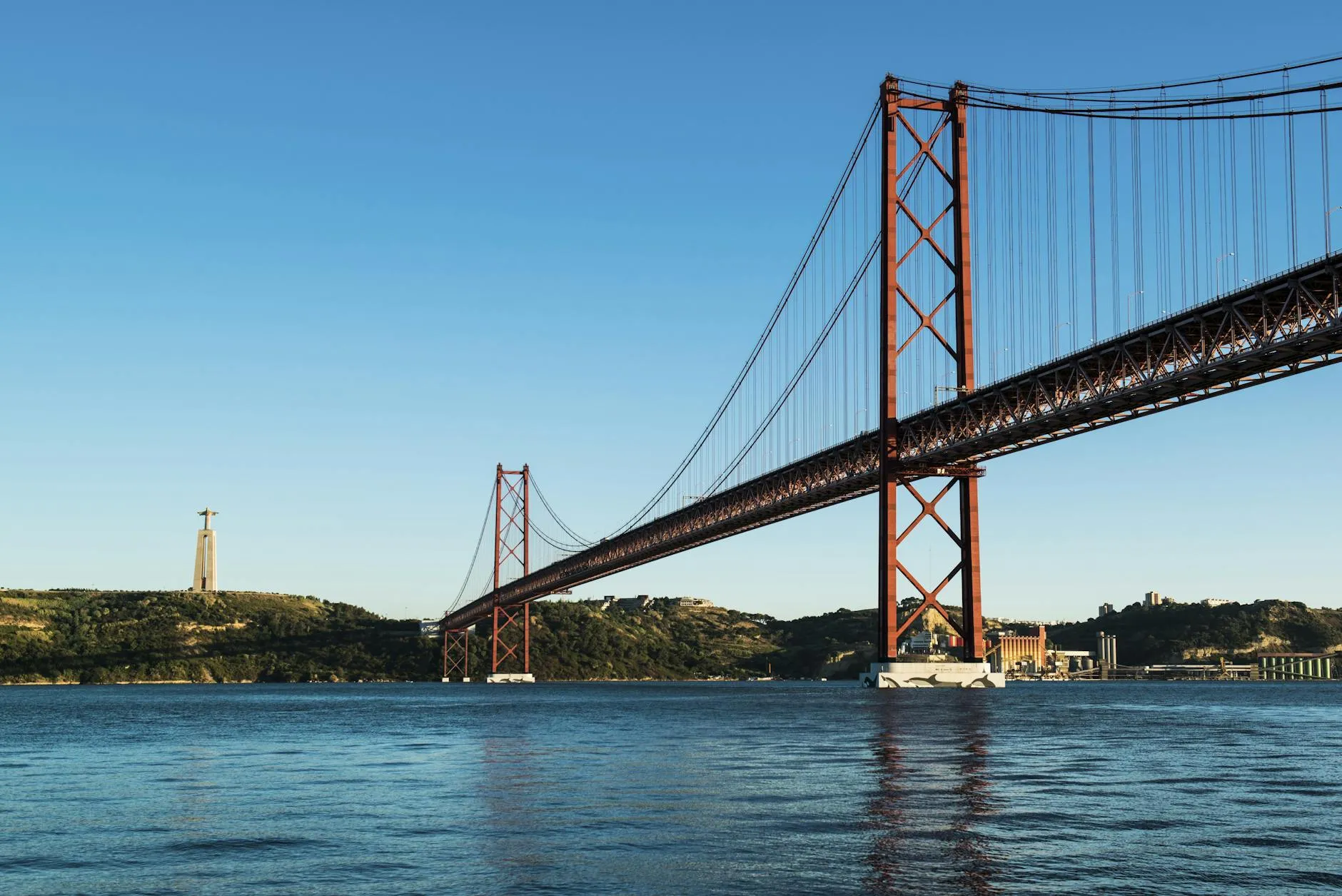
You hear Lisbon before you see it. The sound of Tram 28 grinding up the Rua da Conceição — steel on steel, a noise halfway between a complaint and a song — reaches you through the open window of a taxi before you’ve cleared the airport road. Then the light hits. Not the flat, efficient light of northern Europe, but something amber and liquid that makes the limestone glow and the Tagus shimmer like hammered bronze. By the time you’re standing on a miradouro with a €1.50 ginjinha in your hand, watching the 25 de Abril Bridge turn pink at sunset, you’ll understand why the Portuguese invented a word — saudade — for the ache of loving something you know you’ll have to leave.
Editor’s Note — Why Lisbon in 2026
Lisbon has become a victim of its own Instagram appeal. The pink street, the tram selfies, the nata-and-ginjinha trail — these are real pleasures, but they’re also the reason first-time visitors leave thinking Lisbon is “cute.” Lisbon is not cute. It is a city built on earthquake rubble and colonial guilt, where the best meal you’ll eat this year costs €12 at a counter where nobody speaks English, and where a woman singing fado in a room the size of your kitchen will make you cry in a language you don’t understand.
The food scene has quietly surpassed Lisbon’s own expectations. Belcanto and Alma now hold two Michelin stars each, but the real story is the tascas — Taberna da Rua das Flores, Ti Natércia in Mouraria, the unnamed places with handwritten menus — where the cooking has sharpened without losing the soul. Cervejaria Ramiro still has the queue, but the seafood at Ponto Final across the river is just as good and the ferry ride is half the experience.
Visit in late September if you can. The summer crowds have gone, the light has turned from white to gold, and the wine harvest in the Alentejo sends bottles into the city that won’t exist by November. The metro’s Yellow Line extension to Cais do Sodré is finally opening this year (Q2 2026, after years of delay — the first new metro stations since 2016), and Marvila — the old industrial district where Dois Corvos and Musa brew — is Lisbon’s most interesting neighbourhood for the first time in four hundred years.
As for Tram 28: ride it at 8 AM on a Tuesday from the Martim Moniz end, when it’s still a commuter line and the only tourists are the ones who read guides like this one. Or take Tram 25 to Belém — same vintage cars, one-tenth the crowds, and a route that passes the Basílica da Estrela, which is worth the stop.
Extending the trip? See our Porto city guide (3h by Alfa Pendular train), Madrid city guide (1h flight or 10h overnight train via Badajoz), and Barcelona city guide (1h55 flight) for the same treatment.
Table of Contents
- → Top Attractions
- → Belém Deep Dive
- → Alfama & Mouraria
- → Lisbon’s Neighbourhoods
- → Where to Stay
- → Lisbon Food Scene
- → Pastéis de Nata Deep Dive
- → Seafood & Portuguese Classics
- → Tascas & Cheap Eats
- → Wine & Drinks
- → Fado
- → Nightlife
- → Viewpoints (Miradouros)
- → Shopping
- → Azulejos & Art
- → Beaches Near Lisbon
- → Day Trips
- → Arriving at LIS
- → Getting Around
- → Lisbon in 2026
- → Budget Breakdown
- → Essential Portuguese
- → FAQ
Top Attractions in Lisbon
Lisbon Attractions Price Guide
| Attraction | 2026 Price |
|---|---|
| Jerónimos Monastery | €18 |
| Belém Tower | €10 |
| Belém Combined Ticket | €18 |
| National Tile Museum | €8 |
| MAAT | €11 |
| Castelo de São Jorge | €17 |
| Santa Justa Elevator | €5.30 (one-way) |
| National Coach Museum | €8 |
| Oceanário | €25 |
| Lisbon Cathedral (Sé) | FREE (treasury €5) |
| Carmo Convent | €5 |
| São Roque Church | FREE (museum €3) |
| Miradouros (viewpoints) | FREE |
| Tram 28 | €3.30 (on-board) / €1.90 (Viva Viagem) |
| Lisboa Card 24h | €27 |
| Lisboa Card 48h | €44 |
| Lisboa Card 72h | €54 |
1. Belém — Lisbon’s Monument District
Where Portugal’s Age of Discovery began. Jerónimos Monastery, Belém Tower, the Monument to the Discoveries — all within walking distance. Plus the most famous custard tarts in the world.
Must-see:
- Jerónimos Monastery: UNESCO World Heritage. Manueline architecture at its finest — maritime ropes, exotic plants, global motifs carved in stone. €10, free first Sunday of the month.
- Belém Tower: The iconic 16th-century watchtower. Beautiful from outside, cramped inside. €10 or combined €18.
- Pastéis de Belém: The original 1837 recipe. Worth the queue. See the Nata Deep Dive below.
- MAAT: Contemporary art and architecture museum on the waterfront. €11.
- National Coach Museum: The world’s best collection of royal coaches. €8.
How to get there: Tram 15E from Praça do Comércio (15 min, scenic) or Tram 25 from Chiado.
2. Alfama — The Soul of Old Lisbon
The oldest district, surviving the 1755 earthquake. Moorish-era street plan, laundry hanging between buildings, fado bars, and the cathedral. This is the Lisbon of postcards — but also genuinely lived in.
What to do:
- Get lost: Seriously. The street plan is deliberately confusing (defense against invaders). Accept it.
- Lisbon Cathedral (Sé): 12th-century Romanesque. Free entry, treasury €5.
- Castelo de São Jorge: Moorish castle with the best views in Lisbon. €17.
- Fado Museum: If you can’t stay for live fado, the museum explains the tradition. €5.
- National Pantheon: Baroque dome, tombs of Portuguese greats. €6.
3. Praça do Comércio — The Gateway Square
One of Europe’s largest squares, opening directly onto the Tagus River. Yellow arcades, the triumphal arch, ferries to Cacilhas. This is where Lisbon faces the water that made it rich.
Entry: FREE. The Rua Augusta Arch viewpoint is €3.50.
4. Santa Justa Elevator
The 1902 neo-Gothic elevator connecting Baixa to Carmo. Designed by a student of Eiffel. More tourist attraction than transport — locals use the free escalators nearby.
Entry: €5.30 one-way, free with Lisboa Card. The top platform view costs €1.50 extra. Skip the line by walking up from Largo do Carmo.
5. LX Factory
Industrial complex turned creative hub. Restaurants, boutiques, bookshop, weekend market. The hipster side of Lisbon under the 25 de Abril Bridge.
Entry: FREE. Best on Sundays for the flea market.
6. National Tile Museum (Museu Nacional do Azulejo)
The history of Portugal’s most distinctive art form — azulejos. Set in a former convent with stunning tiles throughout. Don’t miss the panoramic Lisbon tile panel from before the 1755 earthquake.
Entry: €8. Free first Sunday of the month.
7. Oceanário de Lisboa
One of the world’s best aquariums, designed by Peter Chermayeff. A central tank with open ocean species surrounded by habitat exhibits. In Parque das Nações.
Entry: €27 (online booking recommended).
Belém Deep Dive
The Age of Discovery
From this spot on the Tagus, Vasco da Gama sailed to India (1497), Pedro Álvares Cabral to Brazil (1500), and Ferdinand Magellan to circumnavigate the globe (1519). The wealth that returned — spices, gold, slaves — built the monuments you see today.
Jerónimos Monastery
Commissioned by Manuel I in 1501 to celebrate Vasco da Gama’s voyage. The Manueline style is Portugal’s own — late Gothic mixed with maritime symbols, exotic plants, and motifs from newly “discovered” lands.
What to see:
- Church: Free entry. Contains tombs of Vasco da Gama and poet Luís de Camões.
- Cloisters: The highlight. Two-story masterpiece of carved stone. €10.
- Maritime Museum: In the monastery complex. Model ships, navigation instruments. €8.
The cloisters are the highlight — two storeys of carved maritime stone that make you understand why the Manueline style never spread beyond Portugal (nobody else had the maritime wealth to fund it). Arrive before ten or after four to dodge the cruise-ship crowds, and note that the first Sunday of the month is free, which sounds generous until you see the queue.
Belém Tower
Built 1515-1521 as a ceremonial gateway and defensive fortification. The most photographed building in Portugal. Beautiful from outside; the interior is narrow stone staircases and small rooms.
A combined Jerónimos + Belém Tower ticket is available at either entrance — cheaper than buying both separately and skips the second queue. Use timed entry, and accept that even with it, you will wait in peak season. The best photograph of the tower is not from inside it; cross the small park and shoot it from the lawn, where the manueline carving stands out against the river.
Padrão dos Descobrimentos (Monument to the Discoveries)
The 1960 monument shaped like a ship’s prow, with Henry the Navigator leading figures from the Age of Discovery. Built during Salazar’s dictatorship to celebrate Portuguese imperialism — the problematic history is part of visiting.
Entry: €10 for elevator and exhibition. The floor map showing Portuguese voyages is visible from above.
MAAT
The Museum of Art, Architecture and Technology. Amanda Levete’s curved building on the riverfront is worth seeing for the architecture alone. Contemporary exhibitions inside.
Entry: €11. The rooftop walk is free and offers unique views of the bridge.
Belém Half-Day Itinerary
- 9:30am: Pastéis de Belém (arrive before crowds)
- 10:00am: Jerónimos Monastery cloisters
- 11:30am: Walk along waterfront to Tower
- 12:00pm: Belém Tower
- 1:00pm: Lunch at Ponto Final (ferry to Cacilhas) or return to center
Alfama & Mouraria
Alfama
The Moorish quarter that survived the 1755 earthquake. Narrow alleys, outdoor staircases, hanging laundry, fado bars, and the constant sound of tram wheels on stone. This is old Lisbon without restoration or renovation — genuinely lived in.
Character: Still a working-class neighborhood despite tourism. Older residents speak to each other from windows. Cats are everywhere. The street plan makes no sense — embrace it. Walk into a beco (a dead-end alley) where the buildings nearly touch overhead, and you’ll hear a television through one open shutter, smell someone’s lunch through another, and feel for thirty seconds the specific intimacy of a neighbourhood that hasn’t been gentrified yet — a domestic Lisbon that no Airbnb has rented.
Key spots:
- Miradouro das Portas do Sol: Terrace overlooking the rooftops to the river.
- Miradouro da Graça: Higher up, wider views, pine trees.
- Feira da Ladra: Tuesday and Saturday flea market at Campo de Santa Clara.
- Castelo de São Jorge: The hilltop castle.
- Fado bars: Mesa de Frades, Tasca do Chico, A Baiuca (Fridays/Saturdays).
Mouraria
The Moorish neighborhood adjacent to Alfama. More multicultural, less touristy, the real birthplace of fado. Cape Verdean and Chinese restaurants alongside Portuguese tascas.
What to do:
- Wander: Genuinely diverse, still rough around edges.
- Eat: Cheaper than Alfama, more varied cuisines.
- Fado vadio: Amateur fado nights at local bars — more authentic than Alfama tourist venues.
Lisbon’s Neighbourhoods
Baixa
The downtown grid rebuilt after the 1755 earthquake. Pombaline architecture (the first earthquake-resistant buildings), wide avenues, formal squares. Where most tourists stay. Praça do Comércio, Rua Augusta, Rossio Square.
Stay if: First visit, want central location, prefer historic buildings.
Vibe: Tourist-heavy, grand, convenient.
Chiado
The elegant shopping and café district. Bookshops, A Brasileira café, Teatro Nacional. The 1988 fire destroyed much of it; the rebuilding maintained the character.
Stay if: You want walkability, culture, cafés.
Vibe: Literary, refined, the daytime Lisbon.
Bairro Alto
The upper town. Quiet by day, chaotic by night. Narrow streets packed with bars opening onto the cobblestones. Lisbon’s nightlife epicenter (particularly Thursday-Saturday).
Stay if: You’re here for nightlife. Don’t stay if you want sleep.
Vibe: Jekyll and Hyde — peaceful mornings, wild nights.
Príncipe Real
The upscale, leafy extension of Bairro Alto. Design shops, brunch spots, a beautiful garden square, LGBTQ+ friendly. The neighborhood that’s “arrived” without losing character.
Stay if: You want local-feeling, walkable, sophisticated.
Vibe: Design magazines, weekend brunches, dog parks.
Graça
Above Alfama, residential, the best viewpoints. The neighborhood where young Lisboans actually live.
Stay if: You want local, quiet, views, and don’t mind hills.
Vibe: Neighborhood grocers, tram 28 terminus, local tascas.
Alcântara & LX Factory
Industrial, under the bridge, creative hub. Less historic charm, more contemporary culture.
Stay if: You’re here for LX Factory and nightclubs.
Vibe: Post-industrial, weekend energy.
Parque das Nações
The 1998 Expo site. Modern architecture, the Oceanarium, the cable car, wide waterfront promenade. Not “Lisbon” in the traditional sense but practical and family-friendly.
Stay if: You want modern, easy, good for kids.
Vibe: Convention center, corporate, clean.
Cais do Sodré
Once the red-light district, now the nightlife hub. Pink Street, Time Out Market, the ferry terminal. The transformation from sailors’ bars to cocktail lounges happened fast.
Stay if: Food and nightlife are priorities.
Vibe: Party central, diverse crowd, late nights.
Where to Stay
Budget: €40-80/night
Hostels: Yes Lisbon Hostel, Lisbon Destination Hostel (inside Rossio station), Home Lisbon Hostel. €20-40 dorm, €50-80 private.
Budget hotels: Hotel Borges (Chiado), Pensão Residencial Ninho das Águias (castle views). €50-80.
Best areas: Baixa (convenient), Mouraria (cheaper), Graça (quiet).
Mid-Range: €100-200/night
Boutique hotels: The Independente (Bairro Alto), Santiago de Alfama, Dear Lisbon Gallery House.
Best areas: Chiado (walkable), Príncipe Real (trendy), Alfama (atmospheric).
Luxury: €250+/night
Palaces: Palácio Belmonte (from €800), Pestana Palace, Torel Palace.
Design: The Ivens (Chiado), Memmo Alfama, Bairro Alto Hotel.
Best areas: Chiado, Príncipe Real, Alfama with castle views.
Lisbon Food Scene
Portuguese food is underrated — centuries of global trade brought ingredients from everywhere. Simple preparations, excellent ingredients, and the freshest seafood on Europe’s Atlantic coast.
The Portuguese Meal Structure
- Pequeno almoço (breakfast): Coffee and a pastel de nata. Maybe tosta mista (toasted ham and cheese).
- Almoço (lunch): The big meal. Set menus (prato do dia) at tascas run €7-12 for soup, main, drink.
- Jantar (dinner): Lighter than lunch for locals, though tourist areas serve full dinners.
- Petiscos: Small plates, Portuguese tapas. Good for groups, drinking.
What to Eat
Bacalhau: Salt cod, prepared 365 ways (Portuguese proverb). The national dish. Try bacalhau à brás (shredded, with eggs and potatoes) or bacalhau com natas (creamy gratin). The smell of cod soaking in cold water overnight is the smell of every tasca kitchen at dawn — an entire cuisine built around preservation because the men were always at sea, and the women had to feed a household from a salted slab and a lemon.
Sardinhas: Grilled sardines. The summer dish, peak in June (Santo António festival). Smoky, oily, eaten with bread.
Caldo verde: Kale and potato soup with chouriço. Comfort food.
Cataplana: Copper pan of seafood, clams, tomatoes, white wine. Algarve origin, available everywhere.
Bifana: Pork steak sandwich. Simple, spiced, the best €3 lunch in town.
Francesinha: Porto’s meat sandwich covered in melted cheese and beer sauce. A heart attack on a plate. Try it once.
Arroz de marisco: Soupy seafood rice. A meal for two.
Ameijoas à bulhão pato: Clams in garlic, coriander, white wine. Bread for soaking.
Pastéis de Nata — The Deep Dive
What It Is
A egg custard tart in flaky pastry, blistered on top, best served warm. Simple, perfect, the reason people get off planes in Lisbon and go directly to a bakery.
The History
Created by monks at Jerónimos Monastery before 1820. When religious orders were dissolved in 1834, the recipe was sold to a nearby sugar refinery. That’s now Pastéis de Belém, which still uses the original secret recipe.
Pastéis de Belém
The original and most famous. The bakery in Belém has sold the same recipe since 1837. €1.40 each. The line can be 30 minutes — use the interior rooms (often shorter wait). Dust with cinnamon and powdered sugar. Best warm from the oven.
The Best Nata Beyond Belém
Manteigaria: The modern contender. Ultra-flaky pastry, visible kitchen. Chiado location is packed; Time Out Market branch is easier. €1.40.
Pastelaria Aloma: Local favorite since 1943. In Campo de Ourique, away from tourists. €1.30.
Nata Lisboa: Good chain with multiple locations. €1.30.
Fabrica da Nata: Tourist-friendly, central, decent. €1.50.
The Debate
Locals argue endlessly: Pastéis de Belém (traditional, only place with the original recipe) vs. Manteigaria (flakier pastry, modern technique). Both are correct.
How to Eat Them
- Warm. Always warm if possible.
- Cinnamon and powdered sugar on top (shakers provided).
- Espresso (bica) alongside.
- Standing at the counter, like a local.
Seafood & Portuguese Classics
Seafood Restaurants
Cervejaria Ramiro: The legendary seafood hall. Queues out the door, clams and giant prawns by the kilo, the prego (steak sandwich) to finish. Budget €50-80 per person. Cash preferred. Book or arrive 6pm sharp.
Sea Me: Modern seafood in Chiado. Ceviche, oysters, whole fish. €40-60.
Marisqueira M: Quality neighborhood alternative to Ramiro. Less crowded. €40-60.
Ponto Final: Take the ferry to Cacilhas for this waterfront restaurant with views back to Lisbon. Grilled fish, cold wine. €15-25. Worth the journey.
Traditional Portuguese
Belcanto (José Avillez): 2 Michelin stars. Modern Portuguese tasting menus. €165-200. The best in Lisbon.
Taberna da Rua das Flores: Tiny, seasonal, excellent. €30-40. Book ahead.
O Velho Eurico: Old-school Alfama tasca. Bacalhau, grilled sardines, the neighborhood. €15-25.
Cervejaria Trindade: 1836 beer hall with azulejo walls. Tourist-friendly but atmospheric. €20-35.
Tascas & Cheap Eats
Tascas are neighborhood taverns — simple food, low prices, wine by the glass. The real Lisbon eating experience.
Best Tascas
A Cevicheria: Not a tasca but unmissable. Peruvian ceviche by Chef Kiko. €20-35.
Tasca do Chico: Fado with dinner in Alfama. Small, authentic, book ahead.
Ti Natércia: Mouraria locals, huge portions. €8-12 for daily specials.
Zé da Mouraria: Classic neighborhood tasca. No-frills, excellent.
A Cevicheria do Lado (Timeout Market): Same chef, market setting.
Market Eating
Time Out Market: The food hall in Mercado da Ribeira. Tourist-packed but brings together quality chefs under one roof. €10-20 per dish.
Mercado da Ribeira (morning side): The actual market. Buy fruit, cheese, and sardines from vendors. Open mornings until 2pm.
Mercado de Campo de Ourique: Neighborhood food market. Less tourist than Time Out, same concept.
Quick Eats
Bifana: At any bar — O Trevo, As Bifanas do Afonso. €3-5.
Prego: The Portuguese steak sandwich. Similar to bifana but beef.
Croquetes: Deep-fried meat croquettes. Bar snacks.
Wine & Drinks
Portuguese Wine
Portugal has excellent wine, not just port. Key regions:
Vinho Verde: Young, light, slightly fizzy white from the north. Perfect summer drinking. €3-5 in tascas.
Alentejo: Full-bodied reds from the southern plains. The everyday drinking wine.
Douro: The port region also makes excellent still wines, red and white.
Dão: Central Portugal reds, elegant and age-worthy.
Setúbal: The Moscatel dessert wine. Amber, honeyed.
Port Wine
Porto’s export, but available everywhere. Types to know:
- Ruby: Young, fruity, affordable.
- Tawny: Barrel-aged, nutty, caramel notes. 10/20/30/40 year categories.
- White: Chilled as aperitif, often with tonic.
- LBV (Late Bottled Vintage): Single vintage, bottle-aged.
- Vintage: Premium single year.
Where to drink: Solar do Vinho do Porto (Bairro Alto), wine bars in Chiado.
Ginjinha
Cherry liqueur, the Lisbon specialty. Served in tiny glasses, sometimes with the cherry (com elas) or without (sem elas). Rossio square has the original bars — A Ginjinha, Ginjinha Sem Rival, Ginjinha Rubi.
Cost: €1.50-2.50 per shot.
Beer
Sagres vs. Super Bock: The national debate. Both are acceptable lagers. Super Bock is slightly better. Served “imperial” (draft) or “fino” (smaller draft).
Craft beer: Dois Corvos (Marvila), Musa, LX Brewery. The scene is growing.
Wine Bars
By the Wine: José Maria da Fonseca wines by the glass. Multiple locations.
Terroir: Natural wines, knowledgeable staff.
Taberna da Rua das Flores: Food and wine.
Winebar do Castelo: Castle views with your glass.
Fado — Lisbon’s Soul Made Audible
What Fado Actually Is
Forget what you think you know. Fado is not “Portuguese blues” and it is not “sad music.” It is the sound of saudade — the Portuguese word for longing that has no English equivalent, because English has never needed a single word for the ache of loving something that is already gone, or not yet here, or both.
A fado performance is structured like a prayer. The room goes quiet — not politely quiet, but churchyard quiet, the kind of silence that has weight. A guitarist begins: the classical guitar first, laying down a low, steady pulse, then the Portuguese guitar — twelve strings, bright and metallic, the instrument that gives fado its signature shimmer. And then the voice.
In a good fado house, the singer doesn’t perform. She confesses. The songs are about sailors who never came home, lovers who should never have left, streets that no longer exist, a Lisbon that lives only in the voice of the woman standing three feet from your table with her eyes closed and her hands clenched. When she finishes, there is a beat of silence — not applause-silence, but the silence of a room full of people who just remembered something they’d forgotten they’d lost. Then the applause comes, and it sounds like relief.
This is not background music. Do not talk during a performance. Do not take photos. Do not applaud until the song ends. The Portuguese take this seriously. So should you.
The Saudade Question
Every guide explains saudade as “untranslatable longing.” Here is a more useful definition: it is the feeling you get on the last night of a holiday when you’re already mourning a place you haven’t left yet. The Portuguese feel this about everything — people, places, the past, the future, sardines in June. Fado is what happens when that feeling becomes music.
Where to Hear Fado
The Intimate Houses (Book Ahead)
Mesa de Frades (Alfama): A converted chapel the size of a living room. The tiles on the walls are 18th-century originals. The fadista stands close enough to touch. This is the one. €50–70 minimum spend including food and wine. Book a week ahead minimum.
Clube de Fado (Alfama): Higher-end, more consistent. Professional artists, polished sound. The room is beautiful. €70–100 with dinner. Book 3–5 days ahead.
Sr. Vinho (Lapa): More formal, established artists, away from the Alfama tourist circuit. €70–90. Good for a first experience if Mesa de Frades is full.
Fado Vadio — The Real Thing (No Booking)
Fado vadio means “amateur fado” — locals singing in neighbourhood bars, no stage, no cover charge, just a guitar and whoever feels moved to stand up. This is where fado was born, in the taverns of Mouraria and Alfama, and it is rawer, more unpredictable, and more emotionally devastating than any professional show.
A Baiuca (Alfama): Friday and Saturday nights only. Tiny, packed, the neighbours sing. Arrive by 9 PM or don’t arrive. €30–50 with food and wine.
Tasca do Chico (Alfama / Bairro Alto): The most famous fado vadio spot. Reservations essential — call, don’t email. Two locations; the Alfama original is better.
Mouraria bars: Ask at your hotel or any local for “fado vadio esta noite?” (amateur fado tonight?). The best nights are unplanned, in bars without names on Google Maps, where someone’s grandmother stands up and silences the room.
The Fado Museum (€5)
Worth visiting before a live show. Explains the instruments, the history (fado’s roots in the African and Brazilian music brought back by sailors), and the great fadistas — Amália Rodrigues above all. The listening stations with headphones are excellent. In Alfama, open Tuesday–Sunday.
How to Do a Fado Evening Right
Start with dinner at a non-fado restaurant — the food at fado houses is secondary to the music, and you’ll eat better elsewhere. Arrive at the fado house for the late show (10 PM or after). Order wine, not cocktails. Sit close. When the guitarist begins the introduction, put your phone away. Not on silent — away. Look at the singer. Listen to the Portuguese guitar. You won’t understand the words. You won’t need to.
Nightlife
Bairro Alto
The classic Lisbon night out. Narrow streets, bars spilling onto cobblestones, crowds from 11pm–3am. Buy drinks, stand outside, move from bar to bar. Mostly closes by 3am (strict enforcement). The specific sound of a Bairro Alto Saturday at midnight is fifty conversations spilling through fifty open doors onto cobblestones that are sticky with spilled beer and possibility — the city compressed into a hundred metres of noise and light.
Locals know there is no inside. Bars serve cheap drinks (€2–4) through tiny doorways, and everyone takes them out to the street — the cobblestones are the dance floor, the conversation, the venue. No cover charges, no dress codes, no need to commit to one place. Move every twenty minutes. Talk to strangers. The whole quarter shuts hard at three, and that’s the rhythm.
Cais do Sodré / Pink Street
The newer nightlife zone. Rua Nova do Carvalho (Pink Street) has late-night bars and clubs. More polished than Bairro Alto.
Bars: Pensão Amor (former brothel, now bar), Povo, Sol e Pesca.
Clubs: Lux Frágil, Music Box, Tokyo.
Lux Frágil
Lisbon’s most famous club. Three floors, rooftop terrace, river views. House and techno. Founded in 1998 by Manuel Reis (d. 2019) with John Malkovich; Malkovich has long since stepped back. Entry €10-20, free before midnight some nights.
Rooftop Bars
Park Bar: On top of a parking garage. Sunset views, relaxed vibe.
TOPO: Martim Moniz rooftop. Castle views.
Sky Bar (Tivoli Hotel): More formal, excellent views.
LGBTQ+ Nightlife
Príncipe Real is the main neighborhood. Trumps, Finalmente (drag shows), Purex.
Viewpoints (Miradouros)
Lisbon’s seven hills mean endless viewpoints. All free, all worth visiting.
The Essential Five
Miradouro da Senhora do Monte: The highest, least crowded. Graça. Best for sunrise — but stay for the golden hour, when the white limestone of the Old Town turns amber and the Tagus catches the sun like a second sky. There is a specific quality of Lisbon light that has been chasing painters for four hundred years; this is where you see why.
Miradouro da Graça: Popular, pine trees, kiosk bar. Views over Alfama to the river.
Miradouro das Portas do Sol: Classic postcard view of Alfama rooftops. Terrace bar.
Miradouro de Santa Catarina: Young, artsy, sunset views to 25 de Abril Bridge. The Adamastor statue.
Miradouro de São Pedro de Alcântara: Bairro Alto. Formal garden, city views east. Kiosk.
Hidden Viewpoints
Jardim do Torel: Quiet garden, locals only.
Castelo de São Jorge: €17 but worth it for the highest views.
Cristo Rei: Take ferry to Cacilhas, then bus. The Lisbon version of Rio’s Christ. €8 for elevator.
Shopping
Traditional Goods
Azulejos: Hand-painted tiles at Fábrica Sant’Anna (since 1741) or Viúva Lamego. €20-200+ depending on size/complexity.
Cork: Portugal produces 50% of world’s cork. Bags, wallets, umbrellas. Cork & Co, Pelcor.
Conservas (canned fish): Sardines, tuna, octopus in beautifully designed tins. Conserveira de Lisboa (since 1930), Loja das Conservas.
Soap: Claus Porto, Ach. Brito — beautiful packaged soaps since 19th century.
Embroidery: Bordados de Viana do Castelo. Traditional patterns from northern Portugal.
Fashion & Design
A Vida Portuguesa: Curated Portuguese products — everything from soap to toys. Chiado.
LX Factory: Independent designers, vintage, books (Ler Devagar bookshop).
Príncipe Real: Concept stores, young designers.
Markets
Feira da Ladra: Tuesday/Saturday flea market. Antiques, junk, treasures. Campo de Santa Clara.
LX Market: Sunday at LX Factory. Food, crafts, vintage.
Mercado da Ribeira: Fresh produce mornings. Time Out Market evenings.
Azulejos & Art
Azulejo Hunting
Blue-and-white tiles cover Lisbon — churches, palaces, metro stations, ordinary buildings. The tradition spans 500 years.
Must-see azulejos:
- National Tile Museum: The definitive collection.
- São Roque Church: Baroque excess in tiles.
- Alfama streets: Random discoveries on building facades.
- Metro stations: Each designed by different artists (Oriente, Parque, Cais do Sodré).
Museums
Museu Nacional de Arte Antiga: Old masters, Bosch, Portuguese art. €8.
Museu Calouste Gulbenkian: The incredible collection of one Armenian oil magnate. Egyptian, Islamic, European art. €10.
MAAT: Contemporary art and architecture. €11.
Berardo Collection: Modern and contemporary art at CCB. Free.
Beaches Near Lisbon
Lisbon has beaches 30 minutes away by train. The Cascais line runs along the coast.
Cascais Line Beaches
Carcavelos: The closest big beach. 25 minutes by train. Surfing, beach bars. Can get crowded.
Estoril: Next stop. Casino town, elegant promenade.
Cascais: End of the line. Small beaches, charming town, good restaurants. Day trip material.
Costa da Caparica
South bank of the Tagus. 20km of beach. More local, less touristy. Fertagus train + bus, or ferry + bus.
Sintra/Cascais Coast
Praia do Guincho: Wild Atlantic beach. Windy, surf-famous, dramatic. Near Cascais.
Praia da Ursa: Hidden beach below cliffs. Hike required. Worth it.
Praia da Adraga: Rocky, scenic, restaurant with views.
Arrábida
Protected natural park south of Lisbon. Turquoise water, coves, dolphins. Car needed. Praia de Galapinhos is the standout.
Day Trips from Lisbon
Sintra (30 min train)
Fairytale palaces in forest-covered hills. UNESCO World Heritage. The essential Lisbon day trip.
Must-see:
- Palácio da Pena: The colorful hilltop palace. €14 palace+park, €7.50 park only.
- Quinta da Regaleira: Gothic fantasy with underground tunnels. €10.
- Moorish Castle: 8th-century ruins, incredible views. €8.
- National Palace: In town center, twin chimneys. €10.
Book Pena Palace online with a timed entry for the first slot of the morning. By eleven, the path from the bus stop to the gate is a slow shuffle of tour groups, and by noon, the terraces where you’re supposed to feel like a romantic-era king feel like a theme park queue. Pick two sites and give them your full attention. Pena plus Regaleira is the right combination for a first visit — the palace for spectacle, the Initiation Well for mystery.
Getting there: Trains every 20 min from Rossio. €2.30 each way.
Cascais & Estoril (40 min train)
Coastal towns. Beaches, seafood, the casino. Easy half or full day.
What to do:
- Walk the coastal promenade between the two towns.
- Beach time at Praia da Rainha or Praia da Conceição.
- Seafood at the marina.
- Boca do Inferno (Hell’s Mouth) — dramatic cliff formation.
Getting there: Trains from Cais do Sodré. €2.30 each way.
Setúbal & Arrábida (1 hour)
Industrial town with the freshest seafood and access to Arrábida Natural Park.
Why go:
- Choco frito: Deep-fried cuttlefish. Setúbal’s specialty. Casa Santiago.
- Arrábida beaches: Protected coves, turquoise water, dolphins.
- Wine: Moscatel de Setúbal tastings at José Maria da Fonseca.
Getting there: Fertagus train to Setúbal. Car recommended for Arrábida.
Óbidos (1 hour)
Walled medieval town. Ginjinha (cherry liqueur) served in chocolate cups, white-and-blue buildings, castle walks.
How to visit:
- Walk the walls (free).
- Drink ginjinha in chocolate cup.
- Book shops (Livraria de Santiago in a church).
- Lunch in town, return by afternoon.
Getting there: Bus from Campo Grande (hourly, €8 each way). Or Oeste train line.
Évora (1.5 hours)
Alentejo capital. Roman temple, bone chapel, medieval walls. UNESCO World Heritage. The deeper Portugal day trip.
Must-see:
- Chapel of Bones: Walls covered in human bones. €6.
- Roman Temple: 1st-century ruins in the old town.
- Cathedral: 13th-century Gothic. €4.
Getting there: Trains from Oriente (1h20, €12 each way). Or bus from Sete Rios.
Mafra (45 min)
The palace-convent that bankrupted Portugal. Massive Baroque complex with 1,200 rooms, library, basilica. Featured in José Saramago’s novel “Baltasar and Blimunda.”
Entry: €6.
Getting there: Bus from Campo Grande.
Arriving at Lisbon (LIS)
Humberto Delgado Airport is 7km north of the center. One terminal, manageable size.
Getting to the City
Metro (Red Line): Connects directly to downtown. €1.90 single (needs Viva Viagem card, €0.50). 20-25 minutes to Baixa-Chiado. Runs 6:30am-1am.
Aerobus: €4 to center, €6 return. Stops at Marquês de Pombal, Rossio, Praça do Comércio. Every 20 minutes.
Taxi: €15-20 to center (fixed zones displayed at taxi rank). 15-30 minutes depending on traffic.
Uber/Bolt: €8-15 depending on time. Pickup at departures level.
Best choice: Metro for budget. Taxi/Uber if arriving late or with luggage.
Getting Around Lisbon
Metro
Four lines covering the main areas. Clean, modern, frequent. €1.90 single, €6.80 24-hour pass. Need Viva Viagem card (€0.50) to add credit.
Tram
Tram 28: The famous route through Alfama, Graça, Chiado, Bairro Alto. Tourist attraction as much as transport. Crowded, pickpocket-prone. €3.30 on board, €1.90 with Viva Viagem.
Tram 15E: Modern tram to Belém. Less scenic, more practical.
Tram 25: Alternative route to Belém via Estrela. Vintage trams, fewer tourists.
Bus
Extensive network. Same pricing as tram/metro with Viva Viagem.
Funiculars & Elevators
Three funiculars (Bica, Glória, Lavra) and Santa Justa elevator. €3.80 round trip or free with Lisboa Card/24h pass.
Lisboa Card
Free public transport + free entry to 30+ attractions.
- 24 hours: €27
- 48 hours: €44
- 72 hours: €54
Worth it? If you visit Belém (the combined Jerónimos + Tower ticket alone is already over €20) and use transport, the 24h card pays off.
Walking
The best way to see Lisbon — but bring stamina for the hills. Wear comfortable shoes. The seven hills are no joke.
Lisbon in 2026
Events
Santo António (June 12-13): Lisbon’s biggest festival. Sardine grilling in Alfama, street parties, the Marchas Populares parade. Book accommodations months ahead.
Festas de Lisboa (June): Month-long celebrations throughout the city.
NOS Alive (July): Major music festival. International headliners.
Super Bock Super Rock (July): Another festival.
Christmas Markets: Rossio and Praça do Comércio light up December.
What’s New in 2026
Metro Expansion: The Yellow Line extension to Cais do Sodré is set to open in Q2 2026 — the first new metro stations in Lisbon since 2016. Two new stations (Estrela and Santos) will complete the ring, connecting Rato to Cais do Sodré. Commercial service expected shortly after the line is inaugurated.
Cruise Terminal: Increased capacity means more tourists. Plan for crowds at peak times.
Sustainability: Electric trams on historic routes, pedestrian zones expanding.
2026 Prices Snapshot
| Item | Price |
|---|---|
| Metro single | €1.90 |
| Tram 28 (Viva Viagem) | €1.80 |
| Pastel de nata | €1.30-1.50 |
| Espresso (bica) | €0.80-1.20 |
| Ginjinha shot | €1.50-2.50 |
| Beer (imperial) | €2-4 |
| Tasca lunch (prato do dia) | €8-12 |
| Dinner for two (mid-range) | €50-80 |
Budget Breakdown
Budget: €50-80 per day
Hostel dorm: €20-30. Metro/tram: €10. Bifana lunch: €5. Tasca dinner: €15. Pastéis de nata: €3. One attraction: €10. Total: €63-73.
The tourist version: €15 sandwich on the Praça do Comércio. The local version: €5 bifana from the counter at As Bifanas do Afonso. Multiply that gap across four meals and you’ve paid for tomorrow’s Sintra train. Eat at tascas, take the miradouros (free), cook at the hostel when you can, and load a Viva Viagem card so you’re not paying €3.30 cash for a metro ride that costs €1.90 with the card.
Mid-Range: €120-180 per day
Hotel room: €80-120. Transport: €10. Lunch: €20. Dinner: €40. Attractions: €20. Total: €170.
Splurge with intention. The Lisboa Card pays for itself if you hit three or more paid attractions. Pick one special dinner — Cervejaria Ramiro for the legendary seafood queue, or Taberna da Rua das Flores for the most thoughtful tasca cooking in the city — and eat simply at counters the rest of the week. The total comes out lower than three mediocre tourist meals.
Luxury: €300+ per day
Boutique hotel: €200+. Taxi everywhere. Belcanto dinner: €200. Fado evening: €80. Beach club: €50. Total: €530+.
Tourist Tax (Taxa Turística)
Lisbon charges €4 per person per night, capped at 7 consecutive nights (max €28 per person). The tax doubled from €2 to €4 on 1 September 2024 and applies to every kind of paid overnight accommodation — hotels, hostels, guesthouses, apartments, Airbnb, B&Bs. Children under 13 are exempt. It is collected by the accommodation at check-in or check-out (usually not shown in Booking.com totals), so budget for it separately.
Example: a couple staying 5 nights pays €40 in tourist tax that won’t appear on your hotel total until you arrive. Source: Câmara Municipal de Lisboa.
Money-Saving Tips
- First Sunday of the month: most museums are free.
- Tascas offer “prato do dia” (daily special) for €8-12.
- Ginjinha is €1.50 — cheaper than any cocktail.
- Miradouros are free and the best views in the city.
- Water is drinkable — bring a bottle.
- Walk — Lisbon is small despite the hills.
Essential Portuguese
| English | Portuguese | Pronunciation |
|---|---|---|
| Hello | Olá | Oh-LAH |
| Good morning | Bom dia | Bom DEE-ah |
| Good afternoon | Boa tarde | BOH-ah TAR-jeh |
| Thank you (m/f) | Obrigado/a | Oh-bree-GAH-doo/dah |
| Please | Por favor | Por fah-VOR |
| Yes / No | Sim / Não | Seem / Now |
| The bill, please | A conta, por favor | Ah KON-tah por fah-VOR |
| One espresso | Uma bica | OO-mah BEE-kah |
| Cheers! | Saúde! | Sah-OO-jeh |
| Delicious! | Delicioso! | Deh-lee-see-OH-zoo |
Note: Portuguese pronunciation is tricky — nasal sounds, swallowed syllables. Locals appreciate any attempt. Most young Lisboans speak English.
Frequently Asked Questions
How many days do I need in Lisbon?
Three to four days for the city proper. Add one day each for Sintra, Cascais, or other day trips. A week lets you slow down and discover neighborhoods.
Is Lisbon expensive?
No. It’s one of Western Europe’s most affordable capitals. Eat at tascas (€8-15), drink local wine (€3-5/glass), take public transport (€1.90). Budget travelers can do €50-80/day including accommodation.
Is Lisbon safe?
Very safe. Petty theft (pickpockets on trams, crowded areas) is the main concern. Tram 28 is particularly targeted. Keep valuables secure, be aware in crowds.
When is the best time to visit?
Spring (April-May) and fall (September-October) — mild weather, fewer crowds. June for Santo António festival. Summer (July-August) is hot and crowded but festive. Winter is mild but can be rainy.
Should I rent a car?
No for the city — narrow streets, impossible parking, excellent public transport. Yes for day trips to Arrábida or the Alentejo interior.
What’s the deal with pastéis de nata?
They’re perfect. Pastéis de Belém has the secret 1837 recipe. Manteigaria has flakier pastry. Both are correct. Eat warm with cinnamon.
Do I need a visa to visit Portugal?
Portugal is in the Schengen Area, so most non-EU visitors (US, UK, Canada, Australia, New Zealand, Japan, etc.) can enter visa-free for up to 90 days in any 180-day period. EU and EEA citizens have freedom of movement. ETIAS, the EU’s new visa-waiver travel authorisation (not a visa), is not yet in operation and has no announced start date; a grace period will follow launch before it becomes mandatory. Expect to pay around €20, valid three years. It’s separate from the UK’s ETA, which only applies to travel to Britain.
Is Tram 28 worth it?
Yes, but not at peak times. It’s packed with tourists and pickpockets midday. Take it early morning from Martim Moniz, or skip it for Tram 25 to Belém.
How do I find good fado?
Book ahead for Mesa de Frades or Tasca do Chico. Or ask locals for “fado vadio” (amateur nights) in Mouraria bars — less polished, more authentic.
Fine Dining & Michelin
Lisbon has exploded onto the fine dining scene. Modern Portuguese cuisine draws from traditional recipes while embracing global techniques.
Michelin-Starred Restaurants (2026)
Belcanto — José Avillez (2 stars): The flagship. Modern Portuguese tasting menus in Chiado. The “Garden of the Goose that Laid the Golden Eggs” dessert is iconic. €165-200 tasting menu. Book weeks ahead.
Alma — Henrique Sá Pessoa (2 stars): In the Chiado ruins of a 12th-century cloister. Portuguese ingredients, contemporary presentation. €125-175 tasting. Note: Chef Sá Pessoa has announced a 2026 move to Páteo Bagatela with a rebrand — verify current location before booking.
Epur — Vincent Farges (1 star): French-Portuguese fusion with river views. €95-130 tasting. Excellent wine pairings.
Fifty Seconds — Martín Berasategui (1 star): 50th floor of Vasco da Gama Tower. The view is half the experience. €150-200. Parque das Nações.
Eneko Lisboa — Eneko Atxa (1 star): Basque cuisine with Portuguese ingredients. €85-120. Contemporary, less formal than others.
Fortaleza do Guincho (1 star): In a 17th-century fortress overlooking Guincho beach. Worth the drive from Cascais. €100-150.
Cura — Pedro Pena Bastos (1 star): In the Ritz Four Seasons. Classic French technique, Portuguese soul. €120-180.
Almost Michelin (Bib Gourmand & Rising Stars)
Taberna da Rua das Flores: The tiny reservation everyone wants. Seasonal small plates. €30-50.
100 Maneiras: Sarajevo-born chef’s tasting menu. Theatrical, delicious. €80-100.
Prado: Farm-to-table Portuguese. Outstanding vegetables. €40-60.
Loco — Alexandre Silva: The bad-boy chef’s tasting experience. €140-180.
A Cevicheria: Not Portuguese but unmissable. Chef Kiko’s ceviche palace. €30-50.
Reservations
Book 2-4 weeks ahead for starred restaurants. Use restaurant websites or The Fork app. Belcanto and Alma are hardest to secure.
Hidden Lisbon
Places Most Tourists Miss
Parque das Nações after dark: The Expo area transforms. Cable car over the river, Oceanário lit up, empty promenades. Locals date here.
Marvila: The post-industrial neighborhood. Craft breweries (Dois Corvos, Musa), street art, abandoned factories. The Brooklyn of Lisbon without the hype.
Beato: Adjacent to Marvila. The Beato Creative Hub in a former factory. Food hall, coworking, gardens. Coming soon, but already interesting.
Intendente: The rehabilitated red-light district. Largo do Intendente is now galleries, bars, one of the city’s most interesting squares.
Rua de São Bento: Antique shops, neighborhood cafés, the Parliament building. Old Lisbon without Alfama crowds.
Jardim Botânico Tropical (Belém): Colonial-era botanical garden. Tropical plants from former Portuguese territories. €3. Often empty.
Fronteira Palace: 17th-century palace with azulejo gardens. Private home open for tours. €10. Benfica neighborhood.
Local Experiences
Cacilhas ferry: Take the ferry from Cais do Sodré to the south bank. Walk to Ponto Final for lunch with views back to Lisbon. The locals’ Sunday.
Tasca hopping in Mouraria: Skip Alfama tourist menus. Mouraria tascas serve €8 meals to neighborhood regulars.
Campo de Ourique market: Time Out Market for locals. Same concept, no tourists, better parking.
Almada’s Cristo Rei: The Lisbon Christ statue. Ferry + bus, then elevator to the top. Views beat any miradouro. €8.
Tram 25 instead of 28: Same vintage trams, tenth of the crowds. Takes you to Belém.
Neighborhoods Nobody Visits
Alvalade: Middle-class residential. The Portugal that isn’t for tourists. Good restaurants serving locals.
Areeiro: Art Deco buildings, neighborhood markets. Where Lisboans actually live.
Ajuda: Near Belém but uphill. Ajuda Palace (Portugal’s last royal residence), botanical garden, no tourists.
Architecture Tours
Walking Route: Earthquake & Reconstruction
The 1755 earthquake destroyed 85% of Lisbon. What rose from the rubble was Europe’s first earthquake-resistant urban planning — the Pombaline grid.
Start: Praça do Comércio — the new center after the earthquake, oriented to the river.
Walk north on Rua Augusta: Notice the identical facades, consistent heights, uniform design. This was radical 18th-century urban planning.
Rossio Square: The rebuilt theater, the wave-pattern cobblestones (calçada portuguesa).
Elevador de Santa Justa: The 1902 neo-Gothic iron elevator, designed by a disciple of Eiffel.
Carmo Convent: The ruined church left unrestored as a memorial to the earthquake. The roofless nave is haunting.
Walking Route: Manueline Style
Portugal’s distinctive architectural style (1490-1520) celebrates maritime discovery with carved ropes, armillary spheres, exotic plants, and coral motifs.
Belém Tower: The iconic example. Maritime decorations, Venetian loggias, Moorish-style watchtowers.
Jerónimos Monastery: The masterpiece. Columns carved with ropes and seaweed, cloisters dripping with maritime symbols.
National Coach Museum: Not Manueline, but illustrates the wealth that funded it.
Walking Route: Art Nouveau & Art Deco
Avenida Almirante Reis: Art Deco cinema facades, 1930s commercial buildings.
Rua Alexandre Herculano: Art Nouveau townhouses.
Café A Brasileira (Chiado): The 1905 coffee house with art nouveau interior.
Modern Architecture
MAAT (Amanda Levete): The curved waterfront museum that’s become Lisbon’s new icon.
Oriente Station (Santiago Calatrava): The Expo 98 transport hub. Tree-like steel canopy.
Champalimaud Foundation: Charles Correa’s minimalist cancer research campus. Open to visitors.
EDP Building: The electric utility’s headquarters. Green tower with vertical gardens.
Lisbon with Kids
Best Attractions for Families
Oceanário: One of the world’s best aquariums. Sea otters, penguins, the massive central tank. €27 adults, €18 children. Allow 2-3 hours.
Lisbon Zoo: 2,000 animals including pandas. €27 adults, €18.50 children. Full day.
Pavilhão do Conhecimento: Science museum with hands-on experiments. €10 adults, €6 children. Parque das Nações.
Yellow Duck Tours: Amphibious vehicle that drives into the river. €32 adults, €18 children. Kids love it.
Trams and Funiculars: The vintage trams are transport and attraction. Less interesting than theme parks, but Portuguese kids grew up on them.
Kid-Friendly Neighborhoods
Parque das Nações: Modern, flat, wide promenades, cable car, Oceanário, playground.
Belém: Open spaces, monuments, pastéis de nata rewards.
Cascais: Beach, ice cream, safe streets. Easy train ride.
Parks & Playgrounds
Jardim da Estrela: Beautiful park with duck pond, playground, café. Near the Basilica.
Parque Eduardo VII: The main central park. Views, playground, Estufa Fria greenhouse.
Monsanto Forest Park: The city’s green lung. Playgrounds, mountain biking, picnics.
Beaches
Carcavelos: Shallow water, lifeguards, beach bars. 25 minutes by train.
Costa da Caparica: Calmer water, more space. South bank access.
Kid-Friendly Food
Portuguese kids eat what adults eat — but pizza, pasta, and chicken also available everywhere. Pastéis de nata are universally beloved.
Romantic Lisbon
Most Romantic Experiences
Sunset at Miradouro da Senhora do Monte: The highest viewpoint, golden light, the whole city below. Bring wine.
Fado dinner in Alfama: Candlelit room, guitar, a voice singing about saudade. Mesa de Frades or Tasca do Chico.
Abra ride at dusk: Not the tourist boats, but the simple wooden abras crossing the Tagus to Cacilhas. €1.60 round trip. Dolphins sometimes appear.
Dinner at Belcanto: José Avillez’s two-star restaurant. €200 per person but unforgettable.
Stay at Palácio Belmonte: 11 suites in a 15th-century palace. From €800/night. The most romantic hotel in Portugal.
Romantic Restaurants
Taberna da Rua das Flores: Tiny, candlelit, sharing plates. Book ahead.
Bairro do Avillez (Páteo): Courtyard dining in José Avillez’s complex. Less formal than Belcanto.
Pharmácia: Restaurant in a pharmacy museum. Unusual, memorable.
Ponto Final: Ferry across, lunch on the waterfront. The view is the proposal backdrop.
Romantic Hotels
Palácio Belmonte: The fantasy. €800+.
Memmo Alfama: Boutique hotel with terrace pools overlooking the city. €250-400.
Santiago de Alfama: 15th-century palace converted. €200-350.
Verride Palácio: Design hotel in a palace. Rooftop bar. €300-500.
Sintra — The Complete Guide
The essential Lisbon day trip deserves its own section.
What Sintra Is
A forested hillside 30 minutes from Lisbon covered with fairytale palaces, Romantic gardens, and Moorish ruins. UNESCO World Heritage. Where Portuguese royalty escaped Lisbon summers.
The Palaces
Palácio da Pena: The yellow-and-red hilltop castle. Built 1842-1854 for King Ferdinand II. Whimsical Romanticism — turrets, terraces, Manueline revival, Arab influence. The views from the upper terraces are spectacular.
Entry: €14 palace+park, €7.50 park only. Buy online with timed entry — queues can be 90 minutes.
Quinta da Regaleira: Gothic Revival estate with underground tunnels, inverted tower (Initiation Well), alchemical symbolism, and labyrinthine gardens. The most mysterious place in Portugal.
Entry: €10. Less crowded early or late.
Moorish Castle (Castelo dos Mouros): 8th-9th century ruins on the hillside. Walk the walls for panoramic views. Less essential than Pena or Regaleira but atmospherically ruined.
Entry: €8, combined tickets available.
National Palace (Palácio Nacional): In Sintra town center. The twin chimneys. Medieval origins, lived in by Portuguese royalty until 1910. Less dramatic than Pena but historically richer.
Entry: €10.
Monserrate Palace: Further from town. Moorish Revival architecture, exotic gardens. For architecture lovers with time.
Entry: €8.
Sintra Itineraries
Half Day (5 hours):
- 9am train from Rossio
- Bus 434 to Pena (or Uber)
- Pena Palace + park (2 hours)
- Walk down through forest to Moorish Castle (optional)
- Bus or walk to town center
- Lunch + pastries (travesseiros are Sintra’s specialty)
- Return train
Full Day (8 hours):
- 9am train from Rossio
- Quinta da Regaleira first (opens 9:30am, fewer crowds)
- Walk uphill or bus to Moorish Castle
- Pena Palace (book afternoon slot)
- Walk down to town
- Late lunch
- National Palace if time
- Return train
Getting There & Around
Train: From Rossio or Oriente stations. Every 20 minutes. €2.30 each way. 40 minutes.
Bus 434: Circular route: station → town center → Moorish Castle → Pena → station. €7 hop-on-hop-off, €4 one-way. Essential for getting up the hill without a car.
Uber/Taxi: Easier than buses, but limited availability and expensive.
Walking: Pena is 3km uphill from town — doable but tiring. Walking down through the forest is better.
Practical Tips
- Book Pena tickets online with timed entry — required on busy days.
- Start early. Crowds peak 11am-3pm.
- Wear comfortable shoes — lots of hills and cobblestones.
- Bring layers — Sintra is often cooler and foggier than Lisbon.
- Don’t try to see everything — pick 2-3 sites.
- Avoid weekends and holidays if possible.
Eating in Sintra
Piriquita: The pastry shop. Travesseiros (almond pastries) and queijadas (cheese tarts). Since 1862.
Tascantiga: Small plates, local wine, in the old town.
Incomum: Modern Portuguese, good quality.
Free Things to Do in Lisbon
Lisbon rewards the budget traveler more than most capitals.
Always Free
- All miradouros (viewpoints): Senhora do Monte, Graça, Portas do Sol, Santa Catarina, São Pedro de Alcântara.
- Alfama wandering: Get lost in the maze of alleys.
- Praça do Comércio: The waterfront square.
- Walking the waterfront: From Cais do Sodré to Belém.
- Baixa street life: People-watching in Rossio and Chiado.
- Jerónimos Monastery church: The church is free; only cloisters cost.
- Feira da Ladra: Tuesday and Saturday flea market (unless you buy).
- Street art hunting: LX Factory, Mouraria, Marvila.
- Cacilhas ferry: €1.60 return for river crossing and south bank views.
- Pink Street: The Instagram street in Cais do Sodré.
- Igreja de São Roque: Baroque church with stunning interior. Free.
Free on First Sunday
Most national museums are free on the first Sunday of each month:
- National Tile Museum
- National Ancient Art Museum
- Jerónimos Monastery cloisters
- Belém Tower
- National Pantheon
- National Coach Museum
Warning: First Sunday is crowded. Arrive early.
Free Concerts & Events
Santos Populares (June): Street parties, sardine grilling, music. The whole month.
NOS Alive week: Free fringe events.
Park benches with guitar: Lisboans gather to play and sing. Graça, Alfama viewpoints.
Weather & When to Visit
Seasonal Guide
Spring (March-May): Ideal. Mild temperatures (15-22°C), flowers blooming, shoulder-season prices. Easter can be busy. May is excellent.
Summer (June-August): Hot (25-35°C), crowded, festival season. Santo António (June 12-13) is the city’s biggest party. August locals flee for the beach; tourist numbers peak.
Fall (September-October): Warm (18-25°C), crowds thin, wine harvest. Many consider this the best time.
Winter (November-February): Mild (10-16°C) but rainy. Cheapest accommodation, fewest tourists. Christmas markets add sparkle. Rain can be heavy, especially January.
What to Pack
- Comfortable walking shoes: The cobblestones and hills are brutal on feet.
- Layers: Temperature can shift 10°C between river and hilltop.
- Light jacket: Even summer evenings can be cool by the water.
- Rain protection: Especially November-March.
- Sun protection: Summer sun is strong.
- Cross-body bag: For pickpocket protection on trams.
Safety & Practical Information
Safety
Lisbon is very safe. Violent crime is rare. Main concerns:
Pickpockets: Tram 28, crowded tourist areas (Rossio, Alfama), markets. Keep valuables in front pockets or cross-body bags. Don’t flash phones.
Scams: “Found” gold rings, fake charity petitions. Ignore anyone approaching with these.
Drug dealers: In Bairro Alto and Rossio at night, dealers offer openly. Drugs are decriminalized (not legal) — personal possession is fine, but buying supports crime.
Money
Currency: Euro (€).
Cash vs. Card: Cards widely accepted, but small tascas and markets may be cash-only. ATMs everywhere.
Tipping is not expected the way it is in the US. Round bills up to the nearest euro, or leave 5–10% if the service was genuinely exceptional. Some restaurants include the service charge — check the bottom of the bill before adding to it.
Language
Portuguese. English widely spoken in tourist areas and by younger Lisboans. Basic Portuguese attempts appreciated.
Phone & Internet
EU roaming applies. Wifi available in most cafés, hotels, public spaces. Portugal has excellent mobile coverage.
Electricity
Type F plugs (European two-pin). 230V. UK and US visitors need adapters.
Water
Tap water is safe to drink throughout Lisbon.
Pharmacies
Green cross signs. At least one open 24 hours per district. Many medications available over the counter.
Emergencies
112 for all emergencies. Police (PSP) stations throughout the city. Hospitals: Santa Maria (largest), São José (central).
Coffee Culture
The Portuguese Coffee Vocabulary
Bica: Espresso. The Lisbon term (Porto says “cimbalino”). Small, strong, the national caffeine delivery system.
Meia de leite: Half espresso, half hot milk. Like a flat white.
Galão: Milkier than meia de leite. Served in a glass. Like a latte.
Café com cheirinho: Espresso with a splash of brandy. The afternoon pick-me-up.
Abatanado: Longer espresso with more water. Closest to an Americano.
Garoto: Espresso with a splash of milk.
Classic Cafés
A Brasileira (Chiado): The literary café since 1905. Art Nouveau interior, Fernando Pessoa statue outside. €1.50 standing, €4 sitting.
Café Nicola (Rossio): 18th-century poet hangout. Formal, historic.
Pastelaria Versailles (Avenida): Belle Époque opulence. The gilded mirrors, the chandeliers.
Specialty Coffee
Fabrica Coffee Roasters: Third-wave pioneers. Multiple locations.
Copenhagen Coffee Lab: Scandinavian precision.
Hello, Kristof: Hip Bairro Alto spot.
Comoba: LX Factory’s coffee destination.
The Rules
- Standing at the counter is always cheaper than sitting.
- Coffee is not meant to be nursed. Drink it fast, move on.
- Pastéis de nata are the natural accompaniment.
- No one orders large sizes. This isn’t Starbucks.
Football in Lisbon
Portugal is football-obsessed, and Lisbon has two of Europe’s most passionate clubs.
The Clubs
SL Benfica: The biggest club. 5 million fans (in a country of 10 million). Estádio da Luz (“Stadium of Light”) holds 64,000. Museum €18, stadium tour €25. In Benfica neighborhood.
Sporting CP: The eternal rival. Estádio José Alvalade, 50,000 capacity. Cristiano Ronaldo’s first club. Museum €12, stadium tour €20.
The Derby: Benfica vs. Sporting. One of European football’s fiercest rivalries. Tickets nearly impossible for neutrals.
Attending a Match
Tickets: Available online through club websites. €20-80 depending on match and seating. Big matches sell out; league games against smaller clubs are easier.
Experience: Portuguese fans are passionate but not violent. Organized supporters (claques) create atmosphere. Family-friendly.
Getting there: Both stadiums have metro stops. Luz (Blue Line), Alvalade (Green Line).
Watching Matches
Every bar shows Portuguese league and Champions League. Benfica and Sporting fans often separated by neighborhood — check before wearing colors.
🌍 See the bigger picture: our Portugal travel guide covers regions, when to go, and getting around.
Cheapest Flights to Lisbon
We track flight deals to Lisbon from 1 city worldwide. Here are the best recent fares:
Flight Deals from Lisbon
Looking for cheap flights departing Lisbon? Here are deals to 9 destinations:
- Lisbon to Tbilisi, Georgia from €171
- Lisbon to Montreal, Canada from €335
- Lisbon to New York, USA from €345
- Lisbon to Toronto, Canada from €351
- Lisbon to Miami, USA from €352
- Lisbon to Luanda, Angola from €510
- Lisbon to São Tomé, Sao Tome and Principe from €510
- Lisbon to São Paulo, Brazil from €521
- Lisbon to Nairobi, Kenya from €544
Prices are based on recent deals and may no longer be available. Browse all flight deals