Chongqing Jiangbei International Airport (CKG) — The Complete Master Guide 2026
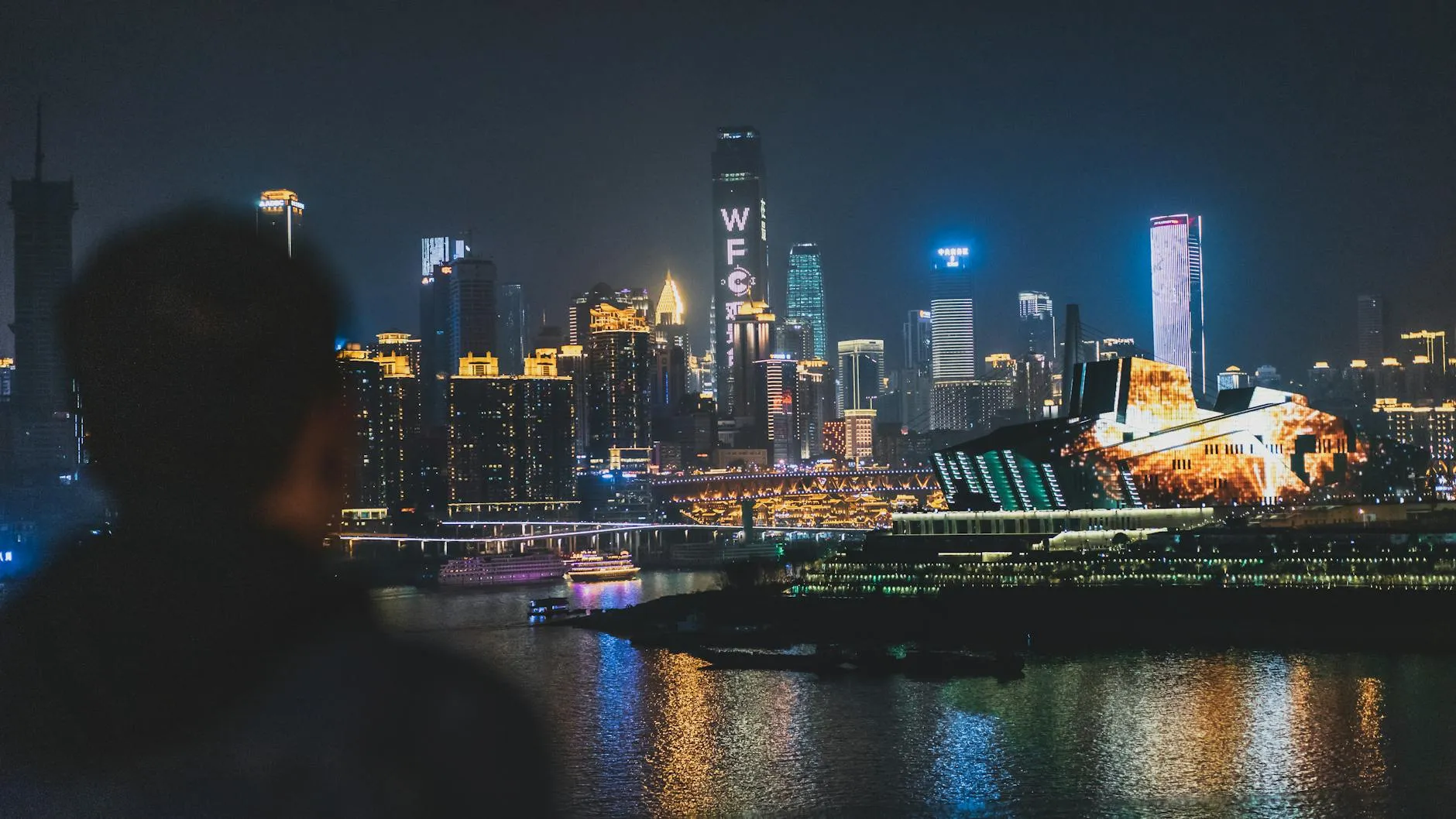
CKG is the gateway to Chongqing — China’s largest municipality by registered population (~32 million across the wider administrative area) and the famously vertical “mountain city” of cliff-clinging stilt houses, suspension bridges, and Yangtze + Jialing river junctions. Over 40 million passengers annually (44M+ in 2023), 24 km from downtown. Terminal 3 is the airport’s main hub — T3A handles international + HK/Macau/Taiwan flights, and the T3B satellite entered service April 2025; confirm your terminal on your boarding pass. The airport is a major aviation hub for western China — China Southern (via its subsidiary Chongqing Airlines), Hainan Airlines, Sichuan Airlines, China Express, West Air all use CKG as a base. 240-Hour TWOV applies at CKG for 54 eligible nationalities. Metro Line 10 connects to downtown for ¥2-5 in 40-60 minutes. Currency: CNY; ¥1 ≈ €0.13 ≈ $0.14 (May 2026). Alipay/WeChat Pay universal. Chongqing is the home of the bubbling málà hotpot tradition.
📍 24 km N of Jiefangbei (downtown)
🚇 Metro Line 10 · ¥2-5
🛂 240-hour TWOV · 54 nationalities
⚡ 2026 Quick Reference — Key Facts at a Glance
¥2-5 (~€0.30-0.65) · 40-60 min to Jiefangbei (via Hongtudi + Line 6) · runs 06:30-23:00 · every 10 min · stops at T2 + T3
~¥15-25 direct to Jiefangbei (Liberation Monument), the city centre · 50-70 min · slower than metro but more direct
~¥80-120 (~€10-16) · 30-40 min depending on traffic
~¥70-110 · 30-45 min · the universal Chinese rideshare app · English UI on the DiDi global app
10 days visa-free transit for 54 nationalitiesneed onward 3rd-country ticket + China Digital Arrival Card QR (s.nia.gov.cn)
4 VIP lounges + business/first class lounges in T2 + T3Air China + China Eastern + Sichuan Airlines + Cathay first/business lounges
Entered service April 2025expanded capacity at CKG · Terminal 3 (A + B) is the main operating terminal; confirm your terminal on your boarding pass
Chinese yuan (¥/CNY) · ¥1 ≈ €0.13 ≈ $0.14 (May 2026) · Alipay/WeChat Pay universalforeign cards work at airport duty-free + intl hotels only
🏢 1. T3A + T3B Satellite & the Western China Hub
CKG operates three terminal buildings (T1, T2, T3) and one satellite (T3B). As of 2026, Terminal 3 is the main operating terminal — T3A handles the airport’s international and Hong Kong/Macau/Taiwan flights, with the new T3B satellite that entered service in April 2025 expanding overall airport capacity. T3A is the main terminal handling all international, Hong Kong/Macau/Taiwan flights, plus 27 domestic carriers (Air China, China Southern, China Eastern, Shenzhen Airlines, Hainan Airlines, Sichuan Airlines and others). T3A alone has a passenger capacity of 45 million. The airport is the major western China aviation hub, with China Southern operating its subsidiary Chongqing Airlines as the dominant local-market carrier.
🛫 Terminal 3A — All Current Operations
T3A is the main terminal handling all international + HK/Macau/Taiwan + 27 domestic carriers. Designed for 45 million annual passengers; combined with the T3B satellite, CKG is targeting major capacity expansion through the late 2020s.
Lounges: 14 lounges in total across the airport including Cathay Pacific (CKG AA Lounge), Air China business + first class lounges, China Eastern, Sichuan Airlines, plus the Plaza Premium Lounge.
📍 T3B Satellite (Opened April 2025)
T3B satellite entered service in April 2025 — connected to T3A by an airside automated people-mover. The satellite adds gate capacity for the airport’s continued growth.
Terminal assignments: confirm your terminal via your boarding pass before arrival.
Operating airlines at CKG (May 2026)
- Chongqing Airlines (China Southern subsidiary) — the dominant local-market carrier, CKG-based. Domestic + selected international.
- China Southern Airlines — major operator across domestic + selected international.
- Air China — Beijing hub-and-spoke + selected international (Frankfurt, Singapore, etc.).
- China Eastern Airlines — domestic + selected long-haul.
- Hainan Airlines — domestic + selected Pacific.
- Sichuan Airlines — regional + selected international.
- China Express, West Air, Lucky Air, Spring Airlines, Juneyao Airlines — Chinese domestic LCC and regional operators.
- Cathay Pacific / HK Express — Hong Kong (HKG) connection.
- Singapore Airlines / Scoot — Singapore.
- Korean Air, Asiana — Seoul (ICN).
- ANA, JAL — Tokyo.
- Qatar Airways, Emirates — Middle East gateway.
- Lufthansa, Finnair, KLM — selected European long-haul (verify current schedule).
🛂 2. 240-Hour TWOV, China Visa Reality & Digital Arrival Card
Currency: Chinese yuan (CNY / ¥); ¥1 ≈ €0.13 ≈ $0.14 (May 2026). The practical payment issue at CKG: Alipay and WeChat Pay are the universal Chinese payment apps — Visa/Mastercard work less reliably than at any other major Asian airport.
240-Hour TWOV — 10 Days Visa-Free
54 eligible nationalities can transit China visa-free for up to 240 hours / 10 days. Includes US, Canada, UK, Ireland, all EU member states, Russia, Brazil, Argentina, Chile, Mexico, Switzerland, Norway, Iceland, Monaco, Belarus, Australia (added late 2024). Chongqing is fully covered for TWOV.
China Digital Arrival Card (QR)
Apply for the China Digital Arrival Card at s.nia.gov.cn — needed for TWOV eligibility, generates a QR code presented at the border. Apply 3-30 days before travel. Also need a confirmed onward ticket to a third country within 240 hours.
Geographic Restrictions
240-hour TWOV does NOT cover: Xinjiang, Tibet, Inner Mongolia, Ningxia, Qinghai, Gansu, Jilin. Chongqing municipality is covered. Travel beyond covered provinces requires a regular Chinese visa.
Who needs what to enter China via CKG
| Passport | Visa needed? | 240-hour TWOV? | Entry process |
|---|---|---|---|
| US, Canada, UK, Ireland, EU member states, Russia, Brazil, Argentina, Chile, Mexico, Switzerland, Norway, Iceland, Australia (added late 2024) | No (TWOV) — if onward ticket to 3rd country in 10 days | Yes — 240 hours / 10 days | Digital Arrival Card QR + onward ticket · TWOV stamp at border |
| NZ, Japan, South Korea, Singapore, Israel, UAE | No (verify current Chinese policy — separate visa-exemption agreements) | Often covered by bilateral arrangements | Bilateral visa-free entry |
| India, Indonesia, Philippines, Egypt, South Africa, most African and South Asian nationals | Yes — Chinese visa | No | Apply at Chinese embassy in advance · standard L/M/F visa |
| Iranian, Syrian, North Korean, restricted nationalities | Yes — additional vetting | No | Apply in advance · longer processing |
Chongqing is one of the more under-visited Chinese TWOV destinations — fly through CKG for 5-9 days en route to Tokyo, Seoul or Bangkok, see the cyberpunk-photogenic Hongyadong stilt-house complex, take the Yangtze Two Rivers Night Cruise, eat at the city’s famous málà hotpot restaurants, then continue. The municipality covers a Yangtze-and-mountains landscape genuinely distinct from any other Chinese city.
🚇 3. Metro Line 10, K01 Airport Express, DiDi & Taxi
CKG sits 24 km north of central Chongqing (Jiefangbei district). Metro Line 10 (the dedicated CKG airport line) stops at both T2 and T3 stations and runs to downtown. The K01 Airport Express bus runs direct to Jiefangbei. DiDi and metered taxis are the door-to-door options. The 24-km airport-to-city distance is significantly less than TFU Chengdu’s 50 km — CKG is a more layover-friendly Chinese hub for short downtown visits.
⭐ Metro Line 10 — the Default
- Fare: ¥2-5 (~€0.30-0.65) zone-based — Alipay/WeChat Pay QR at the metro turnstile, or single-ride ticket from machines.
- Operating: 06:30-23:00 daily.
- Frequency: ~every 10 minutes.
- Stations: stops at both T2 and T3 stations at CKG.
- To Jiefangbei (downtown): Metro Line 10 → Hongtudi (transfer station), then Line 6 → Xiaoshizi (~7-min walk to Jiefangbei Square). Total ~40-60 min.
- Note: Chongqing Metro is famously mountainous — Line 10 runs largely underground but Line 2 is the city’s iconic above-ground monorail-style line, including the viral “Line 2 through the apartment building” station at Liziba.
🚌 K01 Airport Express Bus
- Fare: ~¥15-25 — pay on board with Alipay/WeChat Pay or cash.
- Terminus: Jiefangbei (Liberation Monument) — the city centre, with stops at various major hotels along the way.
- Journey: 50-70 minutes depending on traffic.
- Useful if: your hotel is near a K01 stop or you want a single-seat ride direct to the city centre without metro transfers. The metro is faster.
📱 DiDi — Chinese Rideshare
- Fare: ~¥70-110 to Jiefangbei downtown, 30-45 min depending on traffic.
- Uber pulled out of China in 2016 — DiDi Chuxing is the universal rideshare app.
- English-language interface available; payment via Alipay, WeChat Pay, or international cards on DiDi’s global app.
- Pickup zones at designated rideshare areas — verify the exact zone in the app.
🚕 Taxi — Use the Metered Queue
- Fare: ~¥80-120 to Jiefangbei downtown, 30-40 min.
- Use the official taxi queue outside arrivals. Always ask for a fapiao (printed receipt with taxi number) in case you leave something in the car.
- Avoid touts in the terminal hall quoting ¥250+. The metered version is the right answer.
🛋️ 4. Cathay Pacific + Air China + Chongqing Airlines Lounges
CKG has 14 lounges total including 4 main VIP lounges. The lounge map is dominated by carrier-operated spaces — Cathay Pacific (the CKG AA Lounge), Air China business + first class lounges, China Eastern, Sichuan Airlines, plus Plaza Premium Lounge access. Priority Pass coverage at CKG is broader than at TFU thanks to Plaza Premium’s presence. No Centurion Lounge, no Capital One Lounge, no Chase Sapphire Lounge at CKG — these US card-network flagship lounges have limited Chinese presence outside Shanghai and Beijing.
🛋️ Cathay Pacific CKG AA Lounge
Location: Terminal 3A.
Access: Cathay Pacific premium-cabin (Business/First) passengers, oneworld Emerald/Sapphire on Cathay or partner same-day international travel, Marco Polo Club Diamond/Gold/Silver.
The standout option for oneworld international travellers at CKG — Cathay’s design + hot food + bar is consistently rated among the better Chinese carrier lounges.
🛋️ Air China Lounge (Star Alliance)
Location: Terminal 3A.
Access: Air China business + first class passengers, Phoenix Miles Platinum/Gold, Star Alliance Gold on Star Alliance international travel.
🛋️ Chongqing Airlines + China Southern Lounges
Location: Terminal 3 (carrier-specific).
Access: Chongqing Airlines / China Southern business + first class, Sky Pearl Club elite tiers, SkyTeam Elite Plus.
🛋️ Plaza Premium Lounge + China Eastern + Sichuan Airlines
Plaza Premium Lounge at CKG offers Priority Pass + walk-in day pass access. China Eastern + Sichuan Airlines carrier lounges serve their respective premium-cabin passengers.
⚠️ No Centurion / Capital One / Chase Sapphire
None of the major US card-network flagship lounges operate at CKG. Amex Platinum holders use Plaza Premium via Priority Pass; Capital One Venture X and Chase Sapphire Reserve holders the same.
🌶️ 5. Chongqing Food: Mala Hotpot, Xiaomian, Maoxuewang, Chongqing Chicken
Chongqing’s food culture is the bold, peppery, intensely-spiced southwestern Chinese tradition — distinct from neighbouring Sichuan in degree of heat and method. Where Sichuan favours the layered málà complexity, Chongqing food goes harder on raw chili intensity. The defining dishes: Chongqing hotpot (the bubbling red beef-tallow cauldron that the city claims as its own invention, distinct from Chengdu-style), xiaomian (the local “small noodles” — the city’s morning street-food staple), maoxuewang (the duck-blood + tripe stew), and spicy chicken (laziji). CKG’s airside food is functional with credible hotpot and noodle concepts; the proper version is at downtown Chongqing’s countless street-side eateries. Tenant lineup varies, verify at the airport directory.
Chongqing hotpot (重庆火锅) is the defining city dish — a bubbling cauldron of beef tallow + dried chilis + Sichuan peppercorns + fermented bean paste, into which diners dunk sliced duck blood, beef tripe (黄喉, huánghóu), thinly-sliced beef, wide-rice noodles, lotus root, mushrooms, tofu, vegetables. The Chongqing version is hotter and more directly chili-forward than the Chengdu version. Pre-COVID Chongqing had an estimated 30,000+ hotpot restaurants. Liuyishou (the international chain that started in Chongqing), Xiabu Xiabu, Dezhuang (the 100-year-old institution) are credible names. ¥150-300 per person.
Chongqing xiaomian (重庆小面, “small noodles”) is the city’s defining breakfast street food — thin wheat noodles in a chili-oil + Sichuan-peppercorn + sesame-paste + scallion + preserved-vegetable + soybean broth, often topped with stewed pork mince or pickled green beans. ¥8-18 per bowl at any street-side noodle shop (the city has tens of thousands). Mishi Xiaomian (the modernised chain) and the named neighbourhood institutions are credible.
Maoxuewang (毛血旺, “thick blood red”) is the Chongqing-Sichuan border classic — duck blood, beef tripe, luncheon meat, vermicelli, mushrooms, slow-cooked in a chili broth with Sichuan peppercorns and tofu skin. The texture-and-flavour-bomb dish that defines Chongqing’s love of offal. ¥40-80 per dish. Available at most Chongqing-cuisine restaurants and the hotpot houses as a side.
Laziji (辣子鸡, “chili chicken”) — small chunks of bone-in chicken deep-fried then stir-fried with a mountain of dried chilis + Sichuan peppercorns. The dish is famously a pile of chilis with chicken hidden inside — you hunt for the chicken pieces. ¥45-80 per plate. Geleshan (the Chongqing district that claims the original recipe) gives the dish its proper name; restaurants across the city serve credible versions.
Duty-Free & Souvenir Reality at CKG
🌶️ Hotpot Spice Paste Kits
¥30-100. Liuyishou / Dezhuang / Haidilao hotpot bases — vacuum-packed Sichuan chili-and-beef-tallow concentrate that recreates the Chongqing hotpot experience in your home kitchen. Available at every CKG airside food shop. The Chongqing-home souvenir.
🥃 Chongqing Local Liquor
¥80-500. Chongqing brews include local baijiu and rice wine. Wuliangye (the Sichuan-distilled “Five Grains” liquor) is also widely available at CKG duty-free.
🍵 Sichuan + Chongqing Tea
¥80-300. Mengding Ganlu green tea, jasmine-scented green, chrysanthemum tea — same selection as TFU. The Sichuan basin tea tradition is the regional heritage.
📷 Cyberpunk Chongqing Prints
¥30-100. Chongqing has become a viral travel destination for its “cyberpunk” night-time look — Hongyadong illuminated, the Line 2 monorail-through-building Liziba station, the Yangtze night skyline. Branded photo prints + postcards at the airside gift shops.
💡 6. Insider: Hongyadong, Ciqikou, Jiefangbei, Two Rivers Night Cruise
Hongyadong (洪崖洞) is the cliff-clinging stilt-house complex that has become Chongqing’s defining cyberpunk image — 11 storeys built into the Jialing River cliffs, illuminated at night with red lanterns + LED accents, the photogenic Chongqing-on-Instagram destination. The structure dates back over 2,300 years as a stilt-village trading post; the current rebuilt complex (2006) houses tea houses, restaurants, hotpot venues, craft shops, and the Hongyadong Wharf for boat departures. Free entry; individual restaurant/shop charges. From CKG: Metro Line 10 + Line 6 to Xiaoshizi + 10-min walk, ~50-70 min total. Or DiDi direct ~¥80, ~35 min. The standout 4-5 hour CKG layover move — best visited at dusk when the night lighting comes on.
The Two Rivers Night Cruise (两江夜游) is the 60-90 min boat trip along the Yangtze and Jialing rivers at night, showcasing Chongqing’s illuminated cyberpunk skyline — Hongyadong glow, the Chaotianmen Pier (where the two rivers meet), the city’s many cable-stayed bridges, the cliff-top high-rises. 16-20 km route, ~¥100-200 per person depending on operator. Boats depart Chaotianmen Pier daily from sunset. From CKG: DiDi to Chaotianmen + 90 min on the boat = ~3 hours total + airport buffer. Realistic for a 5-6 hour layover.
Ciqikou Ancient Town (磁器口古镇), in southwest Chongqing, was historically the city’s main porcelain shipping port — the streets retain Ming and Qing-era architecture with traditional shops, tea houses, snack vendors. 12 main streets; the most-photographed Chongqing historic quarter. 33 km from CKG, ~40 min by taxi (~¥100-130); or Metro Line 1 + bus connector ~75 min. Fits a 4-hour layover with a quick visit. Free entry; individual shop charges.
Jiefangbei (解放碑, People’s Liberation Monument) is the central commercial district landmark — a 1947 monument commemorating the WWII Allied victory, surrounded by the modern Jiefangbei CBD’s malls + restaurants + offices. From CKG: Metro Line 10 + Line 6 to Xiaoshizi, ~40-60 min, ¥5-7. The Three Gorges Museum (重庆中国三峡博物馆) on the Yangtze tells the story of the Three Gorges Dam region. Both fit a 4-hour layover comfortably.
Chongqing is the starting point for the classic Three Gorges Cruise to Yichang — 648 km along the Yangtze River through the iconic Three Gorges (Qutang, Wu, Xiling) and past the Three Gorges Dam. 3-5 days minimum on the cruise, plus the days to start/finish. Absolutely NOT a layover destination — this is a primary-destination commitment. If you have a TWOV stopover of 5-7 days, the Chongqing → Yichang cruise + flight return is a credible plan.
For early flights: airport-adjacent options near CKG include various 3-4 star Chinese-chain hotels (¥300-600); the Hyatt Regency Chongqing Maolai New World is the upscale option in the airport corridor. For a real Chongqing stay: the upscale options in Jiefangbei (the JW Marriott Chongqing, the Niccolo Chongqing, the InterContinental Chongqing Raffles City — the latter on the spectacular Raffles City Crystal complex by Moshe Safdie), or boutique options near Hongyadong. ~50-70 min back to CKG via Metro Line 10 or DiDi.
🔧 Practical Notes — Connectivity, Currency, Border
Chinese yuan (CNY / ¥). ¥1 ≈ €0.13 ≈ $0.14 (May 2026). Alipay and WeChat Pay are the universal payment methods in China — set up an account in-app before travel, link an international card (Visa/Mastercard now work on both for tourists since 2024), or load via cash. Foreign Visa/Mastercard credit cards work at the airport duty-free, international hotels and Starbucks, but not at most local restaurants, street stalls, taxis, or convenience stores. ATMs at CKG dispense CNY.
Chinese networks — China Mobile, China Unicom, China Telecom. Local prepaid SIM ~¥80-150 with passport at the airport kiosk. The Great Firewall blocks Google, Gmail, WhatsApp, Instagram, Facebook, X/Twitter, YouTube, the New York Times, BBC News, and most western services — you’ll need a VPN configured BEFORE arrival.
4-5 hour layover: Hongyadong at dusk for the cyberpunk-photogenic stilt-house complex — Metro Line 10 + Line 6 to Xiaoshizi + walk, ~50-70 min each way + 90-120 min on-site. 5-6 hour layover: add Two Rivers Night Cruise from Chaotianmen Pier. 4-hour layover: Jiefangbei (Liberation Monument) commercial district + a hotpot lunch. Under 3 hours: stay airside in T3 with Plaza Premium Lounge or Cathay AA Lounge access. Three Gorges Cruise is NOT a layover — primary destination.
❓ Frequently Asked Questions
📊 2026 Summary Data Table
🌍 Planning the trip? Read our China travel guide — best time to go, where to stay, and how to get around.