Porto Alegre Airport (POA) — Airport Guide 2026
Quick Reference
Salgado Filho International Airport
POA / SBPA
Porto Alegre, Rio Grande do Sul, Brazil
About 6–8 km north of the centre; metro station at the airport
Modern terminal; runway rebuilt and extended to 3,200 m after the 2024 floods
LATAM, GOL and Azul; domestic-heavy with reviving international routes
Brazil — no EES/ETIAS; e-visa now required for US/Canada/Australia
Brazilian real (BRL)
Trensurb metro ~R$4.55 (~10 min); bus ~R$4.80; official taxi; apps
Lounge facilities present — confirm current access after the rebuild
🛫 1. What Porto Alegre Airport is
Salgado Filho is the airport for Porto Alegre, the capital of Rio Grande do Sul and the main hub of Brazil’s deep south, and its recent history is impossible to skip: in May 2024 the catastrophic floods that hit the state put the airport underwater and closed it completely. It stayed shut for around 170 days — commercial flights ran from a nearby air force base in the meantime — and reopened to domestic traffic in late October 2024 after a R$300 million reconstruction. That is the story that defines the airport right now.
The good news for a 2026 traveller is that the airport has come back. The main runway was not just repaired but rebuilt and extended to 3,200 metres, the terminal is working again, and international flights have returned and grown through 2025, with routes to Santiago, Lima and other South American and European cities resuming. So while the flood is the defining recent event, the practical situation is an airport that is operational and recovered, not one still in crisis.
What that means in practice is mostly reassurance, with a couple of lingering details. The airport functions normally, but some connected infrastructure was slower to recover than the runway — most notably the Aeromóvel people-mover to the metro station — so check the current state of the transfer options when you travel rather than assuming everything is exactly as the old guides describe. The core flying operation, though, is back to full strength.
So treat Porto Alegre as a fully working regional hub with a hard recent chapter behind it. It connects the gaúcho south to the rest of Brazil and increasingly to its neighbours, and the city it serves has a character quite unlike the tropical Brazil most visitors picture.
For booking, the realistic pattern is the same as elsewhere in the Brazilian south: international visitors usually fly into São Paulo and pick up a frequent domestic hop down to Porto Alegre on LATAM, GOL or Azul, while the direct international routes — strongest to neighbouring South American capitals — have rebuilt since the reopening. Internal Brazilian fares reward booking ahead, so lock the southbound connection early rather than buying it last-minute alongside the long-haul leg.
🛂 2. The border: Brazil, and the new e-visa
Brazil sits in no European system, so there is no EES or ETIAS here, and the currency is the Brazilian real — but there is a recent visa change that catches many travellers out.
Since 10 April 2025, citizens of the United States, Canada and Australia need an e-visa to enter Brazil, after years of visa-free access. It is applied for online before you travel, costs around US$80.90, and is usually approved within a few days, but you cannot get it on arrival — it must be in hand before you fly. British, Irish and most EU nationals remain visa-free for stays of up to 90 days, so the change targets North American and Australian visitors specifically. Check your nationality’s rule before booking.
The allowance for visa-free and visa holders alike is up to 90 days, capped at 180 days in any twelve months. Cards and contactless are very widely accepted across Brazil, including in Porto Alegre, so you can run most of a trip on a card, with a little cash useful for the metro, the bus and small purchases.
One thing the gaúcho south does not require is the tropical packing list. Rio Grande do Sul is subtropical with a genuine four-season climate, and winters from June to August are properly cold and grey by Brazilian standards, with frost in the hills and the occasional rare snow in the Serra. Pack for it accordingly — this is the part of Brazil where you may want a coat, and the Serra Gaúcha leans into that with its alpine, wintry tourism.
🚆 3. Getting into Porto Alegre — the metro, with a flood caveat
The airport is close to the city, about 6–8 km north of the centre, and unusually for Brazil it has its own metro station — but the 2024 floods left a wrinkle worth knowing.
Porto Alegre’s Trensurb metro line has an Aeroporto station, and the ride to the central Mercado station takes about 10 minutes for around R$4.55, which is by far the cheapest and quickest way in. The catch is the last link: the Aeromóvel, the short elevated shuttle that used to connect the terminal directly to the metro platform, was damaged in the floods and has been out of service, with a return planned for 2026 — so until it is running again, reaching the station means a walk of roughly ten minutes from the terminal. Check whether it is back before you rely on a seamless connection.
The alternatives are straightforward. City buses (lines such as 7052 and 7053) run to the historic centre in about 30 minutes for around R$4.80, and the official airport taxis — the white Cootaero cars from the rank — are the comfortable door-to-door option, with ride-hailing apps working well across the city too. For a first arrival with luggage, a taxi or an app is the low-stress pick; for a light traveller heading to the centre, the metro is hard to beat on price even with the walk.
That metro line is also genuinely useful beyond the airport run: the Trensurb is the spine of the city’s commuter transit, running north along the lakeshore through Canoas and the suburbs, so if you are staying out of the centre it can save you a fare-heavy taxi. It is a single line rather than a network, though, so for most city sightseeing you will still lean on buses, apps or your feet.
🛬 4. The terminal and the lounge
The terminal is a modern building, back in full use after the reconstruction, and it works as a normal mid-to-large Brazilian airport — busy at the domestic peaks, with the usual cafés, shops and a food court, and quick enough to move through outside the rush. For a domestic flight the standard hour or two is comfortable; for an international departure, give yourself longer.
The food is worth approaching the Brazilian way — a café com leite and a pão de queijo, the cheese bread, beat the international chains, and this being the gaúcho south, you are never far from good beef and a strong coffee in the city itself.
The flow is the ordinary Brazilian-hub kind, busiest around the morning and evening domestic banks when the São Paulo and Brasília flights cluster. Boarding on the domestic side can be a bus to the aircraft rather than a jet bridge at busy moments, adding a few minutes; nothing about it is stressful, and the rebuilt terminal is back to operating like any major airport, so follow the screens and give yourself the usual buffer.
On lounges, the airport has lounge facilities as a hub of this size would, but because the terminal went through a major flood reconstruction, the exact line-up and access terms are worth confirming for your travel date rather than taking from an older guide. If you hold Priority Pass or a card-linked benefit, check what it currently covers here before you count on it.
🌅 5. The reason to come: the gaúcho south
Porto Alegre and its state feel different from the rest of Brazil, and that difference is the real interest. Rio Grande do Sul is gaúcho country — the land of the southern cowboys, the cattle pampas and a culture closer in some ways to Argentina and Uruguay than to Rio. Two things you will meet everywhere: the churrasco, the open-fire barbecue that gave the world the Brazilian steakhouse, and chimarrão, the shared gourd of bitter mate tea that locals carry and pass around through the day. Eating beef and watching people sip mate is the quickest way to understand the place.
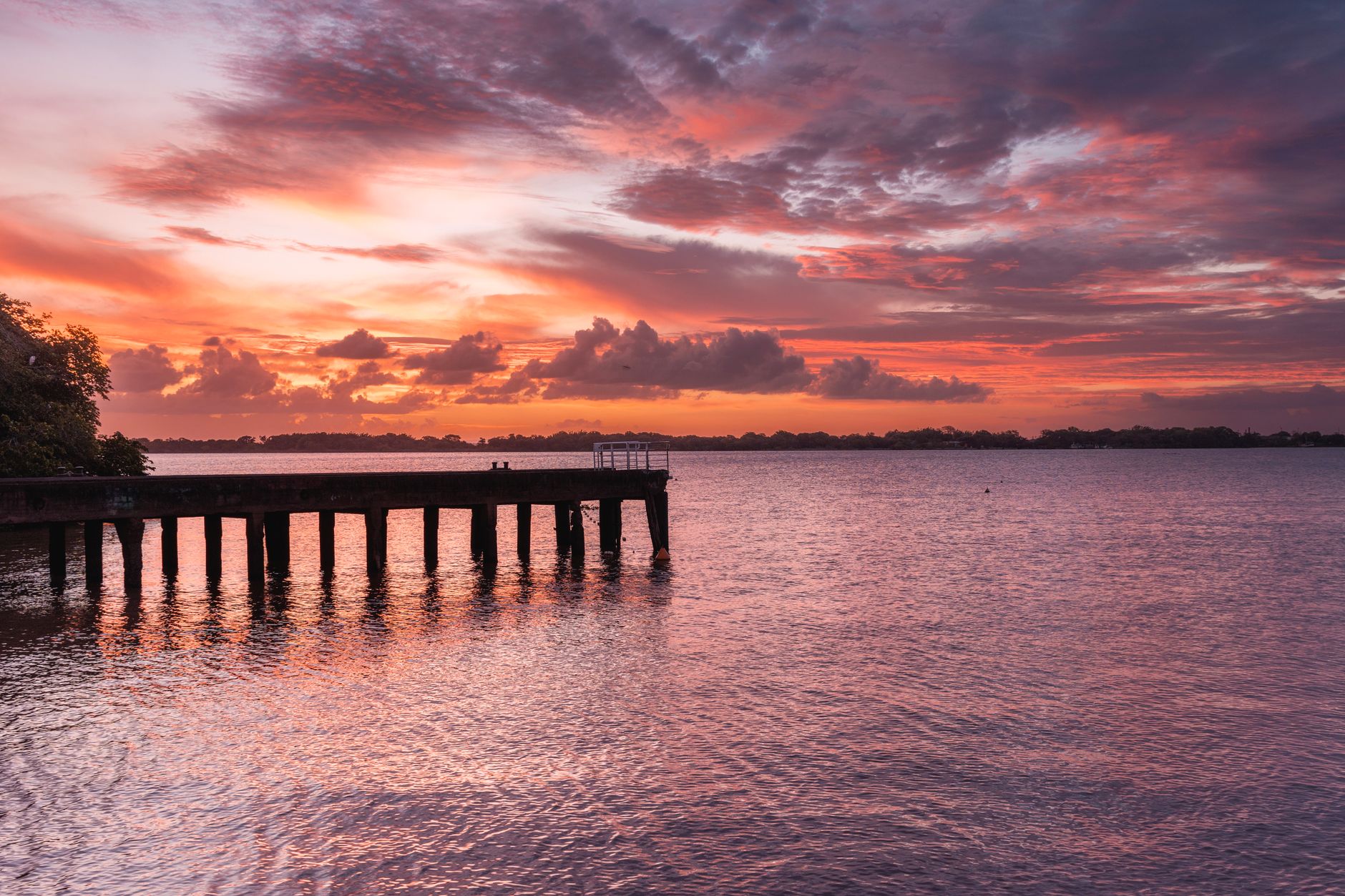
The city itself sits on the Guaíba, a broad body of water that behaves like a lake, and its famous evening ritual is the pôr-do-sol, the sunset over the water that draws crowds to the waterfront. The Mercado Público is the historic heart for food and bustle, and the Fundação Iberê Camargo, an Álvaro Siza-designed art museum on the shore, is the architectural standout.
The 2024 floods are part of the city’s present character, and worth acknowledging honestly rather than glossing over: large areas were inundated, the recovery has been long, and Porto Alegre is visibly a place getting back on its feet rather than a polished tourist set. That is not a reason to stay away — visitor spending helps, the core sights and the gaúcho food culture are very much open — but go with the awareness that this is a city still rebuilding, and check locally if you plan to be near the lower-lying riverside areas.
The bigger draw for many is up in the hills behind the city: the Serra Gaúcha. Gramado and Canela are alpine-styled mountain towns settled by German and Italian immigrants, famous for their winter Christmas-light festival and a chocolate-and-fondue tourism that is very popular with Brazilians; nearby, the Vale dos Vinhedos around Bento Gonçalves is the country’s main wine region, with Italian-rooted wineries you can tour. It is a couple of hours from Porto Alegre by road and a genuine reason to make the city a base rather than just a stop.
The wine is reason enough for some to come. The Vale dos Vinhedos, settled by Italian immigrants in the late 19th century, is Brazil’s most established wine region, strong on sparkling wine in particular, and its valley of family wineries above Bento Gonçalves can be toured in a day or two from the city — a slower, greener counterpoint to the Christmas-light bustle of nearby Gramado. For a country better known for caipirinhas than vineyards, it is a genuinely unexpected stretch of cellar doors and Italian-rooted cooking.
There is no separate aifly Porto Alegre guide, so this is the orientation: the Mercado and the Guaíba sunset in the city, a proper churrasco for the food, and the Serra Gaúcha — Gramado and the wine valley — if you have a few days. What is worth carrying home is gaúcho: a cuia and bombilla for drinking mate, a bottle from the Vale dos Vinhedos, or the regional leather goods, bought in the city rather than the airport.
❓ 6. FAQ
📋 7. At a glance
| Item | Detail |
|---|---|
| Airport | Salgado Filho (POA / SBPA), ~6–8 km north of central Porto Alegre |
| Terminal | Modern terminal; runway rebuilt and extended to 3,200 m after the 2024 floods |
| Status | Fully reopened after a ~170-day flood closure (domestic from Oct 2024) |
| Carriers | LATAM, GOL, Azul; dense domestic network, reviving international routes |
| To the city | Trensurb metro ~R$4.55 (~10 min); bus 7052/7053 ~R$4.80; official taxi; apps |
| Metro caveat | The Aeromóvel terminal-to-station shuttle is out until 2026 — a ~10-min walk for now |
| Border | Brazil — no EES/ETIAS; e-visa for US/Canada/Australia since 10 April 2025 |
| Currency | Brazilian real (BRL); cards widely accepted |
| Lounge | Lounge facilities present — confirm current access after the rebuild |
| Worth your time | A churrasco and the Guaíba sunset, the Mercado Público, and the Serra Gaúcha (Gramado, wine country) |
🔗 8. Explore More
- Curitiba Airport (CWB) guide — the next big southern Brazilian hub up the coast, and a common domestic connection
- Rio de Janeiro Airport (GIG) guide — the major Brazilian gateway and a frequent connection for international journeys
- Campinas–Viracopos Airport (VCP) guide — the São Paulo–area hub linking the south to the rest of Brazil