Medellin, Colombia — City Guide 2026
The Complete City Guide 2026
Medellín Guide 2026
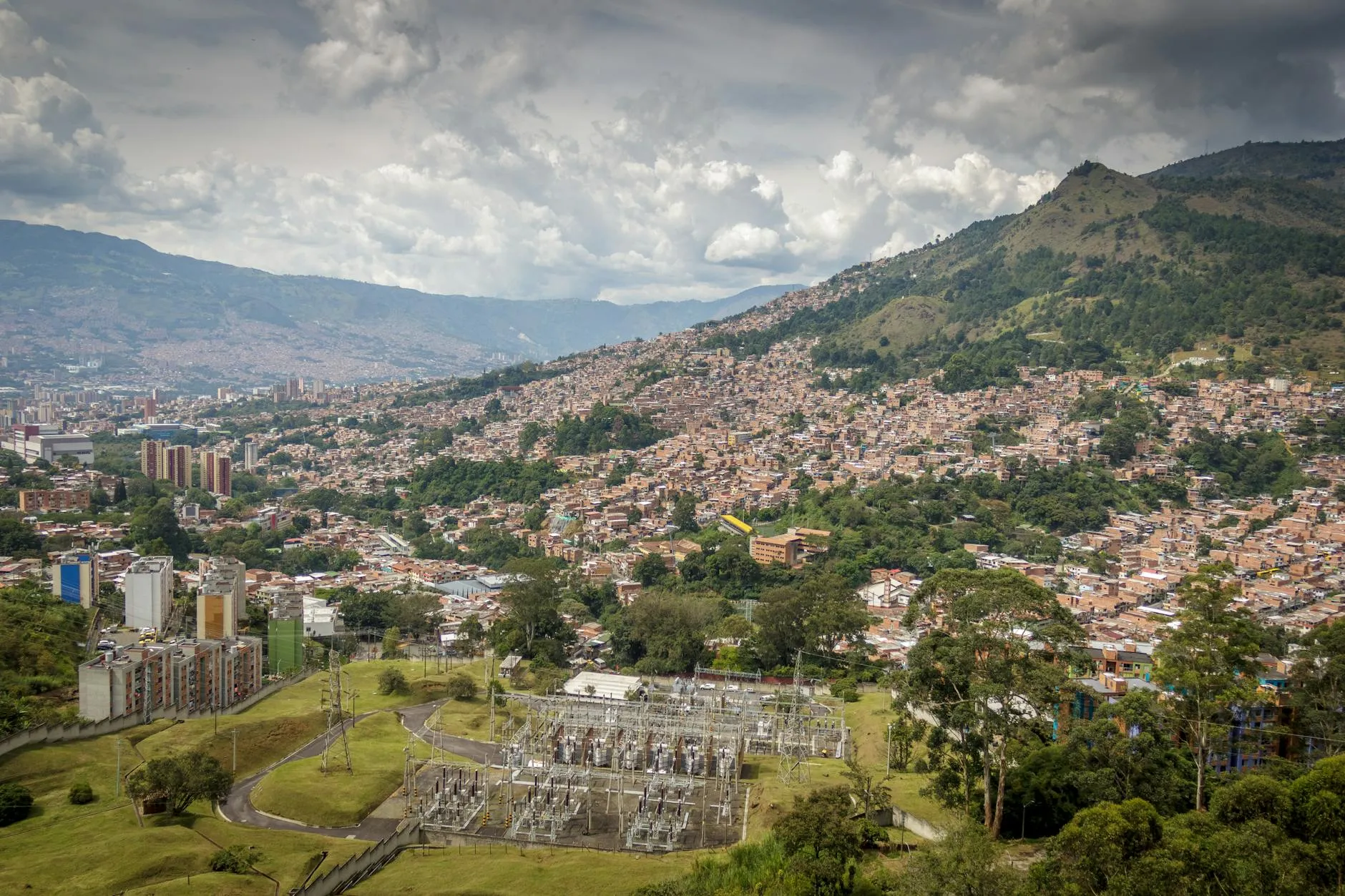
The city they once called the most dangerous on earth is now one of Latin America’s most innovative. At 1,495 metres in the Aburrá Valley, Medellín sits in eternal spring — 22°C year-round, flowers everywhere, and a creative energy that turned escalators into art and cable cars into public transport.
COP 80,000–930,000+/day (Budget to Luxury)
22°C year-round
No visa (90 days) / COP $
Editor’s Note: Tourist Medellin vs Real Medellin
Tourist Medellin is Comuna 13’s street art, the cable car, and maybe a day trip to Guatapé. Real Medellin is understanding that this city’s transformation from “world’s murder capital” to “city of eternal spring” is both genuine and complicated.
The transformation is real: innovative public transit, stunning public libraries in former slums, a creative economy that attracts remote workers from around the world. Medellin has earned its accolades for urban reinvention.
But the complications are also real: narco-tourism is a growing problem (don’t do the Pablo Escobar tours), gentrification is displacing longtime residents in places like El Poblado, and the “gringo prices” phenomenon means locals increasingly can’t afford their own neighborhoods. Being a thoughtful visitor means engaging with this complexity.
Photography Guide — Essential Medellín Shots
Seven shots that justify the camera weight in a city designed for the lens.
- Comuna 13 Murals (Morning): Tuesday–Thursday before 10am for fewer crowds. The escalator approach with murals on both sides. Ask before photographing residents — this is a working neighbourhood, not a backdrop.
- Metrocable Line K over the Comunas: From inside the cable car looking down at the hillside neighbourhoods. The contrast of coloured rooftops against green mountains. Window glare is minimal — just lean in.
- Plaza Botero Sculptures (Early morning): The 23 bronze Boteros with the Art Deco Museo de Antioquia behind. Before 9am for an empty plaza. Overcast days actually photograph the bronze better than direct sun.
- Guatapé from El Peñol summit: The reservoir with its fingers of water snaking between green hills. After the 740-step climb. Wide angle essential. Best on clear mornings — afternoons usually cloud over.
- Jardín Botánico Orquideorama (Midday): The modernist wooden canopy structure photographed from below. Geometric pattern against sky. Works in any weather, including rain.
- Parque Arví from Metrocable (Afternoon): The cloud-forest canopy below as you ascend Line L. The valley behind you, the mountains ahead.
- Feria de las Flores Silleteros (August): If visiting during Feria — the flower-laden backs of the silleteros parading down Carrera 65. Arrive early on parade day for position.
Top Attractions
| Attraction | Price (COP) | Why Visit |
|---|---|---|
| Comuna 13 | Free (tours from 80,000) | Outdoor escalators, world-class graffiti, transformation story |
| Plaza Botero | Free | 23 monumental Botero sculptures in the open air |
| Museo de Antioquia | 30,000 foreigners | Botero’s donated collection, pre-Columbian art, housed in Art Deco palace |
| Parque Arví | Free (Metrocable L surcharge ~7,200) | 1,761-hectare nature reserve above the city via cable car |
| Jardín Botánico | Free | 14 hectares, orchid collection, Orquideorama canopy structure |
| Pueblito Paisa | Free | Replica traditional Antioquian village atop Cerro Nutibara |
| El Castillo Museo | 35,000 foreigners | Gothic-style castle with French gardens, art collection |
| Parque Explora | 67,950 foreigners | Interactive science museum with planetarium and aquarium |
| MAMM | 18,000 | Modern art in converted steel mill, Ciudad del Río |
| Catedral Metropolitana | Free | South America’s largest adobe structure, 1.12M bricks |
| Parque de los Pies Descalzos | Free | Barefoot park — sand, bamboo, water features by EPM |
| Cementerio Museo San Pedro | Free | Sculptures, mausoleums, history tours in open-air cemetery |
Comuna 13 — From No-Go Zone to Open-Air Gallery
In the early 2000s, Comuna 13 was the most dangerous neighbourhood in Medellín’s most dangerous era. Today it’s the city’s most-visited attraction — a steep hillside covered in murals, street art, and the famous outdoor escalators that replaced what used to be a 35-minute stair climb. The escalators were installed in 2011 as part of Medellín’s social urbanism programme, and they changed everything.
You can walk Comuna 13 independently — the escalators are free and operate daily from roughly 6 AM to 8 PM. But a guided tour adds layers of history that murals alone can’t tell. Local guides from the community (many grew up here during the conflict) run tours for COP 80,000–120,000 per person, typically lasting 3–4 hours. Free tip-based walking tours are also available (suggested tip COP 40,000–80,000). The most popular companies are Zippy Walk, Real City Tours, and Beyond Colombia. Go in the morning for fewer crowds and better light.
The escalators in detail: Six outdoor escalators cover 384 metres of hillside — a 35-minute climb replaced by a 6-minute ride when they opened in 2011. Hip-hop dancers and street performers work the route daily near the escalators; if you enjoy their show, a tip of COP 10,000–20,000 is appropriate and expected.
Plaza Botero & Museo de Antioquia
Fernando Botero, Medellín’s most famous son, donated 23 monumental bronze sculptures to the city. They stand in the open-air plaza outside the Museo de Antioquia — fat birds, corpulent women, rounded soldiers, all free to walk among 24 hours a day. The plaza is lively, surrounded by street vendors and people-watching opportunities.
Inside the Museo de Antioquia (COP 30,000 for foreigners, COP 20,000 for Colombians), you’ll find 108 Botero paintings and sculptures he donated, plus an excellent pre-Columbian and colonial art collection. The building itself — the former city hall, an Art Deco palace from 1937 — is worth the visit. Plan 90 minutes minimum.
Parque Arví — Nature Above the City
Take Metro Line A to Acevedo, then transfer to Metrocable Line L for the scenic 15-minute ride up to Santo Domingo, then continue on Metrocable Line L to Parque Arví station. The ride over the mountainside, looking down at the valley and the city below, is one of Medellín’s best experiences. The park itself is 1,761 hectares of cloud forest with hiking trails, a butterfly garden, a weekend market, and picnic areas. Admission to the park is free — you only pay the Metrocable fare. Lines K and other cables are included in the standard metro fare (COP 3,820 with Cívica), but Line L to Parque Arví has an additional surcharge of approximately COP 7,200.
Jardín Botánico — The City’s Green Heart
Medellín’s botanical garden is entirely free and one of the best urban green spaces in South America. The star is the Orquideorama — a modernist wooden canopy structure that shelters the orchid collection below. With over 1,000 species of plants and 4,500 flowers, including 300+ orchid species, it’s where locals come for morning runs, Sunday family outings, and romantic walks. The garden also hosts concerts and events. Allow 1–2 hours.
Library Parks & Public Art
Parque Biblioteca España: Designed by Giancarlo Mazzanti and opened in 2007 as a symbol of urban transformation in the comunas. The three black volcanic-rock towers became the city’s most photographed building. Currently closed for structural reinforcement work since 2017 — no confirmed reopening date as of April 2026; the city government website lists it as “under restoration.” Visit the surrounding library park and the Metrocable Line K viewpoint regardless.
Parque Biblioteca León de Greiff (La Ladera): Modern library with city views from the eastern hillside. Open and worth visiting.
Parque Biblioteca Fernando Botero: In the San Cristóbal corregimiento. Less visited but architecturally striking.
Moravia: Former garbage hill turned street-art-covered hillside neighbourhood. Casa de la Cultura organises walking tours. The community has been transformed by environmental and arts projects since the early 2000s.
Parque del Periodista (Centro): Bohemian plaza with artists, street vendors, and a long-running outdoor bar/café scene. Not a museum but the closest thing Medellín has to a Beat-generation hangout.
Bandeja Paisa — Medellín’s Mountain Feast
If any dish defines Medellín, it’s the bandeja paisa — a platter that could feed a small village. The traditional version includes red beans cooked with pork (fríjoles), white rice, ground beef, chicharrón (fried pork belly), fried egg, sweet plantain (maduro), arepa, hogao (tomato-onion sauce), avocado, and a slice of chorizo. Some versions add morcilla (blood sausage). It evolved as fuel for mountain farmers and labourers in Antioquia, and the portions remain unapologetically massive.
Where to Eat Bandeja Paisa
- Hatoviejo: The institution. Multiple locations (Junín, El Poblado, Laureles), serving since 1989. Full bandeja COP 38,000–48,000. The beans are cooked for 6+ hours. This is where paisas take visitors to prove their food is the best in Colombia.
- Mondongos: Another paisa heavyweight on Calle 10 in El Poblado. Típico Antioqueño COP 39,500. Famous equally for their mondongo (tripe soup) at COP 36,000 regular. Huge portions, no-frills decor, always busy at lunch.
- Restaurante Versalles: In Laureles, a family-run favourite since the 1970s. Bandeja COP 28,000–35,000. Less polished than Hatoviejo but locals swear the beans are better.
- El Rancherito: Budget option in Centro. Full bandeja COP 18,000–25,000. No ambiance, pure food, packed with workers at lunchtime.
- Doña Petrona: In Sabaneta. Traditional preparation, generous portions, bandeja around COP 22,000–28,000.
Street Food & Traditional Dishes
| Dish | Price (COP) | What It Is |
|---|---|---|
| Empanadas | 2,000–4,000 | Corn-dough half-moons filled with meat/potato, fried crispy, served with ají |
| Arepa de chócolo | 4,000–8,000 | Sweet corn arepa with white cheese, grilled — Antioquian specialty |
| Arepa de huevo | 3,000–6,000 | Deep-fried arepa with egg inside, coastal origin but everywhere |
| Chicharrón | 8,000–15,000 | Fried pork belly, crispy outside, tender inside, served with arepa |
| Buñuelos | 1,500–3,000 | Deep-fried cheese balls, crispy outside, soft inside, breakfast staple |
| Chorizo antioqueño | 4,000–8,000 | Grilled pork sausage, served with arepa and lime |
| Mondongo | 22,000–35,000 | Tripe soup with potato, yuca, vegetables — paisa comfort food |
| Cazuela de fríjoles | 15,000–25,000 | Bean casserole with chicharrón, pork hocks, plantain — hearty lunch |
| Sancocho | 18,000–28,000 | Rich broth with chicken/beef, plantain, yuca, corn, potato — Sunday dish |
| Obleas | 3,000–6,000 | Thin wafers with arequipe (dulce de leche), condensed milk, cheese |
Empanadas — Colombia’s Universal Street Snack
You’ll smell them before you see them — corn empanadas frying in deep oil on every street corner. In Medellín, they’re made with corn dough (not wheat) and filled with spiced ground beef, potato, and sometimes rice. A single empanada costs COP 2,000–4,000 depending on size and location. They’re served with ají — a thin, tangy hot sauce made from chilli, coriander, and lime. The best empanadas have a thin, crispy shell that shatters on first bite.
Look for empanada carts with high turnover — the oil stays fresh and the empanadas are crispier. Empanadas del Negro on Carrera 70 in Laureles is a local legend, but honestly, the random cart outside any metro station is usually just as good.
Arepa de Chócolo — The Sweet One
While arepas exist across Colombia and Venezuela, the arepa de chócolo con quesito is distinctly Antioquian. Made from sweet corn (chócolo) and grilled on a plancha until charred at the edges, then split open and filled with soft white cheese that melts into the corn. It’s sweet, savoury, smoky, and messy. Street vendors sell them for COP 4,000–8,000. In restaurants, expect COP 8,000–12,000. The best ones are made to order — you watch the vendor grill them from scratch.
Cholados & Tropical Sweets
Cholado: The Pacific-coast/Valle del Cauca shaved-ice dessert that’s become a Colombian street-food staple. Layers of crushed ice, condensed milk, fruit syrup, fresh fruit (mango, passion fruit, lulo, papaya), and shredded coconut. ~COP 8,000–15,000 from any cart in Parque Lleras or Centro on a hot afternoon.
Obleas: Wafer sandwiches filled with arequipe (dulce de leche), cheese, jam, or coconut. The classic Medellín street snack. ~COP 3,000–6,000.
Colombian Coffee Culture
Tinto — The People’s Coffee
A tinto is Colombian filter coffee — dark, sweet, served in a small plastic cup from street vendors for COP 1,000–2,000. It’s everywhere: outside metro stations, on street corners, in shops. Colombians drink it throughout the day, often sweetened with panela (unrefined cane sugar). It’s not specialty coffee — it’s social ritual. When someone offers you a tinto, it means you’re welcome.
Specialty Coffee in Medellín
Despite being one of the world’s top coffee producers, Colombia traditionally exported its best beans and drank the inferior grades. That’s changed dramatically. Medellín now has a thriving specialty coffee scene.
- Pergamino Café: The pioneer. Multiple locations including El Poblado and Provenza. Single-origin Colombian beans, pour-overs from COP 8,000–15,000, espresso from COP 6,000. Their farm in Antioquia supplies directly.
- Café Velvet: Provenza location is the most atmospheric. Flat whites, V60s, cold brews. Coffee from COP 7,000–14,000. Also serves excellent brunch.
- Urbania Café: Laureles. Known for experimental methods — siphon, AeroPress, Chemex. Single-origin flights from COP 15,000–22,000.
- Hija Mía Coffee Roasters: Provenza. Small-batch roastery with a café attached. Beans roasted on site. V60 from COP 9,000.
- Al Alma Café: Multiple locations. Good middle ground between specialty and casual. Latte from COP 7,000.
Coffee Farm Tours (Finca Experiences)
Several coffee farms in Antioquia offer day trips from Medellín. Most tours include transport, a walk through the coffee plantation, hands-on bean picking, processing demonstration, and tasting. Expect COP 80,000–180,000 per person depending on the farm and whether lunch is included.
- Finca El Ocaso (Salento, 5–6 hours from Medellín): The classic. COP 30,000–50,000 for the tour. Best combined with an overnight in Salento.
- Hacienda Coloma (near Santa Bárbara, 2 hours): COP 80,000–120,000 including transport. Smaller, more intimate, closer to Medellín.
- Finca La Palmera (Santa Elena, 45 minutes): COP 60,000–90,000. The closest farm experience to the city. Good for half-day trips.
Drinks — Aguardiente, Craft Beer & Nightlife
Aguardiente — The National Spirit
Aguardiente (literally “fire water”) is Colombia’s anise-flavoured spirit, and in Antioquia, the brand is Aguardiente Antioqueño — the best-selling spirit in the country. It’s 29% alcohol, clear, and tastes like liquid liquorice. Colombians drink it in shots from small glasses, often accompanied by lime and salt. A bottle costs COP 20,000–35,000 in shops, shots in bars run COP 3,000–8,000 each. It’s the fuel of every paisa party.
At restaurants and bars, you’ll also find canelazo (aguardiente heated with water, cinnamon, and panela — a winter warmer at altitude) and refajo (beer mixed with Colombiana, a sweet kola-flavoured soda — surprisingly refreshing).
Craft Beer Scene
Medellín’s craft beer revolution has been growing since the mid-2010s, challenging the Club Colombia/Poker/Águila monopoly. Key breweries and bars:
- Cervecería Libre: Provenza. Rotating taps, flights from COP 18,000–24,000. Their IPA and Tropical Pale Ale are standouts.
- 20 Mission: Multiple locations. One of Colombia’s first craft breweries. Pints COP 12,000–18,000.
- 3 Cordilleras: Colombia’s largest craft brewery, born in Medellín. Thursday tours COP 23,000 (5 beers + tour), Friday events COP 28,000–34,000 (beers + live music). Their Mestiza blonde ale is the gateway beer.
- Bogotá Beer Company (BBC): Chain with locations in El Poblado. Reliable quality. Pints COP 14,000–20,000.
- Cervecería Apóstol: Small brewery in Envigado. Seasonal releases, intimate taproom. Pints COP 13,000–17,000.
Nightlife — Parque Lleras & Beyond
Medellín’s nightlife centres on Parque Lleras in El Poblado — a small park surrounded by bars, clubs, and restaurants that come alive after 10 PM. It’s touristy but undeniably fun. Cover charges range from free to COP 30,000–50,000 for bigger clubs. Cocktails run COP 20,000–40,000, beers COP 10,000–18,000.
For a more local experience, head to La 70 (Carrera 70) in Laureles. This long strip of bars and restaurants is where paisas actually go. Bars here are cheaper (beers COP 6,000–12,000, cocktails COP 15,000–25,000), the music ranges from reggaeton to salsa to rock, and the vibe is far less curated than Poblado.
Salsa Dancing
Medellín isn’t Cali (Colombia’s salsa capital), but there’s still a strong scene. Son Havana on Carrera 73 is the most popular dedicated salsa club — live bands on weekends, COP 20,000–30,000 cover. Eslabon Prendido in El Poblado draws a younger crowd with salsa crossover. For lessons, Dancefree Colombia offers group classes from COP 25,000–40,000 per session.
More Nightlife Worth Knowing
El Tibiri (Belén): A basement salsa cave so legitimate that locals don’t list it on Google Maps for fear it’ll get ruined. Tiny dance floor, live and recorded salsa dura, real dancers. Show up after 11pm Friday or Saturday.
Son Havana (Centro): Live Cuban son and salsa orquesta, oldest salsa institution in Medellín. The dance floor and the music are equally serious. After 10pm.
Nightlife by Neighbourhood
- El Poblado / Provenza: Tourist-heavy, expensive, English-friendly. Pergamino coffee by day, Provenza bars and cocktail lounges by night. Easy entry point.
- Laureles / La 70: Where Medellinenses actually drink. Carrera 70 is a 6-block strip of tiendas, dive bars, and live music. Cheaper, friendlier, more authentic.
- Centro: Old-school tango bars (Salón Málaga since 1957), salsa institutions, and after-hours places that feel transported from another era. Go with a local.
Aguardiente Culture
Aguardiente — anise-flavoured cane liquor — is the regional drink. Ordered as media (350ml bottle) or litro, shared at the table with friends, served with small plastic cups and lime wedges. Nuestra (sin azúcar = without sugar) is the local favourite. Drinking aguardiente alone marks you as a tourist; drinking it with a group of strangers marks you as a friend.
Restaurants & Fine Dining
Latin America’s 50 Best & Beyond
Medellín has climbed the international dining rankings. While it doesn’t have Michelin (the guide doesn’t cover Colombia), it has representation on the Latin America’s 50 Best list and a growing fine dining scene.
- El Cielo: Chef Juan Manuel Barrientos’ flagship. 22-course sensory tasting menu COP 445,000 (~$120), wine pairing COP 297,000. Molecular gastronomy meets Colombian ingredients. The “Chocolate Hands” opening course (liquid chocolate poured over your hands) is the signature moment. El Poblado location.
- Carmen: Chef Laura Londoño. 5-course tasting menu COP 229,000 with wine pairing. Farm-to-table with Antioquian ingredients, elegant dining room in Provenza. Consistently rated among Medellín’s best.
- Sambombi Bistro Local: #86 on Latin America’s 50 Best extended list (2025). Weekly-changing menu sourced from small farmers. Mains COP 50,000–70,000, small plates COP 35,000–60,000.
- Barcal: In Provenza. Chef collaboration space, innovative Colombian-Mediterranean fusion. Tasting menus COP 150,000–220,000.
- Alambique: Hidden gem in El Poblado. Elevated traditional Colombian food — creative twists on buñuelos and street food classics. On the 50 Best Discovery list.
Mercado del Río — The Food Hall
Medellín’s answer to a food hall: 40+ vendors under one roof in Ciudad del Río, near MAMM. Japanese, Mexican, Italian, paisa, seafood, vegan — all in a renovated industrial space. Most dishes COP 18,000–40,000. Good for groups who can’t agree on cuisine. Open daily, busiest on weekends. Beer and cocktails from various bars inside. The ceviche at Ceviche Factory and the ramen at Naan are consistently recommended.
Budget Eating
- Corrientazo/almuerzo ejecutivo: COP 12,000–18,000 for a full meal (soup + main + juice). Available everywhere at lunch.
- Street empanadas: COP 2,000–4,000 each — two empanadas and a juice make a COP 8,000 meal.
- Arepas con todo: Street arepa stands, loaded with cheese, egg, or meat: COP 5,000–10,000.
- Jugos naturales: Fresh fruit juices from COP 3,000–6,000. Lulo, maracuyá (passion fruit), guanábana, mango — flavours you won’t find at home.
- Panadería: Colombian bakeries sell pan de bono (cheese bread), almojábanas, and buñuelos from COP 1,500–3,000 each. Perfect with a tinto.
Markets & Shopping
Mercado de Minoristas — The Real Market
Medellín’s largest traditional market is a sprawling indoor complex in Centro where locals buy produce, meat, fish, flowers, and household goods. It’s not a tourist attraction and it’s not curated for Instagram — it’s a working market that serves millions. Go in the morning (6–10 AM) for the full experience. Exotic tropical fruits you’ve never seen, fresh juice stalls (COP 2,000–5,000), empanada stands, and entire sections devoted to herbs and natural remedies. Keep valuables secure but don’t be afraid — it’s busy and safe during morning hours.
Mercado del Río
The upscale food hall (covered in the restaurant section above) is in Ciudad del Río. 40+ vendors, modern industrial space, curated vibe. This is where expats and tourists eat. Open daily, most dishes COP 18,000–40,000.
Mercado de San Alejo
On the first Saturday of each month, Parque de Bolívar transforms into an artisan market. Handmade crafts, antiques, vintage clothing, street food, and live music. Free entry, open from about 8 AM to 5 PM. Worth planning your trip around if dates align.
Shopping for Souvenirs
- Artesanías de Colombia (El Poblado): Curated Colombian crafts — mochilas (woven bags), coffee, jewellery. Higher prices but guaranteed quality and fair trade.
- Via Primavera (El Poblado): Fashion boutiques, Colombian designers. Medellín is Colombia’s fashion capital.
- Centro Comercial Oviedo: El Poblado’s main mall. Colombian brands plus international chains.
- Mochila wayúu bags: Handwoven by the Wayúu indigenous people of La Guajira. Authentic ones cost COP 80,000–300,000+ depending on size and complexity. Available at craft markets and some shops in El Poblado.
Shopping Malls
- Centro Comercial Santafé: Largest mall in the city. Movie theatres, food court, all major Colombian and international brands. El Poblado area.
- El Tesoro: Upscale outdoor mall in El Poblado with city views from the upper levels. Restaurants and luxury brands.
- Premium Plaza: Mid-range mall in Sector La Aguacatala with department stores and a strong food court. Locals more than tourists.
Neighbourhoods
El Poblado — The Tourist Hub
This is where most visitors stay, and for good reason: it’s safe, walkable (within its core), packed with restaurants, and well-connected by metro. The Provenza strip (Carrera 35 between Calles 8 and 10) is the epicentre — sidewalk cafés, boutiques, specialty coffee, and cocktail bars. Parque Lleras is the nightlife nucleus. The downside: prices here are 30–50% higher than the rest of the city, it can feel like a tourist bubble, and the hills are steep.
Hotels in El Poblado: hostels from COP 40,000–80,000/night, mid-range hotels COP 180,000–350,000, boutique hotels COP 400,000–800,000+.
Laureles/Estadio — Where Locals Live
Across the river from El Poblado, Laureles is flat (a relief after Poblado’s hills), tree-lined, and residential. La 70 (Carrera 70) is its social spine — restaurants, bars, cafés, gyms. Primer Parque de Laureles and Segundo Parque are green hubs where families gather. The Estadio area (near the Atanasio Girardot sports complex) has cheaper hotels and a younger vibe. Laureles is 20–40% cheaper than El Poblado for everything.
Hotels in Laureles: hostels from COP 30,000–60,000/night, mid-range COP 120,000–250,000, Airbnbs COP 80,000–200,000.
Centro — Raw, Historic, Real
Downtown Medellín is where the city works. Plaza Botero, Museo de Antioquia, Parque Berrío, the Catedral Metropolitana — they’re all here. It’s loud, crowded, chaotic, and rewarding. The Pasaje Junín pedestrian street is lined with traditional shops and the legendary Salón Málaga (a tango bar open since the 1950s that still plays vinyl). Centro is safe during the day but less so after dark — most visitors explore by day and return to El Poblado or Laureles at night.
Envigado — The Quiet Alternative
South of El Poblado and technically its own municipality, Envigado feels like a small town that happens to border a city of 4 million. Parque de Envigado is the centre — churches, old men playing chess, arepas grilling on the sidewalk. The food is traditional and cheap. La 34 (Carrera 34) has a growing restaurant scene. It’s well-connected by metro (Envigado station) and popular with digital nomads looking for a more authentic, affordable base.
Sabaneta — The Beer Town
At the southern end of Metro Line A, Sabaneta is a formerly separate town now absorbed into Medellín’s metro area. The Parque de Sabaneta is famous for its church (Iglesia de María Auxiliadora — a pilgrimage site) and for the bars and restaurants surrounding the park. Friday and Saturday nights, the park fills with locals drinking beer and eating empanadas. Sabaneta is notably cheaper than El Poblado and has an authentic small-town energy.
Belén — The Local’s Neighbourhood
A middle-class residential neighbourhood west of the centre with one major draw: the views from Cerro Nutibara and Pueblito Paisa. Otherwise, it’s a place to experience everyday Medellín — bakeries, neighbourhood tiendas, families walking to church on Sunday. It’s connected by metro but doesn’t have much tourist infrastructure.
Ciudad del Río — The Art District
The newest neighbourhood transformation, anchored by MAMM and Mercado del Río. Former industrial zone turned upscale residential-cultural district. Good restaurants, walkable, modern. It’s where Medellín’s design-conscious younger residents are moving.
Getting Around
Metro — The Pride of Medellín
Medellín’s metro is the only heavy rail metro system in Colombia, and paisas are fiercely proud of it. Opened in 1995, it’s clean, efficient, safe, and affordable. Two main lines: Line A (north–south, Niquia to La Estrella) and Line B (east from San Antonio to San Javier). All fares are COP 3,820 with a personalised Cívica card, or COP 3,900 with a tourist/occasional card (COP 10,900 for the card, rechargeable at all stations). Fares increased ~12% in January 2026. The Cívica card works on Metro, all Metrocable lines (except Line L surcharge), tram, and Metroplus buses.
Metrocable — Cable Cars as Public Transport
Medellín pioneered the use of urban cable cars for public transit. The system integrates with the metro and uses the same Cívica fare:
- Line K (Acevedo–Santo Domingo): The original, opened 2004. Rides over comunas 1 and 2. Connects to Line L for Parque Arví.
- Line L (Santo Domingo–Arví): Tourist-popular route to the nature reserve. Has a separate surcharge of ~COP 7,200 beyond the standard metro fare (not included in the regular Cívica fare).
- Line J (San Javier–La Aurora): Connects to hilly western comunas. Dramatic views.
- Line H (Oriente–Las Torres): The newest cable, serving eastern hillside communities.
- Line M (Miraflores–Trece de Noviembre): Connects with the Tranvía in eastern Medellín.
Tranvía (Tram)
A single tram line runs from San Antonio metro station east through Ayacucho to Oriente. Same COP 3,820 fare with Cívica. It connects with Metrocable Lines H and M. The tram passes through historic neighbourhoods and is worth riding once for the scenery.
Metroplus (BRT)
Bus Rapid Transit with dedicated lanes. Useful for reaching areas the metro doesn’t cover. Same Cívica fare. Not as tourist-relevant as metro/cable, but essential for local commuters.
Taxis & Ride-Hailing
Taxis are metered — flag drop (banderazo) COP 5,900, minimum fare COP 8,300, COP 200 per 82 metres. All official taxis are yellow. Always ensure the meter is running. From El Poblado to Centro: COP 15,000–25,000. Official airport taxi fare: COP 110,000–132,000 (45 km, ~30–50 minutes via the Túnel de Oriente).
Uber operates in a regulatory grey area (Congress evaluating legalisation in 2026) but is widely used. DiDi and InDriver are alternatives. InDriver lets you negotiate the fare. A typical Uber from El Poblado to Laureles costs COP 8,000–25,000 depending on traffic. From the airport, Uber/InDriver costs COP 35,000–60,000 — pickup is outside the airport perimeter (walk past the taxi area).
Airport Transfer — MDE to Medellín
José María Córdova International Airport (MDE) is not in Medellín — it’s in Rionegro, 45 km east and about 1 hour by road. Options:
- Shared shuttle bus: COP 8,000–10,500 per person to Terminal del Norte/San Diego Mall. Departs every 15–30 minutes. Most cost-effective.
- Colectivo (shared taxi, 4 passengers): COP 27,000–32,000 per person. Drop-off at San Diego Mall.
- Official airport taxi: COP 110,000–132,000 to El Poblado. Fixed regulated fare.
- Uber/InDriver: COP 35,000–60,000. Pickup outside the airport perimeter — walk past the taxi area.
- Private transfer: ~$45–65 USD (sedan/SUV) booked in advance.
The Metro as Civic Icon
The Medellín Metro is more than transport — it’s a symbol of the city’s transformation. Opened in 1995 in the depths of the cartel era, it’s the only metro system in Colombia and arguably the cleanest in Latin America. Locals don’t eat or drink onboard, don’t graffiti the cars, and treat the system with a quiet pride that takes visitors by surprise. The 2004 expansion of the Metrocable into the comunas physically connected hillside neighbourhoods to the rest of the city for the first time — a model that has been studied and copied from Caracas to Rio de Janeiro.
2026 fares: COP 3,820 personalised Cívica card, COP 3,900 tourist single (12% increase from January 2026). Unlimited transfers between metro/Metrocable/Metroplus/tram on a single fare. Tourist Cívica day card COP 10,900.
Day Trips from Medellín
Guatapé & El Peñol — The 740 Steps
The most popular day trip from Medellín, and justifiably so. La Piedra del Peñol (El Peñón de Guatapé) is a 220-metre granite monolith rising from a lake. Climb its 740 steps (built into a crack in the rock face) for one of South America’s most spectacular viewpoints — a panorama of islands, lakes, and green hills that stretches to the horizon. Entry: COP 25,000–30,000. The climb takes 15–25 minutes depending on fitness.
The town of Guatapé itself, 3 km from El Peñol, is a colourful village famous for its zócalos — decorative painted panels at the base of every building, each telling a story. Walk the waterfront, rent a boat (COP 10,000–20,000 per person for a 1-hour group tour, or COP 150,000–250,000 for a private boat), eat trout (Guatapé is famous for trucha, from COP 25,000–35,000), and browse the tiny craft shops.
Getting there: Buses from Terminal del Norte, COP 22,000–25,000 each way, 2–2.5 hours. Depart every 30–60 minutes from early morning. Organised tours from COP 80,000–150,000 per person including transport, guide, and sometimes lunch and water activities.
Jardín — The Village in the Mountains
A beautifully preserved Antioquian town 4 hours south of Medellín. The main plaza is one of Colombia’s prettiest — colourful buildings, a church, and elderly men in sombreros playing tejo (a traditional game involving throwing metal discs at gunpowder targets). Activities include coffee farm tours (COP 25,000–50,000), birdwatching (the region has over 300 species including the Cock-of-the-Rock at the Gallito de Roca reserve), horseback riding, trout fishing, and cave exploration (Cueva del Esplendor waterfall, COP 30,000–50,000 tour). Bus from Terminal del Sur: COP 30,000–40,000 each way.
Santa Fe de Antioquia — Colonial Time Capsule
The former capital of Antioquia, 80 km northwest of Medellín, at a lower altitude (550m) meaning it’s significantly warmer (30°C+). The historic centre has cobblestone streets, white colonial buildings with wooden balconies, and the famous Puente de Occidente (Bridge of the West) — a 291-metre suspension bridge built in 1895, one of the first in the Americas. Weekend afternoon crowds flock to the tamarind candy shops. Bus from Terminal del Norte: COP 13,000–14,000 each way, about 60–75 minutes via the Túnel de Occidente.
Río Claro — Natural Reserve
A limestone canyon with a crystal-clear river, 3 hours from Medellín on the road to Bogotá. Reserva Natural Cañón del Río Claro offers swimming, caving (the Cueva de los Guácharos is famous for its oil bird colony), rafting, zip-lining, and jungle walks. Day visit COP 15,000 entry, activities (rafting, caving, zip-lining) COP 30,000 each extra. Cash only inside the reserve. Accommodation in the reserve from COP 150,000–300,000 per night. Best as an overnight trip. Bus from Terminal del Sur: COP 25,000–35,000.
San Rafael — Waterfalls & Swimming Holes
A small town 3 hours east of Medellín, known for its natural swimming holes and waterfalls. The most accessible are La Cascada and the natural pools along the Río San Rafael. Entry to most swimming holes is free or COP 5,000–10,000. Popular with Medellín families on weekends. Bus from Terminal del Norte: COP 20,000–30,000.
Santa Elena — Silleteros & Flower Farms
The hillside village 45 minutes east of Medellín where the silleteros (flower farmers) live. These are the people who carry enormous flower arrangements on their backs during the annual Desfile de Silleteros at the Feria de las Flores. Several farms offer tours and demonstrations year-round for COP 20,000–40,000 per person. The views of the Aburrá Valley from Santa Elena are excellent. Get there by bus from Caribe metro station or by taxi (COP 30,000–45,000 one way).
Feria de las Flores & Events
Feria de las Flores (August)
Medellín’s biggest event, the 69th edition runs July 31 – August 9, 2026. The highlight is the Desfile de Silleteros — a parade where hundreds of flower farmers from Santa Elena carry massive, intricate flower arrangements (silletas) on their backs through the streets. Some silletas weigh up to 75 kg. The parade route runs along Carrera 65/Avenida Nutibara in Belén, and viewing is free (arrive early for a good spot).
Other Feria events include concerts (many free in Parque Norte), a horse parade (Cabalgata), classic car show, orchid exhibition, and a pageant. Hotels book up months in advance — book early if visiting during Feria.
Other Events & Festivals
- Festival Internacional de Tango (June): Medellín has a deep connection to tango — Gardel’s plane crashed here in 1935. The festival includes free concerts, dance competitions, and milongas.
- Colombiatex (January): One of Latin America’s biggest textile trade fairs. Medellín is Colombia’s fashion capital.
- Alumbrados (December): The Christmas lights display along Río Medellín is one of the most spectacular in the Americas. Free to walk, millions of LED lights, runs from early December to mid-January.
- Festival de Cine de Medellín: Film festival typically in October.
- Mercado de San Alejo (first Saturday of each month): Artisan market in Parque de Bolívar — crafts, antiques, food, live music.
More Events to Plan Around
Colombia Moda (late July): Latin America’s largest fashion week. International buyers, local designers, runway shows at Plaza Mayor. Hotel prices spike — book months ahead.
International Tango Festival (June): Annual tango festival celebrating Carlos Gardel’s connection to Medellín (he died here in a 1935 plane crash). Free outdoor performances, milongas, and tributes at Salón Málaga.
Festival de Cine de Medellín (October): The city’s annual film festival. Independent screenings, Latin American premieres, Q&A sessions.
Alumbrados Navideños (December): The Medellín Christmas-light installation along the Río Medellín is one of South America’s most spectacular. Free, runs December–early January.
Hiking & Outdoor Activities
Cerro de las Tres Cruces
A steep hike up to three crosses overlooking western Medellín. The trail starts near Pueblo Viejo and takes about 40–60 minutes up (it’s intense — over 400 vertical metres). Best early morning. Free. Go on a busy day (weekends are popular with locals) for safety. The views at the top are stunning.
Cerro El Volador
An ecological park in the heart of the city, near the Universidad Nacional metro station. The hike to the summit takes 20–30 minutes and rewards with 360-degree views of the Aburrá Valley. Free. There’s an archaeological site at the top (pre-Columbian indigenous settlement). Popular with joggers and families.
Parque Arví Trails
Once you arrive via Metrocable, several marked trails range from 30-minute walks to 3-hour hikes through cloud forest. The Sendero de la Biodiversidad (1 hour) and Camino de la Cuesta (2 hours) are well-maintained. Free after arrival. Guided ecological walks available for COP 15,000–30,000.
Paragliding
The thermals in the Aburrá Valley make Medellín one of the best paragliding spots in South America. Tandem flights launch from San Félix (20 minutes from El Poblado) and cost COP 180,000–300,000 for a 15–25 minute flight. No experience needed. Zona de Vuelo Libre and Dragonfly Paragliding are established operators. Best conditions: mornings on clear days, year-round.
Cycling & Ciclovía
Ciclovía: Every Sunday and public holiday, 7am–1pm, several major avenues close to traffic for cyclists, runners, and rollerbladers. The Avenida del Río route is the longest and most scenic. Bike rental at Parque del Río or via Encicla, the city’s public bike share.
Encicla: Medellín’s free public bike-share programme. Free with a Cívica card and registration. 80+ stations across the metro area, mostly along the river.
Road cycling escape: Las Palmas to El Retiro is the local roadie favourite — 20km of climbing through cloud forest with stunning views. Rent a road bike from Bicicletería Especializada or join a group ride.
Safety & Practical Tips
Is Medellín Safe?
Medellín’s transformation from the 1990s is genuine and dramatic. For tourists, the areas covered in this guide (El Poblado, Laureles, Envigado, Centro during the day, Sabaneta, tourist attractions) are generally safe. That said, common-sense rules apply more here than in, say, Lisbon or Tokyo:
- Don’t flash expensive items — phones, cameras, jewellery. Use your phone discreetly.
- Use Uber/DiDi at night rather than walking, even in El Poblado.
- Don’t walk alone late at night in Centro, Parque Berrío, or areas you don’t know.
- Scopolamine (burundanga) is a real risk. Never accept drinks, cigarettes, or food from strangers, especially in nightlife areas.
- Don’t take valuables to Comuna 13 — bring only what you need.
- Stick to well-lit, populated areas after dark.
Altitude
At 1,495 metres (4,905 feet), Medellín is lower than Bogotá (2,640m) and most visitors don’t notice the altitude. You might feel slightly more winded on steep hills (and there are many), but altitude sickness is not a concern here. The eternal spring climate — averaging 22°C year-round — is one of the most pleasant in the world.
Language
English is limited outside tourist areas of El Poblado. In Laureles, Centro, Envigado, and on day trips, basic Spanish is essential. Paisas speak distinctly — they use “vos” instead of “tú,” pronounce every consonant clearly (unlike coastal Colombian Spanish), and are known for being among the friendliest people in Colombia. Learning a few paisa expressions goes far: “parcero” (buddy), “qué más pues” (what’s up), “berraco” (awesome/tough).
Digital Nomads & Long-Term Stays
Medellín has become one of the world’s top digital nomad destinations. The combination of spring weather, fast internet (50–300 Mbps fibre widely available), affordable cost of living, and a large expat community makes it attractive for remote workers.
Coworking Spaces
- Selina Medellín: El Poblado. Day pass COP 50,000–70,000, monthly from COP 600,000. Also has hotel rooms and a hostel.
- Tinkko: Provenza. Popular with long-term digital nomads. Day pass COP 40,000–55,000, monthly from COP 450,000–600,000.
- Espacio: Laureles. Quieter, more local vibe. Monthly from COP 350,000–500,000.
- WeWork: Multiple locations (Milla de Oro, El Poblado). Premium option from COP 700,000+/month.
Colombia Digital Nomad Visa
Colombia offers a Digital Nomad Visa (Visa V) for remote workers earning at least 3× the Colombian minimum wage. Following Decree 1469 of December 29, 2025, the 2026 minimum wage (SMMLV) rose by 23% to COP 1,750,905/month, so the Digital Nomad Visa income threshold is now COP 5,252,715/month (~USD 1,400 at the April 2026 exchange rate). Each of the most recent three months of bank statements must show income at or above this level. Visa validity: 2 years. If you don’t need formal residency, most nationalities get 90 days visa-free on arrival, extendable once for another 90 days (180 days total).
Ready to Book Your Medellín Trip?
Find the best flight deals to José María Córdova (MDE)
Sample Itineraries
Day 1: Comuna 13 + Centro
- 9:00 AM: Guided tour of Comuna 13 (book Zippy Walk or Casa Kolacho, COP 80,000–120,000)
- 12:30 PM: Lunch — corrientazo near Centro (COP 15,000)
- 2:00 PM: Plaza Botero + Museo de Antioquia (COP 30,000, 1.5 hours)
- 4:00 PM: Walk La Candelaria area, Iglesia de la Veracruz, Parque Berrío
- 6:00 PM: Metro to El Poblado. Walk Provenza strip
- 8:00 PM: Dinner at Carmen (book ahead, tasting COP 229,000) or Sambombi for something more accessible
- 10:30 PM: Craft beer at Cervecería Libre or cocktails on Provenza
Day 2: Nature + Food
- 8:00 AM: Metro to Acevedo → Metrocable Line K → Line L to Parque Arví (arrive before 10am to skip queues)
- 11:00 AM: Hike Sendero de la Biodiversidad (1 hour)
- 12:30 PM: Lunch at Parque Arví market (empanadas, arepas)
- 2:00 PM: Return via Metrocable (the views are the show)
- 3:30 PM: Jardín Botánico (free, 1.5 hours, Orquideorama)
- 5:30 PM: Specialty coffee at Pergamino (Provenza)
- 7:00 PM: Bandeja paisa at Hatoviejo (the institution, COP 38,000–48,000)
- 9:30 PM: La 70 in Laureles for bars with locals
Day 3: Day Trip — Guatapé
- 7:00 AM: Bus from Terminal del Norte (COP 22,000–25,000, 2–2.5 hours)
- 10:00 AM: Climb El Peñol — 740 steps (COP 25,000–30,000)
- 11:30 AM: Guatapé town — walk the zócalos, boat tour on the reservoir
- 1:00 PM: Trucha (trout) lunch in Guatapé (COP 25,000–35,000)
- 3:00 PM: Bus back to Medellín
- 6:00 PM: Sunset from Pueblito Paisa on Cerro Nutibara (free)
- 8:30 PM: Farewell dinner at El Cielo (22-course tasting, COP 445,000, book weeks ahead) OR street-food crawl in Centro
5-Day Deep Dive
Days 1–3 as above, plus:
Day 4: Coffee + Culture
- 8:00 AM: Coffee farm tour (Hacienda Coloma or Finca La Palmera, half day, COP 80,000–120,000)
- 1:00 PM: Return to city. Lunch at Mercado del Río (40+ vendors)
- 3:00 PM: MAMM museum (COP 18,000)
- 5:00 PM: Walk Ciudad del Río neighbourhood
- 7:00 PM: Paragliding at San Félix if conditions allow (COP 180,000–300,000)
- 9:00 PM: Salsa at Son Havana or El Tibiri
Day 5: Deep Medellín
- 9:00 AM: Mercado de Minoristas (real market experience, early morning)
- 11:00 AM: Walk Envigado — Parque de Envigado, arepas, local life
- 1:00 PM: Lunch at Versalles in Laureles (bandeja COP 28,000–35,000)
- 3:00 PM: Cerro de las Tres Cruces hike (1 hour up, intense — go on a busy day)
- 5:00 PM: Sunset from the summit
- 7:00 PM: Aguardiente shots at Salón Málaga in Centro (tango bar since 1957)
- 9:00 PM: Farewell at Parque Lleras (or escape to La 70 for the real scene)
Budget Guide
| Category | Budget (COP/day) | Mid-Range | Luxury |
|---|---|---|---|
| Accommodation | 40,000–80,000 (hostel) | 180,000–350,000 (hotel) | 500,000–1,500,000+ (boutique) |
| Food | 30,000–50,000 | 80,000–150,000 | 200,000–500,000+ |
| Transport | 6,000–12,000 (metro) | 30,000–60,000 (metro+taxi) | 80,000–150,000 (taxi/Uber) |
| Activities | 0–30,000 | 50,000–120,000 | 150,000–400,000+ |
| Total | 80,000–170,000 | 340,000–680,000 | 930,000–2,550,000+ |
| Approx USD | $22–46 | $92–184 | $252–690+ |
At the current exchange rate of approximately USD 1 = COP 3,650–3,700 (April 2026), Medellín offers extraordinary value. A budget traveller can live well on USD 22–46/day, and mid-range comfort (private room, restaurant meals, activities) costs USD 92–184/day.
When to Visit
Month-by-Month Weather
| Month | High/Low | Rain Days | Key Notes |
|---|---|---|---|
| January ⭐ | 28/17°C | 7 | Dry season. Colombiatex fashion fair. Holiday crowds clearing. |
| February ⭐ | 28/17°C | 7 | Dry. Carnival atmosphere. Good value. |
| March | 28/17°C | 10 | Transition to wet. Colombia Moda. Still good visiting. |
| April 🌧️ | 27/17°C | 16 | WET. Afternoon rain almost daily. Budget-friendly. |
| May 🌧️ | 27/17°C | 16 | Wettest. Mornings usually clear. |
| June ⭐ | 28/17°C | 12 | Dry season returns. International Tango Festival. |
| July ⭐ | 28/17°C | 10 | Dry. Feria de las Flores begins late month. |
| August 🌸 | 28/17°C | 11 | FERIA DE LAS FLORES (late Jul–early Aug). Silleteros parade. Peak season. |
| September | 27/17°C | 14 | Wet season returns. Fewer tourists. Good value. |
| October 🌧️ | 27/17°C | 16 | Wet. Film festival. |
| November | 27/17°C | 14 | Wet. Transition. Alumbrados begin late month. |
| December ⭐ | 28/17°C | 10 | Dry. Alumbrados spectacular. Holiday peak. Expensive. |
“City of Eternal Spring” — temperature barely varies year-round. The difference is rain vs dry. Always carry an umbrella. Source: IDEAM climate data for Medellín/Aburrá Valley.
Medellín’s “City of Eternal Spring” nickname is earned — average temperatures hover between 18°C and 28°C year-round. There’s no bad time to visit, but seasons matter for rain:
- Dry seasons (best weather): December–March and June–August. Clearer skies, more sunshine, ideal for hiking and day trips.
- Wet seasons: April–May and September–November. Afternoon showers are common but rarely last all day. Mornings are usually clear.
- Peak season: December–January (holidays + dry weather) and August (Feria de las Flores). Higher prices, fuller hotels.
- Best value: February–March and September–October. Good weather or manageable rain, fewer tourists, lower prices.
2026 Updates
- Metro fare: COP 3,820 with personalised Cívica / COP 3,900 with tourist card (~12% increase from January 2026).
- Cívica card: Free for personalised card (requires registration), COP 10,900 for tourist/occasional card. Works on Metro, Metrocable (except Line L surcharge), Tram, and Metroplus.
- Metro de la 80 (Line E): 13.3 km light rail along Avenida 80, 17 stations, under construction, expected operational ~2028.
- Colombia visa-free entry: Citizens of most Western countries get 90 days visa-free, extendable once for another 90 days at a Migración Colombia office.
- Digital Nomad Visa: Still active, minimum income requirement COP 5,252,715/month (~USD 1,400). Valid up to 2 years.
- Safety: El Poblado and Laureles remain the safest areas for visitors. Comuna 13 is safe for daytime visits with or without a guide.
- Exchange rate: USD 1 ≈ COP 3,650–3,700 (April 2026). The peso has strengthened ~16% over 12 months.
- Check-Mig: Mandatory free online pre-registration form, completed 1–72 hours before your flight (Migración Colombia website).
- Feria de las Flores: July 31 – August 9, 2026 (69th edition). Desfile de Silleteros parade: Sunday August 9.
- Alumbrados (Christmas lights): November 27 – December 13, 2026. One of the most spectacular light displays in the Americas.
- Tipping: Many restaurants add a 10% “propina voluntaria” (voluntary tip) to the bill. You can accept or decline — it’s genuinely voluntary. For exceptional service, 10–15% is generous.
- SIM cards: Claro, Movistar, and Tigo sell prepaid SIMs at the airport and malls. Data plans from COP 20,000–40,000 for 5–10 GB.
Medellin with Kids
Top Family Activities
Parque Explora: Interactive science museum. Aquarium, dinosaur exhibits, physics demonstrations. Hours of entertainment. COP 67,950 foreigners.
Parque Norte: Amusement park adjacent to Explora. Rides for all ages. Entry COP 4,500, rides extra.
Parque Arví: Nature reserve via cable car. The ride itself entertains kids; the park has easy trails and farm markets.
Guatapé: Day trip with the dramatic rock climb (740 stairs, but kids often outpace adults), colorful town, and boat rides on the reservoir.
Parks
Parque de los Pies Descalzos: “Barefoot Park” designed by Botero. Sand areas, bamboo garden, water features. Free, downtown.
Jardín Botánico: Botanical garden with butterfly house. Free entry, peaceful, good walking.
Romantic Medellin
Restaurants
El Cielo: The tasting menu experience. Creative, theatrical, memorable. COP 445,000 for the full experience.
Carmen: Mediterranean-influenced Colombian. Beautiful space, excellent wine list. COP 229,000 tasting menu.
Sambombi: Extended 50 Best list. Creative, intimate, excellent.
Experiences
Sunset Paragliding: Tandem flights at golden hour over the valley.
Coffee Farm Stay: Overnight at a finca in the coffee region. Total escape from city pace.
Cooking Class: Learn Colombian cuisine together. Multiple operators offer couples classes.
Hotels
The Click Clack Hotel: Design-forward, rooftop pool, excellent restaurant.
Hotel Estelar Milla de Oro: Traditional luxury in the Golden Mile.
Charlee Hotel: Boutique option with rooftop views.
Pricing, festival dates, and transport costs reflect data verified in April 2026 via the official sources linked throughout this guide. Travel costs are subject to annual adjustments — attractions and transport authorities typically refresh prices each spring. We recommend confirming real-time prices and booking windows via the authority links in each section before your trip. Where this guide references Michelin stars, the data reflects the most recent edition of the relevant Michelin Guide at time of publication.
Getting to Medellín from Europe
There are no direct flights from Europe to Medellín — all routes connect through Bogotá, Panama City, or Miami. From Bogotá, domestic flights take about 1 hour (from COP 100,000–300,000 with Avianca, LATAM, or Viva Air). The Bogotá–Medellín bus takes 8–10 hours and costs COP 60,000–90,000.
From Europe, common routing is via Madrid (Avianca direct to Bogotá, then connect), Amsterdam (KLM to Bogotá), Frankfurt (Avianca to Bogotá), or Paris (Air France to Bogotá). Copa Airlines connects via Panama City (PTY). Budget carriers like Wingo and JetSMART also operate Bogotá–Medellín.
If you’re exploring more of Colombia, consider combining Medellín with Bogotá (2,640m altitude, colonial Candelaria, gold museum) and the Caribbean coast (Cartagena, Santa Marta, Tayrona). Internal flights are cheap and frequent.
Data Provenance & Verification
- Attraction Pricing: Verified via official websites and on-site checks, April 2026
- Restaurant Pricing: Per Latin America’s 50 Best 2025 and direct menu checks, March–April 2026
- Metro Fares: Verified via Metro de Medellín official site (COP 3,820/3,900, January 2026 12% increase), April 2026
- Exchange Rate: USD 1 ≈ COP 3,650–3,700 per XE.com, April 2026
- Weather: Based on IDEAM climate data for Medellín/Aburrá Valley
- Safety: Informed by local advisory sources and community tourism operators
- Feria de las Flores: 2026 dates per Alcaldía de Medellín (July 31–August 9)
- Last Updated: April 2026
Frequently Asked Questions
What is the best day in Medellín for under COP 80,000 ($22)?
Metro to Acevedo + Metrocable Line K to Santo Domingo (COP 3,820 — the cable car ride over the comunas is the best free attraction in the city). Walk back down through hillside neighbourhoods. Metro to Alpujarra. Walk to Plaza Botero + Museo Botero sculptures (free). Museo de Antioquia (COP 30,000). Walk to Parque Berrío, buy street empanadas (COP 4,000). Metro to Jardín Botánico (free, 2 hours). Corrientazo lunch at any neighbourhood restaurant (COP 15,000). Metro to Poblado, walk Provenza strip. Tinto from a street vendor (COP 2,000). Evening beer at La 70 in Laureles (COP 8,000). Total: COP 62,820 (~$17). Cable car over the comunas, Botero’s art, a botanical garden, proper Colombian lunch, and a night out — for less than a single cocktail at Parque Lleras.
More City Guides
- Ho Chi Minh City Guide 2026 — Phở, bánh mì, cơm tấm & the new Metro Line 1
- Cairo City Guide 2026
- Toronto City Guide 2026 — CN Tower, Michelin, Kensington Market & the new Crosstown LRT
- Vancouver City Guide 2026
- San Francisco City Guide 2026
- Montreal City Guide 2026
- Mexico City City Guide 2026
- Santiago City Guide 2026
- Kyoto City Guide 2026
- Cape Town City Guide 2026
- Lima City Guide 2026
- Buenos Aires City Guide 2026
- Bogotá City Guide 2026
🌍 See the bigger picture: our Colombia travel guide covers regions, when to go, and getting around.
Cheapest Flights to Medellín
We track flight deals to Medellín from 4 cities worldwide. Here are the best recent fares:
Prices are based on recent deals and may no longer be available. Browse all flight deals