Cape Town, South Africa — City Guide 2026
Cape Town Guide 2026
Table Mountain at sunrise, penguins at Boulders Beach, the Cape Winelands at half an hour’s drive, Cape Malay food in Bo-Kaap, and the raw history of Robben Island.
$55–350+/day (Budget to Luxury)
USD 1 ≈ R16.40
No Michelin — Eat Out Awards
Load shedding: OVER (328+ days)
Editor’s Note — Tourist Cape Town vs Real Cape Town
This guide is built around four anchors a short Waterfront-and-cable-car loop will skip: the first Robben Island ferry of the day, Chapman’s Peak Drive at golden hour, fish and chips at Kalk Bay harbour, and sunset from Signal Hill with a bottle of Stellenbosch Pinotage. Use the Waterfront for ferries and Zeitz MOCAA; the rest of the city is what you came for.
Why Cape Town?
A flat-topped mountain drops into two oceans, penguins waddle on suburban beaches, and the Cape Winelands sit thirty minutes from downtown. The late-afternoon Atlantic light alone would justify the trip.
But Cape Town is also a divided city. The wealth of Camps Bay and the reality of the Cape Flats coexist within a twenty-minute drive. The apartheid museums are not ancient history — the people who lived it are still in their seventies, and the Robben Island tour guides are former political prisoners. The V&A Waterfront is pleasant; Robben Island and the District Six Museum are the reason to fly here.
Load shedding is over. South Africa’s power crisis defined travel planning for years, but as of April 2026, the country has gone 328+ consecutive days without load shedding. This is no longer a concern. The Rand at R16.40 to the dollar makes Cape Town one of the world’s great value destinations — FYN’s Restaurant of the Year tasting menu costs what a mediocre bistro charges in London.
Top Attractions — Prices & Hours
| Attraction | Price (ZAR) | Notes |
|---|---|---|
| Table Mountain Cableway | R420–R490 return | Morning (8am–1pm) R420 / afternoon R360 / online adult R430 / office R490. 8am–7:30pm summer. Weather-dependent — check webcam. |
| Robben Island | R600 intl / R400 SA (~$37) | Ferry + tour. Book online weeks ahead. 3.5h total. Departs V&A Waterfront. |
| Kirstenbosch Botanical Garden | R270 intl (~$16) | Daily 8am–7pm summer. 528 hectares. Boomslang Tree Canopy Walk included. |
| Cape Point / Cape of Good Hope | R515 intl (~$31) | SANParks. Daily 6am–6pm. Flying Dutchman funicular R90 return. |
| Boulders Beach (Penguins) | R245 intl (~$15) | SANParks. African penguins. 8am–5pm. Boardwalk + beach access. |
| Zeitz MOCAA | R250 (~$15) | Wed–Mon 10am–6pm. Africa’s largest contemporary art museum. Free for Africans. |
| V&A Waterfront | FREE | Shopping, dining, harbour, Zeitz MOCAA, Two Oceans Aquarium. |
| Bo-Kaap | FREE (museum R40) | Pastel houses, Cape Malay culture. Museum Wed–Sat 10am–5pm. |
| District Six Museum | R50 (~$3) | Mon–Sat 9am–3pm. Apartheid-era forced removals history. |
| Castle of Good Hope | R50 (~$3) | Daily 9am–5pm. Oldest colonial building in South Africa (1666–1679). |
| Two Oceans Aquarium | R270 (~$16) | V&A Waterfront. Daily 9:30am–6pm. Kelp forest exhibit. |
| Norval Foundation | R180 (~$11) | Steenberg. Sculpture garden + contemporary South African art. Tue–Sun 10am–5pm. |
| Groot Constantia | R130 tasting (~$8) | Oldest wine estate (1685). 5-wine tasting. Daily 9am–5pm. |
Table Mountain — Cape Town’s Icon
You’ll see Table Mountain before you see the city. It fills the windscreen as you drive in from the airport, and it never stops dominating. The flat summit at 1,085 metres is older than the Andes, the Alps, and the Himalayas — 600 million years of sandstone sheared flat by time.
The Aerial Cableway rotates 360° during its 5-minute ascent. Morning return (8am–1pm) R420, afternoon R360, online-booked adult R430, ticket-office walk-up R490. Book online — the walk-up queue on a clear morning can hit 90 minutes by 10 AM. The hack: book the first car up (8 AM in summer) or go after 5 PM when day-trippers have cleared out. If the tablecloth (the cloud that rolls over the summit) is down, don’t bother — you’ll see nothing.
Hiking up: Platteklip Gorge (2–3 hours, steep but honest — no scrambling), India Venster (3 hours, the most scenic route, with scrambling sections and exposed views over the city bowl), or Skeleton Gorge via Kirstenbosch (4–5 hours, through indigenous forest before emerging onto the summit). All free. Take the cableway down. Never hike alone — muggings have occurred on isolated trails. Go in a group of 3+ or hire a guide (R500–800/person).
Robben Island — Where Mandela Was Imprisoned
Nelson Mandela spent 18 of his 27 years of imprisonment on this wind-battered island, breaking limestone in the quarry until the glare damaged his tear ducts permanently. The cell is 2 metres by 2.5 metres. You will stand in it. The tours are led by former political prisoners — men who were teenagers when they were sent here, now in their seventies, standing in the corridors where they were beaten, telling you what happened in a quiet, factual voice.
R600 international / R400 South African (~$37). Book online at least 2–3 weeks ahead — tours sell out, especially December–January. The hack: book the first ferry (9 AM) — afternoon crossings are rougher and the island is more crowded. The crossing takes 30 minutes and can be brutal in winter swells — take seasickness medication if you’re prone. Ferries depart from the Nelson Mandela Gateway at the V&A Waterfront.
Kirstenbosch — 528 Hectares Below Table Mountain
You walk in expecting a pleasant garden. What you get is 528 hectares of fynbos, ancient yellowwood forest, and proteas the size of dinner plates, on Table Mountain’s eastern slopes. The Boomslang Tree Canopy Walk (included in entry) is a sinuous steel-and-wood bridge through the canopy — at golden hour, with the mountain lit orange above, the tour groups have left an hour ago and you have it mostly to yourself.
The timing hack: Come at 4:30 PM on a weekday. The tour buses clear out by 4 PM, and you get the Boomslang at sunset with a fraction of the crowds. Summer sunset concerts (November–March, Sundays) are a Cape Town institution — bring a picnic, a bottle of Stellenbosch rosé, and a blanket. R270 international (~$16). The garden is free for South African children under 6.
Cape Point & Cape of Good Hope
The dramatic southern tip of the Cape Peninsula (not the southernmost point of Africa — that’s Cape Agulhas, 150 km east). Rocky cliffs, crashing waves, and the legendary Flying Dutchman. Entry R515 international (~$31) via SANParks. The Flying Dutchman funicular (R90 return) takes you to the old lighthouse. Combine with Boulders Beach penguins, Chapman’s Peak Drive, and Simon’s Town for a full-day peninsula trip.
Cape Town Food — Cape Malay, Braai, and Two-Ocean Seafood
Cape Town’s food scene draws from Cape Malay spice traditions, South African braai culture, Atlantic seafood, and a new wave of creative fine dining. The city has no Michelin Guide (Michelin doesn’t operate in South Africa), but the Eat Out Restaurant Awards are the local equivalent, taken very seriously.
Cape Malay Cuisine — Bo-Kaap’s Spice Heritage
The Cape Malay community descended from Indonesian, Malaysian, and East African slaves brought to the Cape by the Dutch East India Company in the 17th century. Their cuisine is the soul of Cape Town food: aromatic, slow-cooked, and deeply flavoured.
- Bobotie — South Africa’s national dish. Spiced minced meat (curry, turmeric, chutney) baked with an egg custard topping. Served with yellow rice, chutney, and banana. R85–130 (~$5–7) at casual restaurants.
- Cape Malay curry — Slow-cooked lamb or chicken with tomato, onion, ginger, turmeric, cinnamon, cardamom, and dried apricot. Fragrant, slightly sweet, never fiery.
- Bredie — Traditional slow-cooked stew. Waterblommetjie bredie (water lily) is uniquely Cape.
- Koesisters (Cape Malay, not to be confused with koeksisters) — Spiced doughnut balls rolled in coconut. Soft, aromatic, and addictive.
- Samoosas — Crispy triangular pastries filled with curried mince or vegetables. R15–25 each.
Where to eat Cape Malay: Bo-Kaap Kombuis (authentic, in the heart of Bo-Kaap), Biesmiellah (since 1978, no alcohol, cash preferred), and Cape Malay Cooking Classes with locals in their homes (~R600–900/person including meal).
Braai — South Africa’s Open-Fire Cookout
Braai (pronounced “bry”) is South Africa’s national pastime. Wood or charcoal fire (never gas), meat slow-cooked over coals, and always with boerewors (thick coiled sausage), sosaties (marinated kebabs, Cape Malay-influenced), and mielies (corn on the cob). Heritage Day (September 24) is officially also National Braai Day.
- Mzoli’s Place (Gugulethu) — Legendary butchery-and-braai. Buy meat by weight at the counter (R100–250), hand it over, eat communally at shared tables with music and beer. The township braai experience you won’t get in Camps Bay.
- The Hussar Grill (multiple locations) — Upscale steak and braai. Fillet from R280–350.
- Beerhouse (Long Street) — 99 beers on tap + braai-style food.
Seafood — Two Oceans, One Menu
The Cape’s two systems — cold Atlantic on the west coast and warmer False Bay (Indian Ocean) on the east — create extraordinary marine biodiversity. The catch: snoek (a Cape favourite, smoky and oily), yellowtail, kingklip, hake, and seasonally, West Coast rock lobster (crayfish).
- Kalky’s (Kalk Bay) — Legendary fish & chips on the harbour wall. Hake & chips from R80–120. Cash only. Queue at peak times.
- Harbour House (Kalk Bay) — Upscale seafood with harbour views. Mains R180–350.
- Olympia Café (Kalk Bay) — Bohemian brunch institution. Always a queue on weekends.
- Live Bait (Muizenberg) — Casual beachside seafood. Fish tacos R85–110.
- Hout Bay Harbour Market — Seafood stalls, craft beer, live music. Fri–Sun.
Snoek is THE Cape Town fish. Buy it smoked (snoek pâté is a classic), braai it whole, or eat it in a smoorsnoek (flaked with onion, chilli, tomato, and apricot jam on bread). A whole braai snoek costs R80–150 at fish markets.
Biltong & Droewors
Cured, air-dried meat — South Africa’s answer to jerky, but better. Beef biltong, game biltong (kudu, springbok, ostrich), and droewors (dried sausage). Buy by weight at speciality shops and supermarkets. R250–450/kg depending on type. Essential road-trip snack.
Where to Eat — Eat Out Awards & Best Restaurants
South Africa has no Michelin Guide. The Eat Out Restaurant Awards are the country’s most prestigious dining recognition. Cape Town dominates the list year after year.
| Restaurant | Recognition | Style & Price |
|---|---|---|
| FYN | Eat Out Restaurant of the Year 2026 | Japanese-South African fine dining. Tasting R2,475 (~$151). CBD. |
| La Colombe | Eat Out Top 10 / World’s 50 Best extended | French-Asian fusion. From R1,195 lunch (~$73). Constantia. |
| Wolfgat | World Restaurant Awards “Off-Map” winner | 7-course marine foraging. R1,450 (~$88). Paternoster (2h drive). |
| Salsify at the Roundhouse | Eat Out Top 10 | Contemporary Cape. Tasting R2,100 (~$128). Camps Bay. |
| Faber | Eat Out Top 10 | Farm-to-table at Avondale wine estate. Tasting R1,200–1,500 (~$73–91). Franschhoek. |
| The Test Kitchen | Former #1, relocated | Luke Dale-Roberts. Relocated to V&A Waterfront. Multi-course R1,500–2,200 (~$91–134). |
| Pier | Eat Out Top 10 | Seafood-forward. V&A Waterfront. Mains R280–450. |
Salon by Luke Dale-Roberts closed to public tasting-menu service at the end of March 2026 and now operates as a private dining and events venue only. Dale-Roberts is opening a new landmark restaurant at Tswalu Kalahari Reserve in late 2026 — one of his most ambitious projects since launching The Test Kitchen, which remains his flagship at the V&A Waterfront.
Markets & Street Food
- Old Biscuit Mill / Neighbourgoods Market (Woodstock) — Saturday 9am–2pm. Cape Town’s most famous food market. Artisan breads, oysters, craft coffee, Ethiopian injera, Mexican tacos, wood-fired pizza. Arrive early — it gets packed by 11am.
- Oranjezicht City Farm Market (Granger Bay, V&A) — Saturday & Sunday 9am–2pm. Organic produce, street food, smoothies. More relaxed than the Biscuit Mill.
- Bay Harbour Market (Hout Bay) — Fri–Sun. Live music, craft beer, seafood stalls. Converted fish factory.
- Mojo Market (Sea Point) — Daily food hall. 30+ vendors, craft beer on tap. Good dinner option.
Coffee Culture
Cape Town has one of Africa’s best specialty coffee scenes.
- Truth Coffee Roasting — Steampunk-themed, voted one of the world’s coolest coffee shops. Buitenkant Street, CBD. Flat white R40–50.
- Origin Coffee Roasting — De Waterkant. Single-origin beans from across Africa. R35–45.
- Rosetta Roastery — Woodstock. Serious about sourcing. R35–45.
- Deluxe Coffeeworks — Multiple locations. Reliable quality.
Cape Winelands — Stellenbosch, Franschhoek, Constantia
The Cape Winelands are the heart of South African wine tourism. Three main regions — Stellenbosch, Franschhoek, and Constantia — produce wines that compete with Bordeaux and Napa at a fraction of the price. All are less than an hour from central Cape Town.
Bonus region — Hemel-en-Aarde Valley (Hermanus): Behind the whale-watching town, this cool-climate valley produces some of South Africa’s best Pinot Noir and Chardonnay. Estates include Hamilton Russell, Bouchard Finlayson, and Creation. 90 minutes from Cape Town — ideal to combine with a Hermanus whale-watching day trip.
Key Grape Varieties
- Pinotage: South Africa’s signature grape (Pinot Noir x Cinsault cross, created 1925). Smoky, earthy, uniquely South African. Love it or hate it — try Kanonkop’s.
- Chenin Blanc: South Africa’s most planted white. Ranges from crisp and fresh to rich oak-aged. The Swartland produces exceptional old-vine Chenin.
- Syrah/Shiraz: Increasingly serious reds, especially from Stellenbosch and Swartland.
- Sauvignon Blanc: Crisp, tropical. Cape Point and Constantia produce excellent examples.
- Bordeaux blends: Stellenbosch reds rival the best of the Right Bank.
Wine Estates & Tastings
| Estate | Region | Tasting Price | Why Go |
|---|---|---|---|
| Groot Constantia | Constantia | R130 (~$7) | Oldest wine estate (1685). 5-wine tasting. Historic manor house. |
| Klein Constantia | Constantia | R200 (~$11) | Vin de Constance dessert wine (Napoleon’s favourite). Mountain views over False Bay. |
| Delaire Graff | Stellenbosch | R175 (~$10) | Luxury estate, Laurence Graff’s art collection. Spectacular terrace views. |
| Tokara | Stellenbosch | R120 (~$7) | Helshoogte Pass. Restaurant + olive oil tasting. Mountain views. |
| Boschendal | Franschhoek | R100 (~$5.50) | 1685 Cape Dutch homestead. Picnics under oaks from R450/basket. |
| La Motte | Franschhoek | R80 (~$4.40) | Elegant estate with museum. Pierneef à La Motte restaurant. |
| Kanonkop | Stellenbosch | R80 (~$4.40) | South Africa’s best Pinotage. Serious red wines. No-frills tasting room. |
| Waterford Estate | Stellenbosch | R220 wine & chocolate (~$13) | Wine and chocolate pairing experience — five wines with five hand-crafted chocolates. waterfordestate.co.za |
| Haute Cabrière | Franschhoek | R100 (~$6) | Cap Classique (MCC) specialists with a dramatic cellar restaurant cut into the mountain. The sabrage demonstration is worth the visit alone. |
| Babylonstoren | Franschhoek | R80 tasting + R55 garden (~$8) | Cape Dutch farm estate with formal gardens, spa, and full-day destination feel. Babel restaurant uses produce from the gardens. babylonstoren.com |
Franschhoek Wine Tram
A hop-on hop-off vintage tram and open-sided bus connecting 22+ estates in the Franschhoek Valley. R240 hop-on (~$15) for a day pass. 8 routes (colour-coded). Reserve online — it sells out in high season. The tram is as much fun as the wine. Bring sunscreen.
Stellenbosch on Foot
The historic university town has 200+ wine estates within its boundaries. Many are walkable from the town centre (Dorp Street). Start with a walking tasting at Lanzerac, Middelvlei, or Spier. The town itself has excellent restaurants, oak-lined streets, and Cape Dutch architecture dating to the 1670s.
Cape Town’s Neighbourhoods
City Bowl & CBD
The central business district between Table Mountain and the harbour. Long Street (bars, backpackers, nightlife), Kloof Street (restaurants, boutiques), Company’s Garden (free, 17th-century botanical garden), and the government buildings. Best for: walking, nightlife, central base.
V&A Waterfront
Cape Town’s harbour precinct: 450+ retail stores, 80+ restaurants, Zeitz MOCAA, Two Oceans Aquarium, boat trips, and the Clock Tower district. Commercial but convenient. Robben Island ferries depart from here. The Watershed craft market has 150+ local designers. Best for: shopping, museums, harbour walks.
Bo-Kaap — Pastel Streets & Spice
The Cape Malay Quarter on the slopes of Signal Hill. Pastel-painted houses (the oldest dating to the 1760s), cobblestone streets, the call to prayer from the Auwal Mosque (est. 1794, South Africa’s first). The Bo-Kaap Museum (R40) tells the community’s history. Cooking classes with local families are the best way to experience the neighbourhood authentically. Best for: culture, photography, food.
Woodstock — Street Art & Markets
Cape Town’s creative hub. The Old Biscuit Mill (Saturday market), street art murals (especially Albert Road), craft breweries, and gentrifying industrial buildings turned studios. Best for: markets, art, food. Exercise caution at night.
Camps Bay & Clifton
Cape Town’s Atlantic Riviera. Clifton beaches (1st, 2nd, 3rd, and 4th — 4th is the most popular, sheltered from wind) have white sand and turquoise water, but it’s the Atlantic — 12–16°C year-round. Camps Bay has palm trees, sundowner cocktails, and sunset views of the Twelve Apostles mountains. Expensive but spectacular. Best for: beaches, sunset, upscale dining.
Kalk Bay — Fishing Village Charm
A colourful fishing village on the False Bay coast. Watch fishermen sell their catch on the harbour wall, browse antique shops on Main Road, eat fish & chips at Kalky’s, and browse the second-hand bookshops. Best for: seafood, authentic character, antiques.
Sea Point & Green Point
The Sea Point Promenade runs 6 km along the Atlantic coast — joggers, dog walkers, public swimming pools, and the Green Point Park (free, beautifully landscaped). Mojo Market is a daily food hall with 30+ vendors. Best for: promenade walks, casual dining, proximity to everything.
Constantia — Wine & Gardens
Cape Town’s oldest wine-growing region, just 20 minutes from the city centre. Groot Constantia (1685), Klein Constantia, Beau Constantia (with the exceptional Chef’s Warehouse restaurant), and Steenberg. Leafy, affluent, peaceful. Best for: wine, fine dining, Kirstenbosch is adjacent.
Muizenberg — Surf Capital
False Bay’s surfing beach with iconic colourful beach huts. Warmer water than the Atlantic side (18–22°C in summer). Surf lessons from R500 (~$30) for 2 hours including board and wetsuit. Gary’s Surf School and Surf Emporium are well-established. Best for: beginner surfing, families, beachfront cafes.
Hiking — Cape Town’s Great Outdoors
Lion’s Head
The classic Cape Town sunset/sunrise hike. 2.5 km to the summit (669m), 1–1.5 hours up. The final section involves chains and ladders (alternative path available). Free. Full moon hikes are a Cape Town tradition — arrive early for parking. 360° views of Table Mountain, the Atlantic, and the city bowl.
Table Mountain Trails
- Platteklip Gorge: 2–3 hours up, steep steps, the most direct route. Take the cableway down.
- India Venster: 3 hours, scrambling sections, more scenic and quieter than Platteklip.
- Skeleton Gorge: 4–5 hours from Kirstenbosch. Forest trail, stream crossings, emerging onto the top. The most beautiful route.
Cape Point Trails
The Cape of Good Hope section of Table Mountain National Park has multiple trails along dramatic coastal cliffs. The Shipwreck Trail (1 hour) passes the wreck of the Thomas T Tucker. Baboons are present — don’t feed them and keep food sealed in your car.
Beaches & Outdoor Adventures
Cape Town has two coastlines with completely different characters:
- Atlantic side (Camps Bay, Clifton, Llandudno, Sandy Bay): Turquoise water, white sand, mountain backdrops. But cold: 12–16°C year-round. Best for sunbathing and sunset cocktails, not swimming.
- False Bay side (Muizenberg, Fish Hoek, Boulders, Kalk Bay): Warmer water (18–22°C in summer). Better for swimming, surfing, and families.
Key Beaches
- Clifton 4th Beach: Sheltered from wind, white sand, turquoise water. Cape Town’s most glamorous beach. Free. Wind hack: When the Cape Doctor blows (and it will — almost daily in summer), Clifton 2nd and 4th are the only sheltered beaches in the city. Everywhere else becomes a sandblasting exercise.
- Camps Bay Beach: Palm-lined, Twelve Apostles backdrop. Sundowner bars across the road. Gorgeous but wind-exposed — on a Cape Doctor day, you’ll eat sand with your cocktail. Free.
- Muizenberg: Colourful beach huts, warm water, beginner surfing. Free.
- Boulders Beach: African penguins (R245 international SANParks entry). Skip the main boardwalk and go to Foxy Beach at 8:05 AM — before the tour buses arrive at 8:30, you’ll have penguins waddling past your feet on the sand.
- Llandudno: Secluded, no shops/restaurants, no parking at peak times. The locals’ secret they’ll deny exists. Free.
- Noordhoek / Long Beach: 8 km of empty white sand. Horse riding available.
Water Activities
- Shark cage diving: Great white sharks at Gansbaai or False Bay. Full-day trips from R2,500 including transport. White Shark Projects and Shark Diving Unlimited are reputable operators. Note: sightings have declined due to orca predation — ask about recent success rates before booking.
- Sea kayaking: Paddle with Cape fur seals from the V&A Waterfront or Simon’s Town. From R500 for 2–3 hours. Calm mornings are essential.
- Paragliding: Tandem flights from Signal Hill or Lion’s Head. R1,400–2,000 for 15–20 minutes in the air. Weather-dependent.
- Surfing: Muizenberg beginner lessons from R500 (2 hours, board and wetsuit included). Gary’s Surf School and Surf Emporium are long-established.
- Boat trips: Hout Bay to Seal Island (R100, 45 min). V&A sunset cruises (R350–550). Kalk Bay whale tours in season.
Day Trips from Cape Town
Cape Peninsula Full Day
The classic Cape Town day trip: Chapman’s Peak Drive (toll R66), Hout Bay (optional seal boat trip R100), Simon’s Town (Naval Museum, Jubilee Square), Boulders Beach penguins (R245 intl), Cape Point (R515 intl), and back via Muizenberg or Kalk Bay for fish & chips. 8–10 hours. Self-drive or guided tours from R800–1,500/person.
Stellenbosch Wine Tasting
30 minutes from Cape Town. Visit 3–5 estates in a day. Tastings R80–200 per estate. Lunch at Jordan (contemporary), Overture (tasting menu), or Tokara (views). Self-drive, Uber, or guided wine tours from R1,200–1,800/person including tastings and lunch. Don’t drink and drive — roadblocks are common.
Franschhoek — Wine Tram & French Heritage
The “French Corner” — founded by Huguenot refugees in 1688. The Wine Tram (R240 hop-on/day) connects 22+ estates by vintage tram and open bus. Lunch at La Petite Colombe (sister restaurant to La Colombe, R950–1,200 tasting), Babylonstoren (farm-to-table), or Tuk Tuk (Asian fusion microbrewery). 45 minutes from Cape Town.
Hermanus — Whale Watching
Among the world’s best land-based whale watching. Southern right whales visit Walker Bay from June to November (peak: September–October). Watch from the cliff-top path for free. Boat trips from R1,000–1,500/person. The annual Whale Festival is in late September. 1.5 hours from Cape Town via the scenic coastal R44.
West Coast National Park
16,000 hectares of fynbos, lagoon, and empty white beaches at Langebaan. Flower season (August–September) turns the landscape into carpets of wildflowers. Entry R78 (SANParks). Postberg flower section open only in flower season. 1.5 hours north of Cape Town.
Simon’s Town & Boulders Beach
Historic naval town with Victorian architecture, antique shops, and the famous African penguin colony at Boulders Beach. R245 international entry (SANParks). The penguins are adorable but the colony is declining — from 3,900 breeding pairs in 2004 to under 1,000 today. Visit responsibly. Take the Southern Line train from Cape Town (R8–20 one way, scenic route along False Bay).
Cederberg Wilderness
Rugged mountain wilderness 3 hours north of Cape Town — dramatic rock formations, San rock art dating back thousands of years, and rooibos tea country. Best as an overnight or weekend, but day trips are possible for dedicated drivers. Highlights: Maltese Cross rock formation, Stadsaal Caves rock art, Wolfberg Cracks hike, and some of Africa’s darkest skies for stargazing. Combine with a rooibos farm visit.
Getting Around Cape Town
Airport to City
Cape Town International Airport (CPT) is 20 km from the City Bowl. 20–40 minutes depending on traffic.
- Uber/Bolt: R200–350 (~$12–21) to City Bowl or Waterfront. The easiest option.
- Metered taxi: R300–400 (~$18–24) from ranks outside arrivals.
MyCiTi Bus
Cape Town’s rapid bus network covers the City Bowl, Waterfront, Sea Point, Camps Bay, and Table View. Fare: R10–160 depending on route/distance. Requires a myconnect card (R35 from stations/shops, top up with cash or card). Reliable, safe, and air-conditioned. Runs 5am–10pm (limited night services).
Uber & Bolt
The default transport for tourists. Both operate widely. Typical fares: City Bowl to Camps Bay R80–130, City Bowl to Kalk Bay R250–350, City Bowl to Stellenbosch R350–500. Always available, always metered, and the safest option at night.
Rental Car
Recommended for the Winelands and Peninsula. From R300–500/day (~$16–28) for a compact car. South Africa drives on the left. Petrol stations are full-service (attendant fills your tank, tip R5–10). Free parking at most attractions outside the CBD. Don’t drink and drive — roadblocks are frequent, the limit is 0.05% BAC.
City Sightseeing Bus
Hop-on hop-off double-decker with two routes (Red — City/Table Mountain; Blue — Peninsula/Kirstenbosch). R299/day (~$18). Useful for seeing key sights without a car. Commentary in 16 languages.
Safety in Cape Town
Cape Town requires awareness but is safe for informed tourists in the main areas.
Safe Areas
- V&A Waterfront: Private security, well-lit, safe at all hours.
- Camps Bay & Clifton: Affluent, safe, well-patrolled.
- Sea Point & Green Point: Safe along the promenade. Normal precautions on side streets at night.
- Constantia: Quiet, residential, safe.
- City Bowl (Kloof/Long Street): Safe during the day. Use Uber at night, especially from Long Street bars.
Areas to Avoid
Cape Flats (Manenberg, Mitchells Plain, Nyanga, Philippi, Gugulethu except guided tours), Woodstock side streets at night, isolated sections of the CBD after dark. Don’t walk between the City Bowl and Sea Point via the Bo-Kaap at night.
Cape Town Budget Guide
The Rand makes Cape Town exceptional value. Wine tastings cost R80–220 ($5–13), a fine-dining tasting menu R1,200–2,500 ($73–152), and a beachfront sunset is free.
| Category | Budget ($55–95/day) | Mid-Range ($110–220/day) | Luxury ($350+/day) |
|---|---|---|---|
| Accommodation | Hostel dorm R250–500 ($15–30) | Boutique hotel R1,200–2,500 ($73–152) | Ellerman House / One&Only R8,000–25,000+ |
| Food | Bobotie + market food R120–250 | Seafood + wine R400–800 | Fine dining tasting R1,200–2,500 |
| Transport | MyCiTi + walking R30–80 | Uber + MyCiTi R150–300 | Rental car R300–500 + fuel |
| Activities | Free hikes + beaches | Table Mountain + Kirstenbosch R720 | Wine tour + Robben Island R1,800–3,000 |
What’s New in Cape Town for 2026
- Load shedding over: 328+ consecutive days without rolling blackouts as of April 2026 (see Why Cape Town).
- Rand strengthened ~14% since mid-2024: USD 1 ≈ R16.40 (April 2026). Cape Town remains exceptional value.
- FYN wins Eat Out Restaurant of the Year 2026: Peter Tempelhoff’s Japanese-South African restaurant takes the top award (see Where to Eat).
- Salon closed to the public end of March 2026: Luke Dale-Roberts’ 8-seat Salon now operates as a private dining and events venue only. Dale-Roberts opens a landmark new restaurant at Tswalu Kalahari Reserve in late 2026; The Test Kitchen continues at the V&A Waterfront.
- SANParks 2026 international tariffs: Cape Point R515, Boulders R245, Kirstenbosch R270 — South African and SADC residents pay less (see Top Attractions).
- Chapman’s Peak Drive open year-round (toll R66): After completion of rock-stabilisation works.
- Robben Island online-only ticketing: See attraction listing — book 2–3 weeks ahead.
Cape Town Events & Festivals 2026
- Cape Town Cycle Tour — March 8. 109 km around the Peninsula. 35,000 riders. World’s largest individually timed cycling event.
- Cape Town International Jazz Festival — March 27–28. “Africa’s Grandest Gathering.” 5 stages, 40+ artists.
- Cape Town Carnival — March (date TBC). Green Point. Mardi Gras-style celebration.
- Kirstenbosch Summer Concerts — November–March (Sundays). Sunset picnic concerts in the garden.
- Franschhoek Bastille Festival — July. French heritage celebration with food, wine, and entertainment.
- Hermanus Whale Festival — Late September. Whale watching, eco-marine activities.
- Heritage Day / National Braai Day — September 24. The whole country braais.
When to Visit Cape Town
Best months: November–March (summer, 25–30°C, long days, outdoor everything). December–January is peak season and most expensive. February–March is ideal: still warm, thinner crowds, harvest season in the winelands. Winter (June–August) brings rain but also green landscapes, fewer tourists, whale season, lower prices, and cosy wine estate fireplaces.
Cape Town’s weather changes four times before lunch. The “Cape Doctor” (south-easterly wind) is your summer nemesis — it blows 15–30 days a month from November to March. When it hits: the Table Mountain cableway closes (check the webcam before driving up), Camps Bay becomes a sandstorm, and only Clifton 2nd and 4th beaches are sheltered. The upside? The wind clears the pollution and gives you that crystalline Cape Town light. When the Cape Doctor drops — usually early morning and late evening — everything is perfect. Plan outdoor activities for 7–10 AM or after 5 PM in summer.
Practical Information
- Water: Tap water is safe to drink in Cape Town. The Day Zero water crisis (2018) was resolved, but conservation habits persist. Don’t waste water.
- Tipping: 10–15% at restaurants. R5–10 for car guards (informal parking attendants in yellow vests). R10–20 for fuel attendants. R20–50 for safari guides.
- Plugs: Type M (three large round pins, uniquely South African). 230V. Bring an adapter — you won’t find US/EU plugs anywhere.
- Language: 11 official languages. English is widely spoken in tourist areas. Afrikaans and Xhosa are the most common local languages.
- Visa: 90-day visa-free for US, UK, EU, Canada, Australia, and most other nationalities.
- Currency: South African Rand (ZAR/R). Cards accepted almost everywhere. ATMs dispense Rand. Tip in cash.
Craft Beer
- Devil’s Peak Brewing (Woodstock) — Cape Town’s most popular craft brewery. Taproom with food. King’s Blockhouse IPA. Pint R60–80.
- Jack Black’s (Diep River) — Brewery taproom with Lager and Skeleton Coast IPA. Tours available.
- Darling Brew (Darling, day trip) — Eco-brewery in the West Coast town. Bone Crusher larger, Slow Beer amber.
- Beerhouse (Long Street) — 99 taps from local and international craft breweries. Tasting flights R100–150.
Find Cheap Flights to Cape Town
Use Skyscanner to compare fares to Cape Town International Airport (CPT). Direct flights from London (11.5h), Amsterdam (11h), Dubai (9h), Johannesburg (2h), and Doha (10h). No direct flights from the US — connect via Doha, Dubai, Amsterdam, or Johannesburg.
More City Guides
Planning a longer trip? Explore more of our definitive 2026 city guides:
Africa & Middle East
- Ho Chi Minh City Guide 2026 — Phở, bánh mì, cơm tấm & the new Metro Line 1
- Toronto City Guide 2026 — CN Tower, Michelin, Kensington Market & the new Crosstown LRT
- Osaka City Guide 2026 — Takoyaki, Dotonbori, Universal Studios & Japan’s kitchen
- Johannesburg Guide 2026 — Apartheid Museum, Soweto, Maboneng & craft beer
- Marrakech Guide 2026 — Jemaa el-Fnaa, souks, riads & hammams
- Cairo Guide 2026 — Pyramids, GEM, Khan el-Khalili & koshari
The Americas
- Medellín Guide 2026 — Comuna 13, bandeja paisa, Metrocable & the City of Eternal Spring
- Bogotá Guide 2026 — Museo del Oro, ajiaco, El Chato & specialty coffee at 2,640m
- Lima Guide 2026 — Maido #1 in the world, ceviche religion, pisco sours & nikkei fusion
- Vancouver City Guide 2026 — Stanley Park, Granville Island & Pacific coast
- San Francisco City Guide 2026 — Golden Gate, sourdough & the Bay
- Montreal City Guide 2026 — Bagels, smoked meat & festivals
- Mexico City Guide 2026 — Al pastor, Teotihuacán & Roma Norte
- Santiago City Guide 2026 — Cordillera views & Chilean winelands
- Buenos Aires Guide 2026 — Don Julio, tango & Palermo
- Los Angeles Guide 2026 — Beaches, food trucks & Michelin 2025
Asia
- Kyoto City Guide 2026 — Temples, gardens & geisha districts
- Bangkok Guide 2026 — Street food, temples & night markets
- Hong Kong Guide 2026 — Dim sum, Peak Tram & hiking
- Singapore Guide 2026 — Hawker centres & Gardens by the Bay
Cape Town Photography Guide
Cape Town has more iconic shots than almost any city on Earth. Here are the seven that will define your feed — and the exact timing each one demands.
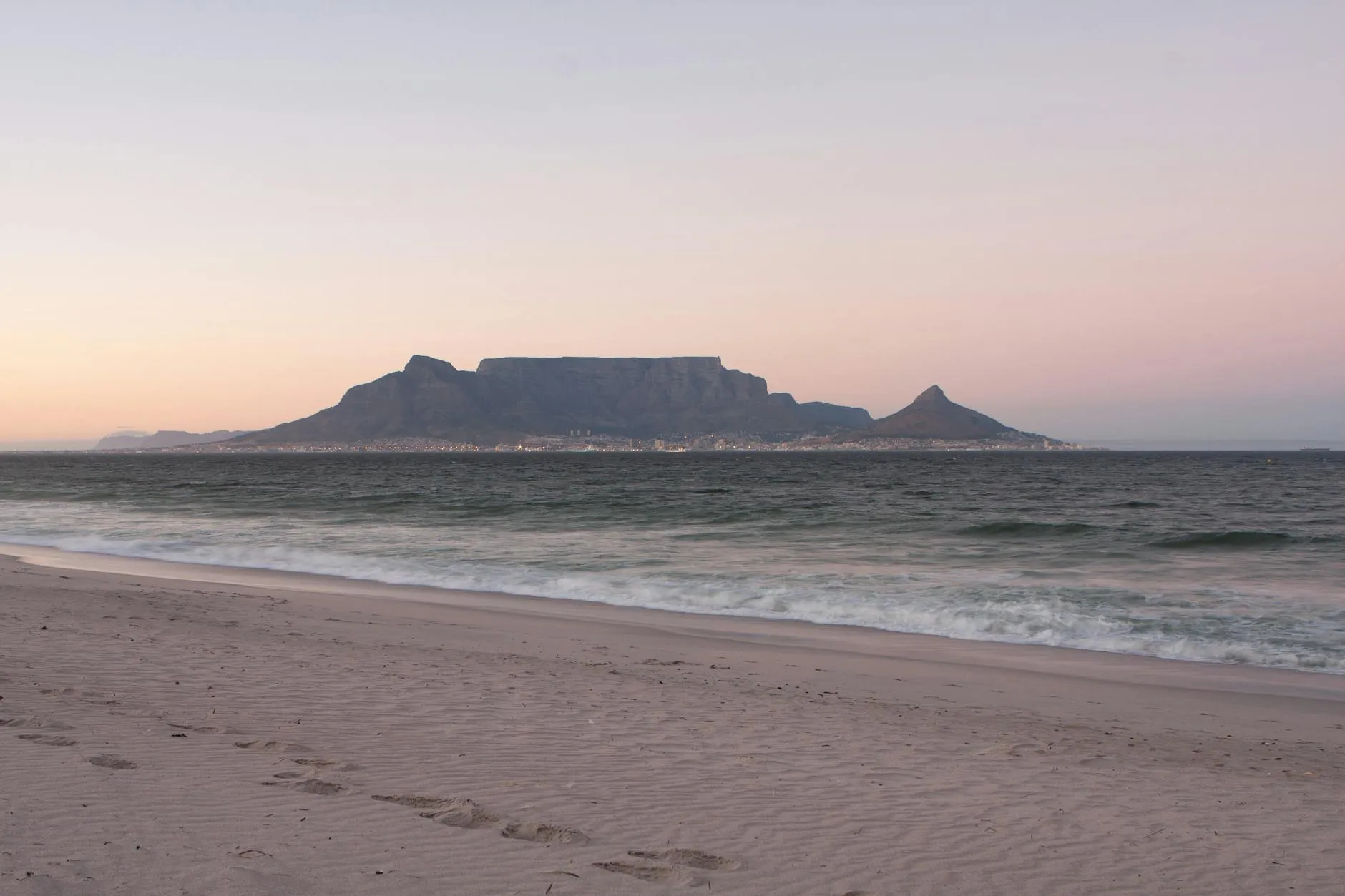
- Table Mountain from Bloubergstrand (sunrise): The classic postcard — Table Mountain across the bay with the city below. Drive to Big Bay or Blouberg Beach before first light. Best window: the first 30 minutes after sunrise, when the mountain catches pink light before anything else wakes up. 25 minutes from the City Bowl on the N1.
- Bo-Kaap pastels (morning): The colourful houses on Wale Street and Chiappini Street. Best at 8–9am when light is soft and streets are quiet. Midday sun creates harsh shadows and the tour buses arrive. Respect residents — don’t photograph people without permission, and don’t pose on private stoeps.
- Twelve Apostles from Camps Bay (sunset): Face south from the Camps Bay strip. The entire mountain range catches the last hour of light. Best on windless evenings — the Cape Doctor ruins the shot with dust and haze. Shoot from the beach, not the road.
- Penguins at Boulders Beach (8am): Arrive before the tour buses land at 8:30. The Foxy Beach section has penguins on sand with an ocean backdrop. Low angle, wide lens, no flash. They waddle past your feet if you sit still.
- Chapman’s Peak Drive (golden hour): Stop at the official lookouts heading south from Hout Bay. Cliffs, ocean, Hout Bay village below. Late afternoon light makes the cliffs glow. The R66 toll is worth it.
- Kirstenbosch Boomslang Walk (4:30 PM): The steel canopy walkway with Table Mountain lit orange behind it. Tour groups have left. The serpentine bridge photographs beautifully against the mountain — wide lens, low angle. Stay until closing for the best light.
- Lion’s Head full moon: City lights below, moon above. Tripod essential. The summit crowd on full-moon nights is large — position yourself on the eastern face for unobstructed city views without the headlamp glow. Check full-moon dates before you book your trip.
Month-by-Month Weather & Events
| Month | High / Low | Rain Days | Notes |
|---|---|---|---|
| January | 28 / 16°C | 3 | 🌟 Peak summer. Busy and expensive. Cape Doctor wind. Long days until 8:30pm. |
| February | 28 / 16°C | 2 | 🌟 BEST MONTH. Still summer, crowds thinning, wine harvest begins. |
| March | 27 / 15°C | 3 | Excellent. Harvest season in the winelands. Cape Town Cycle Tour. Jazz Fest late March. |
| April | 23 / 12°C | 5 | Autumn. Cooling. Good value. Cape Doctor dies down. |
| May | 20 / 10°C | 8 | Rainy season begins. Green landscapes return. Low season prices start. |
| June | 18 / 8°C | 9 | Winter. Whale season starts at Hermanus. Rain, but dramatic skies. |
| July | 17 / 7°C | 10 | Coldest. Cableway maintenance window (check dates). Vineyard fireplaces. Low prices. |
| August | 18 / 8°C | 9 | Late winter. Wildflower season begins in the West Coast. Whale peak approaching. |
| September | 19 / 9°C | 7 | 🐋 WHALE SEASON PEAK. Spring wildflowers. Heritage Day / Braai Day (Sep 24). |
| October | 22 / 11°C | 5 | 🐋 Whales + wildflowers. Spring warming. Excellent value. |
| November | 24 / 13°C | 3 | Summer begins. Kirstenbosch concerts start. Jacarandas blooming. |
| December | 27 / 15°C | 3 | Peak season begins. Book everything ahead. Expensive. Hot and bright. |
Sample Itineraries
3-Day Essential Cape Town
Day 1 — Table Mountain & City Bowl
- 7:30 AM: First cable car up Table Mountain (book online the night before; check the webcam at tablemountain.net).
- 10:00 AM: Descend. Walk through Company’s Garden (free).
- 11:30 AM: District Six Museum (R50) — don’t skip this one.
- 1:00 PM: Lunch at the Old Biscuit Mill (Saturdays) or Mojo Market (any day).
- 3:00 PM: Bo-Kaap walk and a Cape Malay cooking class (R600–900).
- 6:00 PM: Sunset from Signal Hill — drive up, free.
- 8:00 PM: Dinner on Kloof Street or Long Street.
Day 2 — Cape Peninsula
- 7:30 AM: Drive Chapman’s Peak Drive (R66 toll).
- 9:00 AM: Boulders Beach penguins (R245) — arrive before the tour buses.
- 11:00 AM: Cape Point / Cape of Good Hope (R515).
- 1:30 PM: Fish and chips at Kalky’s, Kalk Bay harbour.
- 3:00 PM: Kalk Bay antique shops and second-hand bookstores.
- 5:00 PM: Return via Muizenberg (colourful beach huts photo).
- 7:30 PM: Seafood dinner at Harbour House or Live Bait.
Day 3 — The Winelands
- 9:00 AM: Drive to Stellenbosch (30 min).
- 10:00 AM: Kanonkop tasting — the Pinotage benchmark.
- 11:30 AM: Delaire Graff — views and the art collection.
- 1:00 PM: Lunch at Overture or Jordan.
- 3:00 PM: Drive to Franschhoek (20 min) or one more Stellenbosch estate.
- 4:00 PM: Franschhoek village walk and a final tasting.
- 6:30 PM: Return to Cape Town. Farewell sundowner at Camps Bay.
5-Day Itinerary
Days 1–3 as above, plus:
Day 4 — Kirstenbosch, Constantia & Culture
- 9:00 AM: Kirstenbosch Botanical Garden (R270) — allow 3 hours.
- 12:00 PM: Walk the Boomslang at midday (less dramatic light but fewer people than sunset).
- 1:00 PM: Lunch at Chef’s Warehouse Beau Constantia.
- 3:00 PM: Groot Constantia wine tasting (R130) and Klein Constantia.
- 5:00 PM: Zeitz MOCAA (R250, V&A Waterfront).
- 7:30 PM: Dinner at FYN (book weeks ahead) or Pier.
Day 5 — Robben Island & Hidden Cape Town
- 8:30 AM: First Robben Island ferry (9:00 AM departure; book 2–3 weeks ahead).
- 12:30 PM: Return to V&A Waterfront.
- 1:00 PM: Late lunch at V&A or grab biltong for the road.
- 2:30 PM: Lion’s Head hike (2–3 hours round trip).
- 5:30 PM: Sunset from the summit.
- 7:30 PM: Farewell dinner at La Colombe (Constantia) or The Test Kitchen.
Romantic Cape Town
Mountain, ocean, vineyards, sunsets — Cape Town is made for couples. From honeymoon luxury to affordable romance, options abound.
Romantic Experiences
Sunset from Lion’s Head: Hike up (or part way) and watch the sun sink into the Atlantic. Bring wine and snacks. Full moon hikes are popular (and crowded).
Wine tasting in Franschhoek: Beautiful valley, excellent food pairings, boutique hotels. Take the Wine Tram to avoid driving.
Private beach picnic: Several companies arrange catered picnics on secluded beaches. Sunset Picnics and Bucket List Co are options.
Table Mountain cable car at sunset: Pre-book sunset slots in high season. Champagne available at the top.
Romantic Dining
The Shortmarket Club: Speakeasy vibes, excellent cocktails and food. Shortmarket Street. R300-500 for two.
Greenhouse at The Cellars-Hohenort: Fine dining in a Constantia estate. Tasting menus R1,000-1,500. greenhouserestaurant.co.za
Camps Bay strip at sunset: Not refined but undeniably romantic. Pick any restaurant with ocean views.
Romantic Stays
Ellerman House: Cape Town’s flagship boutique hotel — art collection, sea views. Bantry Bay. From R15,000/night. ellermanhouse.co.za
Babylonstoren: Farm estate in Franschhoek. Garden cottages, spa, exceptional restaurant. From R5,000/night. babylonstoren.com
The Silo: Converted grain silo at the V&A. Zeitz MOCAA museum below, killer views above. From R8,000/night. theroyalportfolio.com/the-silo
Budget romantic: Tintswalo at Boulders (penguins from your room, R3,500-6,000), 21 Nettleton (Clifton boutique, from R4,500).
Pricing, festival dates, and transport costs reflect data verified in April 2026 via the official sources linked throughout this guide. Travel costs are subject to annual adjustments — attractions and transport authorities typically refresh prices each spring. We recommend confirming real-time prices and booking windows via the authority links in each section before your trip. Where this guide references Michelin stars, the data reflects the most recent edition of the relevant Michelin Guide at time of publication.
Data Provenance & Verification
- Attraction pricing: Verified via SANParks, Table Mountain Cableway, and official museum websites — April 2026.
- Restaurant pricing: Verified via Eat Out and direct menu checks — March–April 2026.
- Wine tasting prices: Verified via official estate websites — April 2026.
- Transit fares: MyCiTi fares from myciti.org.za, Uber estimates from the in-app quote — April 2026.
- Exchange rate: USD 1 ≈ R16.40 per XE.com — April 2026.
- Weather: Based on South African Weather Service climate normals for Cape Town.
- Safety: Informed by the Western Cape Government and local Cape Town Tourism advisory sources.
- Load shedding: Status verified per EskomSePush (328+ days without as of April 2026).
- Last updated: April 2026.
Frequently Asked Questions
Is Cape Town safe for tourists?
The main tourist areas (Waterfront, Camps Bay, Sea Point, Constantia, City Bowl) are safe with normal precautions. Use Uber/Bolt at night, don’t flash valuables, and avoid the Cape Flats. Cape Town’s crime statistics are concentrated in areas tourists never visit; in the main areas the rules above are sufficient.
Is load shedding still happening?
No. South Africa has gone 328+ consecutive days without load shedding as of April 2026. Power supply is stable and this is no longer a travel concern.
How cold is the water?
Atlantic side (Camps Bay, Clifton): 12–16°C year-round — beautiful to look at, painful to swim in. False Bay side (Muizenberg, Fish Hoek): 18–22°C in summer — swimmable. If you want warm water, go to Durban.
Do I need a car?
For the Winelands and Cape Peninsula, yes (or book guided tours). For the City Bowl, Waterfront, Camps Bay, and Sea Point, Uber/MyCiTi is sufficient. A rental car gives you the most flexibility.
When is whale season?
Southern right whales visit Walker Bay (Hermanus) from June to November. Peak season is September–October. You can see them from shore for free — no boat trip needed.
What’s the best wine region to visit?
Constantia for convenience (20 min from city, 3–4 estates). Stellenbosch for variety (200+ estates, university town). Franschhoek for the Wine Tram experience and French-inspired restaurants. All three are excellent.
How many days do you need?
Minimum 4 days: one for Table Mountain + City Bowl, one for the Cape Peninsula, one for Winelands, one for beaches/markets. 7 days is ideal to do everything without rushing.
What currency should I bring?
South African Rand (ZAR). Cards are accepted almost everywhere. ATMs dispense Rand. USD/EUR are NOT widely accepted. Use your card or withdraw Rand from ATMs.
When is the best time to visit Cape Town?
February–March is ideal: summer weather without the peak-season crowds, wine-harvest season in the winelands, and thinning tourist numbers. December–January is peak season and most expensive. Winter (June–August) brings rain but also whales, lower prices, and green landscapes.
What is the best day in Cape Town for under R900 ($55)?
Sunrise from Signal Hill (free, drive up). Coffee from a Sea Point café (R45). Walk the Sea Point Promenade to Green Point Park (free). MyCiTi bus to the City Centre (R15). Company’s Garden walk (free). District Six Museum (R50). Walk to Bo-Kaap and photograph the pastel houses (free). Bobotie lunch at Bo-Kaap Kombuis (R120). MyCiTi to Camps Bay (R30). Beach afternoon (free). Sunset watching the Twelve Apostles turn pink (free). MyCiTi back (R30). Braai sausage roll from a roadside vendor for dinner (R60). Beer at Beerhouse on Long Street (R65). Total: R415 ($25). You’ve seen the mountain, the ocean, apartheid history, Cape Malay culture, and the best sunset of your trip — for less than a single wine-estate tasting.
Is the Table Mountain Cableway weather-dependent?
Yes. The cableway closes in high winds and when the tablecloth cloud covers the summit. Check the webcam at tablemountain.net before you go. Book the first car up (8 AM) or go after 5 PM to avoid queues. The cableway also closes annually for maintenance, typically in July–August.
🌍 See the bigger picture: our South Africa travel guide covers regions, when to go, and getting around.
Cheapest Flights to Cape Town
We track flight deals to Cape Town from 10 cities worldwide. Here are the best recent fares:
Prices are based on recent deals and may no longer be available. Browse all flight deals