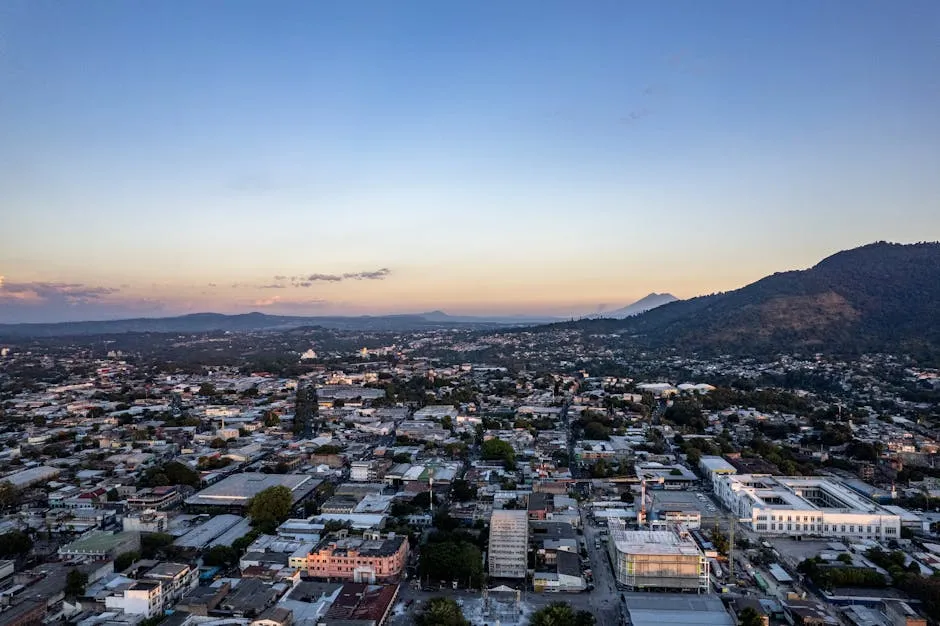
San Salvador — The Complete City Guide 2026
The country with the most dramatic security transformation in the Western Hemisphere — 98% homicide reduction since 2015. Four Salvadors (Catholic/Colonial, Civil War, Bukele-era, Coastal), the Romero pilgrimage anchor, and the honest version of the state of exception that the rest of the region is watching.
Why San Salvador? An Editor’s Note
In the crypt of the Catedral Metropolitana on Plaza Gerardo Barrios in the historic centre, a low marble slab marks the tomb of Archbishop Óscar Arnulfo Romero. Romero was the country’s most prominent Catholic clergyman during the run-up to the civil war; on 24 March 1980, while celebrating Mass in the small chapel of the Hospital de la Divina Providencia (a cancer hospice on the west side of San Salvador where Romero lived in modest quarters as a working pastoral choice), a single rifle shot from a vehicle parked outside the chapel killed him at the altar. The shooter was an Atlacatl Battalion-trained sniper acting on orders later attributed to Major Roberto D’Aubuisson. The assassination came one day after Romero’s Sunday-homily appeal to the Salvadoran armed forces — “In the name of God, and in the name of this suffering people whose laments rise to heaven each day more tumultuously, I beg you, I beseech you, I order you in the name of God: stop the repression” — and triggered the 12-year civil war that followed. Romero was canonised by Pope Francis on 14 October 2018, the country’s only saint, and his tomb is now a working pilgrimage site that draws roughly half a million visitors a year. The airport you flew into is named after him.
This is the working anchor of San Salvador, and it is the right place to start because the country’s modern history is unusually compressed and unusually visible. The 1979–1992 civil war killed approximately 75,000 people in a country of (then) 5 million — proportionally one of the bloodiest civil conflicts of the late 20th century. The December 1981 El Mozote massacre by the same Atlacatl Battalion killed approximately 900 villagers, mostly children; the 1992 Chapultepec Peace Accords ended the war but left intact much of the structural dysfunction that produced the post-war MS-13 and Barrio 18 gang era, when the deportation of Los Angeles-formed Salvadoran-American gang members in the late 1990s seeded what became the country’s two largest criminal organisations. By 2015 El Salvador held the title of “murder capital of the world,” with 106 homicides per 100,000 residents — a figure roughly fifteen times the global average and substantially worse than active war zones.
What followed is the country’s contested transformation. Nayib Bukele — the son of a Palestinian-Salvadoran businessman, mayor of San Salvador 2015–2018, elected president 2019 at age 37 — declared a “Régimen de Excepción” (State of Exception) on 27 March 2022, following a single weekend in which gang violence killed 87 people across the country. The state of exception suspended several constitutional rights — due process, access to counsel, freedom of association — and authorised mass arrests of suspected gang members and collaborators. As of May 2026, the state of exception is in its 50th consecutive monthly extension and remains in force. Roughly 91,300 people have been arrested under the measure; the Centro de Confinamiento del Terrorismo (CECOT) mega-prison opened in January 2023 in Tecoluca with capacity for 40,000 detainees. The 2026 murder rate is approximately 1.15 per 100,000 — a roughly 98% reduction from 2015, putting El Salvador statistically among the safer countries in the Western Hemisphere. Tourism arrivals reached 4.1 million in 2024, 60% above the 2019 baseline; tourism revenue of $3.6 billion is approximately 10% of GDP. The US State Department upgraded the country to Level 1 (the highest safety rating, on par with Greece and Finland) in 2024.
The contested half is real and worth saying. At least 6,889 documented complaints of human rights violations have been filed against the security apparatus under the regime; President Bukele has himself publicly acknowledged that “around 8,000” of those detained are likely innocent; international human rights organisations (Amnesty International, Human Rights Watch, the IACHR) have documented arbitrary detention, denial of due process, torture in detention, and deaths in custody at a scale that puts the security transformation in serious tension with international human rights standards. Bukele was re-elected in February 2024 with 84.65% of the vote in an election that critics noted was held under a controversial constitutional re-interpretation that had previously prohibited consecutive presidential terms. Domestic approval of the security policy remains at approximately 85% in polling, the highest sustained presidential approval rating in modern Latin American history.
The honest framing for a visitor in 2026: El Salvador is materially safer than it was a decade ago, materially safer than its Central American neighbours, and is conducting a security experiment that the rest of the region is watching closely. The trade-offs the policy makes are real and contested, and a visitor who comes to El Salvador without engaging with both sides of that contest is missing the country’s defining story of the past five years.
The way to read modern San Salvador is as four cities sharing one volcanic basin.
The first is Catholic / Colonial San Salvador — the historic centre around Plaza Gerardo Barrios, with the Catedral Metropolitana, the Iglesia El Rosario (the most architecturally distinctive modern church in Central America, a 1971 reinforced-concrete arc-and-stained-glass building by Salvadoran sculptor-architect Rubén Martínez), the Palacio Nacional (the 1911 neo-classical former seat of government, now a museum), and the working pilgrimage circuit that anchors the city’s religious life.
The second is Civil War / Romero San Salvador — the Hospital de la Divina Providencia with the preserved chapel of the assassination, the Romero Centre at the Universidad Centroamericana (UCA) campus (where six Jesuit priests, their housekeeper and her daughter were murdered by the Atlacatl Battalion on 16 November 1989), the Museum of the Word and Image (MUPI) with the most substantial civil-war archive in the country, and the surrounding Cuscatlán Park’s working civil-war memorial wall listing the country’s 75,000 named victims.
The third is Modern / Bukele-era San Salvador — the Biblioteca Nacional de El Salvador (BINAES), the new China-funded national library that opened November 2023 with a public-pavilion design unusual for a Central American capital, the renovated Plaza Libertad and the El Salvador del Mundo monument (the 1942 statue of Christ on the globe that is the country’s working civic emblem), the post-2022 Centro Histórico revitalisation that has reopened the historic-centre pedestrian streets to nighttime use after roughly twenty years of gang-imposed darkness.
The fourth is Coastal / Surf-City San Salvador — the Pacific coast 30–40 km south of the capital, where the Surf City government tourism programme, the post-2019 El Zonte (“Bitcoin Beach”) experiment, and the working international-surf-tour industry produce a beach-and-board scene that is materially distinct from the capital and is the country’s working international-tourism magnet.
A working 2026 currency note: El Salvador has used the US dollar as legal tender since 1 January 2001 (replacing the colón at a fixed 8.75:1 rate). The country also adopted Bitcoin as legal tender in September 2021 under Bukele’s signature crypto-policy initiative, becoming the world’s first country to do so. The Bitcoin law was substantially amended in January 2025 under an IMF $1.4-billion-loan agreement — Bitcoin acceptance is now voluntary for the private sector, tax payments in Bitcoin are no longer accepted, and the government-issued Chivo wallet is being wound down. The amendments took effect on 1 May 2025. For a 2026 visitor: US dollars are the working currency; Bitcoin payment is accepted at some El Zonte / Surf City venues but is no longer expected anywhere in the capital.
Come for three to five days. Anchor on the historic centre, the Romero sites, and one of the post-2022 civic re-developments (BINAES, the National Theatre, the Boulevar de los Próceres). Take a day-trip to Joya de Cerén UNESCO site or to Suchitoto. Spend one or two nights on the coast (El Tunco for surf-and-bars, El Zonte for the quieter version). Walk the historic centre at night — the working post-2022 reality — and judge for yourself whether the security transformation is what its supporters claim or what its critics warn about. It is both.
Getting There — SAL Airport, Buses and the Pan-American
El Salvador has one commercial international airport — Monseñor Óscar Arnulfo Romero International (SAL) — 50 km south of central San Salvador, near the Pacific coast. The airport is named for Archbishop Romero (renamed from “Comalapa International” in 2014). A $56 million expansion completed in 2022–2024 added a three-storey terminal extension, five new wide-body boarding bridges, expanded immigration with ten counters, and a working commercial area.
The direct routes that matter for European, North American and Latin American visitors:
- Avianca — the regional Central American hub carrier; connections from most major US cities and from Madrid via San Salvador to elsewhere in Central America.
- Copa Airlines — Panama City hub; the main connection point for South American and broader Latin American routes.
- United, American, Delta, JetBlue — direct from Miami, Houston, Atlanta, Los Angeles, Dallas, New York and other US gateways.
- Iberia — Madrid direct (the only direct Europe service); via Madrid is the working European routing.
- Volaris and Avianca low-cost — regional Central American routes.
There are no direct flights from non-US/non-Spain European destinations. Most European visitors connect through Madrid (Iberia), Miami (US carriers), or Panama City (Copa).
From SAL into the city
The airport is genuinely far from central San Salvador — 50 km south, 45–60 minutes by car in normal traffic, 75–90 minutes in evening rush. The Pan-American Highway (CA-1 / CA-2) is the working route.
- Taxi Amarillo (Yellow Cab) is the official airport-to-city taxi service. Fixed fare to central San Salvador (Zona Rosa, Escalón, Centro) is approximately $30–$40, paid at the official counter inside arrivals before exiting the terminal. The counter operates 24/7. This is the right choice for most arriving visitors.
- Uber operates reliably in El Salvador as of 2026 and is often cheaper than Taxi Amarillo. Expect $20–$35 to central San Salvador, 50–70 minutes. The Uber pickup point is in the parking area outside the terminal (signposted). Apple Pay / credit-card payment via the app.
- Rental car counters are inside arrivals; expect $40–$80 per day for a small economy car. Useful only if you intend to do extensive countryside touring; for city-only stays, taxi-and-Uber is more practical.
- Public bus #138 runs from the airport to Terminal de Oriente in San Salvador. Less than $1, but slow (90+ minutes), no luggage racks, and the bus drops you at an eastern bus terminal that requires a follow-on taxi to most central destinations. Not recommended for first-time visitors with luggage.
Land borders
San Salvador is also reachable overland from Guatemala (the El Salvador–Guatemala border at Las Chinamas or San Cristóbal) and Honduras (El Amatillo or El Poy). The Pan-American Highway runs through the country. Inter-country buses (Tica Bus, Pullmantur, Transporte del Sol) connect San Salvador to Guatemala City (5–7 hours), Tegucigalpa (6–8 hours), and onward. El Salvador and Guatemala have a working CA-4 border agreement that allows EU/UK/US/Canadian visitors to move freely between El Salvador, Guatemala, Honduras and Nicaragua under a single 90-day stay.
Editor’s tip: The Uber from SAL is the right answer if you are travelling light. Use the app on the airport’s free WiFi before exiting the terminal; the driver will pull up to the parking-area pickup point in 5–10 minutes. If you have heavy luggage, the Taxi Amarillo counter is the working alternative — fixed fare, English-speaking dispatch, no app required.
Pro Tip: Bring US dollar bills in small denominations ($1, $5, $10, $20). The country runs on cash for small transactions (bus fares, street food, market purchases, tips); cards work at hotels, larger restaurants, and supermarkets but the working bus-and-pupuseria economy is cash. ATMs are widely available in central San Salvador; expect a $3–$5 fee per withdrawal.
Top 12 Attractions in San Salvador and Around
A first-time visitor to San Salvador should plan three to five days for the capital and the immediate ring. A serious visit covers the historic centre, the Romero pilgrimage sites, the major museums, and a day-trip to either Joya de Cerén (UNESCO) or Suchitoto.
1. Catedral Metropolitana and Romero’s Tomb
The country’s main Roman Catholic cathedral, on Plaza Gerardo Barrios in the historic centre. The building was constructed between 1880 and 1956 in stages (the long construction reflects the country’s recurrent earthquakes; the cathedral has been partly rebuilt after multiple seismic events). The exterior is a working white-stucco neo-classical structure; the painted Naive-art tiled facade by Salvadoran artist Fernando Llort was added in 1997, controversially removed in 2011, and restored (based on the original Llort design) after public outcry — the current facade is the post-2017 restoration.
The most-visited part of the cathedral is the crypt of Archbishop Óscar Romero in the lower level — a working pilgrimage site with the marble tomb, votive candles, and the photographic exhibit of Romero’s life and ministry. Romero was assassinated on 24 March 1980 and was canonised on 14 October 2018; his tomb was relocated to its current crypt position in 2003.
- Hours: 06:00–18:00 daily (cathedral); 07:00–17:00 (crypt, modest dress required).
- Entry: Free.
- Access: Walking distance from anywhere in the historic centre; Plaza Gerardo Barrios is the working geographic centre.
Editor’s tip: The 12:00 Sunday Mass at the cathedral is the working civic ritual — the building fills, the Romero homilies are referenced explicitly, and the country’s working Catholic culture is on full display. Modest dress, respectful behaviour expected.
2. Iglesia El Rosario
A 1971 reinforced-concrete arc-and-stained-glass church on Plaza Libertad, designed by Salvadoran sculptor-architect Rubén Martínez and one of the most architecturally distinctive churches in Central America. The interior is a single curved vault with floor-to-ceiling stained-glass panels that cast coloured light across the working interior; the effect at midday on a clear day is unusually atmospheric. The church was Martínez’s personal artistic-and-religious project; he served as the working sculptor-architect-priest of the parish.
- Hours: 07:00–18:00 daily.
- Entry: Free.
- Access: Plaza Libertad, 200 metres east of the cathedral.
3. El Salvador del Mundo Monument
The 1942 statue of Christ standing on a blue globe, at the intersection of Avenida Roosevelt and Alameda Roosevelt (the geographic centre of the modern city). The monument is the country’s working civic emblem — it appears on banknotes, on flag pins, and on the back of state-government letterhead. The plaza was renovated in 2023 with new pedestrian-friendly perimeter walkways.
- Hours: 24/7 public plaza.
- Entry: Free.
- Access: Central; any city bus or rideshare.
4. Hospital de la Divina Providencia (Romero Chapel)
The cancer hospice on the west side of San Salvador where Romero lived in modest quarters (a small bedroom and study in the priests’ residence on the hospital grounds) from 1977 until his assassination in 1980. The small chapel where the assassination occurred is preserved largely as it was on the day; the bullet hole in the back wall is visible, the working modest crucifix Romero faced is in place, and the Romero Centre museum in the adjacent residence preserves his bedroom, his clerical wardrobe, the typewriter on which he wrote his Sunday homilies, and the working religious-and-political archive. This is the most concrete dated site in the country and is the working pilgrimage point for visitors interested in the Romero story.
- Hours: 09:00–17:00 Monday–Saturday; chapel access during respectful visiting hours; closed during working liturgies.
- Entry: Free; donations to the hospice welcomed.
- Access: West San Salvador; Uber from central is $4–$7.
5. UCA Romero Centre and the Jesuit Martyrs Memorial
The Universidad Centroamericana “José Simeón Cañas” (UCA) is the country’s oldest Catholic university and was the working intellectual home of the priests killed in the 16 November 1989 massacre. The Centro Monseñor Romero on the UCA campus holds the most substantial archive of Romero’s writings, sermons and personal effects; the Memorial Sala preserves the rooms in which six Jesuit priests — Father Ignacio Ellacuría (rector of the university), Father Ignacio Martín-Baró, Father Segundo Montes, Father Juan Ramón Moreno, Father Joaquín López y López, Father Amando López — together with their housekeeper Elba Ramos and her 16-year-old daughter Celina Ramos were murdered by the Atlacatl Battalion. The site is genuinely sobering and is the working academic-and-pilgrimage anchor for the country’s post-war reckoning.
- Hours: 09:00–17:00 Monday–Friday, 09:00–13:00 Saturday.
- Entry: Free; group tours by advance request through the Centro Monseñor Romero at the UCA — check the current visit protocol before arriving.
- Access: West-central San Salvador; Uber from Zona Rosa is $4–$7.
6. Museum of the Word and Image (MUPI)
The country’s working civil-war archive museum, in the historic centre. The collection includes photographs of the Romero funeral attack (30 March 1980, when snipers fired on the funeral cortege at Plaza Barrios killing 39 mourners), recordings of Radio Venceremos (the FMLN guerrilla radio station of the civil war), original copies of Romero’s homilies, and the working artefacts-and-document history of the conflict. The museum is independently operated and is the most-substantial post-war truth-and-reconciliation museum in the country.
- Hours: 09:00–17:00 Tuesday–Saturday, closed Sunday-Monday.
- Entry: $2.
- Access: Walking distance from the historic centre.
7. Joya de Cerén UNESCO World Heritage Site
The “Pompeii of the Americas” — a pre-Columbian Mayan farming village in the Zapotitan Valley 36 km north-west of San Salvador, buried under approximately 5 metres of volcanic ash from a Laguna Caldera volcanic eruption around AD 600. The eruption preserved the village’s adobe houses, communal buildings, kitchen gardens, sleeping mats, ceramic vessels, and field implements in extraordinary condition; the first excavations in 1976 revealed a working snapshot of everyday Mayan farming life that almost no other Mesoamerican site can match. Joya de Cerén was inscribed on the UNESCO World Heritage List in 1993 and is the country’s only UNESCO World Heritage Site.
- Hours: 09:00–16:00 Tuesday–Sunday, closed Monday.
- Entry: $3 adult, $1 child.
- Access: 36 km north-west of San Salvador; private taxi $40–$60 round trip, or combined with San Andrés (the adjacent larger Mayan archaeological site) on a half-day driver-hire.
8. National Theatre (Teatro Nacional de El Salvador)
The 1917 Beaux-Arts theatre on Plaza Morazán in the historic centre. The building was constructed under President Carlos Meléndez as the country’s signature cultural monument; the interior is a working three-tier theatre with classical proscenium, painted ceilings, and the original 1917 fittings substantially restored across multiple post-earthquake restorations. The theatre hosts the National Symphony Orchestra and a working roster of opera, dance and theatrical productions; building tours are available outside performance hours.
- Hours: Tours 10:00–17:00 Tuesday–Sunday.
- Entry: $2 tour; performance tickets vary.
- Access: Plaza Morazán, walking distance from Catedral Metropolitana.
9. Biblioteca Nacional de El Salvador (BINAES)
The new national library, opened November 2023 on the eastern side of the historic centre. The 23,000 square-metre building was a gift from the Chinese government under the country’s 2018 diplomatic switch from Taiwan to China; the architecture is post-modern public-pavilion with the working visitor centre on the ground floor, the public reading rooms above, and the rooftop terrace with the most-photographed view of the historic centre. The library is one of the working signature projects of Bukele’s first term and is genuinely impressive as a piece of post-2020 Central American civic architecture.
- Hours: 08:00–20:00 daily.
- Entry: Free.
- Access: Historic centre, 300 metres east of Plaza Gerardo Barrios.
10. Suchitoto — Half-Day Trip
A 16th-century colonial town on Lake Suchitlán, 47 km north of San Salvador, with the country’s best-preserved working colonial-era plaza, the Santa Lucía church (1853), a substantial working artist-and-cultural-community scene, and the working lake-and-volcano setting on the Cerrón Grande Reservoir. Suchitoto was a working FMLN stronghold during the civil war and is now the country’s working art-and-cultural-tourism alternative to the capital. Half-day or full-day trip from San Salvador.
- Access: 90 minutes by car; bus from Terminal de Oriente $1–$2, hourly; private taxi $40–$70 round trip.
- Lake boat tour: $5–$15 from the working lakeside dock at Puerto San Juan; recommended for sunset.
11. Ruta de las Flores — Full Day Trip
A 36-kilometre route through the western coffee-and-flower country, connecting five working colonial towns: Nahuizalco (the country’s working indigenous craft centre), Salcoatitán, Juayúa (the working weekend food-festival town with Feria Gastronómica de Juayúa every Saturday-Sunday), Apaneca (the highest-elevation town in the country), and Ataco (the colonial-mural-and-handicraft anchor). The route is at its working best during the flower-blooming season November-February and is the country’s most-discussed countryside tourism circuit. Full-day trip by car; allow 8-10 hours including stops.
- Access: 80 km west; private driver $80–$140 full day; rental car the better answer for self-touring.
12. El Tunco and Surf City — Coast Day Trip
The Pacific coast 30–45 km south of San Salvador holds the country’s working surf-tourism economy. El Tunco is the working backpacker-and-surf-bar village; El Zonte (the “Bitcoin Beach”) is the quieter version 25 minutes further west; La Libertad is the working fishing-port-and-pier town. The Bukele “Surf City” tourism development programme has built new boardwalks, public viewpoints (the Mirador El Tunco), and infrastructure across the coast since 2020. Black-sand beaches, 6–10-foot Pacific swells April–October, the working international-surf scene at peak. El Tunco is the right introduction; El Zonte is the right second night.
- Access: 45 km south; private driver $40–$70 each way; bus from Terminal del Sur $1–$2.
- Surf lessons: $25–$40 for a 2-hour group lesson with board rental.
San Salvador’s Neighbourhoods
The city is administratively divided into ten districts but a visitor encounters approximately five working areas.
Centro Histórico
The historic centre around Plaza Gerardo Barrios and Plaza Libertad. The Catedral Metropolitana, the Iglesia El Rosario, the National Theatre, the Palacio Nacional, the BINAES national library, the Museum of the Word and Image, and the working post-2022 pedestrian-revitalisation streets are all here. The area is walkable in daylight and substantially safer than it was pre-2022 — the working post-state-of-exception pedestrian use of the historic centre at night is one of the visible changes. The working hotel options here are limited; most visitors stay in Escalón or Zona Rosa and take a 10-minute Uber to the historic centre for daytime visits.
Zona Rosa and Colonia San Benito
The post-1990 commercial-and-restaurant district 4 km west of the historic centre. The Hilton San Salvador, Sheraton Presidente, Crowne Plaza, and the working international-hotel cluster are here. The MARTE (Museo de Arte de El Salvador) and the MUNA (Museo Nacional de Antropología) are walking distance. Zona Rosa itself is a working three-block restaurant-and-bar strip; the surrounding Colonia San Benito is leafy residential.
Colonia Escalón
The historical upper-middle-class residential neighbourhood north of Zona Rosa, with the country’s working luxury-residential and many of the better restaurants. Avenida Olímpica and Paseo General Escalón are the main thoroughfares. The Multiplaza and La Gran Vía shopping malls are in the area. Quieter than Zona Rosa, more upscale, the working base for a business-and-tourism crossover visitor.
Santa Tecla
A separate municipality immediately west of San Salvador but administratively distinct; effectively a working western suburb. The historic colonial centre has been substantially restored (the Paseo El Carmen pedestrian strip, the Daniel Hernández Theatre, the working weekend nightlife). Worth a half-day visit; the working middle-class alternative to the capital’s restaurant scene.
La Libertad / El Tunco / El Zonte (the coast)
30–45 km south, the working surf-and-beach coast. Not a San Salvador neighbourhood proper but the working day-trip-or-overnight extension that most visitors use. See Top Attractions #12.
Where to Stay — by Budget
Rates per person per night, double occupancy, shoulder season (May, September-October). Peak (December-January, Easter Holy Week, July-August school holidays) adds 25-50%.
Budget — $20–$70 per person per night (€19–€65)
The Salvadoran hostel scene is genuinely affordable. Casa de Huéspedes Hostal Cumbres del Volcán (Escalón), Hostal de Vincent (Colonia Centroamérica), and Lugaca Hostel (Zona Rosa) all run dorm beds at $15–$25 and private doubles at $40–$80. The post-2022 tourism boom has driven up rates roughly 25% from the pre-pandemic baseline; book ahead in peak season.
Mid-range — $80–$180 per night (€75–€168) for a double
The mid-tier business-hotel cluster. Holiday Inn San Salvador (Escalón), Hilton Garden Inn, Hotel Mirador Plaza (Zona Rosa, working business-traveller anchor), and the working Crowne Plaza San Salvador are reliable at $90–$140 per double in shoulder season.
Upper-mid / Luxury — $200–$450 per night (€187–€420)
- Sheraton Presidente San Salvador (Zona Rosa) — the working flagship hotel since the 1980s, refurbished in 2018; from $200 per double in shoulder season, the working diplomatic-and-business-visitor anchor.
- Hilton San Salvador (Avenida Sisimiles) — opposite the World Trade Center, 25-storey tower with the working San Salvador volcano view from the upper floors and the city’s most-discussed rooftop bar. From $220.
- InterContinental Real San Salvador (Boulevard de los Héroes, adjacent to Metrocentro Mall) — the working business-and-shopping anchor; from $180.
- Barceló San Salvador (Colonia San Benito) — the European-chain-affiliated luxury alternative; from $200.
Splurge — $500+ per night (€467+)
The country’s “splurge” tier is genuinely modest by Western Hemisphere standards. The Crown Plaza Presidential Suite and the Sheraton Presidente Diplomatic Suite are the working upper-tier suites at $400–$700 per night.
Coastal alternatives — El Tunco and El Zonte
- Puro Surf (El Zonte) — the working boutique surf hotel, 14 oceanfront rooms, infinity pool. $250–$450 per double.
- Wave House El Zonte — the newer high-end Bitcoin Beach property, 19 residences with full kitchens, opened January 2025. $350–$700 per residence.
- K59 Surf Resort (Surf City / La Libertad) — surf-first resort with three daily meals included. $200–$400.
- Budget surf hostels in El Tunco — $20–$60 per person, the working backpacker scene.
Where not to stay
Avoid the cheaper hotels in Soyapango, San Marcos, and the outer eastern San Salvador neighborhoods — these areas were the working epicentre of the pre-2022 gang violence and, while substantially safer in 2026, remain less developed for tourist infrastructure. The working tourist accommodation cluster is in Escalón, Zona Rosa, Colonia San Benito, and Santa Tecla.
Where to Eat — Pupusa, Yuca and the Post-2022 Restaurant Boom
Salvadoran cuisine is built around three working anchors: the pupusa (the country’s national dish), the seafood-and-marisco coast, and the working post-2022 restaurant-and-café boom that has substantially upgraded the capital’s mid-range dining scene.
The pupusa
A thick handmade corn-flour (sometimes rice-flour) flatbread stuffed with one or more fillings — queso (cheese), chicharrón (pork rind), frijoles (beans), revuelta (the classic three-filling combination), loroco (an edible vine flower native to Central America), ayote (squash), and an increasing roster of contemporary variations — cooked on a hot griddle and served with curtido (the lightly-fermented cabbage-and-vinegar slaw) and salsa roja (the working tomato-based hot sauce). The pupusa is the country’s defining everyday food; it is eaten at any time of day and is the working national-pride dish. The country celebrates National Pupusa Day on the second Sunday of November.
Where to eat pupusas:
- Pupusería Doña Yolanda Henríquez (Plaza Libertad area) — the long-running working historic-centre anchor.
- Lorena Pupusas (multiple locations) — the working chain that has done the most to standardise the upper-mid pupusa quality.
- Olocuilta — a town 30 km south on the way to the airport, known as the country’s pupusa capital, with a working roadside cluster of 50+ pupuserías along the highway. The classic stop on the airport-to-city drive.
- The roadside pupusería at any working town intersection — the everyday Salvadoran experience.
Expect $0.75–$2.50 per pupusa; a working two-or-three-pupusa meal with a soda or beer runs $4–$8.
The seafood and marisco coast
The Pacific coast 30–60 km south delivers working fresh seafood — camarones (shrimp), pescado (white fish, typically corvina or robalo), conchas (clams), and the working mariscada seafood-soup that is the coastal Salvadoran feast dish. La Libertad pier has a working morning fish market and a working roster of beach-front mariscadas serving the same-day catch. $10–$25 per main; the right lunch on a coast day-trip.
The capital restaurant scene
The post-2022 security transformation has supported a substantial restaurant-scene upgrade. Punto Litoral (Zona Rosa, contemporary Latin American), Restaurante Don Pedro (Escalón, working steakhouse), La Pampa Argentina (Colonia San Benito, Argentine grill), Caracol (Escalón, working upper-mid Salvadoran-fusion), and a growing roster of post-2022 contemporary-cuisine restaurants are all working anchors. Expect $25-60 per head at the upper-mid level; $80-150 at the few high-end venues.
Coffee — the country’s third-wave shift
El Salvador has a working coffee-producing tradition; the Ruta de las Flores region (Apaneca, Juayúa) is the high-altitude growing area. The country’s coffee was historically exported as bulk Central American blend; the post-2010 third-wave specialty-coffee movement has produced a working roster of single-estate Salvadoran coffees and the working café scene in the capital. Viva Espresso (Escalón, San Benito), Café Caoba (Santa Tecla), and the working third-wave cafés on Paseo El Carmen in Santa Tecla are the anchors.
Michelin, plainly stated
El Salvador has no Michelin guide as of May 2026. The Michelin Guide does not cover Central America (the closest editions are Mexico City, which launched in 2024, and the various US guides). No Salvadoran restaurant appears on the World’s 50 Best Restaurants Latin America list, where the geographic focus is principally Mexico, Argentina, Peru, Brazil, and Colombia. The country’s working restaurant-award systems are the Premios Gourmet El Salvador and the El Salvador Travel awards. The capital’s contemporary fine-dining scene is genuinely real but is not yet on the international Michelin-or-50-Best map; expect competence rather than international acclaim.
Editor’s tip: Eat one pupusa breakfast, one coastal mariscada lunch, and one post-2022 contemporary dinner during your stay. The three together cover what a non-Salvadoran visitor needs to leave understanding about the country’s food: the everyday national-pride dish, the working coastal-Pacific-seafood tradition, and the post-2022 restaurant-scene upgrade. The capital’s hotel-restaurant buffets are reliably competent but not specifically Salvadoran; skip them in favour of the named restaurants above.
Drinking — Pilsener, Coffee and the Bitcoin-Beach Bar
Beer
Pilsener (the working national beer since 1906) and Suprema (the slightly upscale alternative) are the two domestic lagers; both are produced by La Constancia (the country’s main brewery, now part of AB InBev). $1.50–$3 for a 12 oz bottle at a working bar, $3–$5 at upscale venues. The post-2018 craft-beer scene has produced a small but real domestic-craft cluster — Cadejo Brewing Company (the working national craft anchor, with the central San Salvador taproom on Paseo Escalón) is the right local-craft experience. $4–$8 a pint.
Coffee — the morning ritual
The country’s working morning beverage. Café Caoba and Viva Espresso are the third-wave anchors; almost any neighbourhood café will serve a working single-estate Salvadoran filter coffee for $2–$4 a cup. The Salvadoran coffee-and-pupusa breakfast at a working pupusería is the everyday national-morning experience.
Rum and spirits
The country’s working spirit is Tic Tack (the inexpensive everyday rum) and Cihuatán (the post-2010 premium Salvadoran rum, distilled near the Cihuatán Mayan archaeological site, the working Salvadoran answer to the Caribbean premium-rum movement). Cihuatán’s working aged expressions are genuinely good; $30-$80 a bottle at the working specialty stores. The Cihuatán Solera is the working flagship.
The Bitcoin-Beach bar — El Zonte
The post-2019 El Zonte bar-and-café scene operates partly on Bitcoin and partly on US dollars; the working Bitcoin-accepting venues (Garten Zonte, the working beach-bar cluster) have continued accepting BTC even after the January 2025 amendment made it voluntary. $5-$10 per cocktail; the working international-surf-and-crypto-traveller crowd is the working evening scene.
Wine
The Salvadoran wine market is entirely imported; expect $25-60 a bottle at restaurants, $7-15 a glass. The working upper-mid hotel restaurants (Sheraton Presidente, Hilton, Crowne Plaza) carry the standard imported lists. Chilean and Argentine wines dominate; the working French and Spanish options are available at the upper tier.
Pro Tip: The Cadejo Brewing Company taproom in Escalón is the working post-2018 craft-beer anchor and is the right answer for a serious-drinking evening in the capital. Pints $4-$8, working food menu, the working late-2020s San Salvador craft-beer crowd. Walking-distance from the Sheraton Presidente and the Hilton.
Getting Around the City
Uber and Cabify
Uber is the working ride-hail app and dominates the city’s tourist-and-business transportation. Cabify operates as the working alternative. Most central trips $3–$10; cross-city $8–$18; airport-to-central $20–$35. Apple Pay / credit-card via the app.
Taxi Amarillo
The official airport-and-tourist taxi service. Use only the marked yellow vehicles with the official Taxi Amarillo decals; the working alternative is street-hail taxis which are less regulated and more variable in pricing. Fixed-fare from the airport ($30–$40 to central); meter-based elsewhere.
Public buses
The AMSS (Área Metropolitana de San Salvador) bus network covers the city extensively at $0.20–$0.35 per ride. Buses are crowded, non-AC, and the routes are challenging for non-Spanish-readers. The Sitramss / SITRAMSS BRT (Bus Rapid Transit) running along the Boulevard del Ejército is the working upgraded option with limited stops and dedicated lanes. For most visitors, Uber is the better default.
Walking
Central historic San Salvador is walkable in daylight; the post-2022 security transformation has substantially expanded the working walkable-after-dark area of the historic centre, but the working visitor caution remains to stay in well-lit central streets and to Uber back to the hotel rather than walk through quiet residential streets at night. Zona Rosa, Escalón, and Colonia San Benito are walkable at all hours; the historic centre is walkable in daytime and increasingly walkable at night around the BINAES library, the Catedral, and the National Theatre.
Driving
Foreign visitors generally do not drive in San Salvador — the traffic patterns are aggressive, the parking is challenging, and the working tourism economy supports plenty of taxis and ride-hails. Rent a car only for day-trips (Joya de Cerén, Suchitoto, Ruta de las Flores, the coast); use it for the day and return to the city rental return same-day if possible.
Editor’s tip: Use Uber for everything in the capital. Cheap, reliable, English-language interface via the app, payment via your home credit card. The local public-transit system is functional but is not designed for non-Spanish-speaking visitors. For day-trips outside the city (Joya de Cerén, Suchitoto, Ruta de las Flores), hire a driver-and-vehicle through a tour operator for $60–$150 per day depending on distance and group size.
When to Visit
El Salvador has two working seasons: dry (November–April) and wet (May–October).
- November–April (dry season) — the working tourism window. Daytime 25–32 °C, low humidity, clear skies, the working international-tourist peak. December and January are the absolute peak (Christmas-New-Year holidays); February-April are the working shoulder.
- May–October (wet season) — the rainy half of the year. Daytime 24–30 °C, with afternoon thunderstorms most days, particularly intense September-October. The working surf-swell season (the Pacific Ocean low-pressure storms produce the country’s best surf May-October) attracts the working international-surf-tourist crowd. Hotel rates 20-30% lower; the working tourism crowd thins.
- The shoulder-of-shoulder windows are April–May (transitioning into wet) and October–November (transitioning out). Both have working visitor advantages.
The cyclic calendar:
– Holy Week (Semana Santa) — the country’s working religious-and-cultural peak, in late March or April depending on the lunar calendar. Hotel rates spike; the working religious-procession-and-tourism crowd is at peak.
– Fiestas Agostinas — the country’s working civic festival in early August, commemorating Christ the Saviour (the country’s namesake patron). Working religious-and-civic-celebration peak; substantial parade activity.
– National Pupusa Day — second Sunday of November; the working national-food-celebration day.
– Independence Day — 15 September; the working civic-celebration day with parades and the working national-pride peak.
The political-calendar layer for 2026: the state of exception continues (its 50th consecutive extension as of May 2026); the post-2022 security transformation is the working backdrop. Local elections are scheduled across 2026; campaign activity is visible but not disruptive.
Month-by-Month Weather
| Month | Day high (°C) | Night low (°C) | Rain days | Notes |
|---|---|---|---|---|
| Jan | 32 | 17 | 1 | Peak season; dry, warm, clear |
| Feb | 33 | 17 | 1 | Peak season; driest month |
| Mar | 34 | 19 | 2 | Hot, dry; Holy Week often |
| Apr | 33 | 20 | 5 | Transition; first storms |
| May | 31 | 21 | 14 | Wet season begins; humid |
| Jun | 29 | 20 | 17 | Heavy rain; surf season builds |
| Jul | 30 | 20 | 14 | Wet; coastal humidity |
| Aug | 30 | 20 | 14 | Wet; Fiestas Agostinas |
| Sep | 29 | 20 | 18 | Wettest month; peak storms |
| Oct | 29 | 20 | 15 | Late wet season |
| Nov | 30 | 19 | 4 | Transition to dry; National Pupusa Day |
| Dec | 31 | 17 | 1 | Peak season begins |
Daily Budget Breakdown
Per person per day, in US dollars (the local currency, dollarised since 2001) with euro equivalent at €1 = $1.07.
| Budget level | Per day | What you get |
|---|---|---|
| Backpacker | $30–$60 / €28–€56 | Hostel dorm ($20), pupusa-stand meals ($10), public bus + walking ($2), one paid attraction ($3), one Pilsener ($2) |
| Mid-range | $80–$180 / €75–€168 | Mid-range hotel per-person ($55), three sit-down meals ($45), Uber+walking ($15), two attractions ($10), one cocktail ($8) |
| Higher | $220–$450 / €206–€420 | Sheraton / Hilton per-person ($150), a Punto Litoral dinner ($60), Uber everywhere ($30), full attractions ($15), a Cihuatán flight ($20) |
| Splurge | $600+ / €561+ | Diplomatic suite at Sheraton Presidente, working private-driver day-trips, premium-rum tastings, the Wave House El Zonte oceanfront residence |
El Salvador is materially cheap by Western Hemisphere standards — substantially cheaper than Costa Rica, Mexico’s resort destinations, or any Caribbean. Cheaper than Guatemala City and Tegucigalpa for equivalent quality. Comparable to rural Nicaragua. The €15 day is genuinely possible.
Sample Itineraries
3 days — the essential first visit
- Day 1. Morning at Plaza Gerardo Barrios — Catedral Metropolitana + Romero’s tomb. Lunch at a working historic-centre pupusería. Afternoon: Iglesia El Rosario + the BINAES national library + the National Theatre tour. Dinner at Punto Litoral or equivalent contemporary restaurant in Zona Rosa.
- Day 2. Morning at the Hospital de la Divina Providencia (Romero chapel and museum). Lunch in Escalón. Afternoon at the UCA Romero Centre + Museum of the Word and Image (MUPI). Evening: walk the historic centre’s post-2022 pedestrian streets + cocktail at Cadejo Brewing.
- Day 3. Full-day trip to Joya de Cerén UNESCO + the adjacent San Andrés archaeological site + lunch at Olocuilta pupusería. Return to city. Final-night dinner at a working Escalón restaurant.
5 days — adds Suchitoto and the coast
Days 1–3 as above. Day 4: Day-trip to Suchitoto — lake, colonial church, working artist colony, sunset boat tour. Day 5: Day-trip to El Tunco / El Zonte coast for surf-watching, mariscada lunch, beach time; return to city.
7 days — adds the Ruta de las Flores and an overnight surf stay
Days 1–5 as above. Day 6: Full-day Ruta de las Flores — Juayúa weekend food festival (if Saturday-Sunday), Apaneca coffee tour, Ataco murals; overnight in Juayúa or return to city. Day 7: Overnight at El Zonte (Bitcoin Beach) — sunset surf lesson, Wave House or Puro Surf evening, morning return for departure.
Best Day Under €15 — Historic Centre and Romero Pilgrimage
A genuinely cheap day, walked and bussed, covering the city’s defining anchors.
| Item | Cost | Notes |
|---|---|---|
| Pupusa breakfast at a working historic-centre stand | $2.50 (€2.34) | 3 pupusas + coffee |
| Public bus from hotel to historic centre | $0.35 (€0.33) | Single fare |
| Catedral Metropolitana + Romero crypt | $0 | Free |
| Iglesia El Rosario | $0 | Free |
| BINAES national library + rooftop terrace | $0 | Free |
| Lunch at a Plaza Libertad pupusería | $4 (€3.74) | Full meal with drink |
| Museum of the Word and Image (MUPI) | $2 (€1.87) | The working civil-war archive |
| Walk to Hospital de la Divina Providencia | $0 | Or Uber back $3 |
| Uber back to hotel | $3 (€2.80) | Avoid walking after dark |
| Dinner: pupusas + Pilsener at a Escalón pupusería | $5 (€4.67) | The working national-food anchor |
Running total: $16.85 / €15.75 — slightly over the €15 target.
To genuinely fit under €15, skip the MUPI entry ($2 saved), use Uber-pool instead of single-ride ($1 saved), and have the dinner pupusas at a cheaper street stand ($3 instead of $5). Net $11.85 / €11.07 — comfortably under target.
For context, the fleet’s Best Day Under leaderboard reads roughly: Cairo $3.50 · Bogotá $6 · Kuala Lumpur €8.50 · Munich €12 · San Salvador €13 · Bangalore €15 · Tbilisi/Chengdu/Shenzhen €25 · Fiji €29 · Washington €30 · Nicosia €32.60 · Sicily/Corsica €35–40 · Maldives $50. San Salvador slots between Munich and Bangalore — a fair placement for one of the cheapest capital cities in the Western Hemisphere, where the working everyday food economy (pupusas at $0.75-$2.50) and the free museum-and-monument anchors keep daily costs genuinely low.
Editor’s tip: The €15 day works because most of the country’s defining attractions are free — the Catedral with Romero’s tomb, the Iglesia El Rosario, the BINAES library, the historic centre. The working budget multiplier is the country’s pupusa-and-Pilsener economy, where a working full meal runs $4–$8. Pay-for attractions concentrate on the museums (MUPI $2, Joya de Cerén $3 + transport, etc.) which are individually cheap but cumulatively can push the day-rate up.
Hot Day, Rainy Day & Off-Season Plans
Hot afternoon (March-May, 30-34 °C)
The Salvadoran dry-season afternoon is genuinely warm but is moderated by the country’s working highland elevation (San Salvador sits at 660m, materially cooler than the coast). The right strategy is the standard tropical-city pivot: museums and indoor venues during 13:00-16:00, outdoor monuments and walking during morning (08:00-11:00) and evening (16:00 onwards). The MARTE (Museum of Art) and MUNA (National Anthropology Museum) in Colonia San Benito are AC’d and substantial enough for 2-3 hours each.
Rainy day (May-October)
Salvadoran wet-season rain is typically a 1-3 hour afternoon thunderstorm followed by clearing — manageable with an umbrella and a museum-pivot plan. The Museum of the Word and Image, the BINAES library, and the Romero Centre at UCA are all working indoor anchors. The Multiplaza and La Gran Vía malls in Escalón are the working air-conditioned rain shelters with restaurants and shops.
Off-season (May-October)
The off-season Salvadoran trip is materially cheaper (hotel rates 20-30% lower) and is the working surf-tourism peak (the Pacific swells are at their best May-October). The trade-off: afternoon thunderstorms most days, more humidity, occasional tropical-storm risk (the country sits in the working Pacific tropical-storm range but is less affected than the Caribbean side). The right window for a budget-or-surf visitor; the wrong window for a guaranteed-clear-weather visit.
Day Trips
Joya de Cerén UNESCO + San Andrés — half day
36 km north-west of San Salvador. Mayan farming village preserved by AD 600 volcanic ash + adjacent larger archaeological site. $3 entry to Joya de Cerén; $40-$60 round-trip private driver.
Suchitoto — half or full day
47 km north. Colonial town on Lake Suchitlán, working artist colony, sunset boat tour. $1-$2 bus or $40-$70 private driver.
Ruta de las Flores — full day
80 km west. Five colonial towns (Nahuizalco, Salcoatitán, Juayúa, Apaneca, Ataco), coffee plantations, working weekend food-festival at Juayúa. $80-$140 private driver; 8-10 hour full day.
El Tunco / El Zonte coast — day or overnight
30-45 km south. Surf City development corridor, black-sand beaches, mariscada lunch, working international-surf scene. $40-$70 private driver each way.
Cerro Verde and Santa Ana Volcano — full day
55 km west. The country’s working volcano-hike destination — the 2,381m Santa Ana volcano with the working summit crater hike (4 hours round trip, $1 entry, guide required), the Coatepeque crater-lake views, and the Cerro Verde National Park. Guide-required entry is enforced; arrange through a working tour operator from San Salvador.
El Boquerón National Park — half day
The crater of the San Salvador Volcano on the city’s northern edge, accessible by 30-minute drive. The working crater-rim viewpoint, the Boquerón café-and-mirador complex, the working hike down into the crater (with permit and guide). $1 park entry; $20-$30 round-trip Uber.
Safety & Practical Information
Crime
El Salvador is one of the safest countries in the Western Hemisphere as of 2026. The 2024 homicide rate was approximately 1.9 per 100,000; the 2026 rate is roughly 1.15 per 100,000 — a 98% reduction from the 2015 peak of 106 per 100,000. The US State Department upgraded the country to Level 1 (the highest safety rating, on par with Greece and Finland) in 2024. The working tourist-area safety profile is genuinely good.
Caveats:
– The post-2022 state of exception is the security context — the country’s transformation is the result of the 91,300+ mass-arrest programme, which has been criticised by international human-rights organisations for due-process violations and detention abuses. Visitors are not affected by the regime in any practical sense, but the working political-legal context is what it is.
– Petty crime still exists at the level you would expect of any 1.7-million-person metropolitan area: pickpocketing in crowded markets, occasional bag-grab on buses, the standard taxi-over-quote attempts at touristic locations.
– Outer San Salvador neighbourhoods (Soyapango, Mejicanos, parts of San Marcos) were the pre-2022 gang epicentre. While substantially safer in 2026, the working tourist visitor has no reason to be in these areas; stay in the centre, Zona Rosa, Escalón, Santa Tecla, and the coastal-and-day-trip circuit.
Health
Tap water is not drinkable. Use bottled water ($0.50–$1.50 per 500ml). Most hotels provide kettles or filtered-water dispensers.
Mosquito-borne illnesses — dengue, chikungunya, and Zika are endemic; mosquito repellent essential in the wet season. Malaria is not present in El Salvador.
Major hospitals: Hospital de Diagnóstico (private, English-speaking, the working international-tier hospital in Colonia Escalón), Hospital Centro Ginecológico (private, mid-tier), Hospital Nacional Rosales (public, the working national hospital). For anything serious, travel insurance with evacuation cover to Miami or Houston is the working conservative choice.
Sun
The Salvadoran sun is genuinely strong — UV index 10-12 most of the year at this latitude (13.7°N). Bring SPF 30+ sunscreen; the coast specifically requires substantial sun protection.
Language
Spanish is the official and working language. English is partial — common at major hotels, the larger Zona Rosa restaurants, the airport, and the working international-tourist infrastructure; uncommon in the markets, the working pupuserías, and most outer-neighborhood vendors. Basic Spanish materially improves the experience; Google Translate (offline Spanish pack) is the working alternative for non-Spanish-speakers.
Money
US dollar (USD) is the working currency (dollarised since 1 January 2001). All transactions are in USD; tax inclusive at restaurants and hotels (tip 10-15% at sit-down restaurants is the working norm). Bitcoin payment is technically legal tender but the January 2025 amendments made acceptance voluntary; only some El Zonte / Surf City venues still actively accept BTC. Bring USD cash in small denominations ($1, $5, $10, $20) for buses, street food, markets, and tips. ATMs available in central San Salvador and Escalón; $3-$5 per withdrawal fee.
Electrical and SIM
Type A and Type B sockets (the US/North American standard) at 120V/60Hz. European visitors need a universal adapter and possibly a step-down transformer for older European appliances (most modern electronics handle 100-240V).
Local SIMs from Tigo, Claro, and Movistar sell at the airport for $10-$25 with 10-30 GB data; passport required. eSIM options from Airalo and similar work in El Salvador without a physical SIM swap.
Internet
All major Western services work normally (no firewall). WiFi widely available in hotels, cafés, and the working tourist infrastructure.
Visa & Entry Requirements
Visa-free entry
Citizens of the European Union (with Bulgaria and Romania paying for a tourist card), United Kingdom, United States, Canada, Australia, New Zealand, Japan, South Korea, and approximately 100 other jurisdictions enter El Salvador visa-free for up to 90 days for tourism, business, or family visit.
- Fee: Free for most VWP-equivalent passports; a $12 tourist card is required for some nationalities (Bulgaria, Romania, several others) — payable in cash on arrival.
- Passport requirement: Valid for at least 6 months from arrival.
- Onward travel: Confirmed return or onward ticket required (rarely checked but technically required).
- Funds: Evidence of sufficient funds (rarely checked).
CA-4 border agreement
El Salvador, Guatemala, Honduras, and Nicaragua operate under a working CA-4 (Central America 4) agreement that allows visa-exempt visitors to move freely between the four countries under a single 90-day stay. If you enter El Salvador with a 90-day stamp, you can travel overland to Guatemala or Honduras without re-entering the visa process; the 90-day limit applies to the combined CA-4 stay.
Visa extensions
90-day extensions are available at the Dirección General de Migración y Extranjería offices in San Salvador; $25 fee, 2-3 working days processing.
Customs
Standard customs declaration on arrival. Restrictions on importing firearms, animal products, and large quantities of cash (anything over $10,000 must be declared). No restrictions on Bitcoin or other cryptocurrency holdings (the country’s working crypto-friendly policy).
Hidden San Salvador
The genuinely under-visited or under-marketed.
- The Tin Marín Children’s Museum in Cuscatlán Park — the country’s working children’s-museum, with a substantial earthquake-simulation exhibit referencing the country’s working seismic history.
- The Cathedral crypt at night — the Catedral Metropolitana hosts working evening Masses, particularly on Sundays, where the crypt is open to working prayer-and-pilgrimage visit at an atmospheric quiet hour.
- El Boquerón crater walk — the working hike down into the crater of the San Salvador Volcano, with a working guide. Most visitors do the rim-and-mirador visit only; the crater-floor walk is the more substantial half-day excursion.
- Cihuatán Archaeological Site — the post-classical Mayan site 60 km north, the country’s working most-substantial pre-Columbian ruin after Joya de Cerén, materially less visited.
- The Devotional Walk of Saint Romero — the working post-canonisation pilgrimage route between the Hospital de la Divina Providencia (the assassination site), the Catedral Metropolitana (the burial site), and the El Salvador del Mundo monument. Walked by the working pilgrim community on the 24 March anniversary of Romero’s assassination.
Romantic San Salvador
The country’s romance is concrete and dated rather than postcard-pretty.
- A sunset boat tour on Lake Suchitlán from Suchitoto — the working colonial town’s lake-and-volcano setting at dusk; $5-$15 per person.
- Dinner at Punto Litoral or equivalent Zona Rosa restaurant — the working contemporary upper-mid Salvadoran fine-dining anchor.
- A Cadejo Brewing taproom evening in Escalón — the working post-2018 craft-beer evening with the city’s working creative-class crowd.
- A surf lesson + sunset at El Zonte — Puro Surf’s beach-bar setting at sunset, the working international-surf-and-Bitcoin-Beach crowd, $25-$40 for a working surf lesson + dinner at Covana Kitchen.
- A weekend at Wave House El Zonte — the first high-end coastal property, $350-$700 per residence, working oceanfront with the post-2025 Bitcoin Beach scene.
- A walking-tour of the historic centre at night — the working post-2022 reality of the city’s centre, where the cathedral, the Iglesia El Rosario, and the BINAES library are all walkable on lit streets that were genuinely unsafe a decade ago.
San Salvador with Kids
El Salvador is genuinely good for families — the country is cheap, the working pupusa-and-everyday-food economy works for picky eaters, and the working day-trip range includes substantial children’s-attraction options.
- Tin Marín Children’s Museum — the working interactive children’s-museum in Cuscatlán Park.
- Joya de Cerén UNESCO site — the working “Pompeii of the Americas” with substantial child-engaging archaeology.
- El Tunco beach day — the working family-beach option with the boardwalks, the working surf-school options, and the family-friendly mariscadas.
- National Zoo (Parque Zoológico Nacional) — modest but a working family-day-trip; $1.50 entry.
- Mundo Feliz amusement park — the country’s working amusement park; $5-$10 entry, the working ride options.
- Suchitoto lake boat tour — child-friendly working sunset tour.
What does not work for kids: the Romero pilgrimage sites for under-8s (working religious context); the civil-war archive at MUPI for younger children (working subject matter); the deep historic-centre walking tours in extended heat (working hydration-and-shade challenges).
What’s New in 2026
- The state of exception remains in force — 50th consecutive monthly extension approved in late April 2026, currently extends through 30 May 2026; the working monthly-extension pattern continues. 91,300+ arrests cumulative; CECOT mega-prison at 40,000 capacity in operation.
- The 2026 homicide rate is approximately 1.15 per 100,000, the lowest in the country’s history and one of the lowest in the Western Hemisphere.
- Bitcoin is technically still legal tender but acceptance is voluntary for the private sector since the January 2025 IMF-deal amendments took effect on 1 May 2025. Tax payments in Bitcoin are no longer accepted. The Chivo wallet is being wound down through 2025-2026.
- Tourism reached 4.1 million visitors in 2024 (60% above 2019), $3.6 billion revenue, ~10% of GDP.
- The Romero Airport (SAL) $56 million expansion completed in 2022-2024 has substantially improved the working international-arrival experience.
- The US State Department upgrade to Level 1 travel advisory (the highest safety rating) reflects the post-2022 security transformation.
- Bukele was re-elected with 84.65% of the vote in February 2024; took office for second term in June 2024. Local elections are scheduled across 2026.
- Michelin status, plainly stated: No Michelin guide for El Salvador or Central America as of May 2026. The country’s restaurant-and-tourism awards run through national systems; the contemporary fine-dining scene is genuinely real but is not yet on the international fine-dining map.
Frequently Asked Questions
1. How many days do I need in San Salvador?
Three days is the minimum for the city itself — historic centre + Romero sites + one major museum. Five days lets you add Joya de Cerén UNESCO, Suchitoto, and a coast day-trip. Seven days lets you also do the Ruta de las Flores and an overnight at El Zonte or El Tunco. For most first-time visitors, three days in the capital plus four days on the country circuit is the working balance.
2. Is El Salvador safe to visit in 2026?
Yes, materially so. The country’s 2026 murder rate is approximately 1.15 per 100,000 — a 98% reduction from the 2015 peak. The US State Department upgraded the country to Level 1 travel advisory (the highest safety rating, on par with Greece and Finland) in 2024. Tourism arrivals reached 4.1 million in 2024, 60% above 2019. The working tourist-area safety profile is genuinely good. The post-2022 state of exception (91,300+ arrests, 6,889+ human rights complaints) is the contested security backdrop; visitors are not directly affected by the regime but the political-legal context is what it is.
3. Do I need a visa for El Salvador in 2026?
EU + UK + US + Canada + Australia + NZ + Japan + ~100 others: NO — 90-day visa-free entry. Bulgaria, Romania and a few others pay a $12 tourist card on arrival. Passport valid 6+ months; return ticket recommended. The CA-4 agreement with Guatemala, Honduras, and Nicaragua allows free overland movement between the four countries under a single 90-day stay.
4. Does San Salvador have any Michelin-star restaurants?
No. The Michelin Guide does not cover El Salvador or Central America as of May 2026; the closest editions are Mexico City (launched 2024) and the various US guides. No Salvadoran restaurant appears on the World’s 50 Best Restaurants Latin America list. The country’s contemporary fine-dining scene is genuinely real but is not yet on the international map; expect competence rather than international acclaim.
5. How much does a San Salvador trip cost?
A backpacker week runs $30-60 per person per day (€28-56). A mid-range week runs $80-180 per person per day (€75-168). A luxury week runs $220-450+ per day. The €15 day is genuinely possible — most of the country’s defining attractions are free (Catedral with Romero’s tomb, Iglesia El Rosario, BINAES library, historic centre walking) and the working pupusa-and-Pilsener economy keeps food costs low.
6. What is the best time to visit San Salvador?
November through April (dry season) for the working tourism window. December-January is the absolute peak (Christmas-New-Year). February-April is the working shoulder with similar weather and lower rates. May-October is the wet season (afternoon thunderstorms, but the surf-swell peak May-October draws the working surf-tourism crowd to the coast). Avoid Holy Week (Semana Santa, late March/April) unless you specifically want the religious-procession experience.
7. How do I get from SAL airport to the city?
Taxi Amarillo (official airport taxi) — $30-$40 fixed fare from the inside-arrivals counter; 45-60 minutes. Uber — $20-$35 via the app, 50-70 minutes; pickup at the parking area outside the terminal. Bus #138 — less than $1 but slow, no luggage racks, and the destination is an eastern bus terminal requiring follow-on transport. The airport is 50 km south of the city.
8. Is El Salvador expensive?
No — materially cheap by Western Hemisphere standards. Substantially cheaper than Costa Rica, Mexico’s resort destinations, or any Caribbean island. Cheaper than Guatemala City and Tegucigalpa for equivalent quality. The country’s dollarised economy (USD currency since 2001) eliminates the working currency-exchange uncertainty; pricing is straightforward and the post-2022 tourism economy keeps the dining-and-hotel range accessible.
9. What is the deal with the state of exception and Bukele?
The Régimen de Excepción has been in force since 27 March 2022, following a single weekend in which gang violence killed 87 people. The measure suspends certain constitutional rights (due process, association, counsel) and authorises mass arrests of suspected gang members. As of May 2026, the regime is in its 50th consecutive monthly extension with roughly 91,300 arrests cumulative. President Bukele was re-elected with 84.65% of the vote in February 2024; domestic approval of the security policy remains around 85%. At least 6,889 documented human rights complaints have been filed against the security apparatus; Bukele himself has acknowledged approximately 8,000 detainees may be innocent. The country’s 2026 homicide rate is approximately 1.15 per 100,000 — a 98% reduction from 2015.
10. Should I visit the Romero sites?
Yes. The Romero anchor is the country’s defining 20th-century historical reference and is the most concrete dated place a visitor can spend time at. The Catedral Metropolitana crypt (Romero’s tomb), the Hospital de la Divina Providencia chapel (the assassination site, with the bullet hole preserved), and the UCA Romero Centre (the working archive and the Jesuit martyrs memorial) together cover the full arc of the Romero-and-civil-war story. The working pilgrimage circuit is half a day at most; the cultural-historical depth is the working reason to visit El Salvador beyond the beach.
11. Is Bitcoin still legal tender? Should I bring crypto?
Bitcoin is technically still legal tender but acceptance has been voluntary for the private sector since the January 2025 IMF-deal amendments took effect on 1 May 2025. Tax payments in Bitcoin are no longer accepted; the government-issued Chivo wallet is being wound down. Some El Zonte / Surf City venues still actively accept Bitcoin (the working “Bitcoin Beach” experiment continues at the community level), but the working currency throughout the country is the US dollar. Bring USD cash; treat Bitcoin acceptance as a working novelty at coastal venues rather than a primary payment method.
12. What is the country’s national food and what should I eat?
The pupusa — a thick handmade corn-flour flatbread stuffed with cheese, beans, pork rind, loroco (an edible vine flower), or the classic “revuelta” three-filling combination, cooked on a griddle and served with curtido (cabbage slaw) and salsa roja. The national dish, eaten at any time of day, $0.75-$2.50 per piece. National Pupusa Day is the second Sunday of November. Beyond pupusas: coastal mariscada seafood, yuca con chicharrón (cassava with pork), tamales, and the working coffee scene (El Salvador is a working third-wave-specialty coffee producer).
13. Should I do a day-trip to the coast?
Yes. El Tunco (35-45 km south, the working backpacker-and-surf-bar village) and El Zonte (the quieter “Bitcoin Beach” version 25 minutes further west) are both 60-90-minute drives from the capital and deliver genuinely good Pacific surf-coast experiences. La Libertad pier has a working morning fish market and mariscada lunch. The working Surf City government tourism programme has built new boardwalks and viewpoints. A day-trip + overnight is the working balance for a 5-day visit; a full 2-night coastal extension works for a 7-day visit.
14. What’s the deal with the new China-funded national library?
The Biblioteca Nacional de El Salvador (BINAES) opened November 2023 in the historic centre. 23,000 square metres, a gift from the Chinese government under the 2018 diplomatic-relations switch from Taiwan to China. The building is one of the most architecturally distinctive public buildings in Central America — public-pavilion design, rooftop terrace with the historic-centre view, working free-entry visitor centre and reading rooms. The library is genuinely free and is the working signature project of Bukele’s first term. Open 08:00-20:00 daily.
Explore More AiFly Guides
City guides: Tbilisi, GeorgiaYerevan, ArmeniaBangalore, IndiaAhmedabad, IndiaKolkata, IndiaChengdu, ChinaShenzhen, ChinaXi’an, ChinaChongqing, ChinaUlaanbaatar, MongoliaHalifax, CanadaWashington, D.C.San Salvador, El Salvador
Island guides: SeychellesCape VerdeMaldivesFijiCreteCyprusCorfuMykonosNaxosZakynthosRhodesSantoriniSicilySardiniaCorsicaMalta