Chengdu — The Complete City Guide 2026
UNESCO City of Gastronomy since 2010, the home of giant pandas and Sichuan cuisine, and one of the longest continuously-named cities on the planet — 2,336 years and counting. The four Chengdus (old temples, Sichuan cuisine, panda capital, Tianfu New Area), the 2024-2025 visa-policy liberalisation, and the honest version of what’s worth booking.
¥150–¥1,800/day budget
Humid subtropical: 5–32 °C, famously cloudy
Chinese yuan (¥) — €1 ≈ ¥7.90
Visa-free 30 days (most EU+UK+CA); 240h transit (US)
13 Michelin stars in the 2026 guide
Why Chengdu? An Editor’s Note
In People’s Park, on the west side of the artificial lake, in a low set of wooden pavilions under bamboo and locust trees, sits the Heming Tea House. It has been there since the early twentieth century; the site has functioned as a tea garden since the late Qing period. Bamboo armchairs are arranged across an outdoor terrace; a man in a white apron carries a brass-spouted long-necked kettle and pours hot water into your covered porcelain bowl from a metre and a half away, in an arc, without spilling. The tea is local bamboo-leaf-green; the cost is ¥30–60 (€4–8) for unlimited refills and a seat that you may legitimately occupy for six hours. At the adjacent tables a working ear-cleaning specialist runs his tuning forks down a customer’s ear canal for ¥40; a mahjong four is two hours into a game; a 75-year-old retired teacher is playing erhu to no one in particular; a young couple is on their second pot of tea and have not looked at their phones since they sat down. This is what Chengdu actually looks like when nobody is performing for the camera, and it is the first thing the city wants you to understand about itself.
Chengdu has been a continuously inhabited urban place for somewhere around three thousand years — the Jinsha archaeological site in the city’s west, discovered in February 2001 during a real-estate excavation and now preserved as the Jinsha Site Museum, dates the city’s Bronze-Age predecessor culture to roughly 1200 BCE. The gold-foil Sun Bird ornament unearthed at Jinsha in 2001 has become the city’s official emblem and the national logo of China’s cultural-heritage administration; you will see it stamped on bus tickets and on the floor of the airport arrivals hall. The city was named Chengdu — “the city that became a city” — by King Kaiming IX of the Shu Kingdom in roughly 311 BCE, and has held that name uninterrupted ever since. Two thousand three hundred and thirty-six years on the same patch of ground, with the same name, is not a small claim. The list of places in the world that can match it is short.
The honest way to read modern Chengdu is as four cities sharing one Sichuan basin. The first is Old Chengdu — the river-quarter map of temples, alleys and tea-houses that anchors the visitor experience: Wuhou Shrine (the 6th-century Three-Kingdoms memorial to Zhuge Liang and Liu Bei), the Jinli Ancient Street that runs along its eastern wall, the Wenshu Monastery (Tang dynasty Buddhist complex, still working), the Du Fu Thatched Cottage (the 8th-century poet’s residence in exile from the An Lushan rebellion, now a literary park), the Kuanzhai Alley restored old-Manchu quarter, and People’s Park itself.
The second is Sichuan-Cuisine Chengdu — the working capital of one of the four great regional cuisines of China and the city that UNESCO designated as the world’s second City of Gastronomy in 2010 (the first in Asia, ahead of Macau, Shunde, Yangzhou and Huai’an, which followed across the next decade). The defining flavour structure is má-là: 麻 má, the tingling-numbing sensation from the Sichuan peppercorn (huājiāo), paired with 辣 là, the chili heat from the dried-and-fresh chillies used liberally in Sichuanese cooking. The cuisine has roughly twenty-three named flavour profiles (the local culinary tradition explicitly catalogues these), of which only seven are spicy. Most visitors who think they know Sichuan food from outside China know only the má-là third of it.
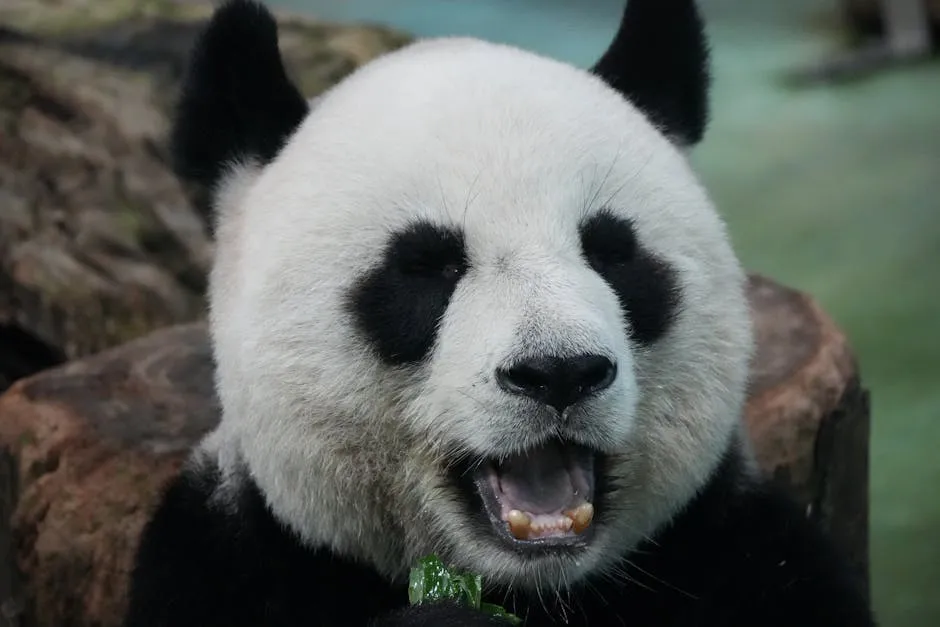
The third is Panda Chengdu — the symbol-and-tourism layer the city built post-1980s around the Chengdu Research Base of Giant Panda Breeding, the world’s most important captive-breeding programme for Ailuropoda melanoleuca, with roughly 240 pandas across the Chengdu base and its satellite breeding-and-rewilding stations in Wolong and Bifengxia. The 2008 Wenchuan earthquake (12 May 2008, magnitude 8.0, the epicentre 80 km north-west of Chengdu, 87,000+ dead across Sichuan, 5 million displaced) was a national catastrophe and severely damaged the original Wolong panda base; the post-2008 rebuild distributed the captive-breeding programme across multiple sites. The pandas you will visit at the urban Chengdu base have been there since the 1990s; the conservation success is real, the global brand is real, and the morning queue at the base is also real.
The fourth is Tianfu Chengdu — the post-2010 engineered megalopolis being built on what was farmland south of the old city. Tianfu New Area, the Tianfu International Airport (opened June 2021, the country’s fourth-largest air hub by 2025 passenger volume), the High-Tech Zone, the Chengdu Science City — this is the future-Chinese-city set piece, and is where the country’s political-administrative attention is currently directed. The visitor experience of Tianfu is light — there is not much for a tourist to do in the new district except gawk at the scale — but the gravitational shift south is the working backdrop of everything happening in the city right now.
A small note on language: Mandarin is the working language. Sichuanese (a Mandarin-dialect group, mutually intelligible with standard Mandarin in writing, less so in speech) is widely spoken by older residents and in markets; the cadence is famously rolling and tonal, and the in-city joke is that you can identify a Chengdu native within four words. English is partial — common at major hotels, restaurants in the four-star-and-up tier, the airport, the main attractions; uncommon in the back-street kitchens that are also the best food. The Pleco translation app and the Baidu Maps Chinese-side mapping app are both essential for a non-Mandarin visitor.
A working 2026 visa note: as of November 2025, China has extended 30-day visa-free entry to passport holders of most EU member states, the UK, Canada and Sweden (Sweden added 10 November 2025; the policy is in force through 31 December 2026). US citizens are not on the 30-day visa-free list and require either a tourist visa or use the 240-hour (10-day) visa-free transit policy — available at Chengdu Tianfu Airport for citizens of 55 countries including the US, provided you are transiting to a third country. This is the single most-changed Chinese tourism variable of the past three years and is worth reading the current published list of eligible passports before booking; check the State Council policy page directly.
Come with three days minimum, five comfortably. Do at least one tea-house morning. Eat at least two genuine Sichuan meals away from the international hotel restaurants. Go to the panda base early. And try to absorb the fact that you are in the western interior of China — not Beijing, not Shanghai, not the country the international news framework defaults to. Chengdu is different, slower, more confident in itself, and the food is one of the great food cultures of the planet.
Getting There — Tianfu, Shuangliu and the Trains
Chengdu has two international airports, both currently operating in parallel.
Tianfu International Airport (TFU) — the new one, opened 27 June 2021 on a greenfield site 50 km south-east of Chengdu city centre. Tianfu is now the primary international gateway and handles most long-haul flights and the larger Chinese carriers’ wide-body services. Two terminals; the airport is one of the largest in China by physical footprint and one of the busiest by passenger volume.
Shuangliu International Airport (CTU) — the older airport, 17 km south-west of the city centre, opened 1956 and substantially expanded across the 1990s and 2000s. Since the Tianfu opening, Shuangliu has shifted toward shorter-haul and regional Chinese domestic services, though some international routes remain. Closer to downtown, lower-traffic, often more convenient.
Both airports are connected to each other and to the city by Chengdu Metro. The key lines:
- Metro Line 18 (Tianfu Airport Express) — the cheapest fast option from city centre to TFU. ¥10–20 (€1.30–2.50), about 40 minutes from central stations. Express trains skip some stops; check the platform display. Operates roughly 06:00 to 23:00.
- Metro Line 19 — the direct high-speed metro connection between TFU and CTU, 73 km, about 30 minutes end-to-end, without entering the city centre. The right transfer if your connecting flight is at the other airport.
- Metro Line 10 — connects CTU Shuangliu to central Chengdu. ¥4–7 (€0.50–0.90), 30 minutes from Shuangliu Airport Terminal 2 to Tianfu Square.
For taxis and ride-hails, Didi (China’s Uber equivalent) is the working app. Most Western Uber accounts roam onto Didi in China; otherwise download Didi separately and link to a Chinese mobile number, an international credit card, or pay via Alipay / WeChat Pay. Expect roughly:
- TFU to city centre: ¥130–220 (€16–28), 60–80 minutes
- CTU to city centre: ¥40–80 (€5–10), 25–40 minutes
- Across-city Chengdu: ¥30–80 (€4–10) for most central trips
Trains — the Chinese high-speed rail option
For visitors arriving from elsewhere in China, the high-speed rail (CRH/Fuxing) network connects Chengdu efficiently to major Chinese cities. The new Chengdu East Railway Station (Chengdudong) is the main high-speed hub; Chengdu South and Chengdu West also serve specific routes.
- Chongqing to Chengdu: 1 hour 10 minutes, ¥154 (€19) second-class.
- Xi’an to Chengdu: 3 hours 10 minutes (Lanxin high-speed line), ¥263 (€33).
- Beijing to Chengdu: 7 hours 30 minutes, ¥770 (€97) second-class.
- Shanghai to Chengdu: 11 hours, ¥860 (€109) second-class — the overnight sleeper version is the better option.
Tickets are buyable through the Trip.com / Ctrip apps with a foreign passport, or at the working ticket window with passport ID. Trains require ID-verified entry at the station; arrive 30 minutes early.
Editor’s tip: If you are arriving on a long-haul international flight, request Tianfu (TFU) rather than Shuangliu — the wider-body Western airlines almost always use TFU, and the Metro Line 18 ride into town is the right introduction to the city’s scale. If you are connecting domestically, check which airport your inbound flight uses — the 30-minute metro between them is fine but adds a buffer to the day.
Pro Tip: Use the Alipay Tour Pass for everything. Sign up at the airport (passport + Visa/Mastercard) and link a Western credit card; Alipay then handles taxis (via Didi-mini-program), metro tickets, restaurants, market stalls, and the entire 95% cashless Chinese payments system. Without Alipay or WeChat Pay set up, you will struggle — China is genuinely cash-shy in 2026, and ATM withdrawals come with fees and Chinese-character menus.
Top 12 Attractions in Chengdu
A first-time visitor should mix the panda base (the global icon), three or four temple-and-history sites, the tea-house morning, and one Sichuan-cuisine experience that is not merely a meal. Five days is the comfortable framing; three is the minimum.
1. Chengdu Research Base of Giant Panda Breeding
The world’s most important captive-breeding centre for the giant panda, opened 1987 on a hillside in the city’s north-eastern suburbs. The base houses approximately 240 pandas — adults, sub-adults, sub-adult cubs in nurseries, and the very young breeding cubs in the famously videoed incubator-and-keeper-handling sequences. The base also breeds red pandas (Ailurus fulgens — the smaller, raccoon-faced unrelated species native to the same Sichuan-Himalaya foothills) and runs the country’s most ambitious panda-genome-and-rewilding programmes through the connected Dujiangyan Panda Valley and Wolong stations.
- Hours: 07:30–18:00 (last entry 17:00). Pandas are most active 08:00–11:00, when keepers feed them.
- Entry: ¥55 (€7) adults; free for under-6 and children under 1.3 m. Online reservation required via the official panda-base WeChat mini-program or the China-side Trip.com.
- Access: Metro Line 3 (Panda Avenue station) plus shuttle bus, or Didi ¥40–60 from central Chengdu.
Editor’s tip: Arrive at 07:30 opening. The pandas are most active for the first three hours after dawn — by midday in summer (28+ °C) they are mostly asleep in the shade. Bring binoculars; the enclosures are large and the photogenic close-ups require either telephoto or patience. Skip the panda-cub-holding “experience” tours that some agencies sell — most are no longer running due to disease-control protocols, and the legitimate ones cost ¥1,800+ per session.
2. Wuhou Shrine and Jinli Ancient Street
The combined complex on the south side of the city centre — the Wuhou Shrine (Wuhouci), a sixth-century memorial to the Three Kingdoms statesman Zhuge Liang (181–234 CE) and the Shu Han emperor Liu Bei (161–223 CE), is the country’s most visited Three-Kingdoms-period site. The shrine itself is a Qing-dynasty rebuild on Tang-dynasty foundations and contains the imperial tombs and the Wenchen Wuchen (civil and military officials) galleries. Adjacent is Jinli Ancient Street, a restored late-Qing pedestrianised street with food stalls, snack vendors, and the city’s best one-block introduction to Sichuanese hedhikaa-style small-eats: dan dan noodles, sweet-water noodles (tianshui mian), three-cannon balls (sandapao), bingfen ice-jelly, and the working tea-house terraces that double as the visitor’s entry point to a Sichuan tea ritual.
- Wuhou Shrine hours: Peak season (1 May – 31 October) 08:00–20:00; low season 08:00–18:30.
- Entry: ¥50 (€6.30) Wuhou Shrine; Jinli is free and is the better part of the visit for most travellers.
- Access: Metro Line 3 (Gaoshengqiao) or Line 5 (Wuhouci-Jinli), 5-minute walk.
3. Du Fu Thatched Cottage Museum
The 8th-century residence of Du Fu (712–770 CE), one of the two pre-eminent poets of Tang-dynasty China (with Li Bai), who lived in Chengdu from 759 to 765 CE during his exile from the An Lushan rebellion. Du Fu wrote about 240 of his 1,500 surviving poems during his Chengdu years, including the canonical Spring Night, Glad Rain and My Thatched Roof is Ruined by an Autumn Wind. The current museum is a Ming-dynasty reconstruction (15th century) of the original thatched cottage site, with successive Qing and modern enlargements; the wooden tea pavilions, the long landscaped park around the cottage, and the on-site Du Fu calligraphy collection are the substance of the visit.
- Hours: Peak season 08:00–18:30; low season 08:00–18:00.
- Entry: ¥50–60 (€6.30–7.60), free over 60.
- Access: Metro Line 5 (Caotang Beilu) or Line 4 (Caotang Lu), 5-minute walk.
Pro Tip: The Du Fu Thatched Cottage is the right late-afternoon visit — the bamboo gardens are particularly atmospheric in the four-to-six-PM light, and the tea pavilion at the south end is a good final-cup-of-the-day stop. Most tour groups have left by 16:00.
4. Kuanzhai Alley (Wide-Narrow Alley)
The restored Manchu-quarter alley complex in the city’s west — three parallel pedestrianised lanes (Kuanxiangzi / Wide Alley, Zhaixiangzi / Narrow Alley, and Jingxiangzi / Well Alley) reconstructed from late-Qing-dynasty residential architecture, with shops, restaurants, courtyard cafés, and the working tea-houses that anchor the complex. Walkable end-to-end in about an hour. Touristic by design, with the inevitable price markup compared to ordinary city restaurants, but the architectural ensemble is the city’s best surviving block of Qing-Manchu courtyard housing.
- Hours: 24/7 (street access); shops and tea-houses 10:00–22:00.
- Entry: Free.
- Access: Metro Line 4 (Kuanzhai Alley station).
Editor’s tip: Kuanzhai is best at twilight (17:00–19:00) when the red lanterns are lit and the day-tour groups have left. Avoid the central food-stalls strip for actual meals — eat at a back-alley working courtyard restaurant a block off the main pedestrian routes; the prices halve and the cooking improves.
5. People’s Park and the Heming Tea House
The 1911-founded People’s Park in the city centre is the country’s most-photographed working park — landscaped lake, boating pond, working Heming Tea House on the west shore, ear-cleaning specialists with their distinctive tuning forks, retired-resident mahjong games, the working Marriage Market on the south lawn (every Saturday and Sunday afternoon, where parents post laminated CV cards of their adult unmarried children on small umbrellas). The park is free, open 06:00–22:00, and is the right place to spend a slow morning watching how Chengdu actually works.
- Hours: 06:00–22:00.
- Entry: Free. Tea at Heming ¥30–60 per pot (unlimited refills); ear-cleaning ¥30–50; lake boating ¥30 for 30 minutes.
- Access: Metro Line 2 (People’s Park station).
6. Wenshu Monastery (Wenshu Yuan)
The 6th-century Tang-dynasty Buddhist monastery in the city’s centre, named after Manjushri (the bodhisattva of wisdom; Wenshu is the Chinese-Buddhist form of the name). The complex includes five working courtyards, a 36-metre Tang stone pagoda, a large prayer hall with a 28-metre seated Buddha, the working monks’ quarters, and the Wenshu Vegetarian Restaurant in the south wing — one of the best vegetarian Buddhist canteens in the country. The monastery is genuinely functional (daily morning chanting at 06:30, working monk-and-nun residency) rather than ornamental.
- Hours: 08:00–17:00 daily.
- Entry: ¥5 (€0.65), free during major Buddhist festival days.
- Access: Metro Line 1 (Wenshu Monastery station).
7. Jinsha Site Museum
The 1,200 BCE archaeological site discovered in February 2001 during a real-estate excavation, now preserved as an in-situ museum. The Jinsha culture predates the more-famous Sanxingdui Bronze-Age site (which is itself a day-trip from Chengdu, 40 km north) by roughly two hundred years and is genetically and culturally related to it. The on-site museum displays the Sun Bird gold-foil ornament (the city’s emblem), the gold-mask (the most-reproduced single Jinsha object), and the surrounding ivory, jade and bronze cache. The 30,000 square-metre archaeology zone is partly excavated and partly preserved-in-situ under cover.
- Hours: Peak season 08:00–18:00; low season 08:30–17:30. Closed Mondays.
- Entry: ¥80 (€10).
- Access: Metro Line 7 (Jinsha Site Museum station).
8. Sichuan Provincial Museum
The country’s largest collection of Sichuanese cultural-historical material — the museum’s permanent collections cover pre-Ba-Shu prehistoric materials, the Han-dynasty agricultural-tomb murals, the Tang-Song Buddhist sculpture from Mt Emei and the regional countryside, and the Republican-and-Communist-period twentieth-century galleries. Particularly strong on the Han-dynasty pictorial bricks (the carved-clay funerary panels showing daily life in the 2nd-century BCE region) and the Tang-Buddhist sculpture wing.
- Hours: 09:00–17:00 daily (last entry 16:00). Closed Mondays.
- Entry: Free, but online reservation required via the museum WeChat mini-program.
- Access: Metro Line 11 (Sichuan Museum station).
9. Anshun Bridge (Anshun Lang Qiao)
The covered pedestrian bridge over the Jinjiang River in the city centre, on the original Yuan-dynasty crossing site; rebuilt in the current covered-pavilion form in 2003. The bridge’s interior holds a small set of restaurants and tea-houses; the bridge exterior is most photogenic at night when the river lights are on. The Anshun Bridge area appears in Marco Polo’s Travels — described as the “great bridge of seven arches” — though the conventional account is contested by some historians who argue Polo’s specific Sichuan claims are less reliable than his northern-China observations.
- Hours: Bridge open 24/7; restaurants 10:00–23:00.
- Entry: Free.
- Access: Metro Line 2 (Dongmen Daqiao station), 5-minute walk.
10. Tianfu Square and the Mao Statue
The geographic centre of the city, on the former site of the Imperial Examination Hall demolished in the 1960s. The square is anchored by the 30.5-metre Chairman Mao statue (built 1969, one of the few surviving giant Mao statues in a major Chinese-city centre — most others were quietly removed in the 1980s–90s as part of the post-Cultural-Revolution reassessment), flanked by the Chengdu Museum (the city’s history museum, opened 2016) and the Sichuan Science & Technology Museum. The square is the everyday-life centre — flower beds, fountain, the metro hub of Metro Lines 1 and 2 underneath. Worth a walk-through rather than a destination visit.
- Access: Metro Lines 1 and 2 (Tianfu Square station, the city’s central interchange).
11. Mount Qingcheng (UNESCO) — Half-Day Trip
The 1,260-metre Taoist holy mountain 70 km west of Chengdu, UNESCO World Heritage Site (2000) as part of the inscribed Mount Qingcheng and the Dujiangyan Irrigation System. The mountain is one of the four sacred mountains of Taoism in China and is dotted with working Taoist temples — Tianshi Cave (the cave of the founder of Taoism, Zhang Daoling, 2nd century CE), Shangqing Palace at the summit. The mountain divides into Qingcheng Front (the easier, more developed pilgrimage route, 4-hour return loop) and Qingcheng Rear (the wilder, hiker-favoured loop, 6–8 hours).
- Hours: 08:00–17:00 (last entry 15:00).
- Entry: ¥80 (€10) Front, ¥20 (€2.50) Rear, plus optional cable car ¥35.
- Access: Train from Chengdu North to Qingchengshan station (45 minutes, ¥15), then taxi ¥30 to the mountain entrance.
Pro Tip: Combine with Dujiangyan Irrigation System in a single full day — the two UNESCO sites are 15 km apart and share their inscribed designation. Dujiangyan is the 256-BCE engineering project that diverts the Min River and was the foundation of the Chengdu Plain’s agricultural-wealth millennium; the working irrigation channels still function 2,280 years later.
12. Leshan Giant Buddha (UNESCO) — Full Day Trip
The 71-metre Tang-dynasty seated Buddha carved into the Lingyun Hill cliff at the confluence of three rivers, 140 km south-west of Chengdu, UNESCO World Heritage Site (1996). The Buddha was carved between 713 and 803 CE under the direction of the monk Haitong with the stated intent of “calming the turbulent waters” of the river confluence. It is the largest pre-modern stone Buddha statue in the world by several measures, and the surrounding cliff-and-temple complex includes additional smaller carvings, the working monastery, and the connecting Mount Emei UNESCO site (separate inscription, 1996).
- Hours: Peak season 07:30–18:30; low season 08:00–17:30.
- Entry: ¥80 (€10) Leshan; cliff-stair walking circuit included.
- Access: High-speed rail from Chengdu East to Leshan, 60 minutes, ¥54 (€6.80) each way, then taxi ¥30 to the site. Several day-tour operators run the Leshan-plus-Emei combination (¥400–700 per person, including a tour bus and the local guide).
Chengdu’s Neighbourhoods
A visitor staying in the central city can walk between most of the next six neighbourhoods or reach them on a single metro change. The list is in rough clockwise order around Tianfu Square.
Tianfu Square / Chunxi Road — the centre
The metro hub, the Mao statue, the central shopping street (Chunxi Road and the adjacent IFS Mall), and the working centre of the city. The right base for a first-time visitor — walking distance to People’s Park, Wenshu Monastery, the Anshun Bridge waterfront. Hotels in this band include the St. Regis, the Niccolo, the Ritz-Carlton, the Temple House.
Jinjiang District — the old centre
The pre-Tianfu commercial heart of the city, east of Chunxi Road. Less polished, more genuinely Chinese, denser with small restaurants and markets. Particularly good for Yanshikou (the working night-food district) and the Tianfu New District city-centre boutique scene.
Kuanzhai / Renmin Park — the heritage quarter
The blocks west of the city centre around Kuanzhai Alley, Wenshu Monastery and People’s Park — denser with old temples and Republican-era architecture, the working back-alley restaurant scene. The right base for a more architecturally-curious visitor.
Wuhou / Jinli — the tourist quarter
South of the city centre, around Wuhou Shrine and Jinli Ancient Street. The most-developed tourist-and-restaurant strip in the city, working hard at the heritage-tourism brand. Hotels here are a step down from the central-Chunxi tier but very walkable to Sichuanese-food and tea-house tourism.
Chunxi Road / Yanshikou — the shopping-and-food strip
The pedestrian-and-mall complex east of Tianfu Square, with Chengdu IFS (the luxury-mall anchor with the giant climbing-panda sculpture on its facade), Taikoo Li Chengdu (the open-air premium shopping precinct adjacent to Daci Temple), and the working Chunxi Road night-food strip below.
Tianfu New District — the future
South-of-city engineered megalopolis. Wide boulevards, Tianfu Square 2.0 (the southern equivalent), the Hi-Tech Zone, Chengdu Science City, and the new Tianfu International Airport. Not a tourist district yet; worth a half-day visit only if you want to see what the engineered-future-Chinese-city looks like.
Where to Stay — by Budget
Rates below are per person per night, double occupancy, shoulder season (April-May, September-October). Peak (Chinese National Day week, October 1–7, and Chinese New Year) adds 30–80%. Deep low season (January–February non-holiday weeks, July–August non-school-holiday) deducts 20–40%.
Backpacker / hostel — ¥80–250 per person per night (€10–32)
The Chinese hostel scene is well-developed and reliable for international standards. The Mix Hostel (near Wenshu Monastery) is the long-running international anchor; the Lazybones Hostel in Wuhou is the working alternative; the Flipflop Lounge Hostel in Kuanzhai is the design-forward newer entry. Dorm beds from ¥80; private rooms from ¥220.
Mid-range — ¥350–800 per night (€44–101) for a double
The Chinese chain mid-tier (Atlas Hotel, Ji Hotel, JEN by Shangri-La, Holiday Inn Express) plus the working independent boutique hotels. The most reliable mid-range central choice is the Atlas Boutique Hotel Chengdu or the JEN Chengdu by Shangri-La — both running at ¥500–800 for a comfortable double-with-breakfast in 2026.
Upper-mid — ¥900–1,800 per night (€114–228)
The well-regarded foreign and Chinese mid-luxury brands. The Temple House (Swire’s flagship boutique brand, Jinli district, designed around a Qing-dynasty courtyard — the city’s most-architecturally-distinct hotel); Shangri-La Chengdu (Jinjiang riverside); Hyatt Regency Chengdu (Chunxi Road); Sofitel Chengdu Taihe. ¥1,000–1,800.
Splurge — ¥2,200+ per night (€278+)
The flagship five-star anchors. The Ritz-Carlton Chengdu (Tianfu Square, the city’s most central five-star); The St. Regis Chengdu (next to Tianfu Square, 282 rooms, the working luxury-business-traveller anchor); Niccolo Chengdu (Chunxi Road, the Wharf Group’s Hong-Kong-style boutique-luxury); Waldorf Astoria Chengdu (the newer addition, holds the Michelin one-star Infinite Luck restaurant). ¥2,200–4,800.
Where not to stay
Avoid hotels in the far-south Tianfu New District unless you have specific business there — the area is impressively-built but visitor-unfriendly (no walkable food scene, no historic attractions, the airport is closer to TFU but you save no time vs the central-city-plus-metro option). Also avoid bottom-tier Booking.com “Chengdu central” listings that turn out to be in the outer Wuhou or Jinjiang ring — once you factor in the metro time back to attractions, the cost-saving disappears.
Where to Eat — Mapo Tofu, Hot Pot and the Tea-House Snack
Sichuan cooking is one of the great food cultures of the world. The defining structures:
- Má-là (麻辣) — the numbing-spicy flavour pairing of Sichuan peppercorn (huājiāo, the tingling-numbing 麻 má sensation) and dried chillies (the heat 辣 là).
- Twenty-three named flavour profiles — the local culinary tradition explicitly catalogues these, only seven of which are spicy. The non-spicy seven are equally important and include yuxiang (fish-fragrant, sweet-and-sour-and-pungent), guaiwei (literally “strange flavour,” a sesame-and-soy-and-chili-and-vinegar dressing), suanla (sour-and-spicy), tangcu (sweet-and-sour, distinct from northern Chinese tangcu), jiayan (home-style salt), chenpi (orange-peel), and wuxiang (five-spice).
- The dish-by-dish identity — Sichuan cuisine works at the level of named dishes more than any other Chinese regional cuisine. Most Chengdu locals can name their preferred restaurant for each of the 30-or-so canonical dishes.
Michelin and the modern fine-dining scene
Chengdu has had a Michelin Guide since 2022. The 2026 fifth edition lists 76 restaurants with 13 starred — two with two stars (Yu Zhi Lan and Xin Rong Ji) and 11 with one star. Four new one-stars were added in 2026: Infinite Luck at the Waldorf Astoria, Qie Fang Xiang, Song Chuan, and Wanyan; plus the innovative-cuisine Aurore. The strongest single statement on Chengdu’s dining scene is that the Michelin guide arrived earlier here than in many larger Chinese cities, including the previous-year-Sichuan-cuisine focus.
The institutional Sichuanese — ¥80–250 per head (€10–32)
- Chen Mapo Tofu (multiple Chengdu branches; the original founding at Beimen Bridge dates to roughly 1862, the dish named after the founder Mrs Chen of the original tofu shop). The benchmark mapo tofu in its city of origin. ¥30–60 a plate; about ¥100–150 per head for a full lunch. Touristic at the central branches; the working older locations (Qingyang District) are better.
- Long Chao Shou (Chunxi Road) — the institutional wonton-and-noodle anchor, opened 1940. The defining bowl is long chao shou (the namesake “dragon-style” wontons) plus dan dan noodles.
- Lai Tang Yuan (Chunxi Road) — the institutional tangyuan (glutinous rice ball) shop, since 1894.
- Han Bao Ji Pian — multiple branches, the city’s defining boiled-chicken-with-chili-oil kou shui ji shop.
- Si Mei Tang (Wenshu Monastery area) — the working si mei tang (four-dessert tang-yuan) sweet-soup institution.
Hot pot — the defining Chengdu meal
Chengdu hot pot is distinct from Chongqing hot pot (its rival to the east) in the chili-oil profile, the base broth, and the dipping-sauce convention. The working order is a yuanyang (yin-yang split-pan) broth with a má-là half and a clear-mushroom half; ingredients arrive raw on plates to cook at the table; the dipping sauce is sesame-oil-with-garlic-and-cilantro. The institutional anchors:
- Shu Jiu Xiang (multiple central branches) — the cheaper end of the working Chengdu hot-pot chain. ¥120–200 per head.
- Hai Di Lao (multiple) — the famous national chain (originated in Sichuan), known for the over-the-top service. ¥180–280 per head.
- Da Long Yi and Xiao Long Kan — the local-branded mid-range chains. ¥120–200.
Tea-house snacks
The tea-house culture of Chengdu — People’s Park Heming Tea House, Wuhou tea-houses, Kuanzhai Alley tea pavilions — supports a working xiao chi (small-eats) scene. The defining items to order:
- Dan dan noodles (担担面) — thin wheat noodles in chili oil, Sichuan peppercorn, sesame paste, minced pork.
- Sweet-water noodles (甜水面) — thick chewy wheat noodles in sweet soy sauce and chili oil.
- Three-cannon balls (三大炮) — sticky rice balls dropped onto a brass-pan trio with theatrical bouncing, served with sesame and soybean flour.
- Bingfen (冰粉) — chilled-set jelly in brown sugar with peanut.
- Yangmei guidao (羊肉龟道) — lamb soup with rice noodles, the working winter dish.
Vegetarian Buddhist — Wenshu Yuan
The Wenshu Vegetarian Restaurant in the south wing of Wenshu Monastery serves traditional Chinese Buddhist vegetarian cuisine — mock-meat dishes built from gluten, mushrooms and bean curd, plus working soup-and-rice meals. ¥40–80 per head, lunch-only. One of the best vegetarian institutional kitchens in the country.
Editor’s tip: The single best Chengdu food rule is to eat at least one street-side small-eats meal alongside one sit-down restaurant meal per day. The institutional tiffin-houses (Chen Mapo, Long Chao Shou, Lai Tang Yuan) cover the historical-recipe spine; the working alley kitchens are where the dish-by-dish identity actually lives. The Michelin-starred restaurants are excellent but are a separate, less Chengdu-specific experience.
Drinking — Tea, Baijiu and the Chinese Craft Beer Scene
Tea
The defining Chengdu drink is tea, not alcohol. The city is one of the major Chinese tea-house cultures (with Hangzhou and Yangzhou); the working teas are bamboo-leaf green (the local light infusion that Heming serves), jasmine green (the more aromatic), oolong, and pu’er (the dark-fermented Yunnan tea, often aged). A standard pot at a tea-house runs ¥30–80 with unlimited refills, served with seeds, candy and sometimes a small bowl of melon-seed snacks. The right thing to do at least once is settle in for two or three hours at a Heming-style tea-house, with a book or a friend.
Baijiu
The Chinese clear-grain spirit, typically 38–53% ABV, made from sorghum or millet. Sichuan is one of the two great baijiu-producing provinces (with Guizhou); the local brands include Wuliangye (one of the country’s best-known mid-luxury baijiu), Jiannanchun, Quanxing Daqu, Luzhou Laojiao. Drinking is shot-by-shot in toasts (ganbei!) at a working dinner table. A 500 ml bottle of mid-range Wuliangye is ¥800–1,500 in a restaurant; a shot ¥40–100. The taste is fermented-grain-and-mushroom; for first-timers, ease into 38% varieties before the 53% peaks.
Beer
The mainstream Chinese beers are Tsingtao, Snow (the largest by volume), and Yanjing. The Chinese craft-beer scene has matured significantly since 2018, and Chengdu has a small but real local-craft cluster: Jing-A (originally Beijing, now national distribution), Panda Brew (the local Chengdu craft, working brewery on the south side), Devils Brewery (Shanghai, distributed in Chengdu). ¥20–35 for a pint at a working craft-bar.
Wine
The Chinese domestic wine industry is improving — Ningxia and Yunnan are the production heartlands. Imports are heavily-taxed but available; expect ¥120–250 for a glass of imported mid-range red at a restaurant, ¥600–1,400 for a bottle.
The dry-village rule and Buddhism
Wenshu Monastery and most Buddhist sites are dry by convention. The working tea-houses are obviously dry too. The bars and restaurants are not.
Pro Tip: The right Chengdu drinking ritual is tea-house at midday, baijiu with a Sichuan dinner at night. Try a 38% Wuliangye if the host orders it; refuse the second bottle. Most Chinese banquets escalate the baijiu in volume and ABV across the dinner, and a foreign guest who finishes the first bottle confidently and then declines further is the working etiquette move.
Getting Around the City
Metro
The Chengdu Metro is the country’s fourth-largest by network length (after Beijing, Shanghai, Guangzhou) with 15 lines in operation as of 2026 covering most of the central city and both airports. Fares are distance-based, ¥3–9 (€0.40–1.15) per journey. The Chengdu Metro App (Tianfu Tong / 天府通) or Alipay’s metro mini-program both work for ticketless QR entry. Trains run roughly 06:00–23:00.
Didi (the China ride-hail)
The working taxi-and-ride-hail app. Most Western Uber accounts can be set to roaming on Didi; install Didi separately if not. Most central trips ¥20–60 (€2.50–7.60). The Didi-Express tier is the everyday default; Didi-Premier is the higher-end car option at roughly 60% more.
Public buses
Comprehensive city network; ¥2 (€0.25) flat-fare. Less convenient for non-Chinese-readers; use Baidu Maps for routing. The working alternative to the metro for short distances.
Bikes
Hello Bike and Meituan Bike dockless-bike share — ¥1.50–3 per ride within central Chengdu. Useful for short circuits within the inner ring road, less so for cross-city.
Walking
Central Chengdu (within the second ring road) is walkable — the city is flat, the pavements are wide, the cross-streets are reliably grid-aligned. The historic areas (Wuhou-Jinli, Kuanzhai, Wenshu, Renmin Park) are particularly walkable. Outside the second ring, take the metro.
Editor’s tip: Install Baidu Maps (or Apple Maps in China, which uses Baidu’s data) before arrival. Google Maps does not work in China without a working VPN, and even with one the data is dated. Baidu Maps has the metro routes, the bus schedules, the walking directions and the working English-language interface buttons.
When to Visit
Chengdu has four working seasons, but the city is famously cloudy — the Sichuan Basin’s geography produces persistent low cloud cover and humidity through much of the year. The local joke is that the pandas at the base are visibly relaxed because they evolved for exactly this weather: low UV, high humidity, year-round green.
- March–May (spring) — the right window. Daytime 16–25 °C, occasional rain, the city’s gardens (Du Fu Cottage, People’s Park) at their peak. Recommend April as the single best month.
- June–August (summer) — hot and humid, daytime 28–32 °C, the rainy season. Tourist-heavy at the panda base; book early.
- September–November (autumn) — the second-best window. Daytime 18–26 °C, decreasing humidity, the Mt Qingcheng autumn-colour week (typically mid-October).
- December–February (winter) — cold and persistently grey. Daytime 5–12 °C, night 1–5 °C; rarely snowy but the air is damp-cold rather than dry-cold. Hot-pot season; the city’s working winter culinary identity peaks here.
The cyclic calendar to watch:
– Chinese New Year (typically late January or February) — major travel period, hotel rates 40–80% above shoulder, panda-base and major attractions crowded, but Chengdu is a working participant in the festival rather than a tourist destination during it. Worth being here for the city’s lantern festival and the temple-festival cycle.
– Chinese National Day (Golden Week, October 1–7) — domestic tourism peak, hotel rates above peak, attractions crowded.
– Du Fu poetry festival (April) — the local commemoration at Du Fu Thatched Cottage; the right shoulder-of-Chinese-tourism week to be in town.
– Sichuan Opera season — year-round at Shufeng Yayun teahouse and a handful of others; particularly active September–November.
Month-by-Month Weather
| Month | Day high (°C) | Night low (°C) | Rain days | Notes |
|---|---|---|---|---|
| Jan | 9 | 3 | 4 | Cold, grey; hot-pot season peak |
| Feb | 11 | 5 | 6 | Cold; Chinese New Year usually |
| Mar | 16 | 8 | 9 | Spring beginning |
| Apr | 22 | 13 | 11 | Best month; Du Fu festival |
| May | 26 | 17 | 14 | Pre-monsoon warmth |
| Jun | 28 | 20 | 16 | Summer rain begins |
| Jul | 30 | 22 | 17 | Hottest, wettest |
| Aug | 30 | 22 | 16 | Continuing wet heat |
| Sep | 25 | 19 | 13 | Excellent — autumn beginning |
| Oct | 21 | 14 | 9 | Best autumn weather; Golden Week crowds |
| Nov | 16 | 9 | 6 | Quiet shoulder; second-best |
| Dec | 11 | 4 | 4 | Cold beginning; hot pot |
Daily Budget Breakdown
Per person per day, in yuan and euro equivalent, at ¥7.90 = €1 (verified 25 May 2026).
| Budget level | Per day | What you get |
|---|---|---|
| Backpacker | ¥150–280 / €19–35 | Hostel dorm (¥100), street-food breakfast (¥10), tea-house lunch (¥40), dinner at a small Sichuanese kitchen (¥80), metro+walking (¥10) |
| Mid-range | ¥500–1,000 / €63–127 | Mid-range hotel per-person (¥350), three sit-down meals incl. hot pot (¥250), Didi + metro (¥80), two attractions (¥130) |
| Higher | ¥1,400–2,500 / €177–316 | The Temple House per-person (¥1,000), a Michelin-Selected dinner (¥600), Didi everywhere (¥200), full attractions (¥250) |
| Splurge | ¥4,000+ / €506+ | Five-star suite, a Michelin one-star tasting menu, panda-keeper experience tour, premium baijiu tasting |
Chengdu is materially cheaper than a Tier 1 Chinese city (Beijing, Shanghai, Guangzhou, Shenzhen) — roughly 20–35% cheaper for equivalent quality across hotels and dining. It is on a par with Wuhan, Hangzhou and Xi’an.
Sample Itineraries
3 days — the essential first visit
- Day 1. Panda Base at 07:30 → late breakfast at the central neighbourhood → Du Fu Thatched Cottage afternoon → dinner of Sichuan dishes (Chen Mapo Doufu or equivalent) → Anshun Bridge night-walk.
- Day 2. Wenshu Monastery morning (vegetarian lunch in-house) → Jinsha Site Museum afternoon → People’s Park / Heming Tea House late afternoon → hot pot dinner.
- Day 3. Wuhou Shrine and Jinli morning → Kuanzhai Alley afternoon → Tianfu Square / Chengdu Museum → farewell Sichuan-opera dinner-show at Shufeng Yayun teahouse.
5 days — adds Mt Qingcheng and Dujiangyan
Days 1–3 as above. Day 4: Day trip to Mt Qingcheng + Dujiangyan UNESCO sites. Day 5: slower city walking, Sichuan Provincial Museum, second tea-house afternoon, departure dinner at a Michelin-Selected or a working hot-pot anchor.
7 days — adds Leshan-Emei or Sanxingdui
Days 1–5 as above. Day 6: Day trip to Leshan Giant Buddha + Mount Emei (UNESCO double, full-day, 7am–9pm). Day 7: Day trip to Sanxingdui (the 1,200-BCE Bronze-Age archaeological complex 40 km north, with the famously alien-looking bronze masks), 4-hour return.
Best Day Under €25 — Tea-House, Panda Base and Jinli on Foot
A genuinely cheap day with the city’s defining experiences.
| Item | Cost | Notes |
|---|---|---|
| Street breakfast: dan dan noodles + soy milk | ¥18 (€2.30) | Any breakfast stand on Chunxi Road |
| Metro day pass (Tianfu Tong card top-up) | ¥10 (€1.30) | |
| Panda Base entry | ¥55 (€7.00) | The day’s biggest single item |
| Lunch at the Panda Base café | ¥40 (€5.10) | Working snack — guokui + soup |
| Tea + ear-cleaning at Heming Tea House | ¥80 (€10.10) | ¥30 tea + ¥40 ear cleaning + ¥10 snacks |
| Wuhou Shrine + Jinli walk (afternoon) | ¥50 (€6.30) | Shrine fee; Jinli is free |
| Dinner: hot pot at Shu Jiu Xiang | ¥150 (€19.00) | One-person solo-pot setup; the working budget-hot-pot tier |
Running total: ¥403 / €51 — well over the €25 target.
To fit under €25, swap the hot pot for a working street-side bowl of dan dan noodles (¥25) plus a sweet-water-noodles snack (¥18), skip Wuhou Shrine and just walk Jinli (free), and skip ear-cleaning (¥40 saved). Net ¥186 / €23.55 — comfortable under target.
For context, the fleet’s Best Day Under leaderboard reads roughly: Cairo $3.50 · Bogotá $6 · Kuala Lumpur €8.50 · Munich €12 · Bangalore €15 · Tbilisi €25 · Chengdu €25 · Fiji €29 · Nicosia €32.60 · Sicily/Corsica €35–40 · Maldives $50. Chengdu sits at the Tbilisi tier, fair placement for a major Chinese provincial capital where the food economy is generous but the panda-base ticket is a structural floor.
Editor’s tip: If you cut the panda base from the €25 day, you can comfortably fit under €15. The panda base is the single non-skippable item for most first-visit travellers; the day-rate budget assumes you do it. If you have two days in the city, do the panda visit on Day 1 (full panda day) and a tighter €15 budget day on Day 2.
Hot Day, Rainy Day & Off-Season Plans
Hot afternoon (July–August, 30–32 °C)
Chengdu’s heat is genuinely humid (Sichuan Basin air, slow circulation). Move indoors. The Sichuan Provincial Museum is fully AC’d; the Chengdu Museum at Tianfu Square is the same; the Jinsha Site Museum has its indoor archaeological halls. IFS Mall and Taikoo Li are AC retreats with food courts. The metro itself is reliably cool. Save outdoor visits (Du Fu Cottage, People’s Park, Mt Qingcheng) for early morning and after 17:00.
Rainy day
Chengdu rain is most often a thin persistent drizzle rather than a tropical downpour — manageable with an umbrella, less manageable with a poncho. The right rainy-day strategy is the museum-and-restaurant pivot: Jinsha Museum, Sichuan Provincial Museum, Wenshu Monastery (the covered courtyards work in light rain), and the Wenshu Vegetarian lunch. Tea-houses are working operations regardless of weather; the bamboo-and-pavilion structure shrugs off most rain.
Off-season (December–February)
Cold, grey, less touristy. The trade-off: hotel rates 25–40% lower, panda base less crowded, hot-pot season at full force. The Sichuan Basin’s winter is uniquely-cold-for-the-latitude (the Tibetan Plateau channels colder air east), but rarely snowy; bring a serious coat. Avoid travel during Chinese New Year week unless you have a strong reason — the country shuts down for family-only and the trains are impossibly booked.
Day Trips
Mt Qingcheng + Dujiangyan (UNESCO double) — full day
70 km west of Chengdu, the two UNESCO sites share their inscription. Mt Qingcheng (Taoist holy mountain, working temples, two ascent routes); Dujiangyan (the 256-BCE irrigation system, still functioning, the engineering anchor of the Sichuan Plain’s agricultural wealth). Full day; ¥80 each entry; high-speed train to Qingchengshan station 45 minutes, ¥15.
Leshan Giant Buddha + Mt Emei — full day or overnight
140 km south-west; the UNESCO double of the 71-metre Tang-dynasty cliff-carved Buddha (713-803 CE) and the sacred mountain Mt Emei (Buddhist, 3,099 m summit). High-speed rail to Leshan 60 minutes, ¥54; from Leshan to Mt Emei by 30-minute taxi. A long full day; better as an overnight at Baoguo (Mt Emei base town) if you want to do the summit.
Sanxingdui (Bronze-Age archaeology) — half day
40 km north, the Sanxingdui Museum holds the bronze masks and ritual objects from the 1,200-BCE Sanxingdui culture (the predecessor to Jinsha). New museum building opened 2023 with significantly enlarged displays. Half-day; ¥80 entry; bus from Chadianzi station ¥15.
Jiuzhaigou (Tibetan-mountain UNESCO) — 2–3 day overnight
The high-altitude (2,000–4,800 m) Jiuzhaigou Valley UNESCO site, 460 km north of Chengdu in the Aba Tibetan Autonomous Prefecture — turquoise alpine lakes, waterfalls, Tibetan villages. Requires a domestic flight (1 hour from Chengdu) plus 2–3 nights to do properly. The 2017 earthquake substantially damaged the site; full reopening of all sub-valleys completed by 2022. Genuinely worth the trip for landscape-focused visitors; not a half-day option.
Wenchuan Earthquake Memorial — half day
The 5.12 Wenchuan Earthquake Memorial Park at the destroyed old town of Beichuan (about 100 km north) preserves a section of the rubble of the 12 May 2008 earthquake (M 8.0, ~87,000 dead) as a working memorial-cum-museum. The site is intentionally dignified — the working contrast to the engineered-future-Chinese-city of Tianfu New District is the most concrete climate-and-disaster framing the city offers. Confirm current visit protocol and opening hours with the local prefectural tourism office before travel.
Safety & Practical Information
Crime
Chengdu is one of the safer large Chinese cities by violent-crime metric. Tourists are rarely targeted. Petty crime (pickpocketing in crowded metro stations, the standard taxi over-quotes at the airport) exists at the level you would expect of any 21-million-person megalopolis but is materially less than in many tier-1 Chinese cities. The two specific things to know:
- Counterfeit currency — rare but real. ATM withdrawals from major Chinese banks (Bank of China, ICBC, China Construction Bank) are reliable; avoid changing money at non-bank kiosks.
- Tourist-trap restaurants in Jinli, Kuanzhai, and Wuhou — overpriced versions of standard Sichuanese dishes aimed at tour-bus traffic. The fix is to walk a block off the main pedestrianised lanes; prices halve and quality improves.
Health
Tap water is not drinkable. Use bottled water (¥3 per 500 ml). Most hotels provide kettles for boiling, which is the working local standard. Avoid raw vegetables at street stalls; cooked food at established restaurants is generally safe.
Air quality is the recurring concern. The Sichuan Basin’s geography traps PM2.5 and the city’s air-quality index runs from “good” (May–September after rain) to “poor” (December–February winter inversions). The AQICN site or the PM2.5 app gives current readings; consider an N95 mask for winter visits.
Major hospitals: West China Hospital (the country’s largest, on Renmin Road South) is the working international-tier hospital and has an international-patient clinic with English-speaking doctors. Sichuan Provincial People’s Hospital is the working alternative. For anything serious, travel insurance with evacuation cover is the conservative choice.
Language
Mandarin is the official language; Sichuanese is the local dialect. English is partial — common at major hotels, international restaurants, the airport, the panda base; uncommon elsewhere. The Pleco dictionary app and Google Translate (with downloaded offline Chinese pack) are essential. The Baidu Translate app works inside China and is the local-network alternative.
Money
China is heavily cashless. Almost all Chengdu vendors — restaurants, taxis, metro stations, hotels, street stalls, even temple-donation boxes — operate on Alipay or WeChat Pay QR codes. Set up Alipay’s Tour Pass (or WeChat’s international wallet) at the airport on arrival: link your Western Visa/Mastercard, top up in yuan, scan-to-pay everywhere. The system works seamlessly for foreign visitors as of 2026 (a substantial change from pre-2024 when it was difficult).
Cash still works at most large transactions and emergency cases, but is increasingly unusual; small vendors and taxis sometimes do not have change.
Electrical and SIM
Type A and Type I sockets (the Chinese variant) at 220V/50Hz. A universal adapter is essential. Local SIMs from China Mobile, China Unicom, China Telecom sell at the airport for ¥80–200 (€10–25) with 20-50 GB data; passport ID required. Most EU/UK roaming plans do not include China at sensible rates; buy local.
Internet and VPN
Several Western services (Google, Facebook, Instagram, WhatsApp, YouTube, X/Twitter) are blocked in China without a VPN. Install a VPN (the established commercial VPNs — ExpressVPN, NordVPN, Astrill — generally work inside China, though the situation is dynamic and a previously-working VPN can be blocked overnight) before arrival, as the VPN download itself may be blocked from inside China. The standard Chinese-side alternatives (Baidu for search, WeChat for messaging, Weibo for social) all work without a VPN.
Cigarettes and pollution
Indoor smoking in restaurants, bars and public buildings remains common in Chengdu despite the 2017 indoor-smoking ban. Most upper-tier hotels are smoke-free; mid-range and budget often are not.
Visa & Entry Requirements
China’s visa policy has changed materially in 2024-2025. Read carefully.
30-day visa-free entry (most EU + UK + Canada + Australia)
As of November 2025, citizens of the following hold a free 30-day visa-on-arrival, valid for tourism, business, family-visit and transit:
- EU member states: Austria, Belgium, Bulgaria, Croatia, Cyprus, Denmark, Estonia, Finland, France, Germany, Greece, Hungary, Ireland, Italy, Latvia, Liechtenstein, Luxembourg, Malta, Monaco, Montenegro, Netherlands, North Macedonia, Norway, Poland, Portugal, Romania, Slovakia, Slovenia, Spain, Sweden (added 10 November 2025), Switzerland, Andorra.
- UK (added 17 February 2025).
- Canada (added 17 February 2025).
- Other: Russia, Australia, New Zealand, Japan, South Korea, Singapore, Malaysia, UAE, several Latin American countries.
The policy is currently in force through 31 December 2026. Verify the current list at the Chinese Ministry of Foreign Affairs consular page before travelling; the list has been expanding regularly through 2024-2025.
240-hour (10-day) visa-free transit (US + others)
US citizens are not on the 30-day visa-free list but qualify for the 240-hour visa-free transit policy at Chengdu Tianfu Airport (and 64 other Chinese ports of entry). Citizens of 55 countries including the US, UK, Canada, Australia, New Zealand, Japan, Indonesia and most EU states are eligible. Requirements:
- You must be transiting to a third country (not your country of origin). A round-trip US-China-US journey does NOT qualify; a US-China-Japan-US journey does.
- The 240-hour count starts on arrival; you may travel anywhere in 24 of China’s 31 provinces during the window (Sichuan and Chengdu are included).
- No application required in advance; declare at immigration on arrival.
For everyone else
Citizens not covered by either policy need a standard L (tourist) visa applied for in advance at a Chinese consulate. The process involves an application form, invitation letter or hotel confirmation, sometimes a personal interview, ~$140 fee. Allow two to three weeks.
Passport requirements
Passport valid 6+ months from arrival; one blank visa page. The arrival card is required and is now filled in via the WeChat mini-program or paper form; airline crew distribute the paper form on the inbound flight.
Hidden Chengdu
Genuinely under-visited rather than secret.
- Anren Ancient Town and the Jianchuan Museum Cluster — 50 km south-west of Chengdu, a 1,400-year-old Sichuan market town that holds the Jianchuan Museum Cluster, China’s largest private museum complex (founded by the philanthropist Fan Jianchuan in 2005). The cluster includes a Cultural-Revolution museum, an Anti-Japanese-War museum, a folk-pottery collection, and a working preserved old-town. Half-day from Chengdu, ¥80 cluster pass, genuinely educational.
- Mengdingshan tea-farming plateau — 100 km south-west, the historic source of much of Sichuan’s green tea, with working tea-plantations and a small-museum-cum-tea-tasting setup at the Mengdingshan Tea Cultural Heritage Park. Worth a half-day for tea-curious visitors.
- The Sanxingdui Museum (separate from the Jinsha Site Museum — the 2023-opened expansion has substantially more bronze-mask material than the older building had, and is one of the most under-appreciated archaeological visits in China).
- Chengdu Shu Brocade and Embroidery Museum — the working craft museum dedicated to the Sichuanese silk-and-embroidery tradition, with working master weavers on the upper floor. Less than ten minutes from Du Fu Thatched Cottage; almost no foreign visitors.
- Wide-Alley back-streets, off the Kuanzhai pedestrian zones — the actual residential courtyards behind the restored tourist alleys are still working homes, often with small unmarked tea houses or noodle shops that operate on local-resident traffic only.
Romantic Chengdu
Chengdu romance defaults to tea-house-and-walking rather than rose-and-sunset. The right places:
- A Heming Tea House late afternoon — two seats by the lake, a pot of bamboo-leaf green, three hours of conversation. ¥80 total. The right Chengdu first-date.
- An Anshun Bridge night walk and dinner — the covered bridge over Jinjiang River is photogenic after dark; mid-range Sichuanese restaurants on the south side of the bridge are the working dinner option.
- The Temple House courtyard restaurant (Mi Xun Teahouse) — Swire’s boutique-hotel restaurant in the Qing-dynasty courtyard, mid-range Sichuan-fusion in the most architecturally distinct setting in central Chengdu.
- A Du Fu Thatched Cottage afternoon — the bamboo gardens, the tea pavilion at the south end, the calligraphy gallery. Free with the ¥50 entry.
- A Mt Qingcheng overnight in a working Taoist guesthouse — the small inns on the lower slopes rent rooms with morning-mist views for ¥150-300; the Taoist temple breakfast and the dawn mountain walk are the country’s quietest possible romantic morning.
Chengdu with Kids
Chengdu works for children better than most large Chinese cities. The trade-offs are real.
- The Panda Base — the universal kid-magnet, and the staff understand this. Strollers OK; nursery areas have specific child-friendly observation decks.
- Chengdu Zoo and the Polar Ocean World — both in the southern suburbs; less impressive than the Panda Base but reliable child-day options.
- People’s Park — the boating lake, the working children’s play areas, the ice-cream-and-snack vendors along the lakeside.
- The toy train and amusement section at the Wuhou Temple complex (small) and Jinli Ancient Street (larger; the “three-cannon-balls” performance is the working child highlight).
- Sichuan Science & Technology Museum at Tianfu Square — hands-on exhibits, dinosaur fossils, indoor planetarium.
What does not work for kids: Wenshu Monastery (working religious site, requires quiet behaviour), Mt Qingcheng (long walking, not stroller-friendly), late-evening hot-pot dinners (smoke and noise level).
What’s New in 2026
- Visa policy continues to liberalise. Sweden added to the 30-day list 10 November 2025; the policy is extended through 31 December 2026. The 240-hour transit policy now covers 65 ports (up from 60 a year ago). Read the latest list before booking — the list has changed at least three times since November 2024.
- The Michelin Guide Chengdu 2026 (the 5th edition) lists 76 restaurants including 13 starred, with four new one-stars in this edition: Infinite Luck at the Waldorf Astoria, Qie Fang Xiang, Song Chuan, Wanyan, plus the innovative-cuisine Aurore. Chengdu’s dining scene has consolidated since the guide’s 2022 launch.
- Tianfu International Airport continues to expand — the third runway opened in 2024, and the second-phase domestic terminal is under construction with completion targeted for 2027.
- Chengdu Metro added Lines 27, 30 and the extensions on Lines 6 and 19 across 2024-2025; the network now stands at roughly 700 km, the country’s fourth-largest.
- Sanxingdui Museum’s new 2023 building has substantially increased the visible bronze-mask collection; the day-trip from Chengdu is materially better than it was three years ago.
- The 2008 Wenchuan earthquake memorial has been quietly maintained as a working national-memory site; the surrounding mountain villages have substantially-rebuilt infrastructure.
- Air quality continues a slow improvement — the city’s average PM2.5 has fallen substantially since 2017 thanks to coal-plant retirements and freight-electrification, though winter inversions remain a real issue.
🌍 See the bigger picture: our China travel guide covers regions, when to go, and getting around.
Frequently Asked Questions
1. How many days do I need in Chengdu?
Three days is the minimum for the city itself (panda base, three or four temple-and-history sites, a tea-house morning, one Sichuan-cuisine experience). Five days lets you add the Mt Qingcheng / Dujiangyan UNESCO double. Seven days lets you also do Leshan-Emei or Sanxingdui. Ten days lets you add a Jiuzhaigou Valley overnight.
2. Is Chengdu safe to visit in 2026?
Yes. Violent crime against tourists is rare. Petty crime is minor and concentrated in tourist-heavy zones. The wider political situation has no day-to-day impact on visitors. Cigarette smoke in restaurants and winter air-quality inversions are the two recurring nuisance issues.
3. Do I need a visa for China in 2026?
Most EU citizens, UK, Canada, Australia, NZ, Japan: NO — you get a free 30-day visa on arrival under the unilateral visa-free policy in force through 31 December 2026 (Sweden added 10 November 2025). US citizens: YES, generally — but you qualify for the 240-hour (10-day) visa-free transit at Chengdu if you are transiting to a third country (US → China → Japan → US, for example). Verify the current eligible-passport list before booking via the Chinese Foreign Ministry consular page.
4. Does Chengdu have any Michelin-star restaurants?
Yes — 13 in the 2026 edition of the Michelin Guide Chengdu (the 5th edition since 2022). Two with two stars (Yu Zhi Lan and Xin Rong Ji) and 11 with one star (including the new 2026 entries Infinite Luck at Waldorf Astoria, Qie Fang Xiang, Song Chuan, Wanyan, and the innovative-cuisine Aurore). Reservations are essential and often need a Chinese-side booking service (your hotel concierge is the easiest route).
5. How much does a Chengdu trip cost?
A backpacker week runs ¥150-280 per person per day (€19-35). A mid-range week runs ¥500-1,000 per person per day (€63-127). A luxury week runs ¥1,400-2,500 per day (€177-316). The most cost-efficient sweet spot is a mid-range stay — the city is materially cheaper than Beijing or Shanghai and the food economy is generous.
6. What is the best time to visit Chengdu?
April–May (spring, dry, mild, gardens at peak) and September–October (autumn, dry, mild, Golden Week crowds notwithstanding). June-August is hot and rainy; December-February is cold, grey and air-quality-poor (but hot-pot season is at its working peak).
7. How do I get from the airport to the city?
Tianfu Airport (TFU): Metro Line 18 ¥10-20 (40 minutes to central) or Didi ¥130-220 (60-80 minutes). Shuangliu Airport (CTU): Metro Line 10 ¥4-7 (30 minutes to central) or Didi ¥40-80 (25-40 minutes). The two airports are connected to each other by Metro Line 19 (30 minutes).
8. Is Chengdu expensive?
Cheaper than tier-1 Chinese cities (Beijing, Shanghai, Guangzhou, Shenzhen) by roughly 20-35% for equivalent quality. On par with Wuhan, Hangzhou, Xi’an. Materially cheaper than European cities. The €25 day is feasible if you do the panda base and skip the hot-pot dinner; under €15 is feasible if you also skip the panda base.
9. What is the panda-base experience like?
The Chengdu Research Base of Giant Panda Breeding houses approximately 240 pandas across a hillside compound in the city’s north-east. ¥55 entry, online reservation required, open 07:30-18:00. Arrive at 07:30 — the pandas are most active for the first three hours after dawn. Allow 3-4 hours for the full circuit including the red-panda enclosures. The base is also a research institution running the country’s genome-and-rewilding programmes through connected sites at Wolong and Dujiangyan.
10. What is the deal with Sichuan food?
Sichuan cuisine is one of the four great regional cuisines of China and arguably the most influential globally. The defining flavour pairing is má-là: 麻 má (the numbing-tingling sensation from Sichuan peppercorn) and 辣 là (the heat from dried chilies). The local culinary tradition catalogues 23 named flavour profiles, of which only 7 are spicy; the non-spicy half includes yuxiang (“fish-fragrant”), guaiwei (“strange flavour”), and tangcu (sweet-and-sour). Chengdu was named UNESCO City of Gastronomy in 2010 — the first in China, second in the world. The institutional dish anchors: mapo tofu (originated 1862, named after Mrs Chen of the original tofu shop), dan dan noodles, twice-cooked pork (huiguorou), kung pao chicken (gongbao jiding), Sichuan hot pot.
11. Can I use Google / Facebook / Instagram in Chengdu?
Not without a VPN. Install a VPN before arrival (ExpressVPN, NordVPN, Astrill all work in China as of early 2026; verify current status). The Chinese-side alternatives (Baidu, WeChat, Weibo) all work without VPN. WhatsApp is also blocked; use WeChat or Telegram (Telegram is partially blocked; expect intermittent issues).
12. Should I see Leshan Giant Buddha or Mt Emei?
Both, if you have a full day — they share a UNESCO inscription (1996) and are 30 minutes apart by taxi. Leshan is the 71-metre Tang-dynasty cliff Buddha (713-803 CE); Emei is the 3,099-metre Buddhist holy mountain. The high-speed rail from Chengdu East to Leshan is 60 minutes (¥54 each way). The longer Mt Emei visit (the summit pilgrimage walk, 1 day on foot or by cable car) is better as an overnight at Baoguo town at the base.
13. What’s the deal with Alipay and WeChat Pay for foreign visitors?
China is heavily cashless and almost all vendors accept only QR-code payment via Alipay or WeChat Pay. The good news for 2026 visitors: both platforms now support foreign-credit-card linking via their Tour Pass (Alipay) and international wallet (WeChat) features. Set up on arrival at the airport (passport + Visa/Mastercard); you can pay everywhere within an hour. This is the single biggest practical-experience change for foreign visitors to China since 2024.
14. Is Chengdu a good base for Tibet?
Yes — Chengdu is one of the main entry points for Tibet travel by both rail and air. Tibet permits are required for foreign visitors and must be arranged in advance through a Lhasa-based tour operator; same-day-on-arrival is not possible. The Chengdu-Lhasa train is 36 hours (the Qinghai-Tibet line); the flight is 2.5 hours. Several Chengdu tour operators specialise in the Tibet-permit process for foreign visitors. Allow 2-3 weeks lead time for the permit. The 240-hour transit visa does NOT cover Tibet — you need a full L visa plus the Tibet Travel Permit.
Explore More AiFly Guides
City guides: Tbilisi, Georgia · Yerevan, Armenia · Bangalore, India · Ahmedabad, India · Kolkata, India · Chengdu, China · Shenzhen, China · Xi’an, China · Chongqing, China · Ulaanbaatar, Mongolia · Halifax, Canada · Washington, D.C. · San Salvador, El Salvador
Island guides: Seychelles · Cape Verde · Maldives · Fiji · Crete · Cyprus · Corfu · Mykonos · Naxos · Zakynthos · Rhodes · Santorini · Sicily · Sardinia · Corsica · Malta
Cheapest Flights to Chengdu
We track flight deals to Chengdu from 5 cities worldwide. Here are the best recent fares:
Prices are based on recent deals and may no longer be available. Browse all flight deals